Author: Philip English

  • This AI Food Robot Has Already Made 80 Million Meals – Meet Chef+

    This AI Food Robot Has Already Made 80 Million Meals – Meet Chef+

    This AI Food Robot Has Already Made 80 Million Meals – Meet Chef+

    Imagine a robot that’s helped assemble over 80 million meals.
    No training days. No shift changes. Just consistent output.

    That’s the experience behind Chef+, the newest and most advanced robot from Chef Robotics, a San Francisco–based company focused on AI-powered meal assembly for food manufacturers.

    Chef+ is designed to solve some very real production problems.

    First—ingredient capacity.
    It now holds double the volume of previous models, which means fewer refills, less disruption, and smoother production—especially for bulky ingredients like pasta or leafy greens.

    Second—space.
    Despite the upgrade, Chef+ still takes up about the same footprint as a human worker, making it ideal for tight production lines and back-to-back layouts.

    Then there’s reliability and food safety.
    Sealed wiring, industrial cameras for cold environments, moisture control in air lines, and an open-frame design that’s easier to clean and inspect. That’s a big deal in regulated food environments.

    Performance has also stepped up.
    With higher CPU and GPU power and a three-camera vision system, Chef+ adapts to ingredient variation and tracks trays in real time for precise placement.

    And there’s a new feature worth noting—the “pat-down” gripper.
    It automates the manual task of flattening meals for better sealing and presentation, reducing waste, downtime, and repetitive strain on workers.

    So what’s the bigger picture?
    As labor shortages grow and margins tighten, systems like Chef+ point to a future where food manufacturing becomes more consistent, scalable, and resilient.

    This isn’t just automation—it’s the next generation of how food gets made.

    And that’s your robot news update for today!. If you’re curious about how robotics can transform your business, head over to Robot Philosophy website to join the waiting list, or to speak with the team about robotics.

    Don’t forget to subscribe so you stay in the loop with all the latest updates.

    I’m RoboPhil from Robot Philosophy — thanks for watching, and I’ll see you next time!

    Sponsors:-

    Robot Center is a UK-based robotics consultancy and Robot-as-a-Service (RaaS) provider, helping businesses deploy, manage, and scale real-world robotics solutions.

    We specialise in robot consultancy, Robotics as a Service, and the supply of commercial and industrial robots, including digital signage robots, inspection robots, security robots, and autonomous mobile robots. Robot Center supports businesses across the UK, Europe, and globally, from robot selection and purchase through to deployment, integration, and ongoing support.

    Robot Center works with leading platforms such as Capra Robotics and Temi, helping organisations buy robots, adopt robots as a service, and implement robotics safely and effectively.

    🔗 https://robotcenter.co.uk/

    Robots of London is a leading robot hire and robot rental company, supplying interactive robots for events, exhibitions, trade shows, conferences, and brand activations in the UK, Europe, and worldwide.

    We specialise in robot hire in London and across the UK, with full coverage throughout Europe and global international events. Our range includes humanoid robots, AI robots, service robots, and promotional robots, all delivered as a fully managed service with logistics, setup, operation, and on-site technical support.

    If you’re looking to hire a robot for an event, rent a robot for an exhibition, or work with an experienced robotics hire company for international events, Robots of London delivers reliable, high-impact robotic experiences globally.

    🔗 https://robotsoflondon.co.uk/

    Robot Philosophy (RoboPhil) is a leading robotics insight and consultancy platform, founded by Philip English, also known as RoboPhil, one of the UK’s most established robot YouTubers and commentators.

    Robot Philosophy provides robot consultancy, robot recruitment insight, robotics advice, and strategic perspectives on real-world robotics adoption. The platform shares robot insights, ideas, trends, and analysis, helping businesses, professionals, and investors understand where robotics creates real value.

    Through videos, articles, workshops, and advisory services, RoboPhil connects robot strategy with practical deployment, supporting organisations across the UK, Europe, and globally.

    🔗 https://robophil.com/

    Service Robotics Summit (SRS) is a global, invitation-led conference series dedicated to the service robotics industry, bringing together founders, investors, enterprise buyers, and senior decision-makers shaping the future of robotics.

    Held annually in London, Singapore, Dubai, and the United States, SRS is a high-ticket, premium summit hosted in five-star hotels, designed for meaningful conversations, strategic partnerships, and high-value deal flow within the service robotics ecosystem.

    The summit focuses on real-world deployment of service robots, including hospitality, retail, healthcare, security, inspection, logistics, and smart environments. SRS offers a curated agenda of keynotes, closed-door panels, private networking, and executive roundtables, positioning it as the definitive meeting place for leaders in service robotics.

    🔗 https://serviceroboticsummit.com/

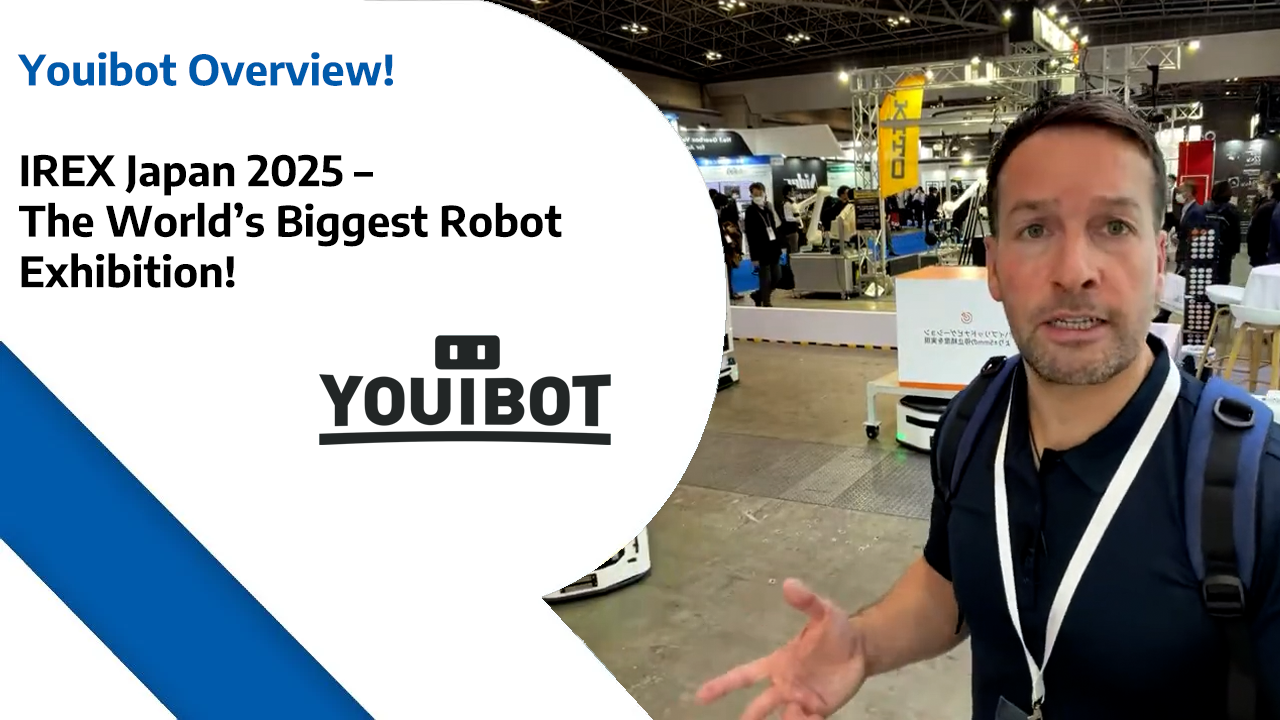
  • IGUS Overview!- IREX Japan 2025 – The World’s Biggest Robot Exhibition!

    IGUS Overview!- IREX Japan 2025 – The World’s Biggest Robot Exhibition!

    Igus at IREX Japan 2025 – Inside the World’s Biggest Robot Exhibition

    IREX Japan 2025 (International Robot Exhibition) once again proved why it is regarded as the largest and most influential robotics exhibition in the world. Held in Tokyo, IREX brings together the global robotics industry — from industrial automation giants to emerging innovators shaping the future of manufacturing, logistics, and service robotics.

    One of the standout exhibitors this year was Igus, a company well known for its motion plastics, low-cost automation solutions, and robotics components designed to make automation more accessible, reliable, and scalable.

    This article provides an overview of Igus at IREX Japan 2025, what they showcased, and why their approach matters as robotics adoption accelerates globally.


    What Is IREX Japan?

    The International Robot Exhibition (IREX) is the world’s largest robot trade show, held every two years in Japan. It showcases:

    • Industrial robots and robot arms

    • Collaborative robots (cobots)

    • Humanoid and service robots

    • Factory automation and smart manufacturing

    • AI-driven robotics and sensing technologies

    IREX is not about concepts alone — it focuses heavily on deployable, working robotics solutions already being used in real environments.


    Who Are Igus?

    Igus is a global leader in motion plastics, specialising in high-performance polymer components that replace traditional metal parts. Within robotics and automation, Igus is known for:

    • Low-cost robot arms

    • Linear motion systems

    • Energy chains

    • Maintenance-free bearings

    • Dry-running plastic components

    Their philosophy is simple but powerful:
    Reduce cost, reduce maintenance, and increase reliability.

    This approach makes Igus particularly attractive to SMEs, system integrators, and manufacturers looking to automate without the complexity and expense of traditional industrial robotics.


    Igus at IREX Japan 2025 – Key Themes

    1. Low-Cost Automation at Scale

    One of the strongest messages from Igus at IREX 2025 was the continued push for low-cost automation. Rather than positioning robotics as a large capital investment, Igus focuses on:

    • Fast deployment

    • Simple integration

    • Reduced servicing requirements

    • Predictable total cost of ownership

    This is especially relevant for companies that want to start small, test automation, and then scale.


    2. Practical Robotics, Not Hype

    Igus’ solutions are not designed to impress with complexity — they are designed to work reliably in real environments.

    At IREX, the focus was on:

    • Robot arms performing repeatable tasks

    • Linear systems handling pick-and-place operations

    • Components built for continuous operation without lubrication

    This practical mindset aligns with the growing demand for ROI-driven robotics adoption.


    3. Supporting System Integrators and OEMs

    Igus positions itself as an enabler rather than a closed ecosystem. Their products are designed to integrate easily into:

    • Existing automation lines

    • Custom robotic cells

    • OEM robot designs

    For system integrators and robot manufacturers, this flexibility is a major advantage.


    Why This Matters for Robotics in 2025

    As we move into 2025 and beyond, the robotics industry is shifting away from:

    ❌ Large, complex, bespoke automation projects

    And toward:

    ✅ Modular, affordable, deployable robotics

    Igus sits firmly in this second category.

    The growth of:

    • SME automation

    • Warehouse robotics

    • Light industrial robotics

    • Educational and R&D robots

    all benefit from lower barriers to entry, which is exactly what Igus is addressing.


    Key Takeaways from Igus at IREX 2025

    • Low-cost automation is no longer a niche — it’s mainstream

    • Reliability and maintenance reduction matter more than raw performance

    • SMEs are becoming a core robotics customer group

    • Practical deployment beats futuristic concepts


    Watch the Full Video

    For a closer look at Igus at IREX Japan 2025, including real-world robotics examples from the show floor, watch the full video on YouTube: https://www.youtube.com/watch?v=1JkI4bPWM8A

    🎥 Igus Overview – IREX Japan 2025: The World’s Biggest Robot Exhibition


    Partners & Sponsors

    This content is supported by:

    Robot Center – Industrial & Collaborative Robotics
    🔗 https://robotcenter.co.uk/

    Robots of London – Robots for Events, Marketing & Hire
    🔗 https://robotsoflondon.co.uk/

    Robot Philosophy (RoboPhil) – Robotics Insights, Workshops & Consulting
    🔗 https://robophil.com/


    Work With Us

    If you’re looking to:

    • Launch robotics in the UK

    • Explore low-cost automation

    • Run robot-led events

    • Develop a robotics strategy

    📧 info@robophil.com
    📞 0845 528 0404


    Final Thoughts

    IREX Japan remains the global benchmark for robotics exhibitions, and Igus continues to demonstrate why accessible, reliable automation is critical to the next phase of robotics growth.

    As robotics adoption accelerates across industries, companies that focus on simplicity, cost-efficiency, and real-world usability will lead the way — and Igus is clearly one of them.

  • China Just Unveiled a Lifelike Humanoid Robot Receptionist — Service Jobs Will Never Be the Same

    China Just Unveiled a Lifelike Humanoid Robot Receptionist — Service Jobs Will Never Be the Same

    China Just Unveiled a Lifelike Humanoid Robot Receptionist — Service Jobs Will Never Be the Same!

    Imagine walking into a hotel, office, or hospital…
    the receptionist looks at you, smiles, gestures naturally —
    and then you realise she’s a robot.

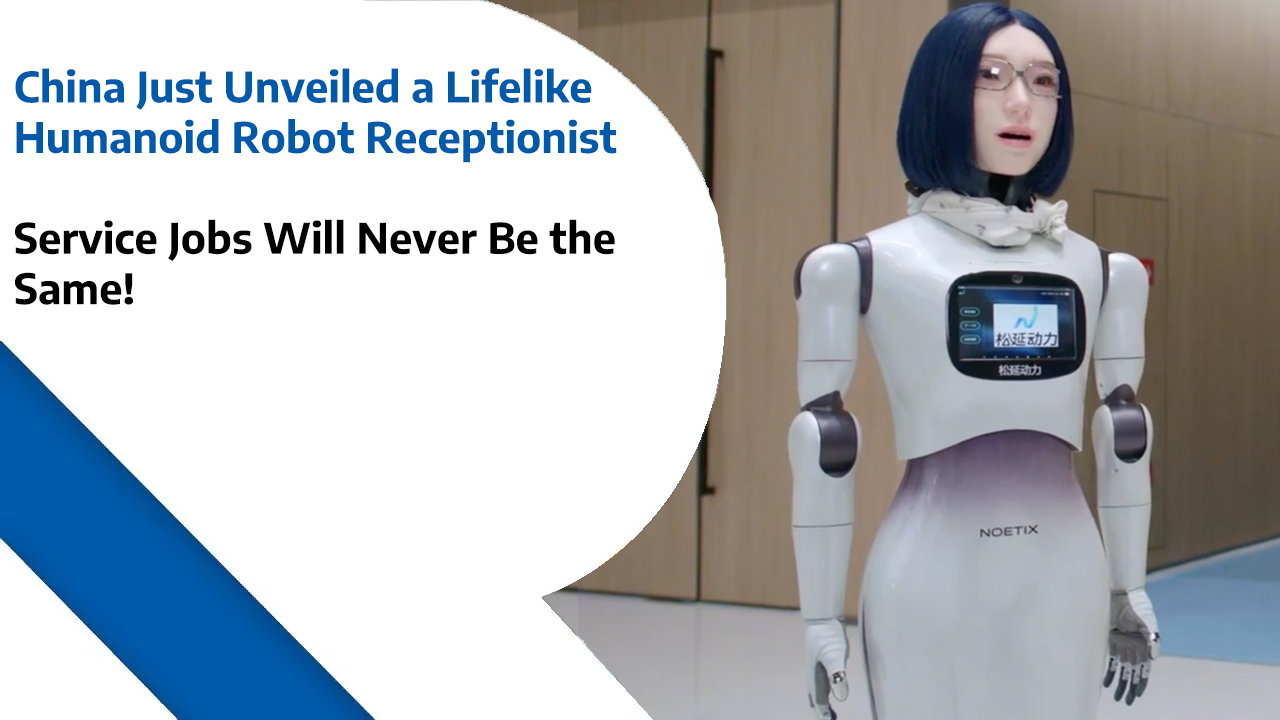
    This is Hobbs W1, a new humanoid service robot from Chinese robotics startup Noetix, and it represents a clear step forward in how robots are moving into public-facing roles.

    Unlike traditional reception robots, Hobbs W1 features a lifelike, female-styled bionic head, an interactive display, and six-degree-of-freedom hands with five-degree-of-freedom arms — allowing it to gesture naturally, hand over items, and perform light physical tasks.

    It also navigates autonomously, mapping complex indoor spaces while guiding visitors, answering questions, and holding natural conversations. Noetix says it can even recognize emotions and synchronize information in real time, making interactions feel smoother and more human.

    What makes this especially important is cost.

    Earlier this year, Noetix launched a child-sized humanoid called Bumi for just $1,380 — a price closer to consumer electronics than traditional humanoid robots. That signals a major shift: humanoid robots are becoming affordable, and fast.

    For businesses, this means consistent front-desk support, reduced staffing pressure, and better customer experiences.
    For workers, it means robots handling repetitive tasks while humans focus on what they do best.
    And for all of us, it points to a future where humanoid robots become a normal part of everyday life — not a novelty, but a tool.

    Hobbs W1 isn’t about replacing people.
    It’s about extending what people can do.

    And this is only the beginning.

    And that’s your robot news update for today!. If you’re curious about how robotics can transform your business, head over to Robot Philosophy website to join the waiting list, or to speak with the team about robotics.

    Don’t forget to subscribe so you stay in the loop with all the latest updates.

    I’m RoboPhil from Robot Philosophy — thanks for watching, and I’ll see you next time!

    Join the workshop waiting list or get in touch at: https://robophil.com/


    Sponsors:-


    Robot Center: – https://robotcenter.co.uk/ – Buy Robot, Robot Buy, Robot consultancy, Robotics Consultancy, Inspection Robots, Security Robots,


    Robots of London: – https://robotsoflondon.co.uk/ – Robot Hire, Robot Rental, Rent Robot, Hire Robot, Robot Events, Robotics Hire, Hire Robotics, Rent Robotics, Robotics Rent, for exhibitions, shows, Events, Robot hire in the UK, Robot hire in Europe


    Robot Philosophy: – https://robophil.com/ – Robot Consultancy, Robot Recruitment, Robot Advice, Robot Insights, Robot Ideas. RoboPhil, also known as Philip English, is a leading Robot YouTuber, Robot Influencer, Robot Trainer, Robot Consultant, and Robot Streamer, Robotics Streamer, Robotics YouTuber, Robotics Influencer, Robotics Consultant, Robotics Trainer 


  • RT Corporation Interview – IREX Japan 2025 Robot Exhibition

    RT Corporation Interview – IREX Japan 2025 Robot Exhibition

    Inside Japan’s Robot Future: What RT Corporation Reveals at IREX 2025

    Japan has long been seen as the spiritual home of robotics. From industrial automation to humanoids, service robots to research platforms, the country has consistently shaped how the world imagines robots. But beyond the headlines and viral videos, the real story of Japanese robotics is far more grounded, methodical, and long-term.

    At IREX Japan 2025 — the International Robot Exhibition, and the largest robot exhibition in the world — I had the opportunity to sit down with RT Corporation, a company deeply embedded in Japan’s robotics ecosystem. Their work spans research, education, and real-world deployment, making them an ideal lens through which to understand where robotics is truly heading.

    This article explores what that interview revealed — not just about RT Corporation, but about how Japan thinks about robots, why its approach is different from the West, and what businesses, engineers, and policymakers can learn from it.


    IREX 2025: Where Robotics Reality Meets the Future

    IREX is not a flashy tech show designed to chase headlines. It’s where working robots are displayed by companies that expect their machines to be used, maintained, and improved over decades.

    Walking through IREX 2025, a few things immediately stand out:

    • Robots are designed for specific tasks, not vague promises

    • Reliability and safety are prioritised over novelty

    • Many robots on display are already deployed, not prototypes

    • Research institutions, universities, and manufacturers are deeply connected

    This context matters, because RT Corporation sits right at the centre of this ecosystem.


    Who Is RT Corporation?

    RT Corporation is not a consumer-facing robotics brand. You won’t see their robots trending on social media. Instead, they focus on the less glamorous — but far more important — foundations of robotics:

    • Research platforms used by universities and labs

    • Educational robots for teaching robotics and control systems

    • Practical robotic systems designed to operate in real environments

    Their robots are tools — not toys — and that distinction is critical.

    In Japan, robotics is often treated as infrastructure, not entertainment. RT Corporation embodies this mindset.


    Research, Education, and Deployment: The Missing Middle

    One of the most interesting themes from the interview was RT Corporation’s role in connecting three worlds that are often disconnected elsewhere:

    1. Academic research

    2. Education and skills development

    3. Commercial and real-world deployment

    In many countries, robotics research stays in the lab. Startups then attempt to commercialise ideas without the long-term grounding that research provides. Education, meanwhile, struggles to keep up.

    RT Corporation operates in the middle — ensuring that:

    • Research platforms are usable and practical

    • Students learn on systems similar to those used in industry

    • Real-world robots benefit from academic insight

    This creates a continuous pipeline from idea to impact.


    Why Japanese Robotics Feels Different

    During the interview, a subtle but important difference became clear: Japanese robotics is not obsessed with disruption.

    In the West, robotics is often framed as:

    • “Replacing humans”

    • “Scaling at all costs”

    • “Moving fast and breaking things”

    In Japan, robotics is more often framed as:

    • Supporting an ageing population

    • Improving safety and working conditions

    • Solving specific labour shortages

    • Coexisting with humans over long periods

    This leads to robots that are:

    • Less flashy, but more dependable

    • Slower to market, but longer-lasting

    • Designed for trust, not novelty

    RT Corporation’s work reflects this philosophy.


    From Lab to Real World: The Hardest Part of Robotics

    One of the biggest challenges in robotics is not building a robot — it’s deploying it reliably outside controlled environments.

    RT Corporation places heavy emphasis on:

    • Robust hardware design

    • Repeatable performance

    • Predictable behaviour

    • Ease of maintenance

    This focus is often overlooked in startup culture, but it’s where most robotics projects fail.

    A robot that works 95% of the time is not useful in the real world. Japanese companies understand this deeply, and it shows in how their robots are engineered.


    Education as a Strategic Advantage

    Another key insight from the interview was how seriously Japan treats robotics education.

    RT Corporation’s educational platforms are not simplified toys. They are designed to:

    • Teach real control systems

    • Reflect industrial constraints

    • Prepare students for professional robotics careers

    This creates engineers who:

    • Understand hardware limitations

    • Think in systems, not demos

    • Design with deployment in mind

    In contrast, many Western education systems prioritise software simulations and rapid prototyping, sometimes at the expense of real-world understanding.


    Humanoids, Service Robots, and the Bigger Picture

    While humanoid robots attract most media attention, RT Corporation’s work highlights a more important truth:

    Most valuable robots are not humanoids.

    They are:

    • Mobile platforms

    • Manipulation systems

    • Research robots

    • Task-specific machines

    Humanoids may play a role in the future, particularly in service and social contexts, but the backbone of robotics progress remains functional systems solving real problems.

    IREX 2025 made this abundantly clear.


    What Businesses Can Learn from RT Corporation

    For companies looking to adopt robotics, the lessons from RT Corporation are highly relevant:

    1. Start with the problem, not the robot

    2. Plan for long-term operation, not short-term demos

    3. Invest in training and education alongside hardware

    4. Accept that reliability beats novelty

    Robotics is not a plug-and-play solution. It’s a strategic capability.


    Robotics and the Future of Work

    The conversation with RT Corporation also touched on a critical topic: human–robot collaboration.

    Rather than replacing workers, many Japanese robots are designed to:

    • Reduce physical strain

    • Improve consistency

    • Handle dangerous or repetitive tasks

    • Support skilled workers

    This approach aligns with demographic realities in Japan, but it’s increasingly relevant worldwide.

    As labour shortages grow globally, robotics will become less about cost-cutting and more about continuity and resilience.


    Why IREX Still Matters in a Hype-Driven Industry

    In an era dominated by AI headlines and startup hype, IREX remains refreshingly grounded.

    It reminds us that:

    • Robotics is hardware + software + people

    • Deployment matters more than demos

    • The future is built incrementally

    RT Corporation represents this mindset perfectly.


    Final Thoughts: The Quiet Strength of Japanese Robotics

    The interview with RT Corporation at IREX 2025 reinforced something I’ve seen repeatedly over the years:

    Japan doesn’t rush robotics — it commits to it.

    This long-term thinking may not generate viral clips, but it produces robots that:

    • Work reliably

    • Earn trust

    • Integrate into society

    As robotics continues to mature globally, there is much to learn from this approach.

    For anyone serious about robotics — whether you’re a business leader, engineer, educator, or policymaker — Japan remains a benchmark worth studying.


    About the Author

    Philip English (RoboPhil) is a robotics consultant, speaker, and founder working across robotics strategy, deployment, and events. He regularly attends global robotics exhibitions and works with businesses looking to adopt robotics in practical, commercially viable ways.


    Sponsors & Partners

    Robot Center – Industrial & service robotics consulting
    https://robotcenter.co.uk/

    Robots of London – Robots for events, exhibitions & brand activations
    https://robotsoflondon.co.uk/

    Robot Philosophy – Insights, workshops & talks on robotics
    https://robophil.com/

  • $87M Robotics Breakthrough – ARM Institute & U.S. Air Force Just Changed America’s Future

    $87M Robotics Breakthrough – ARM Institute & U.S. Air Force Just Changed America’s Future

    Alright, let’s get into it — because America’s robotics landscape just received a major upgrade.
    The ARM Institute, also known as Advanced Robotics for Manufacturing, has locked in a five-year cooperative agreement worth $87.66 million with the U.S. Air Force Research Lab. That’s a serious investment in America’s technological future.

    So, what’s this about?
    The ARM Institute will be leading research, development, testing, and evaluation of dual-use robotics and automation. In simple terms: technology that benefits both U.S. manufacturing and national defense.

    With a network of more than 450 partners across industry, universities, and government, the ARM Institute is positioned to push robotics capability far beyond where it is today.

    Their mission is direct and ambitious:

    • Make robotics, AI, and automation accessible to manufacturers of all sizes
    • Strengthen the American workforce
    • Boost the economy and global competitiveness
    • And reinforce national security

    Through this agreement, the Air Force Research Lab will collaborate with ARM partners on project calls exploring areas such as:

    • Robotic agility
    • Mobile robotics
    • Multi-robot and multi-human teaming
    • Advanced visualization
    • Process modeling and control
    • Scalable manufacturing automation
    • And robotics suited for Air-Force-specific environments

    This is the kind of research that shapes the next generation of aerospace, cyber, and defense technologies.

    And here’s why this matters to you, even if you’re not building aircraft or robots:

    When the U.S. military invests in technology, it often flows directly into civilian life — creating new industries, new jobs, and new tools for businesses.

    If you want to stay ahead of what’s coming next in AI, robotics, and American manufacturing, make sure to subscribe and follow along.

    The future is being built now — and you’ll want to be part of it.


    And that’s your robot news update for today!. If you’re curious about how robotics can transform your business, head over to Robot Philosophy website to join the waiting list, or to speak with the team about robotics.

    Don’t forget to subscribe so you stay in the loop with all the latest updates.

    I’m RoboPhil from Robot Philosophy — thanks for watching, and I’ll see you next time!

    Join the workshop waiting list or get in touch at: https://robophil.com/


    Sponsors:-


    Robot Center: – https://robotcenter.co.uk/ – Buy Robot, Robot Buy, Robot consultancy, Robotics Consultancy, Inspection Robots, Security Robots,


    Robots of London: – https://robotsoflondon.co.uk/ – Robot Hire, Robot Rental, Rent Robot, Hire Robot, Robot Events, Robotics Hire, Hire Robotics, Rent Robotics, Robotics Rent, for exhibitions, shows, Events, Robot hire in the UK, Robot hire in Europe


    Robot Philosophy: – https://robophil.com/ – Robot Consultancy, Robot Recruitment, Robot Advice, Robot Insights, Robot Ideas. RoboPhil, also known as Philip English, is a leading Robot YouTuber, Robot Influencer, Robot Trainer, Robot Consultant, and Robot Streamer, Robotics Streamer, Robotics YouTuber, Robotics Influencer, Robotics Consultant, Robotics Trainer 


  • A Robot Just Rebuilt Pompeii’s Lost Art — And It’s Shockingly Accurate

    A Robot Just Rebuilt Pompeii’s Lost Art — And It’s Shockingly Accurate

    A Robot Just Rebuilt Pompeii’s Lost Art — And It’s Shockingly Accurate

    Pompeii has always been one of history’s most dramatic stories—an entire Roman city frozen in time after Mount Vesuvius erupted in AD 79. But what many people don’t know is that some of Pompeii’s most beautiful frescoes weren’t just damaged once… they were shattered again during World War II.

    Now imagine trying to reassemble thousands of tiny fragments with no reference picture. It’s archaeology’s ultimate puzzle.

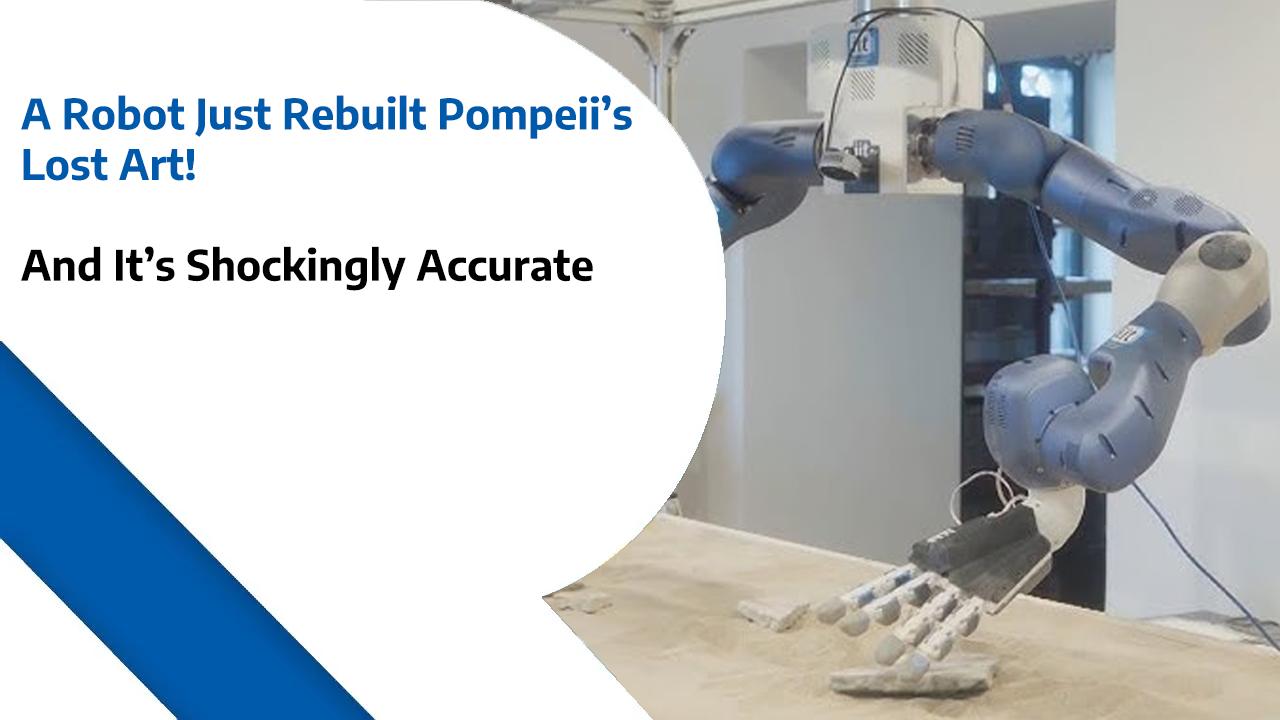
    That’s why a team from the EU-funded RePAIR project stepped in with something new: a robotic system designed to help archaeologists rebuild these ancient works faster and more accurately.

    The robot uses two highly precise arms, flexible grippers, and advanced image recognition to identify fragile fragments without damaging them. Meanwhile, AI algorithms analyze colours, patterns, and edges—sometimes spotting connections the human eye would completely miss.

    To keep the originals safe, researchers trained the system on replica fragments first, then tested it at Pompeii under real-world conditions.

    And here’s why this matters for you: this technology isn’t limited to ancient history. The same AI-and-robot combo could shape the future of U.S. museums, historic preservation, digital archiving, and even industries that rely on precision assembly. We’re looking at a future where robots don’t just build the new—they help restore the old.

    Pompeii’s past is being reconstructed piece by piece, and thanks to robotics, we’re finally seeing images that haven’t existed for nearly 2,000 years.


    And that’s your robot news update for today!. If you’re curious about how robotics can transform your business, head over to Robot Philosophy website to join the waiting list, or to speak with the team about robotics.

    Don’t forget to subscribe so you stay in the loop with all the latest updates.

    I’m RoboPhil from Robot Philosophy — thanks for watching, and I’ll see you next time!

    Join the workshop waiting list or get in touch at: https://robophil.com/


    Sponsors:-


    Robot Center: – https://robotcenter.co.uk/ – Buy Robot, Robot Buy, Robot consultancy, Robotics Consultancy, Inspection Robots, Security Robots,


    Robots of London: – https://robotsoflondon.co.uk/ – Robot Hire, Robot Rental, Rent Robot, Hire Robot, Robot Events, Robotics Hire, Hire Robotics, Rent Robotics, Robotics Rent, for exhibitions, shows, Events, Robot hire in the UK, Robot hire in Europe


    Robot Philosophy: – https://robophil.com/ – Robot Consultancy, Robot Recruitment, Robot Advice, Robot Insights, Robot Ideas. RoboPhil, also known as Philip English, is a leading Robot YouTuber, Robot Influencer, Robot Trainer, Robot Consultant, and Robot Streamer, Robotics Streamer, Robotics YouTuber, Robotics Influencer, Robotics Consultant, Robotics Trainer 


  • How to Introduce Robotics Training into Your Organisation

    How to Introduce Robotics Training into Your Organisation


    How to Introduce Robotics Training into Your Organisation

    The robotics revolution is no longer a distant vision of the future—it’s happening now. From manufacturing floors to warehouses, healthcare facilities to hospitality venues, robots are transforming how organisations operate. However, the success of any robotics implementation hinges on one critical factor: proper training.

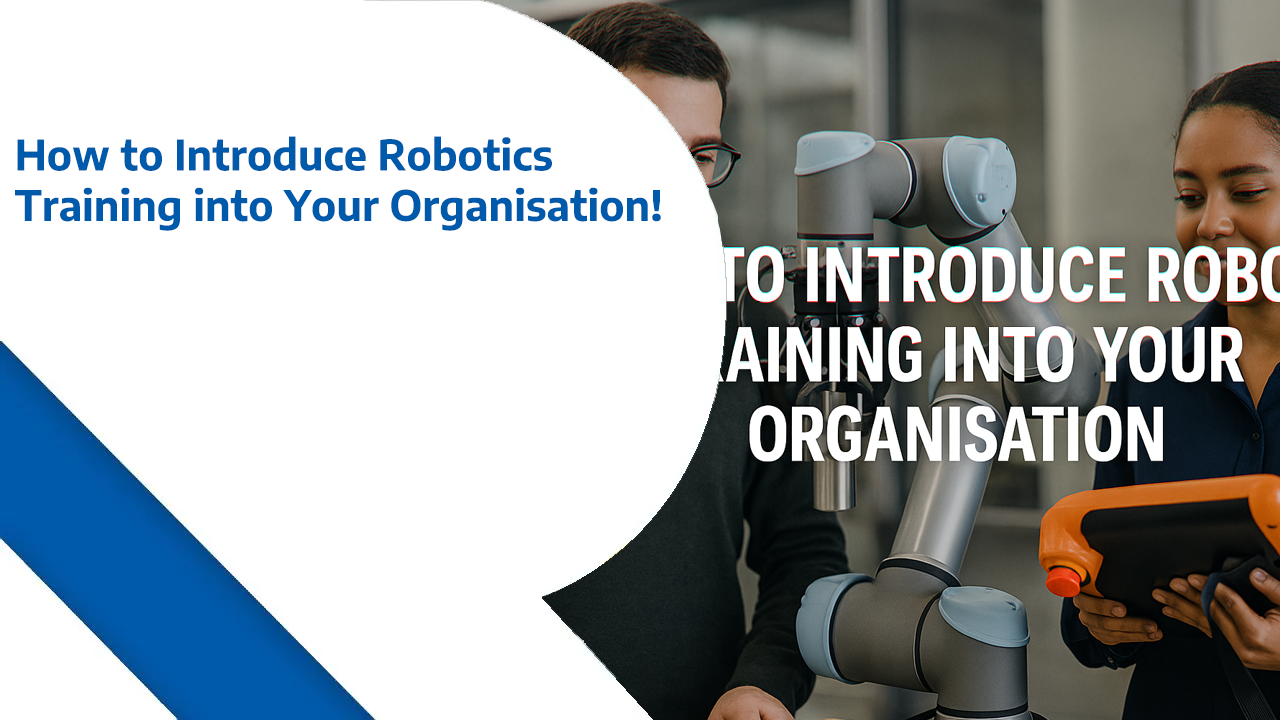
    Introducing robotics training into your organisation doesn’t have to be overwhelming. With the right approach, you can build a workforce that’s confident, competent, and ready to maximise your robotics investment. Here’s your complete guide to making it happen.

    Why Robotics Training Matters

    Before diving into the “how,” let’s address the “why.” Many organisations rush to purchase cutting-edge robotics technology, only to see it underutilised or mishandled due to inadequate training. The consequences can be costly:

    • Reduced ROI: Expensive equipment sitting idle because staff don’t know how to operate it effectively
    • Safety risks: Improperly trained personnel creating hazardous situations
    • Low adoption rates: Employees resisting technology they don’t understand
    • Maintenance issues: Preventable breakdowns due to incorrect operation
    • Lost productivity: Extended downtime while staff struggle with basic functions

    Proper robotics training transforms these potential pitfalls into competitive advantages, creating a workforce that embraces automation rather than fears it.

    Step 1: Assess Your Organisation’s Needs

    Every organisation has unique requirements when it comes to robotics training. Start by conducting a thorough assessment:

    Identify Your Robotics Applications What types of robots will you be deploying? Collaborative robots (cobots), autonomous mobile robots (AMRs), robotic process automation (RPA), or specialised industrial robots? Each requires different training approaches.

    Evaluate Current Skill Levels Understand where your team stands today. Do they have any prior experience with automation? What’s their technical literacy? This baseline helps you design appropriate training programmes.

    Define Success Metrics What does successful training look like for your organisation? Reduced error rates? Faster implementation times? Improved safety records? Clear metrics guide your training strategy.

    Consider Departmental Needs Different teams require different levels of training. Operators need hands-on skills, maintenance staff need troubleshooting capabilities, and managers need strategic understanding of robotics ROI.

    Step 2: Build Your Training Framework

    A successful robotics training programme requires structure. Here’s how to build a comprehensive framework:

    Create Tiered Training Levels

    • Foundation Level: Basic robotics awareness for all staff, covering safety, benefits, and general operation principles
    • Operator Level: Hands-on training for daily users, including startup, operation, basic troubleshooting, and shutdown procedures
    • Advanced Level: In-depth technical training for maintenance teams and supervisors, covering programming, diagnostics, and optimisation
    • Strategic Level: Executive briefings on robotics strategy, ROI analysis, and future planning

    Develop a Training Timeline Phased implementation works best. Start with pilot groups, gather feedback, refine your approach, and then scale across the organisation. This iterative process ensures you’re not overwhelming your workforce while maintaining momentum.

    Choose Training Delivery Methods Modern robotics training should blend multiple approaches:

    • Hands-on practical sessions: Essential for building confidence and competence
    • Online learning modules: Convenient for theoretical knowledge and pre-training
    • Simulation software: Safe environment for practising complex procedures
    • On-the-job mentoring: Pairing experienced users with newcomers
    • Regular refresher courses: Keeping skills sharp and introducing new features

    Step 3: Partner with Robotics Experts

    Unless you have extensive in-house robotics expertise, partnering with specialists accelerates your training programme and ensures quality. Professional robotics consultants bring:

    • Industry best practices from working across multiple sectors
    • Vendor-agnostic advice to help you choose the right solutions
    • Customised training programmes tailored to your specific robots and applications
    • Ongoing support as your robotics capabilities evolve
    • Recruitment expertise to help you find the right talent when needed

    This is where expert guidance makes all the difference. Whether you’re just beginning your robotics journey or expanding existing capabilities, having experienced consultants on your side ensures you avoid common pitfalls and accelerate time-to-value.

    Step 4: Create a Culture of Continuous Learning

    Robotics technology evolves rapidly. Your training programme must evolve with it. Foster a culture where continuous learning is valued:

    Encourage Experimentation Create safe spaces for staff to explore robot capabilities without fear of making mistakes. Innovation often comes from curious employees who discover new applications.

    Establish Knowledge Sharing Set up internal communities of practice where robot operators share tips, troubleshoot together, and celebrate successes. This peer-to-peer learning reinforces formal training.

    Stay Current with Technology Schedule regular training updates when new robot features are released or when you add new robotics capabilities. Stale training leads to underutilised technology.

    Celebrate Training Milestones Recognise and reward employees who complete training, achieve certification, or develop innovative robot applications. This reinforces the value of continuous learning.

    Step 5: Measure and Optimise

    Like any business initiative, robotics training requires measurement and optimisation:

    Track Key Performance Indicators

    • Training completion rates
    • Time to competency for new operators
    • Incident and error rates before and after training
    • Robot utilisation rates
    • Employee satisfaction and confidence scores
    • Return on training investment

    Gather Regular Feedback Survey trainees immediately after courses and several months later to understand what’s working and what needs improvement. Direct feedback from the floor is invaluable.

    Iterate Your Programme Use data and feedback to continuously refine your training approach. What worked for your first robot deployment might need adjustment for your fifth.

    Common Challenges and Solutions

    Challenge: Resistance to Change Solution: Involve employees early in the robotics selection process, clearly communicate the benefits (including how it makes their jobs easier), and share success stories from early adopters.

    Challenge: Time Constraints Solution: Offer flexible training options including microlearning modules, after-hours sessions, and on-demand resources. Make training accessible, not burdensome.

    Challenge: Diverse Learning Styles Solution: Provide multiple training formats—visual, auditory, kinesthetic—so every learning style is accommodated. Not everyone learns best from manuals or lectures.

    Challenge: Budget Limitations Solution: Start with a focused pilot programme, demonstrate ROI, then secure additional funding for broader rollout. Partner with consultants who can maximise your training budget efficiency.

    The ROI of Quality Robotics Training

    Investing in comprehensive robotics training delivers measurable returns:

    • Faster implementation: Well-trained teams get robots operational quickly
    • Higher utilisation: Confident operators use robots to their full potential
    • Reduced downtime: Proper training prevents operator errors and enables faster troubleshooting
    • Improved safety: Trained personnel follow protocols that prevent accidents
    • Better retention: Employees who gain valuable skills are more engaged and loyal
    • Competitive advantage: Organisations with strong robotics capabilities outperform competitors

    Getting Started Today

    Introducing robotics training into your organisation is a journey, not a destination. Start with these immediate action steps:

    1. Conduct your initial assessment to understand current capabilities and future needs
    2. Research robotics solutions that align with your operational goals
    3. Connect with robotics experts who can guide your strategy
    4. Develop a pilot programme to test your training approach with a small group
    5. Build internal champions who will advocate for robotics adoption
    6. Plan for scalability so your programme can grow with your robotics ambitions

    The organisations that thrive in our automated future will be those that invest not just in robotics technology, but in the people who operate it. Quality training is the bridge between robotics potential and robotics performance.

    Your Next Steps

    Ready to transform your organisation with robotics training? Expert guidance makes all the difference. Whether you’re exploring robotics options, planning your implementation, or looking to optimise existing robot operations, professional consultancy and recruitment services can accelerate your success.

    Get Expert Support:

    Book a consultation call to discuss your specific robotics training needs and discover how tailored programmes can maximise your automation investment.


    Article Sponsors

    This article is proudly sponsored by leading robotics organisations committed to advancing automation excellence:

    Robot Center Your destination for robot purchasing, buying guidance, and expert robotics consultancy. Robot Center provides comprehensive support for organisations seeking the right robotics solutions.

    Robots of London Specialists in robot hire and rental services, perfect for events, trials, and short-term projects. Experience robotics capabilities firsthand before making long-term commitments.

    Robot Philosophy (RoboPhil) Led by Philip English, a leading Robot YouTuber, Influencer, Trainer, and Consultant, Robot Philosophy delivers expert robotics consultancy and recruitment services. Access cutting-edge robot advice, insights, and ideas to guide your automation journey.


    The future of work is collaborative—humans and robots working together. With the right training, your organisation can lead that future.


    https://www.youtube.com/watch?v=1cL9stlhu-0


    https://www.youtube.com/shorts/Rx-P5gfayaI

  • Sweetgreen Just Sold Its Robot Kitchen for $186M — The Future of Food Starts NOW

    Sweetgreen Just Sold Its Robot Kitchen for $186M — The Future of Food Starts NOW

    Sweetgreen Just Sold Its Robot Kitchen for $186M — The Future of Food Starts NOW

    Right then — big news in the world of salads and silicon. Sweetgreen has officially sold its Spyce robotics division to Wonder Group for a hefty $186.4 million.
    Yes — nearly two hundred million dollars… for robots that make bowls. Welcome to the future.

    Spyce was created in 2015 by a group of MIT engineers who decided the world needed automated food assembly — because assembling grain bowls manually simply wasn’t science-y enough.

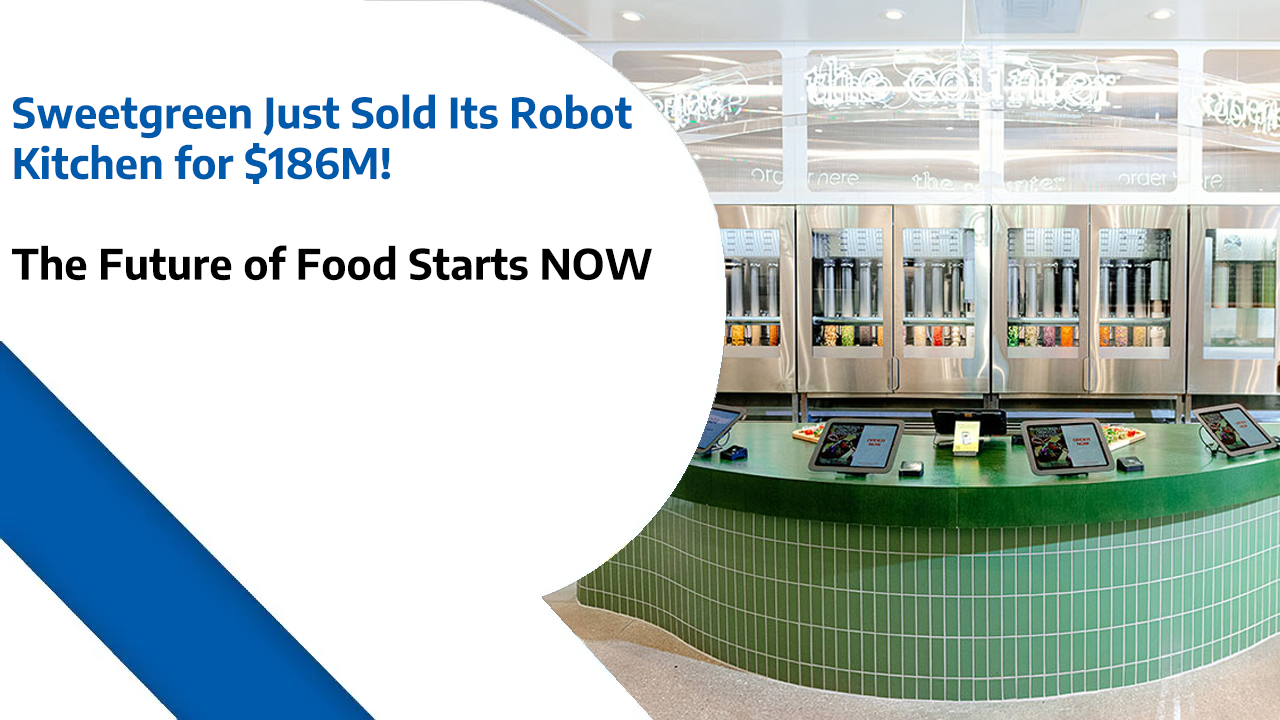
    Sweetgreen bought Spyce in 2021 for about $70 million, shut down the original restaurants, and focused on developing the now-famous Infinite Kitchen — an automated system that builds your lunch with precision that would make a Swiss watch nervous.

    Today, it’s already running in more than 20 Sweetgreen locations across the United States.

    But Sweetgreen has had to navigate shifting economic winds. So, selling Spyce brings in $100 million in cash, plus Wonder stock worth $86.4 million. That gives Sweetgreen room to streamline operations, boost profitability, and continue rolling out Infinite Kitchens nationwide.

    Wonder, led by Marc Lore, will take over Spyce’s engineering team and integrate the Infinite Kitchen into its own mission: creating tech-powered kitchens capable of running dozens of restaurant concepts, all from compact robotic hubs.

    Here’s why this matters to you — whether you order salads, burgers, tacos, or anything in between:

    • Faster food: Robots don’t get tired, distracted, or stuck chatting at the counter.
    • More accurate orders: No more “I asked for no onions” situations.
    • Lower costs over time: Automation eventually means more affordable meals.
    • More restaurant choice in more places, from small towns to busy cities.

    This deal accelerates a future where high-quality, consistent, affordable food can be made anywhere, anytime — by kitchens the size of shipping containers, powered by robotics.

    And that’s your robot news update for today!. If you’re curious about how robotics can transform your business, head over to Robot Philosophy website to join the waiting list, or to speak with the team about robotics.

    Don’t forget to subscribe so you stay in the loop with all the latest updates.

    I’m RoboPhil from Robot Philosophy — thanks for watching, and I’ll see you next time!

    Join the workshop waiting list or get in touch at: https://robophil.com/


    Sponsors:-


    Robot Center: – https://robotcenter.co.uk/ – Buy Robot, Robot Buy, Robot consultancy, Robotics Consultancy, Inspection Robots, Security Robots,


    Robots of London: – https://robotsoflondon.co.uk/ – Robot Hire, Robot Rental, Rent Robot, Hire Robot, Robot Events, Robotics Hire, Hire Robotics, Rent Robotics, Robotics Rent, for exhibitions, shows, Events, Robot hire in the UK, Robot hire in Europe


    Robot Philosophy: – https://robophil.com/ – Robot Consultancy, Robot Recruitment, Robot Advice, Robot Insights, Robot Ideas. RoboPhil, also known as Philip English, is a leading Robot YouTuber, Robot Influencer, Robot Trainer, Robot Consultant, and Robot Streamer, Robotics Streamer, Robotics YouTuber, Robotics Influencer, Robotics Consultant, Robotics Trainer 


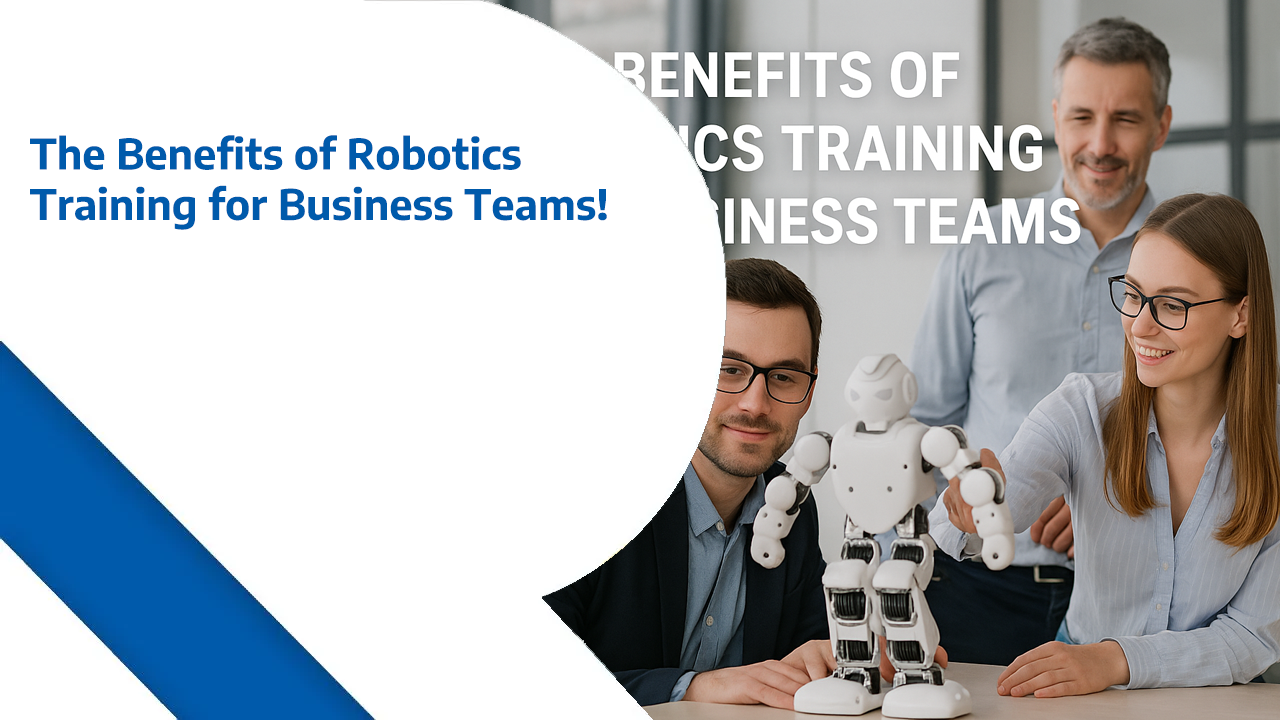
  • The Benefits of Robotics Training for Business Teams

    The Benefits of Robotics Training for Business Teams

    The Benefits of Robotics Training for Business Teams

    Robotics is no longer the future—it is the competitive edge of today. Modern businesses across industries are adopting robots to increase efficiency, reduce operational costs, and unlock new levels of innovation. But one major truth has emerged: the companies that benefit most from robotics aren’t just the ones buying robots—they’re the ones training their teams to use them effectively.

    Whether you operate a warehouse, run a hospitality venue, manage retail locations, or oversee manufacturing, robotics training plays a direct role in productivity, adoption success, staff confidence, customer experience, and return on investment.

    This article breaks down the key benefits of robotics training for business teams—and shows how the right support, consulting, and recruitment can transform your organisation into a robotics-powered success story.


    1. Robotics Training Eliminates Fear and Builds Confidence

    When a robot arrives on-site—whether it’s a service robot, inspection robot, warehouse AMR, or humanoid assistant—the first reaction from staff is often curiosity mixed with uncertainty.
    Questions arise:

    • How does it work?

    • Will it replace my job?

    • What if I break it?

    • Can it really help me?

    A structured robotics training programme removes this fear completely.

    Why this matters:

    Fear and uncertainty slow down adoption. Staff avoid using the robot, misuse it, or rely on managers for every small action. Instead, a confident, well-trained team sees the robot as a tool, not a threat.

    What training gives your team:

    • Hands-on familiarity

    • Clear understanding of robot capabilities

    • Confidence in operating and troubleshooting

    • A sense of ownership and excitement

    • Reduced resistance to new technology

    Once staff feel empowered, the robot becomes a seamless part of the workflow rather than a novelty collecting dust in the corner.


    2. Training Unlocks the Real ROI of Your Robot Investments

    Businesses often spend thousands (and sometimes hundreds of thousands) on robots with the expectation of immediate productivity benefits. But a robot without a trained team underperforms.

    Training ensures you see:

    • Faster adoption cycles

    • Higher utilisation rates

    • Fewer mistakes

    • Reduced downtime

    • Maximised efficiency and output

    Robots don’t deliver ROI by simply being plugged in—they deliver ROI when teams know how to deploy them for maximum value.

    Example:

    A food production business introduces a collaborative robot (cobot) for packaging. Without training, employees operate it at 40% efficiency, triggering stoppages and inaccuracies.
    After a structured training programme?
    The same robot operates at over 90% efficiency—unlocking the ROI the business expected from day one.


    3. Robotics Training Improves Operational Efficiency

    Once teams understand how to work with robots, they can:

    • Assign the right tasks

    • Optimise workflows

    • Reduce cycle times

    • Improve consistency

    • Speed up processes

    • Create smarter task allocations

    • Track performance and make data-driven decisions

    Many companies don’t realise that workflow optimisation is as important as the robot itself. The most successful businesses redesign processes around robotics—not the other way around.

    Robotics training teaches teams where, how, and when robots work best.


    4. Team Morale and Job Satisfaction Increase

    A major misconception is that robots reduce staff motivation because employees fear job loss. The reality—confirmed by hundreds of deployments across logistics, hospitality, retail, and manufacturing—is the opposite.

    Training boosts morale by:

    • Showing staff that robots remove boring, repetitive tasks

    • Giving employees new tech skills

    • Allowing staff to focus on higher-value work

    • Promoting collaboration, not replacement

    • Opening internal career pathways (robot operators, robot supervisors, data analysts, automation champions)

    When employees understand the “why” and “how” of robots, they feel valued—not threatened. Robotics training transforms staff from passive workers into technology-enabled professionals.


    5. Robotics Training Leads to Better Customer Experience

    In customer-facing industries, well-trained staff and well-deployed robots create a noticeable improvement:

    • Faster service

    • Better accuracy

    • Higher consistency

    • Shorter queues

    • Enhanced engagement with customers

    • Improved brand image

    Examples include:

    • Service robots delivering items more efficiently

    • Retail robots guiding customers and answering questions

    • Hospitality robots improving table service time

    • Event robots creating memorable experiences

    When your team knows how to use robots properly, customers feel the impact directly.


    6. Training Reduces Risk and Increases Safety

    Every robot comes with safety protocols—especially collaborative robots and industrial units. Without proper training, staff may:

    • Use the robot incorrectly

    • Stand in unsafe zones

    • Bypass key safety features

    • Misconfigure the robot’s path or load

    • Cause accidental collisions or shutdowns

    Robotics training ensures all staff know:

    • Emergency procedures

    • Operational limitations

    • Safety zones

    • Proper handling and maintenance

    • Ethical and compliant robot use

    This protects staff, customers, and the robot itself.


    7. Training Creates a Culture of Innovation

    When a business invests in robotics training, teams begin to think differently.

    They start asking:

    • What other tasks could be automated?

    • Could a robot help with this workflow?

    • Can we collect data from this process?

    • How could we improve efficiency further?

    Robotics training plants a seed—the idea that innovation is part of the company’s DNA.

    This mindset leads to:

    • Better internal suggestions

    • Process optimisation

    • Stronger cross-team collaboration

    • Faster implementation of new technology

    • A competitive advantage in the long term

    Training doesn’t just improve skills—it transforms company culture.


    8. Robotics Training Future-Proofs Your Business

    Robots are evolving fast:

    • Humanoid robots entering the workforce

    • AI-powered collaborative robots

    • Autonomous mobile robots (AMRs)

    • Service robots for retail, hospitality, healthcare

    • Digital signage robots

    • Patrol and inspection robots

    • Back-of-house automation

    Businesses that train early build internal robotics competence—giving them an edge in adopting future generations of machines.

    Companies without robotics readiness will be left behind as competitors scale faster with automated, efficient, AI-powered operations.


    9. Training Helps Identify Internal Robotics Champions

    Every business has people who naturally excel with technology or show interest in robotics. Training programmes help identify these individuals so you can turn them into:

    • Robotics coordinators

    • Automation managers

    • Robot operators

    • Workflow optimisation specialists

    • Data and process analysts

    • Robot supervisors

    This reduces reliance on external support and builds long-term automation capability inside your organisation.


    10. Robotics Training Helps Bridge the Talent Gap

    As robotics adoption increases globally, the demand for robotics skills has exploded.

    Businesses that offer training:

    • Attract better talent

    • Retain skilled staff

    • Upskill existing workers

    • Strengthen their employer brand

    • Position themselves as innovators

    • Reduce recruitment challenges

    This is essential in industries facing labour shortages.


    Where Robotics Training Works Best

    Robotics training delivers value in almost every sector, including:

    • Warehousing & logistics

    • Manufacturing

    • Food production

    • Retail

    • Hospitality

    • Healthcare

    • Events

    • Security & inspection

    • Education & research

    • Facilities management

    From robotic arms to humanoids, inventory robots to customer service robots—training unlocks the true power of automation.


    Why You Need Professional Robotics Training Providers

    Internal training attempts often fail because:

    • Managers lack robotics expertise

    • Staff only learn the basics

    • Important safety steps are missed

    • Robots are only used at 20–40% capability

    • Teams don’t know best practices

    • Companies overlook workflow redesign

    • There is no ongoing support

    Professional training ensures a deep, practical understanding grounded in real-world deployments—not manuals.


    Upsell Section: How We Help Your Business Win With Robotics

    This article is sponsored by three leading UK robotics brands—each offering proven expertise to help your business adopt, train, and scale robotic solutions.


    🔹 Robot Center

    https://robotcenter.co.uk/
    Buy Robot | Robot Buy | Robot Consultancy | Robotics Consultancy

    Robot Center specialises in commercial robotic solutions—from autonomous mobile robots to collaborative robots and humanoids. If your goal is to purchase the right robot and integrate it effectively, Robot Center provides:

    • Robotics consulting

    • Workflow optimisation

    • Best-in-class robot recommendations

    • Deployment and installation

    • Technical support


    🔹 Robots of London

    https://robotsoflondon.co.uk/
    Robot Hire | Robot Rental | Rent Robot | Hire Robot | Robot Events

    Ideal for short-term use, events, exhibitions, product launches, film productions, and hospitality. Robots of London offers:

    • Service robot hire

    • Humanoid robot rental

    • Event robots

    • Digital signage robots

    • Managed onsite support


    🔹 Robot Philosophy

    https://robophil.com/
    Robot Consultancy · Robot Recruitment · Robot Advice · Robot Insights · Robot Ideas

    Led by RoboPhil (Philip English)—a leading Robot YouTuber, Robot Influencer, Robot Consultant, Robot Trainer, and Robotics Streamer—Robot Philosophy helps businesses:

    • Build robotics strategy

    • Train business teams

    • Recruit robotics talent

    • Understand new robot innovations

    • Identify automation opportunities

    • Develop long-term adoption plans

    If you want robots to transform your business—not complicate it—this is where you start.


    Work With Us: Robotics Consulting & Robotics Recruitment

    If you’re thinking about adopting robotics, scaling automation, training your team, or recruiting robotics professionals, we can support you at every stage.

    Our services include:

    • Full robotics consulting

    • Staff training programmes

    • Workflow optimisation

    • Robot deployment support

    • Hiring robotics engineers & specialists

    • Long-term support agreements

    • Industrial-grade and commercial robot sourcing

    • Robotics strategy development

    BOOK A CALL

    📩 info@robophil.com
    📞 0845 528 0404

    Let’s talk about how robotics training—and the right robots—can give your business the competitive advantage it needs.


    Final Thoughts

    Robotics training is not a luxury—it is a necessity for any business adopting automation. As robots continue to enter mainstream operations across industries, the companies that invest in people as much as in technology will take the lead.

    A trained team:

    • Works confidently

    • Uses robots effectively

    • Optimises workflows

    • Improves customer experience

    • Reduces operational costs

    • Drives efficiency

    • Supports long-term innovation

    Robotics training transforms robots from futuristic machines into practical business tools—and transforms your organisation into a modern, automated, competitive force.

    If you are ready to explore how robotics can elevate your business:

    👉 Email us at info@robophil.com
    👉 Call us on 0845 528 0404
    👉 Visit our sponsors to start your robotics journey

    Let’s build the future of work—together.


    https://www.youtube.com/watch?v=0o_IclvlW_w


    https://www.youtube.com/shorts/KA8oDC7qZw8

  • $600M for Robot Brains: How Physical Intelligence Is Transforming Real-World AI

    $600M for Robot Brains: How Physical Intelligence Is Transforming Real-World AI

    $600M for Robot Brains: How Physical Intelligence Is Transforming Real-World AI

    Right then — big news in physical AI. A San Francisco startup called Physical Intelligence has just raised an impressive $600 million to push robotic foundation models into the real world. That’s a serious investment aimed at giving robots something much closer to human learning — not just lines of code, but real, adaptable skills.

    Unlike ChatGPT, which learns from the entire Internet, robots need training in the physical world — the stuff with weight, friction, awkward shapes, and unpredictable humans.

    Physical Intelligence is building models that let robots understand and interact with real-world objects using simple language commands. Developers can literally say:
    “Make a flat white,” or “Pack these chocolates,”
    …and the robot figures out the steps in about 100 milliseconds.
    Fast, general, physical intelligence — that’s the goal.

    Their approach, called RECAP, lets robots learn by:

    1. Watching demonstrations
    2. Receiving corrections
    3. Improving autonomously

    This method has doubled robot performance on tasks like inserting espresso filters, folding unfamiliar laundry, and assembling cardboard boxes.
    It also reduces the failure rate over long operating hours — a critical requirement for real industrial use.

    Alphabet’s CapitalG led the round, with Lux, Bond, Redpoint, Sequoia, and even Jeff Bezos participating.

    Physical Intelligence has now raised $1.1 billion and is valued at $5.6 billion. And they’re not alone — companies like Dyna Robotics, Archetype AI, Foxglove, and AgiBot are all racing to build the first truly general robotic intelligence.

    Here’s where it gets interesting: this isn’t “tech industry news.” This is the start of a shift that will affect everyday life in America.

    Robots aren’t just following instructions anymore.
    They’re learning.
    And Physical Intelligence is one of the companies making that leap possible.

    If you want to stay ahead of the future of physical AI, make sure to like, subscribe, and hit the bell. Plenty more breakthroughs are coming.

    And that’s your robot news update for today!. If you’re curious about how robotics can transform your business, head over to Robot Philosophy website to join the waiting list, or to speak with the team about robotics.

    Don’t forget to subscribe so you stay in the loop with all the latest updates.

    I’m RoboPhil from Robot Philosophy — thanks for watching, and I’ll see you next time!


    Join the workshop waiting list or get in touch at: https://robophil.com/


    Sponsors:-


    Robot Center: – https://robotcenter.co.uk/ – Buy Robot, Robot Buy, Robot consultancy, Robotics Consultancy, Inspection Robots, Security Robots,


    Robots of London: – https://robotsoflondon.co.uk/ – Robot Hire, Robot Rental, Rent Robot, Hire Robot, Robot Events, Robotics Hire, Hire Robotics, Rent Robotics, Robotics Rent, for exhibitions, shows, Events, Robot hire in the UK, Robot hire in Europe


    Robot Philosophy: – https://robophil.com/ – Robot Consultancy, Robot Recruitment, Robot Advice, Robot Insights, Robot Ideas. RoboPhil, also known as Philip English, is a leading Robot YouTuber, Robot Influencer, Robot Trainer, Robot Consultant, and Robot Streamer, Robotics Streamer, Robotics YouTuber, Robotics Influencer, Robotics Consultant, Robotics Trainer