Author: Philip English

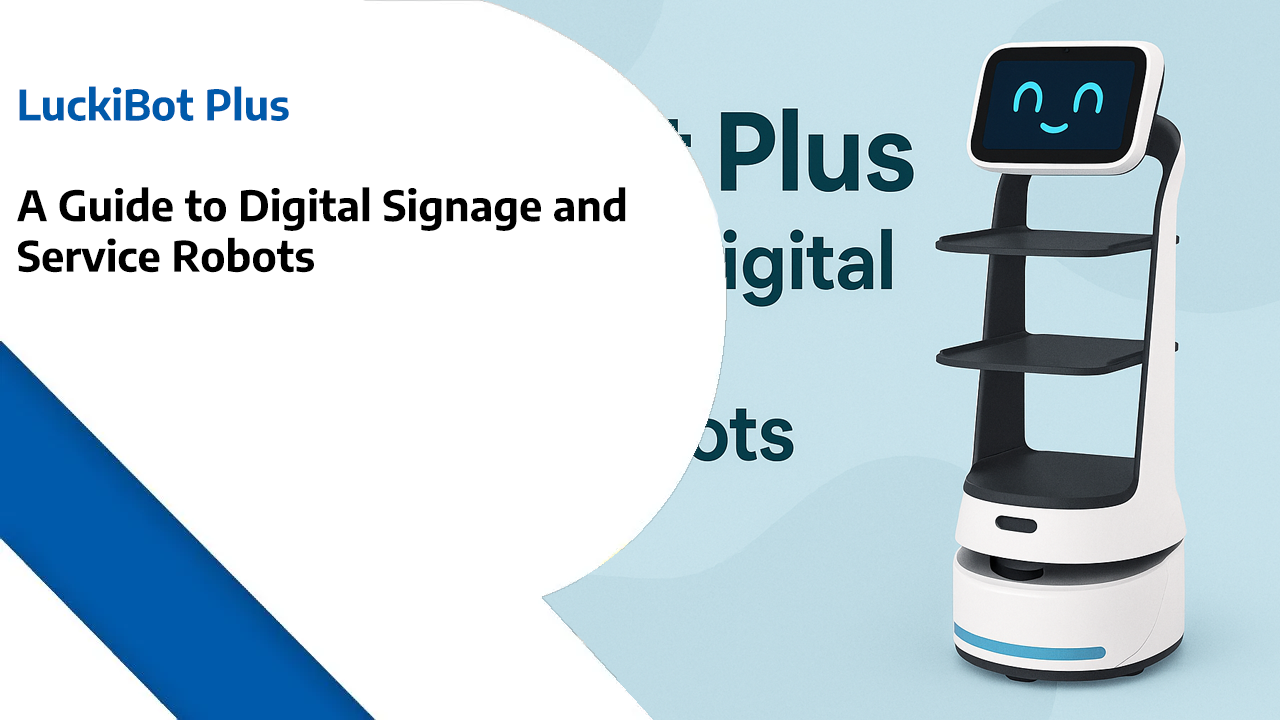
  • LuckiBot Plus: A Guide to Digital Signage and Service Robots

    LuckiBot Plus: A Guide to Digital Signage and Service Robots

    LuckiBot Plus: A Guide to Digital Signage and Service Robots


    Outline:

    1. Introduction – The Rise of Digital Signage and Service Robots

    • How service robots are revolutionising hospitality, retail, healthcare, and events

    • Why digital signage robots are replacing static displays

    • Brief intro to LuckiBot Plus and why it’s a standout

    2. What is LuckiBot Plus?

    • Overview of the robot

    • Core features (AI capabilities, touch interaction, mobility, autonomous navigation)

    • Display specs (43-inch screen, resolution, brightness, interactivity)

    • Industrial version (DSR+ model – 43-inch or 55-inch)

    3. LuckiBot Plus in Action – Real-World Applications

    • Retail: interactive promotions, upselling products

    • Hospitality: greeting guests, wayfinding, promotions for hotel services

    • Healthcare: patient information, queue management

    • Events & Exhibitions: live schedules, sponsorship ads, interactive experiences

    • Corporate Offices: visitor greeting, internal communications

    4. The Business Case for LuckiBot Plus

    • ROI: cost savings, increased engagement, automation benefits

    • Case studies (hypothetical but realistic examples of revenue lift and cost reduction)

    • How it beats traditional digital signage and human-only service models

    5. Digital Signage Meets AI – Why It’s the Future

    • Personalisation through AI recognition

    • Data gathering & analytics

    • Dynamic content adjustment based on audience demographics

    • Integration with POS, CRM, and marketing automation

    6. How to Successfully Implement a LuckiBot Plus in Your Business

    • Choosing the right location and role for the robot

    • Content strategy for digital signage robots

    • Staff training and customer onboarding

    • Maintenance and service contracts

    7. Why Work With a Robot Consultant (Instead of Going Solo)

    • Avoiding common pitfalls in robot purchases

    • Customising the robot for your business needs

    • Ongoing optimisation and scaling up the solution

    • Soft upsell: “Book a call with us at info@robophil.com or 0845 528 0404 for tailored advice.”

    8. The Role of Robot Recruitment

    • Why businesses need skilled robotics professionals

    • Matching talent to tech — engineers, operators, and strategists

    • How we connect companies with the right robotics experts

    • Soft upsell: “Our robot recruitment service ensures you have the human talent to match your robotic investment.”

    9. Future Trends – The Next Evolution of LuckiBot Plus & Service Robots

    • More advanced AI

    • Multi-language capabilities

    • Holographic signage

    • Integration with the metaverse and AR marketing

    10. Conclusion & Call to Action

    • Recap of why LuckiBot Plus is a business game-changer

    • Urgency to adopt before competitors do

    • Final strong upsell:
      “To explore how LuckiBot Plus can work in your business — and to get expert robot consulting and recruitment support — book a call today. Email info@robophil.com or call 0845 528 0404.”


    Sponsors (Footer Section)

    This article is sponsored by:


    https://www.youtube.com/watch?v=-_R3RXH2qO0


    https://www.youtube.com/shorts/2yk5JIoGXXs

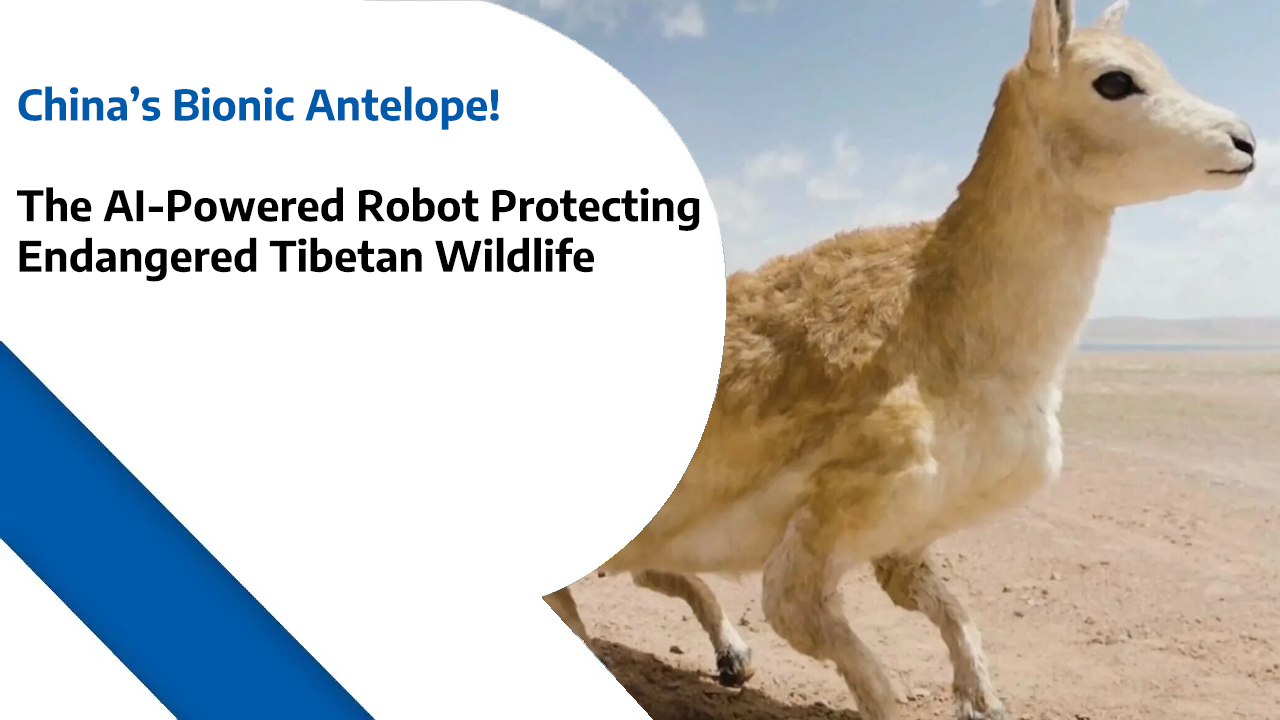
  • China’s Bionic Antelope – The AI-Powered Robot Protecting Endangered Tibetan Wildlife

    China’s Bionic Antelope – The AI-Powered Robot Protecting Endangered Tibetan Wildlife

    China’s Bionic Antelope – The AI-Powered Robot Protecting Endangered Tibetan Wildlife


    High in the Hoh Xil National Nature Reserve, at an altitude of 4,600 meters, survival is no small feat. This remote region in China’s Qinghai Province is home to the endangered Tibetan antelope – and now, a rather unusual newcomer.

    Meet the bionic Tibetan antelope – a life-like robot developed by Xinhua, the Chinese Academy of Sciences, and DEEP Robotics. Covered in realistic fur and matching the size and shape of the real thing, it quietly mingles with wild herds to collect vital conservation data.

    Equipped with 5G connectivity and AI vision recognition, the robot monitors migration routes, feeding habits, and the growth of young antelopes, sending real-time updates to researchers miles away. Its design allows for close observation without disturbing natural behaviour – something binoculars and human presence can rarely achieve.

    Built to handle rugged slopes, muddy wetlands, and rocky ground, it can operate up to two kilometres from its control point. It even sends early warnings when herds approach roads, helping rangers manage traffic and keep the animals safe.

    For conservationists, this is a breakthrough: accurate, non-intrusive, and capable of working in one of the most extreme environments on Earth. The Tibetan antelope gains a silent guardian – and science gains an unprecedented window into their world.


    And that’s your robot news update for today!
    If you’re curious about how robotics can transform your business, join me for the weekly Live Robot Optimise Workshop — it’s packed with insights, trends, and practical tips. Don’t forget to subscribe so you stay in the loop with all the latest updates.

    I’m RoboPhil from Robot Philosophy — thanks for watching, and I’ll see you next time!


    Join our Robot Optimise Industry (ROI) Workshop: https://robophil.com/workshop


    Sponsors:-


    Robot Center: – https://robotcenter.co.uk/ – Buy Robot, Robot Buy, Robot consultancy, Robotics Consultancy


    Robots of London: – https://robotsoflondon.co.uk/ – Robot Hire, Robot Rental, Rent Robot, Hire Robot, Robot Events


    Robot Philosophy: – https://robophil.com/ – Robot Consultancy AND Robot Recruitment, Robot Advice, Robot Insights, Robot Ideas

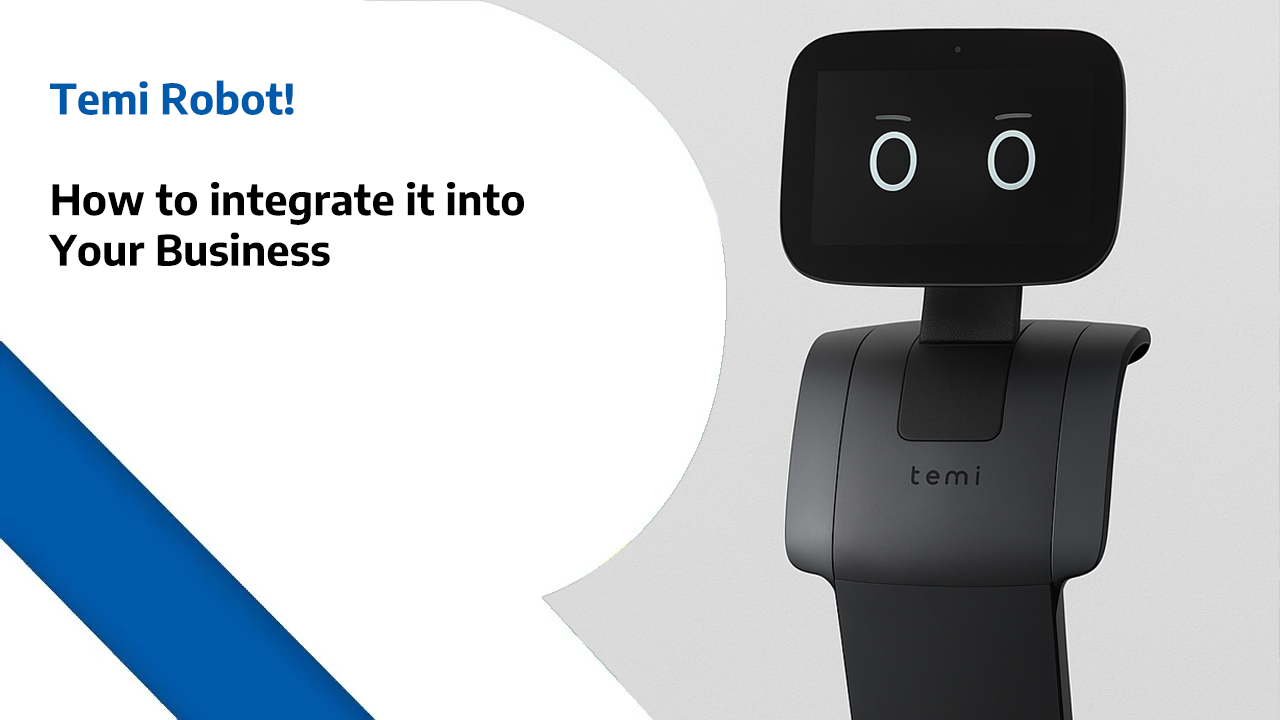
  • Temi Robot – How to integrate it into Your Business

    Temi Robot – How to integrate it into Your Business

    Temi Robot – How to Integrate it into Your Business: A Comprehensive Guide to Revolutionary Customer Experience

    Article sponsored by:

    • Robot Center (robotcenter.co.uk) – Your premier destination for robot purchases, consultancy, and robotics solutions
    • Robots of London (robotsoflondon.co.uk) – Leading robot hire and rental services for events and business applications
    • Robot Philosophy (robophil.com) – Expert robot consultancy, recruitment, advice, and innovative robotics insights

    Introduction: The Future of Business is Here

    In an era where digital transformation defines competitive advantage, businesses across industries are discovering that the integration of robotic technology isn’t just a futuristic concept—it’s a present-day necessity. The Temi Robot, a sophisticated personal robot designed for commercial applications, represents a paradigm shift in how businesses can enhance customer experience, streamline operations, and create memorable brand interactions.

    As we navigate through 2025, the question isn’t whether your business should consider robotics integration, but rather how quickly you can implement these game-changing technologies to stay ahead of the competition. The Temi Robot offers an accessible entry point into the world of commercial robotics, providing businesses with a versatile, intelligent, and engaging solution that can transform multiple aspects of their operations.

    What is the Temi Robot?

    The Temi Robot is an autonomous personal robot that combines artificial intelligence, advanced navigation technology, and interactive capabilities to serve as a mobile assistant, greeter, and information hub. Standing at an optimal height for human interaction, Temi features a high-definition touchscreen display, advanced voice recognition, autonomous navigation capabilities, and seamless connectivity that makes it an ideal solution for businesses looking to enhance their customer service capabilities.

    Unlike traditional static kiosks or simple chatbots, Temi brings mobility, personality, and sophisticated interaction capabilities to your business environment. Its sleek design and approachable appearance make it an attractive addition to any commercial space, while its robust feature set ensures it can handle complex business requirements with ease.

    Key Technical Specifications

    The Temi Robot boasts impressive technical capabilities that make it suitable for demanding business environments:

    • Advanced Navigation System: LiDAR-based mapping and obstacle avoidance technology ensures safe, efficient movement throughout your facility
    • High-Definition Display: 10.1-inch touchscreen with full HD resolution for crisp, engaging visual interactions
    • Powerful Audio System: Multi-directional speakers and advanced microphone array for clear communication in noisy environments
    • Extended Battery Life: All-day operation with intelligent charging management
    • Robust Connectivity: Wi-Fi, Bluetooth, and optional cellular connectivity for seamless integration with existing systems
    • AI-Powered Intelligence: Natural language processing and machine learning capabilities that improve over time
    • Customizable Software Platform: Open development environment for creating bespoke business applications

    Industries Transformed by Temi Integration

    Healthcare Sector Revolution

    Healthcare facilities worldwide are discovering that Temi Robot integration addresses multiple operational challenges simultaneously. In hospitals, Temi serves as a wayfinding assistant, helping patients and visitors navigate complex layouts while reducing strain on reception staff. The robot’s ability to provide multi-language support ensures that diverse patient populations receive consistent, accurate information.

    During the recent global health challenges, healthcare providers found that Temi could conduct preliminary patient screenings, deliver medications to patient rooms, and provide telehealth capabilities that reduced direct contact while maintaining quality care. Mental health facilities have particularly benefited from Temi’s consistent, non-judgmental interaction style, which can be especially valuable for patients with anxiety or social challenges.

    The robot’s integration with electronic health records systems allows it to provide appointment reminders, medication schedules, and educational content tailored to individual patient needs. This level of personalization, combined with the robot’s approachable design, has shown measurable improvements in patient satisfaction scores and operational efficiency metrics.

    Retail and Shopping Centers

    The retail sector has embraced Temi as a revolutionary tool for enhancing customer experience while gathering valuable business intelligence. Major shopping centers deploy Temi robots as interactive directories that not only provide directions but also offer personalized shopping recommendations based on customer preferences and current promotions.

    Luxury retail brands have found that Temi’s sophisticated appearance and capabilities align perfectly with their premium brand image. The robot can provide detailed product information, schedule appointments with personal shoppers, and even facilitate virtual consultations with experts who aren’t physically present in the store.

    Department stores use Temi for inventory management support, with the robot capable of conducting autonomous stock checks during off-hours and reporting discrepancies to management systems. This dual-purpose functionality maximizes return on investment while providing continuous operational value.

    Corporate Offices and Business Centers

    Modern corporate environments leverage Temi to create impressive first impressions while streamlining visitor management processes. The robot can autonomously greet visitors, verify appointments, issue temporary access credentials, and escort guests to appropriate locations within the facility.

    For businesses with multiple locations, Temi enables virtual presence capabilities that allow executives to “attend” meetings remotely while maintaining the engagement level of physical presence. This telepresence functionality has proven particularly valuable for international organizations managing distributed teams.

    Corporate training programs have integrated Temi as an interactive learning platform, delivering consistent training content while adapting to individual learning styles and paces. The robot’s ability to track engagement and comprehension provides valuable insights for improving training effectiveness.

    Hospitality and Tourism

    Hotels and resorts have discovered that Temi robots can serve as 24/7 concierges, providing guests with instant access to information about amenities, local attractions, dining options, and service requests. The robot’s multilingual capabilities ensure that international guests receive the same high-quality service regardless of language barriers.

    Convention centers and event venues use Temi for attendee registration, schedule management, and wayfinding assistance. The robot’s ability to integrate with event management systems provides real-time updates on schedule changes, room assignments, and special announcements.

    Tourism boards have deployed Temi robots in airports, train stations, and visitor centers to provide interactive city guides, transportation information, and cultural insights that enhance the visitor experience from the moment of arrival.

    Strategic Implementation Framework

    Phase 1: Assessment and Planning

    Successful Temi integration begins with a comprehensive assessment of your business needs, customer journey mapping, and operational requirements. This phase involves analyzing current pain points, identifying opportunities for automation, and establishing clear success metrics for the robot implementation.

    A thorough site survey ensures optimal placement for maximum impact while considering factors such as foot traffic patterns, lighting conditions, charging station locations, and integration points with existing systems. Understanding your customer demographics and interaction preferences helps configure Temi’s personality and communication style to align with your brand voice.

    The planning phase also includes staff training program development, ensuring your team understands how to work alongside Temi and leverage its capabilities to enhance rather than replace human interactions. Change management considerations are crucial for smooth adoption and long-term success.

    Phase 2: Customization and Integration

    Temi’s open platform architecture allows for extensive customization to match your specific business requirements. Custom applications can be developed to integrate with existing CRM systems, inventory management platforms, appointment scheduling systems, and other business-critical applications.

    Brand integration involves customizing Temi’s visual appearance, voice characteristics, and interaction protocols to reflect your corporate identity. This includes custom welcome messages, branded content displays, and behavior patterns that align with your company culture and values.

    Technical integration with existing network infrastructure, security systems, and operational procedures ensures seamless operation within your current technology ecosystem. This phase often reveals opportunities for additional automation and efficiency improvements beyond the initial implementation scope.

    Phase 3: Deployment and Optimization

    The deployment phase involves careful rollout planning to minimize disruption while maximizing initial impact. Soft launch periods allow for fine-tuning based on real-world usage patterns and feedback from both customers and staff members.

    Continuous monitoring during the initial deployment period provides valuable data on interaction patterns, technical performance, and user satisfaction levels. This information guides optimization efforts to improve effectiveness and identify additional use cases for expansion.

    Regular performance reviews and updates ensure that Temi continues to meet evolving business needs while taking advantage of new capabilities and features as they become available through software updates.

    Measuring Return on Investment

    Quantitative Benefits

    Businesses implementing Temi robots typically observe measurable improvements across multiple operational metrics. Customer service efficiency increases as Temi handles routine inquiries, allowing human staff to focus on complex, high-value interactions that require emotional intelligence and creative problem-solving.

    Cost savings emerge through reduced need for additional reception staff during peak hours, decreased training costs for basic information provision, and improved resource allocation across departments. Many businesses report significant reductions in operational costs within the first year of implementation.

    Customer engagement metrics show consistent improvements, with increased dwell times, higher satisfaction scores, and improved brand recall among visitors who interact with Temi. These improvements often translate directly into increased sales and customer loyalty.

    Qualitative Improvements

    Beyond measurable metrics, Temi integration creates qualitative benefits that contribute to overall business success. Enhanced brand perception positions your organization as innovative and forward-thinking, attracting customers who value technological advancement and modern service approaches.

    Staff satisfaction improvements occur as employees are relieved of repetitive tasks and empowered to focus on meaningful customer interactions. This shift often leads to improved job satisfaction and reduced turnover rates.

    The “wow factor” created by Temi’s presence generates positive word-of-mouth marketing and social media engagement that extends your brand reach beyond immediate customers. This organic marketing value can be substantial, particularly for businesses in competitive markets.

    Overcoming Implementation Challenges

    Technical Considerations

    While Temi is designed for ease of use, successful implementation requires attention to technical details that can impact performance and user experience. Network infrastructure must provide reliable, high-speed connectivity throughout the robot’s operational area to ensure smooth performance and real-time responsiveness.

    Security considerations include both physical security of the robot and cybersecurity measures to protect customer data and business information. Implementing appropriate access controls, data encryption, and monitoring systems ensures compliance with privacy regulations and maintains customer trust.

    Environmental factors such as lighting conditions, floor surfaces, and acoustic properties can affect Temi’s performance. Proper site preparation and ongoing maintenance ensure optimal operation in your specific environment.

    Organizational Change Management

    Introducing robotics into existing workflows requires careful change management to ensure successful adoption by both staff and customers. Clear communication about Temi’s role and capabilities helps set appropriate expectations and reduces resistance to change.

    Training programs for staff members should emphasize how Temi enhances rather than replaces human capabilities, highlighting opportunities for employees to focus on higher-value activities while the robot handles routine tasks.

    Customer education through signage, demonstrations, and gentle guidance helps visitors understand how to interact with Temi effectively, maximizing the benefits for all parties involved.

    Advanced Integration Strategies

    Multi-Robot Coordination

    As businesses scale their robotic implementations, coordination between multiple Temi robots becomes important for maintaining consistent service quality and avoiding conflicts. Advanced fleet management systems enable centralized control and monitoring of multiple units across different locations or departments.

    Load balancing capabilities ensure that customer service demands are distributed efficiently among available robots, while synchronized data sharing enables seamless handoffs between units when necessary.

    AI and Machine Learning Integration

    Temi’s platform supports integration with advanced AI and machine learning systems that can provide increasingly sophisticated capabilities over time. Natural language processing improvements enable more nuanced conversations, while predictive analytics can anticipate customer needs and proactively provide relevant information.

    Integration with business intelligence systems allows Temi to access real-time data about inventory levels, appointment availability, promotional offers, and other dynamic information that enhances customer service quality.

    Internet of Things (IoT) Integration

    Modern business environments increasingly rely on IoT devices for operational efficiency. Temi can serve as a mobile interface for these systems, providing staff and customers with convenient access to lighting controls, temperature adjustments, security systems, and other connected devices.

    This integration creates opportunities for Temi to serve as a central hub for facility management, environmental monitoring, and automated responses to changing conditions throughout your business space.

    Industry-Specific Applications

    Education Sector

    Educational institutions have found innovative ways to leverage Temi’s capabilities for both administrative and pedagogical purposes. Universities use Temi for campus tours, providing prospective students with engaging, informative experiences that highlight campus facilities and academic programs.

    In classroom settings, Temi serves as a teaching assistant, providing access to reference materials, facilitating group discussions, and enabling remote participation for students who cannot physically attend classes.

    Administrative applications include student check-in for examinations, distribution of important announcements, and assistance with course registration processes during busy enrollment periods.

    Manufacturing and Industrial Applications

    While manufacturing environments present unique challenges, Temi has found applications in office areas of industrial facilities, visitor centers, and training facilities. The robot serves as a safety briefing assistant for visitors, ensuring consistent delivery of critical safety information before facility tours.

    In manufacturing training centers, Temi provides interactive access to safety protocols, equipment manuals, and certification tracking systems that support ongoing employee development programs.

    Quality assurance departments use Temi for document management, enabling mobile access to inspection checklists, reporting systems, and communication with remote quality control experts.

    Financial Services

    Banks and financial institutions leverage Temi to enhance customer service while maintaining the security and professionalism required in financial environments. The robot provides account information, appointment scheduling, and educational content about financial products and services.

    Investment firms use Temi for client education, providing interactive access to market information, portfolio performance data, and educational content about investment strategies and market trends.

    Insurance offices deploy Temi to assist with claims processing, policy information requests, and appointment scheduling, streamlining operations while maintaining high service quality.

    Future-Proofing Your Investment

    Technology Evolution Considerations

    The robotics industry continues to evolve rapidly, with new capabilities and features regularly becoming available through software updates and hardware enhancements. Choosing a platform like Temi that supports ongoing development ensures that your investment remains current and valuable over time.

    Integration with emerging technologies such as augmented reality, advanced AI systems, and improved sensor technologies provides opportunities for expanding Temi’s capabilities without requiring complete system replacement.

    Understanding the roadmap for Temi’s development helps businesses plan for future enhancements and ensure that their implementation strategy aligns with long-term technology trends.

    Scalability and Expansion

    Successful Temi implementations often lead to expansion opportunities as businesses discover additional use cases and applications. Planning for scalability from the initial implementation ensures that expansion can occur smoothly without requiring significant system modifications.

    Multi-location businesses benefit from standardized implementations that can be replicated across different sites while allowing for local customization based on specific needs and requirements.

    Partnership opportunities with other businesses can extend the value of Temi implementations through shared applications, cross-promotional activities, and collaborative service offerings.

    Expert Consultation and Professional Implementation

    The Value of Professional Guidance

    While Temi is designed for ease of use, maximizing the return on your robotics investment requires expertise in implementation planning, customization, and optimization. Professional consultation ensures that your implementation avoids common pitfalls and leverages best practices developed through experience across multiple industries and applications.

    Robot Philosophy specializes in comprehensive robotics consulting that encompasses strategic planning, technical implementation, staff training, and ongoing optimization. Our team’s deep understanding of both robotics technology and business operations ensures that your Temi implementation delivers maximum value from day one.

    Our consulting approach begins with thorough assessment of your business needs, customer journey mapping, and operational requirements analysis. This foundation ensures that your Temi implementation addresses real business challenges while creating opportunities for competitive advantage.

    Customization and Integration Services

    Every business has unique requirements that require customized approaches to robotics implementation. Our development team creates bespoke applications and integrations that maximize Temi’s value within your specific operational context.

    From custom user interfaces that reflect your brand identity to complex integrations with existing business systems, our technical expertise ensures that Temi becomes a seamless part of your operational infrastructure rather than an isolated addition.

    Our integration services include comprehensive testing, staff training, and ongoing support to ensure smooth operation and continuous improvement of your robotics implementation.

    Ongoing Support and Optimization

    Robotics implementations require ongoing attention to maintain peak performance and adapt to changing business needs. Our support services include regular performance monitoring, software updates, hardware maintenance, and strategic optimization recommendations.

    As your business evolves, we provide guidance on expanding Temi’s capabilities, integrating new technologies, and scaling your robotics implementation to support growth and changing requirements.

    Our proactive approach to support ensures that potential issues are identified and addressed before they impact operations, maintaining the high service quality that your customers expect.

    Recruitment and Talent Acquisition for Robotics Integration

    Building Your Robotics Team

    Successful robotics implementation often requires specialized talent to manage, maintain, and optimize robotic systems. The growing demand for robotics expertise has created new career opportunities while presenting challenges for businesses seeking qualified professionals.

    Robot Philosophy’s recruitment services specialize in identifying and placing talented professionals with the specific skills required for successful robotics implementation and management. Our network includes software developers, robotics engineers, systems integrators, and project managers with proven experience in commercial robotics applications.

    We understand that robotics roles often require unique combinations of technical expertise, customer service understanding, and business acumen. Our recruitment process is designed to identify candidates who possess not only the necessary technical skills but also the interpersonal abilities required to work effectively in customer-facing robotic applications.

    Specialized Skill Requirements

    The integration of Temi robots creates demand for professionals with expertise in areas such as robotics software development, system integration, user experience design, and robotics maintenance. These specialized skills are essential for maximizing the value of your robotics investment.

    Our recruitment services help businesses identify the specific skill sets required for their robotics implementation while developing realistic timelines and budgets for talent acquisition. We also provide guidance on training existing staff members to work effectively with robotic systems.

    Understanding the career development opportunities in robotics helps businesses attract and retain top talent while building internal expertise that supports long-term success with robotic technologies.

    Training and Development Programs

    Robotics implementation success depends heavily on having staff members who understand how to work effectively with robotic systems. Our training programs are designed to help existing employees develop the skills necessary to support and optimize robotics operations.

    From basic operation and troubleshooting to advanced customization and system integration, our training curriculum covers all aspects of working with Temi robots in business environments. These programs can be customized to match your specific implementation requirements and staff skill levels.

    Ongoing professional development ensures that your team stays current with evolving robotics capabilities and best practices, maintaining your competitive advantage as the technology continues to advance.

    Implementation Timeline and Project Management

    Typical Project Phases

    Most Temi implementations follow a structured timeline that begins with initial consultation and extends through full deployment and optimization. Understanding this timeline helps businesses plan effectively and set realistic expectations for when benefits will begin to materialize.

    The initial consultation phase typically requires 2-4 weeks and includes needs assessment, site survey, technical requirements analysis, and development of a comprehensive implementation plan. This phase is crucial for ensuring that all stakeholders understand the scope, requirements, and expected outcomes of the project.

    Development and customization activities usually require 4-8 weeks, depending on the complexity of required integrations and custom applications. This phase includes software development, system configuration, testing, and preparation for deployment.

    Deployment and training typically require 2-3 weeks and include installation, staff training, customer education, and initial optimization based on real-world usage patterns. This phase focuses on ensuring smooth operation and user acceptance.

    Project Management Best Practices

    Successful robotics implementation requires careful project management to coordinate technical development, staff training, system integration, and change management activities. Our project management approach ensures that all aspects of implementation are properly planned, executed, and monitored.

    Regular progress reviews and stakeholder communication maintain alignment between technical development and business requirements, ensuring that the final implementation meets all expectations and requirements.

    Risk management strategies identify potential challenges early and develop mitigation plans that minimize impact on project timeline and budget. This proactive approach helps ensure successful outcomes even when unexpected issues arise.

    Cost-Benefit Analysis and Financial Considerations

    Investment Structure

    Temi robot implementation involves several cost components that should be considered when evaluating the total investment required. Initial hardware costs represent the most obvious expense, but businesses should also consider customization, integration, training, and ongoing support costs when developing project budgets.

    Our consulting services include comprehensive cost-benefit analysis that helps businesses understand the full financial implications of robotics implementation while identifying opportunities for cost optimization and value maximization.

    Financing options and leasing programs may be available to help businesses manage the initial investment while beginning to realize operational benefits immediately. We can provide guidance on various financing approaches and help identify the option that best matches your business’s financial situation.

    Return on Investment Calculations

    Calculating ROI for robotics implementation requires consideration of both direct cost savings and indirect benefits such as improved customer satisfaction, enhanced brand perception, and increased employee satisfaction. Our analysis methodology captures all relevant factors to provide accurate ROI projections.

    Many businesses find that robotics implementation pays for itself within 12-18 months through a combination of operational cost savings, increased efficiency, and improved customer experience metrics. Long-term benefits often continue to grow as businesses discover additional applications and optimization opportunities.

    Regular ROI monitoring and analysis help businesses understand the ongoing value of their robotics investment while identifying opportunities for expansion and enhancement that can further improve financial returns.

    Getting Started: Your Path to Robotics Success

    Initial Consultation Process

    Beginning your journey toward successful Temi robot integration starts with a comprehensive consultation that explores your business needs, challenges, and opportunities. Our team brings extensive experience across multiple industries and applications to help you understand how robotics can benefit your specific situation.

    During the initial consultation, we conduct a thorough assessment of your current operations, customer service processes, and technology infrastructure. This analysis provides the foundation for developing a customized implementation plan that addresses your unique requirements and objectives.

    We also discuss your timeline, budget constraints, and success criteria to ensure that our recommendations align with your business planning and resource allocation requirements. This collaborative approach ensures that your robotics implementation delivers maximum value while fitting within your operational constraints.

    Customized Implementation Planning

    Every business is unique, requiring customized approaches to robotics implementation that reflect specific industry requirements, operational constraints, and customer expectations. Our planning process develops detailed roadmaps that address all aspects of your robotics integration project.

    Technical planning includes system architecture design, integration specifications, customization requirements, and testing protocols that ensure smooth deployment and reliable operation. We also address security, compliance, and maintenance requirements during this phase.

    Operational planning covers staff training programs, change management strategies, customer education approaches, and performance monitoring systems that support successful adoption and ongoing optimization.

    Contact Information and Next Steps

    Ready to transform your business with Temi robot integration? Our expert team is standing by to help you navigate the exciting world of commercial robotics and develop an implementation strategy that delivers measurable results for your organization.

    For Professional Consultation and Implementation Services:

    Schedule your initial consultation today to begin exploring how Temi robot integration can enhance your customer experience, streamline operations, and position your business as an innovative leader in your industry.

    Our consultation process includes:

    • Comprehensive needs assessment
    • Site survey and technical evaluation
    • Customized implementation planning
    • ROI analysis and budget planning
    • Timeline development and project planning

    Don’t wait to begin your robotics journey. The competitive advantages of early adoption are significant, and our team is ready to help you realize the full potential of Temi robot integration in your business environment.

    Conclusion: Embracing the Robotics Revolution

    The integration of Temi robots into business operations represents more than just technological advancement—it’s a strategic decision that positions your organization for success in an increasingly competitive and technology-driven marketplace. As we’ve explored throughout this comprehensive guide, the applications and benefits of robotics integration extend far beyond simple automation, creating opportunities for enhanced customer experiences, operational efficiency, and competitive differentiation.

    The businesses that thrive in the coming years will be those that embrace innovative technologies while maintaining focus on human-centered service and value creation. Temi robots provide the perfect balance between technological sophistication and approachable, user-friendly operation that makes advanced robotics accessible to businesses of all sizes and industries.

    Your robotics journey begins with a single step: reaching out to experienced professionals who can guide you through the implementation process and help you realize the full potential of this transformative technology. Contact us today to begin exploring how Temi robot integration can revolutionize your business operations and create lasting competitive advantages.


    This article is brought to you by our technology partners:

    Robot Centerrobotcenter.co.uk Your comprehensive source for robot purchases, expert consultancy, and complete robotics solutions

    Robots of Londonrobotsoflondon.co.uk Premier robot hire and rental services for events, demonstrations, and temporary business applications

    Robot Philosophyrobophil.com Expert robot consultancy, specialized recruitment services, and innovative robotics insights for forward-thinking businesses


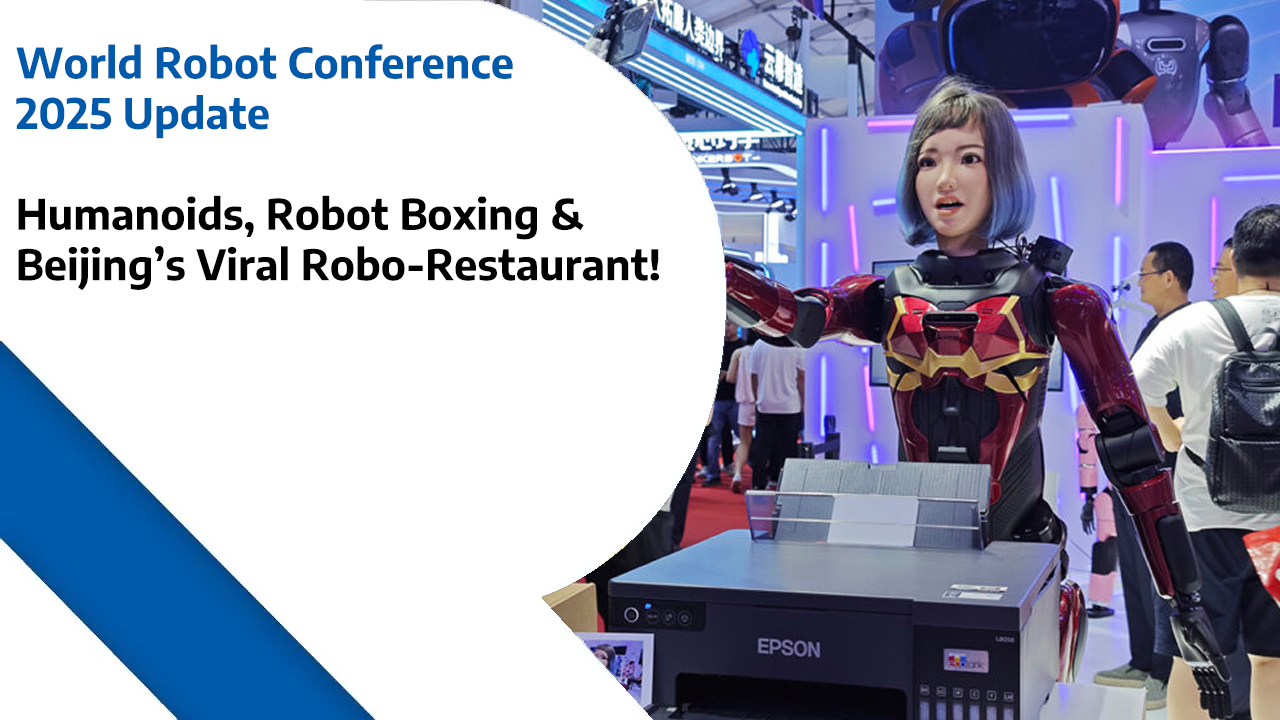
  • World Robot Conference 2025 Update – Humanoids, Robot Boxing & Beijing’s Viral Robo-Restaurant!

    World Robot Conference 2025 Update – Humanoids, Robot Boxing & Beijing’s Viral Robo-Restaurant!

    World Robot Conference 2025 Update – Humanoids, Robot Boxing & Beijing’s Viral Robo-Restaurant!


    Last week we talked about the World Robot Conference in Beijing — and the momentum hasn’t slowed down.

    Since then, humanoid robots have really taken centre stage, with more than 50 different models on display. Some are showing off precise movement skills, others have completed endurance challenges — including one that finished a half marathon.

    The robot boxing matches have been a big crowd draw, with purpose-built bots testing speed, strength, and accuracy in the ring. Unitree’s G1 humanoid continues to stand out for its agility and balance, showing just how far this technology has come.

    Outside the venue, the robot restaurant has attracted even more attention, featuring robot servers, automated performances, and a band run entirely by machines.

    With more than 200 companies and over 1,500 robots showcased, the conference continues to highlight how quickly robotics is advancing — and why it’s an event the industry is watching closely.


    And that’s your robot news update for today!
    If you’re curious about how robotics can transform your business, join me for the weekly Live Robot Optimise Workshop — it’s packed with insights, trends, and practical tips. Don’t forget to subscribe so you stay in the loop with all the latest updates.

    I’m RoboPhil from Robot Philosophy — thanks for watching, and I’ll see you next time!

    Join our Robot Optimise Industry (ROI) Workshop: https://robophil.com/workshop


    Sponsors:-


    Robot Center: – https://robotcenter.co.uk/ – Buy Robot, Robot Buy, Robot consultancy, Robotics Consultancy


    Robots of London: – https://robotsoflondon.co.uk/ – Robot Hire, Robot Rental, Rent Robot, Hire Robot, Robot Events


    Robot Philosophy: – https://robophil.com/ – Robot Consultancy AND Robot Recruitment, Robot Advice, Robot Insights, Robot Ideas


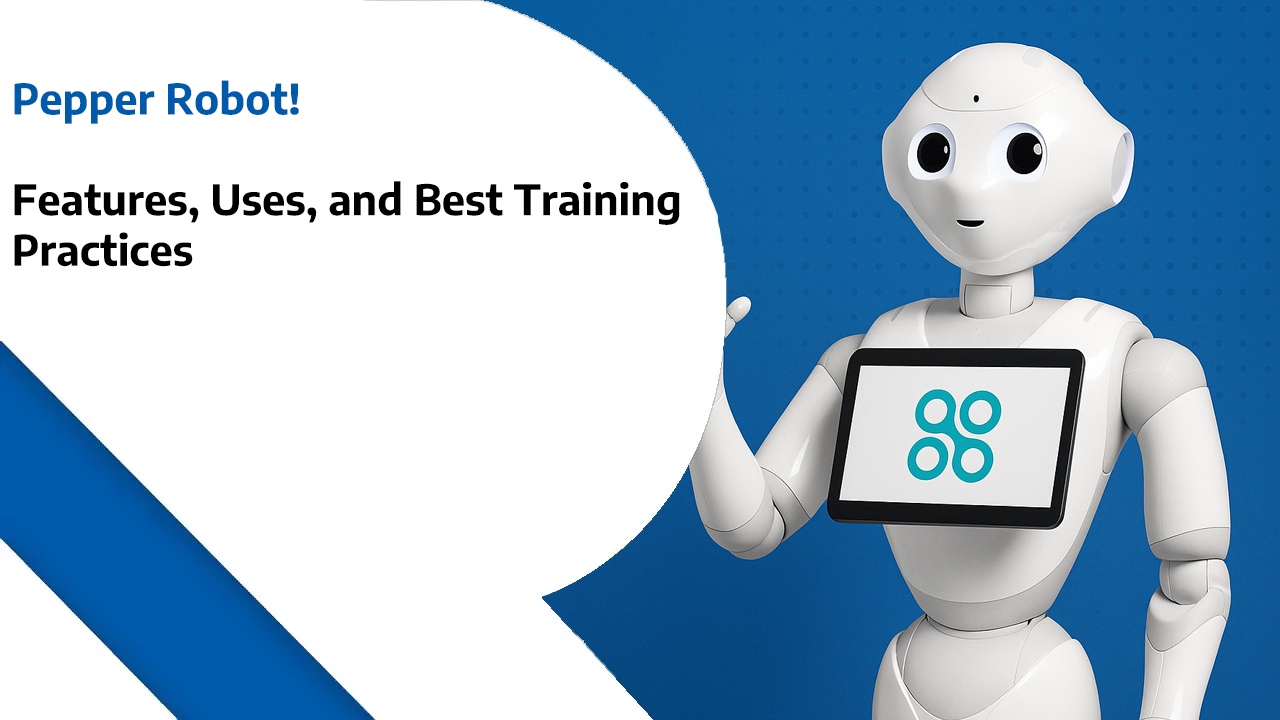
  • Pepper Robot – Features, Uses, and Best Training Practices

    Pepper Robot – Features, Uses, and Best Training Practices

    Pepper Robot – Features, Uses, and Best Training Practices


    Introduction: Why Pepper Still Matters in 2025

    In the world of social robotics, few names are as instantly recognisable as Pepper, the humanoid robot developed by SoftBank Robotics. Since its launch in 2014, Pepper has become a pioneer in human-robot interaction (HRI), being deployed in retail, hospitality, healthcare, education, and countless events worldwide.

    But what makes Pepper so special? It’s not the only humanoid robot on the market, yet it has remained a popular choice for over a decade. The answer lies in its blend of expressive design, conversational AI, and business versatility.

    In this article, we’ll explore:

    • Pepper Robot’s core features

    • Best-use cases across industries

    • Best practices for training and deployment

    • How to maximise ROI with Pepper

    • Why working with a robot consultancy like ours ensures your project succeeds

    • How to access our robot recruitment services to find the right people to manage your robot projects


    Section 1 – Pepper Robot: Core Features

    Pepper isn’t just a friendly face; it’s a sophisticated social robot designed to recognise emotions, hold conversations, and deliver engaging experiences. Here’s what makes it unique:

    1.1 Physical Specifications

    • Height: 1.2m (approx. 4ft)

    • Weight: 28kg

    • Mobility: Three omnidirectional wheels for smooth, stable movement

    • Battery Life: ~12 hours depending on use

    • Screen: 10.1-inch touch display for multimedia interaction

    1.2 Sensors & Perception

    Pepper is equipped with:

    • 3D cameras to detect people and objects

    • Sonar & infrared sensors for navigation

    • Touch sensors on its head and hands for interactive experiences

    • Microphones for directional sound detection

    • Gyroscope & accelerometer for stability

    1.3 Conversational Capabilities

    • Speech recognition & synthesis in over 20 languages

    • Emotion recognition based on facial expressions, tone of voice, and language cues

    • Customisable dialogue trees for specific business needs

    1.4 Cloud Integration & AI

    • Works with cloud-based AI for natural language understanding

    • Integration with CRM systems and business databases

    • Access to Pepper SDKs for developers to create bespoke applications


    Section 2 – Where Pepper Works Best

    Over the years, Pepper has been deployed in hundreds of industries, but certain sectors see the most benefit.

    2.1 Retail & Customer Service

    Pepper is a powerful tool for:

    • Welcoming customers

    • Providing product information

    • Running promotions via its touchscreen

    • Assisting with self-checkout or click-and-collect services

    Example: A retail chain used Pepper to greet customers, answer questions about stock availability, and collect email addresses for loyalty programmes, increasing sign-ups by 35%.

    2.2 Hospitality

    Hotels, restaurants, and airports use Pepper for:

    • Check-in assistance

    • Room and service information

    • Directions to amenities

    • Multilingual guest support

    2.3 Events & Exhibitions

    Pepper excels as:

    • A brand ambassador

    • An interactive information point

    • A crowd magnet for exhibition stands

    Through Robots of London, we have hired Pepper for hundreds of events, from high-end corporate functions to tech expos. The result? Increased engagement and more qualified leads.

    2.4 Education

    Pepper helps schools, colleges, and training centres:

    • Teach coding and robotics

    • Deliver interactive lessons

    • Support special educational needs (SEN) programmes

    2.5 Healthcare

    Hospitals and care facilities use Pepper to:

    • Provide information to patients

    • Entertain and comfort residents in care homes

    • Support language translation for international patients


    Section 3 – Best Training Practices for Pepper

    Buying or renting Pepper is just the start. To get the most out of it, training is essential.

    3.1 Understanding the Business Goal

    Before programming Pepper:

    • Identify your key objectives (customer service, lead capture, education, etc.)

    • Decide on KPIs (footfall engagement, conversation length, data capture rate)

    3.2 Developing Effective Dialogue

    • Keep sentences short and friendly

    • Include branching conversation paths for flexibility

    • Regularly update scripts based on user feedback

    3.3 Leveraging Non-Verbal Communication

    Pepper’s charm lies in:

    • Gestures (hand movements, head tilts)

    • Facial expressions (animated eyes to show emotions)

    • Posture changes for more lifelike interactions

    3.4 Combining Touchscreen & Voice

    Many underestimate the power of Pepper’s touchscreen. Combine visual content with spoken dialogue to:

    • Display menus or product images

    • Show maps or directions

    • Collect data via touchscreen forms

    3.5 Ongoing Optimisation

    Pepper’s success isn’t “set and forget”:

    • Review data logs regularly

    • Adapt scripts to address common questions

    • Train staff to troubleshoot basic issues


    Section 4 – Maximising ROI with Pepper

    Pepper is an investment — but with the right strategy, the returns are significant.

    4.1 Deployment Models

    • Purchase via Robot Center for full ownership

    • Short-term rental via Robots of London for events

    • Long-term hire for pilots before committing to a purchase

    4.2 Integration with Business Systems

    We’ve helped clients integrate Pepper with:

    • POS systems

    • Booking platforms

    • CRM and marketing automation tools

    4.3 Measuring Success

    Track:

    • Engagement rate

    • Number of conversations per day

    • Leads or sales conversions


    Section 5 – Why Work With a Robot Consultant?

    Deploying Pepper without expert guidance often leads to underwhelming results.
    Our robot consultancy service ensures:

    • You pick the right robot for the job

    • It’s programmed for your business needs

    • Staff are trained to manage it

    • You get ROI tracking from day one

    📧 Email: info@robophil.com
    📞 Call: 0845 528 0404 to book a consultation


    Section 6 – The Role of Robot Recruitment

    A robot is only as effective as the team that runs it. Our robot recruitment service helps you:

    • Hire robot operators

    • Find robotics engineers

    • Recruit AI & automation specialists

    • Secure project managers with robot deployment experience

    We match your business with the right people so your investment in robotics delivers consistent value.


    Section 7 – Case Study: Pepper in Action

    A large UK hotel chain approached us to:

    • Deploy Pepper at reception to welcome guests

    • Provide information about check-in, check-out, and local attractions

    • Operate in multiple languages

    Result:

    • Guest satisfaction ratings increased by 22%

    • Check-in queues reduced by 30%

    • Staff were freed up to handle complex guest requests


    Section 8 – Common Mistakes with Pepper and How to Avoid Them

    1. No clear goal → Always define your primary use case before deployment.

    2. Poor scripting → Keep scripts natural, short, and updated.

    3. Ignoring data → Review analytics to refine performance.

    4. Undertrained staff → Train operators as well as Pepper.


    Section 9 – Future of Pepper

    While newer humanoid robots are entering the market, Pepper remains:

    • Cost-effective

    • Highly customisable

    • Backed by a strong developer community

    With AI upgrades, Pepper’s conversational intelligence will continue to improve.


    Conclusion & Call to Action

    Pepper is not just a robot — it’s a brand ambassador, customer service assistant, educator, and engagement tool all in one. But to make the most of it, you need the right strategy, training, and team.

    That’s where we come in.
    Whether you want to buy, rent, or train Pepper, our consulting and recruitment services will ensure your project’s success.

    📧 Email: info@robophil.com
    📞 Call: 0845 528 0404 to book your call today.


    Sponsors

    https://www.youtube.com/watch?v=045byCgecxk


    https://www.youtube.com/shorts/ka0HePD7Yu4


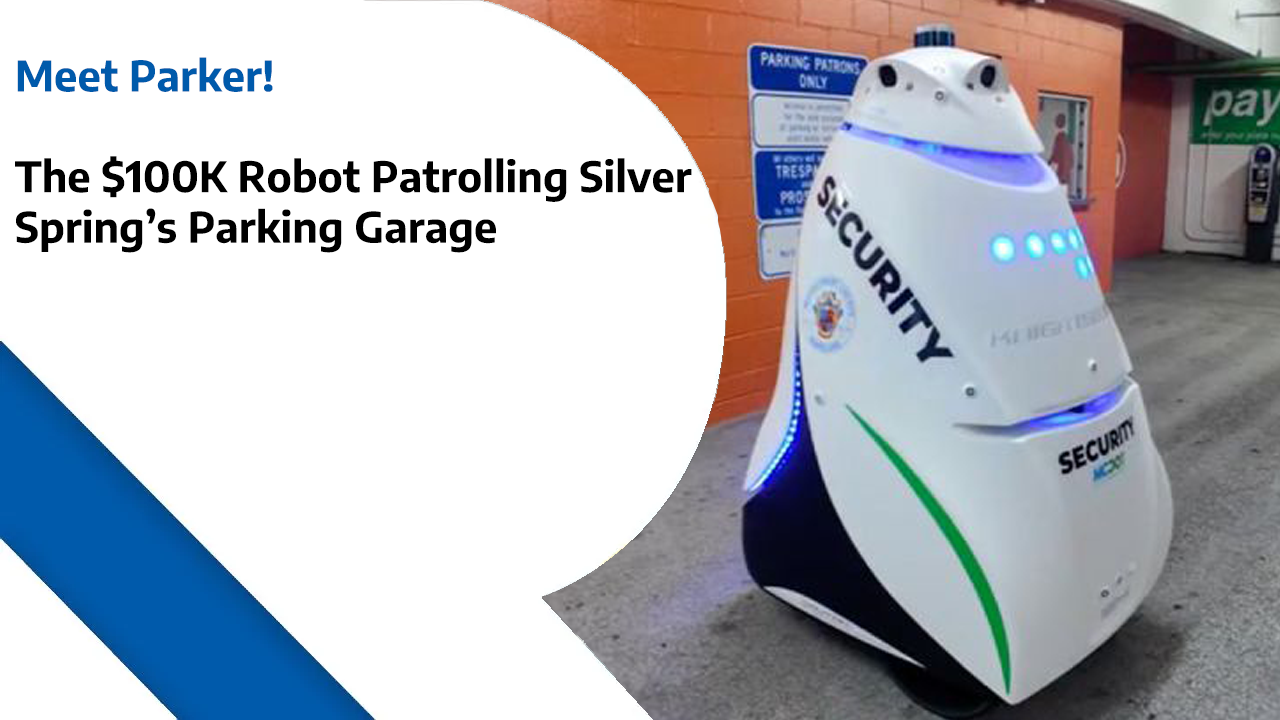
  • Meet Parker – The $100K Robot Patrolling Silver Spring’s Parking Garage

    Meet Parker – The $100K Robot Patrolling Silver Spring’s Parking Garage

    Meet Parker – The $100K Robot Patrolling Silver Spring’s Parking Garage


    Meet Parker—a five-foot-tall, 420-pound security robot now patrolling the Town Square Parking Garage in Silver Spring. Built by Knightscope, Parker’s equipped with 360-degree cameras, license plate readers, strobe lights, and infrared sensors.

    The mission? Deter crime, record suspicious activity, and send footage straight to police—helping to fill the gap left by nearly 190 vacant officer positions in Montgomery County.

    It’s not replacing human officers—think of it more as an extra set of eyes on wheels. Parker can patrol on its own, record video for up to 30 days, and even connect people directly to police dispatch with an emergency button.

    Officials say it’s part of a broader push to boost safety in garages, especially after an unsolved 2022 homicide and a rise in auto thefts.

    Right now, Parker’s still in the testing phase—navigating ramps, interacting with people, and getting ready for a formal launch. Some residents welcome the idea, others are cautious about extra surveillance.

    So if you’re parking downtown and a robot rolls by, no need to worry—it’s just Parker, making sure your car’s as safe as you left it.


    And that’s your robot news update for today!
    If you’re curious about how robotics can transform your business, join me for the weekly Live Robot Optimise Workshop — it’s packed with insights, trends, and practical tips. Don’t forget to subscribe so you stay in the loop with all the latest updates.

    I’m RoboPhil from Robot Philosophy — thanks for watching, and I’ll see you next time!


    Join our Robot Optimise Industry (ROI) Workshop: https://robophil.com/workshop


    Sponsors:-


    Robot Center: – https://robotcenter.co.uk/ – Buy Robot, Robot Buy, Robot consultancy, Robotics Consultancy


    Robots of London: – https://robotsoflondon.co.uk/ – Robot Hire, Robot Rental, Rent Robot, Hire Robot, Robot Events


    Robot Philosophy: – https://robophil.com/ – Robot Consultancy AND Robot Recruitment, Robot Advice, Robot Insights, Robot Ideas

  • How to Get Into the Robot Business

    How to Get Into the Robot Business

    How to Get Into the Robot Business (Without Building Robots)

    “The robot industry is exploding. But the truth is, you don’t need to be an engineer or build a robot from scratch to start a robot business. I’m Phil – aka RoboPhil – and I’ve spent the last decade in this space. In this video, I’ll break down four proven ways to start your own robot business – even if you have zero technical background.”

    Key hook:

    • “Robots are projected to become a $300 billion industry by 2030 – and most of that growth isn’t from inventing robots, but bringing them into the real world.”

    SECTION 1: Become a Robot Reseller / Distributor

    What it is:

    You partner with a robot manufacturer and sell their robots to customers in your region or industry niche.

    Talking points:

    • Every robot company needs salespeople, distributors, and on-the-ground partners to reach new markets.
    • You don’t invent the robot—you learn the product and sell it, like Temi, OrionStar, Pudu, or Keenon.
    • You can start with one robot and a demo case and visit restaurants, warehouses, care homes, or offices.

    Real example:

    “That’s exactly how I started. I took a robot on the road and demoed it, just like the Hoover salesmen in the old days. And it worked.”

    Numbers:

    • Most service robots range from £5,000 to £20,000 per unit – even a 10–15% commission per sale is decent income.
    • Some companies offer exclusive regional distribution rights – if you’re first, you could lock in your area.

    Tips:

    • Go niche: sell only to healthcare, or only restaurants, or only logistics.
    • Follow up with service and training upsells.

    SECTION 2: Robot Consultant / Automation Advisor (6:00–11:00)

    What it is:

    You help companies figure out which robot they should use, where it fits into their workflow, and how to integrate it with minimal disruption.

    Talking points:

    • Most business owners are curious about robots, but don’t know where to start.
    • You can be the person who answers:
      “Which robot should we use?”
      “What problem can a robot solve here?”
      “How will it work with our current staff and setup?”

    Who this suits:

    • If you have experience in a specific industry – logistics, food production, hospitality – you already understand the problems robots can solve.

    Real example:

    “I’ve consulted for warehouse businesses that were bleeding money on manual pick-and-pack operations. A simple AMR robot cut their staffing costs and errors significantly.”

    Numbers:

    • Consulting day rates in robotics typically range from £300 to £1,000/day, depending on your niche and value.
    • Global warehouse automation market alone is projected to hit $64 billion by 2030 (Precedence Research, 2024).

    Tips:

    • Position yourself as a “robot translator” – someone who bridges the tech and the business.
    • Build a playbook: e.g., “Top 5 robots for care homes” or “Automation audit checklist for restaurants.”

    SECTION 3: Robot Trainer / Implementation Specialist

    What it is:

    You train staff on how to use a robot, and offer onboarding, setup, and basic support once it’s deployed.

    Talking points:

    • This is one of the most overlooked needs in the robot industry.
    • Most robots arrive with a manual or app – but staff still panic or underuse them.
    • If you can guide them step-by-step, you become essential.

    Services you can offer:

    • On-site or remote training sessions
    • “Train the trainer” programs
    • Quick-start guides, walkthrough videos
    • Annual support packages

    Real example:

    “I’ve had hotels and shopping centres bring me in just to train their staff how to use a delivery robot. Without that, the robots end up collecting dust.”

    Numbers:

    • You can charge £500–£2,000 per training package depending on robot complexity and client size.
    • Global demand for “robotics field support” roles is up 120% YoY (LinkedIn Jobs, 2024).

    Tips:

    • Record your training once – use it across multiple clients.
    • Pair this with consulting or reseller work for recurring revenue.

    SECTION 4 (New): Start a Robot Integration or Installation Service

    What it is:

    You set up robots on behalf of manufacturers or end users – configuring the hardware, connecting it to the customer’s systems (like Wi-Fi, tablets, or cloud software), and making sure it works in their environment.

    Talking Points:

    • Many robots today are plug-and-play-ish… but not quite.
    • Businesses don’t want to deal with the technical stuff – and robot companies often don’t have local field teams.
    • You become the local expert who gets robots up and running faster and smoother than DIY installs.

    Real-World Example:

    “With some of the robot brands I’ve worked with, the biggest challenge isn’t selling the robot—it’s making sure it’s working properly in the client’s space. That’s where integration comes in.”

    Services You Can Offer:

    • Site surveys: Assess Wi-Fi strength, floor plan, obstacles
    • Robot setup: Positioning, network setup, linking to POS/CRM
    • Custom configuration: Language, voice assistant, branding
    • Testing + training: Make sure staff understand how it works
    • Ongoing support packages: Recurring revenue

    Numbers:

    • Integration fees typically range from £500 to £5,000 per project, depending on complexity.
    • You could integrate 5 robots a month and generate £10K+ in service fees.
    • Demand for robotics integrators is rising – especially in sectors like healthcare, warehousing, and hospitality.

    📈 According to ABI Research, over 6 million robots will be installed annually by 2026, with most requiring some form of integration.

    Tips:

    • Partner with robot brands that don’t have UK integration teams – you can be their field rep.
    • Build a checklist or workflow for repeatable installs.
    • Upsell service and support contracts after the initial setup.

    Updated Closing CTA:

    “If you’re hands-on and tech-comfortable, robot integration can be a fast-track into the robot industry – without building your own robot or needing inventory. Start local, solve real problems, and scale up from there.”

    Let me know if you’d like the full outline updated with this new Section 4 swapped in, or if you’d like a matching YouTube title + description + tags for SEO.


    SECTION 5: Become a Robot Intrapreneur – Innovate From Inside Your Company (18:00–20:00)

    What it is:

    You’re already working inside a company or industry, and you notice where robots could make a big impact. Instead of starting a business right away, you lead a robot project from the inside—proposing, testing, and deploying automation within your current job.

    Talking Points:

    • You already know the business from the inside: the bottlenecks, the frustrations, the inefficiencies.
    • Your employer likely wants innovation but doesn’t know where to start.
    • You can lead the change, without needing funding or taking big risks.
    • You become known internally as “the automation guy/girl” – and that opens doors.

    Real Example:

    “I’ve seen people in retail, logistics, and hospitality pitch delivery robots, cleaning robots, or stock-checking robots to their bosses—and within six months, they were running the rollout across multiple sites. Some of them ended up launching their own automation businesses from that starting point.”

    Benefits:

    • You learn how robot deployments really work – without personal financial risk
    • You can build a case study, proving ROI and usability
    • You’re using company resources (budget, staff, time) to get real robotics experience
    • You position yourself for internal promotion or external credibility

    Stats & Relevance:

    • According to PwC, 61% of UK companies say they want to automate tasks, but lack the internal capability or confidence to start.
    • Many robot companies say they prefer working with internal champions—someone who can own the project from the inside.

    Bonus: Use It as a Springboard

    Once you’ve successfully deployed a robot inside one business, you now have:

    • A working model
    • Real performance data
    • Internal feedback
    • A confident story to pitch to others

    And that’s your foundation to go solo.

    You can:

    • Offer the same solution to other companies in the same sector
    • Become a freelance robot consultant or integrator
    • Partner directly with robot manufacturers
    • Launch your own automation startup

    Final Thought:

    “The intrapreneur path is perfect if you’re not ready to leave your job—but want to get into robotics. And once you’ve proven it works, you can take that experience and build your own business. That’s exactly how a lot of the best robotics founders got their start.”

    Would you like the full video script with all 5 updated sections in one place, or shall I now build your YouTube-ready title, description, tags, and thumbnail headline?

    Just say the word!

    You said:

    give me an end scrpit

    ChatGPT said:

    Of course! Here’s a polished end script for your video that wraps up all 5 paths, includes a recap, and ends with a strong call to action to drive engagement and subscribers:

    🎬 End Script

    “So let’s quickly recap the five real-world ways you can get into the robot business—without building a robot, writing code, or starting with a huge budget.”

    1. Become a robot reseller – Partner with a manufacturer, sell robots, earn commission.
    2. Become a robot consultant – Help businesses choose and integrate the right robots.
    3. Offer training and support – Teach teams how to use and maintain their robots.
    4. Do robot integration and setup – Become the local expert that makes the robots work.
    5. Be a robot intrapreneur – Lead a robot project inside your current job, then branch out on your own.

    “The opportunity is massive. Robots are going mainstream, and the industry needs more people like you—people who can translate the tech, solve real problems, and help businesses move forward.”

    “If one of these five paths stood out to you, drop it in the comments—let’s start a conversation. And if you’ve already started your journey in the robot space, I’d love to hear about it.”

    “Subscribe if you want more straight-talking insights on robots, automation, and how to actually build a future-proof career in this industry. And if you’re serious about getting started, check out the next video where I go deeper

    “Thanks for watching – I’m Phil, aka RoboPhil – and I’ll see you in the next one.”

    Join our Robot Optimise Industry (ROI) Workshop: https://robophil.com/workshop


    Sponsors:-


    Robot Center: – https://robotcenter.co.uk/ – Buy Robot, Robot Buy, Robot consultancy, Robotics Consultancy


    Robots of London: – https://robotsoflondon.co.uk/ – Robot Hire, Robot Rental, Rent Robot, Hire Robot, Robot Events


    Robot Philosophy: – https://robophil.com/ – Robot Consultancy AND Robot Recruitment, Robot Advice, Robot Insights, Robot Ideas


  • Talk to a Robot Consultant – What to Expect in Your First Call

    Talk to a Robot Consultant – What to Expect in Your First Call

    Talk to a Robot Consultant – What to Expect in Your First Call

    The world of robotics is evolving at breakneck speed, transforming industries from manufacturing and healthcare to hospitality and retail. As businesses increasingly recognize the potential of robotic solutions to enhance efficiency, reduce costs, and drive innovation, the demand for expert guidance has never been higher. This is where robot consultants come in—specialized professionals who bridge the gap between cutting-edge robotic technology and practical business applications.

    If you’re considering taking the leap into robotics for your business but feel overwhelmed by the technical complexities and endless options available, scheduling a consultation with a robot expert could be the game-changing decision you’ve been looking for. But what exactly happens during that first call? What should you prepare, and what outcomes can you realistically expect?

    This comprehensive guide will walk you through everything you need to know about your first robot consultation call, helping you maximize this valuable opportunity to explore how robotics can revolutionize your business operations.

    Understanding the Role of a Robot Consultant

    Before diving into what to expect during your consultation, it’s important to understand what a robot consultant brings to the table. These specialized professionals combine deep technical knowledge of robotic systems with extensive business acumen, enabling them to translate complex technological capabilities into practical solutions that align with your specific business objectives.

    Robot consultants typically offer a range of services including feasibility assessments, technology selection guidance, implementation planning, integration support, and ongoing optimization strategies. They stay current with the latest developments in artificial intelligence, machine learning, sensor technology, and automation hardware, ensuring they can recommend the most appropriate and cost-effective solutions for your unique needs.

    The value proposition extends beyond mere technical expertise. A skilled robot consultant understands industry-specific challenges, regulatory requirements, workforce implications, and the critical success factors that determine whether a robotic implementation will deliver the expected return on investment. They serve as your trusted advisor throughout the entire journey, from initial concept exploration through successful deployment and beyond.

    Preparing for Your First Consultation Call

    Preparation is key to maximizing the value of your robot consultation. Before your scheduled call, take time to clearly articulate your business challenges, objectives, and constraints. Consider the specific pain points you’re hoping to address through robotics—whether that’s labor shortages, quality consistency issues, safety concerns, or the need to increase production capacity.

    Gather relevant information about your current operations, including workflow diagrams, production volumes, quality metrics, and any existing automation systems. If you have budget parameters or timeline constraints, having these details readily available will help your consultant provide more targeted recommendations.

    It’s also beneficial to involve key stakeholders in the preparation process. Consider who from your team should participate in the consultation—this might include operations managers, technical staff, financial decision-makers, and anyone else who would be directly impacted by a robotic implementation. Having the right people involved from the beginning ensures all perspectives are considered and helps build organizational buy-in for potential initiatives.

    Think about your long-term vision as well. While you might be focused on solving immediate challenges, robot consultants can help you develop a strategic roadmap that positions your business for future growth and technological advancement. Understanding your broader business goals will enable more comprehensive and forward-thinking recommendations.

    The Initial Discovery Phase

    Your first consultation call will typically begin with an extensive discovery phase, where your consultant works to understand your business, industry, and specific needs. Expect detailed questions about your current operations, including production processes, quality control measures, workforce dynamics, and existing technology infrastructure.

    The consultant will likely inquire about your company’s size, structure, and culture, as these factors significantly influence which robotic solutions will be most successful. They’ll want to understand your customer base, market position, and competitive pressures, as these elements help shape the strategic context for any robotic initiatives.

    During this phase, be prepared to discuss both your successes and your challenges openly. The most effective robot consultants need a complete picture of your situation to provide valuable guidance. Don’t hesitate to share concerns about implementation complexity, workforce impact, or budget limitations—addressing these issues upfront ensures more realistic and actionable recommendations.

    Your consultant may also explore your organization’s previous experience with automation or technology implementations. Understanding what has worked well in the past, as well as any challenges you’ve encountered, helps inform their approach and recommendations for robotic solutions.

    Technical Assessment and Feasibility Analysis

    Following the initial discovery, your consultant will conduct a technical assessment of your specific use case. This involves analyzing the technical requirements for potential robotic solutions, including the physical environment, task complexity, precision requirements, and integration needs with existing systems.

    Expect detailed discussions about the specific tasks you’re hoping to automate. The consultant will evaluate factors such as the repeatability of processes, the degree of variability in your products or materials, and the level of decision-making required. These elements are crucial in determining whether robotic automation is feasible and which types of robotic systems would be most appropriate.

    The consultant will also assess your current infrastructure, including power requirements, network capabilities, safety systems, and physical space constraints. This technical evaluation helps identify any modifications or upgrades that might be necessary to support robotic implementation.

    During this phase, your consultant may present various technological options, explaining the capabilities, limitations, and costs associated with different robotic platforms. They’ll help you understand the trade-offs between different approaches, ensuring you have the information needed to make informed decisions about your robotic strategy.

    ROI Analysis and Business Case Development

    One of the most critical aspects of your consultation will be the development of a comprehensive return on investment analysis. Your robot consultant will work with you to quantify the potential benefits of robotic implementation, including cost savings, productivity improvements, quality enhancements, and risk reduction.

    This analysis typically includes both direct financial benefits, such as reduced labor costs or increased throughput, as well as indirect benefits like improved workplace safety, enhanced consistency, and greater operational flexibility. The consultant will help you understand both the short-term and long-term financial implications of robotic investment.

    Expect discussions about implementation costs, including not just the robotic hardware but also integration services, training requirements, ongoing maintenance, and any necessary facility modifications. A thorough cost-benefit analysis provides the foundation for making informed investment decisions and securing organizational support for robotic initiatives.

    Your consultant may also help you explore financing options, leasing arrangements, or phased implementation approaches that can make robotic solutions more accessible and manageable from a cash flow perspective. Understanding all available options ensures you can structure an investment that aligns with your financial capabilities and business objectives.

    Implementation Planning and Timeline Development

    If the feasibility analysis indicates that robotic solutions are viable for your application, your consultant will begin developing a preliminary implementation plan. This roadmap outlines the key phases of deployment, from initial system design and procurement through installation, testing, and full production rollout.

    Expect detailed discussions about timeline expectations, recognizing that robotic implementations typically require several months from decision to full operation. Your consultant will help you understand the various factors that influence implementation schedules, including equipment lead times, integration complexity, and training requirements.

    The planning process will also address change management considerations, including workforce communication, training programs, and organizational adjustments needed to successfully integrate robotic systems into your operations. Effective implementation planning considers not just the technical aspects but also the human and organizational elements that are crucial for success.

    Your consultant may recommend a phased approach, starting with pilot installations or lower-risk applications before expanding to more complex implementations. This strategy allows you to build internal capabilities, demonstrate value, and refine processes before making larger investments.

    Risk Assessment and Mitigation Strategies

    Professional robot consultants understand that every implementation carries inherent risks, and they’ll work with you to identify and address potential challenges proactively. Common risk areas include technical integration issues, workforce acceptance challenges, supplier reliability concerns, and regulatory compliance requirements.

    During your consultation, expect frank discussions about potential pitfalls and their likelihood of occurrence. More importantly, your consultant will propose specific mitigation strategies for each identified risk, helping you develop contingency plans and preventive measures.

    This might include recommendations for supplier evaluation criteria, suggestions for pilot testing approaches, strategies for workforce engagement, or proposals for staged implementation that limits exposure to any single point of failure. Understanding and preparing for potential challenges significantly improves the likelihood of successful implementation.

    Your consultant may also address cybersecurity considerations, as modern robotic systems often include network connectivity and data collection capabilities. Ensuring appropriate security measures are in place protects both your operational systems and sensitive business information.

    Next Steps and Ongoing Support

    As your initial consultation draws to a close, your robot consultant will outline potential next steps based on the discussions and analysis conducted during the call. This might include more detailed feasibility studies, site visits for hands-on assessment, development of detailed implementation proposals, or connections with specific technology suppliers.

    Many robot consultants offer ongoing support services that extend well beyond the initial implementation. These might include system optimization services, expansion planning, troubleshooting support, or assistance with scaling robotic solutions to additional applications within your organization.

    Your consultant may also discuss training and knowledge transfer opportunities that can help build internal capabilities within your team. Developing in-house expertise ensures you can maximize the value of your robotic investments and maintain optimal system performance over time.

    What Makes a Great Robot Consultation Experience

    The best robot consultation experiences are characterized by several key elements. First and foremost, your consultant should demonstrate genuine expertise across multiple robotic technologies and applications, enabling them to recommend solutions based on technical merit rather than vendor relationships or limited experience.

    Effective consultants are also excellent listeners who take time to truly understand your business before proposing solutions. They should ask probing questions, challenge assumptions when appropriate, and demonstrate a clear understanding of your industry’s unique requirements and constraints.

    Transparency is another hallmark of quality robot consultation. Your consultant should be upfront about costs, timelines, risks, and limitations. They should present balanced analyses that include both benefits and challenges, helping you make informed decisions rather than simply promoting robotic solutions regardless of fit.

    Look for consultants who demonstrate strong communication skills, translating technical concepts into business language and ensuring all stakeholders can understand and engage with the recommendations. The ability to bridge technical and business perspectives is crucial for successful robotic implementations.

    Industry-Specific Considerations

    Different industries present unique challenges and opportunities for robotic implementation, and experienced robot consultants understand these nuances. In manufacturing environments, consultants focus on production efficiency, quality consistency, and integration with existing automation systems. Healthcare applications require deep understanding of regulatory requirements, patient safety considerations, and infection control protocols.

    Retail and hospitality robotics demand expertise in customer interaction, brand alignment, and service quality maintenance. Logistics and warehousing applications emphasize throughput optimization, accuracy requirements, and integration with inventory management systems.

    During your consultation, expect your robot consultant to demonstrate familiarity with your specific industry’s requirements, challenges, and best practices. This industry expertise ensures recommendations are practical and aligned with sector-specific success factors.

    Building Long-Term Robotic Strategy

    While your first consultation call focuses on immediate needs and opportunities, the best robot consultants also help you develop a long-term strategic vision for robotics within your organization. This might include identifying additional applications for automation, planning for technology evolution, and building organizational capabilities that support ongoing innovation.

    Your consultant may discuss emerging trends in robotics that could impact your business in the coming years, helping you position for future opportunities and challenges. This forward-thinking approach ensures your initial robotic investments are part of a coherent strategy rather than isolated tactical decisions.

    Consider how your robotic initiatives align with broader digital transformation efforts within your organization. The most successful companies integrate robotics with other advanced technologies like IoT, artificial intelligence, and data analytics to create comprehensive operational improvements.

    Maximizing Consultation Value

    To get the most value from your robot consultation, come prepared with specific questions and scenarios you’d like to explore. Be open about your concerns and constraints, as addressing these issues upfront leads to more realistic and actionable recommendations.

    Take detailed notes during your consultation and don’t hesitate to ask for clarification on technical concepts or implementation details. Most robot consultants are happy to provide follow-up information or additional resources that help you better understand the recommendations.

    Consider involving multiple stakeholders in the consultation process, as different perspectives often reveal important considerations that might otherwise be overlooked. Having diverse viewpoints represented ensures more comprehensive evaluation of potential solutions.

    Conclusion: Your Gateway to Robotic Innovation

    Your first robot consultation call represents the beginning of what could be a transformative journey for your business. By understanding what to expect and how to prepare, you position yourself to maximize this valuable opportunity and make informed decisions about robotic investments.

    Remember that the best robot consultants are not just technology experts—they’re strategic partners who understand your business and are committed to your success. They bring not only technical knowledge but also practical experience, industry insights, and the ability to translate complex capabilities into real-world business value.

    The robotics landscape continues to evolve rapidly, with new technologies, applications, and opportunities emerging regularly. Partnering with experienced robot consultants ensures you stay current with these developments and can capitalize on innovations that drive competitive advantage.

    Whether you’re exploring robotics for the first time or looking to expand existing automation initiatives, a professional consultation provides the foundation for successful implementation. Take advantage of this opportunity to explore how robotics can transform your operations, enhance your capabilities, and position your business for future growth.


    Ready to Transform Your Business with Robotics?

    Don’t let the complexity of robotic technology hold you back from exploring its transformative potential. Our expert robot consultants are ready to help you navigate the opportunities and challenges of implementing robotic solutions in your business.

    Contact us today to schedule your comprehensive robot consultation:

    📧 Email: info@robophil.com
    📞 Phone: 0845 528 0404

    Our team of experienced professionals will work with you to understand your unique needs, assess the feasibility of robotic solutions, and develop a strategic roadmap for implementation. From initial consultation through successful deployment and ongoing optimization, we’re your trusted partners in robotic innovation.

    Additional Services:

    • Robot Consulting: Strategic guidance and technical expertise for robotic implementations
    • Robot Recruitment: Specialized talent acquisition for robotics professionals and technical teams

    Sponsored by Leading Robotics Partners

    This article is proudly sponsored by three industry-leading organizations committed to advancing robotic technology adoption:

    Robot Center
    Your comprehensive destination for robot purchasing, procurement, and consultancy services. Whether you’re looking to buy robots, need expert robotics consultancy, or require guidance on technology selection, Robot Center provides the expertise and resources to support your robotic initiatives.

    Robots of London
    Premier provider of robot hire and rental services for events, demonstrations, and short-term projects. From robot events and experiential marketing to temporary automation solutions, Robots of London offers flexible access to cutting-edge robotic technology without the commitment of permanent purchase.

    Robot Philosophy
    Specialized consultancy and recruitment services focused on robotics strategy, implementation, and talent acquisition. Robot Philosophy combines deep technical expertise with strategic business insight to deliver actionable advice, innovative ideas, and specialized recruitment services for organizations embracing robotic technology.

    These partnerships ensure access to comprehensive robotics expertise, from strategic planning and technology selection through implementation support and ongoing optimization. Together, we’re committed to making robotic technology accessible, practical, and transformative for businesses across all industries.


  • Olympus – ESA’s Jumping Robot That Could Leap Into Mars’ Untouched Terrain

    Olympus – ESA’s Jumping Robot That Could Leap Into Mars’ Untouched Terrain

    Olympus – ESA’s Jumping Robot That Could Leap Into Mars’ Untouched Terrain


    “Meet Olympus — the European Space Agency’s four-legged robot designed to explore the Moon and Mars. In recent tests at ESA’s ORBIT facility in the Netherlands, it showed off its ability to jump and reorient itself under simulated Martian gravity — about 38% of Earth’s pull.”


    “Olympus was mounted upside-down on a friction-free, air-cushioned platform — imagine an air-hockey table for robots. This allowed engineers to test its agility in conditions similar to those on Mars, without the dust and danger.”


    “Using reinforcement learning, Olympus taught itself how to control its orientation and land on all four feet — even when the platform spun. It performed wall-to-wall jumps with remarkable stability.”


    “Unlike wheeled rovers, Olympus can leap over obstacles and even venture into lava tubes or caverns — terrain that’s off-limits to most current robotic explorers.”


    “With agility, intelligence, and a knack for keeping its balance, Olympus could one day help astronauts reach parts of Mars that have never been explored before — in just a few leaps.”


    And that’s your robot news update for today!
    If you’re curious about how robotics can transform your business, join me for the weekly Live Robot Optimise Workshop — it’s packed with insights, trends, and practical tips. Don’t forget to subscribe so you stay in the loop with all the latest updates.

    I’m RoboPhil from Robot Philosophy — thanks for watching, and I’ll see you next time!

    Join our Robot Optimise Industry (ROI) Workshop: https://robophil.com/workshop


    Sponsors:-


    Robot Center: – https://robotcenter.co.uk/ – Buy Robot, Robot Buy, Robot consultancy, Robotics Consultancy


    Robots of London: – https://robotsoflondon.co.uk/ – Robot Hire, Robot Rental, Rent Robot, Hire Robot, Robot Events


    Robot Philosophy: – https://robophil.com/ – Robot Consultancy AND Robot Recruitment, Robot Advice, Robot Insights, Robot Ideas


  • Need help With Robot Integration? Here’s How we Work

    Need help With Robot Integration? Here’s How we Work

    Need Help With Robot Integration? Here’s How We Work

    The manufacturing landscape is rapidly evolving, and robotics integration has become a critical competitive advantage for businesses across industries. Whether you’re a small manufacturing operation looking to automate repetitive tasks or a large enterprise planning a comprehensive digital transformation, successful robot integration requires expertise, strategic planning, and the right partnerships.

    At Robot Philosophy, we’ve helped hundreds of businesses navigate the complex world of robotics implementation. Our comprehensive approach combines deep technical knowledge with practical business insight to ensure your automation projects deliver measurable results from day one.

    Understanding the Robot Integration Challenge

    Robot integration isn’t just about purchasing equipment and plugging it in. It’s a multifaceted process that touches every aspect of your operation – from workflow design and safety protocols to staff training and ongoing maintenance. Many businesses underestimate the complexity involved, leading to delayed implementations, cost overruns, and suboptimal performance.

    The most successful robot integration projects share common characteristics: they’re built on thorough planning, supported by experienced professionals, and designed with scalability in mind. This is where our structured approach makes all the difference.

    Our Proven Integration Methodology

    Phase 1: Assessment and Strategy Development

    Every successful robot integration begins with understanding your unique operational requirements. Our team conducts comprehensive assessments that go beyond simple task analysis. We examine your current workflows, identify bottlenecks, assess your facility infrastructure, and evaluate your team’s readiness for automation.

    During this phase, we work closely with your stakeholders to define clear objectives and success metrics. Are you looking to increase production capacity, improve quality consistency, reduce labor costs, or enhance worker safety? Each goal requires different approaches and technologies, and our consultants help you prioritize based on your business case and available resources.

    We also conduct detailed feasibility studies that consider technical requirements, return on investment projections, and implementation timelines. This groundwork ensures that when we move to implementation, every decision is backed by solid analysis and aligned with your business objectives.

    Phase 2: Solution Design and Technology Selection

    With a clear understanding of your requirements, our team designs customized automation solutions that integrate seamlessly with your existing operations. This isn’t a one-size-fits-all approach – we consider factors like your production volumes, product variations, quality standards, and future growth plans.

    Technology selection is critical to long-term success. Our consultants have extensive experience with robotics platforms from leading manufacturers including ABB, KUKA, Fanuc, Universal Robots, and many others. We evaluate options based on technical capabilities, total cost of ownership, vendor support, and compatibility with your existing systems.

    The design phase also addresses integration challenges such as safety systems, quality control integration, data connectivity, and human-robot collaboration requirements. We create detailed specifications and project plans that serve as blueprints for successful implementation.

    Phase 3: Implementation and Project Management

    Robot integration projects involve coordinating multiple vendors, managing complex timelines, and ensuring minimal disruption to ongoing operations. Our project management expertise keeps implementations on track while maintaining quality standards throughout the process.

    We oversee equipment procurement, facility modifications, system integration, and commissioning activities. Our team works directly with robot manufacturers, system integrators, and your internal staff to ensure seamless coordination. We also manage the critical testing and validation phases that verify system performance before going live.

    Risk management is paramount during implementation. We identify potential issues early and develop contingency plans to minimize delays. Our experience with similar projects helps anticipate challenges and implement solutions before they impact your timeline or budget.

    Phase 4: Training and Knowledge Transfer

    Technology is only as effective as the people operating it. Our comprehensive training programs ensure your team has the skills and confidence needed to maximize your automation investment. We develop customized training curricula that cover operation, maintenance, troubleshooting, and safety procedures.

    Training extends beyond technical skills to include change management support. Introducing robotics often requires adjustments to workflows, job responsibilities, and organizational culture. Our consultants help facilitate these transitions, ensuring your team embraces the new technology and understands how it enhances their capabilities.

    We also establish knowledge transfer processes that build internal expertise over time. This includes documentation, standard operating procedures, and ongoing coaching to develop your team’s automation competencies.

    Phase 5: Optimization and Continuous Improvement

    Robot integration doesn’t end at go-live. The most successful implementations continuously evolve to capture additional value and adapt to changing requirements. Our optimization services help you refine processes, improve performance, and expand automation capabilities over time.

    We provide ongoing performance monitoring and analysis to identify improvement opportunities. This includes cycle time optimization, quality enhancement, energy efficiency improvements, and capacity expansion planning. Our team also stays current with emerging technologies that could benefit your operations.

    Long-term partnership is central to our approach. We maintain relationships with clients to support future expansion, technology upgrades, and new application development. This continuity ensures your automation strategy remains aligned with evolving business needs.

    Specialized Consulting Services

    Strategic Automation Planning

    Many organizations struggle with where and how to begin their automation journey. Our strategic planning services help you develop comprehensive roadmaps that prioritize projects based on business impact and technical feasibility. We consider factors like capital availability, operational priorities, and market dynamics to create realistic implementation timelines.

    Strategic planning also addresses organizational readiness, skill development needs, and change management requirements. We help you build the foundation for successful automation adoption across your entire organization.

    Technology Evaluation and Selection

    The robotics market offers numerous options, each with distinct advantages and limitations. Our technology evaluation services provide objective analysis to help you make informed decisions. We conduct detailed comparisons considering technical specifications, total cost of ownership, vendor stability, and long-term support availability.

    Our consultants have hands-on experience with diverse robotics platforms and can provide insights based on real-world implementations. We also maintain relationships with leading technology vendors, giving us access to the latest developments and roadmap information.

    Process Optimization and Redesign

    Effective robot integration often requires rethinking existing processes to leverage automation capabilities fully. Our process optimization services identify opportunities to redesign workflows, eliminate waste, and improve overall efficiency. We apply lean manufacturing principles and Industry 4.0 concepts to create streamlined operations.

    Process redesign also considers human factors and ergonomics to ensure safe, efficient human-robot collaboration. We help design workstations and workflows that optimize both automated and manual operations.

    Compliance and Safety Consulting

    Robotics implementations must meet strict safety standards and regulatory requirements. Our compliance consulting ensures your projects adhere to relevant standards including ISO 10218, ANSI/RIA R15.06, and industry-specific regulations. We help design safety systems, conduct risk assessments, and develop safety procedures that protect workers while maintaining productivity.

    Safety consulting extends to training and certification programs that ensure your team understands and follows proper safety protocols. We also provide ongoing safety audits and system updates to maintain compliance as regulations evolve.

    Robot Recruitment and Staffing Solutions

    Successful automation requires skilled professionals who understand both robotics technology and manufacturing operations. Finding qualified candidates can be challenging, especially in today’s competitive talent market. Our specialized recruitment services connect you with experienced robotics engineers, technicians, and project managers who can drive your automation initiatives forward.

    Robotics Engineering Talent

    We recruit experienced robotics engineers who specialize in system design, integration, and optimization. Our candidates have backgrounds with leading robotics manufacturers and system integrators, bringing proven expertise to your projects. Whether you need permanent staff or contract specialists for specific projects, we can provide qualified professionals who understand your industry requirements.

    Our engineering recruitment covers disciplines including mechanical design, electrical systems, software development, and controls engineering. We also recruit specialists in emerging areas like artificial intelligence, machine vision, and collaborative robotics.

    Technical and Maintenance Staff

    Ongoing robotics operations require skilled technicians who can maintain systems, troubleshoot issues, and perform routine service tasks. Our recruitment services help you build internal capabilities that reduce dependence on external support and improve system availability.

    We recruit technicians with experience in preventive maintenance, diagnostics, programming, and repair procedures. Our candidates understand the importance of minimizing downtime and maintaining optimal system performance.

    Project Management Professionals

    Complex automation projects require experienced project managers who understand both technical and business requirements. We recruit project management professionals with proven track records managing robotics implementations from concept through commissioning.

    Our project management candidates have experience coordinating multiple stakeholders, managing budgets and timelines, and ensuring quality deliverables. They understand the unique challenges of automation projects and can help ensure successful outcomes.

    Interim and Contract Solutions

    Sometimes you need specialized expertise for specific projects or transitional periods. Our contract staffing solutions provide experienced professionals who can contribute immediately without long-term commitments. This flexibility is particularly valuable for pilot projects, system upgrades, or temporary capacity needs.

    Contract solutions also provide opportunities to evaluate candidates for permanent positions, reducing hiring risks and ensuring good cultural fit.

    Industry Expertise and Specialization

    Our team has deep experience across diverse industries, each with unique automation requirements and challenges. This industry knowledge helps us understand your specific needs and recommend solutions that address sector-specific requirements.

    Automotive and Transportation

    The automotive industry has been at the forefront of robotics adoption for decades, but modern requirements continue to evolve. We help automotive manufacturers implement advanced automation solutions including flexible assembly systems, quality inspection automation, and collaborative robotics applications.

    Our automotive expertise covers traditional manufacturing processes as well as emerging requirements for electric vehicles, autonomous systems, and connected car technologies. We understand industry standards and certification requirements that ensure compliance with automotive quality standards.

    Aerospace and Defense

    Aerospace manufacturing requires precision, traceability, and compliance with stringent quality standards. Our aerospace consulting services help implement automation solutions that meet these demanding requirements while improving efficiency and reducing costs.

    We have experience with specialized applications including composite manufacturing, precision machining, assembly automation, and inspection systems. Our solutions address unique aerospace challenges such as low-volume production, complex geometries, and stringent material handling requirements.

    Food and Beverage

    Food and beverage automation presents unique challenges including sanitary design requirements, temperature control, and regulatory compliance. Our industry expertise helps navigate these challenges while implementing solutions that improve productivity, quality, and food safety.

    We specialize in applications including packaging automation, material handling, quality inspection, and process control. Our solutions address FDA regulations, HACCP requirements, and industry best practices for food safety and quality.

    Electronics and High-Tech Manufacturing

    Electronics manufacturing requires precision, flexibility, and rapid changeover capabilities to accommodate diverse product lines and short lifecycles. Our electronics industry expertise helps implement automation solutions that provide the flexibility and precision required for modern electronics production.

    We have experience with applications including PCB assembly, component placement, testing automation, and packaging systems. Our solutions address requirements for miniaturization, quality control, and rapid product introduction cycles.

    Pharmaceuticals and Life Sciences

    Pharmaceutical manufacturing operates under strict regulatory oversight requiring validated processes, detailed documentation, and comprehensive quality systems. Our pharmaceutical consulting services help implement compliant automation solutions that meet FDA and other regulatory requirements.

    We specialize in applications including sterile processing, packaging automation, quality control systems, and serialization solutions. Our expertise includes validation protocols, change control procedures, and documentation requirements for regulated environments.

    Why Choose Our Services

    Proven Track Record

    Our team has successfully completed hundreds of robot integration projects across diverse industries and applications. This experience provides valuable insights into what works, what doesn’t, and how to avoid common pitfalls that can derail automation projects.

    We maintain detailed case studies and performance metrics from past projects, allowing us to provide realistic projections and benchmarks for your initiatives. Our track record demonstrates consistent delivery of projects on time, within budget, and meeting performance specifications.

    Vendor-Neutral Approach

    Unlike system integrators tied to specific robotics brands, our consulting approach remains vendor-neutral. We evaluate solutions based on your requirements rather than pushing particular technologies or brands. This objectivity ensures you get the best solution for your specific needs and budget.

    Our vendor relationships span the entire robotics ecosystem, giving us access to the latest technologies and competitive pricing. We leverage these relationships to negotiate favorable terms while maintaining independence in our recommendations.

    Comprehensive Expertise

    Our team combines technical expertise with business acumen, ensuring automation projects deliver measurable business value. We understand that successful robotics implementation requires more than technical competence – it requires understanding of manufacturing operations, financial analysis, project management, and change management.

    This comprehensive expertise allows us to address all aspects of automation projects from initial concept through long-term optimization. We serve as trusted advisors who understand both technical possibilities and business realities.

    Ongoing Support and Partnership

    We build long-term relationships with clients, providing ongoing support as their automation needs evolve. This continuity ensures consistent approaches across multiple projects and deep understanding of your specific requirements and preferences.

    Our support extends beyond individual projects to include strategic planning, technology roadmapping, and capability development. We help you build internal expertise while providing external resources when needed.

    Getting Started: Your Path to Successful Robot Integration

    Initial Consultation

    The first step in any successful robot integration project is understanding your specific requirements, challenges, and objectives. We offer comprehensive initial consultations that explore your current operations, automation goals, and business constraints.

    During these consultations, we assess your facility, review existing processes, and discuss your vision for automation. This information forms the foundation for all subsequent planning and ensures our recommendations align with your business objectives.

    Feasibility Analysis

    Following initial consultation, we conduct detailed feasibility analyses that evaluate technical requirements, financial projections, and implementation considerations. These analyses provide the information needed to make informed decisions about automation investments.

    Feasibility analysis includes technology evaluation, cost-benefit analysis, risk assessment, and implementation planning. We provide detailed reports that support internal decision-making and business case development.

    Pilot Project Planning

    For organizations new to robotics, pilot projects provide valuable learning opportunities with limited risk exposure. We help design and implement pilot projects that demonstrate automation benefits while building internal expertise and confidence.

    Pilot projects allow you to test technologies, validate processes, and train staff before committing to larger implementations. They also provide real-world data that supports business cases for expanded automation.

    Full-Scale Implementation

    When you’re ready for comprehensive automation, our full-scale implementation services ensure successful project delivery. We manage all aspects of implementation from detailed design through commissioning and optimization.

    Full-scale implementations leverage lessons learned from pilot projects and our extensive experience to deliver optimal solutions efficiently and effectively.

    Connect With Our Robot Integration Experts

    Ready to explore how robotics can transform your operations? Our team of experienced consultants is here to help you navigate every aspect of robot integration, from initial planning through long-term optimization.

    Contact us today to discuss your automation needs:

    📧 Email: info@robophil.com
    📞 Phone: 0845 528 0404

    Whether you need strategic consulting, technical expertise, or specialized talent, we have the experience and resources to support your automation journey. Our team is ready to help you unlock the full potential of robotics technology for your business.

    Don’t let the complexity of robot integration hold back your competitive advantage. Contact us today to schedule your consultation and take the first step toward transforming your operations with intelligent automation solutions.


    Article Sponsors

    This comprehensive guide to robot integration is brought to you by leading robotics service providers:

    Robot Center – Your trusted partner for robot purchasing and robotics consultancy. Whether you need to buy robots or seek expert robotics consulting, Robot Center provides comprehensive solutions for all your automation needs.

    Robots of London – Premier robot hire and rental services for events and temporary applications. From robot rental for trade shows to hire robots for special events, Robots of London delivers cutting-edge robotics solutions when you need them.

    Robot Philosophy – Specialized robot consultancy and recruitment services providing expert robot advice, insights, and innovative ideas. Trust Robot Philosophy for comprehensive robotics consulting and specialized talent acquisition to drive your automation success.