Author: Philip English

  • Articulated Arm Robots – Choosing the Right Payload and Reach

    Articulated Arm Robots – Choosing the Right Payload and Reach

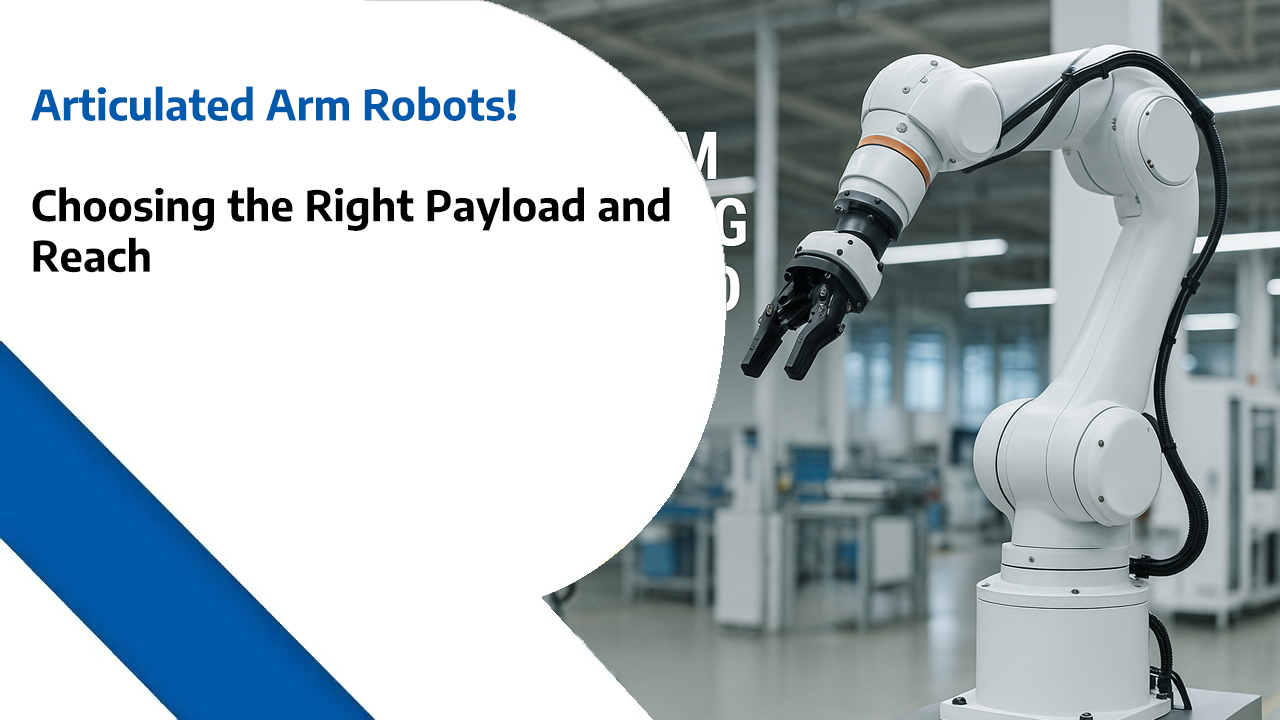
    Articulated Arm Robots: Choosing the Right Payload and Reach

    Sponsored by Robot Center, Robots of London, and Robot Philosophy

    In the rapidly evolving landscape of industrial automation, articulated arm robots have emerged as the backbone of modern manufacturing, assembly, and precision handling operations. These versatile mechanical marvels, with their human-like joint configurations, offer unparalleled flexibility and precision across a vast array of applications. However, selecting the right articulated arm robot for your specific needs requires careful consideration of two critical specifications: payload capacity and reach. Making the wrong choice can result in operational inefficiencies, increased costs, and missed opportunities for optimization.

    Understanding Articulated Arm Robot Fundamentals

    Articulated arm robots, also known as six-axis robots or anthropomorphic robots, feature multiple rotational joints that mimic the movement of a human arm. This design philosophy provides exceptional dexterity and positioning accuracy, making them ideal for complex manipulation tasks that require precise control in three-dimensional space. The robot’s configuration typically includes a base, shoulder, elbow, and wrist joints, each contributing to the overall workspace envelope and operational capabilities.

    The sophistication of modern articulated arm robots lies in their ability to reach virtually any point within their operational sphere while maintaining optimal orientation and approach angles. This capability is particularly valuable in applications such as welding, painting, assembly, material handling, and quality inspection, where both position and orientation are critical to success.

    The Critical Importance of Payload Selection

    Payload capacity represents the maximum weight an articulated arm robot can safely manipulate while maintaining specified accuracy and repeatability standards. This specification directly impacts not only what objects the robot can handle but also influences its speed, precision, and overall operational envelope. Understanding payload requirements involves analyzing both the weight of the workpiece and any end-effectors, tooling, or fixtures that will be attached to the robot’s wrist.

    Calculating Total Payload Requirements

    When determining payload needs, engineers must consider the cumulative weight of all components that will be carried by the robot. This includes the primary workpiece, gripping devices, sensors, pneumatic cylinders, electrical connections, and any additional tooling required for the specific application. A common oversight in robot selection is underestimating these auxiliary weights, which can significantly impact performance and longevity.

    For example, a seemingly lightweight electronic component weighing 2 kilograms might require a specialized gripper weighing 3 kilograms, plus sensors and cabling adding another kilogram. The actual payload requirement becomes 6 kilograms, not the initially perceived 2 kilograms. This miscalculation can lead to selecting an underpowered robot that struggles with the actual operational demands.

    Safety Margins and Performance Considerations

    Industry best practices recommend incorporating a safety margin of 20-30% above the calculated maximum payload to ensure optimal performance and longevity. Operating a robot at its maximum payload capacity continuously can lead to increased wear, reduced accuracy, and potential premature failure of critical components. Additionally, payload capacity directly affects the robot’s maximum operational speed, with heavier payloads requiring slower movements to maintain precision and safety standards.

    The relationship between payload and performance is particularly evident in applications requiring rapid acceleration and deceleration. High-speed pick-and-place operations, for instance, may require robots with payload capacities significantly exceeding the actual workpiece weight to accommodate the dynamic forces generated during rapid movements.

    Mastering Reach and Workspace Optimization

    Reach specification defines the maximum distance from the robot’s base to the furthest point it can access with its end-effector. However, reach involves more than simple linear distance; it encompasses the entire three-dimensional workspace envelope that the robot can access while maintaining proper orientation and approach angles.

    Workspace Envelope Analysis

    The workspace envelope of an articulated arm robot is typically spherical or partially spherical, depending on the specific joint configurations and mechanical constraints. Within this envelope, certain areas may be more easily accessible than others, with some positions requiring the robot to operate near its mechanical limits, potentially reducing precision and speed.

    Understanding workspace geometry is crucial for optimal robot placement and cell layout design. The robot’s base position should be strategically located to ensure that all required work points fall within the optimal operating zone, where the robot can maintain high accuracy and speed while avoiding mechanical limitations and potential collision hazards.

    Reach vs. Payload Trade-offs

    An important consideration in robot selection is the inverse relationship between reach and payload capacity. Robots with extended reach capabilities often sacrifice payload capacity due to the increased mechanical stresses imposed by longer arm segments and the leverage effects of operating at maximum extension. Conversely, robots designed for high payload applications typically feature more robust construction but may have limited reach capabilities.

    This trade-off requires careful analysis of application requirements to determine the optimal balance between reach and payload for specific operational needs. Applications requiring both extended reach and high payload capacity may necessitate multiple smaller robots or specialized robot designs optimized for these dual requirements.

    Application-Specific Selection Criteria

    Different industrial applications place varying demands on payload and reach specifications, requiring tailored selection approaches to ensure optimal performance and return on investment.

    Manufacturing and Assembly Operations

    In manufacturing environments, articulated arm robots often handle components ranging from delicate electronic assemblies to heavy automotive parts. Assembly operations typically require moderate payload capacities but demand exceptional precision and repeatability. The reach requirements vary significantly based on the size of the assembly area and the need to access multiple stations or fixtures within a single cell.

    For automotive assembly applications, robots may need to handle body panels weighing 30-50 kilograms while reaching across large assembly fixtures. These applications demand robust payload capacity combined with extended reach, often requiring larger robot models or specialized automotive-specific designs.

    Material Handling and Palletizing

    Material handling applications present unique challenges in payload and reach optimization. Palletizing robots must handle varying product weights and sizes while accessing multiple levels of pallets or storage systems. The reach requirement is often driven by the need to access the full height and depth of palletizing areas, while payload capacity must accommodate the heaviest products plus any specialized gripping systems.

    High-speed material handling operations may require robots with payload capacities significantly exceeding the actual product weights to accommodate the dynamic forces generated during rapid movements and maintain cycle time objectives.

    Precision Operations and Quality Control

    Quality control and precision assembly applications typically involve lighter payloads but demand exceptional accuracy and repeatability. These applications may require specialized end-effectors, measurement devices, or vision systems that add complexity to payload calculations. The reach requirements are often determined by the need to access multiple measurement points or assembly locations within tight tolerances.

    Advanced Considerations for Robot Selection

    Beyond basic payload and reach specifications, several advanced factors significantly impact robot selection and performance optimization.

    Dynamic Performance Characteristics

    Modern articulated arm robots feature sophisticated control systems that optimize performance based on payload characteristics and operational requirements. Advanced robots can automatically adjust acceleration profiles, path planning, and servo gains based on real-time payload sensing, ensuring optimal performance across varying load conditions.

    Understanding these dynamic characteristics is crucial for applications involving variable payload conditions or rapid cycle time requirements. Robots with adaptive payload sensing can maintain consistent cycle times and accuracy even when handling products of varying weights within the same application.

    Environmental and Safety Considerations

    Operating environment significantly impacts robot selection criteria, particularly in harsh industrial conditions or cleanroom applications. Robots designed for food processing, pharmaceutical, or cleanroom environments may have payload and reach limitations imposed by specialized sealing requirements or material restrictions.

    Safety regulations and risk assessments also influence robot selection, with certain applications requiring additional safety systems that may impact payload calculations or workspace accessibility. Collaborative robots designed for human-robot interaction often have inherent speed and force limitations that affect their effective payload and reach capabilities.

    Future Scalability and Flexibility

    Successful robot implementation requires consideration of future operational requirements and potential application expansion. Selecting robots with moderate over-capacity in both payload and reach provides flexibility for future process changes, additional tooling requirements, or expanded operational scope without requiring complete system replacement.

    This forward-thinking approach to robot selection ensures long-term value and adaptability in rapidly changing manufacturing environments.

    Expert Consultation and Professional Services

    Navigating the complexities of articulated arm robot selection requires extensive expertise in robotics engineering, application analysis, and system integration. The interplay between payload capacity, reach requirements, environmental factors, and operational objectives demands careful analysis by experienced professionals who understand both the technical specifications and practical implications of robot selection decisions.

    Professional robotics consultancy services provide invaluable expertise in analyzing specific application requirements, conducting detailed feasibility studies, and recommending optimal robot configurations for unique operational needs. These services extend beyond initial robot selection to encompass complete system design, integration planning, safety analysis, and ongoing optimization support.

    The complexity of modern robotics applications often requires specialized knowledge in multiple disciplines, including mechanical engineering, control systems, safety regulations, and industry-specific requirements. Professional consultants bring this multidisciplinary expertise to ensure successful robot implementation and long-term operational success.

    For organizations seeking to implement articulated arm robots or optimize existing robotic systems, professional consultation provides access to cutting-edge knowledge, proven methodologies, and extensive experience across diverse applications and industries. This expertise is particularly valuable in complex applications where standard selection criteria may not adequately address unique operational requirements or constraints.

    Additionally, specialized recruitment services can help organizations build internal robotics expertise by identifying and placing qualified robotics engineers, technicians, and specialists who understand the nuances of articulated arm robot applications and optimization.

    Conclusion and Next Steps

    Selecting the appropriate articulated arm robot requires comprehensive analysis of payload and reach requirements within the context of specific application needs, operational constraints, and future scalability requirements. The decision-making process involves balancing multiple competing factors while ensuring optimal performance, safety, and return on investment.

    Success in robot selection and implementation often depends on leveraging professional expertise and proven methodologies developed through extensive experience across diverse applications and industries. Whether you’re implementing your first robotic system or optimizing an existing installation, professional guidance ensures optimal outcomes and long-term success.

    For expert consultation on articulated arm robot selection, system optimization, or robotics talent acquisition, contact our specialized team at info@robophil.com or call 0845 528 0404 to schedule a comprehensive consultation and discover how professional robotics expertise can transform your operational capabilities.


    Article Sponsors

    Robot Center – Your premier destination for robot purchasing, robotics consultancy, and comprehensive automation solutions. Specializing in robot buy services and expert robotics consultancy.

    Robots of London – Leading provider of robot hire, robot rental, and specialized robot event services. Rent robots for temporary projects or hire robots for demonstrations and events.

    Robot Philosophy – Expert robot consultancy and robot recruitment services. RoboPhil, led by Philip English, offers robot advice, insights, and ideas through comprehensive robotics training, consulting, and content creation as a leading robotics YouTuber, influencer, and consultant.


    https://www.youtube.com/watch?v=cdKDPded8j0


    https://www.youtube.com/shorts/j9LWGCOnOR8

  • What is a Cartesian Robot? – Gantry & Linear Robots Explained with Examples

    What is a Cartesian Robot? – Gantry & Linear Robots Explained with Examples

    What is a Cartesian Robot? – Gantry & Linear Robots Explained with Examples


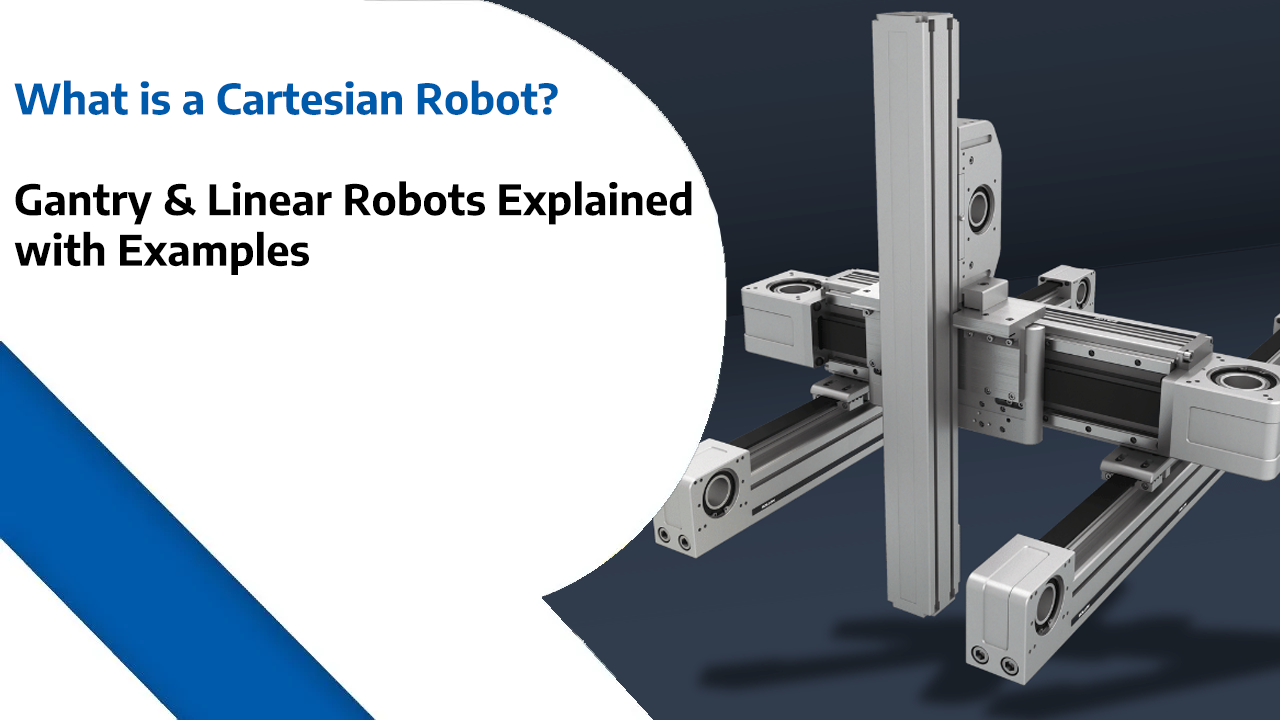
    What exactly is a Cartesian robot? The clue is in the name. These robots move in straight lines along the X, Y, and Z axes—just like the graph paper you used in school. No fancy rotations, no dramatic arm waving, just precise, rigid, straight-line motion.

    Because of this design, Cartesian robots are known for their accuracy and strength. They’re built to be rigid, repeatable, and easy to program, which is why you’ll find them in all kinds of industries.

    In CNC machines, they cut and shape materials with millimetre-perfect precision. In 3D printers, they build layer upon layer with accuracy you can rely on. And in pick-and-place systems, they move products quickly and efficiently from one spot to another.

    Companies like Güdel and Yamaha produce leading Cartesian robots. Güdel’s gantry systems handle heavy loads and large parts with speed and reliability, while Yamaha’s Cartesian robots are designed for compact, high-performance applications.

    The key advantages? Precision. Rigidity. And flexibility in design—you can build them as large or as compact as you need. They’re straightforward, dependable, and often the first choice when you need accuracy in three straight directions.

    So, in short, a Cartesian robot is the workhorse of the automation world. Simple in concept, powerful in practice, and quietly powering the technology all around us.


    And that’s your robot news update for today!
    If you’re curious about how robotics can transform your business, join me for the weekly Live Robot Optimise Workshop — it’s packed with insights, trends, and practical tips. Don’t forget to subscribe so you stay in the loop with all the latest updates.

    I’m RoboPhil from Robot Philosophy — thanks for watching, and I’ll see you next time!


    Join our Robot Optimise Industry (ROI) Workshop: https://robophil.com/


    Sponsors:-


    Robot Center: – https://robotcenter.co.uk/ – Buy Robot, Robot Buy, Robot consultancy, Robotics Consultancy, Inspection Robots, Security Robots, 


    Robots of London: – https://robotsoflondon.co.uk/ – Robot Hire, Robot Rental, Rent Robot, Hire Robot, Robot Events, Robotics Hire, Hire Robotics, Rent Robotics, Robotics Rent, for exhibitions, shows, Events, Robot hire in the UK, Robot hire in Europe


    Robot Philosophy: – https://robophil.com/ – Robot Consultancy, Robot Recruitment, Robot Advice, Robot Insights, Robot Ideas. RoboPhil, also known as Philip English, is a leading Robot YouTuber, Robot Influencer, Robot Trainer, Robot Consultant, and Robot Streamer, Robotics Streamer, Robotics YouTuber, Robotics Influencer, Robotics Consultant, Robotics Trainer  

  • Inside RealMan’s New Beijing Robotics Training Center – 108 Robots, AI Data & Real-World Testing

    Inside RealMan’s New Beijing Robotics Training Center – 108 Robots, AI Data & Real-World Testing

    Inside RealMan’s New Beijing Robotics Training Center – 108 Robots, AI Data & Real-World Testing


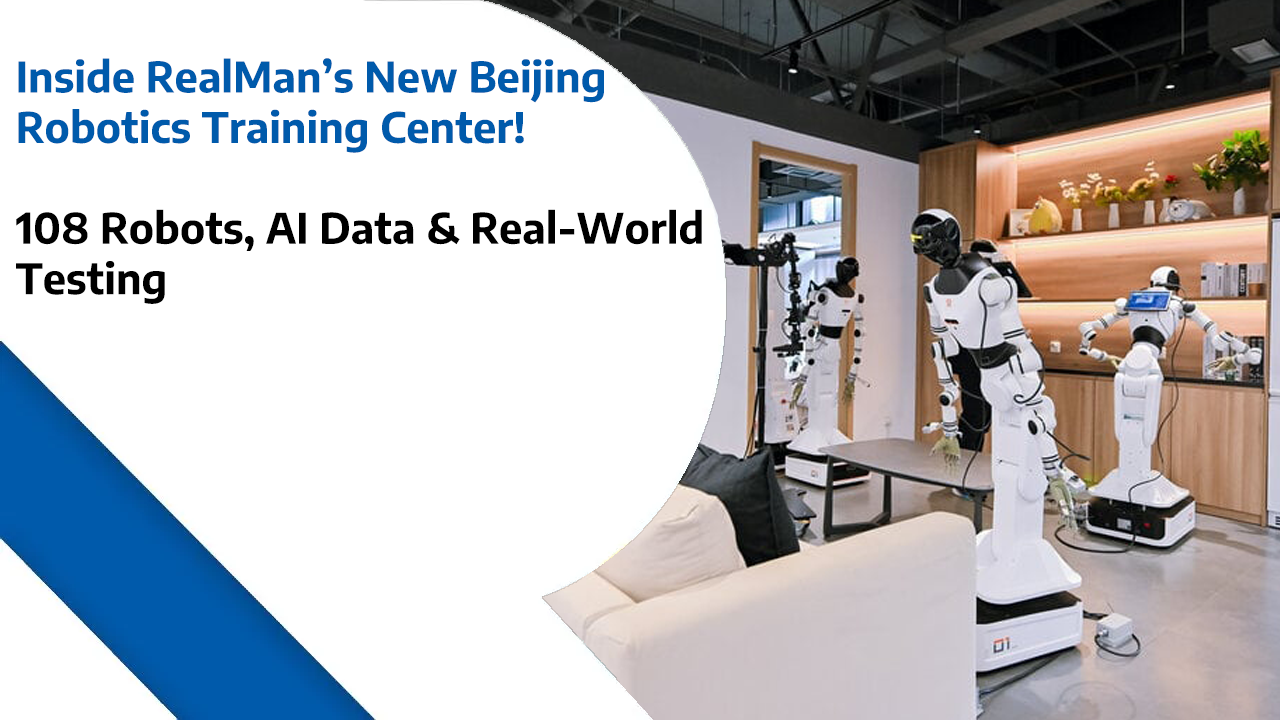
    RealMan Robotics has just opened a brand-new Humanoid Robotics Data Training Center in Beijing—and it’s no small step. At 3,000 square meters, the hub brings together research and development, scenario testing, operator training, and collaboration all under one roof.

    On opening day, RealMan introduced the RealBOT Embodied Intelligence Open Platform, built for large-scale data acquisition. The center is split into a training zone and an application zone, and already home to 108 robots of all shapes and sizes—dual-arm manipulators, wheeled semi-humanoids, drone-arms, and even four-legged robots. Quite the roll call.

    To make training realistic, the team has constructed ten real-world environments—eldercare facilities, rehabilitation wards, auto assembly lines, smart catering spaces, and more. These generate over one million high-quality data points each year, the fuel for building more capable AI models.

    Eric Zheng, who heads the center, explained that robotics still faces three big roadblocks: adapting across different scenarios, bridging the gap between simulation and reality, and standardizing data for faster iteration. The new hub tackles these with a full pipeline—from collecting data, to training, to deploying robots in the field.

    Founded in 2018, RealMan has already built robots for retail, food service, healthcare, aerospace, education, and industrial use. With this center, the company is pushing to close the gap between today’s robots—often too costly, slow to deploy, or limited in ability—and the versatile helpers we imagine for everyday life.


    And that’s your robot news update for today!
    If you’re curious about how robotics can transform your business, join me for the weekly Live Robot Optimise Workshop — it’s packed with insights, trends, and practical tips. Don’t forget to subscribe so you stay in the loop with all the latest updates.

    I’m RoboPhil from Robot Philosophy — thanks for watching, and I’ll see you next time!


    Join our Robot Optimise Industry (ROI) Workshop: https://robophil.com/


    Sponsors:-


    Robot Center: – https://robotcenter.co.uk/ – Buy Robot, Robot Buy, Robot consultancy, Robotics Consultancy, Inspection Robots, Security Robots, 


    Robots of London: – https://robotsoflondon.co.uk/ – Robot Hire, Robot Rental, Rent Robot, Hire Robot, Robot Events, Robotics Hire, Hire Robotics, Rent Robotics, Robotics Rent, for exhibitions, shows, Events, Robot hire in the UK, Robot hire in Europe


    Robot Philosophy: – https://robophil.com/ – Robot Consultancy, Robot Recruitment, Robot Advice, Robot Insights, Robot Ideas. RoboPhil, also known as Philip English, is a leading Robot YouTuber, Robot Influencer, Robot Trainer, Robot Consultant, and Robot Streamer, Robotics Streamer, Robotics YouTuber, Robotics Influencer, Robotics Consultant, Robotics Trainer  

  • SCARA Robots – Best Use Cases In Manufacturing

    SCARA Robots – Best Use Cases In Manufacturing

    SCARA Robots – Best Use Cases In Manufacturing

    Introduction

    In the rapidly evolving landscape of modern manufacturing, automation has become the cornerstone of efficiency, precision, and competitive advantage. Among the various robotic solutions available, SCARA (Selective Compliance Assembly Robot Arm) robots have emerged as one of the most versatile and cost-effective options for manufacturers seeking to enhance their production capabilities. These sophisticated machines combine speed, accuracy, and reliability to deliver exceptional performance across a wide range of industrial applications.

    SCARA robots represent a unique class of industrial automation equipment that has revolutionized manufacturing processes worldwide. Their distinctive design philosophy centers around providing compliance in the horizontal plane while maintaining rigidity in the vertical direction, making them ideally suited for assembly, pick-and-place, and material handling operations. This selective compliance capability allows SCARA robots to perform delicate operations with remarkable precision while maintaining the structural integrity necessary for demanding industrial environments.

    Understanding SCARA Robot Architecture

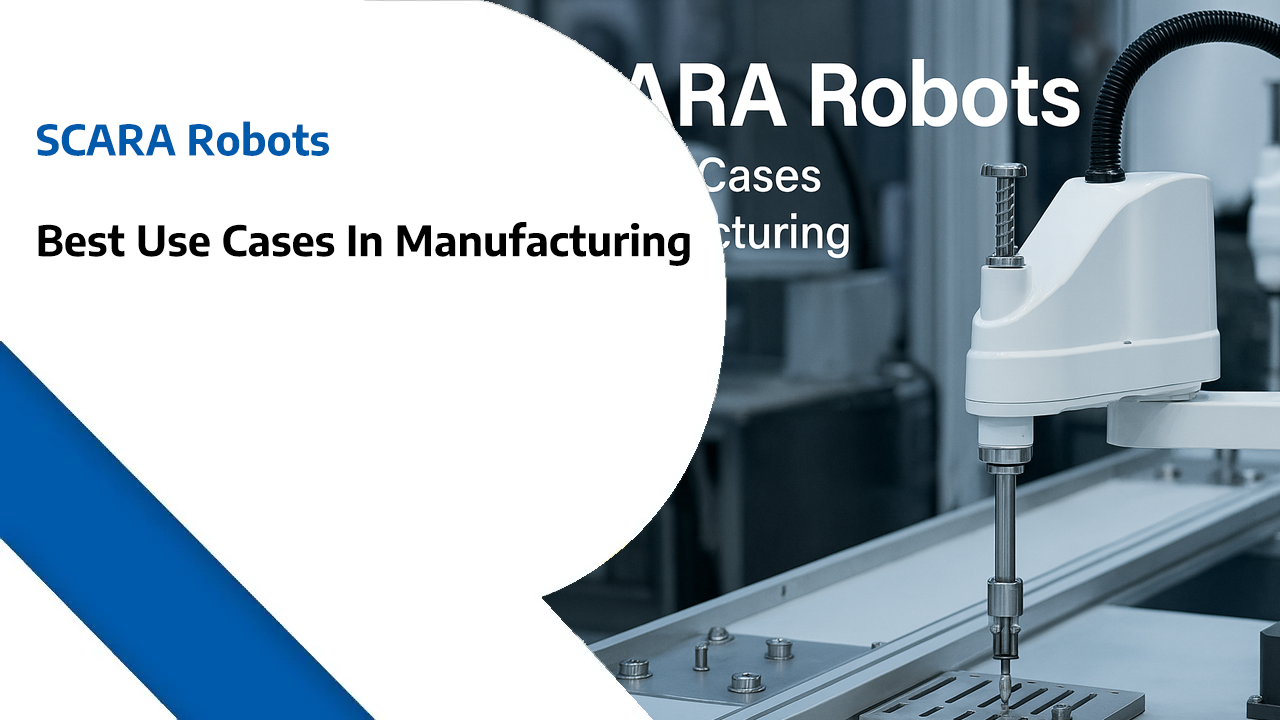
    The fundamental design of SCARA robots sets them apart from other robotic configurations. Unlike traditional six-axis articulated robots or Cartesian coordinate systems, SCARA robots feature a unique four-axis configuration that provides optimal performance for specific manufacturing tasks. The robot’s arm consists of two parallel rotary joints that provide compliance in the horizontal plane, combined with a linear joint for vertical movement and a rotary joint for tool orientation.

    This architectural approach delivers several key advantages. The parallel joint configuration eliminates the need for complex counterbalancing mechanisms, resulting in faster acceleration and deceleration cycles. The inherent stiffness in the vertical direction ensures consistent positioning accuracy, while the compliance in the horizontal plane allows for safe interaction with workpieces and tooling. This combination makes SCARA robots particularly well-suited for applications requiring high-speed, repetitive motions with precise positioning requirements.

    The workspace envelope of SCARA robots typically resembles a hollow cylinder, with the robot capable of reaching any point within this three-dimensional space. This workspace configuration is ideal for many manufacturing applications where parts need to be manipulated within a defined area, such as assembly stations, packaging lines, and material handling systems. The reach and payload capabilities of modern SCARA robots have expanded significantly, with some models offering reaches exceeding 1,500mm and payloads up to 50kg or more.

    Primary Use Cases in Manufacturing

    Electronics and Semiconductor Assembly

    The electronics manufacturing industry has been one of the earliest and most enthusiastic adopters of SCARA robot technology. The precision requirements for electronic component placement, combined with the need for high-speed operation, make SCARA robots the ideal choice for these applications. In printed circuit board (PCB) assembly, SCARA robots excel at placing surface-mount components with positioning accuracies measured in micrometers.

    Modern electronics manufacturing demands ever-increasing levels of miniaturization, with components becoming smaller and placement tolerances tighter with each generation of products. SCARA robots meet these challenges through advanced vision systems, force feedback sensors, and sophisticated control algorithms that ensure precise component placement even in challenging conditions. The speed advantages of SCARA robots become particularly apparent in high-volume electronics production, where cycle times measured in fractions of seconds can significantly impact overall equipment effectiveness.

    Beyond component placement, SCARA robots perform various other functions in electronics manufacturing, including dispensing adhesives and sealants, inserting connectors and cables, testing and inspection operations, and packaging finished products. The versatility of SCARA robots allows manufacturers to deploy them across multiple stages of the production process, maximizing return on investment while maintaining consistent quality standards.

    Automotive Component Manufacturing

    The automotive industry’s stringent quality requirements and high-volume production demands make it another natural fit for SCARA robot applications. These robots excel in numerous automotive manufacturing processes, from small component assembly to final vehicle preparation. In engine manufacturing, SCARA robots handle tasks such as valve installation, sensor mounting, and gasket placement with the precision and repeatability required for modern automotive standards.

    Transmission assembly represents another area where SCARA robots demonstrate their value. The complex geometries and tight tolerances required in transmission manufacturing benefit from the selective compliance characteristics of SCARA robots, which can accommodate slight variations in part positioning while maintaining overall assembly accuracy. This capability is particularly valuable when dealing with cast components that may have minor dimensional variations within acceptable tolerance ranges.

    Interior component assembly has also benefited significantly from SCARA robot implementation. From instrument cluster assembly to door panel installation, these robots provide the speed and precision necessary to meet automotive production line requirements. The ability to integrate vision systems and force sensors allows SCARA robots to adapt to variations in part presentation and ensure proper component alignment during assembly operations.

    Pharmaceutical and Medical Device Production

    The pharmaceutical and medical device industries present unique challenges that SCARA robots are well-equipped to address. The stringent regulatory requirements, need for contamination control, and demand for traceability make these sectors ideal candidates for robotic automation. SCARA robots operating in cleanroom environments can maintain the sterile conditions required for pharmaceutical production while delivering the precision necessary for accurate dosing and packaging operations.

    In medical device manufacturing, SCARA robots perform critical assembly operations for products ranging from diagnostic equipment to implantable devices. The precision and repeatability of these robots ensure that medical devices meet the exacting standards required for patient safety and regulatory compliance. Advanced SCARA systems can incorporate real-time monitoring and data logging capabilities, providing the documentation and traceability required by regulatory agencies.

    The packaging and labeling of pharmaceutical products represent another significant application area for SCARA robots. These systems can handle delicate containers, apply labels with precise positioning, and perform quality inspection operations at speeds that would be impossible to achieve with manual labor. The integration of vision systems allows SCARA robots to verify label placement, check for defects, and ensure that packaging meets regulatory requirements before products proceed to distribution.

    Food and Beverage Processing

    Food and beverage manufacturing presents unique challenges related to hygiene, product variability, and regulatory compliance. SCARA robots designed for food industry applications feature specialized coatings, sealed enclosures, and washdown capabilities that allow them to operate in harsh processing environments while maintaining food safety standards. These robots excel in applications such as product sorting, packaging, palletizing, and quality inspection.

    The speed and precision of SCARA robots make them particularly valuable in high-volume food packaging operations. These systems can handle products with varying sizes, shapes, and weights while maintaining consistent packaging quality and minimizing product damage. Advanced gripper technologies allow SCARA robots to handle delicate food items without compromising product integrity, while vision systems enable quality inspection and sorting based on visual characteristics.

    In beverage production, SCARA robots perform functions such as bottle handling, cap placement, labeling, and case packing. The ability to operate at high speeds while maintaining gentle handling characteristics makes these robots ideal for managing fragile containers and ensuring consistent product presentation. Integration with production line control systems allows SCARA robots to adapt to different product types and packaging configurations without requiring extensive reprogramming or setup changes.

    Packaging and Material Handling

    General packaging operations across various industries have benefited enormously from SCARA robot implementation. These robots excel in applications requiring high-speed pick-and-place operations, such as transferring products from production lines to packaging equipment or arranging items in shipping containers. The speed advantages of SCARA robots become particularly apparent in packaging applications where cycle times directly impact overall production throughput.

    Material handling applications represent another significant use case for SCARA robots. These systems can manage a wide variety of materials, from small electronic components to larger mechanical parts, with consistent accuracy and reliability. The workspace characteristics of SCARA robots make them ideal for applications where materials need to be moved between multiple stations or arranged in specific patterns for downstream processing.

    The integration of advanced gripper technologies has expanded the range of materials that SCARA robots can handle effectively. Vacuum grippers, mechanical grippers, magnetic grippers, and specialized end-effectors allow these robots to adapt to virtually any material handling requirement. Vision systems and force sensors provide feedback that enables robots to adapt to variations in part presentation and ensure secure handling throughout the operation.

    Advanced Features and Capabilities

    Vision Integration and Quality Control

    Modern SCARA robots increasingly incorporate advanced vision systems that enable them to perform complex inspection and quality control operations. These systems combine high-resolution cameras, sophisticated image processing algorithms, and machine learning capabilities to identify defects, verify assembly quality, and ensure product compliance with specifications. Vision-guided SCARA robots can adapt to variations in part presentation, locate components with sub-pixel accuracy, and make real-time decisions based on visual feedback.

    The integration of vision systems with SCARA robots has opened new possibilities for flexible manufacturing operations. These systems can handle parts presented in random orientations, adapt to variations in component appearance, and perform complex inspection tasks that would be difficult or impossible to accomplish with traditional fixed automation. Advanced vision algorithms can detect subtle defects, measure dimensional characteristics, and verify proper assembly completion with accuracy levels that exceed human capabilities.

    Quality control applications represent a particularly valuable use of vision-integrated SCARA robots. These systems can perform 100% inspection of manufactured products, identifying defects and sorting products based on quality criteria. The speed and accuracy of robotic inspection systems enable manufacturers to implement comprehensive quality control programs without impacting production throughput, ultimately improving customer satisfaction and reducing warranty costs.

    Force and Compliance Control

    Advanced SCARA robots incorporate sophisticated force and compliance control systems that enable them to perform delicate assembly operations and adapt to variations in part fit and finish. These systems use force sensors, torque monitoring, and advanced control algorithms to provide real-time feedback about interaction forces between the robot and workpiece. This capability is particularly valuable for applications requiring precise force control, such as press-fitting operations, threaded fastener installation, and delicate component placement.

    Force control systems allow SCARA robots to adapt to manufacturing variations while maintaining consistent assembly quality. For example, when installing components that require specific insertion forces, the robot can monitor and adjust its operation to ensure proper installation without damaging parts or compromising assembly integrity. This adaptive capability reduces the need for tight manufacturing tolerances while maintaining high-quality assembly results.

    Compliance control extends beyond simple force measurement to include sophisticated algorithms that enable robots to respond appropriately to unexpected conditions. These systems can detect binding or interference during assembly operations, automatically adjust robot motion to accommodate part variations, and provide feedback to operators or control systems when manual intervention may be required. The result is more robust and reliable automated assembly processes that can handle real-world manufacturing conditions.

    Collaborative Safety Features

    The evolution toward collaborative robotics has influenced SCARA robot design, with many modern systems incorporating safety features that enable human-robot collaboration in manufacturing environments. These safety systems include advanced sensors, safety-rated control systems, and protective features that allow humans to work safely in close proximity to operating robots. Collaborative SCARA robots can automatically reduce speed or stop operation when humans enter the workspace, enabling flexible manufacturing arrangements that combine the efficiency of automation with the adaptability of human operators.

    Safety features in modern SCARA robots extend beyond basic collision detection to include predictive safety systems that can anticipate potential hazards and take preventive action. These systems monitor robot trajectory, workspace conditions, and human presence to ensure safe operation in dynamic manufacturing environments. Advanced safety systems can distinguish between different types of contact, responding appropriately to intentional interaction while maintaining protective functions against unintended contact.

    The implementation of collaborative safety features has enabled new applications for SCARA robots in environments where traditional industrial robots would not be suitable. These applications include assembly operations requiring human judgment and dexterity combined with robotic precision and repeatability, quality control processes that benefit from both automated inspection and human oversight, and flexible manufacturing systems that need to accommodate varying production requirements and workforce availability.

    Implementation Considerations and Best Practices

    System Integration and Programming

    Successful implementation of SCARA robots requires careful consideration of system integration requirements and programming approaches. Modern SCARA robots typically feature sophisticated control systems that can integrate with existing manufacturing equipment, quality control systems, and production management software. This integration capability enables robots to operate as part of comprehensive manufacturing systems rather than standalone automation islands.

    Programming approaches for SCARA robots have evolved significantly, with modern systems offering both traditional teach-pendant programming and advanced offline programming capabilities. Offline programming systems enable engineers to develop and optimize robot programs using simulation software, reducing setup time and enabling more sophisticated motion planning. These systems can model complex manufacturing environments, simulate robot operation, and identify potential issues before implementation.

    The integration of SCARA robots with other manufacturing systems requires careful attention to communication protocols, safety systems, and operational coordination. Modern robots typically support multiple communication standards, including Ethernet/IP, DeviceNet, Profibus, and other industrial networking protocols. This flexibility enables seamless integration with existing manufacturing control systems and facilitates coordination between multiple automated systems.

    Maintenance and Reliability

    SCARA robots are generally recognized for their reliability and relatively low maintenance requirements compared to other robotic configurations. The simplified mechanical design, with fewer moving parts and reduced complexity, contributes to longer operational life and reduced maintenance costs. However, proper maintenance procedures and predictive maintenance strategies are essential for maximizing robot availability and performance.

    Regular maintenance activities for SCARA robots typically include lubrication of mechanical components, inspection of electrical connections, calibration verification, and replacement of wear items such as belts and bearings. Advanced SCARA systems often incorporate condition monitoring capabilities that track robot performance and predict maintenance requirements before failures occur. These systems can monitor factors such as motor current, positioning accuracy, and cycle times to identify trends that indicate developing issues.

    The design of SCARA robots facilitates maintenance activities, with many components accessible without extensive disassembly. This accessibility reduces maintenance time and costs while enabling predictive maintenance strategies that maximize robot availability. Manufacturers often provide comprehensive maintenance training and support services to ensure that maintenance staff can effectively maintain robot systems throughout their operational life.

    Cost-Benefit Analysis and ROI

    The economic justification for SCARA robot implementation typically includes multiple factors beyond simple labor cost reduction. While direct labor savings often provide the most obvious return on investment, additional benefits such as improved quality, increased throughput, enhanced flexibility, and reduced material waste contribute significantly to overall economic value. A comprehensive cost-benefit analysis should consider both quantifiable benefits and strategic advantages that may be more difficult to measure directly.

    Quality improvements resulting from SCARA robot implementation can provide substantial economic benefits through reduced rework, lower warranty costs, and improved customer satisfaction. The consistent accuracy and repeatability of robotic operations often result in significant reductions in quality-related costs, which can justify automation investment even in applications where direct labor savings are modest.

    Throughput improvements represent another significant source of economic benefit from SCARA robot implementation. The high-speed operation of these robots, combined with their ability to operate continuously without breaks, can substantially increase production capacity without proportional increases in facility size or infrastructure requirements. This increased capacity can enable manufacturers to meet growing demand, reduce delivery times, and improve customer service levels.

    Industry Trends and Future Developments

    Artificial Intelligence and Machine Learning Integration

    The integration of artificial intelligence and machine learning technologies with SCARA robots represents one of the most significant trends shaping the future of manufacturing automation. These technologies enable robots to adapt to changing conditions, learn from experience, and optimize their operation over time. Machine learning algorithms can analyze robot performance data to identify optimization opportunities, predict maintenance requirements, and improve overall system efficiency.

    AI-enhanced SCARA robots can adapt to variations in part presentation, material properties, and environmental conditions without extensive reprogramming. These systems can learn to recognize quality issues, adjust their operation to accommodate manufacturing variations, and provide valuable feedback to manufacturing engineers about process optimization opportunities. The result is more flexible and intelligent automation systems that can handle the variability inherent in real-world manufacturing environments.

    Predictive analytics capabilities enabled by AI and machine learning technologies provide manufacturers with valuable insights into robot performance and manufacturing processes. These systems can identify patterns in robot operation that indicate developing issues, optimize robot motion for improved efficiency, and provide recommendations for process improvements. The integration of these capabilities with existing manufacturing systems creates comprehensive smart manufacturing environments that continuously improve their performance.

    Advanced Sensor Technologies

    The development of advanced sensor technologies continues to expand the capabilities of SCARA robots and enable new applications. High-resolution force sensors, tactile feedback systems, and multi-modal sensing capabilities provide robots with increasingly sophisticated information about their interaction with the manufacturing environment. These sensors enable robots to perform more complex operations and adapt to challenging conditions that would have required human intervention in the past.

    Vision sensor technology continues to advance rapidly, with improvements in resolution, processing speed, and analytical capabilities. Modern vision systems can perform complex inspection tasks, guide robots with sub-millimeter accuracy, and adapt to varying lighting conditions and part presentations. The integration of multiple vision sensors with SCARA robots enables comprehensive monitoring of manufacturing processes and sophisticated quality control operations.

    Environmental sensors and condition monitoring systems provide SCARA robots with awareness of their operating environment and enable adaptive responses to changing conditions. These sensors can monitor factors such as temperature, humidity, vibration, and electromagnetic interference, allowing robots to adjust their operation to maintain optimal performance. This environmental awareness contributes to improved reliability and consistent performance across varying operating conditions.

    Modular and Flexible System Design

    The trend toward modular and flexible system design is influencing SCARA robot development, with manufacturers focusing on creating systems that can be easily reconfigured for different applications and scaled to meet changing production requirements. Modular robot designs enable manufacturers to optimize robot specifications for specific applications while maintaining flexibility for future changes.

    Flexible mounting systems and workspace configurations allow SCARA robots to be deployed in various orientations and locations within manufacturing facilities. These systems can be easily relocated or reconfigured to accommodate changing production requirements, new product introductions, or facility layout modifications. The ability to adapt robot installations to changing requirements provides manufacturers with valuable flexibility in an increasingly dynamic business environment.

    Standardized interfaces and communication protocols facilitate integration of SCARA robots with other manufacturing equipment and enable more flexible system architectures. These standards reduce integration complexity, improve interoperability between different equipment suppliers, and facilitate future system upgrades or modifications. The adoption of industry-standard protocols also reduces training requirements and simplifies maintenance and support activities.

    Expert Consultation and Implementation Support

    Professional Robot Consulting Services

    The successful implementation of SCARA robots in manufacturing environments requires expertise in robotics, manufacturing processes, and system integration. Professional robot consulting services can provide valuable guidance throughout the entire implementation process, from initial feasibility assessment through system commissioning and optimization. Experienced consultants can help manufacturers identify the most suitable applications for SCARA robots, select appropriate equipment specifications, and develop implementation strategies that maximize return on investment.

    Robot consultants bring valuable experience from multiple industries and applications, enabling them to identify opportunities and potential challenges that may not be apparent to manufacturers implementing their first robotic systems. This experience can help avoid common pitfalls, reduce implementation time, and ensure that robotic systems meet performance expectations. Consultants can also provide ongoing support for system optimization, troubleshooting, and expansion planning.

    The complexity of modern manufacturing environments and the sophistication of SCARA robot systems make professional consulting services increasingly valuable. Consultants can help manufacturers navigate the various technology options, develop comprehensive implementation plans, and ensure that robotic systems integrate effectively with existing manufacturing processes and quality control systems.

    Specialized Robot Recruitment Services

    The successful operation and maintenance of SCARA robot systems requires skilled personnel with specialized knowledge of robotics, automation, and manufacturing processes. Finding qualified candidates with the appropriate combination of technical skills and manufacturing experience can be challenging, particularly in today’s competitive job market. Specialized robot recruitment services can help manufacturers identify and attract the talent necessary to support their automation initiatives.

    Robot recruitment specialists understand the unique skill requirements for different types of robotic applications and can identify candidates with the appropriate background and experience. These services can help manufacturers build effective automation teams that include robot programmers, maintenance technicians, system integrators, and automation engineers. The ability to recruit skilled personnel is often a critical factor in the success of automation projects.

    The growing demand for robotics professionals has created a competitive job market where specialized recruitment services can provide significant advantages in attracting top talent. These services maintain networks of qualified candidates and understand the career motivations and compensation expectations of robotics professionals. This expertise can help manufacturers build strong automation teams that support long-term success.

    Training and Skill Development

    The implementation of SCARA robots requires appropriate training programs to ensure that manufacturing personnel can effectively operate, program, and maintain these systems. Comprehensive training programs should address both technical skills and safety procedures, providing personnel with the knowledge necessary to work safely and effectively with robotic systems. Training requirements vary depending on job responsibilities, ranging from basic operator training to advanced programming and maintenance instruction.

    Robot training programs should include both theoretical knowledge and hands-on experience with actual robot systems. Theoretical components should cover robot operation principles, safety procedures, programming concepts, and troubleshooting techniques. Hands-on training should provide experience with robot programming, system operation, and maintenance procedures using the specific equipment that will be deployed in the manufacturing environment.

    Ongoing training and skill development are essential for maintaining effective robot operations as technology evolves and applications expand. Regular training updates ensure that personnel remain current with new features, capabilities, and best practices. Advanced training programs can help personnel develop specialized skills for complex applications and prepare them for leadership roles in automation initiatives.

    Conclusion

    SCARA robots represent a proven and versatile solution for a wide range of manufacturing applications. Their unique combination of speed, accuracy, and reliability makes them ideal for electronics assembly, automotive component manufacturing, pharmaceutical production, food processing, and packaging operations. The selective compliance characteristics of SCARA robots enable them to perform delicate assembly operations while maintaining the precision necessary for modern manufacturing requirements.

    The continued evolution of SCARA robot technology, including advanced vision systems, force control capabilities, and artificial intelligence integration, promises to expand their capabilities and open new application opportunities. These technological advances, combined with improvements in programming tools and system integration capabilities, make SCARA robots increasingly accessible to manufacturers of all sizes.

    The successful implementation of SCARA robots requires careful planning, appropriate expertise, and comprehensive support services. Professional consulting services can provide valuable guidance throughout the implementation process, while specialized recruitment services can help manufacturers build the skilled teams necessary to support their automation initiatives. Comprehensive training programs ensure that personnel have the knowledge and skills necessary to operate and maintain robotic systems effectively.

    As manufacturing continues to evolve toward increased automation, flexibility, and intelligence, SCARA robots will continue to play a vital role in helping manufacturers meet their production goals while maintaining the quality and efficiency necessary to compete in global markets. The investment in SCARA robot technology represents not just an automation decision, but a strategic commitment to manufacturing excellence and long-term competitiveness.


    About the Author

    RoboPhil (Philip English) is a renowned Robot YouTuber, Robotics YouTuber, Robot Trainer, Robotics Trainer, Robot Consultant, Robotics Consultant, Robot Influencer, and Robotics Influencer. With extensive experience in industrial automation and robotics implementation, Philip provides expert insights and practical guidance for manufacturers seeking to leverage robotic technologies for competitive advantage.


    Professional Services

    For expert guidance on SCARA robot implementation and robotics consulting services, contact our team:

    📧 Email: info@robophil.com
    📞 Phone: 0845 528 0404

    Our experienced consultants can help you evaluate SCARA robot applications, develop implementation strategies, and build the skilled teams necessary for successful automation projects.


    Article Sponsors

    This comprehensive guide to SCARA robots in manufacturing is proudly sponsored by leading robotics service providers:

    Robot Center

    Website: robotcenter.co.uk
    Services: Buy Robot, Robot Buy, Robot Consultancy, Robotics Consultancy
    Your trusted partner for robot acquisition and expert consultation services

    Robots of London

    Website: robotsoflondon.co.uk
    Services: Robot Hire, Robot Rental, Rent Robot, Hire Robot, Robot Events
    Flexible robot rental solutions for events, demonstrations, and temporary applications

    Robot Philosophy

    Website: robophil.com
    Services: Robot Consultancy, Robot Recruitment, Robot Advice, Robot Insights, Robot Ideas
    Comprehensive robotics expertise combining strategic consulting with specialized talent acquisition

    For more information about SCARA robot implementation or to schedule a consultation, please contact us using the details provided above.


    https://www.youtube.com/watch?v=zbAKYmcaicM


    https://www.youtube.com/shorts/RNcBHaIuwDw

  • ALLEX The Humanoid Robot With Human-Like Responsiveness – WIRobotics Unveils the Future

    ALLEX The Humanoid Robot With Human-Like Responsiveness – WIRobotics Unveils the Future

    ALLEX The Humanoid Robot With Human-Like Responsiveness – WIRobotics Unveils the Future


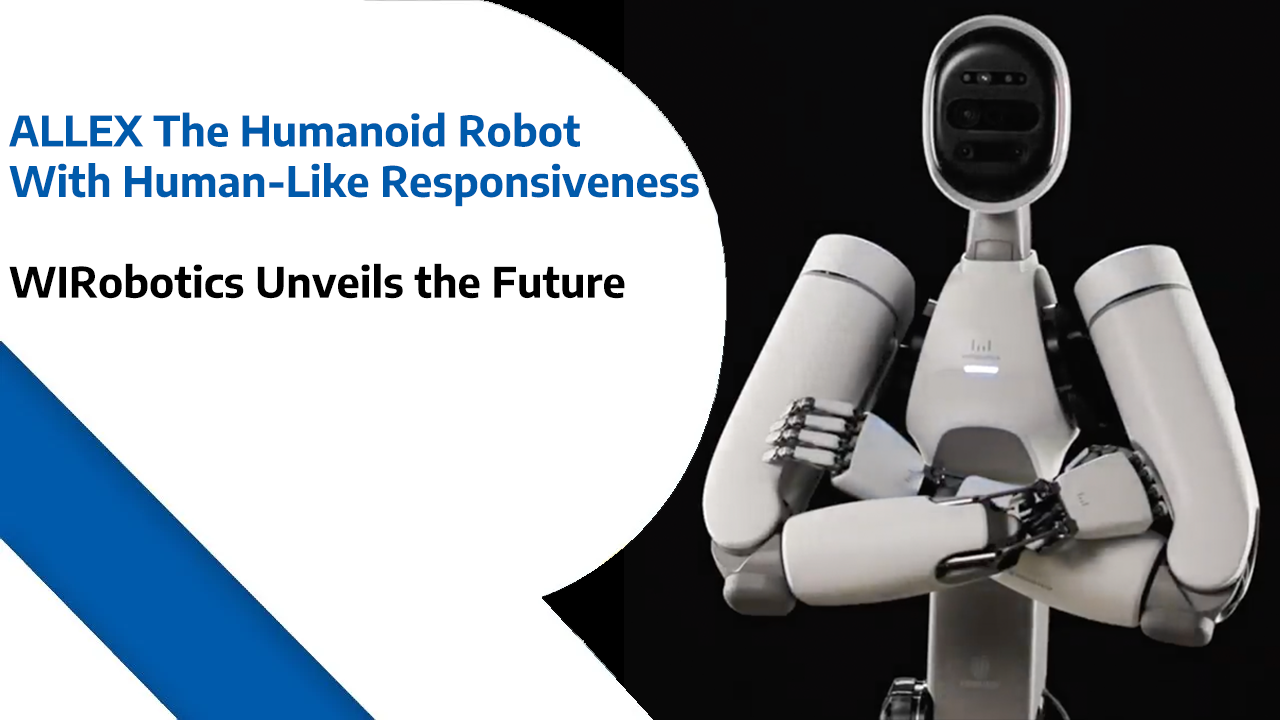
    Meet ALLEX—short for “ALL-Experience”—WIRobotics’ new humanoid robot that doesn’t just move, it responds with remarkable realism to the world around it.

    Unveiled in South Korea at the Robot Innovation Hub, ALLEX’s upper body comes equipped with a highly dexterous hand that can sense tiny forces, as light as a strawberry resting on your palm, while still being strong enough to lift heavy loads. This means it can delicately handle tasks like threading a needle yet confidently grip bulkier items without breaking a sweat.

    Its advanced actuators offer ten times lower friction than conventional robotic arms, giving it smooth, natural, and compliant motion. In simple terms, it’s a robot that can shake your hand without accidentally crushing it—a reassuring step forward.

    ALLEX also features a gravity-compensated torso, allowing fluid and precise movements, almost like a mechanical ballet dancer designed for real-world tasks. WIRobotics plans to expand this into a modular platform, meaning arms, hands, and control systems could be swapped or combined, much like building blocks for future robotics.

    To accelerate its progress, the company has partnered with RLWRLD and top research institutions including MIT, UIUC, UMass, KIST, and Maxon. With backing from ex-Samsung robotics engineers, their ambition is bold: by 2030, humanoid robots that can safely work and live alongside humans may be as common as home appliances.

    ALLEX isn’t just a machine that mimics movement—it’s a step toward robots that genuinely experience and respond to the real world. And if all goes to plan, the future might involve a robot roommate who helps fold laundry without ever complaining.


    And that’s your robot news update for today!
    If you’re curious about how robotics can transform your business, join me for the weekly Live Robot Optimise Workshop — it’s packed with insights, trends, and practical tips. Don’t forget to subscribe so you stay in the loop with all the latest updates.

    I’m RoboPhil from Robot Philosophy — thanks for watching, and I’ll see you next time!


    Join our Robot Optimise Industry (ROI) Workshop: https://robophil.com/


    Sponsors:-


    Robot Center: – https://robotcenter.co.uk/ – Buy Robot, Robot Buy, Robot consultancy, Robotics Consultancy


    Robots of London: – https://robotsoflondon.co.uk/ – Robot Hire, Robot Rental, Rent Robot, Hire Robot, Robot Events


    Robot Philosophy: – https://robophil.com/ – Robot Consultancy AND Robot Recruitment, Robot Advice, Robot Insights, Robot Ideas

  • John Deere Acquires GUSS Automation – The Future of Autonomous Farming

    John Deere Acquires GUSS Automation – The Future of Autonomous Farming

    John Deere Acquires GUSS Automation – The Future of Autonomous Farming


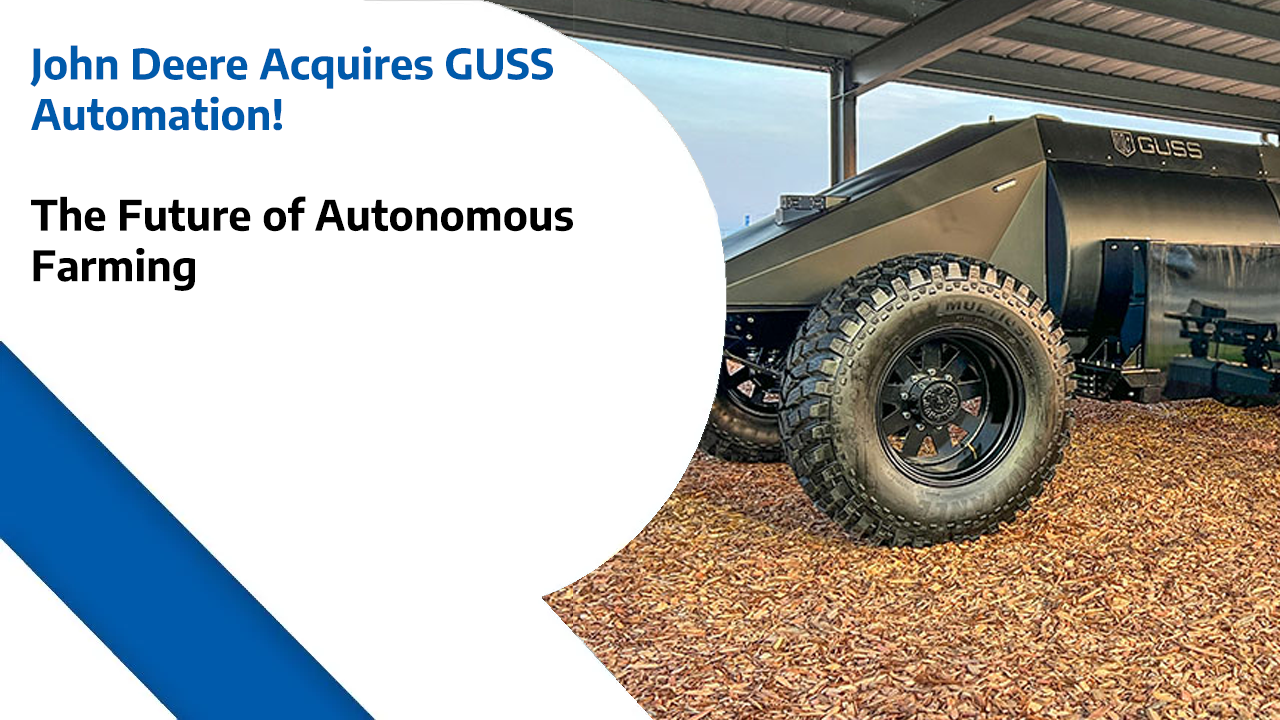
    John Deere, the iconic name in agriculture, has just strengthened its robotics portfolio by acquiring GUSS Automation, a California-based developer of autonomous crop spraying machines. The two companies first formed a joint venture in 2022, but this acquisition takes that partnership to the next level.

    GUSS will continue to operate under its own name, brand, and with its team and facility in Kingsburg, California. This location is right in the heart of the U.S. high-value crop market, where orchards and vineyards generate far more per acre than traditional grains.

    So why is GUSS such a big deal? Its autonomous sprayers allow one operator to manage up to eight machines at once. Using GPS, lidar, and proprietary software, these sprayers navigate orchards and vineyards with precision, reducing labour needs, minimising errors, and cutting down on waste. It is like farming with a fleet of self-driving assistants—only these ones never complain about overtime.

    To date, GUSS machines have already sprayed over 2.6 million acres across the globe, racking up more than half a million autonomous hours. That experience, combined with John Deere’s reach and technology, sets the stage for even faster innovation and expansion.

    John Deere will continue to be the exclusive provider of GUSS sprayers and will integrate them with its wider precision agriculture tools, such as Smart Apply. They will also continue using John Deere engines, which were first built into GUSS sprayers in 2024.

    This move builds on Deere’s history of autonomy investments, including acquisitions of Blue River Technology, Bear Flag Robotics, and SparkAI. From fully autonomous tractors to next-generation sprayers, John Deere is steadily rolling out robotics across its product line.


    And that’s your robot news update for today!
    If you’re curious about how robotics can transform your business, join me for the weekly Live Robot Optimise Workshop — it’s packed with insights, trends, and practical tips. Don’t forget to subscribe so you stay in the loop with all the latest updates.

    I’m RoboPhil from Robot Philosophy — thanks for watching, and I’ll see you next time!

    Join our Robot Optimise Industry (ROI) Workshop: https://robophil.com/


    Sponsors:-


    Robot Center: – https://robotcenter.co.uk/ – Buy Robot, Robot Buy, Robot consultancy, Robotics Consultancy


    Robots of London: – https://robotsoflondon.co.uk/ – Robot Hire, Robot Rental, Rent Robot, Hire Robot, Robot Events


    Robot Philosophy: – https://robophil.com/ – Robot Consultancy AND Robot Recruitment, Robot Advice, Robot Insights, Robot Ideas


  • Collaborative Robots (Cobots) – How to Train Teams for Safe Use

    Collaborative Robots (Cobots) – How to Train Teams for Safe Use

    Collaborative Robots (Cobots) – How to Train Teams for Safe Use

    By RoboPhil (Philip English) – Robotics Youtuber, Robotics Consultant, Robot Influencer, and Robot Trainer


    Introduction: The Rise of Cobots

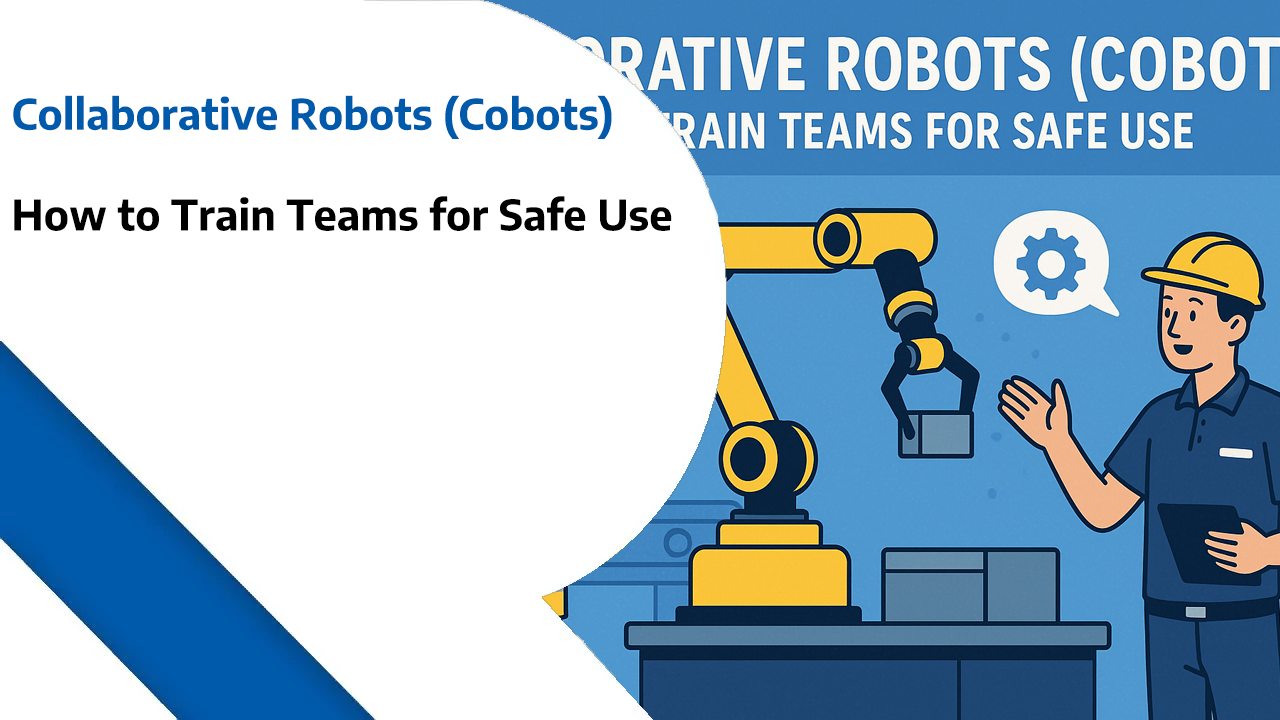
    Collaborative robots—commonly called cobots—are one of the fastest-growing segments in the robotics industry. Unlike traditional industrial robots that are kept behind safety cages, cobots are designed to work side by side with humans, assisting with tasks, boosting productivity, and creating safer, more efficient workplaces.

    But while cobots are safer by design, the truth is that safe use isn’t automatic. Teams must be trained correctly to understand how cobots function, how to work with them, and how to handle unexpected situations. A poorly trained workforce risks accidents, downtime, and wasted investment.

    That’s why training is critical—and why robot consultancy and recruitment services like ours exist. If your business is exploring cobots, you need the right guidance to:

    • Select the correct cobot for your tasks

    • Train your workforce in safe, efficient operation

    • Build a long-term roadmap for scaling robotics

    • Recruit specialists who can keep your systems running smoothly

    📞 To book a call about cobot training, robot consultancy, or recruitment: 0845 528 0404
    📧 Email: info@robophil.com


    Why Cobots Are Different

    Traditional robots in factories are often placed in cages. Their speed and power make them unsafe for direct human contact. Cobots, however, are built with safety at the core.

    Some key differences include:

    • Force Limiting – Cobots automatically slow or stop if they make contact with a person.

    • Smaller Footprint – They don’t need heavy fencing or barriers.

    • Ease of Programming – Many cobots use intuitive, drag-and-drop interfaces.

    • Flexibility – They can be quickly redeployed for different tasks.

    This accessibility means more businesses than ever—from SMEs to large manufacturers—are adopting cobots. However, ease of use does not equal safety without training. Workers must be able to:

    • Recognize cobot movement patterns

    • Follow correct loading and unloading procedures

    • Use emergency stop features confidently

    • Perform basic troubleshooting without fear

    Without structured training, even a cobot can be misused.


    The Business Case for Training Teams on Cobots

    Some companies make the mistake of buying a cobot, dropping it on the factory floor, and expecting instant results. This often leads to disappointment and underperformance.

    Why Training Matters:

    1. Safety Compliance
      Regulators such as ISO/TS 15066 define safety standards for cobots. Proper training ensures compliance.

    2. Productivity Gains
      A trained worker can optimize task sequences, reducing downtime and boosting ROI.

    3. Employee Buy-In
      Workers who understand cobots see them as allies, not threats. Training reduces resistance to automation.

    4. Fewer Mistakes
      Proper handling reduces accidents, equipment damage, and costly errors.

    5. Long-Term Scalability
      A skilled workforce can adapt when new cobots or processes are introduced.

    Investing in cobot training isn’t an expense—it’s an asset that multiplies returns on your robotics investment.


    Key Areas of Cobot Training

    So, how exactly do you train a team to work safely with cobots? Training must be structured, engaging, and continuous. Let’s break it down.

    1. Introduction to Cobots

    • What cobots are and how they differ from traditional robots

    • Common use cases (pick-and-place, assembly, packaging, inspection)

    • The future of cobots in industry

    2. Safety Standards and Regulations

    • Overview of ISO/TS 15066

    • Company-specific safety protocols

    • Personal protective equipment (PPE) in cobot environments

    3. Hands-On Training

    • Setting up cobots for simple tasks

    • Demonstrating safe human-robot collaboration

    • Practicing emergency stop and reset procedures

    4. Programming and Troubleshooting

    • User-friendly programming interfaces

    • Teaching-by-demonstration techniques

    • Basic maintenance and error handling

    5. Human Factors and Ergonomics

    • Understanding worker comfort

    • Reducing repetitive strain injuries with cobots

    • Designing workflows that balance human and robot effort

    6. Ongoing Learning and Culture Shift

    • Regular refresher training

    • Encouraging feedback from operators

    • Creating a robotics-friendly company culture


    The Common Mistakes Companies Make

    Despite cobots being “safe by design,” we see the same mistakes repeated:

    • Skipping formal training – Assuming cobots are plug-and-play.

    • Overloading tasks – Expecting cobots to handle jobs beyond their design.

    • Not involving operators early – Leading to resistance and fear.

    • Ignoring safety audits – Failing to meet compliance standards.

    • Underestimating recruitment needs – Forgetting that cobots still need human expertise.

    These pitfalls can derail even the most ambitious cobot projects.


    Real-World Example: Cobots in SMEs

    One SME we worked with installed cobots for packaging. Initially, the team resisted:

    • “It will take my job.”

    • “It’s too complex.”

    • “I don’t trust the robot.”

    After structured training, something shifted:

    • Workers realized cobots took away repetitive, painful tasks.

    • Productivity increased by 25%.

    • Staff were redeployed into higher-value roles.

    Training didn’t just improve safety—it changed the culture of the company.


    How RoboPhil and Our Team Can Help

    Training isn’t just about ticking boxes. It’s about unlocking value from your robotics investment.

    That’s where we come in.

    • Robot Consultancy – Helping businesses identify the right cobots, design safe workflows, and optimize ROI.

    • Robot Recruitment – Placing robotics professionals who can manage, program, and maintain cobots for long-term success.

    • Workshops & Training Programs – Onsite or online sessions tailored to your industry.

    Whether you’re an SME adopting your first cobot or a large enterprise scaling automation, we provide the expertise to train your people, optimise your processes, and build long-term capability.

    📞 Call us today: 0845 528 0404
    📧 Email: info@robophil.com


    Sponsors of This Article

    This article is proudly supported by:


    About the Author – RoboPhil (Philip English)

    Philip English—known online as RoboPhil—is a leading robotics YouTuber, trainer, consultant, and influencer.

    • YouTube Robotics Channel – Thousands of subscribers tuning into robot reviews, demos, and insights.

    • Trainer and Consultant – Helping businesses integrate robotics safely and profitably.

    • Robot Influencer – Partnering with top robotics brands and sharing innovations worldwide.

    RoboPhil bridges the gap between robot manufacturers and real-world businesses, making cobots accessible, safe, and profitable for everyone.


    The Future of Cobot Training

    Cobots are only getting smarter—with AI integration, vision systems, and adaptive learning. But no matter how advanced they become, humans must remain central to the training process.

    • AI will assist, not replace, operators

    • Upskilling will be continuous

    • Safety culture will evolve as cobots become more powerful

    Businesses that invest in training now will have the most future-ready workforce.


    Conclusion: Don’t Leave Cobot Training to Chance

    Cobots are transforming industries. But without training, the risk of accidents, inefficiency, and wasted investment is high.

    With the right consultancy, recruitment, and training programs, your business can:

    • Ensure safety and compliance

    • Maximise ROI on cobot investments

    • Empower your people to work confidently with robotics

    📞 Book a call today to discuss cobot training, consultancy, and recruitment: 0845 528 0404
    📧 Email: info@robophil.com

    Collaborative robots are the future. With the right training, your team will be ready.


    https://www.youtube.com/watch?v=FUAalh0eEjY


    https://www.youtube.com/shorts/M03Wh9gFvNY


  • Meet Robomart RM5 – The Giant Grocery Delivery Robot That Could Replace Couriers

    Meet Robomart RM5 – The Giant Grocery Delivery Robot That Could Replace Couriers

    Meet Robomart RM5 – The Giant Grocery Delivery Robot That Could Replace Couriers


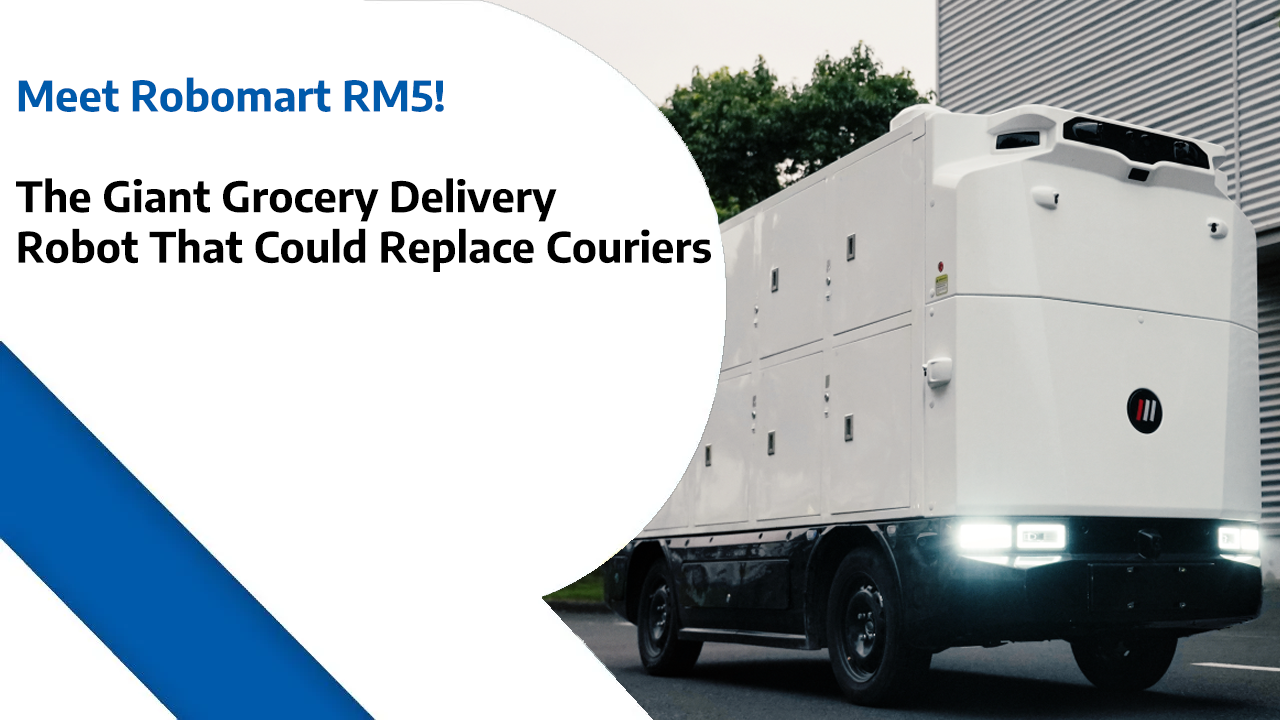
    Robomart has unveiled the RM5, a shuttle-bus-sized autonomous delivery vehicle designed to make on-demand delivery finally work at scale.

    The fully electric RM5 can carry up to 500 pounds of goods in ten climate-controlled lockers, each holding around 50 pounds. Travelling at a safe top speed of 25 miles per hour, it has a range of 112 miles—making it more like a rolling mini-supermarket than a sidewalk robot.

    Here’s how it works: customers will use the Robomart app to place an order from retailers and grocery stores. The RM5 then collects items from multiple shops, creates a dynamic multi-stop route, and brings the deliveries directly to customers. On arrival, the app unlocks the customer’s assigned locker, and the order is collected—quick, simple, and contact-free.

    Unlike traditional couriers, Robomart says this model cuts fulfillment costs by up to 70 percent, since each vehicle can handle many orders at once. The company also promises a flat $3 delivery fee, with no markups, no service charges, and no tipping.

    Founded in 2018, Robomart has already trialed the concept with modified vans and partnered with brands such as Unilever and Mars. With less than $5 million raised to date, the company is now preparing for launch in Austin, Texas later this year.

    In short, the RM5 is a bold step beyond sidewalk bots, offering scale, efficiency, and affordability—with the promise of making autonomous delivery finally practical.


    And that’s your robot news update for today!
    If you’re curious about how robotics can transform your business, join me for the weekly Live Robot Optimise Workshop — it’s packed with insights, trends, and practical tips. Don’t forget to subscribe so you stay in the loop with all the latest updates.

    I’m RoboPhil from Robot Philosophy — thanks for watching, and I’ll see you next time!


    Join our Robot Optimise Industry (ROI) Workshop: https://robophil.com/


    Sponsors:-


    Robot Center: – https://robotcenter.co.uk/ – Buy Robot, Robot Buy, Robot consultancy, Robotics Consultancy


    Robots of London: – https://robotsoflondon.co.uk/ – Robot Hire, Robot Rental, Rent Robot, Hire Robot, Robot Events


    Robot Philosophy: – https://robophil.com/ – Robot Consultancy AND Robot Recruitment, Robot Advice, Robot Insights, Robot Ideas

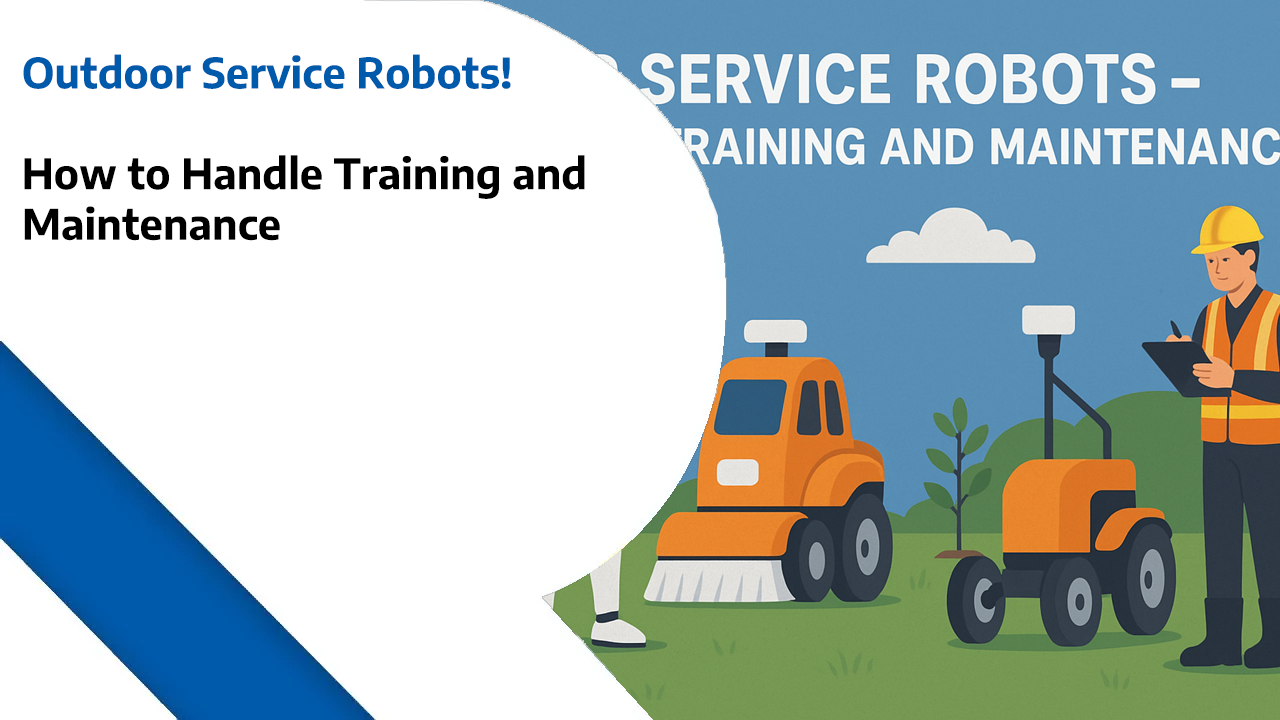
  • Outdoor Service Robots – How to Handle Training and Maintenance

    Outdoor Service Robots – How to Handle Training and Maintenance

    Outdoor Service Robots: How to Handle Training and Maintenance

    Sponsored by Robot Center, Robots of London, and Robot Philosophy

    The outdoor robotics revolution is here, transforming industries from agriculture and security to logistics and environmental monitoring. Unlike their indoor counterparts, outdoor service robots face unique challenges that demand specialized training protocols and maintenance strategies. As these autonomous machines become increasingly prevalent in commercial applications, understanding how to properly train and maintain them has become critical for maximizing return on investment and ensuring operational excellence.

    The Outdoor Challenge: Why Training and Maintenance Matter More Than Ever

    Outdoor service robots operate in environments that would challenge even the most sophisticated indoor systems. They must navigate unpredictable weather conditions, varying terrain, changing light conditions, and dynamic obstacles while maintaining consistent performance levels. This complexity makes proper training and maintenance not just beneficial, but absolutely essential for successful deployment.

    The stakes are particularly high because outdoor robots often operate with greater autonomy and less human oversight than indoor systems. A malfunctioning indoor robot might simply stop and wait for assistance, but an outdoor robot failure could result in significant operational disruption, safety concerns, or equipment damage. This reality underscores the importance of implementing robust training and maintenance protocols from day one.

    Consider the agricultural sector, where autonomous tractors and harvesting robots must adapt to seasonal variations, crop growth patterns, and weather-dependent field conditions. These systems require continuous learning and adjustment to maintain optimal performance throughout changing agricultural cycles. Similarly, security patrol robots must adapt their behavior patterns based on seasonal lighting changes, weather patterns, and evolving security requirements.

    Comprehensive Training Strategies for Outdoor Robots

    Environmental Adaptation Training

    The foundation of successful outdoor robot deployment lies in comprehensive environmental adaptation training. This process begins with systematic exposure to the full range of conditions the robot will encounter during its operational lifetime. Unlike indoor training, which can rely on controlled environments, outdoor training must account for variables that cannot be fully predicted or controlled.

    Weather condition training represents one of the most critical aspects of outdoor robot preparation. Robots must learn to operate effectively in rain, snow, fog, high winds, and extreme temperatures. This involves not just mechanical adaptation, but also sensor recalibration and behavioral modification. For instance, a robot operating in heavy rain must adjust its vision processing algorithms to account for reduced visibility and potential sensor interference, while simultaneously modifying its movement patterns to maintain stability on wet surfaces.

    Terrain variation training ensures robots can navigate the diverse surfaces they’ll encounter in real-world applications. This includes smooth pavement, gravel paths, grass, sand, mud, and even temporary obstacles like construction materials or seasonal debris. Advanced training protocols involve exposing robots to progressively challenging terrain combinations, teaching them to identify surface types and adjust their locomotion accordingly.

    Light condition adaptation represents another crucial training component. Outdoor robots must perform consistently across the full spectrum of natural lighting conditions, from dawn to dusk, and adapt to artificial lighting in mixed environments. This training involves calibrating sensors for different light intensities and teaching the robot to recognize and respond to shadows, glare, and backlit conditions that could affect navigation and object recognition.

    Behavioral Training for Dynamic Environments

    Outdoor environments are inherently dynamic, requiring robots to develop sophisticated behavioral adaptation capabilities. This training goes beyond simple obstacle avoidance to include predictive behavior modeling and proactive response strategies. Robots must learn to anticipate and respond to patterns in their environment, from pedestrian traffic flows to vehicle movement patterns.

    Seasonal adaptation training ensures robots can modify their behavior as environmental conditions change over time. This might involve adjusting patrol routes based on seasonal vegetation growth, modifying cleaning schedules to account for autumn leaf fall, or adapting security protocols for seasonal variation in facility usage patterns. This type of training requires long-term data collection and analysis to identify patterns and develop appropriate response strategies.

    Interaction training with humans and other systems becomes particularly complex in outdoor environments where encounters are less predictable than indoor settings. Robots must learn to recognize and appropriately respond to various human behaviors, from curious onlookers to individuals who might need assistance or present security concerns. This training must also account for interactions with other automated systems, vehicles, and infrastructure elements they’ll encounter in their operational environment.

    Preventive Maintenance Protocols

    Weather Protection and Durability Management

    Outdoor robots face constant exposure to environmental stressors that indoor systems never encounter. Developing comprehensive preventive maintenance protocols requires understanding how weather conditions affect different robot components and implementing protection strategies accordingly. This involves regular inspection and maintenance of weatherproofing seals, protective coatings, and environmental barriers.

    Moisture management represents a critical aspect of outdoor robot maintenance. Even robots designed with high IP ratings require ongoing attention to prevent water ingress that could damage sensitive electronics. Regular inspection of seals, gaskets, and protective covers must be combined with internal moisture monitoring and climate control system maintenance. This includes checking drainage systems, ventilation components, and desiccant materials that help maintain dry internal environments.

    Temperature management protocols must address both extreme heat and cold conditions. High temperatures can affect battery performance, electronic component reliability, and mechanical system efficiency, while cold conditions can impact hydraulic systems, battery capacity, and material flexibility. Maintenance protocols must include temperature monitoring, thermal management system inspection, and seasonal preparation procedures to ensure consistent performance across temperature extremes.

    UV protection maintenance ensures that prolonged sun exposure doesn’t degrade exterior components, sensors, or protective coatings. This involves regular inspection and replacement of UV-resistant materials, sensor covers, and protective films that shield sensitive components from harmful radiation. Some systems may require periodic application of protective coatings or replacement of components that show signs of UV damage.

    Sensor System Maintenance

    Outdoor robots typically rely on multiple sensor systems for navigation, obstacle detection, and task execution. These sensors face constant exposure to dust, debris, precipitation, and other environmental contaminants that can significantly impact performance if not properly maintained. Comprehensive sensor maintenance protocols must address both cleaning procedures and calibration requirements.

    Vision system maintenance requires regular cleaning of camera lenses, protective covers, and housing components. This goes beyond simple surface cleaning to include inspection of internal optical components, anti-fog systems, and protective filters. Calibration procedures must account for potential shifts in sensor alignment due to vibration, temperature cycling, or physical impacts that commonly occur in outdoor operations.

    LiDAR and radar system maintenance involves specialized procedures for cleaning sensitive scanning components and ensuring proper mechanical operation. These systems often include rotating elements that require lubrication, bearing inspection, and precision alignment maintenance. Environmental contamination can severely impact ranging accuracy, making regular cleaning and calibration essential for reliable operation.

    Environmental sensor maintenance includes monitoring systems for temperature, humidity, air quality, and other conditions that might affect robot performance. These sensors require regular calibration against known standards and protection from contamination that could skew readings. Some environmental sensors may require periodic replacement due to drift or degradation from prolonged exposure.

    Advanced Diagnostic and Monitoring Systems

    Predictive Maintenance Implementation

    Modern outdoor robots benefit tremendously from predictive maintenance systems that can identify potential problems before they result in operational failures. These systems continuously monitor robot performance parameters, environmental conditions, and component wear patterns to predict when maintenance will be required. Implementation requires sophisticated data collection, analysis, and alert systems that can process large volumes of operational data in real-time.

    Performance monitoring systems track key operational metrics such as power consumption patterns, movement efficiency, task completion rates, and response times. Variations in these metrics can indicate developing problems with mechanical systems, software performance, or environmental adaptation capabilities. Advanced systems use machine learning algorithms to establish baseline performance patterns and identify deviations that might indicate maintenance needs.

    Component wear monitoring involves tracking the operational status of mechanical systems, electronic components, and consumable materials. This includes monitoring bearing wear, belt tension, battery capacity, and filter condition through various sensing technologies. Some systems incorporate vibration analysis, thermal imaging, and acoustic monitoring to detect early signs of component degradation before failures occur.

    Environmental impact monitoring tracks how various weather conditions and environmental factors affect robot performance over time. This data helps optimize maintenance schedules based on actual environmental exposure rather than fixed time intervals. For instance, robots operating in dusty conditions might require more frequent filter changes, while those in high-humidity environments might need more regular moisture control system maintenance.

    Remote Monitoring and Support Systems

    Outdoor robots often operate in locations where immediate human intervention isn’t practical, making remote monitoring and support capabilities essential. These systems enable operators to monitor robot status, diagnose problems, and in some cases, perform corrective actions without physically accessing the robot. Implementation requires robust communication systems, comprehensive diagnostic capabilities, and secure remote access protocols.

    Real-time status monitoring provides operators with continuous visibility into robot location, operational status, and performance metrics. This includes battery levels, system temperatures, operational modes, and task progress information. Advanced systems can integrate this information with environmental data, maintenance schedules, and operational requirements to provide comprehensive situational awareness.

    Remote diagnostic capabilities enable technical support personnel to identify and troubleshoot problems without site visits. This might include accessing log files, running diagnostic routines, viewing sensor data, or even observing robot behavior through onboard cameras. These capabilities can significantly reduce response times and minimize operational disruptions when problems occur.

    Automated alert systems notify operators when robots encounter problems, approach maintenance intervals, or experience performance degradations. These systems must be carefully configured to balance comprehensive monitoring with alert fatigue, ensuring that operators receive timely notification of important issues without being overwhelmed by routine status updates.

    Training Program Development and Implementation

    Customized Training Protocols

    Every outdoor robot deployment is unique, requiring customized training protocols that address specific operational requirements, environmental conditions, and performance objectives. Developing these protocols requires thorough analysis of the operational environment, identification of critical success factors, and creation of training scenarios that prepare robots for real-world conditions.

    Site-specific training begins with comprehensive environmental assessment to identify all conditions the robot will encounter during normal operations. This includes terrain mapping, weather pattern analysis, obstacle identification, and traffic flow studies. The training program must then create scenarios that expose the robot to these conditions in a controlled manner, allowing for gradual adaptation and performance optimization.

    Task-specific training ensures robots can perform their intended functions reliably under various environmental conditions. For security robots, this might involve patrol route optimization, threat detection scenarios, and emergency response procedures. For maintenance robots, training might focus on equipment inspection routines, predictive maintenance protocols, and repair procedures under different weather conditions.

    Progressive complexity training starts with simple scenarios and gradually increases difficulty as robots demonstrate competency. This approach allows for systematic capability development while identifying potential problems early in the training process. Advanced training scenarios might combine multiple challenging conditions, such as navigating difficult terrain during adverse weather while performing complex tasks.

    Ongoing Training and Adaptation

    Outdoor robots must continue learning and adapting throughout their operational lifetime as conditions change and new requirements emerge. This requires ongoing training programs that can incorporate new scenarios, update behavioral responses, and refine performance based on operational experience. Successful programs balance the need for continuous improvement with operational stability and reliability.

    Performance feedback integration ensures that operational experience informs ongoing training development. This involves analyzing performance data, identifying areas for improvement, and creating targeted training scenarios to address specific weaknesses or challenges. Feedback systems must also capture positive performance examples that can be reinforced and extended to similar situations.

    Seasonal adaptation training addresses the changing requirements that outdoor robots face as environmental conditions vary throughout the year. This might involve updating navigation algorithms for seasonal vegetation changes, modifying task priorities based on weather patterns, or adjusting maintenance schedules for seasonal equipment usage variations.

    Technology update integration ensures that robots can benefit from advances in software, sensors, and operational capabilities. This requires training programs that can incorporate new features, update existing capabilities, and ensure compatibility with evolving operational requirements. Update processes must be carefully managed to avoid disrupting proven operational capabilities while enabling beneficial improvements.

    Quality Assurance and Performance Validation

    Comprehensive Testing Protocols

    Validating outdoor robot performance requires comprehensive testing protocols that verify capabilities under the full range of operational conditions. These protocols must go beyond laboratory testing to include extensive field trials that demonstrate real-world performance and reliability. Testing must address both individual component performance and integrated system capabilities.

    Environmental stress testing exposes robots to extreme conditions they might encounter during extended operations. This includes temperature cycling, humidity exposure, vibration testing, and contamination resistance validation. Stress testing helps identify potential failure modes and validates the effectiveness of protection systems before robots are deployed in operational environments.

    Performance validation testing verifies that robots can meet operational requirements under various conditions. This includes accuracy testing for navigation and positioning systems, reliability testing for task execution capabilities, and endurance testing to validate operational duration capabilities. Testing protocols must establish clear performance criteria and measurement methodologies to ensure objective evaluation.

    Integration testing validates how robots interact with other systems, infrastructure, and personnel in their operational environment. This includes communication system validation, safety system testing, and verification of emergency response procedures. Integration testing often reveals issues that aren’t apparent during isolated component testing, making it essential for successful deployment.

    Continuous Performance Monitoring

    Maintaining optimal outdoor robot performance requires ongoing monitoring and evaluation throughout the operational lifetime. This involves establishing baseline performance metrics, implementing continuous measurement systems, and developing response protocols for performance variations. Effective monitoring systems balance comprehensive data collection with practical analysis and response capabilities.

    Key performance indicators must be carefully selected to provide meaningful insight into robot effectiveness without overwhelming operators with excessive data. These might include task completion rates, accuracy metrics, operational availability, and efficiency measures. KPIs should be aligned with operational objectives and provide actionable information for performance optimization.

    Trend analysis helps identify gradual performance changes that might indicate developing problems or opportunities for optimization. This requires historical data collection, statistical analysis capabilities, and visualization tools that can present complex performance trends in understandable formats. Trend analysis can often identify maintenance needs or training opportunities before they impact operational performance.

    Performance benchmarking against established standards or comparable systems provides context for evaluating robot effectiveness. This might involve industry standards, manufacturer specifications, or performance data from similar deployments. Benchmarking helps establish realistic performance expectations and identify opportunities for improvement.

    Cost-Benefit Analysis and ROI Optimization

    Training Investment Analysis

    Implementing comprehensive training and maintenance programs for outdoor robots requires significant investment in time, resources, and expertise. Understanding the cost-benefit relationship helps organizations make informed decisions about training program scope and resource allocation. Proper analysis considers both direct costs and indirect benefits that might not be immediately apparent.

    Direct training costs include equipment, personnel time, facility usage, and program development expenses. These costs are typically front-loaded, with the highest expenses occurring during initial program development and robot preparation phases. However, comprehensive initial training often reduces ongoing operational costs by minimizing failures, reducing maintenance requirements, and optimizing performance.

    Indirect benefits include reduced operational disruptions, improved safety outcomes, enhanced performance reliability, and extended equipment lifetime. These benefits can be difficult to quantify but often represent the largest component of training program value. Organizations should develop methodologies for estimating these benefits to support investment decisions and program justification.

    Long-term value creation considers how training investments contribute to organizational capabilities, competitive advantages, and future expansion opportunities. Well-trained robots can often be adapted for new applications, deployed in additional locations, or used as platforms for technology advancement. These strategic benefits can justify training investments that might not show immediate returns.

    Maintenance Cost Optimization

    Outdoor robot maintenance costs can vary significantly based on operational conditions, usage patterns, and maintenance strategy choices. Optimizing these costs requires understanding the relationship between different maintenance approaches and their impact on operational performance, reliability, and total cost of ownership.

    Preventive maintenance represents a significant ongoing expense but typically provides substantial returns through reduced failure rates, extended equipment life, and improved operational reliability. The key to optimization lies in finding the right balance between maintenance frequency and cost, avoiding both under-maintenance that leads to failures and over-maintenance that wastes resources.

    Predictive maintenance systems require initial investment in monitoring technology and analysis capabilities but can provide significant long-term savings through optimized maintenance timing and reduced unexpected failures. These systems are particularly valuable for outdoor robots because of their higher failure risks and the difficulty of providing immediate support in remote locations.

    Emergency repair costs can quickly exceed routine maintenance expenses if robots experience unexpected failures during critical operations. Developing contingency plans, maintaining spare parts inventories, and establishing rapid response capabilities can help minimize these costs and their operational impact.

    Expert Consultation and Professional Services

    When to Seek Professional Support

    Outdoor robot deployment represents a complex undertaking that often benefits from professional expertise and consultation services. Understanding when and how to engage professional support can significantly improve project success rates and reduce implementation risks. Professional services can be particularly valuable during critical project phases or when organizations encounter unfamiliar challenges.

    Initial deployment consultation helps organizations avoid common pitfalls and optimize their approach to outdoor robot implementation. Professional consultants bring experience from multiple deployments, understanding of best practices, and knowledge of potential challenges that might not be apparent to first-time implementers. This expertise can save significant time and resources while improving deployment success rates.

    Training program development often benefits from professional expertise, particularly for organizations without extensive robotics experience. Professional trainers can develop customized programs, provide specialized expertise, and ensure that training addresses all critical operational requirements. This support is particularly valuable for complex applications or challenging operational environments.

    Ongoing support services provide organizations with access to specialized expertise without the need to maintain full-time robotics staff. This might include periodic performance reviews, troubleshooting support, training updates, and technology upgrade consultation. Professional support services can be particularly cost-effective for smaller deployments or organizations with limited robotics expertise.

    Recruitment and Staffing Solutions

    Successful outdoor robot programs require skilled personnel who understand both robotics technology and the specific operational requirements of outdoor environments. Finding and developing this expertise can be challenging, particularly as demand for robotics skills continues to outpace supply. Professional recruitment services can help organizations identify and hire the right personnel for their robotics programs.

    Technical expertise requirements for outdoor robotics often combine traditional engineering skills with specialized knowledge of environmental systems, weather protection, and field operations. This unique skill combination can be difficult to find, making professional recruitment services valuable for identifying qualified candidates and assessing technical capabilities.

    Training and development services help organizations build internal capabilities and reduce dependence on external support. Professional training programs can develop existing staff capabilities, provide specialized certifications, and ensure that organizations have the skills needed to manage their robotics programs effectively.

    Ongoing professional development ensures that robotics staff stay current with evolving technology and best practices. This might include continuing education programs, conference participation, and peer networking opportunities that help staff maintain and expand their expertise.

    Conclusion: Building Success Through Proper Training and Maintenance

    The success of outdoor service robot deployments hinges fundamentally on the quality and comprehensiveness of training and maintenance programs. As these systems become increasingly sophisticated and widely deployed, the organizations that invest in proper preparation, ongoing support, and continuous improvement will realize the greatest benefits from their robotics investments.

    The challenges of outdoor robotics – from unpredictable weather and terrain to complex operational requirements – demand a systematic approach to preparation and support. This includes comprehensive environmental training, robust maintenance protocols, continuous performance monitoring, and ongoing program optimization. Organizations that treat these activities as critical success factors rather than operational overhead will achieve better performance, higher reliability, and superior return on investment.

    The future of outdoor robotics is bright, with advancing technology making these systems increasingly capable and cost-effective. However, realizing this potential requires commitment to excellence in training and maintenance practices. Organizations that make this commitment, supported by professional expertise and comprehensive support services, will be best positioned to benefit from the robotics revolution transforming outdoor operations across industries.

    For organizations considering outdoor robot deployment or seeking to optimize existing programs, professional consultation and support services provide valuable resources for achieving success. The complexity and importance of these systems justify investment in expert guidance, specialized training, and ongoing support services that ensure maximum value from robotics investments.


    About the Author

    RoboPhil (Philip English) is a leading robot consultant, robotics consultant, robot trainer, and robotics trainer who has established himself as a prominent robot influencer and robotics influencer in the industry. As a dedicated Robot YouTuber and Robotics YouTuber, Philip shares his extensive knowledge and insights with the global robotics community, providing valuable robot advice, robot insights, and innovative robot ideas to businesses and individuals alike.

    With years of experience in robotics consultation and training, RoboPhil has helped numerous organizations successfully implement and optimize their robotic systems across various industries. His practical approach combines technical expertise with real-world application knowledge, making complex robotics concepts accessible and actionable for businesses of all sizes.


    Professional Services and Contact Information

    For expert consultation on outdoor robot training and maintenance programs, contact our professional services team:

    Email: info@robophil.com
    Phone: 0845 528 0404

    Our team provides comprehensive consultation services including deployment planning, training program development, maintenance optimization, and ongoing support services. We specialize in helping organizations maximize the value of their robotics investments through professional expertise and proven methodologies.

    To schedule a consultation or discuss your outdoor robotics requirements, please reach out using the contact information above. Our experts are ready to help you achieve success with your outdoor robotics programs.


    Article Sponsors

    This article is proudly sponsored by leading robotics service providers:

    Robot Centerhttps://robotcenter.co.uk/
    Specializing in robot sales, robot purchasing solutions, robot consultancy, and comprehensive robotics consultancy services for businesses seeking to implement robotic solutions.

    Robots of Londonhttps://robotsoflondon.co.uk/
    Premier provider of robot hire services, robot rental solutions, rent robot programs, hire robot services, and robot events support for organizations seeking flexible robotics access.

    Robot Philosophyhttps://robophil.com/
    Leading provider of robot consultancy and robot recruitment services, offering expert robot advice, robot insights, and innovative robot ideas to help businesses optimize their robotics investments.

    These organizations represent the forefront of robotics services in the UK, providing comprehensive support for businesses seeking to leverage robotics technology for competitive advantage and operational excellence.




  • NVIDIA Jetson Thor – 2,000+ Teraflops Powering the Future of Robots & AI

    NVIDIA Jetson Thor – 2,000+ Teraflops Powering the Future of Robots & AI

    NVIDIA Jetson Thor – 2,000+ Teraflops Powering the Future of Robots & AI


    NVIDIA has officially launched the Jetson AGX Thor, a new powerhouse computer for robotics and physical AI. Built on the Blackwell GPU architecture, it delivers up to 2,070 FP4 teraflops of AI compute with 128GB of memory, all within a 130-watt power envelope. That’s a 7.5-times increase in AI performance and 3.5-times greater energy efficiency compared to its predecessor, Jetson Orin.

    This leap in performance allows robots to run multiple generative AI models simultaneously at the edge, unlocking real-time perception, reasoning, and interaction—no cloud delays, just instant decision-making.

    Several leading robotics companies are already adopting Thor. Agility Robotics is integrating it into Digit, enabling faster reactions and more advanced scene understanding for tasks like stocking shelves and handling logistics. Boston Dynamics is bringing it into Atlas for advanced behaviour models, and companies such as Amazon Robotics, Caterpillar, Figure, Meta, and Medtronic are also on board. Even John Deere and OpenAI are evaluating its potential.

    Priced from $3,499 for the developer kit, Jetson Thor is positioned as the onboard computer that could accelerate the future of robotics—making machines smarter, faster, and safer to work alongside.


    And that’s your robot news update for today!
    If you’re curious about how robotics can transform your business, join me for the weekly Live Robot Optimise Workshop — it’s packed with insights, trends, and practical tips. Don’t forget to subscribe so you stay in the loop with all the latest updates.

    I’m RoboPhil from Robot Philosophy — thanks for watching, and I’ll see you next time!


    Join our Robot Optimise Industry (ROI) Workshop: https://robophil.com/


    Sponsors:-


    Robot Center: – https://robotcenter.co.uk/ – Buy Robot, Robot Buy, Robot consultancy, Robotics Consultancy


    Robots of London: – https://robotsoflondon.co.uk/ – Robot Hire, Robot Rental, Rent Robot, Hire Robot, Robot Events


    Robot Philosophy: – https://robophil.com/ – Robot Consultancy AND Robot Recruitment, Robot Advice, Robot Insights, Robot Ideas