Author: Philip English

  • Mind-Controlled Robotic Hand Breakthrough – Real-Time Finger Movement with No Surgery!

    Mind-Controlled Robotic Hand Breakthrough – Real-Time Finger Movement with No Surgery!

    Mind-Controlled Robotic Hand Breakthrough – Real-Time Finger Movement with No Surgery!


    Robotic hands controlled by thought alone? It sounds like science fiction, but researchers at Carnegie Mellon University are making it a reality—no brain surgery required.

    Professor Bin He has spent over 20 years developing noninvasive brain-computer interfaces using EEG technology. And his team just hit a major milestone: real-time control of individual robotic fingers, simply by thinking about them.

    While previous systems required risky implants, this one reads brain signals from the scalp—no drills, just a headset. Participants were able to perform two- and three-finger movements, thanks to a smart deep-learning system trained to decode these intentions in real time.

    The goal? To make BCI systems useful in daily life—for everything from assistive tools to, one day, even typing.

    As Professor He puts it, improving hand function can dramatically boost quality of life—and this breakthrough moves us a step closer to helping many more people, no surgery required.


    And that’s your robot news update for today!
    If you’re curious about how robotics can transform your business, join me for the weekly Live Robot Optimise Workshop — it’s packed with insights, trends, and practical tips. Don’t forget to subscribe so you stay in the loop with all the latest updates.

    I’m RoboPhil from Robot Philosophy — thanks for watching, and I’ll see you next time!


    Join our Robot Optimise Industry (ROI) Workshop: https://robophil.com/workshop


    Sponsors:-


    Robot Center: – https://robotcenter.co.uk/ – Buy Robot, Robot Buy, Robot consultancy, Robotics Consultancy


    Robots of London: – https://robotsoflondon.co.uk/ – Robot Hire, Robot Rental, Rent Robot, Hire Robot, Robot Events


    Robot Philosophy: – https://robophil.com/ – Robot Consultancy AND Robot Recruitment, Robot Advice, Robot Insights, Robot Ideas

  • Inspection Robots: When and Why to Use Them in Your Business

    Inspection Robots: When and Why to Use Them in Your Business

    Inspection Robots: When and Why to Use Them in Your Business

    In an era of rapid digital transformation and automation, inspection robots are emerging as one of the most powerful tools for businesses across multiple industries. These advanced machines can navigate difficult environments, capture high-quality data, and work around the clock — saving businesses time, improving safety, and reducing operational costs. But when is the right time to adopt inspection robots, and why should your business consider them?

    This article explores the key benefits of inspection robots, the industries best suited for their use, and the strategic advantages they bring. We also share how our robot consultancy and recruitment services at Robot Philosophy can guide your organisation in adopting robotic solutions efficiently and effectively.


    What Are Inspection Robots?

    Inspection robots are autonomous or semi-autonomous robotic systems designed to monitor, scan, and inspect environments, assets, or machinery. They can be equipped with a wide range of tools and sensors such as:

    • High-definition cameras

    • Thermal imaging

    • Gas detectors

    • LIDAR or ultrasonic sensors

    • AI-based anomaly detection

    These robots are often used to gather data in real-time or scheduled intervals, replacing or assisting human inspectors in dangerous, remote, or tedious inspection tasks.


    When to Use Inspection Robots in Your Business

    1. When Safety Is a Concern

    If your operations involve confined spaces, high-voltage areas, or hazardous chemicals, inspection robots can replace human presence in dangerous zones. From oil rigs to nuclear power plants, robots are often deployed to avoid risk to human life.

    2. When Inspections Are Frequent or Tedious

    In industries where equipment or infrastructure requires regular checking — such as manufacturing plants, solar farms, or data centers — inspection robots automate the process, making it faster, more accurate, and less labour-intensive.

    3. When Downtime Is Expensive

    Inspection robots can be deployed without halting operations. This minimises production downtime — a critical factor in high-volume manufacturing, energy distribution, and logistics environments.

    4. When Data Accuracy Matters

    Using high-end sensors and AI algorithms, inspection robots deliver precise, repeatable, and timestamped inspection results. This makes them ideal for predictive maintenance and compliance auditing.

    5. When Sites Are Hard to Reach

    Robots designed for outdoor or remote inspections — such as pipelines, railways, or bridges — can operate in extreme weather conditions and rough terrain, including autonomous outdoor inspection robots like those we distribute through Robot Center.


    Why Businesses Are Turning to Inspection Robots

    Cost Savings

    While initial investment may seem high, robots reduce long-term costs by cutting labour, improving asset uptime, and avoiding safety fines or damages.

    Efficiency Gains

    Robots can inspect multiple areas simultaneously, operate 24/7, and streamline reporting. The result? Fewer bottlenecks and improved operational flow.

    Competitive Edge

    Companies using robotic inspection technologies often stay ahead of regulations, meet client expectations for safety and compliance, and boost their brand reputation as forward-thinking innovators.


    Industries That Benefit from Inspection Robots

    • Energy & Utilities: Wind farms, solar farms, oil & gas, nuclear plants

    • Manufacturing: Heavy machinery, automotive plants, industrial ovens

    • Construction: Structural integrity checks, site monitoring

    • Transportation: Rail networks, tunnels, airports

    • Agriculture: Greenhouse inspections, field condition monitoring

    • Facilities Management: HVAC systems, security patrols, leak detection


    Real-World Example: Robots of London Event Robot Turns Inspector

    At Robots of London, we’ve worked with companies to repurpose event robots into branded inspection and data-collection tools. With robotic rental flexibility, businesses can test inspection robotics without full ownership commitment.


    Not Sure Where to Start? Book a Consultation

    We understand that navigating the world of robotics can feel overwhelming. That’s why Robot Philosophy offers expert robot consultancy services. Whether you’re scoping a pilot project or scaling up deployment, our specialists will help you:

    • Audit your site or operations

    • Identify where inspection robots can be used

    • Select the right robot for your environment

    • Integrate and optimise systems

    • Build a roadmap for robot scaling

    📩 Contact us today: info@robophil.com
    📞 Book a discovery call: 0845 528 0404


    Need a Robot Expert on Your Team?

    Alongside consultancy, we offer a robot recruitment service that connects businesses with top-tier robotic engineers, operators, and strategists. Whether you need a contract-based roboticist or a full-time robotics technician, our network helps you build internal capability.

    👉 Learn more at Robot Philosophy – Recruitment


    Conclusion: Invest in Insight, Not Just Automation

    Inspection robots aren’t just gadgets — they’re strategic business tools that improve efficiency, safety, and long-term competitiveness. But successful adoption depends on having the right insights, the right people, and the right plan.

    At Robot Philosophy, we empower you with all three. Let us guide your inspection robot journey from concept to scale.


    👇 Sponsored by:

    Robot Center – Buy Robot, Robot Buy, Robot Consultancy, Robotics Consultancy
    Robots of London – Robot Hire, Robot Rental, Rent Robot, Hire Robot, Robot Events
    Robot Philosophy – Robot Consultancy AND Robot Recruitment, Robot Advice, Robot Insights, Robot Ideas

  • Humanoid Robots Play Football in China – Fully Autonomous AI Match Stuns Fans!

    Humanoid Robots Play Football in China – Fully Autonomous AI Match Stuns Fans!

    Humanoid Robots Play Football in China – Fully Autonomous AI Match Stuns Fans!


    China’s men’s soccer team might not be grabbing headlines these days—but their humanoid counterparts certainly are.

    In Beijing, four teams of AI-powered humanoid robots faced off in the country’s first fully autonomous 3-on-3 football match. No coaches, no remote control—just artificial intelligence doing all the thinking, passing, and, occasionally, falling over.

    Equipped with visual sensors, the robots tracked the ball, navigated the field, and even got themselves back on their feet—most of the time. A few needed stretcher support, adding a surprisingly human touch to the game.

    This robotic match was more than just entertainment—it was a test bed for cutting-edge AI and hardware integration, with each university team programming their own strategies.

    Tsinghua University took the trophy, beating the China Agricultural University 5–3. Not bad, considering some human teams can’t even get past 0–0.

    Organisers say this is just the beginning, with the goal of eventually having robots and humans play together—safely, of course.

    At this rate, China’s best shot at World Cup glory might just come with a lithium-ion battery pack.


    And that’s your robot news update for today!
    If you’re curious about how robotics can transform your business, join me for the weekly Live Robot Optimise Workshop — it’s packed with insights, trends, and practical tips. Don’t forget to subscribe so you stay in the loop with all the latest updates.

    I’m RoboPhil from Robot Philosophy — thanks for watching, and I’ll see you next time!


    Join our Robot Optimise Industry (ROI) Workshop: https://robophil.com/workshop


    Sponsors:-


    Robot Center: – https://robotcenter.co.uk/ – Buy Robot, Robot Buy, Robot consultancy, Robotics Consultancy


    Robots of London: – https://robotsoflondon.co.uk/ – Robot Hire, Robot Rental, Rent Robot, Hire Robot, Robot Events


    Robot Philosophy: – https://robophil.com/ – Robot Consultancy AND Robot Recruitment, Robot Advice, Robot Insights, Robot Ideas

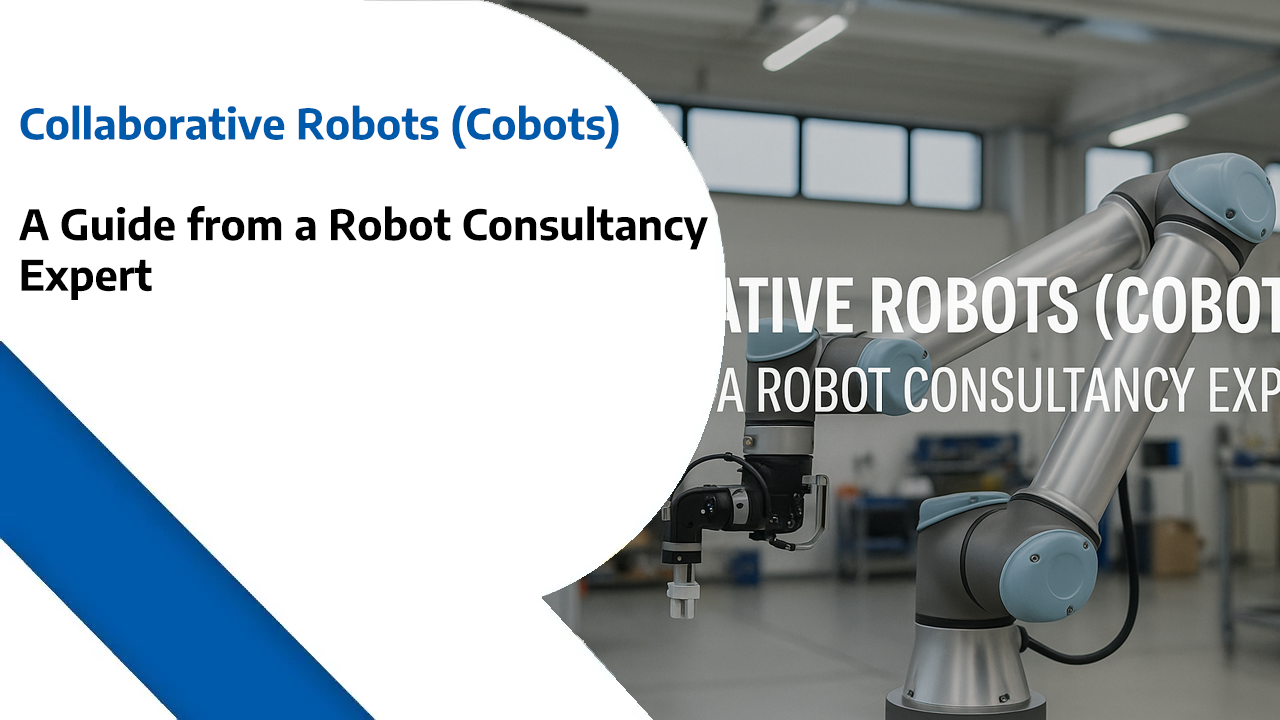
  • Collaborative Robots (Cobots): A Guide from a Robot Consultancy Expert

    Collaborative Robots (Cobots): A Guide from a Robot Consultancy Expert

    Collaborative Robots (Cobots): A Guide from a Robot Consultancy Expert

    Sponsored by Robot Center, Robots of London, and Robot Philosophy

    The manufacturing landscape is experiencing a revolutionary transformation, and at the heart of this change lies collaborative robotics. As industries worldwide grapple with labour shortages, rising production demands, and the need for enhanced flexibility, collaborative robots—commonly known as cobots—have emerged as the bridge between human ingenuity and mechanical precision.

    Having consulted with hundreds of businesses on their automation journeys, I’ve witnessed firsthand how cobots are reshaping not just production lines, but entire business models. This comprehensive guide will take you through everything you need to know about collaborative robotics, from fundamental concepts to advanced implementation strategies.

    Understanding Collaborative Robots: Beyond the Buzzword

    Collaborative robots represent a paradigm shift from traditional industrial automation. Unlike their industrial counterparts that operate behind safety cages, cobots are designed to work alongside human operators in shared workspaces. This fundamental difference in approach has opened up automation possibilities for businesses that previously considered robotics beyond their reach.

    The term “collaborative” extends beyond mere proximity. True collaboration involves cobots that can sense, adapt, and respond to human presence and actions. These machines incorporate advanced sensors, force-limiting technology, and sophisticated software that enables them to detect unexpected contact and immediately reduce force or stop operation entirely.

    What makes cobots particularly compelling is their democratization of automation. Small and medium enterprises, which historically couldn’t justify the cost and complexity of traditional industrial robots, now have access to flexible, user-friendly automation solutions. This accessibility has sparked innovation across diverse sectors, from artisanal food production to high-tech electronics assembly.

    The Technical Foundation: What Makes Cobots Unique

    The engineering behind collaborative robots represents years of innovation in safety systems, sensor technology, and human-machine interfaces. At their core, cobots employ multiple layers of safety mechanisms that enable them to operate without traditional safety barriers.

    Force and torque sensing capabilities form the primary safety layer. Modern cobots can detect forces as low as a few newtons, allowing them to distinguish between normal operational forces and unexpected contact with humans or objects. This sensitivity enables immediate response protocols that can prevent injury while maintaining operational efficiency.

    Vision systems have evolved dramatically, incorporating advanced computer vision algorithms that enable cobots to understand their environment dynamically. These systems can identify objects, track human movement, and adapt their behaviour accordingly. Machine learning capabilities allow cobots to improve their performance over time, learning from repeated tasks and environmental variations.

    The programming interface represents another crucial innovation. Modern cobots feature intuitive programming methods, including teach pendants, direct manipulation programming, and even smartphone apps. This accessibility means that production staff, rather than specialized programmers, can configure and modify cobot operations as needed.

    Market Dynamics and Industry Adoption

    The collaborative robotics market has experienced explosive growth, with adoption rates accelerating across virtually every industrial sector. Current market analysis indicates that the global cobot market is expanding at a compound annual growth rate exceeding 40%, driven by technological advancement and increasing recognition of cobots’ versatility.

    Automotive manufacturing, traditionally the domain of heavy industrial robots, has embraced cobots for precision assembly tasks, quality inspection, and material handling. The ability to quickly reconfigure cobots for different vehicle models provides the flexibility that modern automotive production demands.

    Electronics manufacturing has found cobots particularly valuable for delicate assembly operations where human dexterity and precision are required, but consistency and endurance are crucial. Cobots excel in tasks such as PCB assembly, component placement, and testing procedures where repeatability and quality are paramount.

    The food and beverage industry has adopted cobots for packaging, palletizing, and quality control applications. The ability to easily clean and sanitize cobots makes them suitable for food-safe environments, while their flexibility allows for easy product changeovers.

    Healthcare and pharmaceutical sectors have found innovative applications for cobots in laboratory automation, pharmaceutical packaging, and even surgical assistance. The precision and consistency that cobots provide are particularly valuable in these quality-critical applications.

    Implementation Strategies: From Concept to Production

    Successful cobot implementation requires a systematic approach that considers technical requirements, workforce implications, and business objectives. The most effective implementations begin with thorough process analysis to identify suitable applications where cobots can provide maximum value.

    Task identification should focus on operations that are repetitive, ergonomically challenging for humans, or require high precision and consistency. Cobots excel in applications where the task is well-defined but may require some adaptability to variations in materials or environment.

    Workforce integration planning is crucial for successful cobot deployment. Rather than replacing human workers, the most successful implementations focus on augmenting human capabilities and freeing workers for higher-value activities. This approach requires careful change management and often involves retraining programs to help workers transition to new roles.

    Pilot project implementation allows organizations to validate assumptions and refine processes before full-scale deployment. Starting with a single application provides valuable learning opportunities and helps build internal expertise and confidence in cobot technology.

    Scalability planning ensures that initial cobot implementations can be expanded and replicated across other areas of the operation. This involves standardizing interfaces, developing internal expertise, and creating processes for ongoing optimization and expansion.

    Safety Considerations and Regulatory Compliance

    Safety remains the paramount consideration in collaborative robotics, despite cobots’ inherent safety features. Proper risk assessment must evaluate the entire cobot application, including the tools, materials, and processes involved in the operation.

    The concept of Safety-Rated Monitored Stop enables cobots to immediately cease movement when safety conditions are violated, but the robot remains powered and can resume operation once conditions return to normal. This capability provides both safety and operational efficiency.

    Force and speed limitation ensures that even in the event of contact, the forces generated are below levels that could cause injury. However, this requires careful consideration of the tools and end-effectors attached to the cobot, as these can significantly affect the safety profile.

    Power and force monitoring continuously evaluates the forces being applied during operation and can detect deviations that might indicate contact or malfunction. This monitoring enables immediate response to unexpected conditions.

    Collaborative workspace design involves creating areas where humans and cobots can safely interact. This includes considerations of lighting, floor surfaces, emergency stop accessibility, and clear delineation of collaborative zones.

    Economic Impact and Return on Investment

    The economic case for cobots often extends beyond simple labour cost calculations. While payback periods typically range from six months to two years, the true value often lies in quality improvements, increased flexibility, and enhanced capacity utilization.

    Quality improvements through consistent, repeatable operations can significantly reduce defect rates and associated costs. Cobots don’t experience fatigue, distraction, or variation in performance, leading to more consistent output quality.

    Flexibility benefits enable rapid changeovers between products or configurations, reducing downtime and increasing overall equipment effectiveness. This capability is particularly valuable in high-mix, low-volume production environments.

    Capacity optimization allows operations to run continuously or extend operating hours without proportional increases in labour costs. Cobots can operate during breaks, shifts changes, and even unmanned shifts with appropriate safety measures.

    Indirect benefits include improved workplace ergonomics, reduced worker fatigue, and enhanced job satisfaction as workers are freed from repetitive, physically demanding tasks. These benefits, while harder to quantify, contribute significantly to the overall value proposition.

    Future Trends and Technological Evolution

    The collaborative robotics field continues to evolve rapidly, with several key trends shaping its future development. Artificial intelligence integration is enabling cobots to handle more complex, adaptive tasks that previously required human judgment and decision-making.

    Cloud connectivity and edge computing are enabling cobots to share learning experiences and receive updates and improvements remotely. This connectivity allows for predictive maintenance, performance optimization, and continuous capability enhancement.

    Advanced sensing technologies, including tactile sensors, improved vision systems, and environmental sensors, are expanding the range of applications where cobots can be effectively deployed. These sensors enable more sophisticated interaction with complex environments and materials.

    Modular design approaches are making cobots more adaptable and cost-effective for specific applications. Rather than purchasing complete systems, organizations can configure cobots with precisely the capabilities they need for specific tasks.

    Mobile collaborative robots combine the flexibility of autonomous mobile robots with the manipulation capabilities of collaborative arms, creating entirely new application possibilities in logistics, material handling, and distributed manufacturing.

    Industry-Specific Applications and Case Studies

    Different industries have found unique ways to leverage collaborative robotics, each presenting distinct opportunities and challenges. Understanding these sector-specific applications provides valuable insights for organizations considering cobot implementation.

    In precision manufacturing, cobots have revolutionized assembly operations that require both human-level dexterity and mechanical precision. Electronic component assembly, medical device manufacturing, and optical equipment production have all benefited from cobot integration that combines human problem-solving capabilities with robotic consistency.

    Logistics and warehousing operations have embraced cobots for order picking, packaging, and sorting applications. The ability to work alongside human workers in existing warehouse layouts without requiring extensive infrastructure modifications makes cobots particularly attractive for this sector.

    Research and development laboratories have found cobots valuable for repetitive testing procedures, sample handling, and data collection activities. The precision and documentation capabilities of cobots contribute to research quality while freeing researchers for more analytical tasks.

    Challenges and Solutions in Cobot Implementation

    Despite their advantages, cobot implementations face several common challenges that organizations must address for successful deployment. Integration complexity often arises from the need to interface cobots with existing systems, processes, and workflows.

    Skills gaps within organizations can impede successful cobot adoption. While cobots are designed to be user-friendly, effective implementation still requires understanding of automation principles, safety requirements, and process optimization. Addressing this challenge often requires training programs and sometimes external consultancy support.

    Application suitability assessment requires careful analysis to ensure that proposed cobot applications will deliver expected benefits. Not all manual tasks are suitable for cobot automation, and proper evaluation is crucial for successful outcomes.

    Maintenance and support considerations become increasingly important as cobot fleets grow. Organizations need strategies for ongoing maintenance, troubleshooting, and continuous optimization of cobot operations.

    The Consultancy Advantage: Maximizing Cobot Success

    The complexity of modern manufacturing environments and the sophistication of collaborative robotics technology create compelling arguments for professional consultancy support during cobot implementation. Expert guidance can significantly reduce implementation time, minimize risks, and optimize outcomes.

    Consultancy services provide objective assessment of automation opportunities, helping organizations identify applications where cobots will deliver maximum value. This assessment considers technical feasibility, economic viability, and strategic alignment with business objectives.

    Technical implementation support ensures that cobot systems are properly configured, integrated, and optimized for specific applications. This expertise is particularly valuable for organizations without extensive automation experience.

    Change management guidance helps organizations navigate the workforce and process changes that accompany cobot implementation. This support can be crucial for maintaining employee engagement and ensuring smooth transitions.

    Ongoing optimization services ensure that cobot implementations continue to deliver value over time. Regular performance reviews, process refinements, and capability expansions help maximize return on investment.

    Building Internal Capabilities: Training and Development

    Successful long-term cobot implementation requires developing internal capabilities within the organization. This development should encompass technical skills, safety knowledge, and strategic understanding of automation opportunities.

    Technical training programs should cover cobot programming, basic maintenance, and troubleshooting procedures. While cobots are designed to be user-friendly, proper training ensures safe and effective operation.

    Safety training is crucial for all personnel who will work with or around cobots. This training should cover collaborative workspace safety, emergency procedures, and proper interaction protocols.

    Strategic automation training helps managers and engineers identify future automation opportunities and plan cobot expansions effectively. This capability enables organizations to continuously evolve their automation strategies.

    Recruitment and Skills Development in Robotics

    The growing adoption of collaborative robotics has created new requirements for skilled personnel who can design, implement, and maintain these systems. Organizations increasingly need professionals who combine traditional engineering skills with robotics expertise and human-machine interaction understanding.

    Robotics engineers with cobot experience are in high demand, requiring skills in mechanical design, programming, safety systems, and application development. These professionals must understand both the technical capabilities of cobots and the practical requirements of manufacturing environments.

    Integration specialists who can effectively connect cobots with existing systems and processes represent another critical skill area. These professionals need expertise in automation protocols, manufacturing systems, and change management.

    Application developers who can identify and optimize cobot applications require deep understanding of manufacturing processes combined with robotics capabilities. These roles often involve working closely with production teams to identify automation opportunities and develop effective solutions.

    Conclusion: Embracing the Collaborative Future

    Collaborative robotics represents more than a technological advancement; it embodies a fundamental shift toward more flexible, adaptive, and human-centered manufacturing. The successful integration of cobots requires careful planning, expert guidance, and commitment to ongoing development.

    Organizations that embrace collaborative robotics thoughtfully and strategically position themselves for enhanced competitiveness, improved quality, and greater operational flexibility. The key lies in understanding that cobots are not simply tools, but partners in creating more efficient, sustainable, and engaging work environments.

    The journey toward effective cobot implementation begins with understanding your specific needs, challenges, and opportunities. Professional guidance can significantly accelerate this journey while minimizing risks and maximizing outcomes.


    About Our Services

    Robot Philosophy provides comprehensive robotics consultancy and recruitment services to help organizations navigate the collaborative robotics landscape successfully. Our team of experienced consultants and robotics specialists offers:

    Robot Consultancy Services

    • Cobot application assessment and feasibility studies
    • Implementation planning and project management
    • Technical integration and optimization
    • Safety assessment and compliance guidance
    • ROI analysis and business case development
    • Ongoing support and optimization services

    Robot Recruitment Services

    • Robotics engineer placement
    • Automation specialist recruitment
    • Technical project manager sourcing
    • Specialized skills assessment
    • Contract and permanent placement options

    Contact us today to discuss your collaborative robotics needs:


    Article Sponsors

    This article is proudly sponsored by leading robotics service providers:

    Robot Center – Your comprehensive destination for robot purchasing, sales, and consultancy services. Specializing in robotics consultancy and providing expert guidance for all your automation needs.

    Robots of London – Premier robot hire and rental services. Whether you need robots for events, temporary projects, or trial implementations, Robots of London provides flexible rental solutions.

    Robot Philosophy – Expert robot consultancy and recruitment services. Combining deep technical expertise with strategic insight to help organizations successfully implement and optimize robotic solutions.

  • UK’s First Bricklaying Robot Arrives – Can ‘Walter’ Solve the Construction Crisis?

    UK’s First Bricklaying Robot Arrives – Can ‘Walter’ Solve the Construction Crisis?

    UK’s First Bricklaying Robot Arrives – Can ‘Walter’ Solve the Construction Crisis?


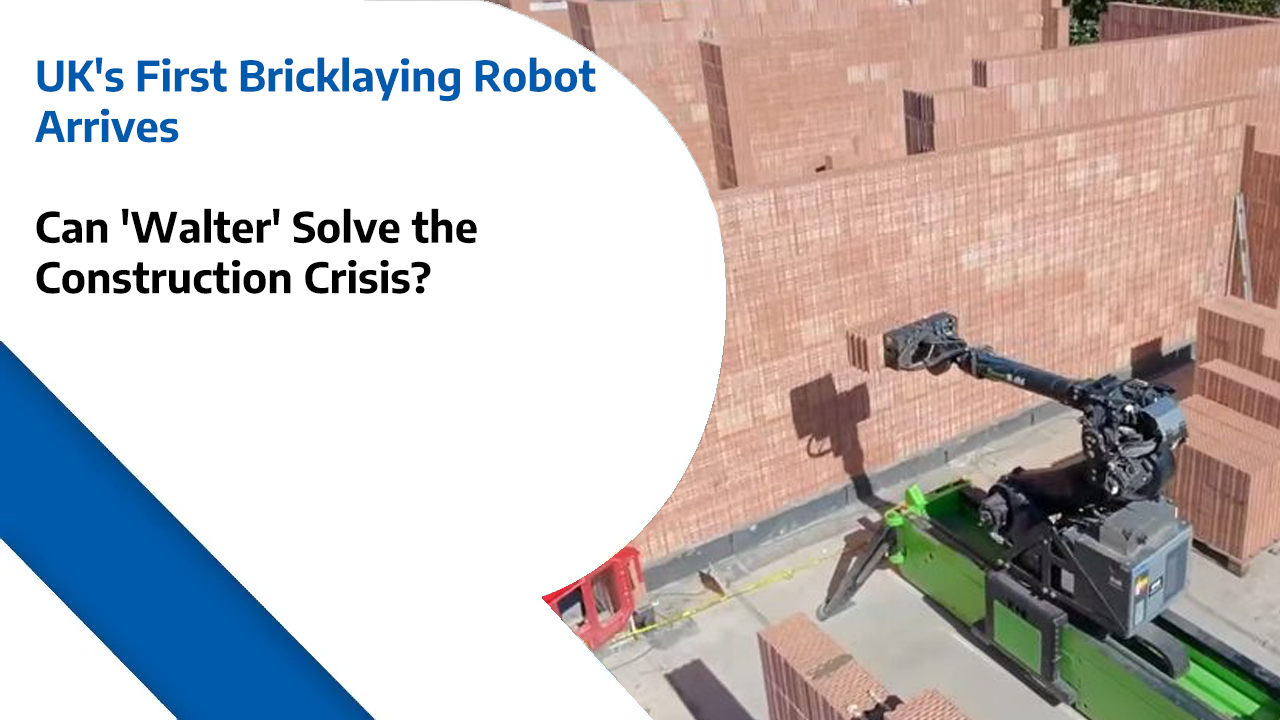
    A groundbreaking moment for UK construction has arrived – quite literally – with the debut of Walter, a wall-laying robot now hard at work in Durham.

    Developed in the Czech Republic and brought over by JT Lifestyle Homes, Walter – or WLTR – is designed to build smarter, faster, safer, and greener. He can lay up to 200 square metres of bricks a day and construct walls up to 3.5 metres high without scaffolding. Rain, wind, or shine – Walter keeps going.

    With over 35,000 vacancies in the construction industry and an ageing workforce, it’s clear we need new solutions. Walter doesn’t replace people – he supports them, creating opportunities for skilled operators and improving overall build quality with precision bricklaying.

    This cutting-edge robot is currently building 27 homes in Durham, with more projects to follow. JT Lifestyle Homes is combining innovation with accessibility, offering these houses under a rent-to-buy scheme to help first-time buyers take that crucial step.

    To learn more, visit jtlh.co.uk — the future of construction has officially arrived.


    And that’s your robot news update for today!
    If you’re curious about how robotics can transform your business, join me for the weekly Live Robot Optimise Workshop — it’s packed with insights, trends, and practical tips. Don’t forget to subscribe so you stay in the loop with all the latest updates.

    I’m RoboPhil from Robot Philosophy — thanks for watching, and I’ll see you next time!


    Join our Robot Optimise Industry (ROI) Workshop: https://robophil.com/workshop


    Sponsors:-


    Robot Center: – https://robotcenter.co.uk/ – Buy Robot, Robot Buy, Robot consultancy, Robotics Consultancy


    Robots of London: – https://robotsoflondon.co.uk/ – Robot Hire, Robot Rental, Rent Robot, Hire Robot, Robot Events


    Robot Philosophy: – https://robophil.com/ – Robot Consultancy AND Robot Recruitment, Robot Advice, Robot Insights, Robot Ideas

  • The Rise of Service Robots – A Consultant’s Perspective

    The Rise of Service Robots – A Consultant’s Perspective

    The Rise of Service Robots: A Consultant’s Perspective

    Transforming Industries Through Intelligent Automation

    The landscape of service robotics is experiencing unprecedented growth, fundamentally reshaping how businesses operate across virtually every sector. As a consultant who has witnessed this transformation firsthand, I can confidently say we are standing at the precipice of a robotic revolution that will define the next decade of business innovation.

    The Current State of Service Robotics

    Service robots have evolved far beyond the novelty demonstrations of the past. Today’s systems represent sophisticated amalgamations of artificial intelligence, advanced sensors, and precise mechanical engineering. From autonomous cleaning systems maintaining pristine office environments to AI-powered customer service representatives handling complex inquiries, these machines are no longer supplementary tools—they are essential business infrastructure.

    The statistics paint a compelling picture. The global service robotics market, valued at approximately $15 billion in 2023, is projected to reach $50 billion by 2030. This exponential growth reflects not just technological advancement, but a fundamental shift in how organizations perceive the role of automation in service delivery.

    Industries Leading the Charge

    Healthcare: Precision Meets Compassion

    Healthcare institutions worldwide are integrating service robots with remarkable success. Surgical robots now perform procedures with precision that surpasses human capability, while patient care robots provide round-the-clock monitoring and assistance. In eldercare facilities, companion robots are addressing the growing challenge of social isolation among elderly residents, providing both practical assistance and emotional support.

    The COVID-19 pandemic accelerated adoption dramatically, with disinfection robots becoming commonplace in hospitals, while telepresence robots enabled remote consultations and reduced infection risks. These implementations demonstrated that service robots could enhance rather than replace human care, creating more efficient and safer healthcare environments.

    Hospitality: Redefining Guest Experience

    The hospitality sector has embraced service robots as differentiators in an increasingly competitive market. Hotels now deploy robot concierges that speak multiple languages, provide 24/7 assistance, and never forget guest preferences. Restaurant chains utilize robotic servers that can work continuously without breaks, ensuring consistent service quality during peak hours.

    Perhaps most significantly, these robots are generating measurable returns on investment. Hotels report increased guest satisfaction scores, reduced labor costs, and enhanced operational efficiency. The technology has evolved from novelty to necessity, particularly as the industry grapples with persistent staffing challenges.

    Retail: The Personal Shopping Revolution

    Retail environments are being transformed by robots that can inventory stock in real-time, guide customers to products, and even predict purchasing behavior. These systems operate continuously, providing data insights that were previously impossible to obtain. Major retailers report that robotic systems have reduced inventory errors by up to 60% while improving customer satisfaction through more accurate product availability information.

    The Consultant’s Perspective: Strategic Implementation

    Having guided numerous organizations through robotic implementations, I’ve observed consistent patterns that separate successful deployments from costly failures. The key lies not in the technology itself, but in the strategic approach to integration.

    Assessment and Planning

    Every successful robotic implementation begins with comprehensive assessment. Organizations must evaluate their current processes, identify pain points, and determine where robotic solutions can provide maximum value. This requires deep understanding of both business operations and robotic capabilities—a combination that demands specialized expertise.

    The most common mistake I encounter is the assumption that robots can simply replace human workers without process modification. In reality, successful implementation requires reimagining workflows to leverage robotic strengths while maintaining human oversight where needed.

    Integration Challenges

    Technical integration represents only one aspect of robotic implementation. The greater challenge lies in organizational change management. Employees must be trained not just to work alongside robots, but to optimize their own roles in a human-robot collaborative environment.

    Cultural resistance remains a significant hurdle. Successful implementations require comprehensive communication strategies that address employee concerns while highlighting the benefits of human-robot collaboration. This is where experienced consultancy becomes invaluable—navigating the complex intersection of technology, operations, and human psychology.

    Measuring Success

    Defining and measuring success in robotic implementations requires sophisticated metrics that go beyond simple cost savings. We must consider factors such as service quality improvements, employee satisfaction, customer experience enhancement, and long-term operational resilience.

    The most successful implementations I’ve observed are those where organizations establish clear KPIs before deployment and maintain rigorous monitoring throughout the integration process. This data-driven approach enables continuous optimization and demonstrates tangible value to stakeholders.

    Emerging Trends and Technologies

    Artificial Intelligence Integration

    The convergence of AI and robotics is creating service robots with unprecedented capabilities. Natural language processing enables more sophisticated customer interactions, while machine learning algorithms allow robots to adapt and improve performance over time.

    Computer vision systems are becoming increasingly sophisticated, enabling robots to navigate complex environments and recognize objects with human-like accuracy. These capabilities are expanding the potential applications for service robots across industries.

    Cloud Connectivity and Fleet Management

    Modern service robots operate as components of larger systems, connected to cloud platforms that enable centralized management and continuous updates. This connectivity allows organizations to manage entire fleets of robots from a single interface, monitoring performance, scheduling maintenance, and deploying updates seamlessly.

    The implications are profound. Organizations can now scale robotic deployments rapidly, learning from each implementation to improve subsequent deployments. This network effect is accelerating the sophistication and reliability of robotic systems.

    Human-Robot Collaboration

    The future of service robotics lies not in replacing humans, but in creating synergistic partnerships between human workers and robotic systems. This collaborative approach leverages the strengths of both: robots excel at repetitive, precise tasks while humans provide creativity, empathy, and complex problem-solving capabilities.

    Designing these collaborative systems requires deep understanding of both human psychology and robotic capabilities. The most effective implementations create environments where humans and robots complement each other seamlessly.

    Challenges and Considerations

    Ethical Implications

    The rise of service robots raises important ethical questions that organizations must address. Privacy concerns arise when robots collect and process personal data, while employment impact considerations require careful planning and communication.

    Successful organizations approach these challenges proactively, establishing clear policies for data handling, ensuring transparency in robotic operations, and providing retraining opportunities for affected employees.

    Regulatory Landscape

    The regulatory environment for service robotics is evolving rapidly. Organizations must navigate complex compliance requirements while ensuring their robotic systems meet safety and performance standards.

    This regulatory complexity underscores the importance of working with experienced consultants who understand both technological capabilities and regulatory requirements across different jurisdictions.

    Cost-Benefit Analysis

    While the long-term benefits of service robots are compelling, the initial investment can be substantial. Organizations must carefully analyze the total cost of ownership, including not just hardware and software costs, but also training, maintenance, and ongoing support requirements.

    Successful implementations require sophisticated financial modeling that accounts for both direct and indirect benefits, including improved efficiency, reduced errors, and enhanced customer satisfaction.

    The Path Forward: Strategic Recommendations

    Start with Pilot Programs

    Organizations should begin their robotic journey with carefully planned pilot programs that demonstrate value while minimizing risk. These pilots provide valuable learning opportunities and help build organizational confidence in robotic solutions.

    Invest in Expertise

    The complexity of robotic implementation demands specialized expertise. Organizations should invest in either internal capabilities or external consultancy to ensure successful deployments.

    Focus on Integration

    The most successful robotic implementations are those that integrate seamlessly with existing systems and processes. This requires careful planning and often significant process reengineering.

    Prepare for Continuous Evolution

    Service robotics is a rapidly evolving field. Organizations must be prepared for continuous updates, upgrades, and potentially significant system changes as technology advances.

    The Competitive Advantage

    Organizations that successfully implement service robots gain significant competitive advantages. They can provide superior customer service, operate more efficiently, and respond more quickly to market changes. Perhaps most importantly, they position themselves as innovation leaders in their respective industries.

    The question is not whether service robots will become commonplace—they already are. The question is whether organizations will proactively embrace this technology or be forced to react to competitive pressures from those who do.

    Conclusion: The Imperative for Action

    The rise of service robots represents more than technological advancement; it represents a fundamental shift in how businesses operate and compete. Organizations that recognize this shift and act decisively will thrive in the robotic age, while those that hesitate risk being left behind.

    The technology is ready. The business case is proven. The question now is whether organizations have the vision and expertise to capitalize on this opportunity.

    As a consultant who has guided numerous organizations through this transformation, I can attest that the benefits far exceed the challenges—but only when implementation is approached strategically, with proper expertise and planning.

    The robotic revolution is not coming—it is here. The question is whether you will lead it or follow it.


    About Our Services

    Robot Consulting and Recruitment Services

    Navigating the complexities of robotic implementation requires specialized expertise. Our comprehensive consulting services guide organizations through every stage of their robotic journey, from initial assessment through successful deployment and ongoing optimization.

    Our Services Include:

    • Strategic robotic implementation planning
    • Technology assessment and selection
    • Process reengineering and optimization
    • Change management and training
    • Robotic talent recruitment and placement
    • Ongoing support and maintenance planning

    Ready to Transform Your Business?

    Contact us today to explore how service robots can revolutionize your operations:

    Email: info@robophil.com
    Phone: 0845 528 0404

    Book a consultation call to discuss your specific requirements and learn how our expertise can ensure your robotic implementation success.


    Article Sponsors

    This article is proudly sponsored by leading organizations in the UK robotics industry:

    Robot Center
    Your comprehensive destination for robot acquisition and consultancy services. Whether you’re looking to buy robots, need expert robotics consultancy, or require guidance on implementation strategies, Robot Center provides the expertise and solutions to meet your needs.

    Robots of London
    Premier provider of robot hire and rental services across London and the UK. From corporate events to temporary deployments, Robots of London offers flexible robot rental solutions that allow organizations to experience robotic capabilities without long-term commitments.

    Robot Philosophy
    Specialist consultancy combining deep technical expertise with strategic business insight. Robot Philosophy provides comprehensive robot consultancy services, recruitment solutions, and ongoing advice to help organizations navigate the complexities of robotic implementation and optimization.

    These industry leaders represent the ecosystem of expertise and services available to organizations embarking on their robotic transformation journey.

     
  • World’s First Jetpack-Powered Humanoid Robot Takes Flight – iRonCub MK3 Breakthrough!

    World’s First Jetpack-Powered Humanoid Robot Takes Flight – iRonCub MK3 Breakthrough!

    World’s First Jetpack-Powered Humanoid Robot Takes Flight – iRonCub MK3 Breakthrough!


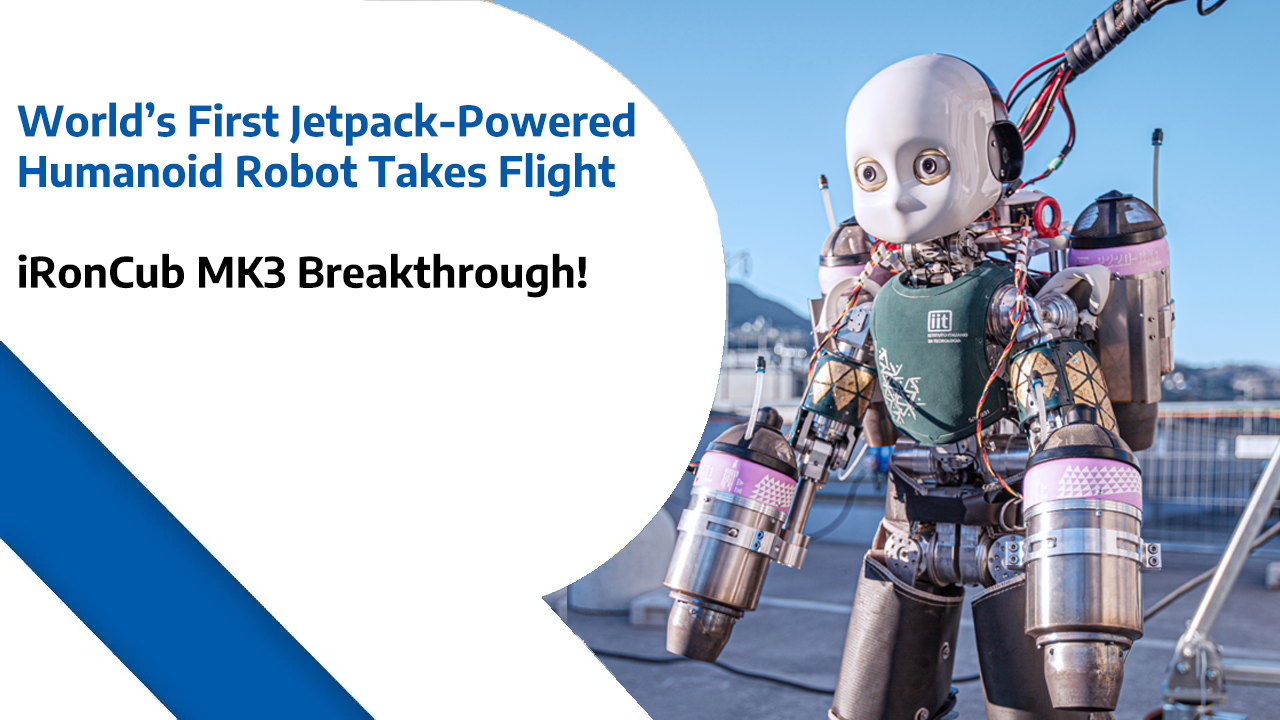
    Say hello to iRonCub MK3 — a baby-faced humanoid robot that’s just taken its first flight, quite literally. Thanks to four jet thrusters, this little 3-foot-tall, 22-kilo robot has become the first humanoid to achieve vertical liftoff.

    Two thrusters are mounted where its arms should be, and two sit in a custom-built jetpack on its back. In a recent test, it hovered 20 inches off the ground — not exactly orbit, but definitely a lift-off worth noting.

    Designed by the Italian Institute of Technology, iRonCub isn’t just about flashy flights. This platform could one day be used for search and rescue, helping navigate collapsed buildings or hazardous areas no human can safely reach.

    To get here, engineers reinforced the robot’s spine, added heat-resistant panels (after a few too many melted prototypes), and built a smart flight control system to keep it balanced — no upside-down takeoffs, thankfully.

    This is just the beginning. A humanoid robot that flies and interacts with the world? It might sound like science fiction, but it’s fast becoming science fact.


    And that’s your robot news update for today!
    If you’re curious about how robotics can transform your business, join me for the weekly Live Robot Optimise Workshop — it’s packed with insights, trends, and practical tips. Don’t forget to subscribe so you stay in the loop with all the latest updates.

    I’m RoboPhil from Robot Philosophy — thanks for watching, and I’ll see you next time!


    Join our Robot Optimise Industry (ROI) Workshop: https://robophil.com/workshop


    Sponsors:-


    Robot Center: – https://robotcenter.co.uk/ – Buy Robot, Robot Buy, Robot consultancy, Robotics Consultancy


    Robots of London: – https://robotsoflondon.co.uk/ – Robot Hire, Robot Rental, Rent Robot, Hire Robot, Robot Events


    Robot Philosophy: – https://robophil.com/ – Robot Consultancy AND Robot Recruitment, Robot Advice, Robot Insights, Robot Ideas

  • Robot-Made Pizza at the Airport! –  Donatos & Appetronix Launch Fully Automated Kitchen

    Robot-Made Pizza at the Airport! –  Donatos & Appetronix Launch Fully Automated Kitchen

    Robot-Made Pizza at the Airport! –  Donatos & Appetronix Launch Fully Automated Kitchen


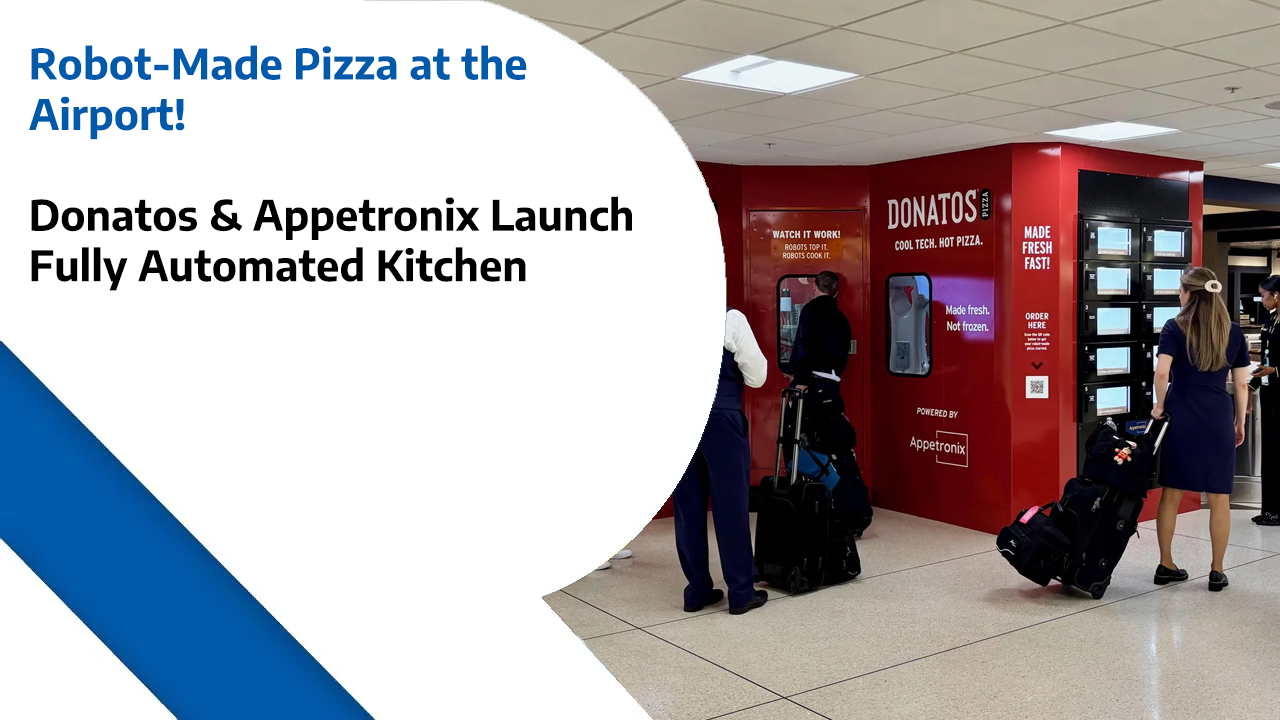
    At John Glenn International Airport, Donatos has launched its first fully autonomous pizza kitchen—and yes, the pizza is made entirely by robots.

    This high-tech setup is the result of a collaboration between Appetronix, a food robotics company, and Agápe Automation, Donatos’ own automation arm. Together, they’ve built a system that can cook, slice, and box a fresh 10-inch pizza in just over 10 minutes—with zero human hands in the process.

    You place your order by scanning a QR code—just cheese or pepperoni for now. A robotic arm handles the dough, machines apply the sauce and toppings, and it even gets a light sprinkle of Parmesan before going into the oven. After baking, another robot cuts and boxes it, ready for pickup using a unique code.

    The result? Surprisingly tasty. Fresh, hot, and remarkably consistent—no overworked kitchen staff in sight.

    Of course, humans still step in to restock ingredients and do the cleaning. So the robots aren’t totally replacing us… yet.

    If you’re flying through Concourse B, it’s open 24/7. Definitely worth a stop if you’re craving something quick—and a little futuristic.


    And that’s your robot news update for today!
    If you’re curious about how robotics can transform your business, join me for the weekly Live Robot Optimise Workshop — it’s packed with insights, trends, and practical tips. Don’t forget to subscribe so you stay in the loop with all the latest updates.

    I’m RoboPhil from Robot Philosophy — thanks for watching, and I’ll see you next time!


    Join our Robot Optimise Industry (ROI) Workshop: https://robophil.com/workshop


    Sponsors:-


    Robot Center: – https://robotcenter.co.uk/ – Buy Robot, Robot Buy, Robot consultancy, Robotics Consultancy


    Robots of London: – https://robotsoflondon.co.uk/ – Robot Hire, Robot Rental, Rent Robot, Hire Robot, Robot Events


    Robot Philosophy: – https://robophil.com/ – Robot Consultancy AND Robot Recruitment, Robot Advice, Robot Insights, Robot Ideas

  • Humanoids vs Cobots vs AMRs: Which Robot Is Right for You?

    Humanoids vs Cobots vs AMRs: Which Robot Is Right for You?

    Humanoids vs Cobots vs AMRs: Which Robot Is Right for You?

    Sponsored by Robot Center, Robots of London, and Robot Philosophy

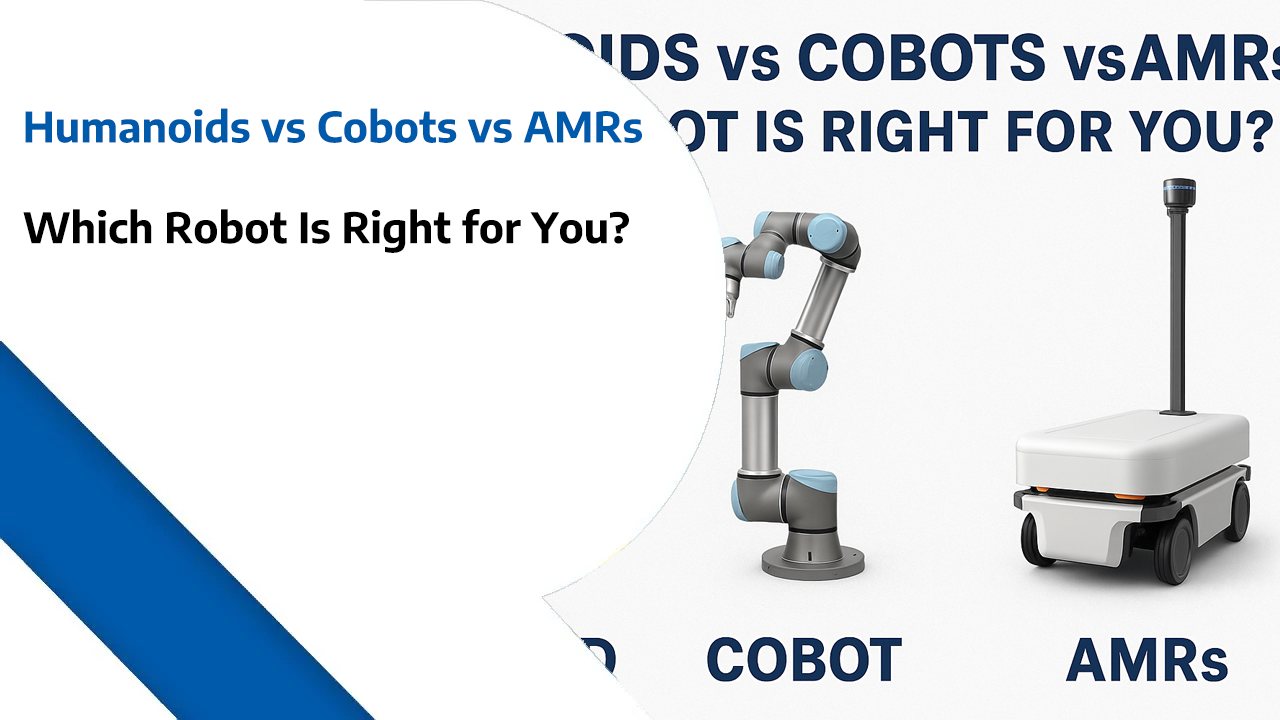
    The robotics landscape has evolved dramatically over the past decade, presenting businesses with an unprecedented array of automation solutions. As we navigate through 2025, three distinct categories of robots have emerged as game-changers across industries: Humanoid robots, Collaborative robots (Cobots), and Autonomous Mobile Robots (AMRs). Each category offers unique capabilities, advantages, and challenges that can significantly impact your operational efficiency, cost structure, and competitive positioning.

    The decision between these robotic solutions is not merely a technical one—it’s a strategic business choice that requires careful consideration of your specific operational needs, budget constraints, workforce dynamics, and long-term growth objectives. This comprehensive guide will explore the intricacies of each robot type, helping you make an informed decision that aligns with your business goals while maximizing return on investment.

    Understanding the Robot Revolution

    Before delving into the specifics of each robot category, it’s essential to understand the broader context of industrial automation. The Fourth Industrial Revolution, characterized by the integration of digital technologies with physical systems, has created unprecedented opportunities for businesses to enhance productivity, improve quality, and reduce operational costs through intelligent automation.

    Today’s robots are far more sophisticated than their predecessors. They incorporate advanced artificial intelligence, machine learning algorithms, sophisticated sensors, and intuitive programming interfaces that make them accessible to businesses of all sizes. The convergence of these technologies has created three distinct robot categories, each optimized for specific applications and operational environments.

    The global robotics market is experiencing exponential growth, with projections indicating a compound annual growth rate exceeding 12% through 2030. This growth is driven by increasing labor costs, skills shortages, demand for higher quality products, and the need for greater operational flexibility. Understanding which robot type best serves your needs is crucial for capitalizing on this technological revolution.

    Humanoid Robots: The Future Made Present

    Defining Humanoid Robotics

    Humanoid robots represent the most visually striking and conceptually ambitious category of robotic systems. These machines are designed to replicate human appearance, movement, and interaction capabilities, featuring bipedal locomotion, articulated arms and hands, and increasingly sophisticated artificial intelligence systems that enable natural language communication and complex task execution.

    The development of humanoid robots has accelerated dramatically in recent years, with companies like Boston Dynamics, Honda, Toyota, and Tesla pushing the boundaries of what’s possible in human-like automation. These robots are designed to operate in environments built for humans, using tools and equipment designed for human operation without requiring significant infrastructure modifications.

    Core Capabilities and Applications

    Modern humanoid robots excel in environments requiring human-like dexterity, mobility, and interaction capabilities. Their bipedal design allows them to navigate stairs, uneven surfaces, and confined spaces that would challenge wheeled or tracked robots. Advanced hand designs enable manipulation of delicate objects, operation of standard tools, and performance of intricate assembly tasks.

    In manufacturing environments, humanoid robots can perform quality inspections, handle fragile components, and execute complex assembly sequences that require precise hand-eye coordination. Their ability to use standard human tools means they can integrate into existing production lines without requiring specialized equipment or significant infrastructure changes.

    Service industries represent another promising application area for humanoid robots. In healthcare settings, they can assist with patient mobility, medication delivery, and basic care tasks while providing companionship and emotional support. Retail environments benefit from their ability to interact naturally with customers, provide information, and assist with product location and selection.

    The hospitality industry has begun experimenting with humanoid robots for guest services, concierge functions, and housekeeping tasks. Their human-like appearance and communication capabilities create more natural interactions compared to traditional service robots, potentially enhancing customer experience and satisfaction.

    Advantages of Humanoid Implementation

    The primary advantage of humanoid robots lies in their versatility and adaptability to human-designed environments. Unlike specialized industrial robots that require custom integration, humanoids can often be deployed in existing workspaces with minimal modification. This flexibility makes them particularly attractive for businesses with diverse operational requirements or frequently changing processes.

    Their advanced AI capabilities enable continuous learning and adaptation, allowing them to improve performance over time and take on increasingly complex tasks. Natural language processing capabilities facilitate intuitive programming and interaction, reducing the technical expertise required for operation and maintenance.

    From a public relations and marketing perspective, humanoid robots generate significant interest and can enhance a company’s image as innovative and forward-thinking. This can be particularly valuable in customer-facing applications where the robot’s presence contributes to brand differentiation and customer engagement.

    Challenges and Considerations

    Despite their impressive capabilities, humanoid robots face significant challenges that must be carefully evaluated. Cost represents the most immediate barrier, with advanced humanoid systems requiring substantial initial investments that may exceed $100,000 per unit. Ongoing maintenance, software updates, and technical support add to the total cost of ownership.

    Technical complexity presents another challenge. Humanoid robots incorporate numerous sophisticated subsystems including locomotion, manipulation, vision, hearing, and AI processing. This complexity increases the likelihood of technical issues and requires specialized expertise for maintenance and troubleshooting.

    Current limitations in battery technology restrict operational duration, requiring regular charging cycles that may impact productivity. Additionally, while humanoid robots excel at human-like tasks, they may not match the speed, strength, or precision of specialized industrial robots in specific applications.

    Safety considerations are paramount when deploying humanoid robots in human environments. Their size, weight, and mobility require comprehensive risk assessments and safety protocols to prevent accidents and ensure compliance with workplace safety regulations.

    Collaborative Robots (Cobots): Partnership in Automation

    The Cobot Revolution

    Collaborative robots, commonly known as cobots, represent a paradigm shift from traditional industrial automation. Unlike conventional industrial robots that operate in isolation behind safety barriers, cobots are specifically designed to work safely alongside human operators, creating a synergistic relationship that combines human creativity and problem-solving capabilities with robotic precision and endurance.

    The cobot market has experienced remarkable growth, driven by advances in safety technology, intuitive programming interfaces, and decreasing costs. Modern cobots incorporate sophisticated force and torque sensors, advanced vision systems, and safety-certified control systems that enable them to detect and respond to human presence, ensuring safe collaborative operation.

    Technical Specifications and Capabilities

    Contemporary cobots typically feature payload capacities ranging from 3 to 35 kilograms, with reach distances extending up to 1.8 meters. Their modular design allows for easy reconfiguration and redeployment as production requirements change. Advanced cobots incorporate six or seven degrees of freedom, providing the flexibility to navigate complex part geometries and tight spaces.

    Programming simplicity represents a key cobot advantage. Modern systems feature intuitive teach-pendant interfaces, drag-and-drop programming environments, and even hand-guidance programming methods that allow operators to physically move the robot through desired motions. This accessibility dramatically reduces the technical expertise required for deployment and operation.

    Force and torque sensing capabilities enable cobots to perform delicate assembly operations, quality inspections, and material handling tasks that require precise force control. Vision systems provide part recognition, position detection, and quality assessment capabilities that enhance operational flexibility and reliability.

    Industrial Applications and Use Cases

    Manufacturing represents the primary application domain for cobots, with particular strength in assembly operations, machine tending, packaging, and quality inspection tasks. In automotive manufacturing, cobots perform precision assembly of electronic components, apply adhesives and sealants, and conduct detailed quality inspections that require both speed and accuracy.

    Electronics manufacturing benefits from cobots’ ability to handle delicate components, perform precise placement operations, and conduct microscopic inspections. Their flexibility allows rapid changeover between product variants, supporting the high-mix, low-volume production requirements common in electronics manufacturing.

    Food and beverage industries utilize cobots for packaging operations, product sorting, and quality control tasks. Their easy-to-clean designs and food-safe materials enable deployment in sanitary environments while maintaining high hygiene standards.

    Small and medium-sized manufacturers find cobots particularly attractive due to their lower cost, easier integration, and ability to provide automation benefits without requiring large-scale infrastructure investments. This democratization of robotics technology enables smaller companies to compete more effectively with larger, more automated competitors.

    Economic and Operational Benefits

    Cobots offer compelling economic advantages through their ability to increase productivity while reducing operational costs. Their collaborative nature eliminates the need for safety barriers and isolation systems, reducing installation costs and space requirements. Quick deployment times, often measured in days rather than months, accelerate return on investment realization.

    Labor augmentation rather than replacement represents a key cobot benefit. By handling repetitive, ergonomically challenging, or precision-critical tasks, cobots enable human workers to focus on higher-value activities requiring creativity, problem-solving, and complex decision-making. This approach can improve job satisfaction while increasing overall productivity.

    Flexibility and reusability provide long-term value. Cobots can be easily reprogrammed and redeployed as production requirements change, protecting automation investments and supporting business agility. This adaptability is particularly valuable in industries with seasonal demand variations or frequent product changes.

    Limitations and Deployment Considerations

    Despite their advantages, cobots have limitations that must be considered during selection and deployment. Speed represents a primary constraint, as safety requirements limit operational velocity when humans are present in the workspace. Applications requiring high-speed operation may be better served by traditional industrial robots operating in isolated cells.

    Payload limitations restrict cobot applications to lighter components and assemblies. Heavy-duty applications requiring manipulation of large, heavy parts may require traditional industrial robots or specialized lifting equipment.

    Programming simplicity, while advantageous for basic applications, may limit cobots’ suitability for highly complex operations requiring sophisticated motion control, complex logic, or integration with multiple external systems. Such applications may benefit from more traditional automation approaches with dedicated programming expertise.

    Autonomous Mobile Robots (AMRs): Mobility Meets Intelligence

    AMR Technology Fundamentals

    Autonomous Mobile Robots represent the convergence of advanced navigation technology, artificial intelligence, and mobile robotics. Unlike their predecessors, Automated Guided Vehicles (AGVs), which follow predefined paths using magnetic strips or wire guidance, AMRs navigate dynamically using sophisticated sensor arrays, mapping algorithms, and real-time path planning.

    Modern AMRs incorporate multiple navigation technologies including LiDAR (Light Detection and Ranging), computer vision, ultrasonic sensors, and inertial measurement units. These sensors create detailed environmental maps and enable real-time obstacle detection and avoidance. Advanced algorithms process this sensor data to generate optimal paths, adapt to changing conditions, and coordinate with other robots and human workers.

    The integration of artificial intelligence enables AMRs to learn from their environment, optimize routes over time, and adapt to changing operational conditions. Fleet management software coordinates multiple robots, optimizes task allocation, and provides comprehensive operational analytics.

    Navigation and Intelligence Systems

    Contemporary AMR navigation systems employ Simultaneous Localization and Mapping (SLAM) algorithms that continuously update environmental maps while determining the robot’s precise position. This technology enables operation in dynamic environments where obstacles, equipment, and personnel locations change frequently.

    Multi-sensor fusion combines data from various sensors to create robust, reliable navigation capabilities. LiDAR sensors provide precise distance measurements and object detection, while cameras enable visual recognition of landmarks, signs, and specific objects. Ultrasonic sensors detect glass, reflective surfaces, and other materials that may challenge optical sensors.

    Path planning algorithms consider multiple factors including distance, traffic patterns, floor conditions, and priority levels to determine optimal routes. Dynamic re-routing capabilities enable real-time response to obstacles, traffic congestion, or changing priorities without human intervention.

    Safety systems incorporate multiple redundant sensors and fail-safe mechanisms to ensure safe operation around humans and equipment. Emergency stop capabilities, collision avoidance systems, and speed regulation based on proximity to humans ensure compliance with safety standards and regulations.

    Application Domains and Use Cases

    Warehouse and distribution centers represent the largest application domain for AMRs, where they excel at goods-to-person picking, inventory transport, and cross-docking operations. Their ability to navigate complex warehouse layouts, adapt to changing inventory configurations, and integrate with warehouse management systems makes them ideal for modern e-commerce fulfillment operations.

    Manufacturing facilities utilize AMRs for material delivery, work-in-process transport, and finished goods handling. Their flexibility enables support for just-in-time manufacturing processes, reducing inventory levels while ensuring material availability. Integration with manufacturing execution systems enables synchronized material delivery that supports lean manufacturing principles.

    Healthcare environments benefit from AMRs for medication delivery, laboratory sample transport, and supply distribution. Their ability to navigate hospital corridors, operate elevators, and interface with electronic health records systems enables seamless integration into healthcare workflows while reducing staff workload and improving efficiency.

    Retail applications include inventory management, stock replenishment, and customer service functions. AMRs can conduct automated inventory audits, identify out-of-stock conditions, and guide customers to specific products. Their ability to operate during business hours without disrupting customer experience makes them particularly valuable in retail environments.

    Operational Advantages and Benefits

    AMRs provide significant operational advantages through their ability to operate continuously without fatigue, maintain consistent performance levels, and adapt to changing operational requirements. Their autonomous nature reduces labor costs while improving operational reliability and predictability.

    Scalability represents a key AMR advantage. Organizations can start with a small fleet and expand as requirements grow, with fleet management software automatically optimizing task allocation and coordination. This scalability enables gradual automation implementation that aligns with business growth and changing requirements.

    Data collection and analytics capabilities provide valuable operational insights. AMRs continuously gather data on travel times, traffic patterns, task completion rates, and system performance. This information enables process optimization, bottleneck identification, and predictive maintenance scheduling.

    Flexibility and adaptability enable AMRs to support changing operational requirements without requiring infrastructure modifications. Unlike fixed automation systems, AMRs can be reprogrammed, redeployed, and reconfigured to support new processes or facility layouts.

    Challenges and Implementation Considerations

    Despite their advantages, AMRs face challenges that must be addressed during selection and implementation. Initial costs can be substantial, particularly for larger fleets, with additional expenses for fleet management software, charging infrastructure, and integration with existing systems.

    Environmental requirements may limit AMR deployment in certain applications. Extreme temperatures, high humidity, dusty conditions, or chemical exposure may require specialized designs or protective measures. Floor conditions, including surface materials, cleanliness, and levelness, can impact navigation accuracy and reliability.

    Integration complexity increases with the sophistication of existing systems. AMRs must interface with warehouse management systems, enterprise resource planning software, and other operational systems. This integration requires technical expertise and may involve custom software development.

    Change management represents a significant implementation challenge. AMR deployment often requires modifications to existing processes, staff training, and cultural adaptation to human-robot collaboration. Successful implementation requires comprehensive planning, stakeholder engagement, and ongoing support.

    Comparative Analysis: Making the Right Choice

    Performance Characteristics Comparison

    When evaluating these three robot categories, performance characteristics vary significantly based on specific application requirements. Humanoid robots excel in tasks requiring human-like dexterity, mobility, and interaction capabilities but may lack the speed and precision of specialized systems. Their versatility comes at the cost of optimization for specific tasks.

    Cobots provide an optimal balance of capability and accessibility for many manufacturing applications. Their collaborative nature enables human-robot cooperation while maintaining high precision and reliability. However, their safety-oriented design limits operational speed and payload capacity compared to traditional industrial robots.

    AMRs dominate mobility-focused applications, providing unmatched flexibility in material handling and transport operations. Their autonomous navigation capabilities enable operation in dynamic environments, but they lack manipulation capabilities without additional end-effector integration.

    Cost Analysis and Return on Investment

    Cost structures differ significantly among robot categories, impacting selection decisions and financial planning. Humanoid robots typically require the highest initial investment, with advanced systems costing $100,000 or more. However, their versatility may justify higher costs in applications requiring multiple capabilities.

    Cobots offer attractive cost-benefit ratios for many applications, with systems starting around $25,000-$50,000. Their quick deployment and low integration costs often result in rapid payback periods, particularly in high-labor-cost environments or applications with ergonomic challenges.

    AMRs present scalable cost structures, with individual units ranging from $20,000 to $100,000 depending on capabilities and payload requirements. Fleet deployments benefit from economies of scale, and modular expansion enables gradual investment scaling with business growth.

    Return on investment calculations must consider not only initial costs but also ongoing operational expenses, maintenance requirements, and productivity improvements. Labor cost savings, quality improvements, and increased throughput often justify robot investments within 12-24 months.

    Integration and Deployment Complexity

    Integration complexity varies significantly among robot types, impacting deployment timelines, resource requirements, and ongoing support needs. Humanoid robots often require minimal infrastructure modifications but may need extensive programming and training to achieve desired performance levels.

    Cobots are designed for easy integration, with many systems operational within days of installation. Their intuitive programming interfaces and safety-certified designs reduce technical requirements and accelerate deployment schedules.

    AMRs require more complex integration with existing systems but offer greater operational impact once deployed. Fleet management software, charging infrastructure, and system integration typically extend deployment timelines but provide comprehensive operational capabilities.

    Scalability and Future-Proofing

    Scalability considerations are crucial for long-term success and investment protection. Humanoid robots offer excellent versatility but may require significant investment for each additional unit. Their general-purpose design provides flexibility but may not optimize costs for specific applications.

    Cobots provide excellent scalability within manufacturing environments, with standardized interfaces and programming approaches enabling rapid expansion. Their modular design supports reconfiguration and redeployment as requirements change.

    AMRs excel in scalable deployment scenarios, with fleet management software automatically optimizing operations as additional units are added. Their modular design and standardized interfaces support gradual expansion and capability enhancement.

    Industry-Specific Recommendations

    Manufacturing Sector

    Manufacturing environments present diverse automation opportunities that align differently with each robot category. Assembly operations requiring precision and flexibility often benefit most from cobot implementation. Their collaborative nature enables human oversight and intervention while providing consistent quality and reduced cycle times.

    Heavy manufacturing applications may favor traditional industrial robots over humanoids or cobots due to payload and speed requirements. However, finishing operations, inspection tasks, and small-parts assembly are well-suited to cobot implementation.

    Material handling and logistics within manufacturing facilities represent ideal AMR applications. Their ability to coordinate with manufacturing execution systems and adapt to production schedule changes provides significant operational advantages.

    Healthcare Industry

    Healthcare applications require careful consideration of regulatory requirements, hygiene standards, and patient safety protocols. Humanoid robots show promise for patient interaction, mobility assistance, and basic care tasks, but require extensive validation and regulatory approval.

    AMRs excel in healthcare logistics, including medication delivery, laboratory sample transport, and supply chain management. Their ability to navigate complex healthcare facilities and integrate with existing information systems provides significant operational benefits.

    Cobots may find applications in pharmaceutical manufacturing, medical device assembly, and laboratory automation where precision and consistency are critical.

    Logistics and Warehousing

    The logistics sector represents the most mature application domain for AMRs, with proven benefits in order fulfillment, inventory management, and cross-docking operations. Their autonomous navigation capabilities and fleet coordination provide compelling advantages over traditional automation approaches.

    Humanoid robots may find niche applications in exception handling, quality inspection, and customer service functions within logistics facilities. However, their higher costs and complexity may limit widespread adoption compared to specialized solutions.

    Cobots can support packaging operations, order assembly, and quality control tasks within logistics facilities, particularly for high-value or fragile items requiring careful handling.

    Service Industries

    Service sector applications favor robots with strong interaction capabilities and attractive appearance. Humanoid robots excel in customer-facing roles, information services, and hospitality functions where natural interaction is valuable.

    AMRs provide excellent solutions for housekeeping, supply delivery, and facility maintenance tasks in service environments. Their autonomous operation and ability to work during off-hours provide significant operational advantages.

    Cobots may find limited applications in service industries, primarily in back-of-house operations requiring precision or consistency that benefits from automation.

    Implementation Strategy and Best Practices

    Assessment and Planning Phase

    Successful robot implementation begins with comprehensive assessment of current operations, identification of automation opportunities, and clear definition of success metrics. This assessment should consider not only technical feasibility but also economic justification, organizational readiness, and strategic alignment with business objectives.

    Process mapping and analysis identify specific tasks and workflows that benefit most from automation. Consideration of labor availability, cost trends, quality requirements, and safety concerns helps prioritize automation opportunities and guide robot selection.

    Stakeholder engagement throughout the assessment phase ensures organizational buy-in and addresses concerns or resistance to automation. Clear communication about automation goals, expected benefits, and impact on existing roles is essential for successful implementation.

    Selection Criteria and Decision Framework

    Robot selection should employ a structured decision framework that considers multiple factors including technical requirements, economic justification, integration complexity, and long-term strategic fit. Weighted scoring methods can help quantify and compare different options objectively.

    Technical requirements must align with operational needs, environmental conditions, and performance expectations. Payload requirements, precision needs, cycle time expectations, and integration capabilities should be clearly defined and evaluated against robot specifications.

    Economic analysis should consider total cost of ownership including initial purchase price, installation costs, training expenses, ongoing maintenance, and expected productivity improvements. Sensitivity analysis helps understand how changing assumptions impact investment attractiveness.

    Deployment and Integration Best Practices

    Successful robot deployment requires careful project management, comprehensive planning, and systematic approach to integration. Pilot implementations allow validation of assumptions, identification of issues, and refinement of processes before full-scale deployment.

    Training programs should address both technical operation and safety procedures. Operators, maintenance personnel, and supervisors require different levels of training tailored to their specific roles and responsibilities.

    Change management processes help organizations adapt to new technology and modified workflows. Communication, training, and support systems are essential for smooth transition and sustained success.

    Performance Monitoring and Optimization

    Ongoing performance monitoring ensures robots meet operational expectations and identifies optimization opportunities. Key performance indicators should align with business objectives and include productivity metrics, quality measures, and operational efficiency indicators.

    Predictive maintenance programs leverage robot data and analytics to optimize maintenance schedules, reduce unplanned downtime, and extend equipment life. Regular software updates and capability enhancements maintain optimal performance over time.

    Continuous improvement processes identify opportunities for enhanced performance, expanded applications, and additional automation opportunities. Regular assessment of changing requirements and technological advances ensures sustained competitive advantage.

    Future Outlook and Emerging Trends

    Technological Advancement Trajectories

    The robotics industry continues to evolve rapidly, with advances in artificial intelligence, sensor technology, and materials science driving new capabilities and applications. Machine learning algorithms enable robots to adapt and improve performance over time, while advanced sensors provide enhanced environmental awareness and safety.

    Humanoid robots are becoming more capable and cost-effective, with improvements in battery technology, actuator efficiency, and manufacturing processes. Integration of large language models and advanced AI is enhancing their interaction capabilities and expanding potential applications.

    Cobot technology is advancing toward greater intelligence, improved safety systems, and enhanced ease of use. Vision systems, force sensing, and AI integration are expanding cobot capabilities while maintaining their collaborative advantages.

    AMR technology is evolving toward greater autonomy, improved navigation accuracy, and enhanced fleet coordination. Integration with Internet of Things (IoT) systems and advanced analytics provides new optimization opportunities and operational insights.

    Market Evolution and Adoption Trends

    The robotics market is experiencing democratization, with decreasing costs and improved accessibility enabling adoption by smaller organizations. Robot-as-a-Service models provide new deployment options that reduce initial investment barriers and provide predictable operational costs.

    Industry 4.0 initiatives are driving integrated automation approaches that combine multiple robot types with digital systems and data analytics. This integration creates new opportunities for optimized operations and enhanced competitive advantage.

    Labor market trends including skills shortages, aging workforce demographics, and increasing labor costs are accelerating robot adoption across multiple industries. Organizations are increasingly viewing automation as strategic necessity rather than optional enhancement.

    Strategic Implications for Business

    Organizations must develop comprehensive automation strategies that align with long-term business objectives and competitive positioning. This includes not only technology selection but also workforce development, process optimization, and organizational capability building.

    Investment in robotics requires long-term perspective and commitment to ongoing capability development. Organizations that approach automation strategically and systematically are most likely to achieve sustained competitive advantage.

    Partnership with experienced automation providers, system integrators, and technology vendors can accelerate successful implementation and optimize investment returns. These relationships provide access to expertise, support services, and emerging technologies.

    Expert Consultation and Professional Services

    The Value of Professional Guidance

    Navigating the complex landscape of robotics technology requires specialized expertise and deep understanding of both technical capabilities and business applications. Professional consultation services provide invaluable guidance in technology selection, implementation planning, and optimization strategies.

    Expert consultants bring cross-industry experience, technical depth, and objective perspective to robot selection and implementation decisions. Their involvement can significantly reduce implementation risks, accelerate deployment timelines, and optimize long-term returns on automation investments.

    The rapidly evolving nature of robotics technology makes it challenging for organizations to maintain current knowledge of capabilities, costs, and best practices. Professional services provide access to latest developments and proven implementation methodologies.

    Comprehensive Service Offerings

    Robot Philosophy offers comprehensive consultation services covering all aspects of robotics implementation from initial assessment through ongoing optimization. Our experienced consultants work closely with clients to understand specific requirements, evaluate options, and develop implementation strategies that maximize value and minimize risk.

    Our assessment services provide detailed analysis of automation opportunities, technology options, and implementation requirements. We employ proven methodologies to evaluate technical feasibility, economic justification, and organizational readiness for successful robot deployment.

    Implementation support services guide clients through every phase of robot deployment including vendor selection, system integration, training programs, and performance optimization. Our experienced team ensures smooth transitions and rapid achievement of projected benefits.

    Specialized Recruitment Services

    The success of robotics implementations depends heavily on having skilled personnel who understand both the technology and its application to specific business requirements. Robot Philosophy’s specialized recruitment services connect organizations with qualified robotics professionals including engineers, technicians, operators, and managers.

    Our extensive network of robotics professionals spans multiple industries and application domains. We understand the unique skills and experience required for different types of robot implementations and can identify candidates who best fit specific organizational needs and culture.

    Recruitment services include position definition, candidate identification and screening, interview coordination, and onboarding support. Our thorough understanding of robotics technology and applications ensures accurate matching of candidate capabilities with position requirements.

    Getting Started

    Organizations considering robotics implementation benefit from early engagement with experienced professionals who can provide guidance, reduce risks, and optimize outcomes. Robot Philosophy’s consultation services begin with comprehensive assessment of your specific situation, requirements, and objectives.

    Our initial consultation process identifies automation opportunities, evaluates technology options, and develops preliminary implementation strategies. This assessment provides the foundation for informed decision-making and successful robot deployment.

    Contact Robot Philosophy today to schedule your consultation and begin your journey toward successful robotics implementation. Our experienced team is ready to help you navigate the complex world of robotics technology and achieve your automation objectives.

    Contact Information:

    Conclusion

    The choice between humanoid robots, cobots, and AMRs represents a critical strategic decision that can significantly impact your organization’s competitiveness, operational efficiency, and long-term success. Each robot category offers unique advantages and capabilities that align with different operational requirements and business objectives.

    Humanoid robots provide unmatched versatility and human-like interaction capabilities but require substantial investment and careful application selection. Cobots offer excellent balance of capability, cost, and ease of implementation for manufacturing applications requiring human-robot collaboration. AMRs excel in mobility-focused applications and provide scalable solutions for material handling and logistics operations.

    Successful robot implementation requires more than technology selection—it demands comprehensive planning, stakeholder engagement, and ongoing optimization. Organizations that approach robotics strategically, with professional guidance and long-term perspective, are most likely to achieve sustained competitive advantage and maximize return on automation investments.

    The robotics industry will continue evolving rapidly, with new capabilities, applications, and business models emerging regularly. Staying current with these developments and maintaining flexibility in automation strategies is essential for long-term success.

    Whether you’re just beginning to explore robotics options or ready to implement comprehensive automation solutions, professional guidance can significantly improve outcomes and reduce risks. Robot Philosophy’s comprehensive services and deep expertise provide the support needed for successful robotics implementation and optimization.

    Take the first step toward transforming your operations with robotics technology. Contact Robot Philosophy today to discuss your specific requirements and explore how the latest robotics innovations can drive your business success.


    Article sponsored by:

    Robot Center – Your premier destination for robot procurement, consultation, and robotics consultancy services. From initial assessment to full implementation, Robot Center provides comprehensive solutions for all your robotics needs.

    Robots of London – Leading provider of robot hire, rental, and event services. Whether you need short-term robot deployment, demonstration units, or robots for special events, Robots of London delivers flexible solutions tailored to your requirements.

    Robot Philosophy – Expert robotics consultancy and recruitment services combining deep technical knowledge with practical business insight. From strategic planning to implementation support and specialized staffing solutions, Robot Philosophy guides organizations through every aspect of successful robotics adoption.

    For professional guidance on your robotics journey, contact Robot Philosophy at info@robophil.com or call 0845 528 0404 to schedule your consultation.

     
  • $1 Trillion AI & Robotics City in Arizona? – SoftBank’s Bold Plan Explained!

    $1 Trillion AI & Robotics City in Arizona? – SoftBank’s Bold Plan Explained!

    $1 Trillion AI & Robotics City in Arizona? – SoftBank’s Bold Plan Explained!


    SoftBank’s Masayoshi Son is back with another bold vision—this time, a $1 trillion AI and robotics complex in Arizona.

    He’s raised the idea with US commerce secretary Howard Lutnick and hopes to bring in tech giant TSMC, the world’s largest chipmaker. The concept includes a potential free-trade zone and major tax incentives to lure high-tech manufacturing to US soil.

    It’s ambitious, yes—but not out of character for Son, who’s already committed $500 billion to “Project Stargate,” a plan to scale up US AI infrastructure with OpenAI, Oracle, and Abu Dhabi’s MGX.

    SoftBank is reportedly in talks with federal and local politicians, though the final shape of the project will depend on who signs up. TSMC hasn’t officially commented, and Son’s still working the room.

    From Silicon Valley to Silicon Desert? If Son’s track record is anything to go by, don’t bet against it.


    And that’s your robot news update for today!
    If you’re curious about how robotics can transform your business, join me for the weekly Live Robot Optimise Workshop — it’s packed with insights, trends, and practical tips. Don’t forget to subscribe so you stay in the loop with all the latest updates.

    I’m RoboPhil from Robot Philosophy — thanks for watching, and I’ll see you next time!


    Join our Robot Optimise Industry (ROI) Workshop: https://robophil.com/workshop


    Sponsors:-


    Robot Center: – https://robotcenter.co.uk/ – Buy Robot, Robot Buy, Robot consultancy, Robotics Consultancy


    Robots of London: – https://robotsoflondon.co.uk/ – Robot Hire, Robot Rental, Rent Robot, Hire Robot, Robot Events


    Robot Philosophy: – https://robophil.com/ – Robot Consultancy AND Robot Recruitment, Robot Advice, Robot Insights, Robot Ideas