Author: Philip English

  • This Solar-Powered Robot Destroys Weeds Without Chemicals – Farming’s AI Revolution Begins!

    This Solar-Powered Robot Destroys Weeds Without Chemicals – Farming’s AI Revolution Begins!

    This Solar-Powered Robot Destroys Weeds Without Chemicals – Farming’s AI Revolution Begins!


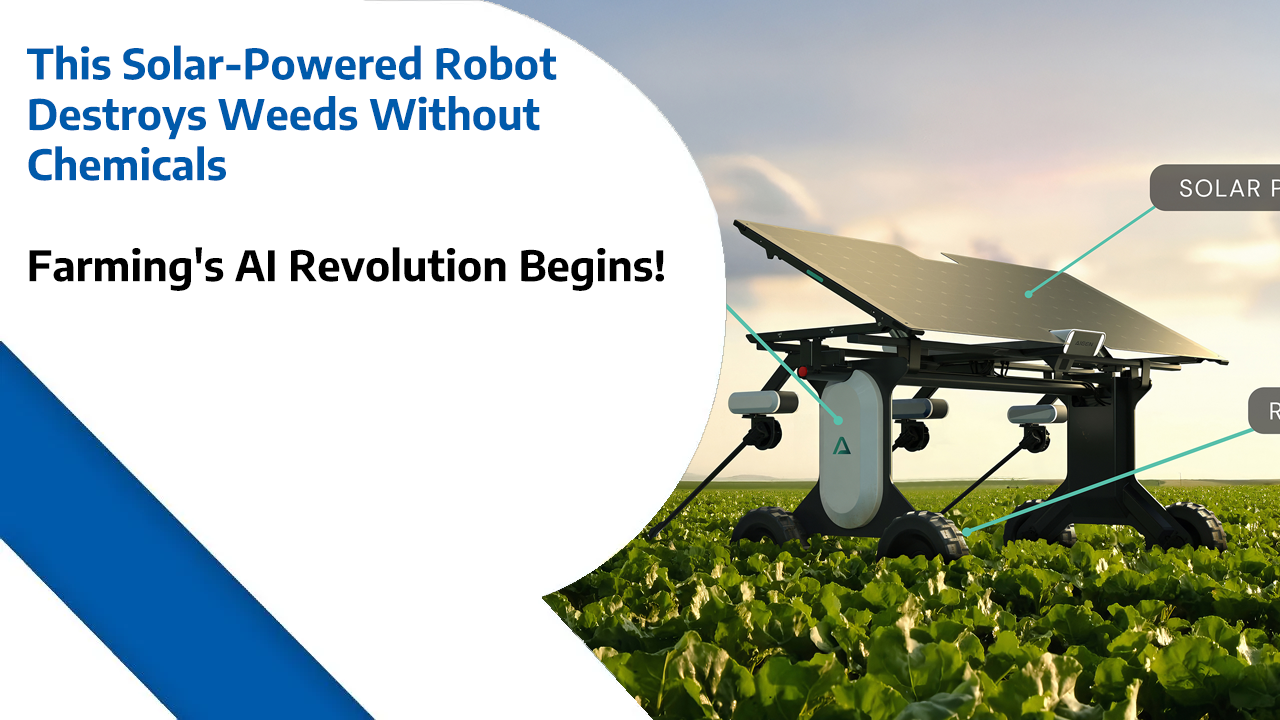
    Out in the sun-drenched fields of California, a new kind of farmhand is on duty. It’s not human, it doesn’t use fuel, and it certainly doesn’t need a lunch break. It’s the Element robot from Aigen — a solar-powered, AI-guided weeding machine helping farmers tackle one of agriculture’s oldest problems… without chemicals.

    With fewer people willing to do manual weeding and herbicides losing their edge against stubborn weeds, farmers have been in a bit of a bind. That’s where Aigen steps in. Their mission? Replace chemicals with clean tech.

    The Element robot runs entirely on solar power and uses onboard AI to identify and eliminate weeds — accurately and efficiently — without harming the crops. It’s already working in cotton, soy, and sugar beet fields, and it’s tough enough to handle rough terrain and unpredictable weather.

    At Bowles Farm in California, these robots are delivering results today — reducing chemical use, cutting labour costs, and collecting valuable crop data along the way.

    So, while it might not wear overalls, this robot is bringing real muscle to modern farming — and doing it all under the power of the sun.


    And that’s your robot news update for today!
    If you’re curious about how robotics can transform your business, join me for the weekly Live Robot Optimise Workshop — it’s packed with insights, trends, and practical tips. Don’t forget to subscribe so you stay in the loop with all the latest updates.

    I’m RoboPhil from Robot Philosophy — thanks for watching, and I’ll see you next time!


    Join our Robot Optimise Industry (ROI) Workshop: https://robophil.com/workshop


    Sponsors:-


    Robot Center: – https://robotcenter.co.uk/ – Buy Robot, Robot Buy, Robot consultancy, Robotics Consultancy


    Robots of London: – https://robotsoflondon.co.uk/ – Robot Hire, Robot Rental, Rent Robot, Hire Robot, Robot Events


    Robot Philosophy: – https://robophil.com/ – Robot Consultancy AND Robot Recruitment, Robot Advice, Robot Insights, Robot Ideas


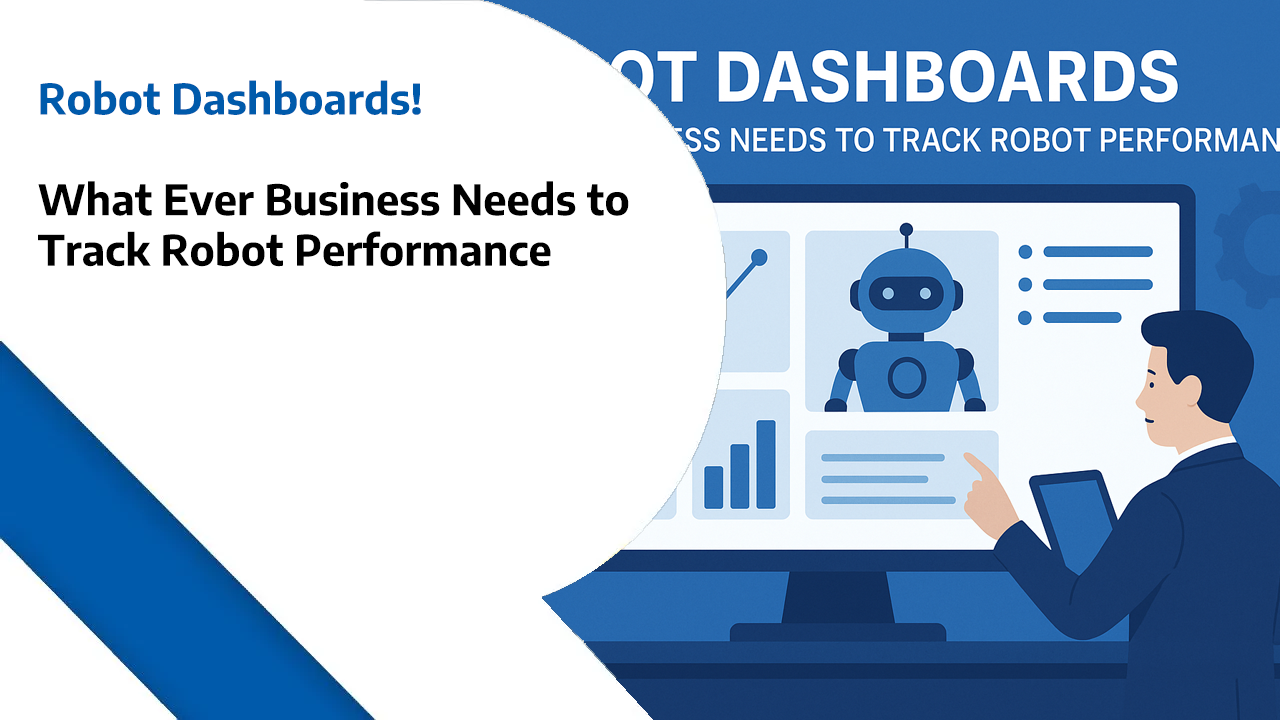
  • Robot Dashboards – What Ever Business Needs to Track Robot Performance

    Robot Dashboards – What Ever Business Needs to Track Robot Performance

    Robot Dashboards – What Every Business Needs to Track Robot Performance

    Sponsored by Robot Center, Robots of London, and Robot Philosophy

    The integration of robotics into business operations has moved beyond the realm of science fiction and into the heart of modern enterprise. As organizations increasingly deploy robotic systems across manufacturing floors, warehouses, customer service centers, and beyond, the need for comprehensive performance monitoring has become paramount. Robot dashboards serve as the critical interface between human operators and automated systems, providing real-time insights that drive operational excellence and strategic decision-making.

    The Evolution of Robot Performance Monitoring

    The landscape of robotic deployment has transformed dramatically over the past decade. What once required specialized engineering teams and months of configuration can now be implemented with intuitive dashboard solutions that provide immediate visibility into robot performance metrics. This evolution reflects a broader shift in how businesses approach automation – from viewing robots as isolated tools to understanding them as integrated components of a comprehensive operational ecosystem.

    Modern robot dashboards represent the convergence of artificial intelligence, Internet of Things (IoT) connectivity, and advanced data analytics. They provide stakeholders at every level of an organization with the information needed to optimize robot performance, predict maintenance requirements, and maximize return on investment. The sophistication of these systems has reached a point where they can anticipate potential issues before they occur, automatically adjust operational parameters, and provide actionable insights that drive continuous improvement.

    Essential Performance Metrics Every Business Must Track

    Operational Efficiency Indicators

    The foundation of effective robot performance monitoring begins with operational efficiency metrics. These indicators provide immediate insight into how well robotic systems are performing their designated tasks. Cycle time measurement stands as perhaps the most fundamental metric, tracking the time required for robots to complete specific operations. This data enables businesses to identify bottlenecks, optimize workflows, and establish realistic production targets.

    Throughput analysis extends beyond simple cycle time measurement to encompass the total volume of work completed within specific timeframes. This metric proves particularly valuable for organizations operating in high-volume environments where even marginal improvements in efficiency can translate to significant cost savings and competitive advantages.

    Error rates and accuracy measurements provide critical insights into the quality of robotic performance. These metrics help identify patterns in operational failures, enabling proactive adjustments to programming, maintenance schedules, or environmental conditions. The ability to track accuracy over time also supports compliance requirements in regulated industries where precision is paramount.

    System Health and Maintenance Metrics

    Predictive maintenance has emerged as one of the most valuable applications of robot dashboard technology. By monitoring system health indicators such as motor temperature, vibration levels, and power consumption patterns, businesses can identify potential failures before they result in costly downtime. These metrics enable maintenance teams to schedule interventions during planned downtime periods, minimizing disruption to operations.

    Battery performance tracking for mobile robots provides insights into energy consumption patterns and helps optimize charging schedules. This data proves particularly valuable for organizations operating large fleets of autonomous vehicles or service robots, where efficient energy management directly impacts operational costs and system availability.

    Component wear monitoring extends the concept of predictive maintenance to individual robot subsystems. By tracking the performance degradation of specific components over time, businesses can optimize replacement schedules, reduce inventory requirements, and improve overall system reliability.

    Safety and Compliance Monitoring

    Safety metrics represent a critical component of robot performance monitoring, particularly in environments where robots work alongside human employees. Collision detection systems, emergency stop activation frequencies, and safety zone violations provide essential data for maintaining safe working conditions. These metrics also support compliance with occupational safety regulations and help identify areas where additional safety measures may be required.

    Environmental monitoring capabilities enable robots to adapt to changing conditions while maintaining performance standards. Temperature, humidity, and air quality sensors provide data that helps optimize robot operation in diverse environments while ensuring compliance with industry-specific regulations.

    Real-Time Monitoring vs. Historical Analysis

    The most effective robot dashboards provide both real-time monitoring capabilities and comprehensive historical analysis tools. Real-time monitoring enables immediate response to operational issues, allowing supervisors to make rapid adjustments to maintain production targets or address safety concerns. This immediate feedback loop proves essential for maintaining consistent performance in dynamic operational environments.

    Historical analysis capabilities provide deeper insights into long-term performance trends, enabling strategic decision-making about robot deployment, capacity planning, and system optimization. By analyzing performance data over extended periods, businesses can identify seasonal patterns, evaluate the impact of operational changes, and make informed decisions about future automation investments.

    The integration of machine learning algorithms into dashboard systems enables predictive analytics that can forecast future performance based on historical patterns. This capability allows businesses to proactively address potential issues and optimize robot performance before problems arise.

    Customization for Different Industries

    Manufacturing Applications

    Manufacturing environments present unique challenges for robot performance monitoring, requiring dashboards that can track complex production metrics while maintaining visibility into quality control processes. Manufacturing-focused dashboards typically emphasize production rate monitoring, quality metrics, and integration with existing Manufacturing Execution Systems (MES) and Enterprise Resource Planning (ERP) platforms.

    Quality control integration enables real-time monitoring of product specifications, defect rates, and compliance with manufacturing standards. This capability proves particularly valuable in industries where product quality directly impacts safety or regulatory compliance requirements.

    Logistics and Warehousing

    Warehousing and logistics operations require dashboards that can manage multiple robot types simultaneously, from autonomous mobile robots (AMRs) to automated storage and retrieval systems. These environments typically emphasize metrics related to inventory accuracy, order fulfillment speed, and warehouse capacity utilization.

    Fleet management capabilities enable coordinated operation of multiple robots, optimizing task allocation and minimizing conflicts in shared spaces. This coordination proves essential for maintaining efficient operations in high-density warehouse environments.

    Healthcare and Service Industries

    Healthcare applications of robotic systems require specialized monitoring capabilities that emphasize patient safety, regulatory compliance, and service quality metrics. These dashboards must integrate with existing healthcare information systems while providing the specialized monitoring capabilities required for medical environments.

    Service robot monitoring focuses on customer interaction quality, task completion rates, and system availability during peak service periods. These metrics help optimize robot deployment in customer-facing environments while ensuring consistent service delivery.

    Integration with Existing Business Systems

    Modern robot dashboards must seamlessly integrate with existing business systems to provide comprehensive operational visibility. Enterprise Resource Planning (ERP) integration enables robot performance data to be incorporated into broader business intelligence systems, providing stakeholders with a complete view of operational performance.

    Manufacturing Execution System (MES) integration ensures that robot performance data is incorporated into production planning and quality control processes. This integration enables more accurate production forecasting and helps identify opportunities for process optimization.

    Customer Relationship Management (CRM) integration proves particularly valuable for service robots, enabling performance data to be linked to customer satisfaction metrics and service quality indicators. This integration provides insights into how robotic systems impact customer experience and business outcomes.

    The Human Element in Robot Dashboard Design

    Despite the advanced technology underlying robot dashboards, the human element remains critical to their effectiveness. Dashboard design must prioritize user experience, ensuring that complex performance data is presented in intuitive, actionable formats. The most successful implementations focus on providing relevant information to different user types, from shop floor operators to executive management.

    Training and change management considerations play a crucial role in dashboard adoption. Organizations must invest in comprehensive training programs that help employees understand how to interpret dashboard data and take appropriate action based on performance insights. This human-centered approach ensures that technological capabilities translate into operational improvements.

    Future Trends in Robot Performance Monitoring

    The future of robot dashboard technology promises even more sophisticated capabilities, with artificial intelligence and machine learning playing increasingly important roles in performance optimization. Predictive analytics will become more accurate, enabling businesses to anticipate and prevent operational issues with greater precision.

    Edge computing capabilities will enable more sophisticated real-time analysis, reducing latency and improving response times for critical operational decisions. This technology will prove particularly valuable for applications requiring immediate responses to changing conditions.

    Cloud-based dashboard solutions will continue to evolve, providing greater scalability and enabling more sophisticated data analytics capabilities. These solutions will make advanced robot monitoring capabilities accessible to organizations of all sizes, democratizing access to sophisticated automation management tools.

    Maximizing Return on Investment

    The implementation of comprehensive robot dashboard systems represents a significant investment in operational excellence. Organizations that approach this investment strategically, focusing on metrics that align with business objectives and operational requirements, achieve the greatest returns. The key lies in selecting dashboard solutions that can grow with organizational needs while providing immediate value through improved operational visibility.

    Regular performance reviews and dashboard optimization ensure that monitoring systems continue to provide value as operational requirements evolve. This ongoing optimization process helps organizations maximize their return on automation investments while maintaining competitive advantages in their respective markets.

    Conclusion

    Robot dashboards have evolved from nice-to-have monitoring tools to essential components of modern automated operations. The ability to track, analyze, and optimize robot performance in real-time provides businesses with unprecedented opportunities to improve operational efficiency, reduce costs, and maintain competitive advantages in increasingly automated markets.

    The organizations that will thrive in the age of automation are those that invest in comprehensive robot monitoring capabilities while maintaining focus on the human elements that drive successful implementation. By combining advanced technology with thoughtful design and comprehensive training, businesses can unlock the full potential of their robotic investments.


    Ready to Optimize Your Robot Performance?

    Implementing effective robot dashboard solutions requires specialized expertise and deep understanding of both robotic systems and business operations. Whether you’re planning your first robotic deployment or optimizing existing automated systems, professional guidance can make the difference between successful implementation and costly mistakes.

    Robot Philosophy offers comprehensive robot consulting services designed to help businesses maximize their automation investments. Our team of experienced robotics professionals provides:

    • Robot Consultancy Services: Strategic planning and implementation guidance for robotic systems
    • Robot Recruitment Services: Specialized talent acquisition for robotics and automation roles
    • Performance Optimization: Dashboard design and implementation services tailored to your specific needs
    • Ongoing Support: Continuous monitoring and optimization of robotic systems

    Don’t let your automation investment underperform. Contact our expert team today to discuss how we can help you implement effective robot monitoring solutions that drive real business results.

    Contact Information:

    • Email: info@robophil.com
    • Phone: 0845 528 0404
    • Book a consultation call to discuss your specific requirements

    Article Sponsors

    This article is proudly sponsored by leading robotics solution providers:

    Robot Center – Your comprehensive destination for robot procurement and consultancy services. Whether you’re looking to buy robots, need expert robotics consultancy, or require guidance on robot selection, Robot Center provides the expertise and solutions you need.

    Robots of London – London’s premier robot hire and rental service. From corporate events to temporary operational needs, Robots of London offers flexible robot rental solutions that let you experience robotic capabilities without long-term commitments.

    Robot Philosophy – Combining deep robotics expertise with strategic business insight, Robot Philosophy offers comprehensive robot consultancy and recruitment services. From initial planning to ongoing optimization, we help businesses navigate the complex world of automation with confidence and success.

     
  • Hugging Face’s NEW Reachy Mini Robot – Open-Source AI You Can Build at Home!

    Hugging Face’s NEW Reachy Mini Robot – Open-Source AI You Can Build at Home!

    Hugging Face’s NEW Reachy Mini Robot – Open-Source AI You Can Build at Home!


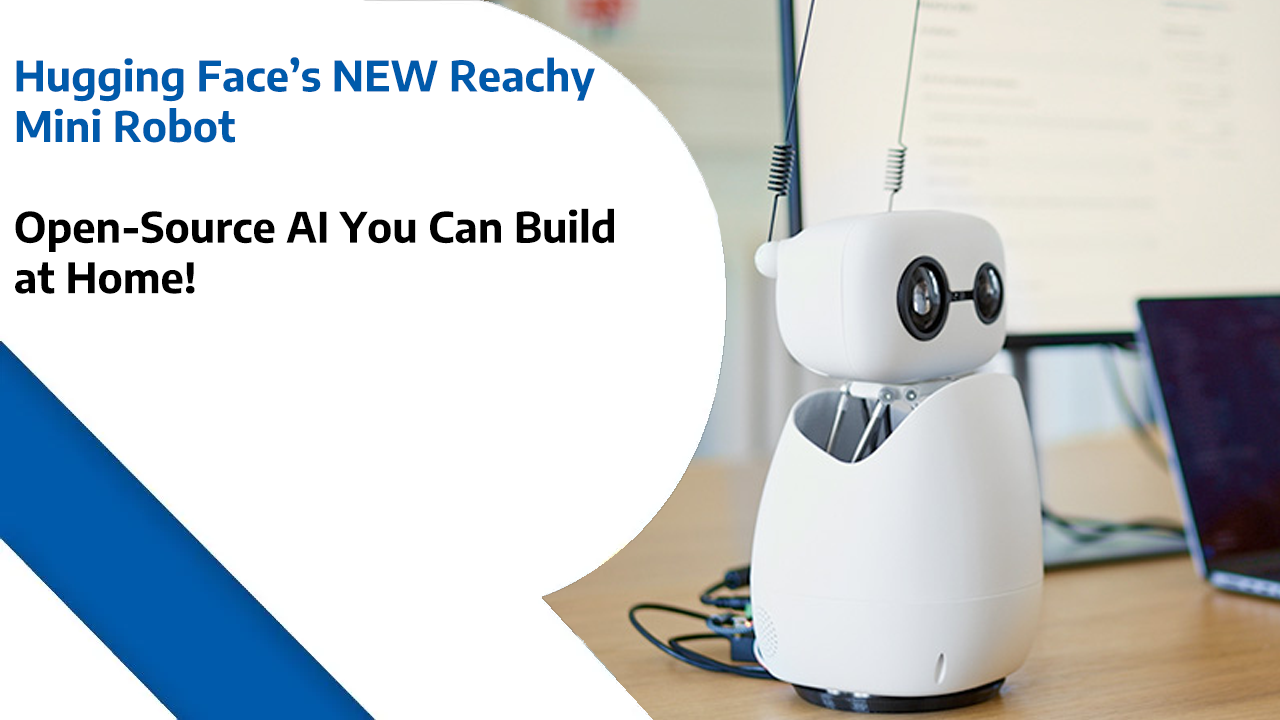
    Say hello to Reachy Mini — the newest open-source robot from Hugging Face and Pollen Robotics. Standing just 11 inches tall and weighing only 1.5 kilos, it’s compact, expressive, and ready to bring AI to life… literally.

    After acquiring Pollen Robotics in April 2025, Hugging Face set out to combine their powerful AI tools with real-world robotics. Reachy Mini is the first result — designed for enthusiasts, educators, and researchers who want to explore human-robot interaction, creative coding, and embodied AI.

    It features a motorized head and torso, expressive antennas, and built-in camera, mics, and speakers — giving it full audio-visual sensing capabilities. In other words, it’s small, but smart.

    Reachy Mini comes in two versions, both as DIY kits — so yes, you’ll build it yourself, but don’t worry, it’s more rewarding than frustrating. At launch, it’ll support over 15 robot behaviors and is fully programmable in Python, with JavaScript and Scratch on the way.

    Thanks to Hugging Face integration, you can tap into state-of-the-art open-source models for speech, vision, and personality — making this one of the most accessible AI platforms on the market.

    The Lite version ships late summer 2025, and the more powerful Compute version follows in batches through 2026.


    And that’s your robot news update for today!
    If you’re curious about how robotics can transform your business, join me for the weekly Live Robot Optimise Workshop — it’s packed with insights, trends, and practical tips. Don’t forget to subscribe so you stay in the loop with all the latest updates.

    I’m RoboPhil from Robot Philosophy — thanks for watching, and I’ll see you next time!

    Join our Robot Optimise Industry (ROI) Workshop: https://robophil.com/workshop


    Sponsors:-


    Robot Center: – https://robotcenter.co.uk/ – Buy Robot, Robot Buy, Robot consultancy, Robotics Consultancy


    Robots of London: – https://robotsoflondon.co.uk/ – Robot Hire, Robot Rental, Rent Robot, Hire Robot, Robot Events


    Robot Philosophy: – https://robophil.com/ – Robot Consultancy AND Robot Recruitment, Robot Advice, Robot Insights, Robot Ideas


  • What You Should Be Measuring After Installing Robots

    What You Should Be Measuring After Installing Robots

    What You Should Be Measuring After Installing Robots: A Comprehensive Guide to Post-Implementation Success

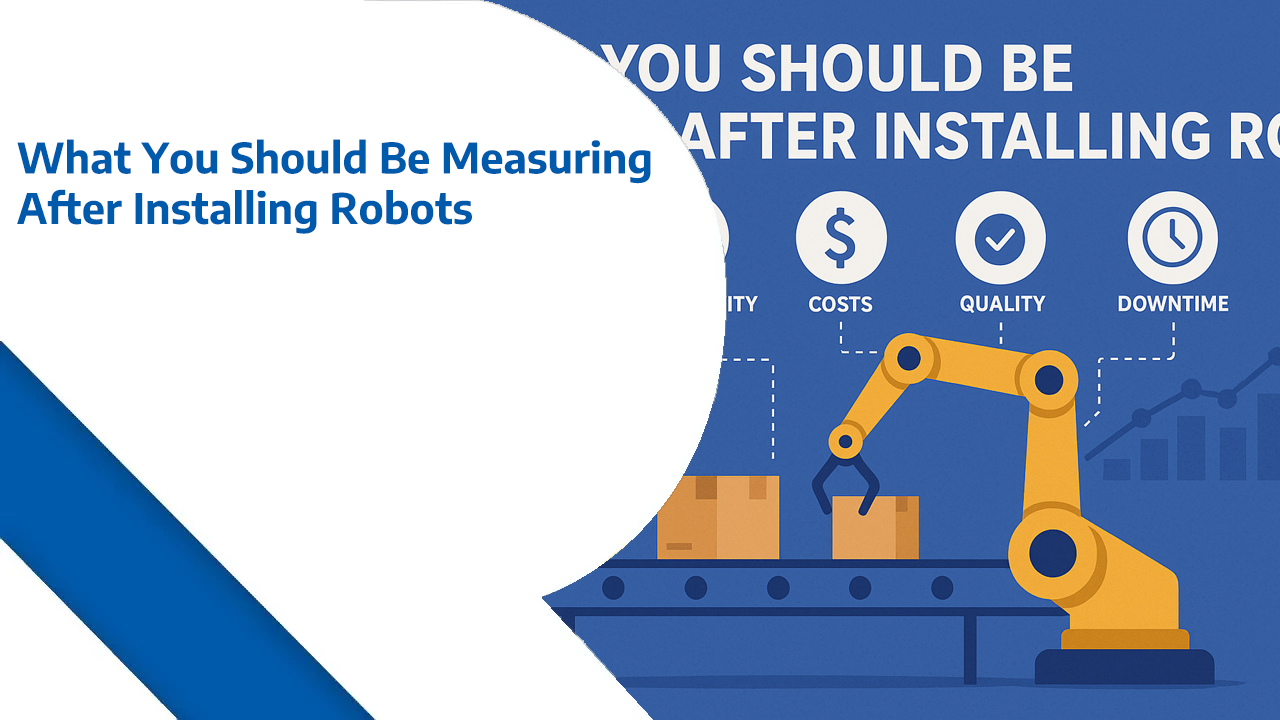
    Installing robots in your business operations represents just the beginning of your automation journey. The real value emerges when you systematically measure and optimize their performance. Without proper metrics and monitoring, even the most sophisticated robotic systems can fail to deliver their promised returns on investment.

    This comprehensive guide explores the critical measurements you should track after robot deployment, ensuring your automation investment delivers maximum value while identifying opportunities for continuous improvement.

    The Foundation: Establishing Your Measurement Framework

    Before diving into specific metrics, successful robot implementation requires a robust measurement framework. This framework should align with your business objectives, operational requirements, and long-term strategic goals. The key is establishing baseline measurements before robot deployment to accurately assess improvement and impact.

    Your measurement strategy should encompass both quantitative and qualitative metrics, capturing the full spectrum of robotic impact on your operations. This includes direct performance indicators, operational efficiency measures, financial returns, and broader organizational benefits that may not be immediately apparent in traditional metrics.

    Production and Operational Metrics

    Throughput and Cycle Time

    The most immediate measurement after robot installation involves production throughput and cycle time analysis. Track the number of units processed per hour, shift, and day, comparing these figures against pre-robot baselines. Cycle time measurements should include both individual task completion and end-to-end process duration.

    Consider measuring peak performance periods, average sustained performance, and minimum acceptable performance levels. This data helps identify optimal operating conditions and potential bottlenecks that may limit overall system efficiency.

    Quality and Accuracy Metrics

    Robotic systems often excel in consistency and precision, making quality metrics particularly valuable. Measure defect rates, rework requirements, and accuracy levels across all robotic processes. Track both immediate quality improvements and long-term consistency patterns.

    Document quality variations during different operating conditions, shift changes, and maintenance cycles. This information proves invaluable for optimizing robot programming and identifying factors that influence performance quality.

    Uptime and Reliability

    System availability represents a critical success factor for robotic installations. Measure overall uptime percentages, mean time between failures (MTBF), and mean time to repair (MTTR). These metrics directly impact productivity and help predict maintenance requirements.

    Track planned versus unplanned downtime, identifying patterns that might indicate preventive maintenance opportunities or system optimization needs. Document the root causes of downtime events to develop targeted improvement strategies.

    Financial Performance Indicators

    Return on Investment (ROI)

    Calculate comprehensive ROI measurements that include both direct cost savings and indirect benefits. Direct savings typically include labor cost reductions, increased production capacity, and quality improvement savings. Indirect benefits might encompass reduced worker compensation claims, improved customer satisfaction, and enhanced competitive positioning.

    Establish clear ROI calculation methodologies and measurement intervals. Monthly, quarterly, and annual ROI assessments provide different perspectives on robot performance and help justify additional automation investments.

    Cost Per Unit Analysis

    Track the complete cost per unit produced, including robot depreciation, maintenance expenses, energy consumption, and supporting infrastructure costs. Compare these figures against pre-robot costs to quantify financial impact accurately.

    Consider both variable and fixed costs in your analysis. While robots often reduce variable labor costs, they may increase fixed costs through maintenance contracts, software licensing, and specialized support requirements.

    Labor Cost Impact

    Measure the complete labor cost impact beyond simple headcount reductions. This includes changes in skill requirements, training investments, supervision needs, and potential wage adjustments for remaining human workers who may take on more complex responsibilities.

    Document both positive and negative labor cost impacts to present a balanced view of robotic implementation effects on your workforce economics.

    Operational Efficiency Measurements

    Process Optimization Metrics

    Robots often enable process improvements beyond simple task automation. Measure workflow efficiency, material handling improvements, and space utilization optimization. Track how robotic integration affects upstream and downstream processes.

    Document process standardization benefits, reduced process variation, and improved predictability in operations. These improvements often provide significant value that extends beyond the immediate robotic work cell.

    Energy and Resource Consumption

    Monitor energy consumption patterns, comparing robot operation against previous manual processes. Include electricity usage, compressed air consumption, and other utilities required for robot operation.

    Track material waste reduction, improved material utilization, and reduced consumable usage. Many robotic systems provide superior precision that reduces material waste and improves resource efficiency.

    Safety and Ergonomic Improvements

    Measure safety incident rates, workers’ compensation claims, and ergonomic-related injuries in areas where robots have been deployed. Document improvements in workplace safety metrics and employee satisfaction with working conditions.

    Track near-miss incidents, safety training requirements, and compliance with safety protocols. Robotic installations often improve overall workplace safety culture and awareness.

    Human Resource and Workforce Metrics

    Employee Satisfaction and Adaptation

    Measure employee satisfaction levels with robotic integration, including surveys about job satisfaction, perceived job security, and attitudes toward automation. Track employee adaptation rates and skill development progress.

    Document training completion rates, certification achievements, and career advancement opportunities created by robotic integration. Positive human resource metrics often correlate with successful long-term automation implementation.

    Skill Development and Training ROI

    Calculate the return on investment for training programs related to robot operation, maintenance, and integration. Measure skill acquisition rates, competency development, and cross-training effectiveness.

    Track internal promotion rates and career advancement opportunities created by robotic implementation. Many organizations find that automation creates higher-skilled positions that offer better career prospects for existing employees.

    Customer and Market Impact Metrics

    Customer Satisfaction Improvements

    Measure customer satisfaction improvements resulting from enhanced product quality, faster delivery times, and improved service consistency. Track customer complaint reductions and positive feedback increases.

    Document market competitiveness improvements, new customer acquisition rates, and customer retention improvements that may result from robotic implementation benefits.

    Market Response and Competitive Positioning

    Assess how robotic implementation affects your market position, including ability to compete on price, quality, and delivery performance. Track market share changes and competitive response to your automation initiatives.

    Monitor new business opportunities enabled by robotic capabilities, including products or services that weren’t previously feasible or cost-effective.

    Technology and Integration Metrics

    System Integration Effectiveness

    Measure how effectively robots integrate with existing systems, including ERP integration, data collection accuracy, and communication protocol reliability. Track system compatibility and data flow efficiency.

    Document software update frequency, system maintenance requirements, and integration complexity factors that affect overall system performance.

    Data Collection and Analytics Value

    Assess the value of data collected by robotic systems, including production analytics, quality data, and operational insights. Measure how this data improves decision-making and operational optimization.

    Track predictive maintenance accuracy, quality prediction capabilities, and operational forecasting improvements enabled by robotic data collection.

    Continuous Improvement and Optimization

    Performance Trend Analysis

    Establish regular performance review cycles that analyze trends across all measurement categories. Look for patterns that indicate optimization opportunities or emerging issues requiring attention.

    Document seasonal variations, long-term performance trends, and correlation between different performance metrics. This analysis helps predict future performance and identify proactive improvement opportunities.

    Benchmarking and Best Practices

    Compare your robotic performance against industry benchmarks and best practices. Participate in industry forums and benchmarking studies to understand your relative performance position.

    Track improvement rates and optimization success factors that can be applied to future robotic implementations or expansions.

    Advanced Measurement Strategies

    Predictive Analytics Implementation

    Implement predictive analytics capabilities that use robotic data to forecast maintenance needs, quality issues, and performance optimization opportunities. Measure the accuracy and value of these predictive capabilities.

    Track the ROI of predictive maintenance programs and quality prediction systems enabled by robotic data collection.

    Artificial Intelligence and Machine Learning Integration

    Measure the effectiveness of AI and machine learning applications that enhance robotic performance. Track learning curve improvements, adaptation rates, and autonomous optimization capabilities.

    Document the value of self-improving systems and reduced manual intervention requirements as robots become more intelligent and adaptive.

    Creating Your Measurement Dashboard

    Key Performance Indicator (KPI) Selection

    Select a balanced set of KPIs that provide comprehensive visibility into robotic performance without overwhelming management with excessive data. Focus on metrics that directly support business objectives and decision-making needs.

    Establish clear targets and thresholds for each KPI, including minimum acceptable performance levels and stretch targets that drive continuous improvement.

    Reporting and Communication Strategies

    Develop clear reporting formats that communicate robotic performance to different stakeholder groups. Executive summaries should focus on financial and strategic impacts, while operational reports should emphasize performance details and improvement opportunities.

    Create automated reporting systems that provide real-time visibility into critical performance metrics while reducing manual reporting workload.

    Common Measurement Challenges and Solutions

    Data Quality and Consistency

    Address data quality issues that can compromise measurement accuracy. Implement data validation procedures, regular calibration schedules, and quality control measures that ensure measurement reliability.

    Establish clear data governance procedures and assign responsibility for data quality maintenance and validation.

    Measurement System Complexity

    Avoid measurement system complexity that makes it difficult to extract actionable insights. Focus on metrics that directly support decision-making and operational improvement rather than collecting data for its own sake.

    Regularly review and optimize your measurement system, eliminating redundant metrics and adding new measurements that support evolving business needs.

    Future-Proofing Your Measurement Strategy

    Scalability and Expansion Planning

    Design measurement systems that can scale with robotic expansion and evolving business requirements. Consider how additional robots, new applications, and changing business objectives might affect measurement needs.

    Plan for integration with future technologies and measurement capabilities that may become available as your robotic implementation matures.

    Emerging Technologies Integration

    Prepare for integration with emerging technologies such as Internet of Things (IoT), edge computing, and advanced analytics platforms. Design measurement architecture that can adapt to technological advances.

    Stay informed about industry trends and new measurement capabilities that could enhance your robotic performance analysis and optimization efforts.

    Maximizing Your Robot Investment Success

    Successful robot implementation measurement requires expertise, experience, and strategic planning. The complexity of modern robotic systems and their integration with existing operations demands specialized knowledge to optimize performance and maximize returns.

    Ready to optimize your robot implementation and measurement strategy? Our expert consultants specialize in developing comprehensive measurement frameworks that deliver actionable insights and drive continuous improvement. We help organizations maximize their automation investments through strategic measurement, performance optimization, and expert guidance.

    Need specialized talent to manage your robotic operations? Our robot recruitment services connect you with skilled professionals who understand the complexities of robotic system management, measurement, and optimization. From robot operators to automation engineers, we help you build the team needed for long-term success.

    Contact us today to discuss your robot measurement and optimization needs:

    Don’t leave your robot investment to chance. Professional measurement strategies and expert guidance ensure your automation initiative delivers maximum value and competitive advantage.


    Article Sponsors

    Robot Centerhttps://robotcenter.co.uk/
    Your premier destination for robot acquisition and expert consultancy services. Whether you’re looking to buy robots or need specialized robotics consultancy, Robot Center provides comprehensive solutions for your automation needs.

    Robots of Londonhttps://robotsoflondon.co.uk/
    Leading provider of robot hire and rental services. Perfect for events, temporary projects, or testing robotic solutions before permanent installation. Professional robot hire and rental services with expert support.

    Robot Philosophyhttps://robophil.com/
    Specialized robot consultancy and recruitment services. Expert robot advice, insights, and innovative ideas to help you navigate the complex world of automation and robotics implementation.


    This article represents expert guidance for organizations implementing robotic automation. For personalized advice and specialized support, contact our team of robot consultants and recruitment specialists.
     
  • China Unveils World’s First Cyborg Bee – Game-Changing Tech for Rescue & Recon Missions!

    China Unveils World’s First Cyborg Bee – Game-Changing Tech for Rescue & Recon Missions!

    China Unveils World’s First Cyborg Bee – Game-Changing Tech for Rescue & Recon Missions!


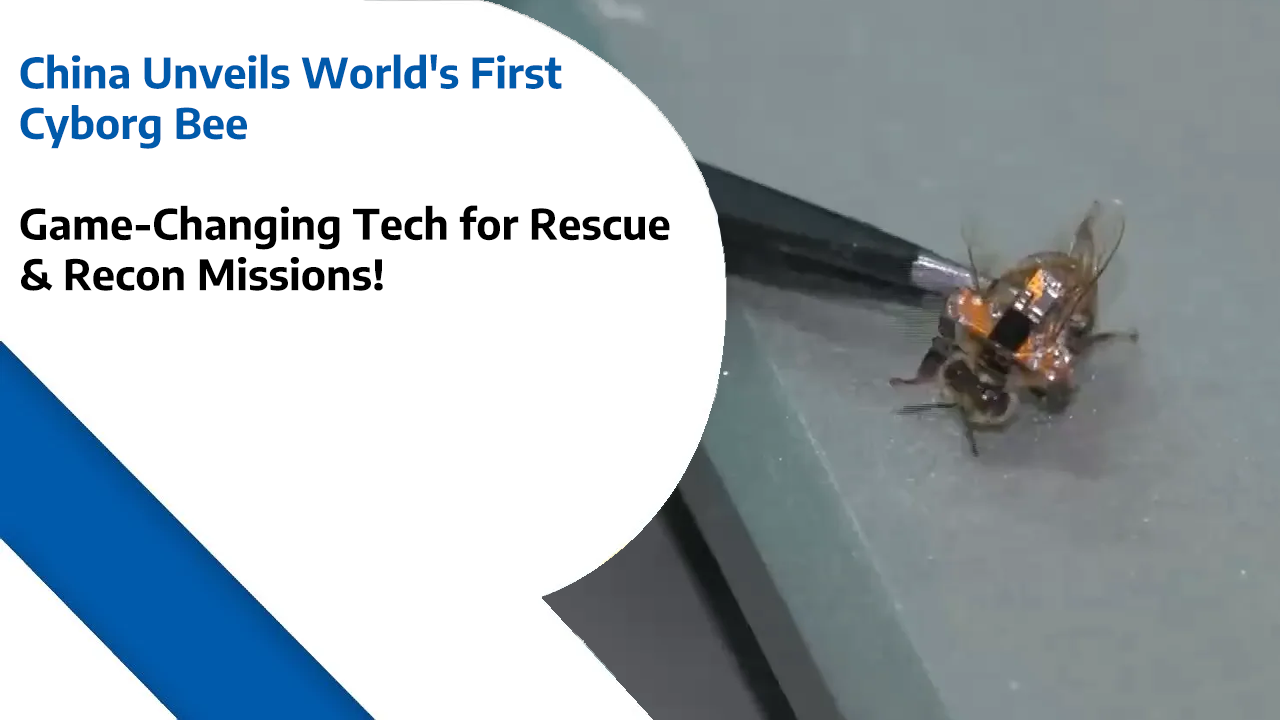
    Chinese scientists have just unveiled the world’s first cyborg bee — and yes, it’s exactly as fascinating as it sounds.

    At just 74 milligrams, the brain controller developed by Professor Zhao Jieliang’s team at the Beijing Institute of Technology is lighter than the nectar bees normally carry. It’s strapped onto the bee’s back and uses tiny needles to stimulate its brain with electrical pulses — guiding it left, right, forward, or back.

    In tests, the bees followed commands 90% of the time — a level of obedience most drones, and maybe even colleagues, would envy.

    Why turn bees into remote-controlled fliers? The potential is huge — from searching disaster zones for survivors to stealth reconnaissance in military or counterterrorism operations. With natural camouflage and incredible endurance, these insect-based robots outperform synthetic alternatives in agility and stealth.

    There are still hurdles — bees still need a power source, and precision across species varies — but it’s clear: the future of robotics might just have wings and a stinger.


    And that’s your robot news update for today!
    If you’re curious about how robotics can transform your business, join me for the weekly Live Robot Optimise Workshop — it’s packed with insights, trends, and practical tips. Don’t forget to subscribe so you stay in the loop with all the latest updates.

    I’m RoboPhil from Robot Philosophy — thanks for watching, and I’ll see you next time!

    Join our Robot Optimise Industry (ROI) Workshop: https://robophil.com/workshop


    Sponsors:-


    Robot Center: – https://robotcenter.co.uk/ – Buy Robot, Robot Buy, Robot consultancy, Robotics Consultancy


    Robots of London: – https://robotsoflondon.co.uk/ – Robot Hire, Robot Rental, Rent Robot, Hire Robot, Robot Events


    Robot Philosophy: – https://robophil.com/ – Robot Consultancy AND Robot Recruitment, Robot Advice, Robot Insights, Robot Ideas

  • Robots & Data: How Robotics Consultants Help Business Get Smarter

    Robots & Data: How Robotics Consultants Help Business Get Smarter

    Robots & Data: How Robotics Consultants Help Businesses Get Smarter

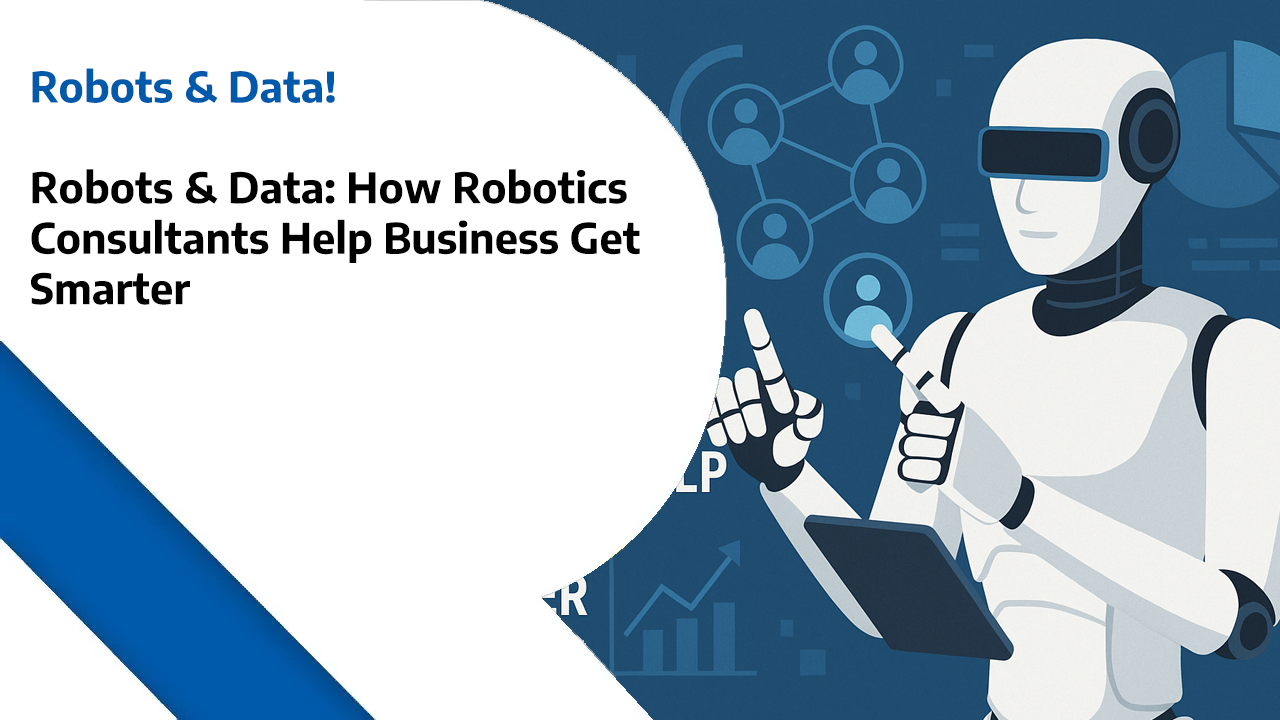
    In today’s competitive, data-driven world, smart businesses are no longer just those with the best products or biggest budgets. Instead, it’s the companies that leverage the right technologies, automate intelligently, and use robotics consultants to bridge the gap between human performance and machine potential that are surging ahead.

    Robots and data, once the domain of high-tech factories and sci-fi dreams, are now central pillars of business strategy across sectors—from retail to restaurants, logistics to law. But there’s a challenge: while robots generate vast amounts of data and promise operational efficiency, most businesses don’t know where to start or how to fully unlock the value.

    This is where robotics consultants come in.

    What is a Robotics Consultant?

    A robotics consultant helps businesses navigate the complex world of automation, artificial intelligence, and robotic integration. From identifying suitable robotic systems to interpreting data outputs and ensuring a smooth implementation, consultants bridge the gap between innovation and impact.

    They don’t just install machines—they build smarter businesses.


    The Relationship Between Robots and Data

    Modern robots are more than mechanical workers. They are mobile data centers—collecting, analyzing, and reacting to real-time information. Every time a robot navigates a store aisle, stocks a shelf, checks a warehouse inventory, or greets a customer, it gathers data:

    • Traffic patterns and heatmaps

    • Customer engagement statistics

    • Inventory trends

    • Safety or performance logs

    • Maintenance and diagnostic feedback

    This constant stream of data allows businesses to make smarter, faster, and more informed decisions. But only if that data is properly interpreted, aligned with KPIs, and integrated into business systems.

    That’s the key difference robotics consultants bring: turning data into decisions.


    5 Ways Robotics Consultants Make Your Business Smarter

    1. Strategic Audit and ROI Forecasting

    Before a single robot is switched on, a good consultant performs a robotics audit. This includes:

    • Identifying automation-ready processes

    • Forecasting return on investment (ROI)

    • Analysing current tech and data infrastructure

    • Reviewing human capital and workflow compatibility

    This ensures the solution fits your business model, not just your floor plan. A custom roadmap is created for maximum efficiency and measurable impact.

    At Robot Philosophy, our expert consultants specialise in ROI-driven audits and smart automation roadmaps for startups to large enterprises.


    2. Selecting the Right Robot (and Data Systems)

    There’s no one-size-fits-all robot. Choosing the wrong one can waste time, money, and staff morale. A consultant helps you select:

    • Humanoid vs mobile service robots

    • Industrial arms vs collaborative robots

    • Delivery bots, advertising bots, patrol bots, and more

    • Data analytics platforms to accompany robot insights

    Consultants also match these tools with your sector’s regulations, employee workflow, and your customer experience goals.

    Need a robot to serve drinks at an event? Or manage warehouse logistics with predictive maintenance? You’ll need expert guidance.

    At Robot Center, we offer a curated range of robots for purchase or consultation, making it easier than ever to find the perfect automation solution.


    3. Installation, Training & Integration

    Installing a robot isn’t like plugging in a toaster. Robotics consultants oversee:

    • Onsite installation

    • System and software integration

    • Staff training and handover

    • Troubleshooting and aftercare

    Crucially, they teach your team how to work with robots—not against them. This creates synergy, not friction. Human-robot collaboration is now a business advantage.

    At Robots of London, our deployment team installs robots for events and commercial spaces, complete with branding, training, and tech support.


    4. Data Intelligence and Continuous Improvement

    Data is only powerful when it leads to action. Robotics consultants help you:

    • Capture and clean raw robotic data

    • Build real-time dashboards

    • Benchmark performance over time

    • Spot anomalies and improvement areas

    • Align robotic metrics with business KPIs

    This data can reduce costs, forecast sales, improve staff scheduling, optimise layouts, and drive customer engagement.

    Need help understanding what your robots are really telling you? At Robot Philosophy, we translate robotic outputs into strategic insight.


    5. Hiring the Right People for a Robotic World

    Robotics doesn’t replace jobs. It transforms them. As automation increases, so does the need for:

    • Robot maintenance engineers

    • AI integration specialists

    • Robotics UX designers

    • Business analysts who understand automation

    • Field deployment teams and sales engineers

    Recruiting for these roles is difficult unless you understand the industry inside out. Robotics consultants often offer recruitment services to help businesses scale effectively with the right team.

    That’s why our Robot Recruitment Service is designed to match forward-thinking companies with robotics professionals who can make automation work, not just work harder.


    Real-World Examples of Robotics Success

    Retail

    Retailers using shelf-scanning robots reduce out-of-stock items by over 30%. Smart data integration means better inventory control, reduced waste, and improved customer satisfaction.

    Events & Entertainment

    Events that include interactive robots see up to 40% higher engagement. Robots can gather guest feedback, offer navigation help, or simply create buzz.

    Robots of London provides robots for hire at corporate events, weddings, festivals, and product launches, turning heads while capturing valuable data.

    Warehousing

    Collaborative robots (cobots) help staff lift, pack, or sort faster—cutting human strain while increasing throughput. Data from these cobots feeds into predictive staffing, reducing overtime and burnout.

    Healthcare

    Sanitation robots with built-in data sensors help hospitals reduce infection rates by tracking cleaning cycles and surfaces.


    Why Robotics Consultants Are Critical in 2025 and Beyond

    We are living in the second wave of the robotics revolution. The first wave automated factories. This second wave is automating frontline services, customer engagement, and operations.

    But new technologies bring new complexities. The robotics consultant is your translator, integrator, and innovation guide.

    Without one, businesses risk falling into the trap of “robot for robot’s sake.”
    With one, they build smarter systems—and smarter futures.


    Upsell: Book Our Robot Consulting or Recruitment Services

    If you’re serious about using robots to get smarter, not just faster, then let’s talk.

    At Robot Philosophy, we don’t just sell robots. We architect smart strategies to make robotics work for your business, from first conversation to final deployment—and beyond.

    Whether you need a consultant for an upcoming project or a team of robotic talent to scale operations, we’re ready to help.

    📩 Email us: info@robophil.com
    📞 Call now: 0845 528 0404

    Or visit: https://robophil.com


    Meet Our Sponsors – Leaders in the Robotics Revolution

    🔹 Robot Center

    Buy Robot. Robot Buy. Robot Consultancy.

    From industrial arms to service robots, Robot Center is the UK’s home for expert robot sales and strategic robotics consulting. Whether you need help choosing the right robot, training your team, or long-term support, they deliver turnkey solutions with precision.


    🔹 Robots of London

    Robot Hire. Robot Rental. Rent Robot. Hire Robot. Robot Events.

    Whether it’s Pepper the Humanoid for your conference, a coffee-serving robot at your exhibition stand, or a dancing robot for your wedding, Robots of London adds magic, innovation, and data-driven interaction to every event.


    🔹 Robot Philosophy

    Robot Consultancy. Robot Recruitment. Robot Advice. Robot Insights. Robot Ideas.

    The strategic brain behind it all. Robot Philosophy provides the vision, advice, and workforce that today’s companies need to thrive in a robotic future. Consulting and recruiting in one powerful package.


    Final Thoughts: Get Smarter Now—Not Later

    The smartest companies in 2025 won’t be the ones with the most data or the biggest robots. They’ll be the ones who know how to connect machines, data, people, and strategy.

    If you’re ready to get started—or want to ensure you’re headed in the right direction—reach out today.

    📧 info@robophil.com
    📞 0845 528 0404

    Because when it comes to robots and data, the future isn’t coming. It’s already here.

  • AI Robot Performs Surgery with Almost No Human Help – The Future of Medicine?

    AI Robot Performs Surgery with Almost No Human Help – The Future of Medicine?

    AI Robot Performs Surgery with Almost No Human Help – The Future of Medicine?


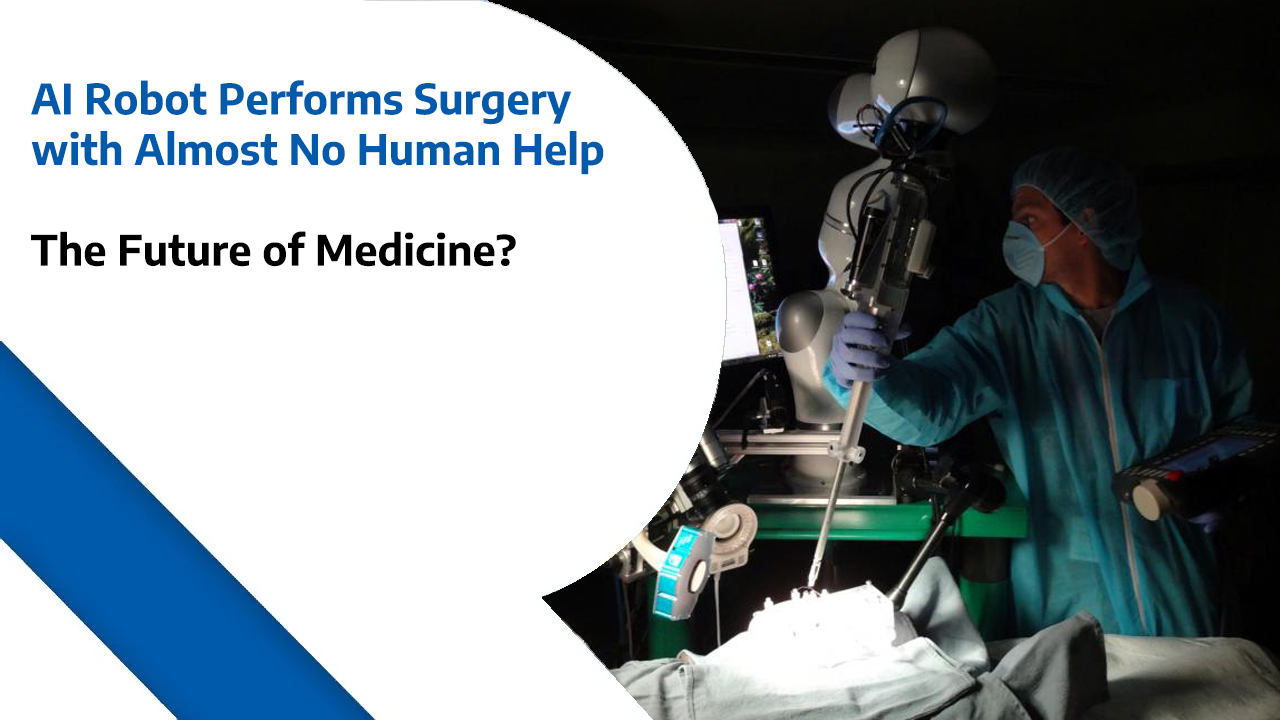
    Surgical robots just took a major step toward full autonomy – and no, this isn’t science fiction.

    In a world-first, an AI-powered robot successfully removed a gall bladder from a dead pig with minimal human input. The system was trained on 17 hours of real surgical footage, learning from 16,000 human hand movements.

    The robot runs on a two-layer AI system. The first layer watches the surgery through an endoscope and gives simple instructions like “clip the second duct.” The second layer translates that into precise 3D tool movements.

    It performed the 17-step surgery eight times – and nailed every task. Impressive, considering some robots still struggle with vacuuming straight lines.

    That said, it wasn’t totally hands-free. The robot did need a human to swap one tool and had to self-correct about six times per procedure – but it spotted its own errors and fixed them.

    Researchers say the next goal is autonomous surgery on live animals – where things get trickier with breathing and bleeding involved.

    Still, it’s a glimpse of what’s coming: safer, smarter, and more consistent surgery – powered by AI.


    And that’s your robot news update for today!
    If you’re curious about how robotics can transform your business, join me for the weekly Live Robot Optimise Workshop — it’s packed with insights, trends, and practical tips. Don’t forget to subscribe so you stay in the loop with all the latest updates.

    I’m RoboPhil from Robot Philosophy — thanks for watching, and I’ll see you next time!


    Join our Robot Optimise Industry (ROI) Workshop: https://robophil.com/workshop


    Sponsors:-


    Robot Center: – https://robotcenter.co.uk/ – Buy Robot, Robot Buy, Robot consultancy, Robotics Consultancy


    Robots of London: – https://robotsoflondon.co.uk/ – Robot Hire, Robot Rental, Rent Robot, Hire Robot, Robot Events


    Robot Philosophy: – https://robophil.com/ – Robot Consultancy AND Robot Recruitment, Robot Advice, Robot Insights, Robot Ideas

  • How Long Does Robot Integration Take? A Robot Consultant Breaks It Down

    How Long Does Robot Integration Take? A Robot Consultant Breaks It Down

    How Long Does Robot Integration Take? A Robot Consultant Breaks It Down

    This article is sponsored by Robot Center – your trusted partner for robot consultancy and robotics solutions, Robots of London – premier robot hire and rental services for events and projects, and Robot Philosophy – expert robot consultancy and recruitment services.

    The question “How long does robot integration take?” is perhaps the most common inquiry we receive from businesses considering automation. As a robot consultant who has overseen hundreds of integration projects across diverse industries, I can tell you that the answer is far more nuanced than most expect. The timeline depends on numerous factors, each playing a crucial role in determining whether your project will be completed in weeks, months, or even years.

    Understanding the Robot Integration Timeline

    Robot integration isn’t a single event—it’s a comprehensive process that transforms your operational landscape. Based on my experience working with manufacturing facilities, warehouses, healthcare institutions, and service organizations, typical integration projects range from 3 months for simple applications to 24 months for complex, multi-robot systems with extensive customization requirements.

    The integration timeline consists of several distinct phases, each with its own duration and complexity. The initial assessment and planning phase typically takes 2-6 weeks, depending on the scope of analysis required. This is followed by system design and specification development, which can span 4-12 weeks for comprehensive projects. The actual implementation phase varies dramatically based on complexity, ranging from 6 weeks for straightforward pick-and-place applications to 18 months for fully integrated production lines.

    Factors That Determine Integration Duration

    Application Complexity and Scope

    The complexity of your intended application serves as the primary determinant of integration time. Simple, repetitive tasks like basic material handling or packaging can often be integrated within 8-12 weeks. These applications typically involve straightforward programming, minimal customization, and well-established workflows.

    Conversely, complex applications requiring advanced vision systems, artificial intelligence integration, or multi-robot coordination can extend the timeline to 12-24 months. Projects involving collaborative robots (cobots) working alongside human operators require extensive safety testing and workflow optimization, adding significant time to the integration process.

    Existing Infrastructure and Compatibility

    Your current infrastructure plays a pivotal role in determining integration speed. Facilities with modern control systems, standardized communication protocols, and flexible layouts can accommodate robotic systems more quickly than those requiring extensive modifications.

    Legacy systems often present the greatest challenge, sometimes requiring complete overhauls of control architectures, safety systems, and production workflows. I’ve encountered projects where infrastructure upgrades consumed 40% of the total integration timeline, transforming what appeared to be a straightforward robot installation into a comprehensive facility modernization effort.

    Customization Requirements

    Off-the-shelf robotic solutions can be integrated relatively quickly, often within 2-4 months. However, most industrial applications require some degree of customization, whether in end-effector design, programming logic, or integration with existing systems.

    Custom applications demanding specialized tooling, unique programming sequences, or novel safety implementations can extend timelines significantly. The development and testing of custom components often requires multiple iterations, with each cycle adding weeks to the overall schedule.

    Team Readiness and Training

    The preparedness of your team significantly impacts integration speed. Organizations with existing automation experience and technically skilled personnel can often reduce integration time by 20-30%. Conversely, teams requiring extensive training in robot operation, maintenance, and troubleshooting will need additional time for knowledge transfer and skill development.

    Comprehensive training programs, while adding 2-4 weeks to the initial timeline, prove invaluable for long-term success. The investment in proper training often prevents costly delays and operational issues that could extend far beyond the initial integration period.

    Industry-Specific Considerations

    Manufacturing Integration

    Manufacturing environments typically offer the most predictable integration timelines due to standardized processes and established automation frameworks. Simple manufacturing applications, such as machine tending or quality inspection, can often be completed within 3-6 months.

    Complex manufacturing integrations, particularly those involving multiple production lines or requiring significant process modifications, typically require 9-18 months. The automotive industry, with its stringent quality requirements and complex assembly processes, often sees integration timelines extending to 24 months for comprehensive robotic systems.

    Warehouse and Logistics

    Warehouse automation projects vary dramatically in complexity and duration. Simple picking applications using established robotic systems can be implemented within 4-8 months, while comprehensive warehouse automation involving multiple robot types, complex inventory management integration, and sophisticated routing algorithms can require 12-24 months.

    The scale of warehouse operations significantly impacts integration time. Small to medium-sized facilities can often complete integration more quickly than large distribution centers requiring extensive coordination between multiple robotic systems and existing warehouse management systems.

    Healthcare and Service Industries

    Healthcare robotics integration requires particularly careful planning due to regulatory requirements and safety considerations. Simple service robots for material transport or basic patient interaction can typically be integrated within 6-12 months, including time for regulatory approval and staff training.

    Surgical robots and complex diagnostic systems require significantly longer integration periods, often 18-36 months, due to extensive testing requirements, regulatory compliance, and the need for specialized training programs.

    The Role of Professional Robot Consulting

    Engaging experienced robot consultants can dramatically reduce integration timelines while improving project outcomes. Professional consultants bring deep understanding of integration challenges, established relationships with technology providers, and proven methodologies for project management.

    Our consulting approach begins with comprehensive assessment of your operational requirements, existing infrastructure, and organizational readiness. This analysis enables us to develop realistic timelines and identify potential challenges before they impact your project schedule.

    Professional consultants also provide access to specialized expertise that may not exist within your organization. This includes knowledge of specific robotic platforms, integration best practices, and regulatory requirements that can prevent costly delays and ensure successful implementation.

    Accelerating Your Integration Timeline

    Pre-Integration Planning

    Thorough pre-integration planning can reduce overall project duration by 25-40%. This includes detailed analysis of operational requirements, infrastructure assessment, and development of comprehensive project specifications. Organizations that invest in proper planning often complete integration projects more quickly and with fewer complications.

    Phased Implementation Approach

    Rather than attempting to integrate all robotic systems simultaneously, consider a phased approach that allows for incremental implementation and learning. This strategy often reduces risk while enabling faster initial deployment of core capabilities.

    Leveraging Existing Solutions

    Whenever possible, leverage proven robotic solutions rather than developing custom applications. While customization may seem appealing, established solutions often provide faster implementation with lower risk of unexpected delays.

    Team Preparation and Training

    Begin team preparation and training activities early in the integration process. This parallel approach ensures that personnel are ready to operate and maintain robotic systems as soon as technical implementation is complete.

    Managing Expectations and Planning for Success

    Realistic timeline expectations are crucial for successful robot integration. While every organization hopes for rapid implementation, rushing the integration process often leads to costly mistakes, safety issues, and long-term operational problems.

    Budget additional time for testing, refinement, and optimization. The most successful integration projects include comprehensive testing phases that identify and resolve issues before full production deployment. This approach may extend initial timelines but prevents costly disruptions to ongoing operations.

    Why Professional Robot Recruitment Matters

    Beyond technical integration, successful robotics implementation requires skilled personnel who understand both robotic systems and your operational requirements. Finding qualified robotics engineers, technicians, and operators can be challenging, particularly in today’s competitive market.

    Professional robot recruitment services provide access to pre-screened candidates with proven experience in robotic system implementation, maintenance, and optimization. This specialized recruitment approach can significantly reduce the time required to build your robotics team while ensuring you acquire the specific skills needed for your integration project.

    The Value of Ongoing Support

    Robot integration doesn’t end with system deployment. Ongoing support, maintenance, and optimization services are essential for long-term success. Professional consulting relationships provide access to continued expertise, system updates, and performance optimization that maximizes your return on investment.

    Regular system audits, performance assessments, and upgrade planning ensure that your robotic systems continue to meet evolving operational requirements. This ongoing relationship often proves more valuable than the initial integration consulting engagement.

    Common Timeline Pitfalls to Avoid

    Many organizations underestimate the complexity of robot integration, leading to unrealistic timeline expectations. Common pitfalls include inadequate assessment of existing infrastructure, underestimating training requirements, and failing to account for integration testing time.

    Regulatory compliance requirements, particularly in healthcare and food processing industries, can add significant time to integration projects. Early engagement with regulatory bodies and comprehensive understanding of compliance requirements prevents costly delays late in the integration process.

    Making the Right Investment Decision

    Robot integration represents a significant investment in your organization’s future capabilities. While timeline considerations are important, focus on selecting integration partners who prioritize long-term success over rapid deployment.

    The most successful robot integration projects balance speed with thoroughness, ensuring that systems are properly designed, implemented, and optimized for your specific operational requirements. This approach may require additional time initially but provides superior long-term value and operational performance.

    Technology Evolution and Future-Proofing

    The robotics industry continues to evolve rapidly, with new technologies and capabilities emerging regularly. Professional robot consultants stay current with these developments, ensuring that your integration project incorporates the latest advancements while maintaining compatibility with future upgrades.

    Consider integration approaches that provide flexibility for future expansion and technology updates. This forward-thinking strategy may extend initial integration timelines but provides significant long-term value and adaptability.

    Conclusion: Planning for Success

    Robot integration timelines vary dramatically based on application complexity, infrastructure readiness, and organizational requirements. While simple applications can be completed within 3-6 months, complex systems often require 12-24 months for full implementation.

    Success depends on thorough planning, realistic expectations, and engagement with experienced integration partners. Professional robot consulting services provide the expertise, resources, and support needed to ensure successful integration within reasonable timeframes.

    Whether you’re considering your first robotic system or expanding existing automation capabilities, professional guidance can help you navigate the complexities of robot integration while optimizing both timeline and outcomes.


    Ready to Begin Your Robot Integration Journey?

    Don’t let uncertainty about integration timelines delay your automation initiatives. Our experienced robot consultants are ready to assess your specific requirements and provide detailed timeline estimates for your project.

    Contact us today to discuss your robot integration needs:

    Email: info@robophil.com
    Phone: 0845 528 0404

    Schedule a consultation to learn how professional robot consulting and recruitment services can accelerate your integration timeline while ensuring long-term success.


    This article is sponsored by:

    Robot Center – Your comprehensive source for robot purchasing, robotics consultancy, and expert guidance on robotic system selection and implementation.

    Robots of London – Premier robot hire and rental services, perfect for events, temporary projects, and testing robotic solutions before full integration.

    Robot Philosophy – Expert robot consultancy and recruitment services, providing strategic guidance and skilled personnel for successful robotic integration projects.

     
  • Dyson’s Giant Robot Farm – How They’re Revolutionising Strawberry Farming in the UK!

    Dyson’s Giant Robot Farm – How They’re Revolutionising Strawberry Farming in the UK!

    Dyson’s Giant Robot Farm – How They’re Revolutionising Strawberry Farming in the UK!


    When you hear “Dyson,” you probably think vacuum cleaners and air purifiers — not strawberries. But at their high-tech glasshouse in Lincolnshire, Dyson is bringing innovation to farming.

    At the heart of their operation are giant rotating wheels — 24 metres long and 5 metres tall — supporting rows of strawberry plants. As the wheels turn, each plant gets optimal sunlight, helping Dyson grow more strawberries in less space.

    To keep the plants healthy, robots patrol the glasshouse. UV bots shine light to kill mold, while others release beneficial insects that act as natural pest control. It’s a high-tech way to cut down on chemicals and protect the environment.

    When the fruit’s ripe, robotic arms delicately pick each strawberry — no squashing involved. The facility is powered by an anaerobic digester, rainwater collection, and mostly natural sunlight, making it impressively sustainable.

    The result? Around 1,250 tonnes of strawberries a year — all thanks to a clever mix of robotics, renewable energy, and a bit of Dyson magic.


    And that’s your robot news update for today!
    If you’re curious about how robotics can transform your business, join me for the weekly Live Robot Optimise Workshop — it’s packed with insights, trends, and practical tips. Don’t forget to subscribe so you stay in the loop with all the latest updates.

    I’m RoboPhil from Robot Philosophy — thanks for watching, and I’ll see you next time!


    Join our Robot Optimise Industry (ROI) Workshop: https://robophil.com/workshop


    Sponsors:-


    Robot Center: – https://robotcenter.co.uk/ – Buy Robot, Robot Buy, Robot consultancy, Robotics Consultancy


    Robots of London: – https://robotsoflondon.co.uk/ – Robot Hire, Robot Rental, Rent Robot, Hire Robot, Robot Events


    Robot Philosophy: – https://robophil.com/ – Robot Consultancy AND Robot Recruitment, Robot Advice, Robot Insights, Robot Ideas

  • Scaling with Robotics – How a Robot Consultant Helps You Grow Smarter

    Scaling with Robotics – How a Robot Consultant Helps You Grow Smarter

    Scaling with Robotics – How a Robot Consultant Helps You Grow Smarter

    In today’s ultra-competitive, tech-driven world, growth isn’t just about doing more—it’s about doing things smarter. For modern businesses, the smartest path often involves automation, AI, and robotics. But how do you know where to start? What if your current team doesn’t have the expertise to evaluate, implement, and scale with robots?

    That’s where a robot consultant steps in—and why smart businesses are turning to the Robot Philosophy team for expert guidance, hands-on strategy, and long-term transformation. Whether you’re just exploring automation or looking to supercharge an existing robotic deployment, a consultant can help you grow faster and scale intelligently—without burning resources or time.


    Why Robotics Now?

    Robotics is no longer a futuristic concept. It’s here—and it’s redefining industries like manufacturing, logistics, hospitality, healthcare, security, retail, events, and even education.

    Modern robots aren’t just arms and wheels; they’re intelligent platforms capable of:

    • Navigating complex environments

    • Communicating with humans

    • Performing repetitive and dangerous tasks

    • Delivering valuable real-time data

    And most importantly—they scale. Unlike human teams, robots can replicate, operate 24/7, and be integrated across multiple sites at speed.


    The Role of a Robot Consultant

    A robot consultant is your growth partner, guiding your business through the 3 key stages of smart scaling:

    1. Robot Resources (R)

    Understanding your people, processes, and problems—and matching them with robotic solutions. We audit your current setup and find where robots can save time, reduce cost, or increase performance.

    We identify:

    • Labor-intensive tasks suitable for automation

    • Areas for cost-saving or waste reduction

    • Human-robot interaction opportunities

    • How to avoid costly robotic missteps

    2. Optimise Operations (O)

    Once a robotic solution is selected, we help you design the rollout, plan the infrastructure, and manage the transition from manual to robotic. This includes:

    • Robot integration

    • Safety and compliance

    • Workflow redesign

    • Custom programming or third-party app integration

    We don’t just drop off a robot—we embed it into your team, culture, and systems.

    3. Intellectify (I)

    The final step is making your robots and your people smarter together. This includes:

    • Training staff to use robots effectively

    • Collecting data from robots to drive performance

    • Scaling across other departments, sites, or locations

    • Continuous improvement and AI-enhancement


    Benefits of Working with a Robot Consultant

    Avoid Costly Mistakes: Buying the wrong robot or implementing it poorly can be a six-figure mistake. We help you avoid that.

    Save Time: Speed up your digital transformation by using expert knowledge.

    Stay Competitive: Stay ahead of your competitors by leveraging next-generation automation before they do.

    Empower Staff: Robots don’t replace your people—they free them to do higher-value work.

    Flexible Engagement: From one-off audits to full-scale transformation projects—we match your pace and budget.


    Upskill Your Team or Hire a Robot Specialist

    Sometimes the challenge isn’t just picking the right robot—it’s finding someone who knows how to use it. Through Robot Philosophy’s Robot Recruitment service, we help you hire:

    • Robotics engineers

    • Automation consultants

    • Robot programmers

    • Maintenance & support staff

    • Event robot technicians

    • AI + robotics integration experts

    We have access to a growing global pool of robotics talent, including people with experience on platforms like Temi, Boston Dynamics, Pepper, Capra, OrionStar, and more.


    Real Growth. Real Results.

    Our team has helped dozens of companies across the UK grow smarter with robots. From startup hospitality firms to billion-pound logistics giants, we bring tailored solutions to every business challenge.

    Whether you’re automating your front-of-house experience with a customer-service robot, or redesigning your warehouse flow with robotic arms and AGVs—we help you deliver value on day one.


    Book a Consultation

    Want to explore how robotics could help you scale smarter?

    📧 Email: info@robophil.com
    📞 Call: 0845 528 0404
    🌐 Website: www.robophil.com

    Our friendly team will arrange a no-obligation call to understand your business goals and recommend the right path forward.


    Sponsored by:

    🤖 Robot Center

    Buy Robot | Robot Buy | Robot Consultancy | Robotics Consultancy
    Your go-to partner for purchasing the right robot and consulting on complex automation solutions.


    🎉 Robots of London

    Robot Hire | Robot Rental | Rent Robot | Hire Robot | Robot Events
    Perfect for events, promotions, short-term trials, and proof-of-concept demos. Bring a robot to your next event!


    🧠 Robot Philosophy

    Robot Consultancy AND Robot Recruitment | Robot Advice | Robot Insights | Robot Ideas
    Led by RoboPhil, we’re the UK’s specialist robot strategy and recruitment agency—connecting businesses with robotic solutions and talent.


    Ready to Scale Smart?

    If you’re serious about scaling—don’t do it the old way. Start your robot journey with a team that understands technology, people, and growth. Whether you want to rent a robot, buy one, or build a team around them, we’re here to help.

    📧 info@robophil.com | 📞 0845 528 0404 | 🌐 www.robophil.com

    Grow faster. Grow smarter. Grow with robots.