Author: Philip English

  • Reception Robots – How They Improve Customer Experience

    Reception Robots – How They Improve Customer Experience

    Reception Robots – How They Improve Customer Experience

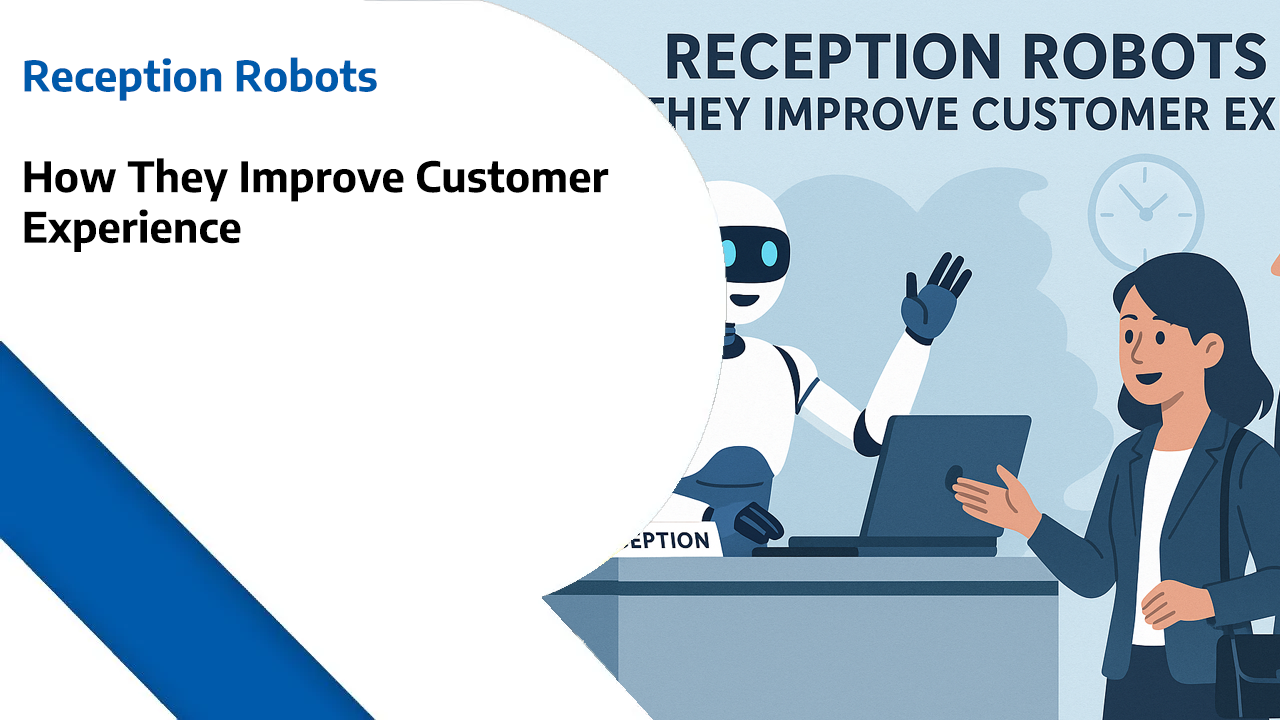
    In today’s fast-moving world, customer experience is everything. Whether it’s a hotel lobby, a corporate office, a hospital reception, or a retail store, the way customers are greeted and supported at the front desk sets the tone for their entire journey. First impressions matter, and businesses that fail to deliver on this are already on the back foot.

    Enter reception robots – an exciting evolution in hospitality and customer service. These intelligent, interactive machines are transforming how organisations welcome guests, streamline processes, and enhance customer satisfaction. But they’re not just futuristic gadgets – they’re a strategic investment with measurable returns.

    In this article, we’ll explore how reception robots improve customer experience, share real-world examples, and explain why robot consultancy and robot recruitment services (available via info@robophil.com or call 0845 528 0404) are the missing link for businesses that want to do this the right way.

    Sponsored by:

    • Robot Center – Buy Robot, Robot Buy, Robot Consultancy, Robotics Consultancy.

    • Robots of London – Robot Hire, Robot Rental, Rent Robot, Hire Robot, Robot Events.

    • Robot Philosophy – Robot Consultancy AND Robot Recruitment, Robot Advice, Robot Insights, Robot Ideas.
    1. The Evolution of Reception Robots

    Reception robots didn’t just appear overnight. They are the product of decades of advancements in artificial intelligence, natural language processing, and robotics engineering. What once seemed like science fiction is now a practical business solution.

    Originally, reception robots started as interactive kiosks, offering directions and check-in options. Today, they have evolved into humanoid-style robots with facial recognition, voice interaction, and multilingual communication skills. Robots like Temi, Pepper, and LuckiBot can provide personalised greetings, answer questions, and even escort visitors to their destinations.

    This transformation shows how far robotics has come – and how businesses can leverage this technology to stand out.


    2. Why First Impressions Matter

    The reception area is often a customer’s first point of contact. A warm, efficient, and memorable welcome can make all the difference in shaping trust and loyalty. Studies have shown that:

    • 55% of first impressions are determined by what we see.

    • 70% of customers base purchasing decisions on how they feel treated.

    • Businesses that excel in customer experience outperform competitors by up to 80% in revenue growth.

    Reception robots bring consistency, reliability, and innovation to this critical moment – ensuring that every customer, every time, has a positive experience.


    3. The Benefits of Reception Robots for Customer Experience

    3.1 Personalised Greetings

    Reception robots can use facial recognition or guest lists to provide personalised welcomes. Instead of a generic “Hello,” they can say:
    “Welcome back, Mr. Smith. Your meeting with Sarah is in Conference Room 3. Shall I guide you there?”

    This creates an instant impression of professionalism and care.

    3.2 Multilingual Support

    In global cities like London, multilingual guests are common. Reception robots can switch seamlessly between languages – English, Mandarin, Spanish, Arabic – making international visitors feel immediately understood.

    3.3 24/7 Availability

    Unlike humans, robots don’t get tired. They provide consistent service around the clock – perfect for hotels, hospitals, and corporate HQs that operate outside 9-to-5 hours.

    3.4 Queue Management

    Robots can help manage check-ins, registrations, and waiting times by digitising processes. Guests can self-check-in or be directed to the correct desk, cutting down bottlenecks.

    3.5 Contactless Interaction

    Especially post-pandemic, customers value hygiene and safety. Reception robots enable touch-free interactions through voice recognition and QR code scanning – reassuring visitors while still delivering excellent service.

    3.6 Entertainment and Engagement

    Some reception robots go beyond utility and add charm. They can tell jokes, dance, or share news updates – lightening the mood and creating a unique, shareable moment.


    4. Real-World Use Cases

    4.1 Hotels

    Hotels are among the biggest adopters. Reception robots streamline check-in, provide concierge-style services, and even guide guests to their rooms. Imagine arriving late at night – instead of waiting for staff, a robot greets you, checks you in, and points you toward the lift.

    4.2 Corporate Offices

    Businesses use reception robots to register visitors, issue passes, and notify employees of their guest’s arrival. This boosts efficiency and frees human receptionists to handle complex tasks.

    4.3 Hospitals

    Hospitals benefit from robots that provide directions, assist with patient check-in, and reduce waiting room stress. Patients often feel reassured when guided clearly to their destination.

    4.4 Events & Exhibitions

    Reception robots are perfect for event check-ins, guest information, and sponsor promotions. They make events more engaging while handling large crowds with ease.


    5. Customer Experience Beyond the Reception

    Reception robots aren’t limited to welcoming visitors. They’re part of a wider trend where service robots are being deployed across industries. Restaurants, retail stores, airports, and care homes are already seeing value in robotic assistants.

    The lesson? Businesses that embrace robotics early position themselves as leaders in customer innovation.


    6. The Human + Robot Partnership

    Some worry that robots will replace human receptionists. But the reality is different: robots augment, not replace.

    • Robots handle repetitive tasks: greetings, check-ins, FAQs.

    • Humans handle complex needs: emotional support, problem-solving, building deeper relationships.

    Together, they create a hybrid reception model that is more efficient, scalable, and customer-friendly.


    7. The ROI of Reception Robots

    A key question for businesses: Are reception robots worth the investment?

    The answer is yes – when deployed strategically. Benefits include:

    • Reduced staffing costs.

    • Increased efficiency.

    • Enhanced brand image.

    • Higher customer satisfaction and retention.

    • Better data collection on visitor flows.

    With proper consultancy and integration, robots quickly pay for themselves.


    8. Why You Need Robot Consultancy & Recruitment

    Here’s the truth: many businesses get excited about robotics but fail to implement them effectively. Robots end up underused, misconfigured, or poorly integrated with workflows. That’s why robot consultancy and robot recruitment services are essential.

    At Robot Philosophy, we specialise in guiding businesses through:

    • Robot Consultancy – Identifying the right robot, customising solutions, and optimising deployments.

    • Robot Recruitment – Helping businesses hire robotics talent, from technicians to strategists, who can manage and scale robotic systems.

    👉 To book a call and start your robotics journey today, email info@robophil.com or call 0845 528 0404.


    9. RoboPhil – Your Robotics Guide

    This article is brought to you with insights from RoboPhil (Philip English) – a leading robot YouTuber, robotics trainer, consultant, and influencer.

    RoboPhil has spent years showcasing the latest in robotics through his YouTube channel, helping businesses and individuals understand how to adopt robots strategically. He bridges the gap between futuristic technology and real-world business benefits.

    Whether you’re looking for:

    • Robot training for your staff,

    • Robot consultancy for your business, or

    • Robot recruitment to bring in the right talent,

    RoboPhil provides the expertise to make it happen.


    10. Getting Started – Your Next Steps

    If you’re serious about improving customer experience with reception robots, here’s what to do next:

    1. Evaluate Your Needs – What role do you want robots to play in your reception area?

    2. Book a Consultancy Call – Contact info@robophil.com or call 0845 528 0404.

    3. Deploy the Right Robot – Work with our consultancy partners to select and integrate the best robot for your business.

    4. Train Your Team – Combine robots with skilled humans for a hybrid approach.

    5. Scale Strategically – Once successful in reception, expand into other customer-facing areas.


    Conclusion

    Reception robots are no longer a novelty – they are a strategic advantage for businesses focused on delivering world-class customer experience. From personalised greetings to multilingual support and 24/7 availability, they transform first impressions into lasting loyalty.

    But success requires more than just buying a robot. It requires the right consultancy, strategy, and people to make it work. That’s where Robot Philosophy, Robot Center, and Robots of London come in.

    So, if you want to take your customer experience to the next level:
    👉 Email info@robophil.com
    👉 Call 0845 528 0404

    Your future customers are waiting – and a reception robot is ready to welcome them.


    Sponsors of this Article

    • Robot Center – Buy Robot, Robot Buy, Robot Consultancy, Robotics Consultancy.

    • Robots of London – Robot Hire, Robot Rental, Rent Robot, Hire Robot, Robot Events.

    • Robot Philosophy – Robot Consultancy AND Robot Recruitment, Robot Advice, Robot Insights, Robot Ideas.


  • Galbot Wins Gold at World Humanoid Robot Games 2025 – Fully Autonomous Robot Redefines the Future

    Galbot Wins Gold at World Humanoid Robot Games 2025 – Fully Autonomous Robot Redefines the Future

    Galbot Wins Gold at World Humanoid Robot Games 2025 – Fully Autonomous Robot Redefines the Future


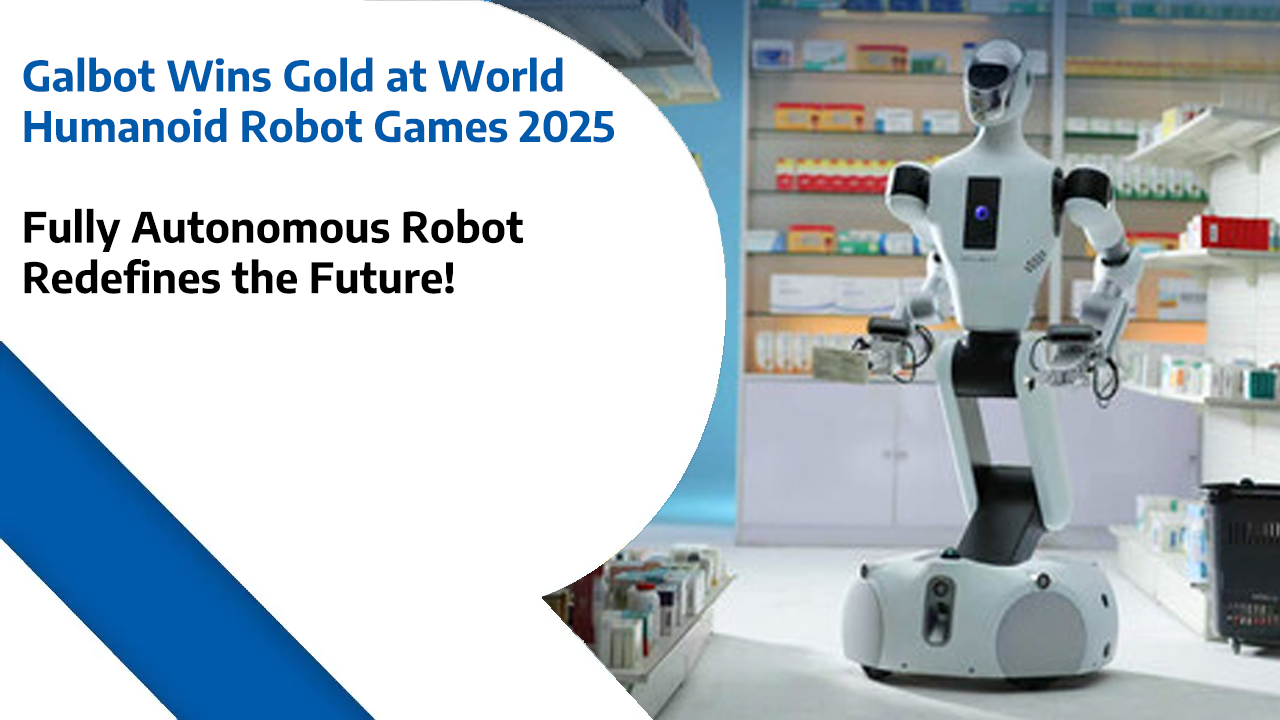
    Big news from Beijing—Galbot has just made history at the very first World Humanoid Robot Games, taking home the gold medal in the Robot Skills Competition. And it did it without any human help—fully autonomous, no teleoperation, no strings attached.

    While many of the 22 teams relied on remote control, Galbot sailed through the prelims, semis, and finals in first place. The headline moment was the Pharmaceutical Sorting Challenge, where it scanned six tall shelves, picked the right medications out of hundreds, and delivered nine correct ones in just 10 minutes and 22 seconds. The score? 336 points—leaving second place trailing by a huge 160-point margin.

    This wasn’t just a flashy demo. Galbot’s already hard at work in over 10 smart pharmacies across Beijing, with plans to roll out to more than 100 by the end of the year. So yes, it’s already handing out prescriptions while the rest of us are still fumbling with self-checkout machines.

    The secret behind its success is Galbot’s clever ‘Sim2Real’ training method—massive synthetic data practice, then fine-tuning in the real world. That means it learns faster, costs less, and adapts better.

    So, from the competition floor to the pharmacy counter, Galbot isn’t just winning medals—it’s redefining what robots can do in the real world. And if this is the starting line, the future of humanoid robotics just got a whole lot more interesting.


    And that’s your robot news update for today!
    If you’re curious about how robotics can transform your business, join me for the weekly Live Robot Optimise Workshop — it’s packed with insights, trends, and practical tips. Don’t forget to subscribe so you stay in the loop with all the latest updates.

    I’m RoboPhil from Robot Philosophy — thanks for watching, and I’ll see you next time!


    Join our Robot Optimise Industry (ROI) Workshop: https://robophil.com/


    Sponsors:-


    Robot Center: – https://robotcenter.co.uk/ – Buy Robot, Robot Buy, Robot consultancy, Robotics Consultancy


    Robots of London: – https://robotsoflondon.co.uk/ – Robot Hire, Robot Rental, Rent Robot, Hire Robot, Robot Events


    Robot Philosophy: – https://robophil.com/ – Robot Consultancy AND Robot Recruitment, Robot Advice, Robot Insights, Robot Ideas

  • Cleaning Robots for Commercial Buildings – What to look for

    Cleaning Robots for Commercial Buildings – What to look for

    leaning Robots for Commercial Buildings: What to Look For

    Sponsored by Robot Center, Robots of London, and Robot Philosophy

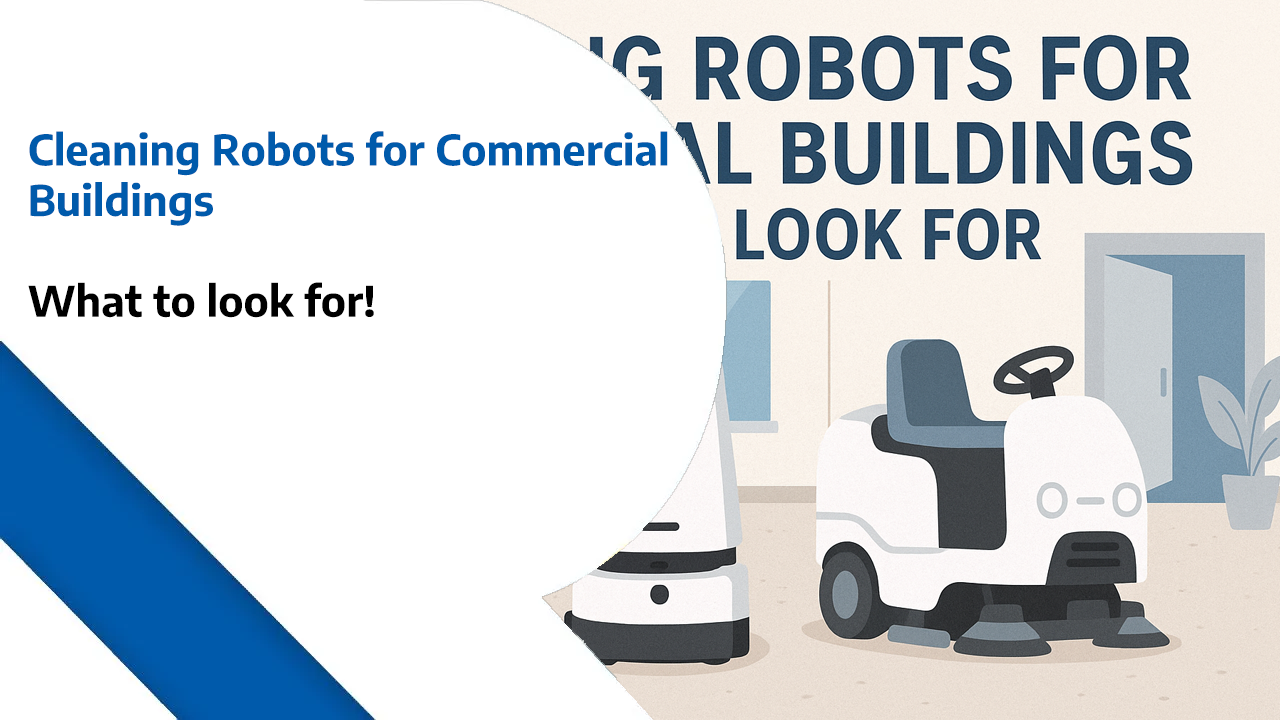
    The commercial cleaning industry is experiencing a revolutionary transformation as autonomous cleaning robots become increasingly sophisticated and cost-effective. For facility managers, building owners, and cleaning service providers, understanding what to look for in cleaning robots for commercial buildings has become essential for maintaining competitive advantages while ensuring superior cleaning standards.

    The Rise of Commercial Cleaning Robotics

    Commercial buildings present unique challenges that traditional cleaning methods struggle to address efficiently. Large floor spaces, consistent cleaning schedules, and the need for reliable, repeatable results make commercial environments ideal candidates for robotic automation. Unlike residential spaces, commercial buildings benefit from the predictable patterns and scalable operations that cleaning robots excel at delivering.

    Modern cleaning robots have evolved far beyond simple vacuum cleaners. Today’s commercial cleaning solutions incorporate advanced sensors, artificial intelligence, and sophisticated navigation systems that enable them to operate autonomously in complex environments while delivering professional-grade cleaning results.

    Key Features to Evaluate in Commercial Cleaning Robots

    Navigation and Mapping Technology

    The foundation of any effective commercial cleaning robot lies in its navigation capabilities. Look for robots equipped with LiDAR (Light Detection and Ranging) technology, which creates detailed 3D maps of your facility. This technology ensures comprehensive coverage while avoiding obstacles and adapting to changing environments.

    Advanced mapping systems should offer zone-based cleaning, allowing you to designate specific areas for different cleaning protocols. High-traffic zones may require more frequent attention, while sensitive areas might need gentler cleaning approaches. The best systems learn and adapt to your building’s unique layout over time.

    Battery Life and Charging Infrastructure

    Commercial buildings demand extended operational periods, making battery performance crucial. Evaluate robots with batteries capable of covering large areas on a single charge. More importantly, consider systems with automatic return-to-charge functionality and the ability to resume cleaning where they left off.

    Some advanced systems feature swappable battery packs or rapid charging capabilities, minimizing downtime and maximizing productivity. For 24/7 facilities, look for robots that can operate continuously with minimal interruption.

    Cleaning Performance and Versatility

    Different areas of your commercial building require different cleaning approaches. The ideal cleaning robot should handle multiple surface types, from hard floors to carpets, with adjustable suction power and brush systems. Consider robots that can perform multiple functions, such as vacuuming, mopping, and even UV sanitization.

    Pay attention to the robot’s ability to handle debris of various sizes and its filtration system’s effectiveness, particularly important in environments with specific air quality requirements.

    Connectivity and Fleet Management

    Commercial operations benefit significantly from centralized control systems. Look for robots that offer cloud-based fleet management platforms, allowing you to monitor multiple units across different locations from a single interface. These systems should provide real-time status updates, cleaning reports, and maintenance alerts.

    Integration capabilities with existing building management systems can streamline operations and provide valuable data for facility optimization.

    Size and Scale Considerations

    Building Square Footage

    The size of your facility directly impacts the type and number of robots you’ll need. Small to medium commercial spaces (up to 10,000 square feet) can typically be serviced by compact, agile robots that maneuver easily around furniture and obstacles.

    Larger facilities (10,000+ square feet) benefit from industrial-grade robots with extended battery life and larger debris capacity. Some operations may require multiple robots working in coordination to ensure comprehensive coverage within acceptable timeframes.

    Obstacle Navigation

    Commercial buildings present complex navigation challenges including furniture, equipment, cables, and varying floor surfaces. Advanced robots utilize multiple sensor types including cameras, ultrasonic sensors, and bump sensors to create comprehensive environmental awareness.

    Look for robots capable of detecting and avoiding both static and dynamic obstacles while maintaining efficient cleaning patterns. The ability to navigate around temporary obstacles and return later is particularly valuable in active commercial environments.

    Maintenance and Reliability Factors

    Serviceability and Parts Availability

    Commercial cleaning robots are significant investments that require ongoing maintenance to deliver consistent performance. Evaluate the availability of replacement parts, local service centers, and the manufacturer’s track record for customer support.

    Consider the ease of routine maintenance tasks such as emptying debris containers, cleaning filters, and replacing brushes. Robots designed with tool-free maintenance reduce downtime and operational complexity.

    Durability and Build Quality

    Commercial environments demand robust construction capable of withstanding daily operation in challenging conditions. Look for robots with reinforced chassis, high-quality components, and proven reliability records in similar applications.

    Industrial-grade robots should offer protection against dust, moisture, and impact damage while maintaining precise cleaning performance over extended operational periods.

    Integration with Existing Operations

    Staff Training Requirements

    The introduction of cleaning robots should complement rather than complicate existing operations. Evaluate systems with intuitive interfaces and comprehensive training programs. The best robotic solutions require minimal staff training while providing clear operational guidelines.

    Consider robots that can be easily programmed by facility staff without requiring specialized technical expertise. User-friendly mobile applications and straightforward scheduling systems enhance adoption and operational efficiency.

    Workflow Integration

    Successful robotic implementation requires seamless integration with existing cleaning protocols. Look for flexible scheduling systems that accommodate your facility’s operational patterns, including off-hours cleaning and special event preparations.

    The ability to coordinate robotic cleaning with human staff activities ensures comprehensive coverage while minimizing disruption to building occupants.

    Cost-Benefit Analysis Considerations

    Initial Investment vs. Operational Savings

    While commercial cleaning robots represent significant upfront investments, they typically deliver substantial long-term savings through reduced labor costs, improved consistency, and enhanced efficiency. Calculate the total cost of ownership including purchase price, maintenance costs, and operational expenses over the expected lifespan.

    Consider potential savings from reduced cleaning supply usage, as robots often optimize cleaning solution application and reduce waste compared to manual cleaning methods.

    Return on Investment Metrics

    Effective ROI analysis should consider both quantitative and qualitative benefits. Quantitative metrics include labor cost reduction, increased cleaning frequency capability, and reduced supply costs. Qualitative benefits encompass improved cleaning consistency, enhanced building image, and reduced management oversight requirements.

    Most commercial cleaning robots achieve positive ROI within 12-24 months in appropriate applications, with ongoing benefits extending throughout their operational lifetime.

    Security and Data Privacy

    Network Security Considerations

    Modern cleaning robots collect and transmit operational data, making cybersecurity a critical consideration. Ensure robots meet your organization’s security standards and offer encrypted data transmission and secure cloud storage options.

    Evaluate the manufacturer’s security update policies and their track record for addressing potential vulnerabilities promptly.

    Data Collection and Usage

    Understand what data your cleaning robots collect and how it’s used. While operational data provides valuable insights for optimization, ensure compliance with privacy regulations and your organization’s data governance policies.

    Look for systems that provide transparent data handling practices and offer control over data sharing and storage preferences.

    Professional Consultation and Implementation

    Selecting the right cleaning robot for your commercial building requires careful analysis of your specific requirements, operational constraints, and performance expectations. Professional consultation can help identify the optimal solution while avoiding costly mistakes.

    RoboPhil, led by Philip English – a renowned robot YouTuber, trainer, consultant, and robot influencer – specializes in helping organizations navigate the complex world of commercial robotics. With extensive experience in robot implementation and optimization, RoboPhil provides expert guidance tailored to your unique requirements.

    Whether you need assistance with robot selection, implementation planning, or staff training, professional consultation ensures you maximize the value of your robotics investment. RoboPhil’s comprehensive approach addresses technical requirements, operational integration, and long-term maintenance considerations.

    Getting Started with Commercial Cleaning Robots

    The journey to implementing cleaning robots in your commercial building begins with thorough assessment and planning. Professional consultation can help you evaluate your specific needs, compare available options, and develop an implementation strategy that delivers optimal results.

    For expert guidance on selecting and implementing cleaning robots for your commercial building, contact our robot consulting and recruitment services at info@robophil.com or call 0845 528 0404 to book a consultation call.

    Conclusion

    Commercial cleaning robots offer transformative potential for facility management, delivering consistent results while reducing operational costs. Success depends on careful evaluation of navigation technology, performance capabilities, integration requirements, and long-term support considerations.

    The right cleaning robot, properly selected and implemented, becomes a valuable asset that enhances your facility’s cleanliness standards while optimizing operational efficiency. Professional consultation ensures you make informed decisions that deliver lasting value for your commercial building operations.


    Article Sponsors

    Robot Centerhttps://robotcenter.co.uk/
    Your premier destination for robot purchasing, robotics consultancy, and expert guidance. Whether you’re looking to buy robots or need specialized robotics consultancy services, Robot Center provides comprehensive solutions for all your automation needs.

    Robots of Londonhttps://robotsoflondon.co.uk/
    Specializing in robot hire and rental services for events and temporary applications. From robot rentals to specialized robot events, Robots of London provides flexible robotics solutions when you need them most.

    Robot Philosophyhttps://robophil.com/
    Leading provider of robot consultancy and recruitment services, offering expert robot advice, insights, and innovative ideas. Robot Philosophy connects organizations with the right robotics solutions and talent for successful automation implementation.

    For professional robot consulting and recruitment services, contact info@robophil.com or call 0845 528 0404 to schedule your consultation.


  • Evri Unleashes Robot Dog Deliveries – UK’s First Autonomous Parcel Pups Explained

    Evri Unleashes Robot Dog Deliveries – UK’s First Autonomous Parcel Pups Explained

    Evri Unleashes Robot Dog Deliveries UK’s First Autonomous Parcel Pups Explained


    Imagine opening your door this summer to find… not just a courier, but a robot dog delivering your parcel.

    That’s exactly what Evri, the UK’s largest dedicated parcel delivery company, is preparing to trial in a UK first. And no, it’s not an April Fool’s joke.

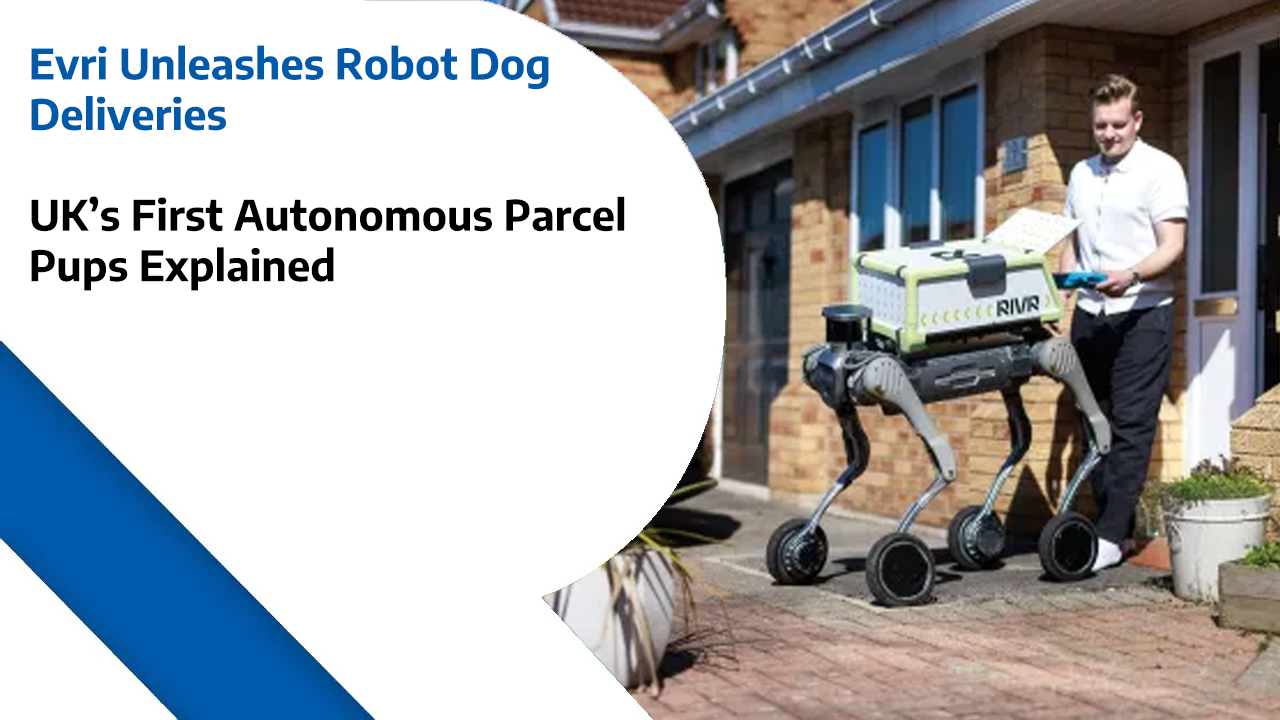
    Working in partnership with Swiss physical-AI specialists RIVR, the four-legged robot will support couriers by hopping in and out of vans and handling some of the legwork—literally—when parcels need to reach your door.

    The trial begins in Barnsley in summer 2025, where residents can sign up to take part. Alongside the robot dogs, smaller electric delivery bots from Delivers AI will also be put to the test, running day and night, offering more flexibility for consumers, including scheduled delivery slots and even late-night drop-offs.

    Evri’s Chief Technology Officer, Marcus Hunter, is clear: couriers remain at the heart of the business. The robots are designed to assist, not replace, making deliveries faster, easier, and more convenient.

    So while these robot dogs won’t wag their tails or fetch your slippers, they might just change the way your next parcel arrives at the door


    And that’s your robot news update for today!
    If you’re curious about how robotics can transform your business, join me for the weekly Live Robot Optimise Workshop — it’s packed with insights, trends, and practical tips. Don’t forget to subscribe so you stay in the loop with all the latest updates.

    I’m RoboPhil from Robot Philosophy — thanks for watching, and I’ll see you next time!


    Join our Robot Optimise Industry (ROI) Workshop: https://robophil.com/workshop


    Sponsors:-


    Robot Center: – https://robotcenter.co.uk/ – Buy Robot, Robot Buy, Robot consultancy, Robotics Consultancy


    Robots of London: – https://robotsoflondon.co.uk/ – Robot Hire, Robot Rental, Rent Robot, Hire Robot, Robot Events


    Robot Philosophy: – https://robophil.com/ – Robot Consultancy AND Robot Recruitment, Robot Advice, Robot Insights, Robot Ideas

  • Delivery Robots – How to Deploy them in Urban Spaces

    Delivery Robots – How to Deploy them in Urban Spaces

    Delivery Robots: How to Deploy Them in Urban Spaces

    Introduction – The Rise of Delivery Robots

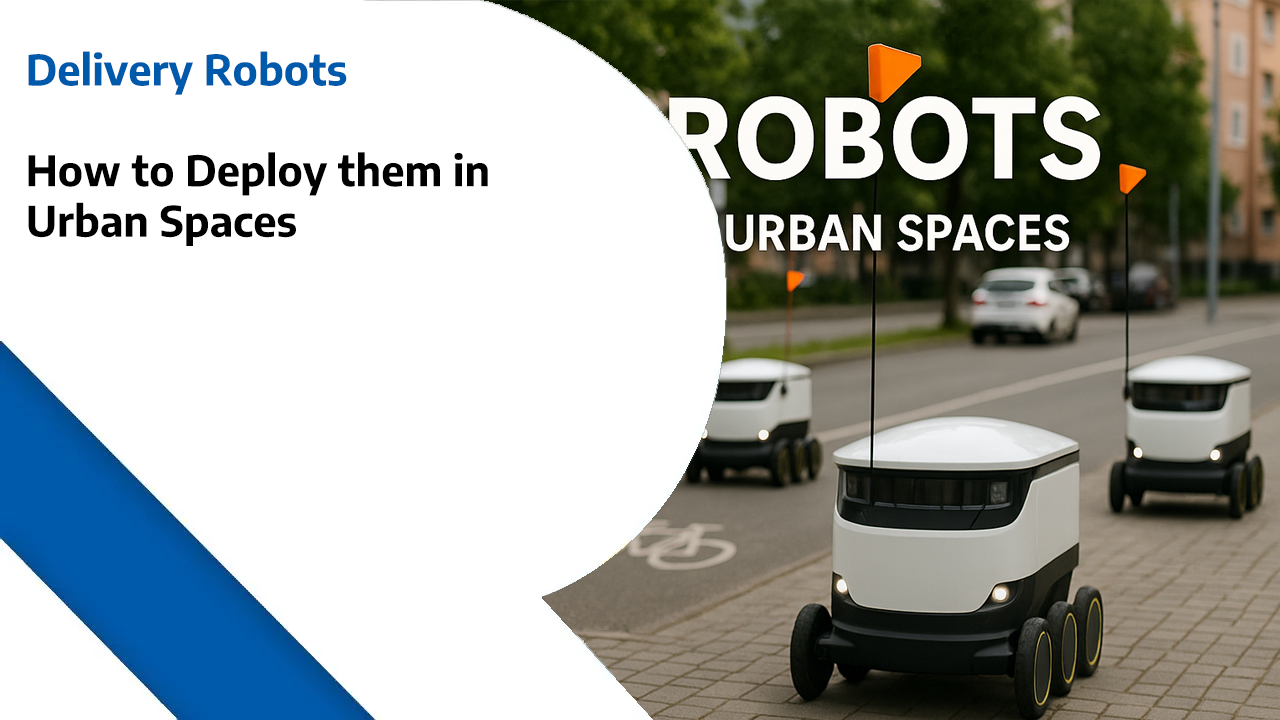
    Delivery robots have quickly moved from futuristic prototypes into real-world urban spaces. Across cities in Europe, North America, and Asia, small autonomous vehicles are already delivering groceries, packages, takeaways, and even coffee.

    For city planners, logistics firms, restaurants, and retail businesses, the question is no longer if delivery robots will become mainstream, but how to deploy them effectively.

    Deploying robots in complex urban spaces is not as simple as “buying a fleet.” It requires planning, integration, compliance, and support. That’s where consultancy and recruitment services like ours come in — helping businesses select, deploy, and scale delivery robot operations with minimal friction.

    This article explores everything you need to know: from technology and regulations to customer experience, deployment strategies, and business models. By the end, you’ll see how delivery robots can transform your operations — and how you can get expert help from Robot Center, Robots of London, and Robot Philosophy, led by RoboPhil (Philip English), a robotics YouTuber, trainer, and consultant.

    📧 For tailored guidance, contact us: info@robophil.com
    📞 Or book a call: 0845 528 0404


    Part 1: Why Urban Delivery Robots Are the Future

    1.1 The Push for Automation in Cities

    Cities are dense, fast-paced, and filled with logistical challenges. Traditional delivery vans struggle with:

    • Congestion and rising traffic fines.

    • Narrow pedestrianized streets.

    • Parking restrictions.

    • Environmental regulations targeting emissions.

    Delivery robots offer a solution: small, electric, and efficient. They can navigate pavements, cycle lanes, or designated routes, reducing the need for vans and cutting costs dramatically.

    1.2 Changing Consumer Expectations

    Consumers now demand fast, flexible, and affordable delivery. The pandemic accelerated online shopping, food delivery, and last-mile logistics. Companies like Amazon, Just Eat, Uber Eats, and Starship have proven there’s huge demand for on-demand robotic delivery.

    Robots meet these expectations by:

    • Offering delivery within 30–60 minutes.

    • Reducing delivery fees.

    • Operating during off-peak hours or overnight.

    1.3 Economics That Work

    Robots slash delivery costs. Instead of paying £6–10 per human courier trip, a robot can deliver multiple orders at once for pennies in electricity. The economics of scale are compelling — and businesses that don’t explore automation risk being left behind.


    Part 2: Core Technologies of Delivery Robots

    2.1 Navigation and Autonomy

    Urban delivery robots use a mix of sensors and AI:

    • Lidar and cameras to detect pedestrians, traffic lights, and obstacles.

    • GPS + SLAM mapping for precise positioning.

    • Machine learning to improve decision-making.

    2.2 Fleet Management

    Behind every successful deployment is a control system that assigns deliveries, monitors robots, and handles exceptions (e.g., stuck robots, blocked routes).

    2.3 Safety and Redundancy

    Public trust is built on safety. Robots must:

    • Stop instantly if a child runs across their path.

    • Send alerts if tampered with.

    • Be trackable in real time.

    2.4 Integration With Existing Platforms

    For restaurants, retailers, or logistics companies, robots must plug into ordering apps, POS systems, and warehouse operations. Poor integration = poor ROI.

    👉 This is where Robot Consultancy becomes essential. Businesses often underestimate the technical integration layer. At Robot Philosophy we advise on APIs, software customisation, and data flow to make deployments seamless.


    Part 3: Urban Challenges and Solutions

    3.1 Regulatory Barriers

    Every city has unique rules. Robots are sometimes classified as pedestrians, other times as vehicles. Compliance requires:

    • Local authority permissions.

    • Insurance and liability frameworks.

    • Accessibility considerations (e.g., not blocking wheelchairs).

    3.2 Infrastructure Constraints

    Robots need:

    • Smooth pavements without potholes.

    • Drop-off points near doors.

    • Charging hubs.

    Cities may require robot lanes, much like cycle lanes, to scale deployments.

    3.3 Public Perception

    People worry about:

    • Robots taking jobs.

    • Privacy and surveillance.

    • Blocking pavements.

    Pilot programs show that community engagement reduces backlash. Businesses that communicate benefits (fewer vans, greener cities, faster deliveries) win support.


    Part 4: How to Deploy Delivery Robots in Urban Spaces

    4.1 Step 1 – Feasibility Audit

    Before buying robots, conduct an audit of:

    • Delivery routes.

    • Customer density.

    • Pavement and street conditions.

    • Regulations in your area.

    At Robot Center, we provide audits to determine the business case and operational fit for delivery robots.

    4.2 Step 2 – Selecting the Right Robots

    Not all delivery robots are equal. Some carry hot food, others handle groceries, others are designed for parcels.

    Key questions:

    • Do you need speed or payload?

    • Will robots operate only in daylight or 24/7?

    • How secure must the cargo be?

    Robots of London can arrange robot hire and trial deployments, letting you test models before committing to full purchase.

    4.3 Step 3 – Pilot Deployment

    Start small. Test 5–10 robots in one district. Measure:

    • On-time deliveries.

    • Customer satisfaction.

    • Robot uptime.

    • Integration with staff workflows.

    4.4 Step 4 – Scale With Data

    Successful pilots pave the way for scale. Data insights allow you to:

    • Expand to multiple districts.

    • Negotiate with local authorities.

    • Build charging and handover hubs.

    4.5 Step 5 – Long-Term Operations

    Robots are not “set and forget.” They require:

    • Ongoing maintenance.

    • Software updates.

    • On-site support teams.

    This is why robot recruitment is vital. Companies need skilled operators, engineers, and fleet managers. At Robot Philosophy, we provide robot recruitment services, sourcing and training talent who can keep your robot fleet running.


    Part 5: Business Models for Delivery Robots

    5.1 Restaurant & Grocery Delivery

    Food delivery is the biggest driver. Restaurants can cut reliance on expensive human couriers while offering fixed-price robotic delivery.

    5.2 Parcel Logistics

    Retailers and courier firms (e.g., DPD, DHL) are testing robots for short-range parcel drops, reducing van usage.

    5.3 In-House Logistics

    Hospitals, campuses, and business parks use robots internally to move goods between buildings.

    5.4 Events & Marketing

    Robots aren’t only for logistics. At Robots of London, robots can be rented for events, marketing, and brand launches. A delivery robot delivering free samples in a shopping mall is both a logistics solution and a viral marketing stunt.


    Part 6: Upselling Robot Consultancy and Recruitment

    Why Consultancy Is Essential

    Deploying robots without guidance risks:

    • Buying the wrong model.

    • Failing compliance checks.

    • Poor integration with apps.

    • Public backlash.

    At Robot Philosophy we provide robot consultancy that covers:

    • Feasibility studies.

    • Pilot planning.

    • Stakeholder engagement.

    • Integration strategy.

    • Scale-up roadmaps.

    Why Recruitment Is Essential

    Robots don’t replace humans — they change roles. Companies need:

    • Fleet supervisors.

    • Robot maintenance engineers.

    • AI operations staff.

    Our robot recruitment service ensures you find specialist talent. Instead of retraining staff ad-hoc, you get pre-vetted candidates who already understand robotics.

    📧 Email us today: info@robophil.com
    📞 Or book a discovery call: 0845 528 0404


    Part 7: Case Studies and Real-World Examples

    Starship Technologies in Milton Keynes

    The UK town of Milton Keynes is famous for its fleet of Starship robots delivering groceries. Success came from:

    • Supportive local council.

    • Clear pavements.

    • High consumer adoption.

    Autonomous Parcel Robots in Estonia

    Estonia, a pioneer in digital governance, has integrated parcel robots with national e-services, showing how public-private collaboration speeds adoption.

    Robots at Events in London

    Through Robots of London, companies have used robots for brand launches, conferences, and trade shows — proving that delivery robots aren’t just practical, they’re also powerful engagement tools.


    Part 8: The Future of Urban Delivery Robots

    8.1 AI Integration

    Future robots will integrate with predictive AI:

    • Forecasting peak delivery times.

    • Optimising routes dynamically.

    • Anticipating customer behaviour.

    8.2 Sustainability

    Cities are demanding net zero delivery solutions. Electric robots help businesses meet sustainability goals while improving brand image.

    8.3 Hybrid Fleets

    The future isn’t “all robots.” Instead, expect hybrid fleets combining:

    • Human couriers for complex jobs.

    • Robots for short-distance, low-cost deliveries.


    Sponsors of This Article

    This article is proudly supported by:

    • Robot Center – Buy Robot, Robot Buy, Robot Consultancy, Robotics Consultancy.

    • Robots of London – Robot Hire, Robot Rental, Rent Robot, Hire Robot, Robot Events.

    • Robot Philosophy – Robot Consultancy and Robot Recruitment, Robot Advice, Robot Insights, Robot Ideas.

    About RoboPhil (Philip English)

    RoboPhil, also known as Philip English, is a robot YouTuber, trainer, and consultant. He runs:

    • Robot Center (robot sales & consultancy).

    • Robots of London (robot hire & events).

    • Robot Philosophy (robot consultancy & recruitment).

    His mission is to optimise business impact with robots, helping companies embrace automation profitably.


    Conclusion – Deploy With Confidence

    Delivery robots are here, and urban spaces are adapting fast. The winners will be the businesses that:

    • Audit feasibility carefully.

    • Deploy the right robots for the right jobs.

    • Engage the public and regulators.

    • Invest in consultancy and recruitment for long-term success.

    If you’re considering delivery robots, don’t go it alone. With the right consultancy and recruitment partner, you’ll avoid costly mistakes and accelerate your return on investment.

    📧 Contact us today: info@robophil.com
    📞 Book a call: 0845 528 0404


  • Serve Robotics Acquires Vayu Robotics – Smarter AI Delivery Robots Take Over the Sidewalk

    Serve Robotics Acquires Vayu Robotics – Smarter AI Delivery Robots Take Over the Sidewalk

    Serve Robotics Acquires Vayu Robotics – Smarter AI Delivery Robots Take Over the Sidewalk


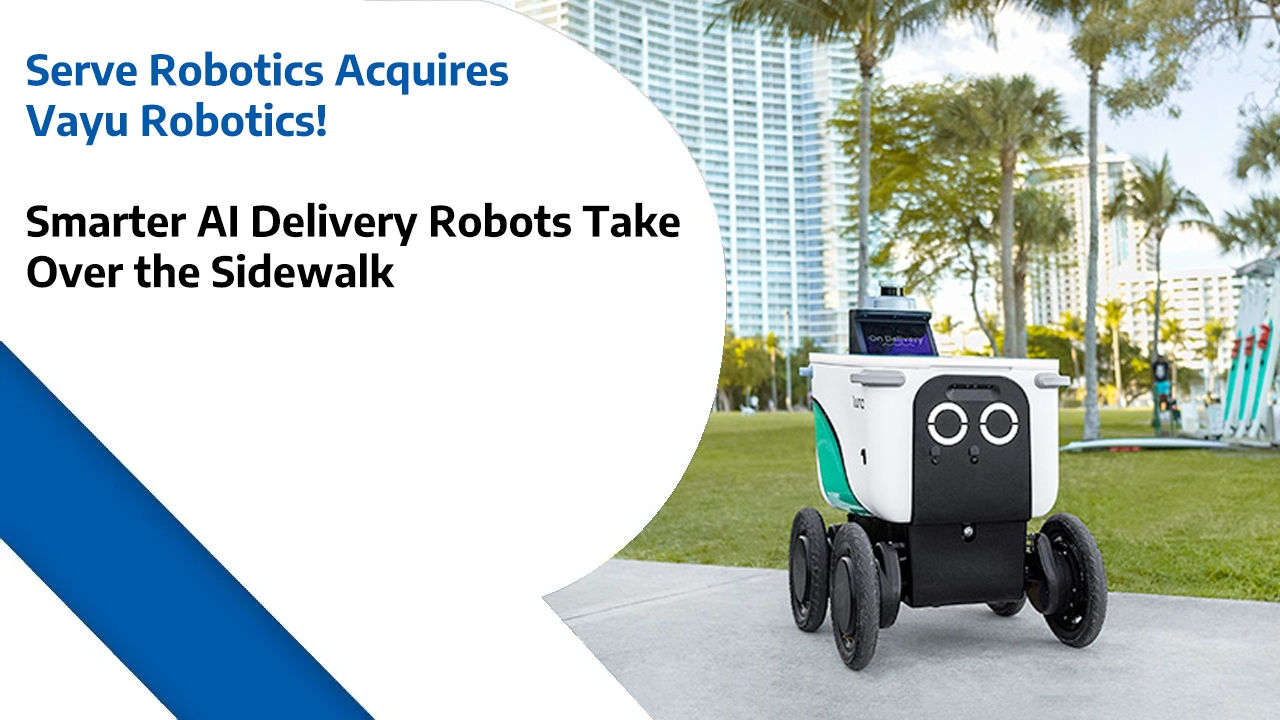
    Serve Robotics, the company behind those little sidewalk delivery robots, has just acquired Vayu Robotics, a specialist in large-scale AI models and simulation. In simple terms: Serve brought in some serious brainpower for its bots.

    The two companies will combine Serve’s autonomy stack and massive real-world sidewalk dataset with Vayu’s AI foundation models and simulation engine. The goal? Smarter, safer robots that can navigate more smoothly, handle new situations, and expand into more cities.

    CEO Ali Kashani called it a ‘significant milestone’ toward Serve’s mission of scaling robot deliveries nationwide. The company is aiming to bring delivery costs down to just one dollar per trip—cheaper than most tip jars.

    Serve already has multi-year contracts in place, including plans to deploy up to 2,000 robots on Uber Eats. With Vayu’s tech on board, those deliveries could be quicker, more reliable, and ready for bigger markets.

    The deal also comes with heavyweight backing: Vinod Khosla, a well-known Silicon Valley investor, is joining Serve’s Advisory Board to help steer the mission of bringing robots to sidewalks everywhere.

    So in short—robots are getting smarter, deliveries are getting cheaper, and the future of your late-night snacks might just roll up to your door on six wheels.


    And that’s your robot news update for today!
    If you’re curious about how robotics can transform your business, join me for the weekly Live Robot Optimise Workshop — it’s packed with insights, trends, and practical tips. Don’t forget to subscribe so you stay in the loop with all the latest updates.

    I’m RoboPhil from Robot Philosophy — thanks for watching, and I’ll see you next time!


    Join our Robot Optimise Industry (ROI) Workshop: https://robophil.com/workshop


    Sponsors:-


    Robot Center: – https://robotcenter.co.uk/ – Buy Robot, Robot Buy, Robot consultancy, Robotics Consultancy


    Robots of London: – https://robotsoflondon.co.uk/ – Robot Hire, Robot Rental, Rent Robot, Hire Robot, Robot Events


    Robot Philosophy: – https://robophil.com/ – Robot Consultancy AND Robot Recruitment, Robot Advice, Robot Insights, Robot Ideas

  • KettyBot / Restaurant Robot – How Retailers Are Using It To Increase Sales

    KettyBot / Restaurant Robot – How Retailers Are Using It To Increase Sales

    KettyBot Restaurant Robot: How Retailers Are Using It To Increase Sales

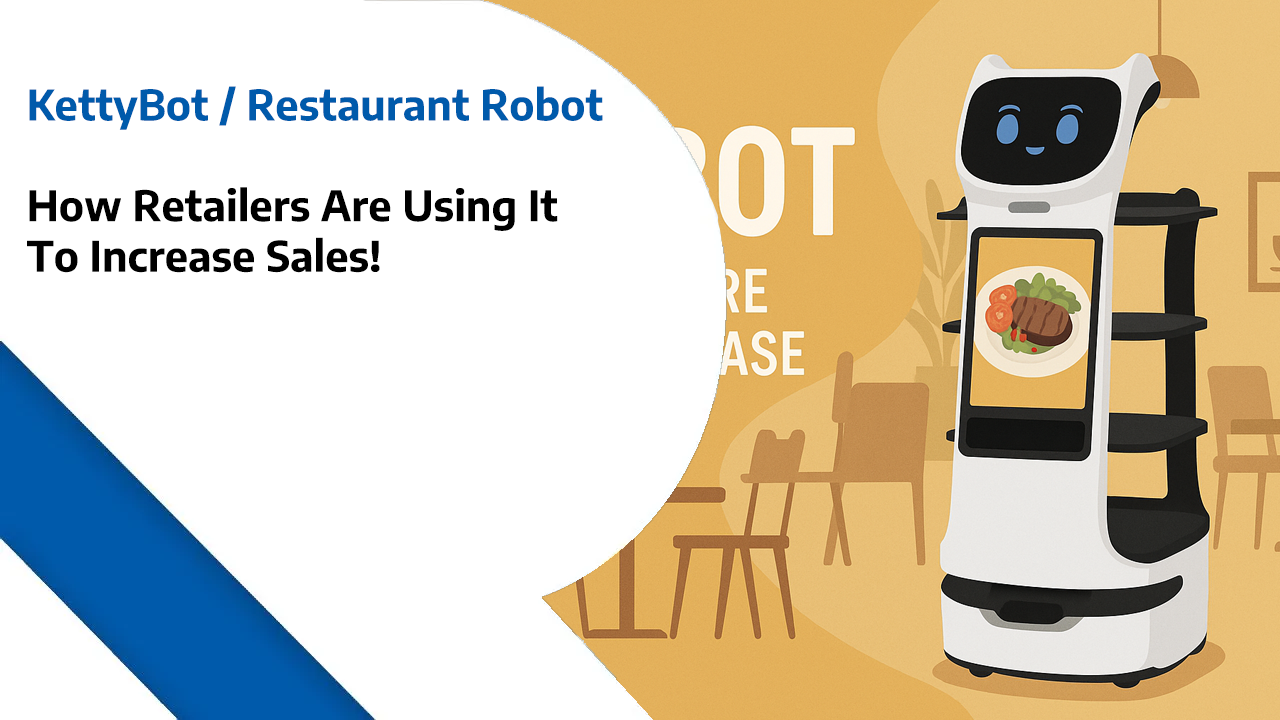
    The restaurant and retail industry is experiencing a technological revolution, and at the forefront of this transformation is the KettyBot restaurant robot. As businesses increasingly seek innovative ways to enhance customer experience while optimizing operational efficiency, KettyBot has emerged as a game-changing solution that’s not just serving food – it’s serving up impressive sales results.

    The Rise of Restaurant Robotics

    The global restaurant robotics market has witnessed unprecedented growth, driven by labor shortages, rising operational costs, and evolving consumer expectations. KettyBot represents the pinnacle of this technological evolution, combining advanced AI capabilities with practical restaurant functionality to create a service robot that’s revolutionizing how businesses operate.

    Unlike traditional service methods, KettyBot offers a unique blend of efficiency, entertainment, and engagement that customers find both novel and appealing. This multi-faceted approach is proving instrumental in driving sales growth across various retail and hospitality environments.

    How KettyBot Enhances the Customer Experience

    Interactive Service Delivery

    KettyBot’s sophisticated navigation system and interactive display create an engaging dining experience that encourages customers to spend more time in establishments. The robot’s ability to communicate with customers, provide menu recommendations, and even entertain with its animated expressions transforms routine service interactions into memorable experiences.

    This enhanced engagement directly correlates with increased dwell time, which retail studies consistently show leads to higher per-customer spending. When customers are entertained and engaged, they’re more likely to order additional items, desserts, or beverages.

    Consistent Service Quality

    One of KettyBot’s most significant advantages is its ability to deliver consistent, high-quality service regardless of peak hours, staff availability, or other operational challenges. This reliability ensures that every customer receives the same level of attention and service excellence, leading to improved satisfaction scores and repeat business.

    The robot’s precision in order delivery and its ability to work continuously without breaks means faster table turnover during busy periods, directly impacting revenue per hour – a critical metric for restaurant profitability.

    Operational Efficiency and Cost Reduction

    Labor Optimization

    KettyBot doesn’t replace human staff but rather augments their capabilities. By handling routine tasks like food delivery, table clearing, and basic customer inquiries, the robot frees up human employees to focus on higher-value activities such as complex customer service, food preparation, and sales consultation.

    This optimization leads to better resource allocation, reduced labor costs during peak hours, and improved overall operational efficiency. Restaurants report being able to serve more customers with the same staffing levels, directly impacting their bottom line.

    Reduced Service Errors

    Human error in order delivery and table service can lead to customer dissatisfaction, food waste, and additional costs. KettyBot’s precision mapping and order management system virtually eliminates these errors, ensuring orders reach the correct tables promptly and accurately.

    This reduction in service errors not only improves customer satisfaction but also reduces operational costs associated with remakes, refunds, and customer compensation.

    Marketing and Brand Differentiation

    Social Media Magnetism

    KettyBot serves as a natural marketing tool, with customers frequently photographing and sharing their robot service experiences on social media platforms. This organic marketing generates valuable brand exposure and attracts new customers curious about the innovative dining experience.

    Restaurants utilizing KettyBot report significant increases in social media mentions, check-ins, and user-generated content, all of which contribute to enhanced brand visibility and customer acquisition.

    Competitive Advantage

    In an increasingly competitive market, KettyBot provides establishments with a distinct differentiator. The novelty and efficiency of robot service can be the deciding factor for customers choosing between similar restaurants or retail outlets.

    This competitive edge is particularly valuable in tourist areas or business districts where first impressions and unique experiences drive customer selection decisions.

    Real-World Sales Impact

    Case Study Results

    Early adopters of KettyBot technology report impressive results across multiple key performance indicators. Average increases in sales range from 15-25% within the first six months of implementation, with some establishments seeing even higher growth rates.

    The combination of improved efficiency, enhanced customer experience, and reduced operational costs creates a compounding effect that significantly impacts profitability. Restaurants report not only higher revenue per customer but also improved profit margins due to operational savings.

    Customer Retention and Loyalty

    The memorable experience provided by KettyBot service contributes to improved customer retention rates. The novelty factor encourages repeat visits, while the consistent service quality ensures customer satisfaction across multiple interactions.

    Many establishments report that customers specifically return to experience the robot service again or to show friends and family, creating a virtuous cycle of customer acquisition and retention.

    Implementation Considerations

    Space and Layout Optimization

    Successful KettyBot implementation requires careful consideration of restaurant layout and traffic flow. The robot’s navigation capabilities are impressive, but optimizing the physical environment ensures maximum efficiency and safety.

    Professional consultation can help businesses redesign their layouts to maximize KettyBot’s effectiveness while maintaining comfortable customer spaces and efficient staff workflows.

    Staff Training and Integration

    While KettyBot is designed for intuitive operation, proper staff training ensures seamless integration with existing service protocols. Training programs should cover robot operation, maintenance basics, and how to leverage the robot’s capabilities to enhance rather than replace human service.

    The most successful implementations involve comprehensive change management strategies that help staff embrace the technology as a valuable tool rather than a threat to their roles.

    Future Implications and Scalability

    Technology Evolution

    As AI and robotics technology continue to advance, KettyBot’s capabilities are constantly expanding. Regular software updates introduce new features, improved navigation algorithms, and enhanced customer interaction capabilities.

    This ongoing evolution means that businesses investing in KettyBot today are positioning themselves for continued benefits as the technology improves and new features become available.

    Market Expansion

    The success of KettyBot in restaurant environments is driving expansion into other retail sectors. Hotels, retail stores, healthcare facilities, and entertainment venues are all exploring applications for service robots, creating new opportunities for businesses to differentiate themselves and improve operational efficiency.

    Investment Return and Financial Benefits

    Cost-Benefit Analysis

    While the initial investment in KettyBot technology represents a significant capital expenditure, the return on investment typically materializes quickly through a combination of increased sales, reduced labor costs, and operational savings.

    Most businesses report breaking even on their robot investment within 12-18 months, with continued financial benefits extending well beyond the payback period.

    Long-term Value Creation

    Beyond immediate financial returns, KettyBot investment contributes to long-term business value through enhanced brand positioning, improved operational capabilities, and competitive advantage maintenance.

    The technology also provides valuable data insights into customer behavior, preferences, and operational patterns that can inform strategic business decisions and further optimize performance.

    Getting Started with Restaurant Robotics

    Professional Consultation

    Implementing KettyBot successfully requires careful planning, from initial site assessment through ongoing optimization. Professional robotics consultants can provide invaluable guidance throughout this process, ensuring maximum return on investment and seamless integration with existing operations.

    Expert consultation covers technical requirements, staff training needs, operational workflow optimization, and long-term maintenance strategies. This comprehensive approach significantly improves implementation success rates and accelerates time-to-benefit.

    Recruitment and Staffing Considerations

    The integration of robotics technology often requires specialized technical support and ongoing maintenance capabilities. Professional robot recruitment services can help businesses identify and hire qualified technicians, operators, and support staff with the specific skills needed for successful robot implementation.

    This specialized recruitment ensures that businesses have the human resources necessary to maximize their robotics investment and maintain optimal performance over time.

    Conclusion

    KettyBot represents more than just a technological novelty – it’s a proven solution for businesses seeking to increase sales, improve operational efficiency, and enhance customer satisfaction. The combination of engaging customer experience, consistent service delivery, and operational optimization creates a powerful platform for business growth.

    As the restaurant and retail industries continue to evolve, businesses that embrace innovative technologies like KettyBot position themselves for sustained success in an increasingly competitive marketplace. The question isn’t whether robotics will transform the industry – it’s whether your business will lead or follow this transformation.

    The future of restaurant and retail service is here, and it’s powered by intelligent, engaging, and profitable robotics solutions like KettyBot.


    Professional Robotics Support Services

    Ready to explore how KettyBot can transform your business operations and boost your sales? Our expert team provides comprehensive consultation and support services to ensure successful implementation and maximum return on investment.

    For professional consultation and specialized recruitment services:

    Book your consultation today to discover how KettyBot can revolutionize your business.


    Article Sponsors

    Robot Center – Your premier destination for robot purchasing and consultancy services. Specializing in robot acquisition, expert guidance, and comprehensive robotics consultancy to help businesses navigate the world of automation technology. Visit Robot Center

    Robots of London – Leading provider of robot hire and rental services for events, businesses, and special occasions. From short-term rentals to comprehensive event robot solutions, bringing cutting-edge robotics to your doorstep. Visit Robots of London

    Robot Philosophy – Expert robotics consultancy and recruitment services, providing strategic advice, innovative insights, and specialized talent acquisition for businesses embracing robotic automation and AI technology. Visit Robot Philosophy


  • China’s Deep-Sea Robot Fish – Survives 10,000m Ocean Pressure

    China’s Deep-Sea Robot Fish – Survives 10,000m Ocean Pressure

    China’s Deep-Sea Robot Fish – Survives 10,000m Ocean Pressure


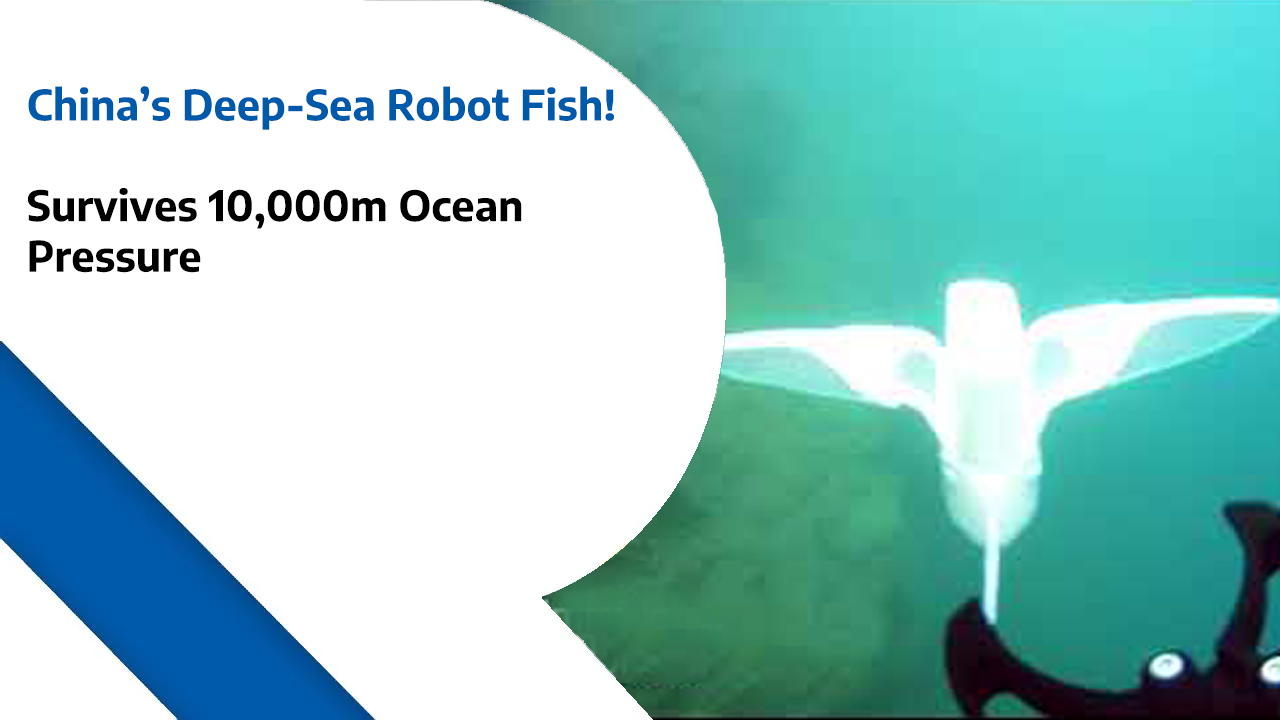
    “Researchers at Harbin Engineering University in China have unveiled something remarkable: a robot inspired by fish that can survive the crushing pressures of the deep sea.”


    “Instead of relying on heavy motors and rigid frames, this 32-centimetre, 670-gram robot is built with flexible silicone and a special liquid inside. Even more impressive, it actually uses seawater itself as part of its propulsion system, generating motion through electric fields in the water. It’s an elegant, energy-efficient way to mimic the smooth movements of marine life.”


    “In tests, the robot swam effectively at depths of 4,000 meters, demonstrating its ability to navigate, sense, and manoeuvre underwater. In the lab, it was subjected to pressure equivalent to 10,000 meters below the surface—the kind of environment found at the deepest parts of our oceans—and it held up without damage.”


    “This makes it especially useful for underwater observation and exploration. Unlike traditional submersibles, its soft-bodied design allows it to move through fragile ecosystems with minimal disturbance, opening new possibilities for studying deep-sea life.”


    “Robots like this show how engineering can learn from nature. By combining flexibility, efficiency, and resilience, researchers are moving closer to unlocking the mysteries of Earth’s final frontier: the deep ocean.”


    And that’s your robot news update for today!
    If you’re curious about how robotics can transform your business, join me for the weekly Live Robot Optimise Workshop — it’s packed with insights, trends, and practical tips. Don’t forget to subscribe so you stay in the loop with all the latest updates.

    I’m RoboPhil from Robot Philosophy — thanks for watching, and I’ll see you next time!

    Join our Robot Optimise Industry (ROI) Workshop: https://robophil.com/workshop


    Sponsors:-


    Robot Center: – https://robotcenter.co.uk/ – Buy Robot, Robot Buy, Robot consultancy, Robotics Consultancy


    Robots of London: – https://robotsoflondon.co.uk/ – Robot Hire, Robot Rental, Rent Robot, Hire Robot, Robot Events


    Robot Philosophy: – https://robophil.com/ – Robot Consultancy AND Robot Recruitment, Robot Advice, Robot Insights, Robot Ideas

  • BellaBot vs. HolaBot – Choosing the Right Food Service Robot

    BellaBot vs. HolaBot – Choosing the Right Food Service Robot

    BellaBot vs. HolaBot: Choosing the Right Food Service Robot for Your Business

    The hospitality industry is experiencing a technological revolution, with service robots becoming increasingly common in restaurants, hotels, and cafes worldwide. Two leading contenders in the food service robot market are BellaBot and HolaBot, each offering unique features and capabilities that can transform your customer service experience. This comprehensive comparison will help you make an informed decision about which robot best suits your business needs.

    Understanding the Current Food Service Robot Landscape

    The adoption of service robots in the hospitality sector has accelerated dramatically in recent years, driven by labour shortages, rising operational costs, and evolving customer expectations. These intelligent machines are no longer novelties but essential tools that can enhance efficiency, reduce costs, and create memorable experiences for patrons.

    Food service robots have evolved from simple delivery mechanisms to sophisticated AI-powered assistants capable of navigation, customer interaction, and seamless integration with existing restaurant management systems. As businesses seek competitive advantages, choosing the right robotic solution has become crucial for long-term success.

    BellaBot: The Charismatic Cat-Inspired Server

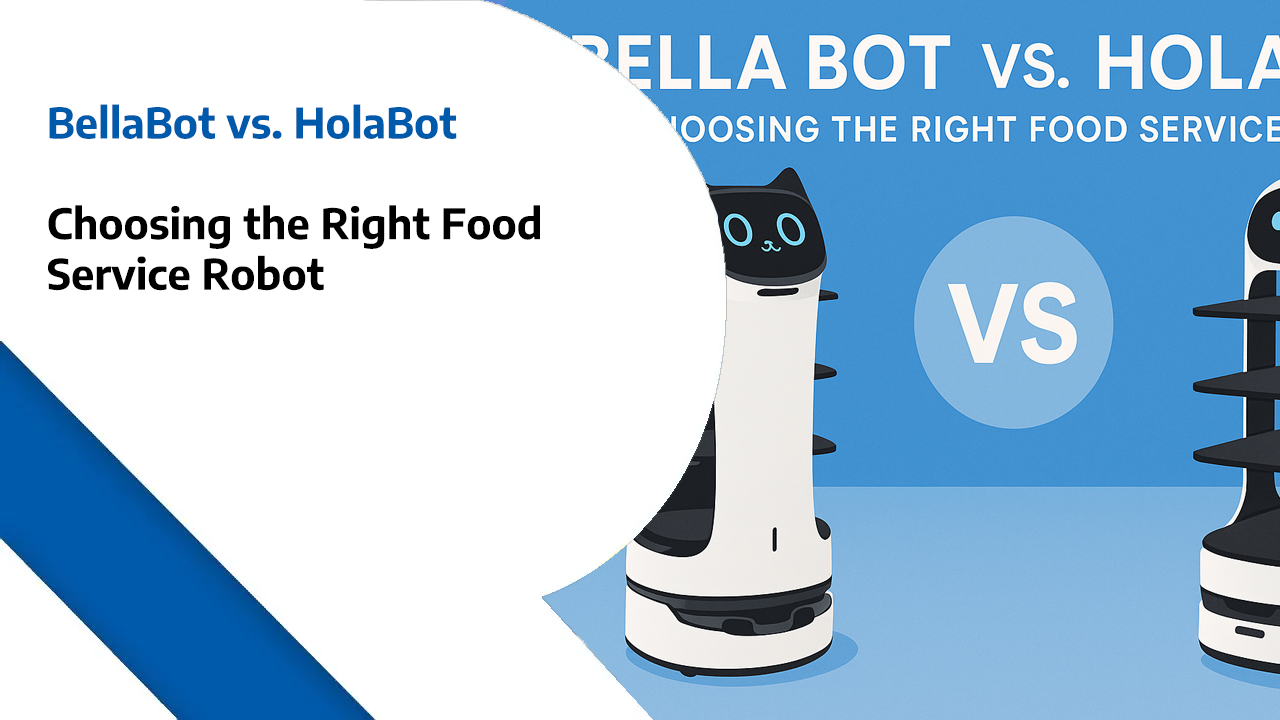
    BellaBot, developed by Pudu Robotics, has captured the attention of restaurateurs worldwide with its distinctive cat-like design and advanced functionality. This robot combines practical utility with engaging personality traits that create memorable customer interactions.

    Key Features of BellaBot

    Design and Aesthetics BellaBot’s most striking feature is its cat-inspired design, complete with expressive digital eyes and animated facial expressions. The robot’s sleek white exterior housing multiple serving trays makes it both functional and visually appealing. Its compact form factor allows easy navigation through crowded dining areas while maintaining a professional appearance that complements various restaurant themes.

    Navigation and Mobility Equipped with advanced SLAM (Simultaneous Localisation and Mapping) technology, BellaBot demonstrates exceptional spatial awareness. The robot utilises multiple sensors, including LiDAR, depth cameras, and ultrasonic sensors, to create detailed venue maps and navigate safely around obstacles, staff, and customers. Its smooth, quiet movement ensures minimal disruption to the dining atmosphere.

    Interactive Capabilities BellaBot’s personality shines through its interactive features. The robot can display various emotions through its digital face, respond to touch with purring sounds, and even react playfully when petted by customers. These interactions create Instagram-worthy moments that enhance social media presence and customer engagement.

    Technical Specifications

    • Carrying capacity: Up to 10kg across multiple trays
    • Battery life: 12-16 hours of continuous operation
    • Charging time: 4-5 hours for full charge
    • Navigation accuracy: Sub-centimetre precision
    • Connectivity: Wi-Fi, 4G options available
    • Integration: Compatible with major POS and restaurant management systems

    Advantages of BellaBot

    The primary strength of BellaBot lies in its ability to create emotional connections with customers. The cat-like personality appeals to a broad demographic, from children to adults, making dining experiences more memorable and shareable on social media platforms. This emotional engagement often translates to increased customer loyalty and positive word-of-mouth marketing.

    From an operational perspective, BellaBot’s reliability and precision reduce food spillage and delivery errors. The robot’s ability to autonomously navigate complex environments means staff can focus on higher-value tasks such as food preparation and customer service, ultimately improving overall efficiency.

    HolaBot: The Professional Hospitality Assistant

    HolaBot represents a more traditional approach to service robotics, focusing on professional functionality and seamless integration into existing hospitality workflows. This robot prioritises efficiency and reliability over personality-driven interactions.

    Key Features of HolaBot

    Professional Design HolaBot features a sleek, modern design that emphasises functionality over personality. Its neutral aesthetic allows it to blend seamlessly into various restaurant environments without drawing excessive attention away from the dining experience. The robot’s modular design enables customisation based on specific operational requirements.

    Advanced Navigation System HolaBot employs sophisticated navigation algorithms that excel in high-traffic environments. The robot’s sensor array includes advanced obstacle detection systems that ensure safe operation even during peak service periods. Its predictive navigation capabilities allow it to anticipate and avoid potential collisions before they occur.

    Operational Efficiency Designed with hospitality professionals in mind, HolaBot integrates seamlessly with existing restaurant management systems. The robot can receive orders directly from kitchen displays, coordinate with staff schedules, and provide real-time operational analytics to management teams.

    Technical Specifications

    • Carrying capacity: Up to 15kg with customisable tray configurations
    • Battery life: 14-18 hours of continuous operation
    • Charging time: 3-4 hours for full charge
    • Navigation accuracy: High-precision mapping with real-time updates
    • Connectivity: Advanced Wi-Fi with mesh networking capabilities
    • Integration: Comprehensive API support for major hospitality software platforms

    Advantages of HolaBot

    HolaBot’s strength lies in its operational reliability and professional focus. The robot’s higher carrying capacity and extended battery life make it ideal for high-volume establishments. Its seamless integration capabilities reduce implementation complexity and ensure smooth adoption by existing staff.

    The robot’s data analytics capabilities provide valuable insights into operational efficiency, customer flow patterns, and service bottlenecks, enabling data-driven decision making that can improve overall business performance.

    Head-to-Head Comparison

    Customer Engagement

    BellaBot excels in creating memorable customer experiences through its interactive personality and social media appeal. The cat-like features generate positive emotional responses and encourage customer interaction, making it ideal for establishments that prioritise customer experience and social media presence.

    HolaBot takes a more subtle approach, focusing on efficient service delivery without drawing attention to itself. This makes it suitable for upscale establishments where discretion and professional service are paramount.

    Operational Efficiency

    Both robots offer excellent navigation capabilities, but they excel in different environments. BellaBot’s compact design makes it perfect for smaller venues with limited space, while HolaBot’s higher capacity and robust build quality suit high-volume operations.

    BellaBot’s 10kg carrying capacity across multiple trays works well for table service and lighter loads, whereas HolaBot’s 15kg capacity with customisable configurations accommodates heavier items and bulk deliveries more effectively.

    Technical Integration

    HolaBot demonstrates superior integration capabilities with its comprehensive API support and advanced connectivity options. This makes it easier to incorporate into complex operational workflows and existing technology stacks.

    BellaBot offers solid integration features but focuses more on user-friendly setup and operation, making it accessible to smaller establishments with limited technical resources.

    Maintenance and Support

    Both robots require regular maintenance, but their approaches differ significantly. BellaBot’s simpler design generally results in lower maintenance costs and easier troubleshooting. HolaBot’s more complex systems may require specialised technical support but offer more comprehensive diagnostic capabilities.

    Cost Considerations

    Initial investment costs vary significantly between the two models. BellaBot typically offers a lower entry price point, making it accessible to smaller establishments and startups. HolaBot’s higher initial cost is offset by its advanced features and higher capacity, providing better value for large-scale operations.

    Operating costs including maintenance, software updates, and support services should be factored into the total cost of ownership calculation for each option.

    Industry Applications and Use Cases

    Restaurants and Cafes

    BellaBot shines in casual dining environments, family restaurants, and cafes where customer interaction and entertainment value are important. Its personality-driven approach creates talking points and memorable experiences that encourage repeat visits.

    HolaBot excels in fine dining establishments, hotel restaurants, and high-volume quick-service locations where operational efficiency and professional presentation are priorities.

    Hotels and Hospitality

    In hotel environments, BellaBot’s engaging personality makes it ideal for lobby areas, breakfast service, and guest interaction zones. The robot’s approachable design helps guests feel comfortable requesting assistance or information.

    HolaBot’s professional appearance and advanced functionality make it perfect for room service delivery, conference catering, and executive floor service where discretion and reliability are essential.

    Specialty Applications

    BellaBot’s social media appeal makes it valuable for marketing-focused establishments, themed restaurants, and venues targeting younger demographics. The robot’s interactive features can be leveraged for promotional campaigns and special events.

    HolaBot’s data analytics capabilities benefit establishments focused on operational optimisation, chain restaurants requiring consistent service standards, and venues with complex operational requirements.

    Implementation Considerations

    Staff Training and Adoption

    Successful robot implementation requires comprehensive staff training and change management. BellaBot’s intuitive interface and engaging personality often facilitate easier staff adoption, as team members enjoy working alongside the charismatic robot.

    HolaBot may require more extensive technical training but offers more sophisticated operational features that can enhance staff productivity once fully adopted.

    Customer Acceptance

    Customer acceptance varies by demographic and establishment type. BellaBot’s entertainment value generally results in positive customer reactions, particularly among families and younger patrons. However, some customers may find the interactive features distracting in formal dining environments.

    HolaBot’s professional approach tends to receive consistent acceptance across diverse customer groups, as it focuses on service delivery rather than entertainment.

    Space and Layout Requirements

    Both robots require adequate space for navigation and charging stations. BellaBot’s compact design offers more flexibility in tight spaces, while HolaBot may require layout modifications to accommodate its larger profile and operational requirements.

    Future-Proofing Your Investment

    Technology Evolution

    The robotics industry continues evolving rapidly, with regular software updates and new features being released. Both BellaBot and HolaBot manufacturers provide ongoing support and updates, but their focus areas differ.

    BellaBot’s development concentrates on enhancing personality features and customer interaction capabilities, while HolaBot prioritises operational efficiency improvements and integration enhancements.

    Scalability Considerations

    For businesses planning expansion or fleet deployment, scalability becomes crucial. HolaBot’s professional design and advanced management features make it better suited for large-scale deployments and multi-location operations.

    BellaBot’s lower entry cost and simpler operation make it ideal for businesses testing robotic service solutions before committing to larger investments.

    Making the Right Choice

    The decision between BellaBot and HolaBot ultimately depends on your specific business requirements, customer demographics, and operational priorities. Consider the following factors when making your selection:

    Choose BellaBot if:

    • Customer experience and engagement are primary priorities
    • Your establishment targets families and younger demographics
    • Social media presence and viral marketing potential are important
    • Budget constraints require a lower initial investment
    • Your venue has limited space but needs flexible service capability

    Choose HolaBot if:

    • Operational efficiency and professional service are paramount
    • Your establishment serves upscale or business clientele
    • High-volume operations require maximum carrying capacity
    • Advanced integration with existing systems is essential
    • Data analytics and operational insights are valuable for your business

    Expert Consultation and Implementation Support

    Selecting and implementing the right food service robot requires careful planning and expert guidance. The complexity of integrating robotic solutions into existing operations, training staff, and ensuring optimal performance makes professional consultation invaluable.

    Our robot consulting services provide comprehensive support throughout the entire process, from initial assessment and robot selection to implementation planning and staff training. Our experienced consultants understand the unique challenges facing hospitality businesses and can help you maximise the return on your robotic investment.

    Additionally, finding skilled personnel to manage and maintain robotic systems can be challenging. Our robot recruitment services connect you with qualified professionals who understand both robotics technology and hospitality operations, ensuring your team has the expertise needed for successful robot integration.

    Whether you choose BellaBot, HolaBot, or another robotic solution, professional guidance can make the difference between a successful implementation that transforms your business and a costly mistake that disrupts operations.

    Conclusion

    Both BellaBot and HolaBot represent excellent options in the food service robot market, each with distinct advantages that suit different business models and customer expectations. BellaBot’s engaging personality and social media appeal make it ideal for establishments prioritising customer experience and emotional engagement. HolaBot’s professional focus and operational efficiency suit businesses requiring reliable, high-capacity service delivery.

    The key to success lies not just in choosing the right robot, but in proper implementation, staff training, and ongoing optimisation. As the hospitality industry continues embracing robotic solutions, early adopters who make informed decisions and implement these technologies effectively will gain significant competitive advantages.

    The future of hospitality service is here, and the right robotic partner can transform your business operations while creating memorable experiences for your customers. Take the time to evaluate your specific needs, consider your long-term goals, and choose the solution that best aligns with your vision for the future of your business.


    About Our Sponsors

    This comprehensive comparison was made possible through the support of our industry partners:

    Robot Center – Your premier destination for robotic solutions. Whether you’re looking to buy robots, need expert robotics consultancy, or require guidance on implementing robotic solutions in your business, Robot Center provides comprehensive support and cutting-edge technology solutions. Visit robotcenter.co.uk for all your robotic needs.

    Robots of London – London’s leading robot hire and rental service. Perfect for events, temporary installations, or trial periods before making a purchase decision. From corporate events to restaurant testing, Robots of London provides flexible robotic solutions that fit your timeline and budget. Explore their services at robotsoflondon.co.uk.

    Robot Philosophy – Specialists in robot consultancy and recruitment, providing strategic guidance and skilled personnel for successful robotic implementations. Their expert team offers robot advice, insights, and innovative ideas to help businesses navigate the robotic revolution successfully. Learn more at robophil.com.


    Ready to Transform Your Business with Robotics?

    Don’t navigate the complex world of service robotics alone. Our expert consultants are ready to help you choose, implement, and optimise the perfect robotic solution for your business needs.

    Contact us today:

    Schedule your consultation call and take the first step towards revolutionising your hospitality service with cutting-edge robotic technology.


  • World’s First Humanoid Robot Olympics! – Beijing 2025 Robot Games

    World’s First Humanoid Robot Olympics! – Beijing 2025 Robot Games

    World’s First Humanoid Robot Olympics! – Beijing 2025 Robot Games


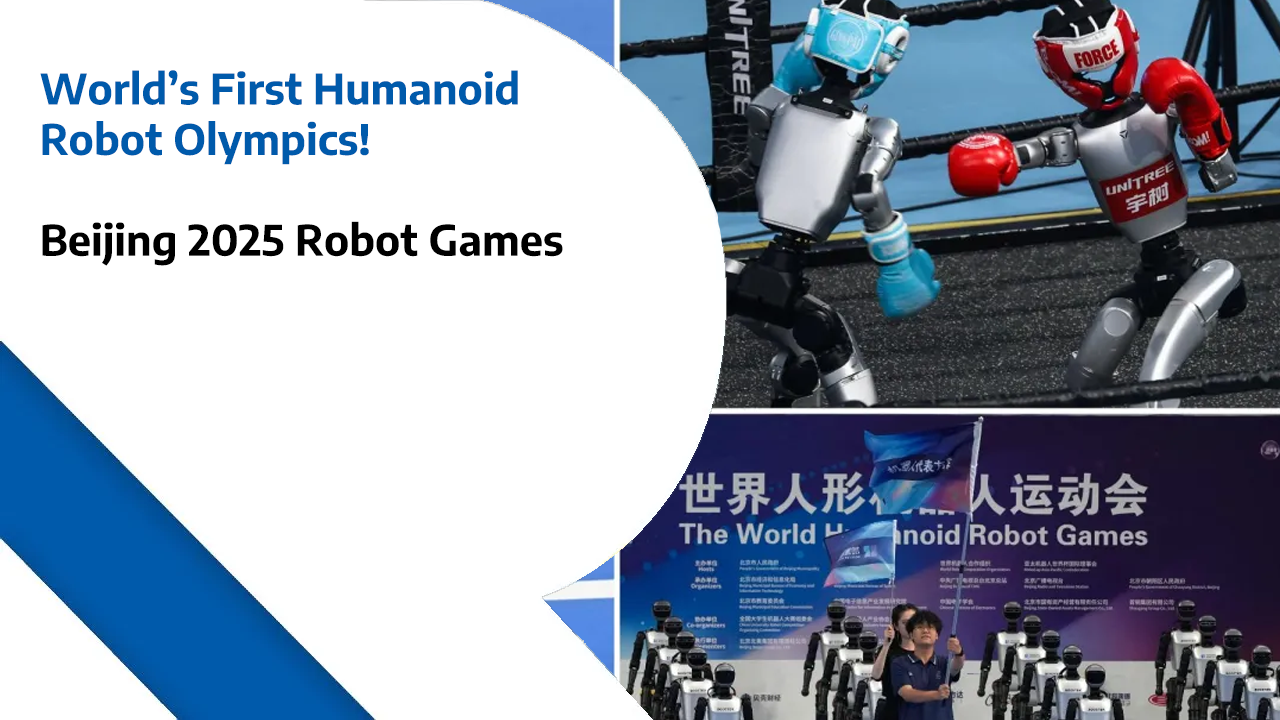
    The inaugural World Humanoid Robot Games are underway in Beijing, China — the first global sporting event where the athletes are made of metal, not muscle.

    Teams from 16 countries, including the US, Germany and Japan, have sent more than 500 robots across 280 teams to compete in events ranging from athletics and football to dance and martial arts. There’s even table tennis, boxing, and tasks like sorting medicine and cleaning — because in the robot world, everyday chores are just another sport.


    Organisers say the goal isn’t just entertainment — it’s about testing and refining the next generation of humanoid robots. Sports offer a unique way to push robots’ decision-making, coordination, and motor skills to the limit, skills that could soon be applied to practical settings like factories, logistics, and even home assistance.


    The games are part of China’s ambitious plan to become a global leader in humanoid robotics. The country has invested billions into AI and robotics development and aims to establish a world-class humanoid industry by 2027, with big funding initiatives already in motion.


    So whether they’re scoring goals, dancing, or occasionally losing their balance, these robots are more than just competing — they’re helping shape the technology that could one day be working right alongside us.


    And that’s your robot news update for today!
    If you’re curious about how robotics can transform your business, join me for the weekly Live Robot Optimise Workshop — it’s packed with insights, trends, and practical tips. Don’t forget to subscribe so you stay in the loop with all the latest updates.

    I’m RoboPhil from Robot Philosophy — thanks for watching, and I’ll see you next time!


    Join our Robot Optimise Industry (ROI) Workshop: https://robophil.com/workshop


    Sponsors:-


    Robot Center: – https://robotcenter.co.uk/ – Buy Robot, Robot Buy, Robot consultancy, Robotics Consultancy


    Robots of London: – https://robotsoflondon.co.uk/ – Robot Hire, Robot Rental, Rent Robot, Hire Robot, Robot Events


    Robot Philosophy: – https://robophil.com/ – Robot Consultancy AND Robot Recruitment, Robot Advice, Robot Insights, Robot Ideas