Author: Philip English

  • Inside the Robot Mouth That Works Like a Typewriter – Selectramatronics Explained

    Inside the Robot Mouth That Works Like a Typewriter – Selectramatronics Explained

    Inside the Robot Mouth That Works Like a Typewriter – Selectramatronics Explained


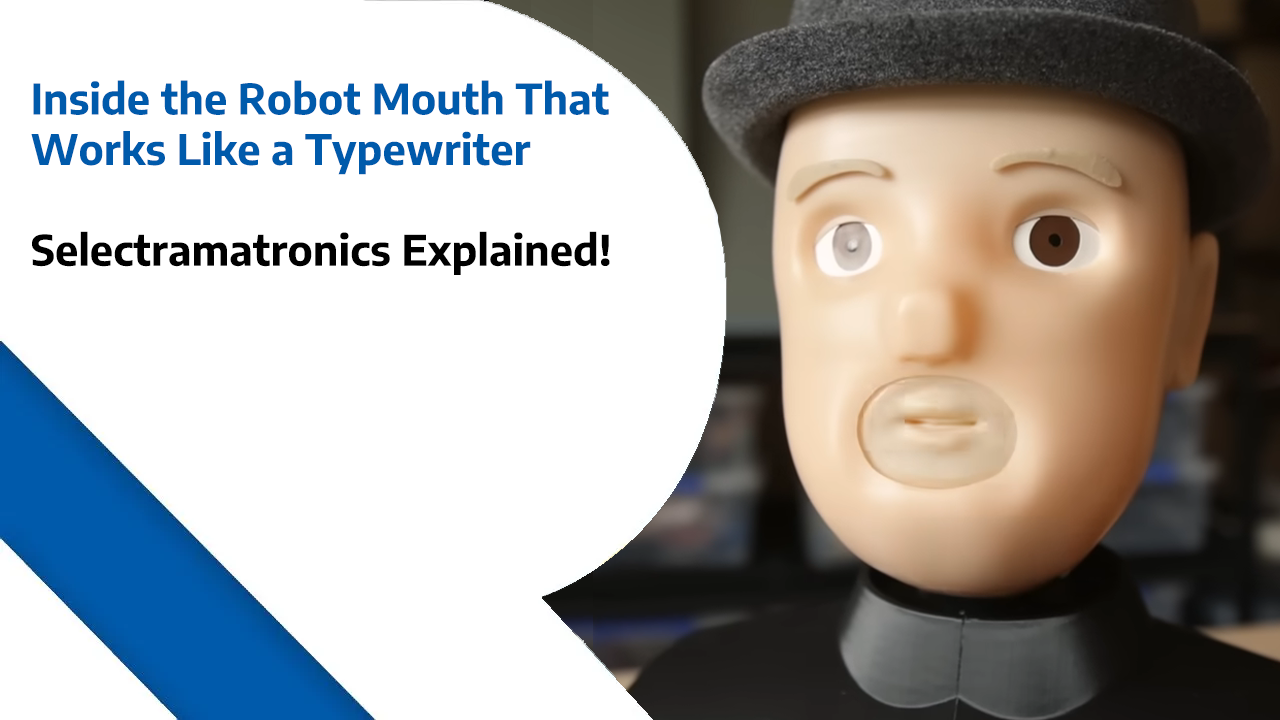
    Imagine if your mouth worked like a typewriter. Not the loud “click clack” part, but the precision mechanics. That’s the idea behind Selectramatronics, a robot mouth inspired by the IBM Selectric typewriter. Instead of swinging arms and keys, the Selectric used a rotating “typeball” covered in letters. Press an “A,” and the ball spun so the “A” faced forward, then smacked it onto the page with satisfying speed.

    This robot works the same way, but instead of letters, the ball is bristling with lip shapes. Each position represents a different phonetic sound. Motors spin the ball at high speed, snapping between shapes in sync with audio, which is driven by a Raspberry Pi. The result is a mouth that lip-syncs in real time, almost like watching a puppet with an unusually high IQ.

    The build is a feat of mechanical planning. The video showing its creation doesn’t bother with narration — it simply demonstrates the concept from sketch, to 3D-printed parts, to final lip-syncing. It’s a hypnotic watch, especially when you see how quickly those mouth positions flip.

    It may not be Hollywood CGI, and yes, fast speech can throw it off, but it’s still convincing. Your brain fills in the gaps, just like it does with animation. In the end, Selectramatronics is part art, part engineering, and a reminder that sometimes old ideas — like a typewriter ball from the 1960s — can inspire futuristic robots today.


    And that’s your robot news update for today!
    If you’re curious about how robotics can transform your business, join me for the weekly Live Robot Optimise Workshop — it’s packed with insights, trends, and practical tips. Don’t forget to subscribe so you stay in the loop with all the latest updates.

    I’m RoboPhil from Robot Philosophy — thanks for watching, and I’ll see you next time!


    Join our Robot Optimise Industry (ROI) Workshop: https://robophil.com/


    Sponsors:-


    Robot Center: – https://robotcenter.co.uk/ – Buy Robot, Robot Buy, Robot consultancy, Robotics Consultancy, Inspection Robots, Security Robots, 


    Robots of London: – https://robotsoflondon.co.uk/ – Robot Hire, Robot Rental, Rent Robot, Hire Robot, Robot Events, Robotics Hire, Hire Robotics, Rent Robotics, Robotics Rent, for exhibitions, shows, Events, Robot hire in the UK, Robot hire in Europe


    Robot Philosophy: – https://robophil.com/ – Robot Consultancy, Robot Recruitment, Robot Advice, Robot Insights, Robot Ideas. RoboPhil, also known as Philip English, is a leading Robot YouTuber, Robot Influencer, Robot Trainer, Robot Consultant, and Robot Streamer, Robotics Streamer, Robotics YouTuber, Robotics Influencer, Robotics Consultant, Robotics Trainer  

  • Zoox Robotaxi Launches on the Las Vegas Strip – Free Rides & Future of Self-Driving Cars

    Zoox Robotaxi Launches on the Las Vegas Strip – Free Rides & Future of Self-Driving Cars

    Zoox Robotaxi Launches on the Las Vegas Strip – Free Rides & Future of Self-Driving Cars


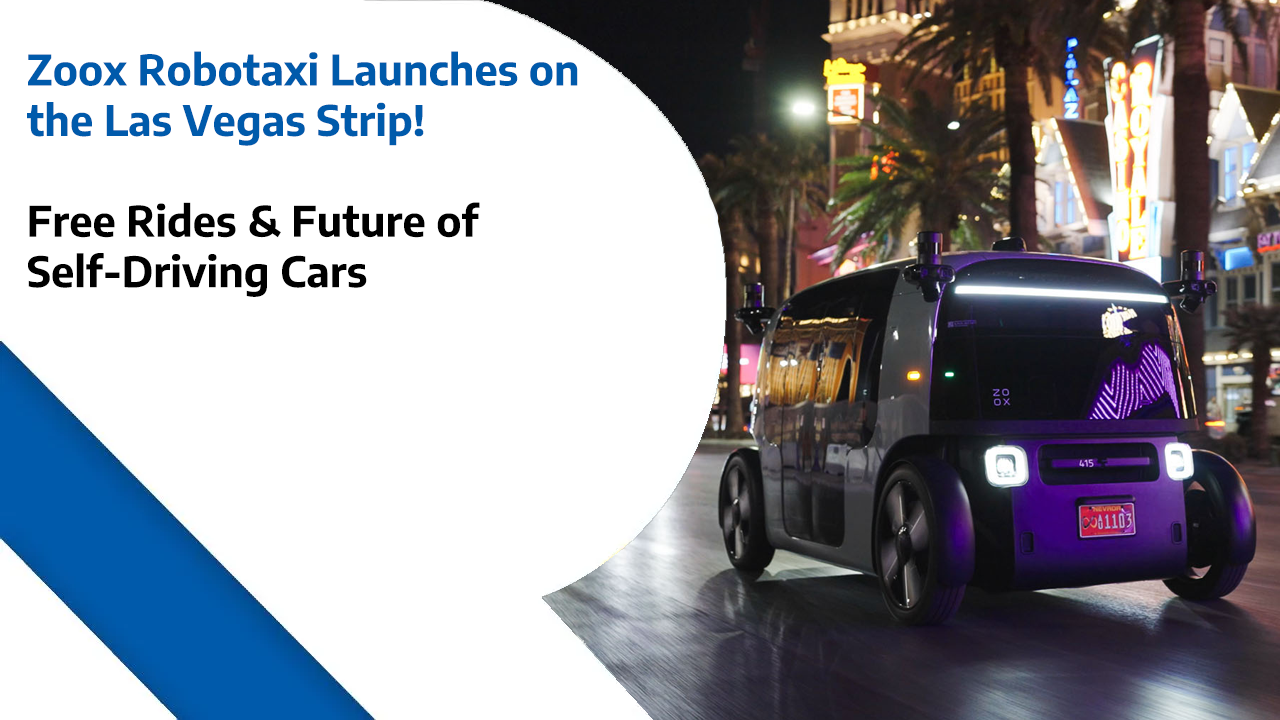
    Zoox, an Amazon-owned startup, has launched its fully driverless robotaxi service to the public on the Las Vegas Strip. These vehicles aren’t regular Ubers or Lyfts — they were built from scratch with no steering wheel, no pedals, and no driver’s seat. Instead, riders sit on benches facing each other, making the experience feel a little more like a social lounge on wheels.

    Each robotaxi is loaded with cameras, radar, and LiDAR, giving it a full 360-degree view of its surroundings so it can safely navigate one of the busiest streets in America. To ride, people simply download the Zoox app on iOS or Android, choose from pickup points like Resorts World, AREA15, or Topgolf, and wait for their ride to arrive. At launch, rides are free — a smart move by Zoox while it waits on regulatory approval to start charging fares.

    The company has invested heavily in this project and can produce up to 10,000 vehicles a year at its California facility. It’s also testing in San Francisco and Foster City, with plans to expand to cities like Austin and Miami. Competition in the robotaxi space is heating up, with Waymo already logging millions of autonomous miles and Tesla recently entering the market with its own robotaxi service.

    Challenges remain, from regulations to passenger comfort, but Zoox is betting that Las Vegas is the perfect place to prove itself. With over 40 million visitors a year, the Strip offers the company a high-profile stage.


    And that’s your robot news update for today!
    If you’re curious about how robotics can transform your business, join me for the weekly Live Robot Optimise Workshop — it’s packed with insights, trends, and practical tips. Don’t forget to subscribe so you stay in the loop with all the latest updates.

    I’m RoboPhil from Robot Philosophy — thanks for watching, and I’ll see you next time!


    Join our Robot Optimise Industry (ROI) Workshop: https://robophil.com/


    Sponsors:-


    Robot Center: – https://robotcenter.co.uk/ – Buy Robot, Robot Buy, Robot consultancy, Robotics Consultancy, Inspection Robots, Security Robots, 


    Robots of London: – https://robotsoflondon.co.uk/ – Robot Hire, Robot Rental, Rent Robot, Hire Robot, Robot Events, Robotics Hire, Hire Robotics, Rent Robotics, Robotics Rent, for exhibitions, shows, Events, Robot hire in the UK, Robot hire in Europe


    Robot Philosophy: – https://robophil.com/ – Robot Consultancy, Robot Recruitment, Robot Advice, Robot Insights, Robot Ideas. RoboPhil, also known as Philip English, is a leading Robot YouTuber, Robot Influencer, Robot Trainer, Robot Consultant, and Robot Streamer, Robotics Streamer, Robotics YouTuber, Robotics Influencer, Robotics Consultant, Robotics Trainer  

  • Robot Chef Revolution – Circus SE’s CA-1 Robot Begins High-Volume Production in 2025

    Robot Chef Revolution – Circus SE’s CA-1 Robot Begins High-Volume Production in 2025

    Robot Chef Revolution – Circus SE’s CA-1 Robot Begins High-Volume Production in 2025


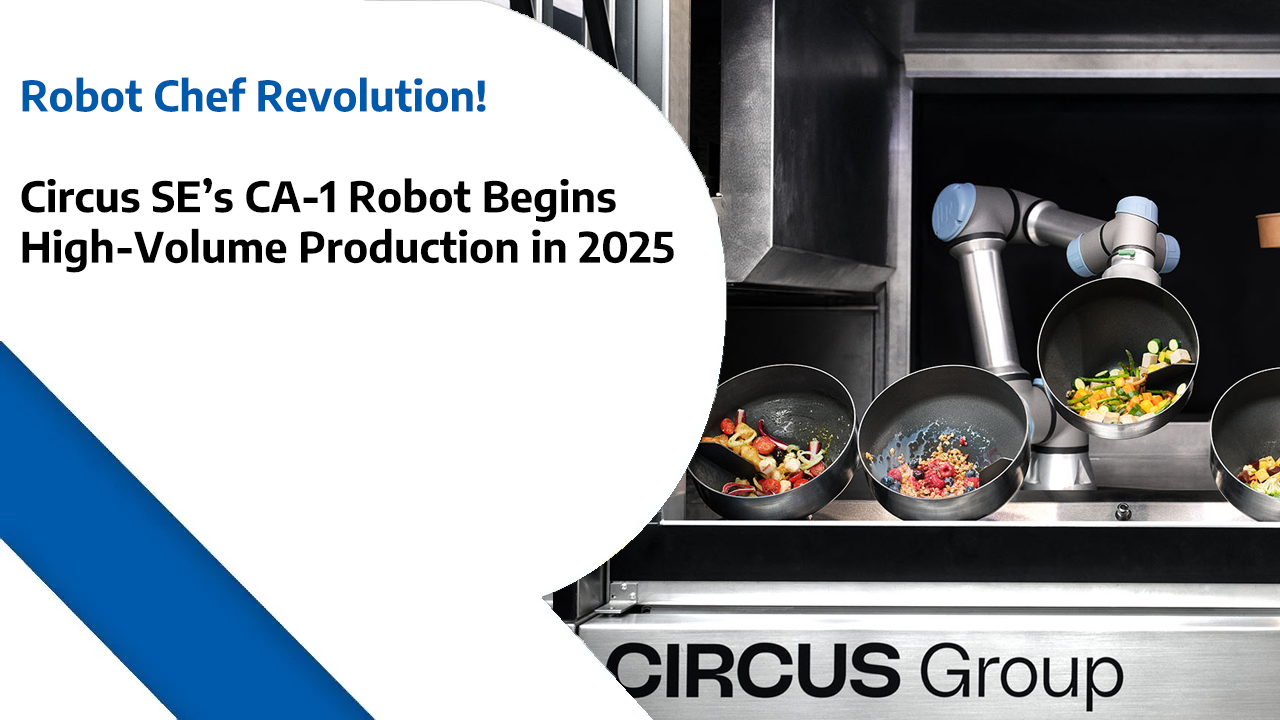
    Circus SE, a robotics and AI company based in Munich, has just completed the first production run of its fourth-generation CA-1 robots in a new high-volume facility. This milestone comes only six months after the factory was set up, and several more robots are already in production.

    The CA-1 is a highly complex system with more than 29,000 individual parts — about the same as a small car. It is designed to automate food preparation at scale. The robot uses smart food silos to manage ingredients, induction pots for fast and energy-efficient cooking, and robotic arms to handle dispensing, cooking, and plating. A built-in self-cleaning system and heated silos ensure low maintenance and meals that stay warm until pickup.

    Each robot goes through more than 150 precision tests, following quality standards similar to the automotive industry. Circus has partnered with Celestica, a global production specialist, to help scale up manufacturing and meet international demand.

    With the new factory, Circus SE says it can produce up to 6,000 units per year. The company is also exploring production options in the U.S. as part of its global expansion.

    This achievement moves Circus beyond development and into industrial-scale delivery. It marks the beginning of what the company calls the era of autonomous nutrition — where your next meal may be cooked, plated, and served entirely by a robot.


    And that’s your robot news update for today!
    If you’re curious about how robotics can transform your business, join me for the weekly Live Robot Optimise Workshop — it’s packed with insights, trends, and practical tips. Don’t forget to subscribe so you stay in the loop with all the latest updates.

    I’m RoboPhil from Robot Philosophy — thanks for watching, and I’ll see you next time!

    Join our Robot Optimise Industry (ROI) Workshop: https://robophil.com/


    Sponsors:-


    Robot Center: – https://robotcenter.co.uk/ – Buy Robot, Robot Buy, Robot consultancy, Robotics Consultancy, Inspection Robots, Security Robots, 


    Robots of London: – https://robotsoflondon.co.uk/ – Robot Hire, Robot Rental, Rent Robot, Hire Robot, Robot Events, Robotics Hire, Hire Robotics, Rent Robotics, Robotics Rent, for exhibitions, shows, Events, Robot hire in the UK, Robot hire in Europe


    Robot Philosophy: – https://robophil.com/ – Robot Consultancy, Robot Recruitment, Robot Advice, Robot Insights, Robot Ideas. RoboPhil, also known as Philip English, is a leading Robot YouTuber, Robot Influencer, Robot Trainer, Robot Consultant, and Robot Streamer, Robotics Streamer, Robotics YouTuber, Robotics Influencer, Robotics Consultant, Robotics Trainer  


  • Meet HARR-E – The Robot That Takes Out Your Trash Like Uber for Garbage!

    Meet HARR-E – The Robot That Takes Out Your Trash Like Uber for Garbage!

    Meet HARR-E – The Robot That Takes Out Your Trash Like Uber for Garbage!


    Imagine this: you’re sipping your morning coffee, scrolling your phone, and you realize you forgot to set out the trash. Normally, that means dragging bins to the curb or missing the truck altogether. But now, there’s a robot that wants to change all that.

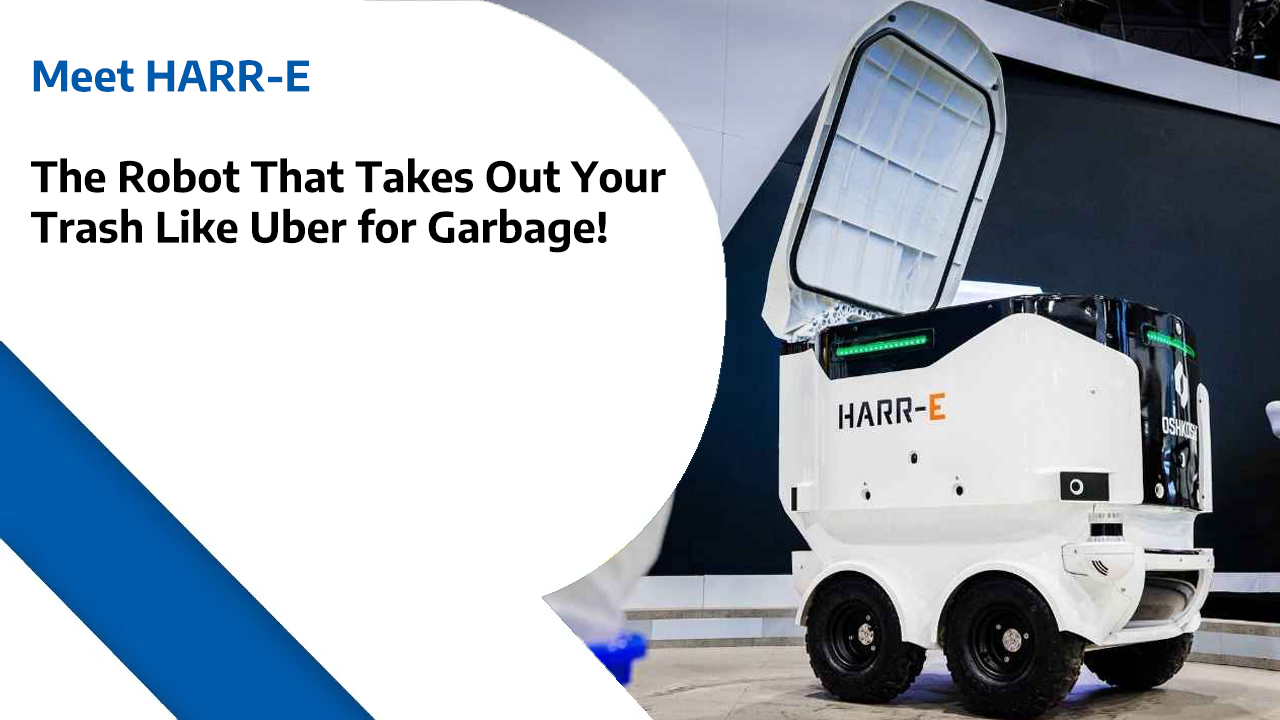
    It’s called HARR-E, built by Oshkosh Corp., the same company known for heavy-duty vehicles. Think of it as Uber for your garbage. Using an app—or even Alexa or Google Assistant—you can summon HARR-E to your door. It rolls up, opens itself, takes your trash, and then heads back to a hub to drop everything off and recharge.

    This system is aimed at planned communities and business parks with shared trash hubs, so instead of rigid collection schedules, you get on-demand pickup. The benefits? Cleaner streets, fewer missed bins, lower emissions since it runs on electricity, and less of that panic when you hear the garbage truck and realize it’s too late.

    The developers are even working on AI that can scan recycling to spot contamination, which could make the whole process more efficient.

    So the next time you forget trash day, don’t sweat it. With HARR-E around, the robot will literally take out the garbage for you.


    And that’s your robot news update for today!
    If you’re curious about how robotics can transform your business, join me for the weekly Live Robot Optimise Workshop — it’s packed with insights, trends, and practical tips. Don’t forget to subscribe so you stay in the loop with all the latest updates.

    I’m RoboPhil from Robot Philosophy — thanks for watching, and I’ll see you next time!


    Join our Robot Optimise Industry (ROI) Workshop: https://robophil.com/


    Sponsors:-


    Robot Center: – https://robotcenter.co.uk/ – Buy Robot, Robot Buy, Robot consultancy, Robotics Consultancy, Inspection Robots, Security Robots, 


    Robots of London: – https://robotsoflondon.co.uk/ – Robot Hire, Robot Rental, Rent Robot, Hire Robot, Robot Events, Robotics Hire, Hire Robotics, Rent Robotics, Robotics Rent, for exhibitions, shows, Events, Robot hire in the UK, Robot hire in Europe


    Robot Philosophy: – https://robophil.com/ – Robot Consultancy, Robot Recruitment, Robot Advice, Robot Insights, Robot Ideas. RoboPhil, also known as Philip English, is a leading Robot YouTuber, Robot Influencer, Robot Trainer, Robot Consultant, and Robot Streamer, Robotics Streamer, Robotics YouTuber, Robotics Influencer, Robotics Consultant, Robotics Trainer  

  • Jack Ma’s Ant Group Unveils R1 Humanoid Robot – China’s Answer to Tesla Optimus?

    Jack Ma’s Ant Group Unveils R1 Humanoid Robot – China’s Answer to Tesla Optimus?

    Jack Ma’s Ant Group Unveils R1 Humanoid Robot – China’s Answer to Tesla Optimus?


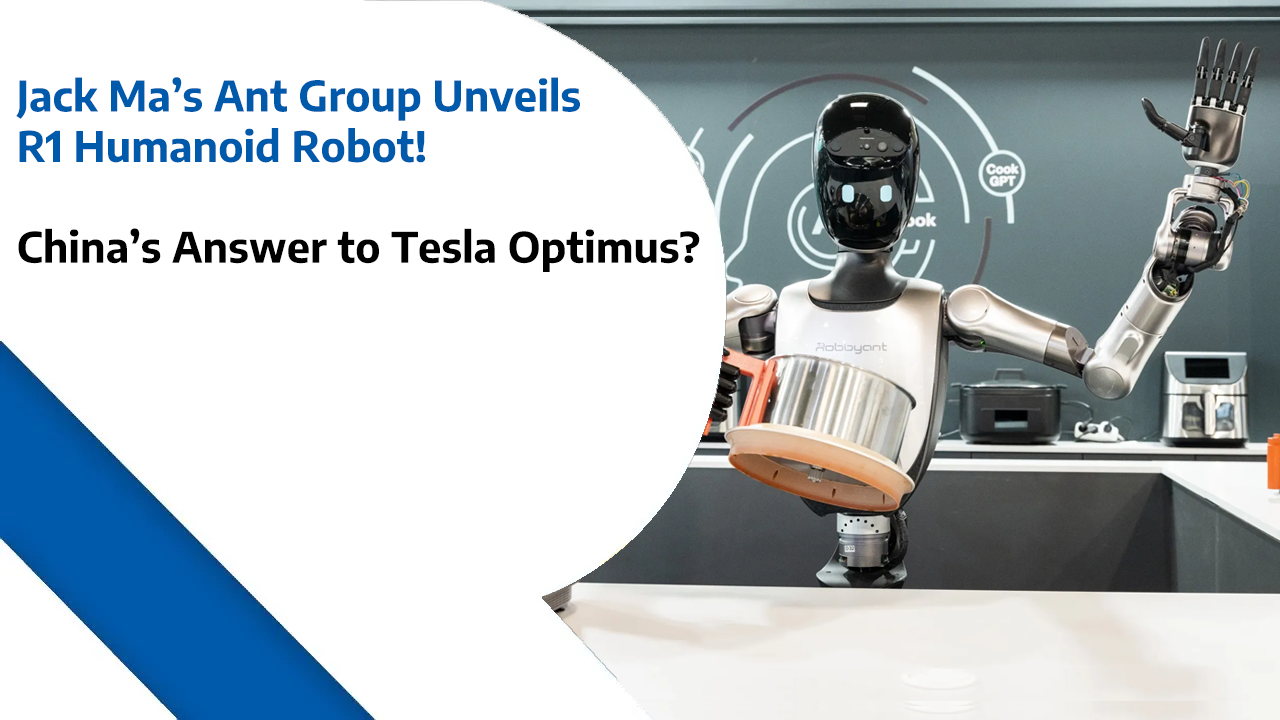
    Ant Group, the company backed by Jack Ma and best known for Alipay, has unveiled its first humanoid robot, the R1. The announcement highlights China’s growing ambitions to compete with the United States in advanced robotics and artificial intelligence.

    The R1 humanoid robot was demonstrated at the 2025 Inclusion Conference in Shanghai. The robot can serve as a tour guide, sort medicine in pharmacies, provide medical consultations, and perform basic kitchen tasks. At the IFA tech show in Berlin, R1 even cooked shrimp for the audience. These demonstrations showcase its versatility in both healthcare and hospitality.


    Ant’s approach emphasizes artificial intelligence as much as mechanical design. The company is developing large AI models, including one called BaiLing, to give R1 the ability to recognize objects, plan tasks, and adapt to new situations. The goal is to move beyond robots that simply follow instructions, toward robots that can make decisions in complex real-world environments.


    However, the robot is still at an early stage. Ant has not announced a price or a launch date, and current trials are limited to community centers and restaurants. Videos from demonstrations show that R1 is still slow and cautious, and it remains to be seen how it will perform outside controlled environments. The project puts Ant in direct competition with Tesla’s Optimus and other humanoid robots being developed in the United States


    And that’s your robot news update for today!
    If you’re curious about how robotics can transform your business, join me for the weekly Live Robot Optimise Workshop — it’s packed with insights, trends, and practical tips. Don’t forget to subscribe so you stay in the loop with all the latest updates.

    I’m RoboPhil from Robot Philosophy — thanks for watching, and I’ll see you next time!


    Join our Robot Optimise Industry (ROI) Workshop: https://robophil.com/


    Sponsors:-


    Robot Center: – https://robotcenter.co.uk/ – Buy Robot, Robot Buy, Robot consultancy, Robotics Consultancy, Inspection Robots, Security Robots, 


    Robots of London: – https://robotsoflondon.co.uk/ – Robot Hire, Robot Rental, Rent Robot, Hire Robot, Robot Events, Robotics Hire, Hire Robotics, Rent Robotics, Robotics Rent, for exhibitions, shows, Events, Robot hire in the UK, Robot hire in Europe


    Robot Philosophy: – https://robophil.com/ – Robot Consultancy, Robot Recruitment, Robot Advice, Robot Insights, Robot Ideas. RoboPhil, also known as Philip English, is a leading Robot YouTuber, Robot Influencer, Robot Trainer, Robot Consultant, and Robot Streamer, Robotics Streamer, Robotics YouTuber, Robotics Influencer, Robotics Consultant, Robotics Trainer  

  • Painting Robots – How to Maintain Quality and Consistency

    Painting Robots – How to Maintain Quality and Consistency


    Painting Robots – How to Maintain Quality and Consistency

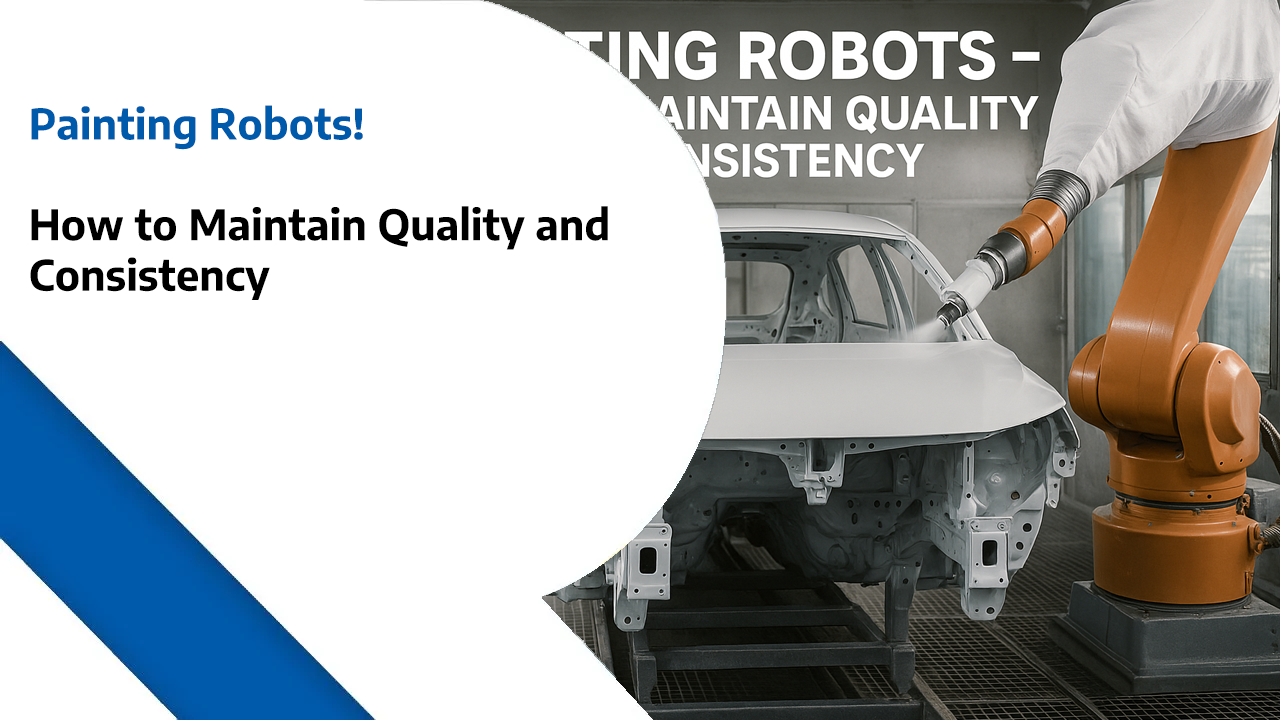
    In today’s competitive manufacturing landscape, painting robots have become an essential tool for businesses seeking to deliver high-quality finishes, improve efficiency, and ensure a consistent end product. Whether in automotive production, consumer goods, or industrial applications, robotic painting systems are helping brands achieve flawless results at scale.

    However, investing in painting robots is only the first step. To truly maximize their potential, businesses must focus on maintaining quality and consistency across robot operations. This means taking a closer look at setup, calibration, monitoring, and workforce expertise—because even the most advanced robots require proper integration and oversight.


    Why Painting Robots Are Essential

    Painting robots provide several clear advantages over traditional manual processes:

    • Consistency in quality: Robots deliver uniform coatings, reducing risks of streaks, uneven thickness, and human error.

    • Efficiency and cost-effectiveness: Automated systems lower cycle times and reduce material waste.

    • Worker safety: Robots minimize direct exposure to fumes, chemicals, and repetitive-strain risks.

    • Scalability: Robotic painting systems can quickly adapt to large-scale production.

    These benefits highlight why more companies are shifting to automation for high-volume painting needs. But the difference between a robot delivering its promised accuracy versus producing costly mistakes lies in how well it is maintained.


    Key Areas to Ensure Quality and Consistency

    Regular Calibration

    Painting robots must be routinely calibrated to ensure precision. Even slight misalignments can cause defects such as paint drips, patchiness, or uneven layering. Regular calibration ensures the robot continues delivering the correct spray patterns, angles, and pressure.

    Software Updates and Programming

    Robotic painting systems rely heavily on software. Outdated programs can slow down operations or cause incompatibility with new paints and surfaces. Routine updates and optimized programming maintain efficiency while unlocking new features from robot manufacturers.

    Environment and Maintenance

    Painting quality is highly sensitive to factors like airflow, humidity, and booth cleanliness. Consistent environmental monitoring prevents paint contamination and ensures adhesion quality. Moreover, regular maintenance and cleaning of spray nozzles and arms are necessary to avoid clogging and uneven distribution.

    Skilled Oversight

    Even with automation, expert guidance is essential. Trained operators and consultants can spot issues early, fine-tune processes, and train teams on robotic workflows. This is where specialist services become invaluable.


    Where Businesses Go Wrong

    Many companies assume that once they install painting robots, performance will take care of itself. Unfortunately, this approach often leads to:

    • Degradations in quality over time

    • Higher production waste due to inconsistencies

    • Costly downtime due to overlooked maintenance

    • A lack of in-house expertise when issues arise

    The solution is a blend of robot expertise, consultancy, and recruitment of the right talent—ensuring companies can maintain robotic excellence both now and in the future.


    How We Can Help

    At Robot Philosophy (RoboPhil), we specialize in helping businesses get the best possible return from their painting robots. Our services cover:

    • Robot Consultancy: We assess your current robotic painting setup, identify inefficiencies, and tailor strategies to maintain consistent quality.

    • Robot Recruitment: Finding experienced robotics professionals can be challenging. We connect companies with the right talent to manage, maintain, and optimize robotic painting operations.

    If you’re looking to book a consultation or want advice on building a robotics team, contact us today:


    Sponsors of This Article

    • Robot Centerhttps://robotcenter.co.uk/ – Buy Robot, Robot Buy, Robot Consultancy, Robotics Consultancy

    • Robots of Londonhttps://robotsoflondon.co.uk/ – Robot Hire, Robot Rental, Rent Robot, Hire Robot, Robot Events

    • Robot Philosophy (RoboPhil)https://robophil.com/ – Robot Consultancy and Robot Recruitment, Robot Advice, Insights, and Training by Philip English, leading Robotics YouTuber, Influencer, and Consultant


    Would you like me to make this article more formal and business-oriented for executives, or more engaging and approachable for a wider audience?

    https://www.youtube.com/watch?v=j88tNTOTO_Y


    https://www.youtube.com/shorts/12oqhBGlocw

  • Alibaba Bets $140M on Humanoid Robots – X Square’s $280M Rise in Embodied AI

    Alibaba Bets $140M on Humanoid Robots – X Square’s $280M Rise in Embodied AI

    Alibaba Bets $140M on Humanoid Robots – X Square’s $280M Rise in Embodied AI


    Shenzhen-based startup X Square Robot has just landed a massive Series A+ funding round, pulling in between $100 million and $140 million. The round was led by Alibaba Cloud, marking their first direct investment in embodied intelligence, alongside big-name backers like Meituan, Legend Capital, HongShan Capital, and CAS Investment. Depending on who you ask, the deal is either $100 million or $140 million—but let’s be honest, both numbers are impressive.

    Founded in late 2023 by Wang Qian, who holds a robotics PhD from USC and once ran a U.S. quantitative fund, X Square has quickly become one of China’s most closely watched robotics companies. In less than two years, it has raised nearly $280 million, showing strong investor confidence in humanoid robots.

    The company is pursuing a dual strategy: advancing both software and hardware. On the software side, they’ve open-sourced WALL-OSS-4.2B, a robotics foundation model designed to speed up development in embodied AI. On the hardware side, their headline product is the Qunta X2, a wheeled humanoid robot with dual arms, pressure-sensitive hands, and even a mop attachment for 360-degree cleaning.

    Already, the robots are being piloted in schools, hotels, and elder care facilities, and the company is eyeing expansion into Japan and Singapore.  


    And that’s your robot news update for today!
    If you’re curious about how robotics can transform your business, join me for the weekly Live Robot Optimise Workshop — it’s packed with insights, trends, and practical tips. Don’t forget to subscribe so you stay in the loop with all the latest updates.

    I’m RoboPhil from Robot Philosophy — thanks for watching, and I’ll see you next time!


    Join our Robot Optimise Industry (ROI) Workshop: https://robophil.com/


    Sponsors:-


    Robot Center: – https://robotcenter.co.uk/ – Buy Robot, Robot Buy, Robot consultancy, Robotics Consultancy, Inspection Robots, Security Robots, 


    Robots of London: – https://robotsoflondon.co.uk/ – Robot Hire, Robot Rental, Rent Robot, Hire Robot, Robot Events, Robotics Hire, Hire Robotics, Rent Robotics, Robotics Rent, for exhibitions, shows, Events, Robot hire in the UK, Robot hire in Europe


    Robot Philosophy: – https://robophil.com/ – Robot Consultancy, Robot Recruitment, Robot Advice, Robot Insights, Robot Ideas. RoboPhil, also known as Philip English, is a leading Robot YouTuber, Robot Influencer, Robot Trainer, Robot Consultant, and Robot Streamer, Robotics Streamer, Robotics YouTuber, Robotics Influencer, Robotics Consultant, Robotics Trainer  

  • Welding Robots – How to Integrate Them into Your Production Line

    Welding Robots – How to Integrate Them into Your Production Line

    Welding Robots – How to Integrate Them into Your Production Line

    Sponsored by Robot Center, Robots of London, and Robot Philosophy

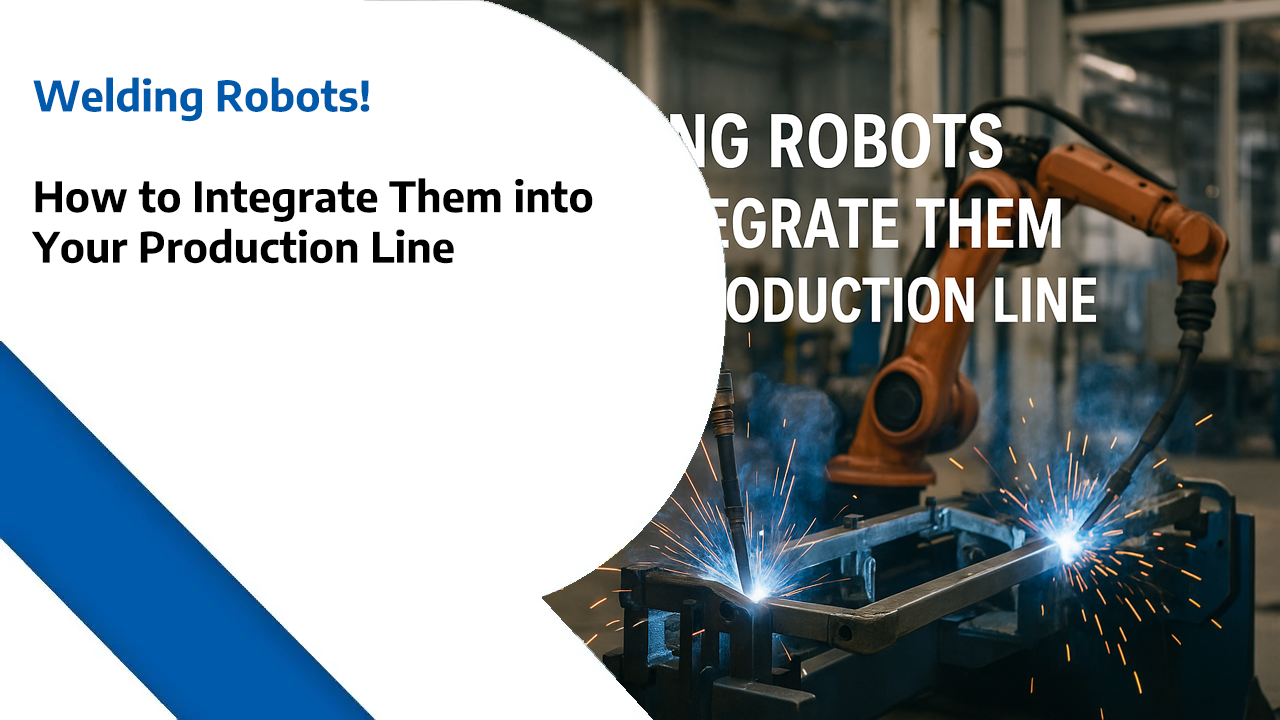
    The manufacturing landscape is undergoing a dramatic transformation, and welding robots are at the forefront of this revolution. As companies across industries seek to improve quality, reduce costs, and enhance safety, robotic welding systems have emerged as game-changing solutions that can dramatically enhance production efficiency while delivering consistent, high-quality results.

    The Current State of Industrial Welding

    Traditional manual welding, while requiring exceptional skill, presents numerous challenges for modern manufacturers. Skilled welders are increasingly difficult to find and retain, with many countries facing significant shortages in qualified personnel. Manual welding is also inherently inconsistent, with quality varying based on operator fatigue, experience, and environmental factors. Additionally, human welders face serious health and safety risks from exposure to harmful fumes, intense heat, and UV radiation.

    These challenges have created a perfect storm that’s driving manufacturers toward automated solutions. Welding robots offer a compelling alternative that addresses these pain points while delivering superior performance metrics across multiple dimensions.

    Understanding Welding Robot Technology

    Modern welding robots are sophisticated machines that combine precision mechanical systems with advanced control software. These systems typically consist of a multi-axis robotic arm, welding equipment (such as MIG, TIG, or arc welding systems), and intelligent control systems that can adapt to varying conditions in real-time.

    The latest generation of welding robots incorporates artificial intelligence and machine learning capabilities, allowing them to optimize welding parameters automatically, detect and correct defects during the welding process, and even learn from previous operations to improve future performance. Vision systems enable robots to identify workpieces, locate weld seams, and adjust their approach accordingly.

    Key Benefits of Robotic Welding Integration

    Consistency and Quality

    Robotic welding systems deliver unparalleled consistency in weld quality. Once programmed, a robot will execute the same motion pattern with identical speed, angle, and distance every time, resulting in uniform weld penetration, appearance, and strength. This consistency translates directly into reduced rework, fewer defective parts, and improved customer satisfaction.

    Increased Productivity

    Welding robots can operate continuously without breaks, dramatically increasing throughput compared to manual operations. Many facilities report productivity increases of 200-400% after implementing robotic welding systems. Robots can also work in multiple shifts with minimal supervision, maximizing equipment utilization.

    Enhanced Safety

    By removing human operators from hazardous welding environments, robotic systems significantly reduce workplace injuries and health risks. This not only protects workers but also reduces insurance costs, workers’ compensation claims, and regulatory compliance burdens.

    Cost Reduction

    While the initial investment in robotic welding systems can be substantial, the long-term cost savings are compelling. Reduced labor costs, decreased material waste, lower rework expenses, and improved energy efficiency typically result in payback periods of 18-36 months, depending on the application.

    Planning Your Integration Strategy

    Assessment and Analysis

    Before implementing robotic welding, conduct a comprehensive assessment of your current operations. Analyze your product mix, production volumes, quality requirements, and existing processes. Identify which welding applications are best suited for automation based on factors such as part complexity, batch sizes, and quality standards.

    Consider your facility’s physical constraints, including floor space, ceiling height, and proximity to other equipment. Evaluate your current workforce’s technical capabilities and identify training needs for successful robot operation and maintenance.

    Choosing the Right Robot System

    Selecting the appropriate robotic welding system requires careful consideration of multiple factors. The robot’s reach, payload capacity, and degrees of freedom must match your specific welding requirements. Consider the types of welding processes you need (MIG, TIG, stick welding, etc.) and ensure your chosen system can accommodate these requirements.

    Evaluate different manufacturers based on their track record, support capabilities, and integration expertise. Consider factors such as programming ease, maintenance requirements, and availability of spare parts and technical support.

    Implementation Best Practices

    Site Preparation

    Proper site preparation is crucial for successful integration. Ensure adequate power supply, compressed air, and ventilation systems are in place. Design the robot cell layout to optimize workflow and minimize material handling time. Implement proper safety measures, including light curtains, emergency stops, and restricted access zones.

    Programming and Setup

    Modern welding robots offer various programming methods, from teach pendant programming to offline simulation software. Choose the approach that best matches your team’s capabilities and production requirements. Develop standardized welding procedures and parameters that can be easily replicated across similar applications.

    Create comprehensive backup procedures for all robot programs and parameters. This ensures quick recovery in case of system failures and enables easy replication of successful setups.

    Integration with Existing Systems

    Successfully integrating welding robots requires seamless communication with existing manufacturing systems. This may include ERP systems, quality management systems, and material handling equipment. Ensure your robotic system can communicate production data, quality metrics, and maintenance alerts to your broader manufacturing ecosystem.

    Overcoming Common Integration Challenges

    Workforce Transition

    One of the most significant challenges in robotic integration is managing workforce transitions. Rather than simply replacing workers, successful companies typically retrain existing personnel to become robot operators, programmers, and maintenance technicians. This approach maintains institutional knowledge while building internal robotics expertise.

    Develop comprehensive training programs that cover robot operation, basic programming, troubleshooting, and preventive maintenance. Partner with educational institutions or robotics training providers to ensure your team receives quality instruction.

    Technical Challenges

    Common technical challenges include part positioning inconsistencies, material variations, and complex joint geometries. Address these challenges through proper fixturing design, advanced sensor integration, and adaptive welding programs that can accommodate variations in real-time.

    Implement robust quality control systems that can detect defects immediately and trigger appropriate corrective actions. This may include vision systems, laser scanners, or other sensing technologies.

    Measuring Success and ROI

    Key Performance Indicators

    Track relevant metrics to measure the success of your robotic welding implementation. Important KPIs include weld quality ratings, production throughput, rework rates, operator safety incidents, and overall equipment effectiveness (OEE). Compare these metrics to pre-implementation baselines to quantify improvements.

    Monitor cost metrics such as labor costs per part, material waste rates, and energy consumption. These indicators help demonstrate the financial benefits of robotic implementation and identify opportunities for further optimization.

    Continuous Improvement

    Successful robotic welding implementation is an ongoing process rather than a one-time project. Regularly review performance data to identify improvement opportunities. This may include optimizing welding parameters, upgrading software, or expanding robot capabilities to handle additional applications.

    Stay current with advancing technologies such as collaborative robots, artificial intelligence, and advanced sensors that could enhance your robotic welding capabilities.

    Future Trends in Robotic Welding

    The future of robotic welding is increasingly intelligent and adaptive. Emerging technologies include collaborative robots that can work safely alongside human operators, AI-powered systems that can optimize welding parameters in real-time, and cloud-based platforms that enable remote monitoring and predictive maintenance.

    Advanced vision systems and machine learning algorithms are making robots more capable of handling complex, variable parts without extensive reprogramming. These developments are expanding the range of applications suitable for robotic welding and reducing the expertise required for implementation and operation.

    Getting Started: Your Next Steps

    Successfully integrating welding robots into your production line requires careful planning, expert guidance, and ongoing support. The complexity of modern robotic systems means that partnering with experienced consultants and integrators is often the key to success.

    Ready to explore how welding robots can transform your production line? Our team of robotics experts can help you assess your current operations, identify the best opportunities for automation, and develop a comprehensive integration strategy tailored to your specific needs.

    Whether you’re looking for initial consultation, system selection guidance, or ongoing support, we have the expertise to ensure your robotic welding implementation succeeds. We also provide specialized recruitment services to help you build the skilled workforce needed to operate and maintain your robotic systems effectively.

    Contact us today to schedule a consultation:

    Don’t let your competitors gain the advantage of robotic welding while you’re still relying on traditional methods. The time to act is now, and we’re here to help you every step of the way.


    Article Sponsors

    Robot Center – Your trusted partner for robot acquisition and consultancy services. Whether you’re looking to buy robots or need expert robotics consultancy, Robot Center provides comprehensive solutions for your automation needs.
    Visit: https://robotcenter.co.uk/

    Robots of London – Leading provider of robot hire and rental services. Perfect for testing robotic solutions, special events, or temporary production needs. Get access to cutting-edge robotics technology without the capital investment.
    Visit: https://robotsoflondon.co.uk/

    Robot Philosophy – Expert robot consultancy and recruitment services led by Philip English (RoboPhil), a renowned robotics consultant, trainer, and influencer. Get strategic robotics advice, insights, and access to top robotics talent.
    Visit: https://robophil.com/

    Philip English is a leading figure in the robotics industry, known for his expertise as a Robot YouTuber, Robot Influencer, Robot Trainer, Robot Consultant, and Robot Streamer. His insights help companies navigate the complex world of industrial automation and robotics implementation.


    https://www.youtube.com/watch?v=GbJys1C_rBU


    https://www.youtube.com/shorts/jN8ktWa_wUY
  • LEONARDO – The Caltech Robot That Walks, Flies… and Rides a Skateboard!

    LEONARDO – The Caltech Robot That Walks, Flies… and Rides a Skateboard!

    LEONARDO – The Caltech Robot That Walks, Flies… and Rides a Skateboard!


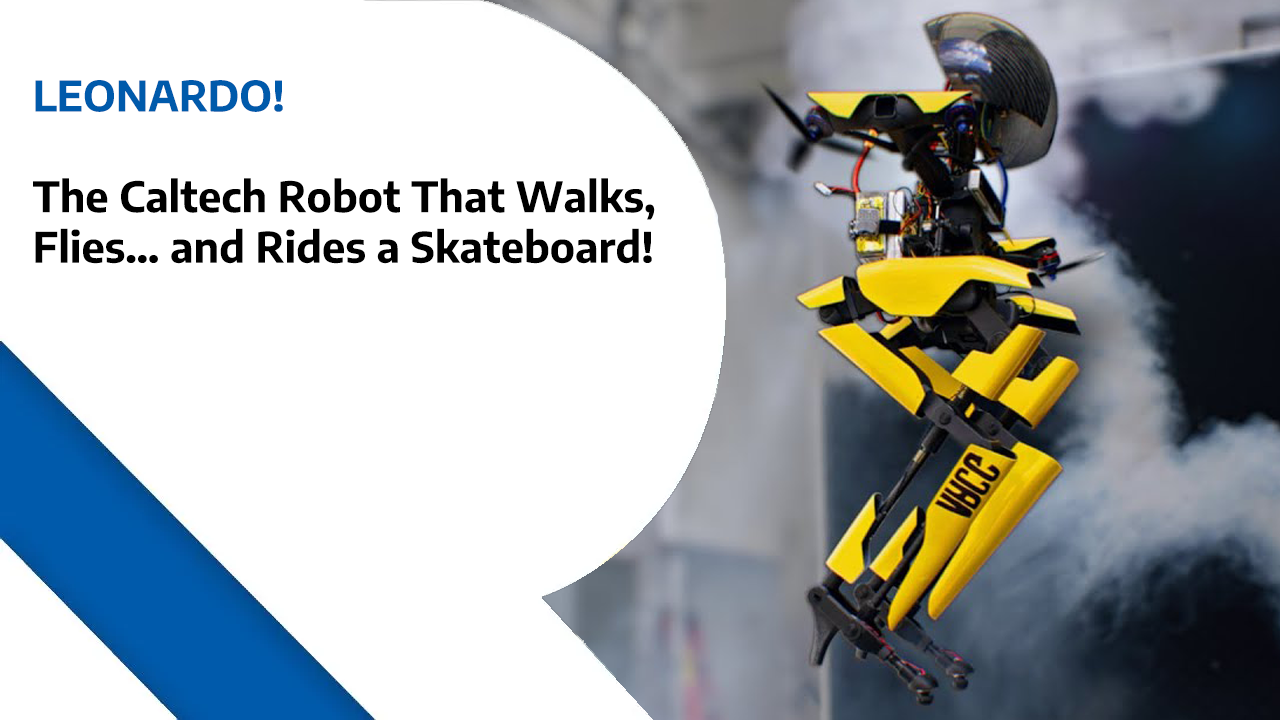
    Meet LEONARDO—short for “LEgs ONboARD drOne,” or LEO for short. Standing just 2.5 feet tall, this Caltech-built bipedal robot is part walking machine, part flying drone.

    LEO isn’t just good at putting one foot in front of the other. Thanks to four angled propellers on its shoulders and multi-joint legs, it can walk a slackline, hop, and even ride a skateboard. Yes—an actual skateboard.

    The inspiration came from birds. Think about how they hop and flap to balance on telephone wires. LEO uses the same principle, blending walking and flying into one smooth act.

    Why is this important? Walking robots can stumble on rough terrain, while flying robots use lots of energy and can’t carry much. LEO combines both worlds—its legs carry most of the weight while the thrusters keep it balanced, letting it move through tricky environments with agility.

    Beyond the fun tricks, this has real potential. Future versions could help aerial robots land safely on uneven ground, or even assist Mars missions with legged landing gear.

    The project started in 2019 at Caltech’s Center for Autonomous Systems and Technologies, and researchers are already working on sturdier legs, stronger thrusters, and smarter algorithms to make LEO more autonomous.

    So today it’s walking wires and skateboarding—but tomorrow, it could be redefining how robots move through our world, and maybe even beyond it.


    And that’s your robot news update for today!
    If you’re curious about how robotics can transform your business, join me for the weekly Live Robot Optimise Workshop — it’s packed with insights, trends, and practical tips. Don’t forget to subscribe so you stay in the loop with all the latest updates.

    I’m RoboPhil from Robot Philosophy — thanks for watching, and I’ll see you next time!


    Join our Robot Optimise Industry (ROI) Workshop: https://robophil.com/


    Sponsors:-


    Robot Center: – https://robotcenter.co.uk/ – Buy Robot, Robot Buy, Robot consultancy, Robotics Consultancy, Inspection Robots, Security Robots, 


    Robots of London: – https://robotsoflondon.co.uk/ – Robot Hire, Robot Rental, Rent Robot, Hire Robot, Robot Events, Robotics Hire, Hire Robotics, Rent Robotics, Robotics Rent, for exhibitions, shows, Events, Robot hire in the UK, Robot hire in Europe


    Robot Philosophy: – https://robophil.com/ – Robot Consultancy, Robot Recruitment, Robot Advice, Robot Insights, Robot Ideas. RoboPhil, also known as Philip English, is a leading Robot YouTuber, Robot Influencer, Robot Trainer, Robot Consultant, and Robot Streamer, Robotics Streamer, Robotics YouTuber, Robotics Influencer, Robotics Consultant, Robotics Trainer  

  • AMRs (Autonomous Mobile Robots): How They Differ from AGVs

    AMRs (Autonomous Mobile Robots): How They Differ from AGVs


    AMRs (Autonomous Mobile Robots): How They Differ from AGVs

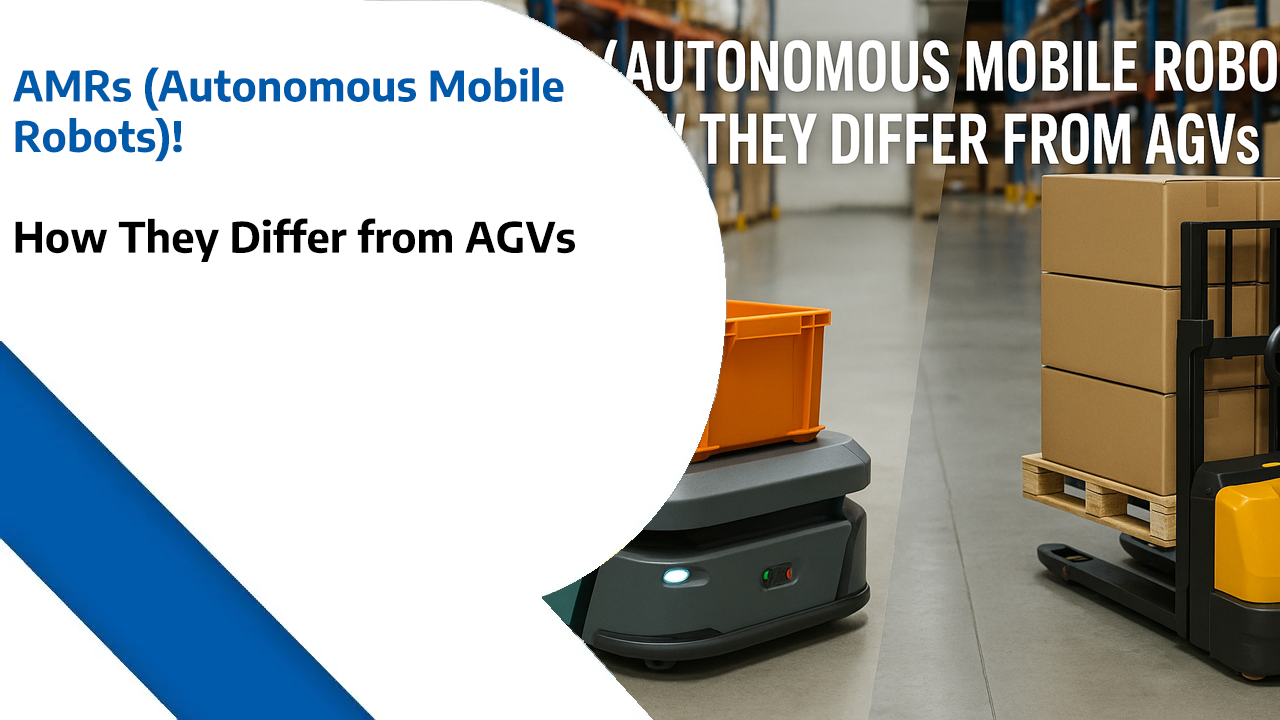
    In the fast-evolving world of robotics, two technologies are often compared side by side: AMRs (Autonomous Mobile Robots) and AGVs (Automated Guided Vehicles). At first glance, they may appear similar—both move materials from point A to point B, both are widely used in manufacturing, logistics, and warehousing, and both promise efficiency gains. However, the differences between AMRs and AGVs are significant, and understanding those distinctions is critical for any business considering robotic integration.

    In this article, we’ll dive into the key differences between AMRs and AGVs, explain their respective strengths and limitations, and highlight why AMRs are increasingly becoming the technology of choice for forward-thinking companies. Finally, we’ll show you how to take the next step with robot consultancy and recruitment services to future-proof your operations.


    What Are AGVs (Automated Guided Vehicles)?

    AGVs are the veterans of mobile robotics, dating back several decades. They are vehicles that follow predefined paths using guidance systems such as magnetic tape, wires, or laser navigation reflectors.

    AGVs are excellent for structured, repetitive environments where processes rarely change. Think of:

    • Assembly lines

    • Large-scale warehouses with fixed layouts

    • Distribution centers with repetitive goods movement

    Their main advantages include:

    • Reliability: Once programmed, they do the same job consistently.

    • Safety: AGVs follow controlled paths, minimizing unpredictability.

    • Mature technology: Proven track record across industries.

    But their limitations are equally clear:

    • Inflexibility: Any change in layout or workflow requires reprogramming and physical infrastructure updates (e.g., new tape routes).

    • High upfront infrastructure costs: Installation of guiding systems increases project complexity.

    • Limited intelligence: AGVs can stop when encountering an obstacle, but they cannot intelligently navigate around it.


    What Are AMRs (Autonomous Mobile Robots)?

    AMRs are the next generation of mobile robotics, designed for flexibility and intelligence. Unlike AGVs, AMRs don’t rely on fixed paths. Instead, they use a combination of LIDAR, cameras, onboard sensors, and AI algorithms to dynamically understand and interact with their environment.

    AMRs are well-suited for:

    • Warehouses and logistics hubs with variable layouts

    • Manufacturing plants where processes evolve frequently

    • Hospitals and retail spaces requiring safe interaction with people

    Key advantages include:

    • Flexibility: No need for physical guides—AMRs can adapt to new layouts quickly.

    • Obstacle avoidance: AMRs intelligently navigate around people, pallets, and equipment.

    • Scalability: Easy to deploy more AMRs as business needs grow.

    • Data insights: Many AMRs collect and share operational data, helping optimize workflows.

    AMRs represent true autonomy, making them ideal for businesses aiming to stay agile in an unpredictable marketplace.


    AMRs vs. AGVs: A Quick Comparison

    FeatureAGVsAMRs
    NavigationFixed paths (tape, wire, reflectors)Dynamic mapping with sensors & AI
    FlexibilityLow—requires reprogramming for changesHigh—adapts in real time
    Obstacle HandlingStops when blockedNavigates around obstacles
    Setup CostsHigh due to infrastructureLower—no fixed tracks required
    ScalabilityLimitedEasy to expand fleet
    Ideal Use CaseStable, repetitive workflowsDynamic, evolving environments

    Why AMRs Are Gaining Momentum

    The modern business environment is fast-moving and customer-driven. Companies no longer have the luxury of rigid, unchanging operations. AMRs allow businesses to adapt, optimize, and scale faster than AGVs.

    Some examples of AMR adoption:

    • E-commerce warehouses using AMRs for efficient picking and packing.

    • Hospitals deploying AMRs for safe delivery of medication and supplies.

    • Manufacturers adopting AMRs to keep pace with flexible production lines.

    In essence, AMRs are not just tools for automation—they are strategic assets that future-proof businesses.


    Do You Need AGVs or AMRs?

    The choice between AGVs and AMRs depends on your business goals:

    • If you operate in a highly structured environment with repetitive workflows, AGVs may still be the cost-effective choice.

    • If your operations demand flexibility, adaptability, and scalability, AMRs are the clear winner.

    But here’s the challenge: choosing the right solution requires expertise. With hundreds of vendors and technologies on the market, it’s easy to get lost in the hype.

    That’s where robot consultancy and recruitment services come in.


    How We Can Help You Succeed with Robotics

    At Robot Philosophy, we specialize in helping businesses navigate the complex world of robotics. Whether you’re exploring your first AMR deployment, upgrading from AGVs, or scaling across multiple facilities, our consultancy ensures you:

    • Select the right robotic solution for your specific needs.

    • Integrate robots seamlessly into your workflows.

    • Train and support your teams to maximize ROI.

    And with our robot recruitment service, we connect you with the talent and expertise you need to manage and grow your robotic operations.

    📞 Book a call today: 0845 528 0404
    📧 Email us: info@robophil.com


    Sponsors of This Article

    This article is proudly supported by leaders in the UK robotics industry:

    • Robot Center – Buy Robot, Robot Buy, Robot Consultancy, Robotics Consultancy.

    • Robots of London – Robot Hire, Robot Rental, Rent Robot, Hire Robot, Robot Events.

    • Robot Philosophy – Robot Consultancy AND Robot Recruitment, Robot Advice, Robot Insights, Robot Ideas. RoboPhil, also known as Philip English, is a leading Robot YouTuber, Robot Influencer, Robot Trainer, Robot Consultant, and Robot Streamer.


    Final Thoughts

    The difference between AMRs and AGVs boils down to flexibility and intelligence. While AGVs still play an important role in certain industries, AMRs are quickly becoming the go-to solution for businesses seeking agility and future-readiness.

    If you’re ready to explore how robots can transform your operations, now is the time to act. With our robot consulting and recruitment expertise, we’ll help you make the right decision, implement effectively, and stay ahead of the curve.

    📞 Call us today at 0845 528 0404 or
    📧 Email us at info@robophil.com to book a consultation.


    https://www.youtube.com/watch?v=VNCjzBEUN78


    https://www.youtube.com/shorts/1x-tPGfV91k