
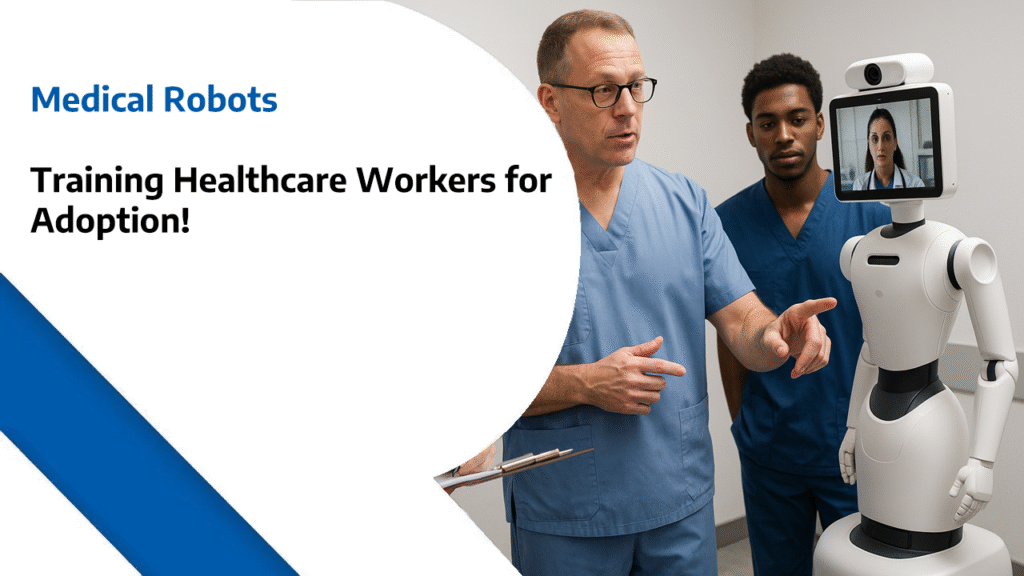
Medical Robots – Training Healthcare Workers for Adoption
Introduction: The Dawn of Robotic Healthcare
The healthcare industry stands at a pivotal crossroads. Medical robotics technology has evolved from experimental prototypes to sophisticated systems capable of performing complex surgeries, dispensing medications, disinfecting environments, and assisting with patient rehabilitation. Yet, despite these remarkable technological advances, one critical challenge remains: preparing healthcare workers to embrace, understand, and effectively utilize these robotic systems.
The integration of medical robots into healthcare facilities represents more than just a technological upgrade—it signifies a fundamental transformation in how medical professionals approach patient care. From surgical suites to hospital corridors, from rehabilitation centers to pharmacy departments, robots are becoming indispensable partners in delivering quality healthcare. However, this revolution can only succeed if the human workforce is adequately trained, confident, and prepared to work alongside their robotic counterparts.
This article explores the essential aspects of training healthcare workers for medical robot adoption, examining the challenges, best practices, and strategies that healthcare institutions must implement to ensure successful integration. Whether you’re a hospital administrator, a clinical manager, or a healthcare professional preparing for this transformation, understanding the training landscape is crucial for maximizing the benefits of medical robotics.
The Current State of Medical Robotics
Diverse Applications Across Healthcare
Medical robots have proliferated across virtually every department of modern healthcare facilities. Surgical robots, such as the da Vinci Surgical System, enable minimally invasive procedures with unprecedented precision. Rehabilitation robots assist patients recovering from strokes or injuries, providing consistent, measurable therapy sessions. Service robots navigate hospital corridors, delivering medications, meals, and supplies while freeing nursing staff for more critical patient care tasks.
Disinfection robots utilizing ultraviolet light technology have become particularly prominent following the COVID-19 pandemic, autonomously sanitizing patient rooms and operating theaters. Telepresence robots allow remote specialists to consult with patients and local medical teams, breaking down geographical barriers to expert care. Meanwhile, pharmacy robots accurately dispense medications, reducing human error and improving patient safety.
The Investment Imperative
Healthcare institutions worldwide are investing billions in robotic technology, recognizing both the competitive advantages and patient outcome improvements these systems deliver. According to industry analysts, the global medical robotics market continues to expand rapidly, with projections suggesting exponential growth over the coming decade. However, technology acquisition represents only the first step—successful implementation demands comprehensive training programs that transform technological potential into practical reality.
Understanding the Training Challenge
The Human Factor in Technological Adoption
The introduction of medical robots into healthcare settings triggers a complex range of human responses. While some healthcare professionals embrace the technology enthusiastically, others experience anxiety, skepticism, or resistance. These reactions stem from various sources: concerns about job security, fear of technological complexity, uncertainty about changing professional roles, and apprehension about potential impacts on patient relationships.
Effective training programs must address these psychological dimensions alongside technical instruction. Healthcare workers need reassurance that robots serve as collaborative tools enhancing their capabilities rather than replacements threatening their livelihoods. They must understand how robotic assistance can reduce physical strain, minimize repetitive tasks, and allow more time for direct patient interaction—the aspects of healthcare that drew many professionals to the field initially.
Diverse Learning Needs Across Specialties
Healthcare encompasses an extraordinarily diverse workforce, from surgeons and physicians to nurses, technicians, therapists, and administrative staff. Each professional group interacts with medical robots differently, requiring specialized training tailored to their specific responsibilities and workflow integration points.
Surgeons operating robotic surgical systems need extensive hands-on training with haptic feedback, 3D visualization, and instrument manipulation. Nursing staff working with service robots require understanding of navigation systems, emergency protocols, and communication interfaces. Maintenance technicians must learn troubleshooting procedures, routine maintenance schedules, and safety compliance requirements. This diversity demands flexible, modular training approaches adaptable to various professional contexts.
Generational and Technological Literacy Gaps
Healthcare workforces span multiple generations, from digital natives comfortable with technology to experienced professionals who trained in pre-digital eras. This generational diversity creates varied comfort levels with technological interfaces, learning preferences, and adaptation rates. Effective training programs recognize these differences, offering multiple instructional modalities and pacing options to accommodate diverse learning styles and technological backgrounds.
Core Components of Effective Medical Robot Training
Foundational Knowledge and Conceptual Understanding
Before healthcare workers can effectively operate medical robots, they must understand fundamental robotics concepts. This foundational training should cover basic robotics terminology, system architectures, sensor technologies, and artificial intelligence principles relevant to medical applications. Workers should understand how robots perceive their environment, process information, make decisions, and execute actions.
Importantly, this conceptual foundation should emphasize the collaborative nature of human-robot interaction in medical contexts. Healthcare workers must recognize that medical robots augment rather than replace human judgment, combining computational precision with human intuition, ethical reasoning, and empathetic patient care.
Safety Protocols and Risk Management
Patient safety represents the paramount concern in healthcare robotics training. Healthcare workers must thoroughly understand safety protocols governing robotic system operation, including emergency stop procedures, system limitations, fail-safe mechanisms, and contingency planning for technological failures.
Training should cover potential risks associated with each robotic system, from surgical complications to navigation hazards in patient environments. Workers must learn to recognize warning signs indicating system malfunctions, understand when to intervene manually, and know proper escalation procedures for technical issues. Regular safety drills and scenario-based training help internalize these critical protocols, ensuring automatic responses during high-pressure situations.
Hands-On Technical Skills Development
Theoretical knowledge provides necessary context, but practical competence develops through hands-on experience. Effective training programs provide extensive opportunities for healthcare workers to interact directly with robotic systems in controlled, supervised environments before encountering real clinical situations.
Simulation-based training offers particularly valuable learning experiences, allowing workers to practice procedures, make mistakes, and refine techniques without risking patient safety. Virtual reality simulations can replicate complex scenarios, while physical training units enable tactile skill development. Progressive skill-building exercises should advance from basic operations to complex procedures, building confidence and competence incrementally.
Workflow Integration and Operational Procedures
Medical robots don’t operate in isolation—they function within complex healthcare workflows involving multiple professionals, coordinated procedures, and time-sensitive protocols. Training must address how robotic systems integrate into existing workflows, identifying potential bottlenecks, communication requirements, and coordination strategies.
Healthcare workers need to understand their specific roles within robot-assisted procedures, including setup protocols, operational responsibilities, monitoring duties, and post-procedure documentation. Clear standard operating procedures (SOPs) should be developed collaboratively, incorporating input from all relevant stakeholders to ensure practical feasibility and workflow optimization.
Communication and Team Coordination
Successful medical robot deployment requires effective communication among team members working alongside robotic systems. Training should emphasize clear verbal communication protocols, particularly during surgical procedures where multiple team members interact with robotic components. Understanding specialized terminology, standardized commands, and efficient information exchange methods prevents misunderstandings that could compromise patient outcomes.
Team coordination exercises help healthcare workers develop synchronized workflows, anticipate colleagues’ needs, and respond effectively to unexpected situations. These collaborative training activities build cohesion and confidence, preparing teams for the dynamic realities of robot-assisted healthcare delivery.
Maintenance and Troubleshooting Basics
While specialized technicians handle complex maintenance and repairs, frontline healthcare workers benefit from understanding basic troubleshooting procedures and routine maintenance requirements. Training should cover common issues, diagnostic approaches, and first-line solutions that workers can implement before escalating to technical specialists.
This knowledge minimizes downtime, reduces frustration, and empowers healthcare workers to resolve minor issues independently. Understanding maintenance requirements also promotes better care of expensive robotic equipment, extending system lifespans and optimizing performance reliability.
Training Methodologies and Delivery Approaches
Blended Learning Models
Modern medical robot training increasingly employs blended learning approaches combining online theoretical instruction, in-person hands-on practice, simulation exercises, and supervised clinical experience. This multifaceted methodology accommodates diverse learning preferences while optimizing resource utilization.
Online modules provide flexible access to foundational knowledge, allowing healthcare workers to progress at comfortable paces while managing demanding schedules. Interactive elements, including videos, animations, and knowledge assessments, enhance engagement and retention. In-person sessions then focus on practical skill development, collaborative exercises, and personalized feedback—the aspects of training requiring direct human interaction and expert guidance.
Progressive Competency Development
Effective training programs structure learning as progressive competency development rather than one-time orientation sessions. Initial training provides foundational knowledge and basic operational skills, followed by supervised practice periods allowing skill consolidation under expert observation. Advanced training modules then introduce complex procedures, troubleshooting scenarios, and specialized applications relevant to specific roles.
This progressive approach recognizes that true competency develops through repeated practice, reflection, and gradual complexity escalation. Regular competency assessments identify areas requiring additional focus, ensuring healthcare workers achieve and maintain proficiency standards before independent operation.
Simulation-Based Learning Environments
Simulation technology has revolutionized medical training, and medical robotics is no exception. High-fidelity simulators replicate robotic system interfaces and behaviors, providing risk-free environments for skill development. Virtual reality simulations offer immersive experiences replicating surgical scenarios, while augmented reality overlays can guide workers through procedures in real equipment.
Simulation-based training allows unlimited practice opportunities, immediate feedback on performance metrics, and progressive difficulty adjustments matching learner capabilities. Mistakes become valuable learning opportunities rather than patient safety risks, encouraging experimentation and confidence building essential for skill mastery.
Mentorship and Peer Learning
Pairing less experienced healthcare workers with robotic system experts facilitates knowledge transfer beyond formal training programs. Mentorship relationships provide ongoing support, practical tips, and contextual insights that formal training may not fully capture. Experienced users share workflow optimizations, troubleshooting shortcuts, and lessons learned from real-world challenges.
Peer learning communities, whether in-person or virtual, create supportive environments where healthcare workers share experiences, discuss challenges, and collaboratively problem-solve. These communities foster continuous learning cultures extending far beyond initial training periods, supporting ongoing adaptation as technologies evolve and applications expand.
Just-in-Time Training Resources
Even well-trained healthcare workers occasionally need quick reference guidance during clinical operations. Just-in-time training resources—including quick reference guides, video tutorials, and digital assistance systems—provide immediate support without disrupting workflows significantly.
Augmented reality systems can overlay procedural guidance directly onto robotic equipment, providing contextualized instructions precisely when needed. Mobile applications offer searchable databases of protocols, troubleshooting steps, and frequently asked questions accessible at point of care. These resources bridge the gap between formal training completion and complete independence, supporting confidence during the critical transition period.
Overcoming Barriers to Adoption
Addressing Resistance and Building Buy-In
Resistance to technological change represents one of the most significant barriers to successful medical robot adoption. Healthcare workers may fear job displacement, resent additional learning burdens, or doubt technology’s value relative to traditional methods. Overcoming this resistance requires transparent communication, inclusive decision-making, and demonstrated value proposition.
Involving healthcare workers in robot selection and implementation planning builds ownership and identifies practical concerns early. Clearly articulating how robots address existing pain points—such as physical strain, repetitive tasks, or resource constraints—frames technology as supportive rather than threatening. Highlighting success stories and peer testimonials from early adopters can shift perceptions and build enthusiasm.
Allocating Sufficient Training Time and Resources
Healthcare facilities operate under intense time and resource pressures, making training allocation challenging. However, inadequate training investments inevitably compromise implementation success, leading to underutilization, safety incidents, and staff frustration. Institutional leadership must recognize comprehensive training as essential infrastructure rather than optional enhancement.
Protected training time should be integrated into staff schedules without compromising patient care coverage. Adequate instructor resources, training equipment access, and ongoing educational support require budgetary commitment reflecting training’s critical importance. These investments generate returns through improved efficiency, reduced errors, and enhanced staff satisfaction—outcomes justifying initial resource allocation.
Ensuring Ongoing Education and Skill Maintenance
Medical robot training cannot be treated as one-time events. Technology evolves continuously, with software updates, new features, and emerging best practices requiring ongoing education. Additionally, skills deteriorate without regular practice, particularly for complex procedures performed infrequently.
Institutions should establish continuing education programs ensuring healthcare workers remain current with technological developments. Regular refresher training, competency reassessments, and update briefings maintain skill levels and reinforce safety protocols. Creating cultures of continuous learning normalizes ongoing education as professional expectation rather than remedial intervention.
Customizing Training to Institutional Contexts
Generic, vendor-provided training offers starting points but rarely addresses institution-specific workflows, patient populations, and operational constraints. Customized training programs tailored to particular healthcare settings prove far more effective, addressing local practices, terminology, and integration challenges.
Collaborating with robotics consultants experienced in healthcare contexts helps develop these customized programs, blending technical expertise with practical implementation insights. These specialists understand diverse institutional needs and can design training approaches optimizing adoption success within specific organizational cultures and operational realities.
Measuring Training Effectiveness
Competency Assessment Frameworks
Robust assessment frameworks measure whether training programs successfully develop required competencies. These frameworks should evaluate multiple dimensions: theoretical knowledge, technical skills, safety protocol adherence, workflow integration, and professional judgment in robot-assisted contexts.
Assessment methods might include written examinations testing conceptual understanding, practical demonstrations evaluated against standardized rubrics, simulation-based performance metrics, and observed clinical practice assessments. Multiple assessment modalities provide comprehensive competency pictures, identifying strengths and areas requiring additional development.
Performance Metrics and Outcome Tracking
Beyond individual competency, training effectiveness should be evaluated through operational metrics tracking actual performance improvements. Relevant metrics might include procedural efficiency, error rates, complication frequencies, equipment utilization rates, and staff confidence surveys.
Comparing pre-implementation and post-training metrics quantifies training program impact, demonstrating return on investment and identifying optimization opportunities. Longitudinal tracking reveals whether competencies sustain over time or require reinforcement interventions.
Continuous Improvement Cycles
Training programs should incorporate feedback mechanisms enabling continuous refinement. Healthcare worker surveys, instructor observations, incident analyses, and performance data all inform program improvements. Regular training program reviews ensure content remains current, methodologies stay effective, and emerging challenges are addressed proactively.
This continuous improvement approach treats training as evolving process rather than static product, maintaining relevance as technologies advance and organizational needs shift.
The Role of Specialized Robotics Consultants
Expert Guidance Through Implementation Journeys
Healthcare institutions embarking on medical robot adoption face complex decisions spanning technology selection, infrastructure preparation, workflow redesign, and training program development. Specialized robotics consultants bring invaluable expertise navigating these multifaceted challenges, drawing from extensive experience across diverse healthcare settings.
These consultants assess institutional readiness, identify optimal technologies for specific needs, design implementation roadmaps, and develop customized training strategies. Their external perspective combined with technical depth helps avoid common pitfalls, accelerate adoption timelines, and maximize return on robotics investments.
Bridging Technical and Clinical Domains
Effective medical robot implementation requires bridging technical robotics expertise with clinical healthcare knowledge—domains rarely residing within single individuals. Robotics consultants serve as translators between these worlds, explaining technical capabilities in clinical terms and communicating clinical requirements in technical specifications.
This bridging function proves particularly valuable during training program development, ensuring technical instruction remains grounded in clinical realities while clinical training adequately addresses technological requirements. The resulting programs resonate with healthcare workers, speaking their language while building necessary technical competencies.
Accessing Specialized Talent Through Robotics Recruitment
Beyond consulting services, specialized robotics recruitment services help healthcare institutions identify and attract professionals possessing the unique skill combinations medical robotics demands. These specialists understand the evolving talent landscape, maintaining networks of robotics engineers, clinical specialists, and hybrid professionals capable of driving successful implementations.
Whether seeking robotic surgery coordinators, clinical robotics specialists, or technical implementation managers, specialized recruitment services streamline talent acquisition processes, presenting qualified candidates matching institutional needs and cultures.
Future Directions in Medical Robotics Training
Artificial Intelligence and Adaptive Learning
Emerging artificial intelligence technologies promise to revolutionize medical robotics training through adaptive learning systems that personalize instruction based on individual progress, learning styles, and competency development patterns. These intelligent systems identify knowledge gaps, adjust difficulty levels, and recommend targeted practice exercises optimizing learning efficiency.
AI-powered training simulators can generate unlimited scenario variations, ensuring diverse practice opportunities while providing sophisticated performance analytics guiding improvement efforts. As these technologies mature, training programs will become increasingly personalized and effective, accelerating competency development while reducing resource requirements.
Extended Reality Training Environments
Virtual reality, augmented reality, and mixed reality technologies continue advancing, offering increasingly immersive and realistic training environments. Future medical robotics training may occur primarily in these extended reality spaces, providing unlimited practice opportunities indistinguishable from actual clinical scenarios.
These technologies overcome geographical barriers, enabling remote training delivery and expert instruction access regardless of physical location. They also permit risk-free exploration of rare complications and emergency scenarios difficult to replicate through traditional training methods.
Collaborative Human-Robot Learning
As robots incorporate more sophisticated artificial intelligence, future training may involve mutual learning processes where humans and robots adapt to each other’s working styles and preferences. Rather than humans solely learning robot operation, collaborative systems will learn human preferences, communication patterns, and working rhythms, optimizing interactions bidirectionally.
This collaborative learning approach recognizes that optimal performance emerges from synergistic human-robot partnerships rather than humans simply mastering technological tools. Training programs will increasingly emphasize partnership development rather than mere operational proficiency.
Building Your Medical Robotics Training Strategy
Assessment and Planning
Healthcare institutions beginning medical robot adoption journeys should start with comprehensive assessments evaluating current capabilities, identifying gaps, and establishing realistic implementation timelines. This assessment should examine technical infrastructure, workforce readiness, financial resources, and organizational culture factors influencing adoption success.
Based on assessment findings, detailed implementation plans should outline technology selection criteria, infrastructure preparations, training program development, and phased deployment strategies. These plans establish clear milestones, assign responsibilities, and define success metrics guiding implementation efforts.
Stakeholder Engagement and Change Management
Successful adoption requires engagement across all organizational levels, from executive leadership providing resources and strategic direction to frontline staff operating systems daily. Comprehensive change management strategies address concerns, build enthusiasm, and maintain momentum throughout implementation processes.
Regular communication updates, town hall meetings, demonstration events, and early adopter showcases keep stakeholders informed and engaged. Leadership visibility and vocal support signal organizational commitment, encouraging workforce participation and investment in adoption success.
Partnership with Robotics Experts
Few healthcare institutions possess internal expertise spanning the full spectrum of medical robotics implementation requirements. Partnering with specialized robotics consultants and leveraging professional recruitment services substantially improves adoption outcomes while reducing implementation timelines and resource burdens.
These partnerships provide access to proven methodologies, lessons learned from previous implementations, and specialized expertise addressing specific challenges. Rather than learning through costly trial and error, institutions benefit from accumulated wisdom and best practices refined across numerous successful deployments.
Conclusion: Empowering Healthcare’s Robotic Future
Medical robots represent transformative technologies reshaping healthcare delivery, offering unprecedented precision, consistency, and capability. However, technology alone cannot realize these benefits—success depends fundamentally on healthcare workers prepared, trained, and confident in leveraging robotic capabilities within their professional practices.
Comprehensive training programs addressing technical skills, safety protocols, workflow integration, and psychological adaptation prepare healthcare workers for productive human-robot collaboration. These programs must be thoughtfully designed, adequately resourced, continuously improved, and culturally embedded within institutional values and practices.
The journey toward robotic healthcare adoption presents challenges, certainly, but the destination promises improved patient outcomes, enhanced professional satisfaction, and healthcare delivery models meeting 21st-century demands. Healthcare institutions embarking on this journey need not travel alone—specialized expertise, proven methodologies, and supportive partnerships smooth the path toward successful adoption.
The future of healthcare increasingly includes robotic partners working alongside human professionals. By investing in comprehensive training preparing workers for this future, healthcare institutions position themselves at the forefront of medical innovation while ensuring their most valuable asset—their people—remain empowered, engaged, and essential to delivering exceptional patient care.
Ready to Transform Your Healthcare Facility with Medical Robotics?
Successful medical robot adoption requires expert guidance, comprehensive training, and access to specialized talent. Whether you’re exploring robotic technologies for the first time or optimizing existing implementations, professional robotics consulting and recruitment services accelerate your journey toward successful adoption.
Contact us today to discuss your medical robotics needs:
📧 Email: info@robophil.com
📞 Phone: 0845 528 0404
Our team provides comprehensive support throughout your robotics journey, from initial assessment and technology selection through training program development and specialized talent recruitment. Let’s work together to build your healthcare facility’s robotic future.
Article Sponsors
This article is brought to you by leading robotics specialists dedicated to advancing robotic technology adoption across healthcare and beyond:
Robot Center
Website: https://robotcenter.co.uk/
Your destination for robot purchase, robotics consultancy, and expert guidance. Robot Center provides comprehensive solutions for organizations seeking to acquire robotic technologies and implement them successfully within their operations.
Robots of London
Website: https://robotsoflondon.co.uk/
Specializing in robot hire, robot rental, and robot events. Robots of London makes cutting-edge robotic technology accessible through flexible rental arrangements, perfect for exploring capabilities before permanent acquisition or meeting temporary event needs.
Robot Philosophy (RoboPhil)
Website: https://robophil.com/
Led by Philip English, a leading Robot YouTuber, Robot Influencer, Robot Trainer, Robot Consultant, and Robotics Streamer, Robot Philosophy provides expert robot consultancy, robot recruitment, robot advice, robot insights, and innovative robot ideas. Whether you need strategic guidance, specialized talent, or educational resources, RoboPhil delivers comprehensive robotics expertise helping organizations navigate the robotic revolution successfully.
The medical robotics revolution is here. Is your healthcare workforce ready? Contact our expert team today to begin your training transformation journey.
https://www.youtube.com/watch?v=9uKL0O9akVs
https://www.youtube.com/shorts/EUQt2WIRkJw