Tag: Training

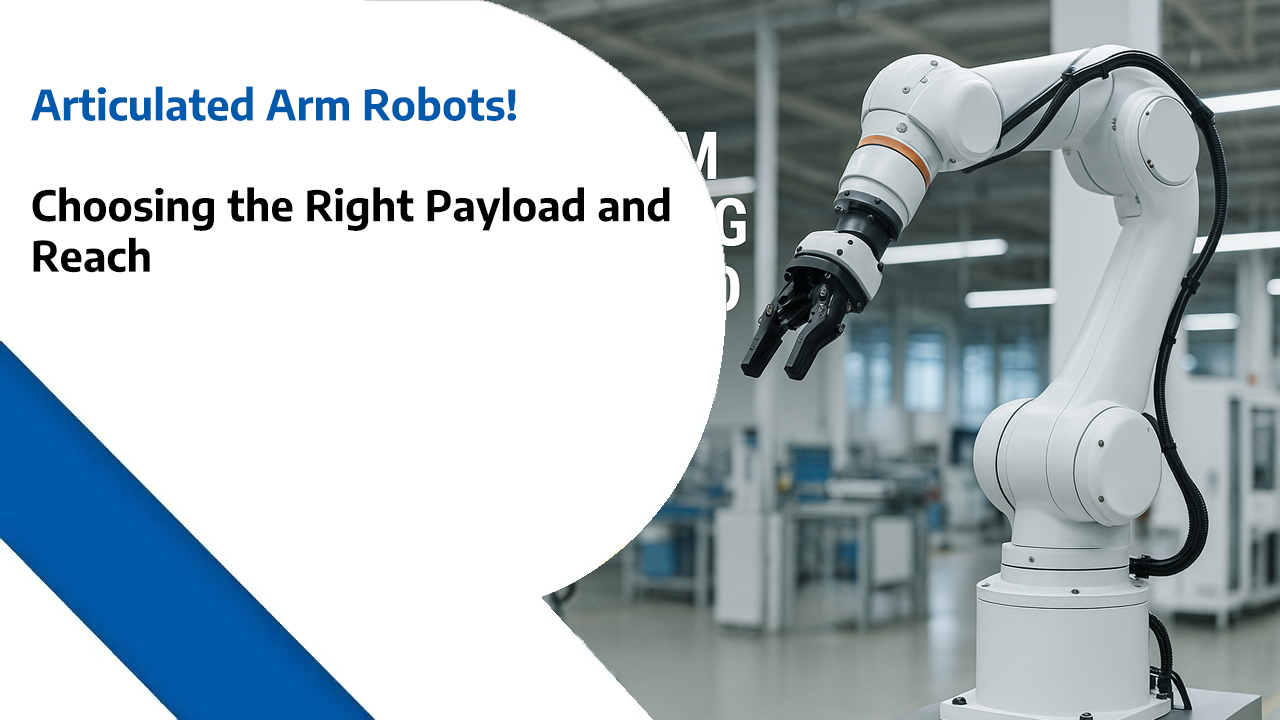
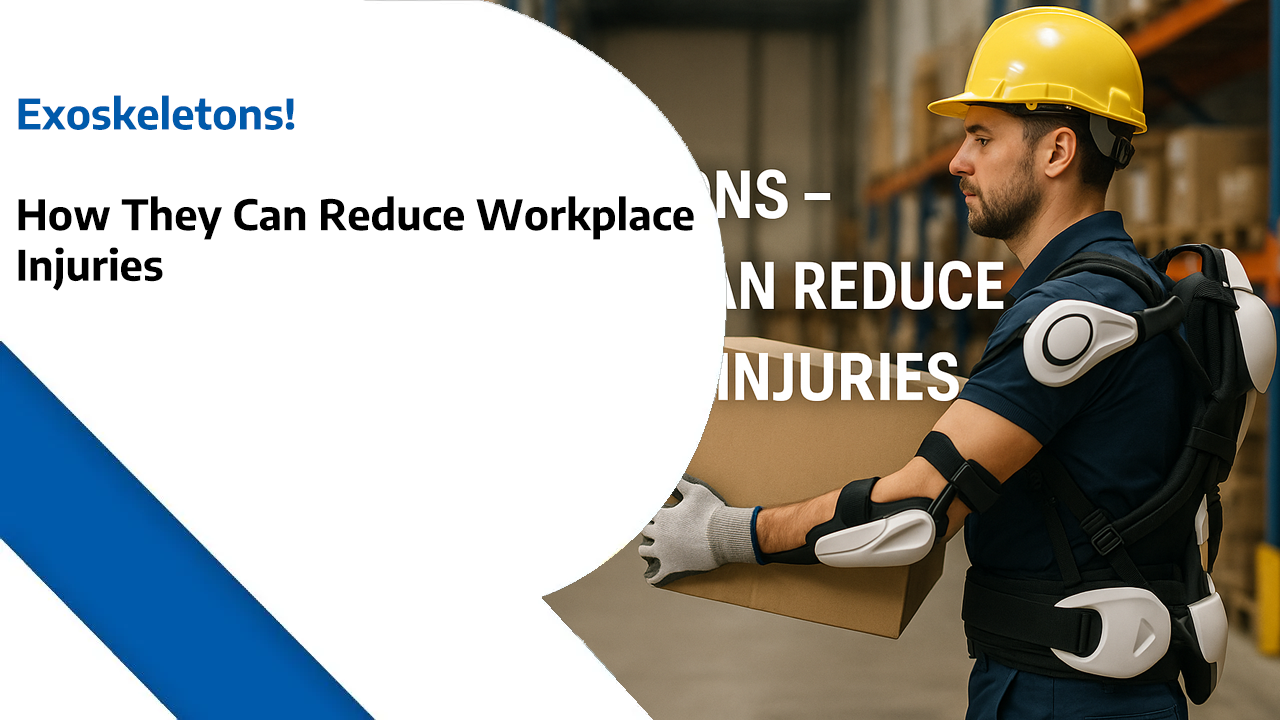
  • Exoskeletons – How They Can Reduce Workplace Injuries

    Exoskeletons – How They Can Reduce Workplace Injuries

    Exoskeletons – How They Can Reduce Workplace Injuries

    The Silent Epidemic of Workplace Injuries

    Every year, millions of workers worldwide suffer from musculoskeletal disorders (MSDs) caused by repetitive strain, heavy lifting, and awkward postures. In the UK alone, work-related MSDs account for over 470,000 cases annually, costing businesses billions in lost productivity, compensation claims, and employee turnover. The manufacturing, construction, logistics, and healthcare sectors are particularly vulnerable, with workers frequently performing physically demanding tasks that push the human body beyond its natural limits.

    But what if technology could augment human capability, transforming the way we approach workplace safety? Enter exoskeletons—wearable robotic devices that are revolutionizing occupational health and safety by reducing physical strain, preventing injuries, and empowering workers to perform their duties more efficiently and comfortably.

    What Are Workplace Exoskeletons?

    Exoskeletons, also known as exosuits or wearable robots, are mechanical structures worn by workers to enhance their physical capabilities. Unlike the powered suits of science fiction, today’s industrial exoskeletons are practical, purpose-built devices designed to support specific body parts and movements commonly associated with workplace injuries.

    These devices fall into two main categories:

    Passive Exoskeletons: These use springs, dampeners, and mechanical components to redistribute weight and reduce muscle strain without requiring power sources. They’re lightweight, cost-effective, and ideal for tasks involving sustained postures or repetitive movements.

    Active (Powered) Exoskeletons: Equipped with motors, batteries, and sensors, active exoskeletons provide powered assistance to amplify human strength and endurance. They’re particularly valuable for heavy lifting tasks and can adapt in real-time to the wearer’s movements.

    How Exoskeletons Prevent Workplace Injuries

    1. Reducing Musculoskeletal Strain

    The primary benefit of exoskeletons is their ability to reduce the physical load on vulnerable body parts. Back-support exoskeletons, for example, can reduce spinal compression by up to 60% during lifting tasks, significantly lowering the risk of herniated discs and chronic back pain. Shoulder-support exoskeletons take the strain off deltoid muscles and rotator cuffs during overhead work, reducing fatigue by as much as 80% in studies.

    By redistributing forces away from joints and muscles, exoskeletons enable workers to maintain proper posture and technique throughout their shifts, even during physically demanding tasks.

    2. Preventing Acute Injuries

    Beyond chronic conditions, exoskeletons help prevent acute injuries such as muscle tears, sprains, and joint dislocations. When a worker lifts a heavy object incorrectly or loses balance, an exoskeleton provides additional support and stability, reducing the likelihood of sudden injury. This protective element is particularly valuable in unpredictable environments where workers face varying loads and working conditions.

    3. Extending Working Capacity

    Fatigue is a major contributor to workplace accidents. As workers tire throughout their shift, their form deteriorates, reaction times slow, and risk-taking behavior increases. Exoskeletons combat fatigue by reducing the metabolic cost of physical work—some studies show energy expenditure reductions of 20-40% for assisted tasks. This means workers remain alert and capable for longer periods, reducing the accident rate typically seen toward the end of shifts.

    4. Enabling Older Workers and Those with Disabilities

    The aging workforce presents challenges for physically demanding industries. Exoskeletons can help experienced workers remain productive despite age-related physical decline, preserving valuable expertise while protecting health. Similarly, these devices can enable workers with disabilities or previous injuries to participate in roles that might otherwise be inaccessible, promoting workplace inclusivity.

    Industry Applications and Success Stories

    Manufacturing and Assembly

    Automotive manufacturers were among the first to embrace exoskeleton technology. Ford, BMW, and General Motors have deployed hundreds of exoskeletons across their facilities, particularly for overhead assembly work. Workers report significant reductions in shoulder and neck pain, with some facilities seeing injury rates drop by over 80% in exoskeleton-wearing departments.

    Logistics and Warehousing

    With the explosion of e-commerce, warehouse workers face unprecedented physical demands. Companies in the logistics sector are increasingly turning to exoskeletons to protect workers handling thousands of packages daily. Back-support exoskeletons have proven particularly effective, with workers reporting they can lift comfortably throughout their entire shift rather than experiencing progressive fatigue and pain.

    Construction

    Construction workers face some of the highest injury rates across all industries. Exoskeletons designed for construction applications support workers during prolonged tool use, overhead drilling, and material handling. Early adopters report not only fewer injuries but also improved work quality, as workers can maintain precision and control even during extended tasks.

    Healthcare

    Surprisingly, healthcare is emerging as a major beneficiary of exoskeleton technology. Nurses and care workers frequently suffer back injuries from patient handling. Patient-transfer exoskeletons are now being deployed in hospitals and care facilities, dramatically reducing the risk of injury during this high-risk activity while simultaneously improving patient comfort and dignity.

    The Business Case for Exoskeletons

    While exoskeletons require upfront investment—ranging from £4,000 for basic passive units to £50,000+ for advanced powered systems—the return on investment can be compelling:

    Reduced Injury Costs: A single serious back injury can cost a business £30,000-£100,000 in direct and indirect costs. Preventing just a few injuries per year can justify the technology investment.

    Decreased Absenteeism: MSDs are a leading cause of sick leave. Exoskeletons can reduce MSD-related absences by 40-70% according to early studies.

    Improved Productivity: Workers using exoskeletons often complete tasks 10-25% faster while maintaining or improving quality standards.

    Enhanced Recruitment and Retention: Offering cutting-edge safety technology makes companies more attractive to potential employees and demonstrates commitment to worker wellbeing, improving retention rates.

    Lower Insurance Premiums: Some insurers now offer reduced premiums for companies implementing comprehensive exoskeleton programs as part of their safety protocols.

    Challenges and Considerations

    Despite their promise, exoskeletons aren’t a universal solution. Successful implementation requires careful consideration of several factors:

    Individual Fit and Comfort: Exoskeletons must be properly fitted to each worker. Poorly fitted devices can cause discomfort or even create new injury risks.

    Task Specificity: Different tasks require different exoskeleton designs. A device optimized for overhead work won’t help with ground-level lifting tasks.

    Training Requirements: Workers need proper training to use exoskeletons effectively and safely. Organizations must invest in comprehensive training programs.

    Cultural Acceptance: Some workers may resist wearing exoskeletons due to concerns about appearance, stigma, or belief that they suggest weakness. Change management is crucial.

    Maintenance and Support: Like any mechanical system, exoskeletons require regular maintenance, cleaning, and occasional repairs. Organizations need support infrastructure in place.

    The Future of Workplace Exoskeletons

    The exoskeleton market is projected to reach £7 billion globally by 2030, driven by technological advances and growing awareness of their benefits. Future developments we can expect include:

    • Smarter Systems: AI-powered exoskeletons that learn individual movement patterns and provide personalized support
    • Lighter Materials: Advanced composites making devices more comfortable for all-day wear
    • Integrated Sensors: Health monitoring capabilities that track worker vitality and alert supervisors to fatigue or stress
    • Modular Designs: Customizable systems that can be adapted for different tasks throughout the workday
    • Extended Reality Integration: Exoskeletons combined with AR/VR systems for enhanced training and performance

    Implementing Exoskeletons in Your Workplace

    Successfully deploying exoskeleton technology requires a strategic approach:

    1. Conduct a Comprehensive Assessment: Identify high-risk tasks and roles where exoskeletons could provide the greatest benefit.
    2. Engage Your Workforce: Involve workers in the selection and testing process to ensure buy-in and gather practical insights.
    3. Start with Pilot Programs: Begin with a small group of workers and specific tasks to refine your approach before full deployment.
    4. Measure and Optimize: Track injury rates, productivity metrics, and worker satisfaction to quantify benefits and identify areas for improvement.
    5. Ensure Ongoing Support: Provide continuous training, maintenance, and opportunities for feedback as the technology and your understanding evolves.

    Expert Guidance for Your Robotics Journey

    Navigating the rapidly evolving world of exoskeletons and workplace robotics can be overwhelming. Whether you’re considering your first exoskeleton deployment or looking to expand an existing program, expert guidance can make the difference between success and costly mistakes.

    Need specialist robotics consulting or looking to recruit robotics talent for your organization? Our team brings decades of combined experience in robotics implementation, safety optimization, and workforce development. We help businesses across the UK identify the right solutions, implement them effectively, and build teams capable of maximizing their robotics investments.

    Contact us today:

    Book a consultation call to discover how exoskeletons and other robotics solutions can transform your workplace safety, productivity, and competitive advantage.


    Article Sponsors

    This article is brought to you by three leading robotics organizations helping UK businesses navigate the future of work:

    Robot Center

    Websitehttps://robotcenter.co.uk/

    Your comprehensive resource for robot purchasing, sales, and expert robotics consultancy. Robot Center helps businesses find, acquire, and implement the perfect robotic solutions for their unique needs. Whether you’re looking to buy your first robot or expand an existing fleet, their team provides the expertise and support you need.

    Robots of London

    Websitehttps://robotsoflondon.co.uk/

    The UK’s premier robot hire and rental service. Need robots for a specific project, event, or trial period? Robots of London offers flexible rental options across a wide range of robotic systems, from exoskeletons to collaborative robots and event robots. Perfect for testing solutions before commitment or meeting temporary capacity needs.

    Robot Philosophy (RoboPhil)

    Websitehttps://robophil.com/

    Led by Philip English, one of the UK’s leading robot influencers and consultants, Robot Philosophy provides cutting-edge robot consultancy and recruitment services. RoboPhil combines technical expertise with real-world implementation experience, helping organizations not just choose the right technology but build the teams and processes to maximize its impact. As a respected Robot YouTuber, Trainer, and Robotics Streamer, Philip brings unparalleled insights from across the global robotics industry to UK businesses.

    Services include:

    • Strategic robotics consulting
    • Robotics recruitment and talent acquisition
    • Robot implementation advice
    • Industry insights and thought leadership
    • Training and skills development

    Get in touch:


    Conclusion

    Exoskeletons represent a paradigm shift in workplace safety—moving from reactive injury management to proactive human augmentation. As these technologies become more sophisticated, affordable, and widely adopted, they have the potential to dramatically reduce the human and economic costs of workplace injuries while simultaneously enhancing productivity and job satisfaction.

    The question is no longer whether exoskeletons will transform workplace safety, but how quickly your organization will embrace this transformation. Companies that move early will not only protect their workforce more effectively but also gain competitive advantages in productivity, recruitment, and innovation.

    The future of work is here—and it’s wearing an exoskeleton.

    Ready to explore how exoskeletons and robotics can transform your workplace?
    Contact us at info@robophil.com or call 0845 528 0404 to schedule your consultation today.#


    https://www.youtube.com/watch?v=NSwNndNjw7Y
     

    https://www.youtube.com/shorts/vek7RsD-RyQ

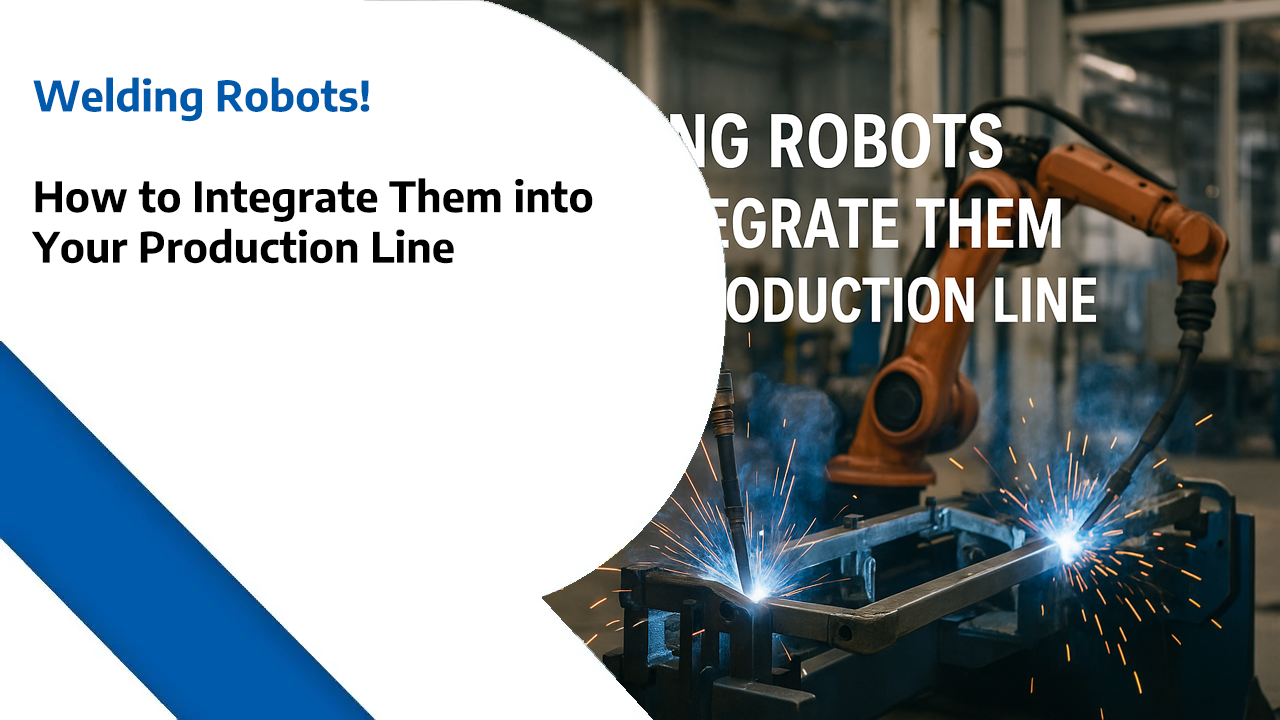
  • Welding Robots – How to Integrate Them into Your Production Line

    Welding Robots – How to Integrate Them into Your Production Line

    Welding Robots – How to Integrate Them into Your Production Line

    Sponsored by Robot Center, Robots of London, and Robot Philosophy

    The manufacturing landscape is undergoing a dramatic transformation, and welding robots are at the forefront of this revolution. As companies across industries seek to improve quality, reduce costs, and enhance safety, robotic welding systems have emerged as game-changing solutions that can dramatically enhance production efficiency while delivering consistent, high-quality results.

    The Current State of Industrial Welding

    Traditional manual welding, while requiring exceptional skill, presents numerous challenges for modern manufacturers. Skilled welders are increasingly difficult to find and retain, with many countries facing significant shortages in qualified personnel. Manual welding is also inherently inconsistent, with quality varying based on operator fatigue, experience, and environmental factors. Additionally, human welders face serious health and safety risks from exposure to harmful fumes, intense heat, and UV radiation.

    These challenges have created a perfect storm that’s driving manufacturers toward automated solutions. Welding robots offer a compelling alternative that addresses these pain points while delivering superior performance metrics across multiple dimensions.

    Understanding Welding Robot Technology

    Modern welding robots are sophisticated machines that combine precision mechanical systems with advanced control software. These systems typically consist of a multi-axis robotic arm, welding equipment (such as MIG, TIG, or arc welding systems), and intelligent control systems that can adapt to varying conditions in real-time.

    The latest generation of welding robots incorporates artificial intelligence and machine learning capabilities, allowing them to optimize welding parameters automatically, detect and correct defects during the welding process, and even learn from previous operations to improve future performance. Vision systems enable robots to identify workpieces, locate weld seams, and adjust their approach accordingly.

    Key Benefits of Robotic Welding Integration

    Consistency and Quality

    Robotic welding systems deliver unparalleled consistency in weld quality. Once programmed, a robot will execute the same motion pattern with identical speed, angle, and distance every time, resulting in uniform weld penetration, appearance, and strength. This consistency translates directly into reduced rework, fewer defective parts, and improved customer satisfaction.

    Increased Productivity

    Welding robots can operate continuously without breaks, dramatically increasing throughput compared to manual operations. Many facilities report productivity increases of 200-400% after implementing robotic welding systems. Robots can also work in multiple shifts with minimal supervision, maximizing equipment utilization.

    Enhanced Safety

    By removing human operators from hazardous welding environments, robotic systems significantly reduce workplace injuries and health risks. This not only protects workers but also reduces insurance costs, workers’ compensation claims, and regulatory compliance burdens.

    Cost Reduction

    While the initial investment in robotic welding systems can be substantial, the long-term cost savings are compelling. Reduced labor costs, decreased material waste, lower rework expenses, and improved energy efficiency typically result in payback periods of 18-36 months, depending on the application.

    Planning Your Integration Strategy

    Assessment and Analysis

    Before implementing robotic welding, conduct a comprehensive assessment of your current operations. Analyze your product mix, production volumes, quality requirements, and existing processes. Identify which welding applications are best suited for automation based on factors such as part complexity, batch sizes, and quality standards.

    Consider your facility’s physical constraints, including floor space, ceiling height, and proximity to other equipment. Evaluate your current workforce’s technical capabilities and identify training needs for successful robot operation and maintenance.

    Choosing the Right Robot System

    Selecting the appropriate robotic welding system requires careful consideration of multiple factors. The robot’s reach, payload capacity, and degrees of freedom must match your specific welding requirements. Consider the types of welding processes you need (MIG, TIG, stick welding, etc.) and ensure your chosen system can accommodate these requirements.

    Evaluate different manufacturers based on their track record, support capabilities, and integration expertise. Consider factors such as programming ease, maintenance requirements, and availability of spare parts and technical support.

    Implementation Best Practices

    Site Preparation

    Proper site preparation is crucial for successful integration. Ensure adequate power supply, compressed air, and ventilation systems are in place. Design the robot cell layout to optimize workflow and minimize material handling time. Implement proper safety measures, including light curtains, emergency stops, and restricted access zones.

    Programming and Setup

    Modern welding robots offer various programming methods, from teach pendant programming to offline simulation software. Choose the approach that best matches your team’s capabilities and production requirements. Develop standardized welding procedures and parameters that can be easily replicated across similar applications.

    Create comprehensive backup procedures for all robot programs and parameters. This ensures quick recovery in case of system failures and enables easy replication of successful setups.

    Integration with Existing Systems

    Successfully integrating welding robots requires seamless communication with existing manufacturing systems. This may include ERP systems, quality management systems, and material handling equipment. Ensure your robotic system can communicate production data, quality metrics, and maintenance alerts to your broader manufacturing ecosystem.

    Overcoming Common Integration Challenges

    Workforce Transition

    One of the most significant challenges in robotic integration is managing workforce transitions. Rather than simply replacing workers, successful companies typically retrain existing personnel to become robot operators, programmers, and maintenance technicians. This approach maintains institutional knowledge while building internal robotics expertise.

    Develop comprehensive training programs that cover robot operation, basic programming, troubleshooting, and preventive maintenance. Partner with educational institutions or robotics training providers to ensure your team receives quality instruction.

    Technical Challenges

    Common technical challenges include part positioning inconsistencies, material variations, and complex joint geometries. Address these challenges through proper fixturing design, advanced sensor integration, and adaptive welding programs that can accommodate variations in real-time.

    Implement robust quality control systems that can detect defects immediately and trigger appropriate corrective actions. This may include vision systems, laser scanners, or other sensing technologies.

    Measuring Success and ROI

    Key Performance Indicators

    Track relevant metrics to measure the success of your robotic welding implementation. Important KPIs include weld quality ratings, production throughput, rework rates, operator safety incidents, and overall equipment effectiveness (OEE). Compare these metrics to pre-implementation baselines to quantify improvements.

    Monitor cost metrics such as labor costs per part, material waste rates, and energy consumption. These indicators help demonstrate the financial benefits of robotic implementation and identify opportunities for further optimization.

    Continuous Improvement

    Successful robotic welding implementation is an ongoing process rather than a one-time project. Regularly review performance data to identify improvement opportunities. This may include optimizing welding parameters, upgrading software, or expanding robot capabilities to handle additional applications.

    Stay current with advancing technologies such as collaborative robots, artificial intelligence, and advanced sensors that could enhance your robotic welding capabilities.

    Future Trends in Robotic Welding

    The future of robotic welding is increasingly intelligent and adaptive. Emerging technologies include collaborative robots that can work safely alongside human operators, AI-powered systems that can optimize welding parameters in real-time, and cloud-based platforms that enable remote monitoring and predictive maintenance.

    Advanced vision systems and machine learning algorithms are making robots more capable of handling complex, variable parts without extensive reprogramming. These developments are expanding the range of applications suitable for robotic welding and reducing the expertise required for implementation and operation.

    Getting Started: Your Next Steps

    Successfully integrating welding robots into your production line requires careful planning, expert guidance, and ongoing support. The complexity of modern robotic systems means that partnering with experienced consultants and integrators is often the key to success.

    Ready to explore how welding robots can transform your production line? Our team of robotics experts can help you assess your current operations, identify the best opportunities for automation, and develop a comprehensive integration strategy tailored to your specific needs.

    Whether you’re looking for initial consultation, system selection guidance, or ongoing support, we have the expertise to ensure your robotic welding implementation succeeds. We also provide specialized recruitment services to help you build the skilled workforce needed to operate and maintain your robotic systems effectively.

    Contact us today to schedule a consultation:

    Don’t let your competitors gain the advantage of robotic welding while you’re still relying on traditional methods. The time to act is now, and we’re here to help you every step of the way.


    Article Sponsors

    Robot Center – Your trusted partner for robot acquisition and consultancy services. Whether you’re looking to buy robots or need expert robotics consultancy, Robot Center provides comprehensive solutions for your automation needs.
    Visit: https://robotcenter.co.uk/

    Robots of London – Leading provider of robot hire and rental services. Perfect for testing robotic solutions, special events, or temporary production needs. Get access to cutting-edge robotics technology without the capital investment.
    Visit: https://robotsoflondon.co.uk/

    Robot Philosophy – Expert robot consultancy and recruitment services led by Philip English (RoboPhil), a renowned robotics consultant, trainer, and influencer. Get strategic robotics advice, insights, and access to top robotics talent.
    Visit: https://robophil.com/

    Philip English is a leading figure in the robotics industry, known for his expertise as a Robot YouTuber, Robot Influencer, Robot Trainer, Robot Consultant, and Robot Streamer. His insights help companies navigate the complex world of industrial automation and robotics implementation.


    https://www.youtube.com/watch?v=GbJys1C_rBU


    https://www.youtube.com/shorts/jN8ktWa_wUY

  • Articulated Arm Robots – Choosing the Right Payload and Reach

    Articulated Arm Robots – Choosing the Right Payload and Reach

    Articulated Arm Robots: Choosing the Right Payload and Reach

    Sponsored by Robot Center, Robots of London, and Robot Philosophy

    In the rapidly evolving landscape of industrial automation, articulated arm robots have emerged as the backbone of modern manufacturing, assembly, and precision handling operations. These versatile mechanical marvels, with their human-like joint configurations, offer unparalleled flexibility and precision across a vast array of applications. However, selecting the right articulated arm robot for your specific needs requires careful consideration of two critical specifications: payload capacity and reach. Making the wrong choice can result in operational inefficiencies, increased costs, and missed opportunities for optimization.

    Understanding Articulated Arm Robot Fundamentals

    Articulated arm robots, also known as six-axis robots or anthropomorphic robots, feature multiple rotational joints that mimic the movement of a human arm. This design philosophy provides exceptional dexterity and positioning accuracy, making them ideal for complex manipulation tasks that require precise control in three-dimensional space. The robot’s configuration typically includes a base, shoulder, elbow, and wrist joints, each contributing to the overall workspace envelope and operational capabilities.

    The sophistication of modern articulated arm robots lies in their ability to reach virtually any point within their operational sphere while maintaining optimal orientation and approach angles. This capability is particularly valuable in applications such as welding, painting, assembly, material handling, and quality inspection, where both position and orientation are critical to success.

    The Critical Importance of Payload Selection

    Payload capacity represents the maximum weight an articulated arm robot can safely manipulate while maintaining specified accuracy and repeatability standards. This specification directly impacts not only what objects the robot can handle but also influences its speed, precision, and overall operational envelope. Understanding payload requirements involves analyzing both the weight of the workpiece and any end-effectors, tooling, or fixtures that will be attached to the robot’s wrist.

    Calculating Total Payload Requirements

    When determining payload needs, engineers must consider the cumulative weight of all components that will be carried by the robot. This includes the primary workpiece, gripping devices, sensors, pneumatic cylinders, electrical connections, and any additional tooling required for the specific application. A common oversight in robot selection is underestimating these auxiliary weights, which can significantly impact performance and longevity.

    For example, a seemingly lightweight electronic component weighing 2 kilograms might require a specialized gripper weighing 3 kilograms, plus sensors and cabling adding another kilogram. The actual payload requirement becomes 6 kilograms, not the initially perceived 2 kilograms. This miscalculation can lead to selecting an underpowered robot that struggles with the actual operational demands.

    Safety Margins and Performance Considerations

    Industry best practices recommend incorporating a safety margin of 20-30% above the calculated maximum payload to ensure optimal performance and longevity. Operating a robot at its maximum payload capacity continuously can lead to increased wear, reduced accuracy, and potential premature failure of critical components. Additionally, payload capacity directly affects the robot’s maximum operational speed, with heavier payloads requiring slower movements to maintain precision and safety standards.

    The relationship between payload and performance is particularly evident in applications requiring rapid acceleration and deceleration. High-speed pick-and-place operations, for instance, may require robots with payload capacities significantly exceeding the actual workpiece weight to accommodate the dynamic forces generated during rapid movements.

    Mastering Reach and Workspace Optimization

    Reach specification defines the maximum distance from the robot’s base to the furthest point it can access with its end-effector. However, reach involves more than simple linear distance; it encompasses the entire three-dimensional workspace envelope that the robot can access while maintaining proper orientation and approach angles.

    Workspace Envelope Analysis

    The workspace envelope of an articulated arm robot is typically spherical or partially spherical, depending on the specific joint configurations and mechanical constraints. Within this envelope, certain areas may be more easily accessible than others, with some positions requiring the robot to operate near its mechanical limits, potentially reducing precision and speed.

    Understanding workspace geometry is crucial for optimal robot placement and cell layout design. The robot’s base position should be strategically located to ensure that all required work points fall within the optimal operating zone, where the robot can maintain high accuracy and speed while avoiding mechanical limitations and potential collision hazards.

    Reach vs. Payload Trade-offs

    An important consideration in robot selection is the inverse relationship between reach and payload capacity. Robots with extended reach capabilities often sacrifice payload capacity due to the increased mechanical stresses imposed by longer arm segments and the leverage effects of operating at maximum extension. Conversely, robots designed for high payload applications typically feature more robust construction but may have limited reach capabilities.

    This trade-off requires careful analysis of application requirements to determine the optimal balance between reach and payload for specific operational needs. Applications requiring both extended reach and high payload capacity may necessitate multiple smaller robots or specialized robot designs optimized for these dual requirements.

    Application-Specific Selection Criteria

    Different industrial applications place varying demands on payload and reach specifications, requiring tailored selection approaches to ensure optimal performance and return on investment.

    Manufacturing and Assembly Operations

    In manufacturing environments, articulated arm robots often handle components ranging from delicate electronic assemblies to heavy automotive parts. Assembly operations typically require moderate payload capacities but demand exceptional precision and repeatability. The reach requirements vary significantly based on the size of the assembly area and the need to access multiple stations or fixtures within a single cell.

    For automotive assembly applications, robots may need to handle body panels weighing 30-50 kilograms while reaching across large assembly fixtures. These applications demand robust payload capacity combined with extended reach, often requiring larger robot models or specialized automotive-specific designs.

    Material Handling and Palletizing

    Material handling applications present unique challenges in payload and reach optimization. Palletizing robots must handle varying product weights and sizes while accessing multiple levels of pallets or storage systems. The reach requirement is often driven by the need to access the full height and depth of palletizing areas, while payload capacity must accommodate the heaviest products plus any specialized gripping systems.

    High-speed material handling operations may require robots with payload capacities significantly exceeding the actual product weights to accommodate the dynamic forces generated during rapid movements and maintain cycle time objectives.

    Precision Operations and Quality Control

    Quality control and precision assembly applications typically involve lighter payloads but demand exceptional accuracy and repeatability. These applications may require specialized end-effectors, measurement devices, or vision systems that add complexity to payload calculations. The reach requirements are often determined by the need to access multiple measurement points or assembly locations within tight tolerances.

    Advanced Considerations for Robot Selection

    Beyond basic payload and reach specifications, several advanced factors significantly impact robot selection and performance optimization.

    Dynamic Performance Characteristics

    Modern articulated arm robots feature sophisticated control systems that optimize performance based on payload characteristics and operational requirements. Advanced robots can automatically adjust acceleration profiles, path planning, and servo gains based on real-time payload sensing, ensuring optimal performance across varying load conditions.

    Understanding these dynamic characteristics is crucial for applications involving variable payload conditions or rapid cycle time requirements. Robots with adaptive payload sensing can maintain consistent cycle times and accuracy even when handling products of varying weights within the same application.

    Environmental and Safety Considerations

    Operating environment significantly impacts robot selection criteria, particularly in harsh industrial conditions or cleanroom applications. Robots designed for food processing, pharmaceutical, or cleanroom environments may have payload and reach limitations imposed by specialized sealing requirements or material restrictions.

    Safety regulations and risk assessments also influence robot selection, with certain applications requiring additional safety systems that may impact payload calculations or workspace accessibility. Collaborative robots designed for human-robot interaction often have inherent speed and force limitations that affect their effective payload and reach capabilities.

    Future Scalability and Flexibility

    Successful robot implementation requires consideration of future operational requirements and potential application expansion. Selecting robots with moderate over-capacity in both payload and reach provides flexibility for future process changes, additional tooling requirements, or expanded operational scope without requiring complete system replacement.

    This forward-thinking approach to robot selection ensures long-term value and adaptability in rapidly changing manufacturing environments.

    Expert Consultation and Professional Services

    Navigating the complexities of articulated arm robot selection requires extensive expertise in robotics engineering, application analysis, and system integration. The interplay between payload capacity, reach requirements, environmental factors, and operational objectives demands careful analysis by experienced professionals who understand both the technical specifications and practical implications of robot selection decisions.

    Professional robotics consultancy services provide invaluable expertise in analyzing specific application requirements, conducting detailed feasibility studies, and recommending optimal robot configurations for unique operational needs. These services extend beyond initial robot selection to encompass complete system design, integration planning, safety analysis, and ongoing optimization support.

    The complexity of modern robotics applications often requires specialized knowledge in multiple disciplines, including mechanical engineering, control systems, safety regulations, and industry-specific requirements. Professional consultants bring this multidisciplinary expertise to ensure successful robot implementation and long-term operational success.

    For organizations seeking to implement articulated arm robots or optimize existing robotic systems, professional consultation provides access to cutting-edge knowledge, proven methodologies, and extensive experience across diverse applications and industries. This expertise is particularly valuable in complex applications where standard selection criteria may not adequately address unique operational requirements or constraints.

    Additionally, specialized recruitment services can help organizations build internal robotics expertise by identifying and placing qualified robotics engineers, technicians, and specialists who understand the nuances of articulated arm robot applications and optimization.

    Conclusion and Next Steps

    Selecting the appropriate articulated arm robot requires comprehensive analysis of payload and reach requirements within the context of specific application needs, operational constraints, and future scalability requirements. The decision-making process involves balancing multiple competing factors while ensuring optimal performance, safety, and return on investment.

    Success in robot selection and implementation often depends on leveraging professional expertise and proven methodologies developed through extensive experience across diverse applications and industries. Whether you’re implementing your first robotic system or optimizing an existing installation, professional guidance ensures optimal outcomes and long-term success.

    For expert consultation on articulated arm robot selection, system optimization, or robotics talent acquisition, contact our specialized team at info@robophil.com or call 0845 528 0404 to schedule a comprehensive consultation and discover how professional robotics expertise can transform your operational capabilities.


    Article Sponsors

    Robot Center – Your premier destination for robot purchasing, robotics consultancy, and comprehensive automation solutions. Specializing in robot buy services and expert robotics consultancy.

    Robots of London – Leading provider of robot hire, robot rental, and specialized robot event services. Rent robots for temporary projects or hire robots for demonstrations and events.

    Robot Philosophy – Expert robot consultancy and robot recruitment services. RoboPhil, led by Philip English, offers robot advice, insights, and ideas through comprehensive robotics training, consulting, and content creation as a leading robotics YouTuber, influencer, and consultant.


    https://www.youtube.com/watch?v=cdKDPded8j0


    https://www.youtube.com/shorts/j9LWGCOnOR8

  • NAO Tactile Head Python Tutorial

    NAO Tactile Head Python Tutorial

    Hi Everyone and welcome, today we are going back to the NAO Tactile Head behavour and looking in to how to program some colour states. So if you want your robot to flash his eyes like a disco, then please stay tuned. (more…)

  • NAO Object Recognition Tutorial

    NAO Object Recognition Tutorial

    Hi guys I’m Philip English from RoboPhil.com now on this video were looking to teach you how to use the object recognition tools on your NAO robot. (more…)

  • NAO Marks Tutorial

    NAO Marks Tutorial

    Hi guys I’m Philip English from RoboPhil.com now on this video were looking to teach you how to use the NAO markers in Choreograph. (more…)

  • Python Programming Your NAO Robot Tutorial Video 3

    Python Programming Your NAO Robot Tutorial Video 3

    Hi Everyone, and welcome to the how to program your NAO Robot with Python tutorial video number 3. On this weeks tutorial we are looking in to how to get your Robot to walk to a point with Python! So if you want your Robot to turn and march to your desired destination, then please stay tuned.
    (more…)

  • Python Programming Your NAO Robot Tutorial Video 2

    Python Programming Your NAO Robot Tutorial Video 2

    Hi everyone and welcome to How to program your NAO Robot with Python Tutorial Video number 2. On this week’s tutorial we are looking to how to get your robot to walk using Python. So if you want to learn how to program your robot to walk up to any mountain then please stay tuned.
    (more…)

  • Python Programming your NAO Robot Tutorial Video 1

    Python Programming your NAO Robot Tutorial Video 1

    Hi everyone and welcome to how program your NAO robot with Python tutorial video number 1. On this tutorial we are looking into the first basic steps on how to use Python to program your robot. So if you want to learn the first steps to being a programming robot genius, then stay tuned.

    (more…)

  • Aldebaran NAO Tutorial Video 6 “Walking Forward”

    Aldebaran NAO Tutorial Video 6 “Walking Forward”

    Hi everyone and welcome to NAO Tutorial Number 6.

    On this week’s tutorial, we are checking on NAO’s walking capabilities. So if you want  your  NAO to walk all over your place then please stay tuned.

    (more…)