Tag: Robotics Consultancy

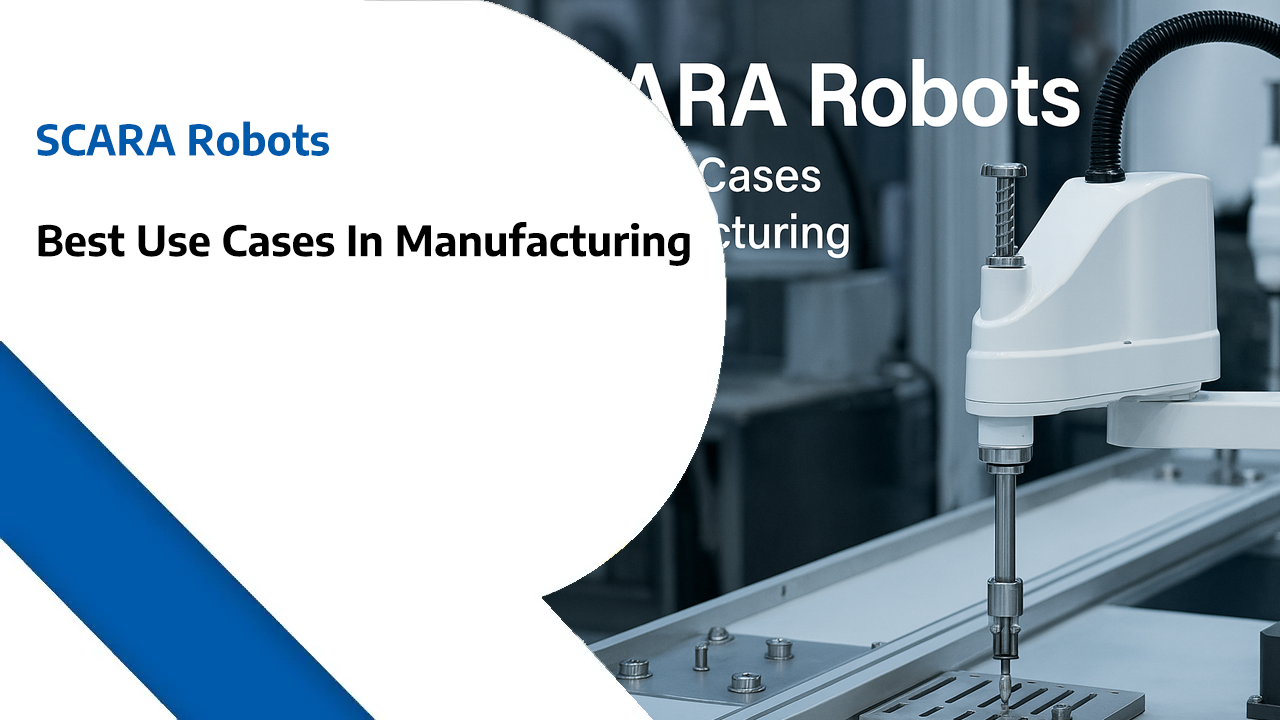
  • SCARA Robots – Best Use Cases In Manufacturing

    SCARA Robots – Best Use Cases In Manufacturing

    SCARA Robots – Best Use Cases In Manufacturing

    Introduction

    In the rapidly evolving landscape of modern manufacturing, automation has become the cornerstone of efficiency, precision, and competitive advantage. Among the various robotic solutions available, SCARA (Selective Compliance Assembly Robot Arm) robots have emerged as one of the most versatile and cost-effective options for manufacturers seeking to enhance their production capabilities. These sophisticated machines combine speed, accuracy, and reliability to deliver exceptional performance across a wide range of industrial applications.

    SCARA robots represent a unique class of industrial automation equipment that has revolutionized manufacturing processes worldwide. Their distinctive design philosophy centers around providing compliance in the horizontal plane while maintaining rigidity in the vertical direction, making them ideally suited for assembly, pick-and-place, and material handling operations. This selective compliance capability allows SCARA robots to perform delicate operations with remarkable precision while maintaining the structural integrity necessary for demanding industrial environments.

    Understanding SCARA Robot Architecture

    The fundamental design of SCARA robots sets them apart from other robotic configurations. Unlike traditional six-axis articulated robots or Cartesian coordinate systems, SCARA robots feature a unique four-axis configuration that provides optimal performance for specific manufacturing tasks. The robot’s arm consists of two parallel rotary joints that provide compliance in the horizontal plane, combined with a linear joint for vertical movement and a rotary joint for tool orientation.

    This architectural approach delivers several key advantages. The parallel joint configuration eliminates the need for complex counterbalancing mechanisms, resulting in faster acceleration and deceleration cycles. The inherent stiffness in the vertical direction ensures consistent positioning accuracy, while the compliance in the horizontal plane allows for safe interaction with workpieces and tooling. This combination makes SCARA robots particularly well-suited for applications requiring high-speed, repetitive motions with precise positioning requirements.

    The workspace envelope of SCARA robots typically resembles a hollow cylinder, with the robot capable of reaching any point within this three-dimensional space. This workspace configuration is ideal for many manufacturing applications where parts need to be manipulated within a defined area, such as assembly stations, packaging lines, and material handling systems. The reach and payload capabilities of modern SCARA robots have expanded significantly, with some models offering reaches exceeding 1,500mm and payloads up to 50kg or more.

    Primary Use Cases in Manufacturing

    Electronics and Semiconductor Assembly

    The electronics manufacturing industry has been one of the earliest and most enthusiastic adopters of SCARA robot technology. The precision requirements for electronic component placement, combined with the need for high-speed operation, make SCARA robots the ideal choice for these applications. In printed circuit board (PCB) assembly, SCARA robots excel at placing surface-mount components with positioning accuracies measured in micrometers.

    Modern electronics manufacturing demands ever-increasing levels of miniaturization, with components becoming smaller and placement tolerances tighter with each generation of products. SCARA robots meet these challenges through advanced vision systems, force feedback sensors, and sophisticated control algorithms that ensure precise component placement even in challenging conditions. The speed advantages of SCARA robots become particularly apparent in high-volume electronics production, where cycle times measured in fractions of seconds can significantly impact overall equipment effectiveness.

    Beyond component placement, SCARA robots perform various other functions in electronics manufacturing, including dispensing adhesives and sealants, inserting connectors and cables, testing and inspection operations, and packaging finished products. The versatility of SCARA robots allows manufacturers to deploy them across multiple stages of the production process, maximizing return on investment while maintaining consistent quality standards.

    Automotive Component Manufacturing

    The automotive industry’s stringent quality requirements and high-volume production demands make it another natural fit for SCARA robot applications. These robots excel in numerous automotive manufacturing processes, from small component assembly to final vehicle preparation. In engine manufacturing, SCARA robots handle tasks such as valve installation, sensor mounting, and gasket placement with the precision and repeatability required for modern automotive standards.

    Transmission assembly represents another area where SCARA robots demonstrate their value. The complex geometries and tight tolerances required in transmission manufacturing benefit from the selective compliance characteristics of SCARA robots, which can accommodate slight variations in part positioning while maintaining overall assembly accuracy. This capability is particularly valuable when dealing with cast components that may have minor dimensional variations within acceptable tolerance ranges.

    Interior component assembly has also benefited significantly from SCARA robot implementation. From instrument cluster assembly to door panel installation, these robots provide the speed and precision necessary to meet automotive production line requirements. The ability to integrate vision systems and force sensors allows SCARA robots to adapt to variations in part presentation and ensure proper component alignment during assembly operations.

    Pharmaceutical and Medical Device Production

    The pharmaceutical and medical device industries present unique challenges that SCARA robots are well-equipped to address. The stringent regulatory requirements, need for contamination control, and demand for traceability make these sectors ideal candidates for robotic automation. SCARA robots operating in cleanroom environments can maintain the sterile conditions required for pharmaceutical production while delivering the precision necessary for accurate dosing and packaging operations.

    In medical device manufacturing, SCARA robots perform critical assembly operations for products ranging from diagnostic equipment to implantable devices. The precision and repeatability of these robots ensure that medical devices meet the exacting standards required for patient safety and regulatory compliance. Advanced SCARA systems can incorporate real-time monitoring and data logging capabilities, providing the documentation and traceability required by regulatory agencies.

    The packaging and labeling of pharmaceutical products represent another significant application area for SCARA robots. These systems can handle delicate containers, apply labels with precise positioning, and perform quality inspection operations at speeds that would be impossible to achieve with manual labor. The integration of vision systems allows SCARA robots to verify label placement, check for defects, and ensure that packaging meets regulatory requirements before products proceed to distribution.

    Food and Beverage Processing

    Food and beverage manufacturing presents unique challenges related to hygiene, product variability, and regulatory compliance. SCARA robots designed for food industry applications feature specialized coatings, sealed enclosures, and washdown capabilities that allow them to operate in harsh processing environments while maintaining food safety standards. These robots excel in applications such as product sorting, packaging, palletizing, and quality inspection.

    The speed and precision of SCARA robots make them particularly valuable in high-volume food packaging operations. These systems can handle products with varying sizes, shapes, and weights while maintaining consistent packaging quality and minimizing product damage. Advanced gripper technologies allow SCARA robots to handle delicate food items without compromising product integrity, while vision systems enable quality inspection and sorting based on visual characteristics.

    In beverage production, SCARA robots perform functions such as bottle handling, cap placement, labeling, and case packing. The ability to operate at high speeds while maintaining gentle handling characteristics makes these robots ideal for managing fragile containers and ensuring consistent product presentation. Integration with production line control systems allows SCARA robots to adapt to different product types and packaging configurations without requiring extensive reprogramming or setup changes.

    Packaging and Material Handling

    General packaging operations across various industries have benefited enormously from SCARA robot implementation. These robots excel in applications requiring high-speed pick-and-place operations, such as transferring products from production lines to packaging equipment or arranging items in shipping containers. The speed advantages of SCARA robots become particularly apparent in packaging applications where cycle times directly impact overall production throughput.

    Material handling applications represent another significant use case for SCARA robots. These systems can manage a wide variety of materials, from small electronic components to larger mechanical parts, with consistent accuracy and reliability. The workspace characteristics of SCARA robots make them ideal for applications where materials need to be moved between multiple stations or arranged in specific patterns for downstream processing.

    The integration of advanced gripper technologies has expanded the range of materials that SCARA robots can handle effectively. Vacuum grippers, mechanical grippers, magnetic grippers, and specialized end-effectors allow these robots to adapt to virtually any material handling requirement. Vision systems and force sensors provide feedback that enables robots to adapt to variations in part presentation and ensure secure handling throughout the operation.

    Advanced Features and Capabilities

    Vision Integration and Quality Control

    Modern SCARA robots increasingly incorporate advanced vision systems that enable them to perform complex inspection and quality control operations. These systems combine high-resolution cameras, sophisticated image processing algorithms, and machine learning capabilities to identify defects, verify assembly quality, and ensure product compliance with specifications. Vision-guided SCARA robots can adapt to variations in part presentation, locate components with sub-pixel accuracy, and make real-time decisions based on visual feedback.

    The integration of vision systems with SCARA robots has opened new possibilities for flexible manufacturing operations. These systems can handle parts presented in random orientations, adapt to variations in component appearance, and perform complex inspection tasks that would be difficult or impossible to accomplish with traditional fixed automation. Advanced vision algorithms can detect subtle defects, measure dimensional characteristics, and verify proper assembly completion with accuracy levels that exceed human capabilities.

    Quality control applications represent a particularly valuable use of vision-integrated SCARA robots. These systems can perform 100% inspection of manufactured products, identifying defects and sorting products based on quality criteria. The speed and accuracy of robotic inspection systems enable manufacturers to implement comprehensive quality control programs without impacting production throughput, ultimately improving customer satisfaction and reducing warranty costs.

    Force and Compliance Control

    Advanced SCARA robots incorporate sophisticated force and compliance control systems that enable them to perform delicate assembly operations and adapt to variations in part fit and finish. These systems use force sensors, torque monitoring, and advanced control algorithms to provide real-time feedback about interaction forces between the robot and workpiece. This capability is particularly valuable for applications requiring precise force control, such as press-fitting operations, threaded fastener installation, and delicate component placement.

    Force control systems allow SCARA robots to adapt to manufacturing variations while maintaining consistent assembly quality. For example, when installing components that require specific insertion forces, the robot can monitor and adjust its operation to ensure proper installation without damaging parts or compromising assembly integrity. This adaptive capability reduces the need for tight manufacturing tolerances while maintaining high-quality assembly results.

    Compliance control extends beyond simple force measurement to include sophisticated algorithms that enable robots to respond appropriately to unexpected conditions. These systems can detect binding or interference during assembly operations, automatically adjust robot motion to accommodate part variations, and provide feedback to operators or control systems when manual intervention may be required. The result is more robust and reliable automated assembly processes that can handle real-world manufacturing conditions.

    Collaborative Safety Features

    The evolution toward collaborative robotics has influenced SCARA robot design, with many modern systems incorporating safety features that enable human-robot collaboration in manufacturing environments. These safety systems include advanced sensors, safety-rated control systems, and protective features that allow humans to work safely in close proximity to operating robots. Collaborative SCARA robots can automatically reduce speed or stop operation when humans enter the workspace, enabling flexible manufacturing arrangements that combine the efficiency of automation with the adaptability of human operators.

    Safety features in modern SCARA robots extend beyond basic collision detection to include predictive safety systems that can anticipate potential hazards and take preventive action. These systems monitor robot trajectory, workspace conditions, and human presence to ensure safe operation in dynamic manufacturing environments. Advanced safety systems can distinguish between different types of contact, responding appropriately to intentional interaction while maintaining protective functions against unintended contact.

    The implementation of collaborative safety features has enabled new applications for SCARA robots in environments where traditional industrial robots would not be suitable. These applications include assembly operations requiring human judgment and dexterity combined with robotic precision and repeatability, quality control processes that benefit from both automated inspection and human oversight, and flexible manufacturing systems that need to accommodate varying production requirements and workforce availability.

    Implementation Considerations and Best Practices

    System Integration and Programming

    Successful implementation of SCARA robots requires careful consideration of system integration requirements and programming approaches. Modern SCARA robots typically feature sophisticated control systems that can integrate with existing manufacturing equipment, quality control systems, and production management software. This integration capability enables robots to operate as part of comprehensive manufacturing systems rather than standalone automation islands.

    Programming approaches for SCARA robots have evolved significantly, with modern systems offering both traditional teach-pendant programming and advanced offline programming capabilities. Offline programming systems enable engineers to develop and optimize robot programs using simulation software, reducing setup time and enabling more sophisticated motion planning. These systems can model complex manufacturing environments, simulate robot operation, and identify potential issues before implementation.

    The integration of SCARA robots with other manufacturing systems requires careful attention to communication protocols, safety systems, and operational coordination. Modern robots typically support multiple communication standards, including Ethernet/IP, DeviceNet, Profibus, and other industrial networking protocols. This flexibility enables seamless integration with existing manufacturing control systems and facilitates coordination between multiple automated systems.

    Maintenance and Reliability

    SCARA robots are generally recognized for their reliability and relatively low maintenance requirements compared to other robotic configurations. The simplified mechanical design, with fewer moving parts and reduced complexity, contributes to longer operational life and reduced maintenance costs. However, proper maintenance procedures and predictive maintenance strategies are essential for maximizing robot availability and performance.

    Regular maintenance activities for SCARA robots typically include lubrication of mechanical components, inspection of electrical connections, calibration verification, and replacement of wear items such as belts and bearings. Advanced SCARA systems often incorporate condition monitoring capabilities that track robot performance and predict maintenance requirements before failures occur. These systems can monitor factors such as motor current, positioning accuracy, and cycle times to identify trends that indicate developing issues.

    The design of SCARA robots facilitates maintenance activities, with many components accessible without extensive disassembly. This accessibility reduces maintenance time and costs while enabling predictive maintenance strategies that maximize robot availability. Manufacturers often provide comprehensive maintenance training and support services to ensure that maintenance staff can effectively maintain robot systems throughout their operational life.

    Cost-Benefit Analysis and ROI

    The economic justification for SCARA robot implementation typically includes multiple factors beyond simple labor cost reduction. While direct labor savings often provide the most obvious return on investment, additional benefits such as improved quality, increased throughput, enhanced flexibility, and reduced material waste contribute significantly to overall economic value. A comprehensive cost-benefit analysis should consider both quantifiable benefits and strategic advantages that may be more difficult to measure directly.

    Quality improvements resulting from SCARA robot implementation can provide substantial economic benefits through reduced rework, lower warranty costs, and improved customer satisfaction. The consistent accuracy and repeatability of robotic operations often result in significant reductions in quality-related costs, which can justify automation investment even in applications where direct labor savings are modest.

    Throughput improvements represent another significant source of economic benefit from SCARA robot implementation. The high-speed operation of these robots, combined with their ability to operate continuously without breaks, can substantially increase production capacity without proportional increases in facility size or infrastructure requirements. This increased capacity can enable manufacturers to meet growing demand, reduce delivery times, and improve customer service levels.

    Industry Trends and Future Developments

    Artificial Intelligence and Machine Learning Integration

    The integration of artificial intelligence and machine learning technologies with SCARA robots represents one of the most significant trends shaping the future of manufacturing automation. These technologies enable robots to adapt to changing conditions, learn from experience, and optimize their operation over time. Machine learning algorithms can analyze robot performance data to identify optimization opportunities, predict maintenance requirements, and improve overall system efficiency.

    AI-enhanced SCARA robots can adapt to variations in part presentation, material properties, and environmental conditions without extensive reprogramming. These systems can learn to recognize quality issues, adjust their operation to accommodate manufacturing variations, and provide valuable feedback to manufacturing engineers about process optimization opportunities. The result is more flexible and intelligent automation systems that can handle the variability inherent in real-world manufacturing environments.

    Predictive analytics capabilities enabled by AI and machine learning technologies provide manufacturers with valuable insights into robot performance and manufacturing processes. These systems can identify patterns in robot operation that indicate developing issues, optimize robot motion for improved efficiency, and provide recommendations for process improvements. The integration of these capabilities with existing manufacturing systems creates comprehensive smart manufacturing environments that continuously improve their performance.

    Advanced Sensor Technologies

    The development of advanced sensor technologies continues to expand the capabilities of SCARA robots and enable new applications. High-resolution force sensors, tactile feedback systems, and multi-modal sensing capabilities provide robots with increasingly sophisticated information about their interaction with the manufacturing environment. These sensors enable robots to perform more complex operations and adapt to challenging conditions that would have required human intervention in the past.

    Vision sensor technology continues to advance rapidly, with improvements in resolution, processing speed, and analytical capabilities. Modern vision systems can perform complex inspection tasks, guide robots with sub-millimeter accuracy, and adapt to varying lighting conditions and part presentations. The integration of multiple vision sensors with SCARA robots enables comprehensive monitoring of manufacturing processes and sophisticated quality control operations.

    Environmental sensors and condition monitoring systems provide SCARA robots with awareness of their operating environment and enable adaptive responses to changing conditions. These sensors can monitor factors such as temperature, humidity, vibration, and electromagnetic interference, allowing robots to adjust their operation to maintain optimal performance. This environmental awareness contributes to improved reliability and consistent performance across varying operating conditions.

    Modular and Flexible System Design

    The trend toward modular and flexible system design is influencing SCARA robot development, with manufacturers focusing on creating systems that can be easily reconfigured for different applications and scaled to meet changing production requirements. Modular robot designs enable manufacturers to optimize robot specifications for specific applications while maintaining flexibility for future changes.

    Flexible mounting systems and workspace configurations allow SCARA robots to be deployed in various orientations and locations within manufacturing facilities. These systems can be easily relocated or reconfigured to accommodate changing production requirements, new product introductions, or facility layout modifications. The ability to adapt robot installations to changing requirements provides manufacturers with valuable flexibility in an increasingly dynamic business environment.

    Standardized interfaces and communication protocols facilitate integration of SCARA robots with other manufacturing equipment and enable more flexible system architectures. These standards reduce integration complexity, improve interoperability between different equipment suppliers, and facilitate future system upgrades or modifications. The adoption of industry-standard protocols also reduces training requirements and simplifies maintenance and support activities.

    Expert Consultation and Implementation Support

    Professional Robot Consulting Services

    The successful implementation of SCARA robots in manufacturing environments requires expertise in robotics, manufacturing processes, and system integration. Professional robot consulting services can provide valuable guidance throughout the entire implementation process, from initial feasibility assessment through system commissioning and optimization. Experienced consultants can help manufacturers identify the most suitable applications for SCARA robots, select appropriate equipment specifications, and develop implementation strategies that maximize return on investment.

    Robot consultants bring valuable experience from multiple industries and applications, enabling them to identify opportunities and potential challenges that may not be apparent to manufacturers implementing their first robotic systems. This experience can help avoid common pitfalls, reduce implementation time, and ensure that robotic systems meet performance expectations. Consultants can also provide ongoing support for system optimization, troubleshooting, and expansion planning.

    The complexity of modern manufacturing environments and the sophistication of SCARA robot systems make professional consulting services increasingly valuable. Consultants can help manufacturers navigate the various technology options, develop comprehensive implementation plans, and ensure that robotic systems integrate effectively with existing manufacturing processes and quality control systems.

    Specialized Robot Recruitment Services

    The successful operation and maintenance of SCARA robot systems requires skilled personnel with specialized knowledge of robotics, automation, and manufacturing processes. Finding qualified candidates with the appropriate combination of technical skills and manufacturing experience can be challenging, particularly in today’s competitive job market. Specialized robot recruitment services can help manufacturers identify and attract the talent necessary to support their automation initiatives.

    Robot recruitment specialists understand the unique skill requirements for different types of robotic applications and can identify candidates with the appropriate background and experience. These services can help manufacturers build effective automation teams that include robot programmers, maintenance technicians, system integrators, and automation engineers. The ability to recruit skilled personnel is often a critical factor in the success of automation projects.

    The growing demand for robotics professionals has created a competitive job market where specialized recruitment services can provide significant advantages in attracting top talent. These services maintain networks of qualified candidates and understand the career motivations and compensation expectations of robotics professionals. This expertise can help manufacturers build strong automation teams that support long-term success.

    Training and Skill Development

    The implementation of SCARA robots requires appropriate training programs to ensure that manufacturing personnel can effectively operate, program, and maintain these systems. Comprehensive training programs should address both technical skills and safety procedures, providing personnel with the knowledge necessary to work safely and effectively with robotic systems. Training requirements vary depending on job responsibilities, ranging from basic operator training to advanced programming and maintenance instruction.

    Robot training programs should include both theoretical knowledge and hands-on experience with actual robot systems. Theoretical components should cover robot operation principles, safety procedures, programming concepts, and troubleshooting techniques. Hands-on training should provide experience with robot programming, system operation, and maintenance procedures using the specific equipment that will be deployed in the manufacturing environment.

    Ongoing training and skill development are essential for maintaining effective robot operations as technology evolves and applications expand. Regular training updates ensure that personnel remain current with new features, capabilities, and best practices. Advanced training programs can help personnel develop specialized skills for complex applications and prepare them for leadership roles in automation initiatives.

    Conclusion

    SCARA robots represent a proven and versatile solution for a wide range of manufacturing applications. Their unique combination of speed, accuracy, and reliability makes them ideal for electronics assembly, automotive component manufacturing, pharmaceutical production, food processing, and packaging operations. The selective compliance characteristics of SCARA robots enable them to perform delicate assembly operations while maintaining the precision necessary for modern manufacturing requirements.

    The continued evolution of SCARA robot technology, including advanced vision systems, force control capabilities, and artificial intelligence integration, promises to expand their capabilities and open new application opportunities. These technological advances, combined with improvements in programming tools and system integration capabilities, make SCARA robots increasingly accessible to manufacturers of all sizes.

    The successful implementation of SCARA robots requires careful planning, appropriate expertise, and comprehensive support services. Professional consulting services can provide valuable guidance throughout the implementation process, while specialized recruitment services can help manufacturers build the skilled teams necessary to support their automation initiatives. Comprehensive training programs ensure that personnel have the knowledge and skills necessary to operate and maintain robotic systems effectively.

    As manufacturing continues to evolve toward increased automation, flexibility, and intelligence, SCARA robots will continue to play a vital role in helping manufacturers meet their production goals while maintaining the quality and efficiency necessary to compete in global markets. The investment in SCARA robot technology represents not just an automation decision, but a strategic commitment to manufacturing excellence and long-term competitiveness.


    About the Author

    RoboPhil (Philip English) is a renowned Robot YouTuber, Robotics YouTuber, Robot Trainer, Robotics Trainer, Robot Consultant, Robotics Consultant, Robot Influencer, and Robotics Influencer. With extensive experience in industrial automation and robotics implementation, Philip provides expert insights and practical guidance for manufacturers seeking to leverage robotic technologies for competitive advantage.


    Professional Services

    For expert guidance on SCARA robot implementation and robotics consulting services, contact our team:

    📧 Email: info@robophil.com
    📞 Phone: 0845 528 0404

    Our experienced consultants can help you evaluate SCARA robot applications, develop implementation strategies, and build the skilled teams necessary for successful automation projects.


    Article Sponsors

    This comprehensive guide to SCARA robots in manufacturing is proudly sponsored by leading robotics service providers:

    Robot Center

    Website: robotcenter.co.uk
    Services: Buy Robot, Robot Buy, Robot Consultancy, Robotics Consultancy
    Your trusted partner for robot acquisition and expert consultation services

    Robots of London

    Website: robotsoflondon.co.uk
    Services: Robot Hire, Robot Rental, Rent Robot, Hire Robot, Robot Events
    Flexible robot rental solutions for events, demonstrations, and temporary applications

    Robot Philosophy

    Website: robophil.com
    Services: Robot Consultancy, Robot Recruitment, Robot Advice, Robot Insights, Robot Ideas
    Comprehensive robotics expertise combining strategic consulting with specialized talent acquisition

    For more information about SCARA robot implementation or to schedule a consultation, please contact us using the details provided above.


    https://www.youtube.com/watch?v=zbAKYmcaicM
     

    https://www.youtube.com/shorts/RNcBHaIuwDw

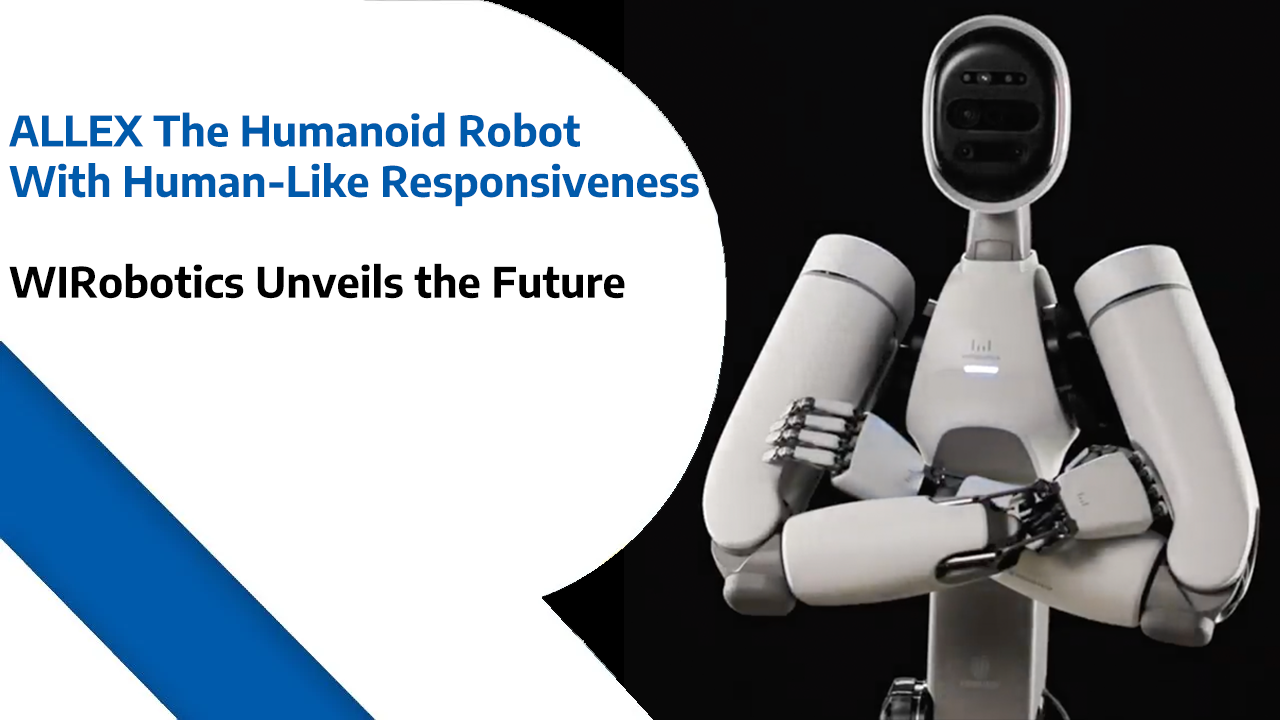
  • ALLEX The Humanoid Robot With Human-Like Responsiveness – WIRobotics Unveils the Future

    ALLEX The Humanoid Robot With Human-Like Responsiveness – WIRobotics Unveils the Future

    ALLEX The Humanoid Robot With Human-Like Responsiveness – WIRobotics Unveils the Future


    Meet ALLEX—short for “ALL-Experience”—WIRobotics’ new humanoid robot that doesn’t just move, it responds with remarkable realism to the world around it.

    Unveiled in South Korea at the Robot Innovation Hub, ALLEX’s upper body comes equipped with a highly dexterous hand that can sense tiny forces, as light as a strawberry resting on your palm, while still being strong enough to lift heavy loads. This means it can delicately handle tasks like threading a needle yet confidently grip bulkier items without breaking a sweat.

    Its advanced actuators offer ten times lower friction than conventional robotic arms, giving it smooth, natural, and compliant motion. In simple terms, it’s a robot that can shake your hand without accidentally crushing it—a reassuring step forward.

    ALLEX also features a gravity-compensated torso, allowing fluid and precise movements, almost like a mechanical ballet dancer designed for real-world tasks. WIRobotics plans to expand this into a modular platform, meaning arms, hands, and control systems could be swapped or combined, much like building blocks for future robotics.

    To accelerate its progress, the company has partnered with RLWRLD and top research institutions including MIT, UIUC, UMass, KIST, and Maxon. With backing from ex-Samsung robotics engineers, their ambition is bold: by 2030, humanoid robots that can safely work and live alongside humans may be as common as home appliances.

    ALLEX isn’t just a machine that mimics movement—it’s a step toward robots that genuinely experience and respond to the real world. And if all goes to plan, the future might involve a robot roommate who helps fold laundry without ever complaining.


    And that’s your robot news update for today!
    If you’re curious about how robotics can transform your business, join me for the weekly Live Robot Optimise Workshop — it’s packed with insights, trends, and practical tips. Don’t forget to subscribe so you stay in the loop with all the latest updates.

    I’m RoboPhil from Robot Philosophy — thanks for watching, and I’ll see you next time!


    Join our Robot Optimise Industry (ROI) Workshop: https://robophil.com/


    Sponsors:-


    Robot Center: – https://robotcenter.co.uk/ – Buy Robot, Robot Buy, Robot consultancy, Robotics Consultancy


    Robots of London: – https://robotsoflondon.co.uk/ – Robot Hire, Robot Rental, Rent Robot, Hire Robot, Robot Events


    Robot Philosophy: – https://robophil.com/ – Robot Consultancy AND Robot Recruitment, Robot Advice, Robot Insights, Robot Ideas

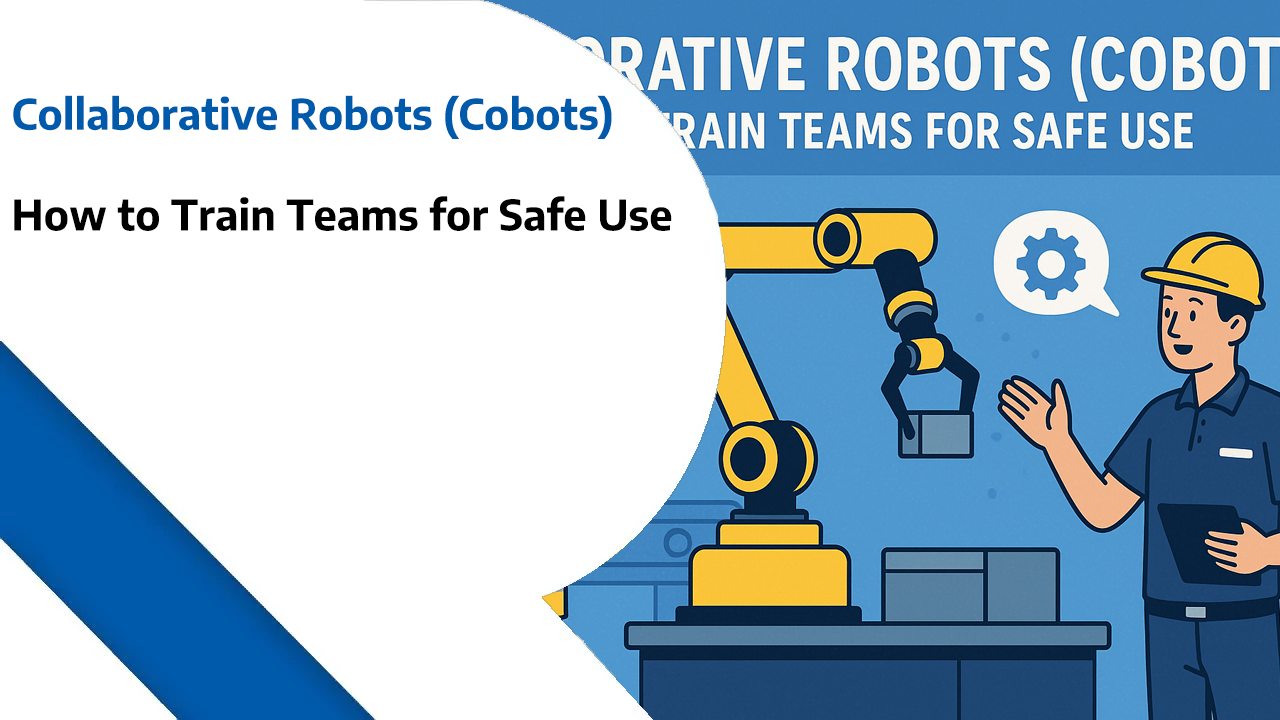
  • Collaborative Robots (Cobots) – How to Train Teams for Safe Use

    Collaborative Robots (Cobots) – How to Train Teams for Safe Use

    Collaborative Robots (Cobots) – How to Train Teams for Safe Use

    By RoboPhil (Philip English) – Robotics Youtuber, Robotics Consultant, Robot Influencer, and Robot Trainer


    Introduction: The Rise of Cobots

    Collaborative robots—commonly called cobots—are one of the fastest-growing segments in the robotics industry. Unlike traditional industrial robots that are kept behind safety cages, cobots are designed to work side by side with humans, assisting with tasks, boosting productivity, and creating safer, more efficient workplaces.

    But while cobots are safer by design, the truth is that safe use isn’t automatic. Teams must be trained correctly to understand how cobots function, how to work with them, and how to handle unexpected situations. A poorly trained workforce risks accidents, downtime, and wasted investment.

    That’s why training is critical—and why robot consultancy and recruitment services like ours exist. If your business is exploring cobots, you need the right guidance to:

    • Select the correct cobot for your tasks

    • Train your workforce in safe, efficient operation

    • Build a long-term roadmap for scaling robotics

    • Recruit specialists who can keep your systems running smoothly

    📞 To book a call about cobot training, robot consultancy, or recruitment: 0845 528 0404
    📧 Email: info@robophil.com


    Why Cobots Are Different

    Traditional robots in factories are often placed in cages. Their speed and power make them unsafe for direct human contact. Cobots, however, are built with safety at the core.

    Some key differences include:

    • Force Limiting – Cobots automatically slow or stop if they make contact with a person.

    • Smaller Footprint – They don’t need heavy fencing or barriers.

    • Ease of Programming – Many cobots use intuitive, drag-and-drop interfaces.

    • Flexibility – They can be quickly redeployed for different tasks.

    This accessibility means more businesses than ever—from SMEs to large manufacturers—are adopting cobots. However, ease of use does not equal safety without training. Workers must be able to:

    • Recognize cobot movement patterns

    • Follow correct loading and unloading procedures

    • Use emergency stop features confidently

    • Perform basic troubleshooting without fear

    Without structured training, even a cobot can be misused.


    The Business Case for Training Teams on Cobots

    Some companies make the mistake of buying a cobot, dropping it on the factory floor, and expecting instant results. This often leads to disappointment and underperformance.

    Why Training Matters:

    1. Safety Compliance
      Regulators such as ISO/TS 15066 define safety standards for cobots. Proper training ensures compliance.

    2. Productivity Gains
      A trained worker can optimize task sequences, reducing downtime and boosting ROI.

    3. Employee Buy-In
      Workers who understand cobots see them as allies, not threats. Training reduces resistance to automation.

    4. Fewer Mistakes
      Proper handling reduces accidents, equipment damage, and costly errors.

    5. Long-Term Scalability
      A skilled workforce can adapt when new cobots or processes are introduced.

    Investing in cobot training isn’t an expense—it’s an asset that multiplies returns on your robotics investment.


    Key Areas of Cobot Training

    So, how exactly do you train a team to work safely with cobots? Training must be structured, engaging, and continuous. Let’s break it down.

    1. Introduction to Cobots

    • What cobots are and how they differ from traditional robots

    • Common use cases (pick-and-place, assembly, packaging, inspection)

    • The future of cobots in industry

    2. Safety Standards and Regulations

    • Overview of ISO/TS 15066

    • Company-specific safety protocols

    • Personal protective equipment (PPE) in cobot environments

    3. Hands-On Training

    • Setting up cobots for simple tasks

    • Demonstrating safe human-robot collaboration

    • Practicing emergency stop and reset procedures

    4. Programming and Troubleshooting

    • User-friendly programming interfaces

    • Teaching-by-demonstration techniques

    • Basic maintenance and error handling

    5. Human Factors and Ergonomics

    • Understanding worker comfort

    • Reducing repetitive strain injuries with cobots

    • Designing workflows that balance human and robot effort

    6. Ongoing Learning and Culture Shift

    • Regular refresher training

    • Encouraging feedback from operators

    • Creating a robotics-friendly company culture


    The Common Mistakes Companies Make

    Despite cobots being “safe by design,” we see the same mistakes repeated:

    • Skipping formal training – Assuming cobots are plug-and-play.

    • Overloading tasks – Expecting cobots to handle jobs beyond their design.

    • Not involving operators early – Leading to resistance and fear.

    • Ignoring safety audits – Failing to meet compliance standards.

    • Underestimating recruitment needs – Forgetting that cobots still need human expertise.

    These pitfalls can derail even the most ambitious cobot projects.


    Real-World Example: Cobots in SMEs

    One SME we worked with installed cobots for packaging. Initially, the team resisted:

    • “It will take my job.”

    • “It’s too complex.”

    • “I don’t trust the robot.”

    After structured training, something shifted:

    • Workers realized cobots took away repetitive, painful tasks.

    • Productivity increased by 25%.

    • Staff were redeployed into higher-value roles.

    Training didn’t just improve safety—it changed the culture of the company.


    How RoboPhil and Our Team Can Help

    Training isn’t just about ticking boxes. It’s about unlocking value from your robotics investment.

    That’s where we come in.

    • Robot Consultancy – Helping businesses identify the right cobots, design safe workflows, and optimize ROI.

    • Robot Recruitment – Placing robotics professionals who can manage, program, and maintain cobots for long-term success.

    • Workshops & Training Programs – Onsite or online sessions tailored to your industry.

    Whether you’re an SME adopting your first cobot or a large enterprise scaling automation, we provide the expertise to train your people, optimise your processes, and build long-term capability.

    📞 Call us today: 0845 528 0404
    📧 Email: info@robophil.com


    Sponsors of This Article

    This article is proudly supported by:


    About the Author – RoboPhil (Philip English)

    Philip English—known online as RoboPhil—is a leading robotics YouTuber, trainer, consultant, and influencer.

    • YouTube Robotics Channel – Thousands of subscribers tuning into robot reviews, demos, and insights.

    • Trainer and Consultant – Helping businesses integrate robotics safely and profitably.

    • Robot Influencer – Partnering with top robotics brands and sharing innovations worldwide.

    RoboPhil bridges the gap between robot manufacturers and real-world businesses, making cobots accessible, safe, and profitable for everyone.


    The Future of Cobot Training

    Cobots are only getting smarter—with AI integration, vision systems, and adaptive learning. But no matter how advanced they become, humans must remain central to the training process.

    • AI will assist, not replace, operators

    • Upskilling will be continuous

    • Safety culture will evolve as cobots become more powerful

    Businesses that invest in training now will have the most future-ready workforce.


    Conclusion: Don’t Leave Cobot Training to Chance

    Cobots are transforming industries. But without training, the risk of accidents, inefficiency, and wasted investment is high.

    With the right consultancy, recruitment, and training programs, your business can:

    • Ensure safety and compliance

    • Maximise ROI on cobot investments

    • Empower your people to work confidently with robotics

    📞 Book a call today to discuss cobot training, consultancy, and recruitment: 0845 528 0404
    📧 Email: info@robophil.com

    Collaborative robots are the future. With the right training, your team will be ready.


    https://www.youtube.com/watch?v=FUAalh0eEjY


    https://www.youtube.com/shorts/M03Wh9gFvNY


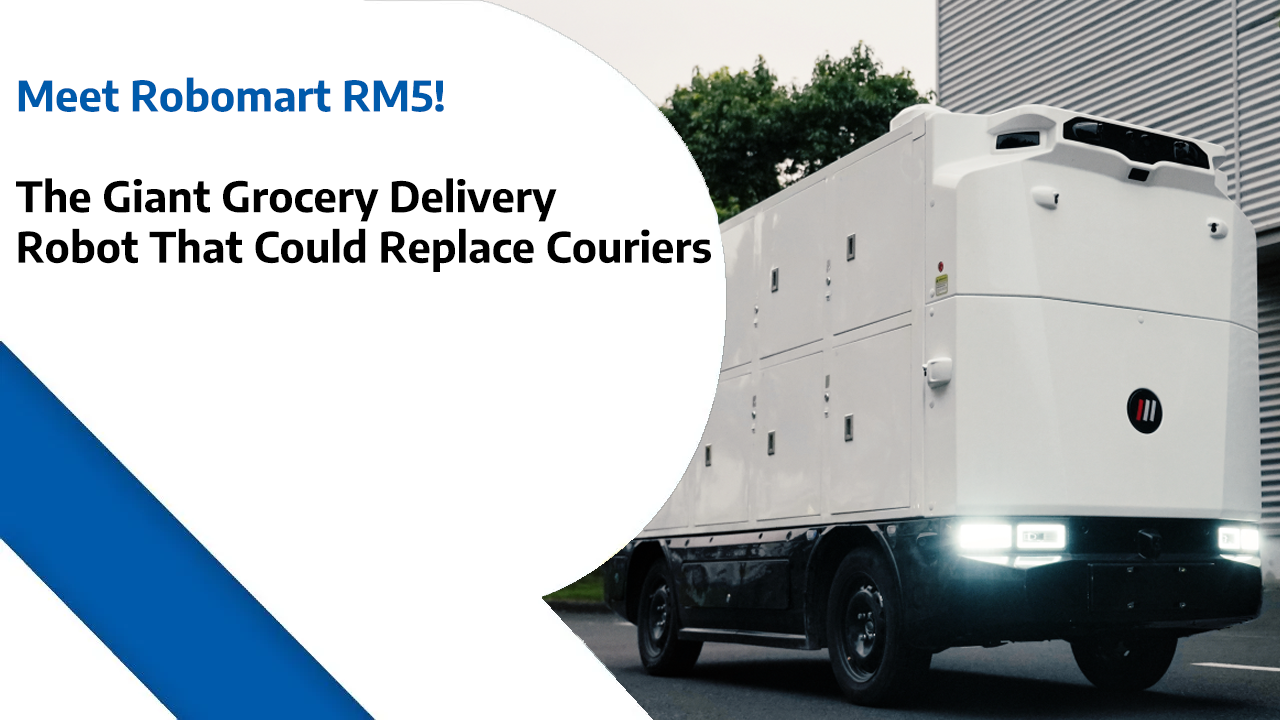
  • Meet Robomart RM5 – The Giant Grocery Delivery Robot That Could Replace Couriers

    Meet Robomart RM5 – The Giant Grocery Delivery Robot That Could Replace Couriers

    Meet Robomart RM5 – The Giant Grocery Delivery Robot That Could Replace Couriers


    Robomart has unveiled the RM5, a shuttle-bus-sized autonomous delivery vehicle designed to make on-demand delivery finally work at scale.

    The fully electric RM5 can carry up to 500 pounds of goods in ten climate-controlled lockers, each holding around 50 pounds. Travelling at a safe top speed of 25 miles per hour, it has a range of 112 miles—making it more like a rolling mini-supermarket than a sidewalk robot.

    Here’s how it works: customers will use the Robomart app to place an order from retailers and grocery stores. The RM5 then collects items from multiple shops, creates a dynamic multi-stop route, and brings the deliveries directly to customers. On arrival, the app unlocks the customer’s assigned locker, and the order is collected—quick, simple, and contact-free.

    Unlike traditional couriers, Robomart says this model cuts fulfillment costs by up to 70 percent, since each vehicle can handle many orders at once. The company also promises a flat $3 delivery fee, with no markups, no service charges, and no tipping.

    Founded in 2018, Robomart has already trialed the concept with modified vans and partnered with brands such as Unilever and Mars. With less than $5 million raised to date, the company is now preparing for launch in Austin, Texas later this year.

    In short, the RM5 is a bold step beyond sidewalk bots, offering scale, efficiency, and affordability—with the promise of making autonomous delivery finally practical.


    And that’s your robot news update for today!
    If you’re curious about how robotics can transform your business, join me for the weekly Live Robot Optimise Workshop — it’s packed with insights, trends, and practical tips. Don’t forget to subscribe so you stay in the loop with all the latest updates.

    I’m RoboPhil from Robot Philosophy — thanks for watching, and I’ll see you next time!


    Join our Robot Optimise Industry (ROI) Workshop: https://robophil.com/


    Sponsors:-


    Robot Center: – https://robotcenter.co.uk/ – Buy Robot, Robot Buy, Robot consultancy, Robotics Consultancy


    Robots of London: – https://robotsoflondon.co.uk/ – Robot Hire, Robot Rental, Rent Robot, Hire Robot, Robot Events


    Robot Philosophy: – https://robophil.com/ – Robot Consultancy AND Robot Recruitment, Robot Advice, Robot Insights, Robot Ideas

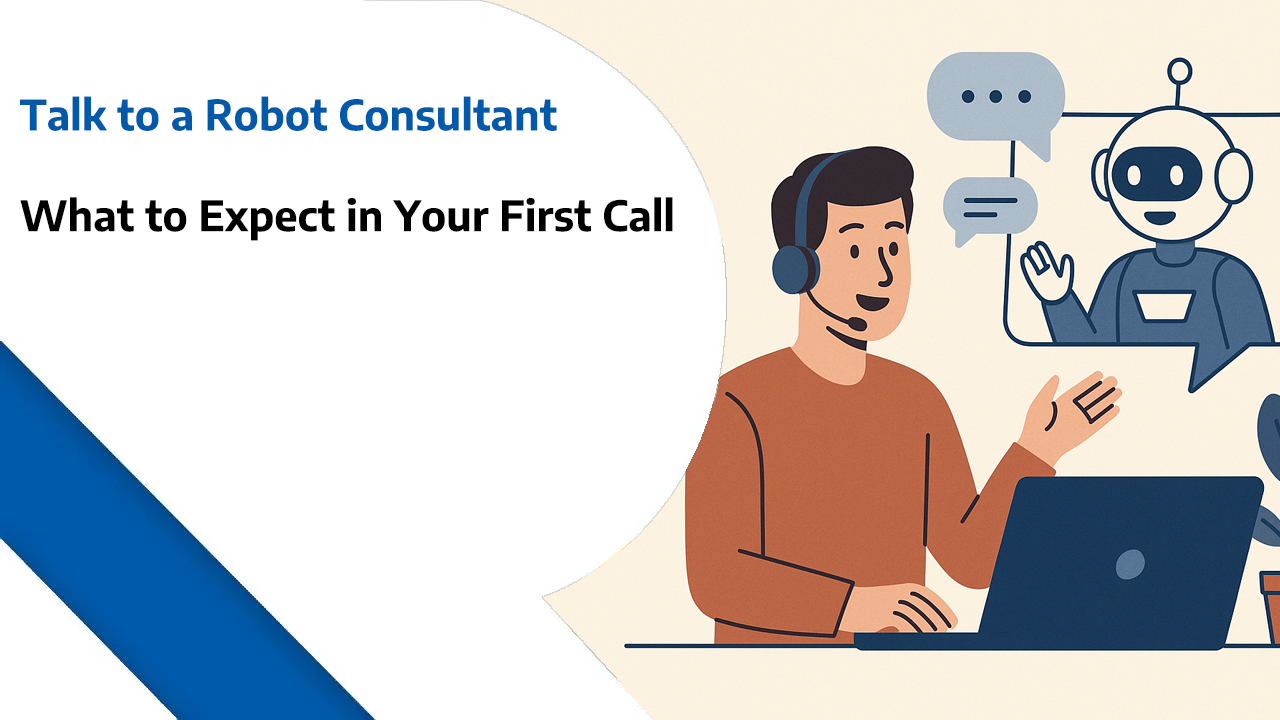
  • Talk to a Robot Consultant – What to Expect in Your First Call

    Talk to a Robot Consultant – What to Expect in Your First Call

    Talk to a Robot Consultant – What to Expect in Your First Call

    The world of robotics is evolving at breakneck speed, transforming industries from manufacturing and healthcare to hospitality and retail. As businesses increasingly recognize the potential of robotic solutions to enhance efficiency, reduce costs, and drive innovation, the demand for expert guidance has never been higher. This is where robot consultants come in—specialized professionals who bridge the gap between cutting-edge robotic technology and practical business applications.

    If you’re considering taking the leap into robotics for your business but feel overwhelmed by the technical complexities and endless options available, scheduling a consultation with a robot expert could be the game-changing decision you’ve been looking for. But what exactly happens during that first call? What should you prepare, and what outcomes can you realistically expect?

    This comprehensive guide will walk you through everything you need to know about your first robot consultation call, helping you maximize this valuable opportunity to explore how robotics can revolutionize your business operations.

    Understanding the Role of a Robot Consultant

    Before diving into what to expect during your consultation, it’s important to understand what a robot consultant brings to the table. These specialized professionals combine deep technical knowledge of robotic systems with extensive business acumen, enabling them to translate complex technological capabilities into practical solutions that align with your specific business objectives.

    Robot consultants typically offer a range of services including feasibility assessments, technology selection guidance, implementation planning, integration support, and ongoing optimization strategies. They stay current with the latest developments in artificial intelligence, machine learning, sensor technology, and automation hardware, ensuring they can recommend the most appropriate and cost-effective solutions for your unique needs.

    The value proposition extends beyond mere technical expertise. A skilled robot consultant understands industry-specific challenges, regulatory requirements, workforce implications, and the critical success factors that determine whether a robotic implementation will deliver the expected return on investment. They serve as your trusted advisor throughout the entire journey, from initial concept exploration through successful deployment and beyond.

    Preparing for Your First Consultation Call

    Preparation is key to maximizing the value of your robot consultation. Before your scheduled call, take time to clearly articulate your business challenges, objectives, and constraints. Consider the specific pain points you’re hoping to address through robotics—whether that’s labor shortages, quality consistency issues, safety concerns, or the need to increase production capacity.

    Gather relevant information about your current operations, including workflow diagrams, production volumes, quality metrics, and any existing automation systems. If you have budget parameters or timeline constraints, having these details readily available will help your consultant provide more targeted recommendations.

    It’s also beneficial to involve key stakeholders in the preparation process. Consider who from your team should participate in the consultation—this might include operations managers, technical staff, financial decision-makers, and anyone else who would be directly impacted by a robotic implementation. Having the right people involved from the beginning ensures all perspectives are considered and helps build organizational buy-in for potential initiatives.

    Think about your long-term vision as well. While you might be focused on solving immediate challenges, robot consultants can help you develop a strategic roadmap that positions your business for future growth and technological advancement. Understanding your broader business goals will enable more comprehensive and forward-thinking recommendations.

    The Initial Discovery Phase

    Your first consultation call will typically begin with an extensive discovery phase, where your consultant works to understand your business, industry, and specific needs. Expect detailed questions about your current operations, including production processes, quality control measures, workforce dynamics, and existing technology infrastructure.

    The consultant will likely inquire about your company’s size, structure, and culture, as these factors significantly influence which robotic solutions will be most successful. They’ll want to understand your customer base, market position, and competitive pressures, as these elements help shape the strategic context for any robotic initiatives.

    During this phase, be prepared to discuss both your successes and your challenges openly. The most effective robot consultants need a complete picture of your situation to provide valuable guidance. Don’t hesitate to share concerns about implementation complexity, workforce impact, or budget limitations—addressing these issues upfront ensures more realistic and actionable recommendations.

    Your consultant may also explore your organization’s previous experience with automation or technology implementations. Understanding what has worked well in the past, as well as any challenges you’ve encountered, helps inform their approach and recommendations for robotic solutions.

    Technical Assessment and Feasibility Analysis

    Following the initial discovery, your consultant will conduct a technical assessment of your specific use case. This involves analyzing the technical requirements for potential robotic solutions, including the physical environment, task complexity, precision requirements, and integration needs with existing systems.

    Expect detailed discussions about the specific tasks you’re hoping to automate. The consultant will evaluate factors such as the repeatability of processes, the degree of variability in your products or materials, and the level of decision-making required. These elements are crucial in determining whether robotic automation is feasible and which types of robotic systems would be most appropriate.

    The consultant will also assess your current infrastructure, including power requirements, network capabilities, safety systems, and physical space constraints. This technical evaluation helps identify any modifications or upgrades that might be necessary to support robotic implementation.

    During this phase, your consultant may present various technological options, explaining the capabilities, limitations, and costs associated with different robotic platforms. They’ll help you understand the trade-offs between different approaches, ensuring you have the information needed to make informed decisions about your robotic strategy.

    ROI Analysis and Business Case Development

    One of the most critical aspects of your consultation will be the development of a comprehensive return on investment analysis. Your robot consultant will work with you to quantify the potential benefits of robotic implementation, including cost savings, productivity improvements, quality enhancements, and risk reduction.

    This analysis typically includes both direct financial benefits, such as reduced labor costs or increased throughput, as well as indirect benefits like improved workplace safety, enhanced consistency, and greater operational flexibility. The consultant will help you understand both the short-term and long-term financial implications of robotic investment.

    Expect discussions about implementation costs, including not just the robotic hardware but also integration services, training requirements, ongoing maintenance, and any necessary facility modifications. A thorough cost-benefit analysis provides the foundation for making informed investment decisions and securing organizational support for robotic initiatives.

    Your consultant may also help you explore financing options, leasing arrangements, or phased implementation approaches that can make robotic solutions more accessible and manageable from a cash flow perspective. Understanding all available options ensures you can structure an investment that aligns with your financial capabilities and business objectives.

    Implementation Planning and Timeline Development

    If the feasibility analysis indicates that robotic solutions are viable for your application, your consultant will begin developing a preliminary implementation plan. This roadmap outlines the key phases of deployment, from initial system design and procurement through installation, testing, and full production rollout.

    Expect detailed discussions about timeline expectations, recognizing that robotic implementations typically require several months from decision to full operation. Your consultant will help you understand the various factors that influence implementation schedules, including equipment lead times, integration complexity, and training requirements.

    The planning process will also address change management considerations, including workforce communication, training programs, and organizational adjustments needed to successfully integrate robotic systems into your operations. Effective implementation planning considers not just the technical aspects but also the human and organizational elements that are crucial for success.

    Your consultant may recommend a phased approach, starting with pilot installations or lower-risk applications before expanding to more complex implementations. This strategy allows you to build internal capabilities, demonstrate value, and refine processes before making larger investments.

    Risk Assessment and Mitigation Strategies

    Professional robot consultants understand that every implementation carries inherent risks, and they’ll work with you to identify and address potential challenges proactively. Common risk areas include technical integration issues, workforce acceptance challenges, supplier reliability concerns, and regulatory compliance requirements.

    During your consultation, expect frank discussions about potential pitfalls and their likelihood of occurrence. More importantly, your consultant will propose specific mitigation strategies for each identified risk, helping you develop contingency plans and preventive measures.

    This might include recommendations for supplier evaluation criteria, suggestions for pilot testing approaches, strategies for workforce engagement, or proposals for staged implementation that limits exposure to any single point of failure. Understanding and preparing for potential challenges significantly improves the likelihood of successful implementation.

    Your consultant may also address cybersecurity considerations, as modern robotic systems often include network connectivity and data collection capabilities. Ensuring appropriate security measures are in place protects both your operational systems and sensitive business information.

    Next Steps and Ongoing Support

    As your initial consultation draws to a close, your robot consultant will outline potential next steps based on the discussions and analysis conducted during the call. This might include more detailed feasibility studies, site visits for hands-on assessment, development of detailed implementation proposals, or connections with specific technology suppliers.

    Many robot consultants offer ongoing support services that extend well beyond the initial implementation. These might include system optimization services, expansion planning, troubleshooting support, or assistance with scaling robotic solutions to additional applications within your organization.

    Your consultant may also discuss training and knowledge transfer opportunities that can help build internal capabilities within your team. Developing in-house expertise ensures you can maximize the value of your robotic investments and maintain optimal system performance over time.

    What Makes a Great Robot Consultation Experience

    The best robot consultation experiences are characterized by several key elements. First and foremost, your consultant should demonstrate genuine expertise across multiple robotic technologies and applications, enabling them to recommend solutions based on technical merit rather than vendor relationships or limited experience.

    Effective consultants are also excellent listeners who take time to truly understand your business before proposing solutions. They should ask probing questions, challenge assumptions when appropriate, and demonstrate a clear understanding of your industry’s unique requirements and constraints.

    Transparency is another hallmark of quality robot consultation. Your consultant should be upfront about costs, timelines, risks, and limitations. They should present balanced analyses that include both benefits and challenges, helping you make informed decisions rather than simply promoting robotic solutions regardless of fit.

    Look for consultants who demonstrate strong communication skills, translating technical concepts into business language and ensuring all stakeholders can understand and engage with the recommendations. The ability to bridge technical and business perspectives is crucial for successful robotic implementations.

    Industry-Specific Considerations

    Different industries present unique challenges and opportunities for robotic implementation, and experienced robot consultants understand these nuances. In manufacturing environments, consultants focus on production efficiency, quality consistency, and integration with existing automation systems. Healthcare applications require deep understanding of regulatory requirements, patient safety considerations, and infection control protocols.

    Retail and hospitality robotics demand expertise in customer interaction, brand alignment, and service quality maintenance. Logistics and warehousing applications emphasize throughput optimization, accuracy requirements, and integration with inventory management systems.

    During your consultation, expect your robot consultant to demonstrate familiarity with your specific industry’s requirements, challenges, and best practices. This industry expertise ensures recommendations are practical and aligned with sector-specific success factors.

    Building Long-Term Robotic Strategy

    While your first consultation call focuses on immediate needs and opportunities, the best robot consultants also help you develop a long-term strategic vision for robotics within your organization. This might include identifying additional applications for automation, planning for technology evolution, and building organizational capabilities that support ongoing innovation.

    Your consultant may discuss emerging trends in robotics that could impact your business in the coming years, helping you position for future opportunities and challenges. This forward-thinking approach ensures your initial robotic investments are part of a coherent strategy rather than isolated tactical decisions.

    Consider how your robotic initiatives align with broader digital transformation efforts within your organization. The most successful companies integrate robotics with other advanced technologies like IoT, artificial intelligence, and data analytics to create comprehensive operational improvements.

    Maximizing Consultation Value

    To get the most value from your robot consultation, come prepared with specific questions and scenarios you’d like to explore. Be open about your concerns and constraints, as addressing these issues upfront leads to more realistic and actionable recommendations.

    Take detailed notes during your consultation and don’t hesitate to ask for clarification on technical concepts or implementation details. Most robot consultants are happy to provide follow-up information or additional resources that help you better understand the recommendations.

    Consider involving multiple stakeholders in the consultation process, as different perspectives often reveal important considerations that might otherwise be overlooked. Having diverse viewpoints represented ensures more comprehensive evaluation of potential solutions.

    Conclusion: Your Gateway to Robotic Innovation

    Your first robot consultation call represents the beginning of what could be a transformative journey for your business. By understanding what to expect and how to prepare, you position yourself to maximize this valuable opportunity and make informed decisions about robotic investments.

    Remember that the best robot consultants are not just technology experts—they’re strategic partners who understand your business and are committed to your success. They bring not only technical knowledge but also practical experience, industry insights, and the ability to translate complex capabilities into real-world business value.

    The robotics landscape continues to evolve rapidly, with new technologies, applications, and opportunities emerging regularly. Partnering with experienced robot consultants ensures you stay current with these developments and can capitalize on innovations that drive competitive advantage.

    Whether you’re exploring robotics for the first time or looking to expand existing automation initiatives, a professional consultation provides the foundation for successful implementation. Take advantage of this opportunity to explore how robotics can transform your operations, enhance your capabilities, and position your business for future growth.


    Ready to Transform Your Business with Robotics?

    Don’t let the complexity of robotic technology hold you back from exploring its transformative potential. Our expert robot consultants are ready to help you navigate the opportunities and challenges of implementing robotic solutions in your business.

    Contact us today to schedule your comprehensive robot consultation:

    📧 Email: info@robophil.com
    📞 Phone: 0845 528 0404

    Our team of experienced professionals will work with you to understand your unique needs, assess the feasibility of robotic solutions, and develop a strategic roadmap for implementation. From initial consultation through successful deployment and ongoing optimization, we’re your trusted partners in robotic innovation.

    Additional Services:

    • Robot Consulting: Strategic guidance and technical expertise for robotic implementations
    • Robot Recruitment: Specialized talent acquisition for robotics professionals and technical teams

    Sponsored by Leading Robotics Partners

    This article is proudly sponsored by three industry-leading organizations committed to advancing robotic technology adoption:

    Robot Center
    Your comprehensive destination for robot purchasing, procurement, and consultancy services. Whether you’re looking to buy robots, need expert robotics consultancy, or require guidance on technology selection, Robot Center provides the expertise and resources to support your robotic initiatives.

    Robots of London
    Premier provider of robot hire and rental services for events, demonstrations, and short-term projects. From robot events and experiential marketing to temporary automation solutions, Robots of London offers flexible access to cutting-edge robotic technology without the commitment of permanent purchase.

    Robot Philosophy
    Specialized consultancy and recruitment services focused on robotics strategy, implementation, and talent acquisition. Robot Philosophy combines deep technical expertise with strategic business insight to deliver actionable advice, innovative ideas, and specialized recruitment services for organizations embracing robotic technology.

    These partnerships ensure access to comprehensive robotics expertise, from strategic planning and technology selection through implementation support and ongoing optimization. Together, we’re committed to making robotic technology accessible, practical, and transformative for businesses across all industries.


  • Book a Free Robot Audit – Here’s What You’ll Get

    Book a Free Robot Audit – Here’s What You’ll Get

    Book a Free Robot Audit – Here’s What You’ll Get


    In a rapidly advancing technological landscape, where every business is fighting to gain a competitive edge, robotics has emerged as the single biggest game-changer. Whether you’re running a small family-owned factory, a mid-sized logistics company, a large-scale warehouse, or even an event planning agency — integrating robotics can unlock new levels of efficiency, reduce operational costs, and create innovative customer experiences.

    But how do you know where to start? Which robot is right for your specific operations? And how can you ensure a successful implementation that doesn’t disrupt your team or workflow?

    That’s where a Free Robot Audit comes in.


    What is a Robot Audit?

    A Robot Audit is a professional, no-obligation assessment of your business processes, operational workflows, team structure, and industry-specific needs. It’s conducted by robotics consultants who specialise in understanding both business mechanics and the robotics ecosystem. The goal is to uncover opportunities where automation and robotics can drive meaningful impact.

    At Robot Philosophy, we offer this service completely free for a limited time — no hidden costs, no pressure to buy — just a valuable insight session that can reshape your business trajectory.


    Who Should Book a Free Robot Audit?

    This audit is ideal for:

    • Business Owners & Directors seeking to reduce costs or improve productivity.

    • Operations & Warehouse Managers looking to optimise workflows.

    • Innovation Officers focused on tech-forward strategies.

    • HR & Recruitment Teams aiming to future-proof their workforce.

    • Event Companies interested in robot rental or digital engagement tools.

    • Facilities Managers exploring inspection or security robots.

    • SMEs and Startups trying to understand the true potential of automation.

    Whether you’re robot-curious or robot-serious, this audit is for you.


    Here’s What You’ll Get in Your Free Robot Audit

    1. On-Site or Virtual Walkthrough of Your Facility

    We begin with a structured walkthrough — either on-site or virtual — to understand your current setup. We examine:

    • Workflow bottlenecks

    • Repetitive manual tasks

    • Safety risks or physically demanding jobs

    • Customer service gaps

    • Logistics, inventory, and supply chain issues

    • Event layout (if applicable)

    • People and processes

    Our consultants come equipped with industry checklists tailored to logistics, manufacturing, events, retail, hospitality, health, and more.


    2. Process Mapping & Workflow Analysis

    Next, we document how your business operates. Our team uses process-mapping tools to identify inefficient or manual steps that can be automated using robotics. We:

    • Map your current workflow

    • Highlight automation-ready steps

    • Suggest robotic interventions (with evidence and case studies)

    • Measure the ROI potential for each suggestion


    3. Custom Robotics Opportunities Report

    Within 3–5 days, you’ll receive a tailored Robotics Opportunities Report. This includes:

    • Recommended robot types (e.g., service robots, AMRs, cobots, etc.)

    • ROI projections (labour savings, efficiency gain, cost recovery timeline)

    • Industry case studies showing similar applications

    • Recommended suppliers and cost estimates

    • Training and team integration strategies

    • Your Automation Readiness Score

    It’s a strategic roadmap built specifically for your business.


    4. Free Tech Demos and Use Case Walkthroughs

    Based on your industry, we provide live demos or videos of suitable robots in action. This includes:

    • Retail and Hospitality: Front-of-house greeting, delivery, and customer interaction robots.

    • Warehousing and Logistics: Autonomous Mobile Robots (AMRs) for picking, packing, and transport.

    • Events and Entertainment: Robots for live shows, brand engagement, and audience interaction.

    • Manufacturing: Collaborative robots for assembly, inspection, and material handling.

    We also walk you through successful deployments, from small SME installations to enterprise-level rollouts.


    5. Integration & Strategy Roadmap

    You’ll receive a proposed integration timeline and transformation plan, including:

    • Quick wins (robots you can install now with fast ROI)

    • Medium-term deployments (with training and process optimisation)

    • Long-term transformation plans (including AI and data feedback loops)

    • Support and maintenance strategies

    • Talent recommendations for long-term robotics success


    6. Access to Robot Consulting & Recruitment Services

    Our job doesn’t end at the audit. In fact, it’s just the beginning.

    If you’re ready to move forward, you can engage our robot consulting services to manage the full journey — from business case development and vendor selection to installation and team training.

    We also offer robot recruitment services to help you hire roboticists, automation engineers, technicians, and process optimisers to build your internal robotics team.


    Why Choose Our Team?

    Our expertise spans robot strategy, procurement, integration, and staffing. Whether you’re looking to automate warehouse picking or rent a robot for an event, we have the real-world experience to guide you.

    With over a decade of robotics consulting, we’ve helped hundreds of businesses deploy robots that work.

    And we don’t sell robots just for the sake of it. We focus on impact and profitability.


    Meet the Sponsors Who Power the Robot Audit

    This article is proudly supported by the three pillars of UK robotics:

    Robot Center

    Buy Robot. Robot Buy. Robot Consultancy.

    If you’re looking for robotic solutions tailored to your business – from autonomous arms to warehouse robots – Robot Center is your go-to source. We combine technical excellence with practical consulting to ensure every robot adds real value.

    Robots of London

    Hire Robot. Rent Robot. Robot Events.

    From digital signage robots to hospitality assistants, Robots of London is the UK’s leading robot hire company. Perfect for exhibitions, conferences, launches, and retail campaigns. Engage your audience with the future.

    Robot Philosophy

    Robot Consultancy. Robot Recruitment. Robot Ideas.

    Robot Philosophy is the brainchild of RoboPhil – a trusted advisor in the UK robotics industry. With a unique blend of insight, engineering expertise, and business strategy, Robot Philosophy offers consulting and recruitment services to help companies integrate robotics the right way.


    What Happens After the Audit?

    After receiving your Robotics Opportunities Report, you’re under no obligation to proceed. But if you’re ready to take the next step, we offer:

    • Full implementation support (via Robot Center)

    • Robot hire for proof-of-concept trials (via Robots of London)

    • Long-term strategic consulting and staffing (via Robot Philosophy)

    You’ll have everything you need — tools, talent, and tactics — to future-proof your business.


    Case Study 1: Robot Deployment in a UK Logistics SME

    A warehouse company in Birmingham had high staff turnover and increasing delivery deadlines. After a free robot audit, we introduced an Autonomous Mobile Robot (AMR) system for picking and transport. The results:

    • £60K annual savings in labour costs

    • 45% reduction in order processing time

    • Payback within 9 months

    • Higher employee satisfaction by removing boring, repetitive tasks


    Case Study 2: Event Robot for National Brand Launch

    A leading UK cosmetics brand hired Robots of London to deploy a humanoid robot for their London product launch. After our audit and demo:

    • The robot delivered over 3,000 interactions

    • Attendees spent 42% longer at the booth

    • Social media content from the event drove 12K new followers

    • ROI on robot rental: 4x return via brand awareness and leads


    Case Study 3: Recruiting Robotics Talent for SME

    A manufacturing company in Leeds wanted to begin their automation journey but lacked the internal know-how. Through Robot Philosophy:

    • We sourced a Robotics Technician with experience in cobot setup

    • Trained the internal team on robot safety and programming

    • Helped the company build a long-term automation roadmap

    The company now has 2 cobots working 3 shifts and plans to scale.


    Still Not Sure? Let’s Break Some Myths

    “Robots are only for big companies.”

    Not anymore. Affordable options exist for SMEs — especially via robot rental or phased implementations.

    “My team won’t accept robots.”

    We focus on human + robot collaboration. Our audits include change management and training recommendations.

    “It’s too complicated.”

    That’s why we exist — to simplify robotics and make it easy for you.


    Upsell: Robot Consulting Services

    Ready to go deeper after your audit?

    Our consulting team will help you:

    • Develop a robotics business case

    • Select the right vendors and technologies

    • Plan phased rollouts with minimal disruption

    • Create a robust implementation and maintenance strategy

    • Train your existing team or recruit new talent

    • Build a long-term innovation roadmap

    Whether you want to automate just one task or transform your entire operation, we’ll guide you from idea to integration.


    Upsell: Robot Recruitment Services

    Even the best robots need people to manage them.

    Through our robot recruitment division, we connect businesses with:

    • Robotics engineers

    • Automation specialists

    • Vision system integrators

    • Safety officers

    • Technical trainers

    • Project managers

    We handle short-term contracts, permanent placements, and advisory roles.


    Next Step: Book Your Free Robot Audit Today

    📞 Call us now on 0845 528 0404
    📧 Or email info@robophil.com

    You’ve got nothing to lose — and potentially everything to gain.

    From increased profits and productivity to better customer experiences and staff morale, robots are no longer a luxury. They’re a necessity.

    The audit is free. The insights are powerful. And the future is yours to shape.


    Final Word: Why Robot Audits Matter More Than Ever

    With economic uncertainty, rising costs, and an increasingly digital marketplace, you can’t afford inefficiency. You can’t afford staff churn. And you certainly can’t afford to fall behind your competitors.

    A robot audit gives you clarity, confidence, and a competitive edge.

    This is not just about machines. It’s about your mission, your margins, and your momentum.

    So book today.

    Let us show you what’s possible.


    Sponsored by:

    📧 info@robophil.com
    📞 0845 528 0404

    https://www.youtube.com/watch?v=HRISxjE_gWE


    https://www.youtube.com/shorts/K-RQn1ew_zI


  • Robot Laws, Ethics & Safety: A Robotics Consultant’s Perspective

    Robot Laws, Ethics & Safety: A Robotics Consultant’s Perspective

    Robot Laws, Ethics & Safety: A Robotics Consultant’s Perspective

    Published in partnership with Robot Center, Robots of London, and Robot Philosophy


    As we stand at the precipice of a robotic revolution, the intersection of technology, law, and human society has never been more critical. The integration of robots into our daily lives—from manufacturing floors to healthcare facilities, from our homes to our streets—demands a comprehensive understanding of the legal, ethical, and safety frameworks that will govern this new era. As a robotics consultant with years of experience navigating this complex landscape, I’ve witnessed firsthand the challenges and opportunities that lie ahead.

    The Current Legal Landscape: Navigating Uncharted Territory

    The legal framework surrounding robotics remains fragmented and evolving. Unlike traditional machinery, robots possess varying degrees of autonomy, decision-making capabilities, and learning algorithms that challenge our existing legal paradigms. Current legislation struggles to keep pace with technological advancement, creating gaps that businesses and individuals must carefully navigate.

    In the European Union, the proposed AI Act represents a significant step toward comprehensive regulation, establishing risk-based categories for AI systems and robotics applications. The legislation addresses high-risk applications in critical infrastructure, healthcare, and public safety, while providing clearer guidelines for developers and deployers of robotic systems.

    The United Kingdom, post-Brexit, has taken a more flexible approach through its “innovation-friendly” regulatory framework. The Centre for Data Ethics and Innovation has published guidance on algorithmic accountability, while sector-specific regulators are developing targeted approaches for robotics in their domains. This creates both opportunities and challenges for businesses operating in the UK market.

    In the United States, regulatory approaches vary significantly by state and application. The Federal Aviation Administration governs drone operations, while the Department of Transportation oversees autonomous vehicles. Healthcare robotics falls under FDA jurisdiction, creating a complex web of regulatory requirements that vary by application and geographic location.

    Liability and Responsibility: Who’s Accountable When Robots Act?

    One of the most pressing legal questions in robotics concerns liability when autonomous systems cause harm or damage. Traditional product liability law assumes human operators or clear manufacturing defects, but autonomous robots operating with machine learning algorithms present unique challenges.

    The concept of “algorithmic accountability” has emerged as a critical framework for addressing these challenges. This approach considers the entire ecosystem of responsibility, including manufacturers, programmers, operators, and even the data used to train these systems. Courts are beginning to establish precedents, but the landscape remains uncertain.

    For businesses deploying robotic systems, this uncertainty necessitates comprehensive risk assessment and insurance strategies. Successful implementation requires careful documentation of decision-making processes, regular system auditing, and clear operational protocols that can demonstrate due diligence in the event of incidents.

    Ethical Frameworks: Beyond Asimov’s Laws

    Isaac Asimov’s Three Laws of Robotics, while influential in science fiction, prove inadequate for real-world robotics ethics. Modern ethical frameworks must address complex scenarios involving competing interests, cultural differences, and nuanced human values.

    The principle of “meaningful human control” has gained traction as a foundational ethical requirement. This concept ensures that humans remain in the decision-making loop for critical functions, particularly in applications affecting human safety or fundamental rights. However, defining “meaningful” control remains a subject of ongoing debate among ethicists, technologists, and policymakers.

    Transparency and explainability represent another crucial ethical dimension. As robots make increasingly complex decisions, stakeholders require understanding of how these decisions are reached. This is particularly critical in healthcare, criminal justice, and financial services, where algorithmic decisions directly impact human lives and opportunities.

    The concept of “value alignment” addresses how robotic systems should navigate competing moral principles. Different cultures and individuals may prioritize privacy versus safety, efficiency versus fairness, or individual rights versus collective good differently. Successful robotic systems must be designed with cultural sensitivity and flexibility to operate across diverse environments.

    Safety Considerations: Engineering for Human-Robot Coexistence

    Safety in robotics extends far beyond traditional industrial safety protocols. As robots become more autonomous and operate in less controlled environments, safety considerations must evolve to address new risks and scenarios.

    Physical safety remains paramount, particularly as robots increasingly work alongside humans in collaborative environments. Advanced sensor systems, fail-safe mechanisms, and predictive safety algorithms are becoming standard requirements. However, these technical solutions must be complemented by comprehensive training programs and clear operational protocols.

    Cybersecurity represents an often-overlooked safety dimension. Connected robots create new attack vectors for malicious actors, potentially compromising not only the robots themselves but entire networks and facilities. Security-by-design principles must be embedded throughout the development lifecycle, with regular updates and monitoring systems in place.

    Psychological safety is emerging as an important consideration as robots become more humanlike in appearance and behavior. The uncanny valley effect and anthropomorphization of robotic systems can create unexpected emotional responses and dependencies, particularly among vulnerable populations such as children and elderly individuals.

    Data Protection and Privacy: The Hidden Challenge

    Modern robots are sophisticated data collection platforms, continuously gathering information about their environment, users, and operational contexts. This data collection capability raises significant privacy concerns that must be addressed through both technical and legal measures.

    The General Data Protection Regulation (GDPR) in Europe and similar privacy laws worldwide apply to robotic systems, requiring clear consent mechanisms, data minimization principles, and individual rights protection. However, applying these principles to autonomous systems that learn and adapt based on collected data presents unique challenges.

    Biometric data collection through cameras, microphones, and sensors requires particular attention. Facial recognition capabilities, voice pattern analysis, and behavioral monitoring must be implemented with careful consideration of privacy rights and legal requirements. Clear policies regarding data retention, sharing, and deletion are essential.

    Industry-Specific Considerations

    Different industries face unique challenges in implementing robotic systems while maintaining compliance with legal and ethical standards.

    In healthcare, robotic systems must comply with medical device regulations while addressing patient privacy and safety concerns. Surgical robots, rehabilitation devices, and care robots all operate under different regulatory frameworks while sharing common ethical obligations regarding patient welfare and informed consent.

    Manufacturing robotics has evolved from simple automation to collaborative systems working alongside human operators. Safety standards have adapted to address new risks, while labor law considerations around job displacement and worker retraining have become increasingly important.

    Service robotics in retail, hospitality, and public spaces must navigate consumer protection laws, accessibility requirements, and public safety regulations. These applications often involve direct interaction with vulnerable populations, requiring additional safeguards and considerations.

    The Role of Professional Consultation

    Given the complexity of the legal, ethical, and safety landscape surrounding robotics, professional consultation has become essential for successful implementation. Organizations considering robotic solutions benefit significantly from early engagement with experienced consultants who understand both the technical possibilities and regulatory requirements.

    Effective robotics consultation addresses multiple dimensions simultaneously: technical feasibility, regulatory compliance, ethical implications, and business objectives. This holistic approach helps organizations avoid costly mistakes while maximizing the benefits of robotic implementation.

    Risk assessment and mitigation strategies form a crucial component of professional consultation. Experienced consultants can identify potential legal and ethical pitfalls before they become problems, helping organizations develop robust policies and procedures that protect both the organization and its stakeholders.

    Building the Right Team: Robotics Recruitment Challenges

    The interdisciplinary nature of modern robotics creates unique recruitment challenges. Organizations need professionals who understand not only the technical aspects of robotics but also the legal, ethical, and safety implications of their work.

    Traditional engineering recruitment often focuses primarily on technical skills, but robotics roles increasingly require professionals who can navigate complex regulatory environments and ethical considerations. This shift has created demand for new types of hybrid roles that combine technical expertise with legal and ethical knowledge.

    Cultural fit becomes particularly important in robotics teams, as these professionals must work closely with diverse stakeholders including legal teams, ethicists, user groups, and regulatory bodies. Communication skills and collaborative abilities are often as important as technical competencies.

    Future Trends and Emerging Challenges

    The robotics landscape continues to evolve rapidly, with new challenges and opportunities emerging regularly. Artificial intelligence advancement is accelerating robotic capabilities while simultaneously complicating legal and ethical considerations.

    International harmonization of robotics regulations is becoming increasingly important as organizations operate across multiple jurisdictions. Standards organizations and international bodies are working toward common frameworks, but progress remains slow given the complexity of balancing innovation with protection.

    The emergence of “robot rights” as a philosophical and potentially legal concept represents a fascinating frontier. While still largely theoretical, some jurisdictions are beginning to consider the legal status of advanced AI systems and robots, potentially fundamentally altering our understanding of legal personhood and responsibility.

    Practical Recommendations for Organizations

    Organizations considering robotic implementation should begin with comprehensive needs assessment that includes legal and ethical considerations alongside technical requirements. Early engagement with experienced consultants can help identify potential challenges and opportunities before significant investments are made.

    Developing internal expertise through training and recruitment is essential for long-term success. Organizations should invest in building teams that understand the interdisciplinary nature of modern robotics, combining technical skills with legal and ethical awareness.

    Regular policy review and update processes should be established to keep pace with evolving regulations and best practices. The robotics landscape changes rapidly, and organizations must remain agile in their approach to compliance and risk management.

    Stakeholder engagement, including customers, employees, and community members, should be integrated into robotics implementation planning. Understanding and addressing concerns early in the process helps ensure successful adoption and reduces the risk of unexpected opposition or regulatory challenges.

    Conclusion: Navigating the Path Forward

    The future of robotics depends on our ability to develop and implement these technologies responsibly, with careful attention to legal, ethical, and safety considerations. Success requires collaboration between technologists, legal experts, ethicists, and business leaders to create frameworks that protect human interests while enabling innovation.

    Professional guidance becomes increasingly valuable as the complexity of these challenges grows. Organizations that invest in proper consultation and expertise are better positioned to capitalize on robotic opportunities while avoiding pitfalls that can derail implementation efforts.

    The robotics revolution is not just about technology—it’s about reimagining how we interact with intelligent systems while preserving the values and protections that define human society. By approaching these challenges thoughtfully and comprehensively, we can build a future where robots enhance human capabilities while respecting our fundamental rights and values.


    About Our Sponsors

    This article is brought to you in partnership with leading organizations in the UK robotics ecosystem:

    Robot Center – Your comprehensive destination for robot acquisition and consultancy services. Whether you’re looking to buy robots, need expert robotics consultancy, or require specialized guidance for your automation projects, Robot Center provides end-to-end solutions for businesses across all sectors.

    Robots of London – London’s premier robot hire and rental service. From corporate events to trade shows, product launches to educational demonstrations, Robots of London offers flexible robot rental solutions that bring cutting-edge technology to your events and temporary projects.

    Robot Philosophy – Combining deep robotics consultancy with specialized recruitment services, Robot Philosophy bridges the gap between technological possibility and practical implementation. Our unique approach integrates technical expertise with strategic thinking to deliver comprehensive robot advice, insights, and innovative ideas for forward-thinking organizations.


    Ready to Navigate Your Robotics Journey?

    The complexity of modern robotics implementation requires expert guidance to ensure success while maintaining compliance with evolving legal and ethical standards. Our comprehensive robotics consulting and recruitment services are designed to help organizations successfully navigate this challenging landscape.

    Get Expert Guidance Today:

    Whether you need strategic consultation for robotics implementation, assistance with regulatory compliance, or help building the right team for your robotics initiatives, our experienced consultants are ready to support your journey into the future of automation.

    Contact us today to schedule your consultation and discover how professional guidance can accelerate your robotics success while minimizing risks and ensuring ethical implementation.

     
  • Before You Buy a Robot: Why a Robot Consultant Should Guide You First

    Before You Buy a Robot: Why a Robot Consultant Should Guide You First

    Before You Buy a Robot: Why a Robot Consultant Should Guide You First

    Introduction: Robots Are Not One-Size-Fits-All

    The robotics industry has exploded in recent years. From sleek humanoid greeters to rugged warehouse assistants and surgical precision bots, there’s a robot for almost every need. Businesses across sectors—from hospitality and healthcare to retail and manufacturing—are investing in robots to cut costs, boost efficiency, and futureproof operations.

    But here’s the hard truth: buying a robot without expert guidance is like buying a race car without a driver’s license.

    Without a tailored strategy and technical understanding, a robot can quickly turn from an asset into an expensive liability. That’s where a robot consultant comes in—and why our consulting and recruitment services at Robot Philosophy should be your first stop on the path to automation.


    The Real Cost of Buying the Wrong Robot

    Too many businesses leap into robotics based on hype, vendor sales talk, or misguided assumptions. The result?

    • A robot that doesn’t fit your workflow.

    • Poor return on investment (ROI).

    • Staff resistance or underuse.

    • Complex integration challenges.

    • Costly maintenance, downtime, or full replacement.

    One UK retailer spent over £60,000 on a fleet of shelf-scanning robots. Within 18 months, they were scrapped—unused, misunderstood, and unmaintained.

    Don’t let that be you.


    What a Robot Consultant Really Does

    A professional robot consultant doesn’t just sell you a machine—they solve a business problem. At Robot Philosophy, we specialise in matching your needs with the right robotic solution using our proven ROI Method:

    R = Resources

    We begin by auditing your current workflow, environment, staff, and goals. Where are your pain points? Where could robots make a measurable difference?

    O = Optimise

    We then recommend and design robotic solutions that fit. This includes pre-installation planning, process adaptation, and technical support strategies to ensure smooth deployment.

    I = Intellectify

    Finally, we help your team get the most from your robots—through interfaces, training, and intelligent data analysis that turns automation into strategic insight.

    Whether you’re a hotel looking to impress guests with a robotic concierge, or a factory aiming to automate repetitive tasks, we tailor everything—from the robot to the rollout—to your business.


    When Should You Call a Robot Consultant?

    You should bring in a robot consultant before you even shortlist products. Here’s why:

    1. Define Your Real Objectives

    Is your goal to reduce labour costs? Increase throughput? Enhance guest experience? Most businesses can’t answer this clearly until we help them analyse it.

    2. Avoid the Shiny Object Trap

    Not every cool robot demo you see online will suit your environment. A consultant ensures you don’t get dazzled by features you’ll never use.

    3. Save Time and Money

    We prevent you from going down costly rabbit holes with incompatible tech, misaligned vendors, or unrealistic expectations.

    4. Futureproof Your Automation Strategy

    The right consultant will ensure the robots you install today can grow with you tomorrow—by advising on modularity, software updates, and integration with AI, IoT, and other systems.


    Robots Aren’t Just Tools—They’re Teammates

    One of the most overlooked aspects of automation is the human element. When you bring robots into a business, you’re not just installing tech—you’re changing team dynamics, processes, and even company culture.

    A good robot consultant does more than technical matching. We ensure your team is ready for the change:

    • Training plans

    • Process handovers

    • Role redefinitions

    • Human-robot collaboration strategies

    We’ve helped businesses move from fear of robots to full adoption—by making robots part of the team, not just tools in the corner.


    What Kind of Robots Do We Cover?

    At Robot Philosophy, our consultancy is manufacturer-agnostic. That means we don’t push a specific brand—we find the right fit for you. Our experience includes:

    • Service Robots – Humanoids, receptionists, food and drink servers, delivery bots.

    • Industrial Robots – Robotic arms, pick-and-place systems, collaborative bots (cobots).

    • Inspection and Security Robots – Outdoor patrol robots, facility monitoring bots.

    • Digital Signage Robots – For retail, events, exhibitions, and promotions.

    • Hospitality Robots – For hotels, airports, and events.

    Thanks to our partnerships with top suppliers and robot manufacturers across the UK, Europe, and Asia, we have access to the widest robot network in the industry.


    Why Robot Recruitment Is Just as Important

    Buying the robot is only half the story. You also need people who know how to work with them.

    That’s why we also offer robot recruitment services. Whether you need a robotics engineer, automation technician, robot handler, or sales consultant for your new product line—we’ll find you the right talent.

    We specialise in:

    • Robotics Engineers (Design, Build, Maintenance)

    • Automation Integrators

    • Robot Event Handlers

    • Robot Trainers

    • Technical Sales for Robotics Solutions

    Unlike general recruiters, we understand the robotics space from the inside out—because we’ve lived it. Our network is deep, and our screening process ensures you get someone who delivers.


    Our Three Sponsors Leading the UK Robotics Ecosystem

    This article is proudly sponsored by three industry leaders dedicated to bringing smart, ethical robotics into mainstream UK business:

    🤖 Robot Center

    Specialists in buying robots and professional robotics consultancy. Whether you’re scaling a warehouse or digitising your supply chain, Robot Center provides tailored solutions and ongoing support.

    Keywords: Buy Robot, Robot Buy, Robot Consultancy, Robotics Consultancy


    🤖 Robots of London

    The UK’s leading robot hire company. Whether it’s for marketing activations, live events, conferences, or exhibitions, Robots of London lets you test robots in the real world through short-term rentals.

    Keywords: Robot Hire, Robot Rental, Rent Robot, Hire Robot, Robot Events


    🤖 Robot Philosophy

    Our own home base—your trusted source for robot consultancy and robot recruitment. Built by roboticist and speaker Philip English (aka RoboPhil), the brand offers a wealth of robot insights, industry forecasts, and strategic advice for businesses ready to automate.

    Keywords: Robot Consultancy, Robot Recruitment, Robot Advice, Robot Insights, Robot Ideas


    Why You Should Book a Call Today

    We’re at the start of a new industrial revolution—and the early movers will have the advantage. But automation without alignment can destroy value instead of creating it.

    So, before you buy a robot—talk to us.

    Whether you’re considering your first robot or scaling an existing fleet, we’ll help you:

    ✅ Audit your needs
    ✅ Select the right technology
    ✅ Train your staff
    ✅ Integrate and optimise
    ✅ Recruit the right people to run it

    Book your FREE initial consultation today. Let us take the guesswork out of your robotics strategy and put you on the fast track to success.


    📞 Contact Details

    Email: info@robophil.com
    Phone: 0845 528 0404
    Website: https://robophil.com


    Final Thoughts: Robots Are the Future—Get Expert Help to Use Them Right

    The rise of robotics doesn’t mean the fall of people—it means the elevation of smart businesses. By working with an experienced robot consultant, you can avoid pitfalls, accelerate deployment, and maximise ROI.

    Don’t let your robot strategy be an afterthought. Make it your competitive edge.

    Get in touch today—and let’s build the future of your business, one robot at a time.


    This article was brought to you by:


    https://www.youtube.com/watch?v=Jj_-6sNXFQk


    https://www.youtube.com/shorts/i6JqStavJb0

  • Top Signs Your Business Should Consider a Robot Consultant

    Top Signs Your Business Should Consider a Robot Consultant

    Top Signs Your Business Should Consider a Robot Consultant

    Sponsored by:

    Robot Centerhttps://robotcenter.co.uk – Buy Robot, Robot Buy, Robot Consultancy, Robotics Consultancy
    Robots of Londonhttps://robotsoflondon.co.uk – Robot Hire, Robot Rental, Rent Robot, Hire Robot, Robot Events
    Robot Philosophyhttps://robophil.com – Robot Consultancy AND Robot Recruitment, Robot Advice, Robot Insights, Robot Ideas


    In today’s rapidly evolving technological landscape, it’s easy to get left behind. Robotics, once confined to factories and science fiction, are now actively transforming industries — from healthcare and hospitality to logistics and leisure. But with thousands of new robot products, platforms, and use cases flooding the market every year, how do you know what’s right for your business?

    This is where a robot consultant becomes not just helpful — but essential.

    Whether you’re a growing startup, a national chain, or a legacy brand looking to innovate, this article will help you recognise the top signs that it’s time to bring in expert help. If any of these resonate, it may be time to book a call with a specialist.


    1. You’re Hearing About Robots in Your Industry… But Don’t Know Where to Start

    If you’re seeing your competitors deploy robots at trade shows, use them in warehouses, or even greet customers with a smile — and you’re unsure whether it’s just a gimmick or a real ROI-driver — that’s a sign.

    Robot consultants can help you separate hype from high-value, steering you toward realistic applications that align with your goals. They’ve already done the research, seen what works (and what doesn’t), and can cut years off your learning curve.

    ✔ Real-world Example:

    A luxury hotel in London wasn’t sure if a service robot was worth the investment. Our consultants created a custom pilot using hire options from Robots of London, and within 30 days, guest satisfaction scores rose 18%.


    2. You’re Struggling with Staffing or Retention

    It’s no secret that staffing has become one of the biggest challenges post-pandemic. If your business faces:

    • High turnover

    • Rising wage costs

    • Difficulty filling manual or repetitive roles

    … then it’s time to consider automation. But not just any automation — targeted, human-augmenting robotics.

    A robot consultant won’t just sell you a robot. They’ll analyse your workforce, identify pressure points, and show how robot-worker collaboration can increase morale, reduce burnout, and plug labour gaps without dehumanising your workplace.

    Need to hire the right staff to run or manage these new systems? Our robot recruitment service will find you candidates with the exact skills you need.


    3. Your Operations Are Repetitive, Manual or Prone to Error

    One of the clearest signs you need a robot consultant is when your daily operations involve:

    • Repetitive tasks

    • High error rates

    • Time-consuming manual work

    These are prime candidates for robotic process optimisation. Consultants will identify where physical automation can be deployed safely and efficiently — from cobots (collaborative robots) on your factory floor, to autonomous delivery robots in retail.

    Don’t make the mistake of throwing technology at the problem. A robot consultant applies ROI-based thinking to make sure the solution pays for itself.


    4. You Want to Innovate — But Don’t Know What’s Possible

    Business leaders are often full of ideas but lack a trusted advisor to explore, validate and implement them.

    With access to over 200 global robotics platforms, we offer insights into what’s emerging, what’s viable, and what’s scalable — tailored to your sector and goals.

    Our clients range from creative agencies to national warehouse chains, each discovering opportunities they never thought possible.


    5. You’ve Had a Failed Robot Pilot or Investment

    If you’ve tried to launch a robotics initiative that:

    • Didn’t deliver ROI

    • Was rejected by staff

    • Broke down or stalled mid-rollout

    … you’re not alone. Most failed robot deployments stem from poor scoping, bad product fit, or lack of integration planning.

    An expert consultant will help you:

    • Review what went wrong

    • Re-align your expectations

    • Fix or repurpose existing investments

    • Identify better-suited technology

    Don’t give up on robots — get better advice.


    6. You’re Attending Events or Exhibiting — and Want a Wow Factor

    First impressions matter. Whether it’s a B2B conference or a public event, robots grab attention — but only when used properly.

    Through our event arm Robots of London, we offer both consulting and hire services, including:

    • AI greeter robots

    • Humanoid robots with interactive screens

    • Coffee-serving robot arms

    • Autonomous mobile robots for floor presence

    A robot consultant ensures these technologies are on-brand, on-message, and operationally seamless. We turn robots from gimmicks into lead generators.


    7. You Need to Build a Business Case for Automation

    Convincing your stakeholders or board to fund a robot deployment can be tough without the right metrics. A consultant:

    • Builds a detailed ROI forecast

    • Benchmarks savings vs. competitors

    • Prepares presentations for your leadership

    • Helps with funding or grant applications

    From proof-of-concept to boardroom buy-in, you’ll get expert materials tailored to your internal decision-making process.


    8. You Want to Install Robots Off-Plan (Before a Site is Built)

    Planning a new warehouse, hotel, or factory build? This is the perfect time to engage a robot consultant.

    Robots perform best when infrastructure is designed around them — power points, paths, network connectivity, safe zones. Retrofitting costs 2–3x more.

    We work with architects, developers, and planners to make your site robot-ready from day one.


    9. You Want to Stand Out in a Competitive Market

    If you’re in a crowded market — like retail, real estate, events, or leisure — robots provide a distinct competitive edge.

    • Surprise and delight customers

    • Offer new digital experiences

    • Gather customer insights with AI

    • Increase footfall and engagement

    With the help of a robot consultant, these aren’t just novelties — they become strategic brand assets.


    10. You Need Skilled People to Implement and Manage Robotics

    Robots are only as good as the people who manage them. That’s why robot recruitment is the next frontier.

    Through Robot Philosophy’s recruitment services, we can source:

    • Robot Operators

    • Robotics Engineers

    • Automation Project Managers

    • Event Staff for Robot Deployments

    • Robotics Sales or Product Specialists

    You don’t just get a robot; you get the talent to make it work long-term.


    Why Choose Us?

    Robot Philosophy brings together the UK’s top specialists across consulting, recruitment, and technology integration.

    We work with major brands, startups, and government agencies, providing:

    • Robot consulting that saves time and money

    • Robot recruitment that scales your automation team

    • Access to rental and trial robots through our Robots of London partnership

    • Integration and buying support through Robot Center

    We don’t just sell you a robot. We make sure it works in the real world — technically, operationally, and financially.


    Ready to Talk?

    Whether you’re early in your journey or already trialling automation, book a no-obligation call with our expert robot consultants.

    📧 Email: info@robophil.com
    📞 Call: 0845 528 0404
    🌐 Visit: https://robophil.com

    Let’s help you:

    ✅ Explore automation opportunities
    ✅ Avoid costly mistakes
    ✅ Stand out from competitors
    ✅ Build a smart, scalable robot strategy


    Article Sponsors:

    Robot Centerhttps://robotcenter.co.uk
    Buy Robot, Robot Buy, Robot Consultancy, Robotics Consultancy

    Robots of Londonhttps://robotsoflondon.co.uk
    Robot Hire, Robot Rental, Rent Robot, Hire Robot, Robot Events

    Robot Philosophyhttps://robophil.com
    Robot Consultancy AND Robot Recruitment, Robot Advice, Robot Insights, Robot Ideas


    https://www.youtube.com/watch?v=NSjltJdKCHU


    https://www.youtube.com/shorts/XndXIN62Wxc

  • Doosan Robotics Buys ONExia for $25.9M – Game-Changing Move Toward AI-Powered Automation

    Doosan Robotics Buys ONExia for $25.9M – Game-Changing Move Toward AI-Powered Automation

    Doosan Robotics Buys ONExia for $25.9M – Game-Changing Move Toward AI-Powered Automation


    Doosan Robotics has just acquired an 89.59% stake in U.S.-based automation firm ONExia for $25.9 million. That’s a strategic move—and a serious investment—to expand Doosan’s global footprint.

    ONExia, founded back in 1984 and based in Pennsylvania, specialises in end-to-end automation. They’ve made a name for themselves in manufacturing, logistics, and packaging—especially for end-of-line tasks like palletizing and box assembly. Not the flashiest jobs, but crucial ones where automation shines.

    With an average of 30% annual sales growth and 25 years of automation data under its belt, ONExia brings valuable experience to the table. Doosan plans to use that data to boost its AI capabilities and shift from being just a hardware provider to offering smarter, more integrated robotic solutions.

    Doosan’s CEO, Kevin Kim, says this marks a key milestone in their global strategy. And alongside the acquisition, the company is ramping up R&D, hiring AI and software specialists, and preparing to launch a new Innovation Center.

    In short: Doosan isn’t just building robots—it’s building the future of intelligent automation.


    And that’s your robot news update for today!
    If you’re curious about how robotics can transform your business, join me for the weekly Live Robot Optimise Workshop — it’s packed with insights, trends, and practical tips. Don’t forget to subscribe so you stay in the loop with all the latest updates.

    I’m RoboPhil from Robot Philosophy — thanks for watching, and I’ll see you next time!


    Join our Robot Optimise Industry (ROI) Workshop: https://robophil.com/workshop


    Sponsors:-


    Robot Center: – https://robotcenter.co.uk/ – Buy Robot, Robot Buy, Robot consultancy, Robotics Consultancy


    Robots of London: – https://robotsoflondon.co.uk/ – Robot Hire, Robot Rental, Rent Robot, Hire Robot, Robot Events


    Robot Philosophy: – https://robophil.com/ – Robot Consultancy AND Robot Recruitment, Robot Advice, Robot Insights, Robot Ideas