Tag: Robot Youtuber

  • Humanoid Robot Crashes at Launch! – Russia’s AIdol Falls Seconds After Unveiling

    Humanoid Robot Crashes at Launch! – Russia’s AIdol Falls Seconds After Unveiling

    Humanoid Robot Crashes at Launch! – Russia’s AIdol Falls Seconds After Unveiling

    Welcome back to the channel — today, we’re heading to Moscow, where Russia unveiled its first humanoid AI robot, AIdol… and things did not go according to plan.

    At a major tech forum, the 1.7-meter-tall robot stepped onto the stage for its big debut. Cameras ready, audience leaning in… and then, just seconds in, AIdol miscalculated its balance, tipped forward, and hit the floor. Hard. Staff rushed in and pulled a curtain to hide the scene, which of course made it even more dramatic.

    According to AIdol’s CEO, the fall was caused by a calibration error in the robot’s balance and motion-control algorithms. In his words: ‘A good mistake becomes knowledge, and a bad mistake becomes experience.’

    Now — why does this matter to you here in the U.S.?

    Because this stumble is a perfect reminder of where we truly are in humanoid robotics. It’s still early. Robots are improving rapidly, but the gaps — in balance, perception, autonomy — are exactly where the opportunities lie.

    Here’s how you can benefit:

    • If you’re in business: Companies are already preparing for humanoid robots to enter logistics, retail, and security roles. Understanding the tech now positions you ahead of the adoption wave.

    • If you’re an investor: AIdol’s fall highlights which robotics companies are still learning, and which ones — like the U.S. leaders developing robots for factories and warehouses — are setting the pace.

    • If you’re a professional: Knowing how these systems evolve gives you a future-proof skillset. People who understand robotics won’t lose jobs to robots — they’ll manage them.

    So yes — AIdol fell. But every fall in robotics pushes the entire field a step closer to reliability, safety and real-world usefulness. And those who keep an eye on these developments today are the ones who’ll profit from them tomorrow.

    And that’s your robot news update for today!. If you’re curious about how robotics can transform your business, head over to Robot Philosophy website to join the waiting list, or to speak with the team about robotics. 

    Don’t forget to subscribe so you stay in the loop with all the latest updates. 

    I’m RoboPhil from Robot Philosophy — thanks for watching, and I’ll see you next time!


    Join the workshop waiting list or get in touch at: https://robophil.com/


    Sponsors:-


    Robot Center: – https://robotcenter.co.uk/ – Buy Robot, Robot Buy, Robot consultancy, Robotics Consultancy, Inspection Robots, Security Robots, 


    Robots of London: – https://robotsoflondon.co.uk/ – Robot Hire, Robot Rental, Rent Robot, Hire Robot, Robot Events, Robotics Hire, Hire Robotics, Rent Robotics, Robotics Rent, for exhibitions, shows, Events, Robot hire in the UK, Robot hire in Europe


    Robot Philosophy: – https://robophil.com/ – Robot Consultancy, Robot Recruitment, Robot Advice, Robot Insights, Robot Ideas. RoboPhil, also known as Philip English, is a leading Robot YouTuber, Robot Influencer, Robot Trainer, Robot Consultant, and Robot Streamer, Robotics Streamer, Robotics YouTuber, Robotics Influencer, Robotics Consultant, Robotics Trainer  

  • How to Conduct a Robotics Audit in Your Company

    How to Conduct a Robotics Audit in Your Company


    How to Conduct a Robotics Audit in Your Company

    In today’s rapidly evolving industrial and operational landscape, companies are turning to robotics and automation not just for efficiency, but for true competitive advantage. But implementing robots, smart machines and automation does not guarantee success. Without regular, rigorous auditing of your robotics strategy, deployments, and operations, you risk wasted capex, under-utilised assets, creeping costs, compliance gaps and missed opportunities. This article explains how to perform a comprehensive robotics audit in your company — and how partnering with specialist robotics consulting and recruitment services can elevate your results.


    1. Why a Robotics Audit Matters

    A robotics audit is essentially a systematic review of how robotics (both physical robots, automation systems and software bots) are being selected, deployed, managed, monitored and refreshed in your organisation. According to the Institute of Chartered Accountants in England & Wales (ICAEW), robotic process automation (RPA) carries key risks such as governance gaps, poor process-selection, inadequate design/testing, insufficient monitoring, weak change management and process continuity issues. ICAEW

    Meanwhile, firms like PwC emphasise that RPA can increase productivity, expand risk-coverage, but only when governance and controls are built from the start. PwC

    In other words: while robotics offers huge upside — faster cycles, cost savings, improved quality, operational resilience — it also presents a blind-spot if left unchecked. A robotics audit allows:

    • an independent review of current robotics/automation deployment

    • identification of under-performing assets, processes not suited to robots, and latent risk exposures

    • review of governance, oversight, change-management and lifecycle planning

    • creation of a roadmap to optimise returns and reduce wasted investment

    Ultimately, the audit helps your company go from ‘we’ve got robots’ to ‘we’re using robots effectively and safely for profit and growth’.


    2. Preparation – Setting Scope, Objectives & Governance

    Before you launch your audit you must define the scope and objectives. A typical audit may cover:

    • The full robotics & automation portfolio (physical robots, cobots, software bots)

    • Process suitability and performance metrics

    • Governance, oversight, roles & responsibilities

    • Design, build, test and deployment practices

    • Monitoring, metrics, feedback loops and lifecycle management

    • Change-management, update processes and end-of-life planning

    • Risk, continuity, security (especially for cyber-physical systems)

    Define clear audit objectives: for example, “assess whether robot deployments in the manufacturing line are delivering at least 15% improvement in throughput versus baseline” or “verify whether robotics initiatives are managed under a consistent governance model across business units”.

    Set up a governance layer: appoint an audit sponsor (senior executive), form an audit team (internal or external), set timelines, milestones, deliverables. Ensure you get access to data, systems, documentation, robot performance logs, maintenance records, change logs.


    3. Phase 1 – Inventory & Baseline Assessment

    The first phase of the audit is to create an inventory of all robotics/automation assets and establish baseline performance and metrics. Key steps:

    • Inventory assets: catalog all robots, cobots, automated lines, RPA bots, including vendor, model, age, status, location, process served, utilisation rate, current performance.

    • Process mapping: for each robot/automation asset, map the process it supports: input-output, cycle time, key performance indicators (KPIs), error-rate, human interface, decision logic, upstream/downstream dependencies.

    • Baseline metrics: capture current performance metrics before any optimisation: throughput, scrap or error rates, downtime, maintenance cost, manpower replaced, energy consumption, ROI to date.

    • Suitability review: ask if each process was suitable for robotics. According to ICAEW guidance, risks include selecting processes unsuitable for automation (e.g., high variability, high subjectivity, unstable IT environment) so it is essential to validate. ICAEW

    • Controls review: check whether governance exists for each asset — are roles and responsibilities defined? Are change logs maintained? Is monitoring in place?

    By the end of Phase 1 you will have a strong grasp of where you stand. You’ll know what you’ve got, how it is performing, whether it was appropriately selected, and whether controls are in place.


    4. Phase 2 – Deep Dive: Risk, Performance, Governance & Compliance

    With the inventory and baseline in hand, next you perform a deeper audit across key dimensions: risk, performance, governance, compliance.

    4.1 Risk

    Robotics brings unique risks: physical safety, cyber-physical attack surface, software bugs, maintenance failures, process failures, data integrity issues. As the audit team at ICAEW notes, live monitoring of bots is critical because “a robot may go wrong after it has been put into use” and without proper alerts the business might only discover problems after many cycles. ICAEW
    Security frameworks such as the Robot Security Framework (RSF) provide useful methodology for robotics security assessments. arXiv

    Key questions:

    • Are the robots and automation assets included in the organisation’s risk register?

    • Is there a documented business-continuity plan if an asset fails?

    • Are permissions appropriately segregated? Are logging and monitoring in place?

    • In software bots (RPA bots), are release management, change logs, and version-control processes defined?

    • Are dependencies mapped (for example: what happens if a key sensor fails or upgrade breaks downstream process)?

    4.2 Performance & Value

    Review performance against the baseline:

    • Are the robots delivering the expected throughput, error-rate, uptime improvements, cost reductions?

    • Are there hidden costs creeping in (maintenance, spare parts, calibration downtime, process change costs)?

    • Are there processes where robots are under-utilised or idle?

    • Are there opportunities to redeploy under-used assets into higher value tasks?
      A robotics audit published by ISACA emphasises that RPA allows entire populations of data to be audited rather than just samples — enabling deeper assurance. ISACA

    4.3 Governance & Oversight

    Governance is often the weak link in robotics deployments. According to ICAEW, “Multiple departments creating and maintaining robots will be subject to varying standards of risk and control.” ICAEW
    Audit activities should check:

    • Is there a single Centre of Excellence (CoE) or at least common governance standard for all robot/automation deployment?

    • Are roles/responsibilities clearly defined (who owns the robot lifecycle; who monitors performance; who triggers change)?

    • Are design/development/testing standards defined? Are proofs-of-concept used before full roll-out?

    • Are change-management processes formalised (who approves changes, how are they tested, is there rollback)?

    • Are exceptions and alerts logged, metrics tracked and reviewed by senior management?

    4.4 Compliance & Standards

    Robotics systems may need to comply with safety standards (e.g., ISO 10218 for industrial robots) and software governance. Wikipedia
    Audit must check:

    • Are safety certifications up-to-date?

    • Are software bots subject to version control, change logs, audit trails?

    • Are regulatory or internal-control audits including robotics assets in their scope?

    • Are there documentation and evidence trails for the robotics deployments (design documents, testing logs, maintenance records)?


    5. Phase 3 – Optimisation & Roadmap

    Once your audit has uncovered risks, performance gaps, governance issues and compliance exposures, you move into optimisation and roadmap stage.

    5.1 Identify Quick Wins

    • Redeploy idle or under-utilised robots.

    • Consolidate robots across similar processes to reduce overhead and achieve economies of scale.

    • Fix simple governance gaps (e.g., create monitoring dashboards for robot uptime, establish kill-switch alerts).

    • Rationalise software bots that are redundant or overlapping.

    5.2 Medium to Long-Term Improvements

    • Introduce a robotics CoE if one doesn’t exist (or strengthen existing).

    • Define and implement lifecycle-management for robotics assets: procurement → deployment → performance → refresh/disposal.

    • Review suitability of processes for robot automation using a standard matrix — only stable, rule-based processes should be automated, per ICAEW’s guidance. ICAEW

    • Revamp change-management and version-control for software bots.

    • Strengthen risk register, include robotics assets, ensure business-continuity plans.

    • Integrate robotics KPIs into broader operational metrics (uptime, reliability, return on robot investment, human-robot collaboration metrics).

    5.3 Build a Roadmap

    Develop a 12- to 36-month roadmap:

    • Year 1: audit findings closed, governance implemented, quick wins achieved.

    • Year 2: scaling and consolidation of robotics assets, process rationalisation, automation of new processes.

    • Year 3: strategic robotics deployments (AI/cognitive bots, collaborative robots, robotics as service) and continuous monitoring framework.
      Ensure the roadmap includes budget, resources, timeline, owners, KPIs and review moments.


    6. Why Engage a Specialist Robotics Consulting & Recruitment Service

    Auditing robotics is one thing — acting on the findings and implementing improvements is another. That’s why partnering with a specialist robotics consultancy and recruitment firm can accelerate your journey and maximise the return on robotics investment.

    Here’s what you gain by working with experts such as those at Robot Philosophy (RoboPhil) and their industry partners:

    • Deep robotics expertise: Robotics consulting firms have subject-matter experts experienced in robot selection, deployment, governance and robotics lifecycles. They bring frameworks, check-lists and proven methodologies — not just theories.

    • Independent audit capability: A specialist can provide a fresh, unbiased audit of your robotics estate. Internal teams may have blind-spots.

    • Actionable roadmap and implementation: Once issues are identified, consultants help translate audit findings into action: design enhancements, governance implementation, change management, performance maximisation.

    • Recruitment of robotics talent: Robotics projects require skilled engineers, integration specialists, robot programmers, process analysts. A robotics-focused recruitment service helps you attract and hire the right talent quickly.

    • End-to-end support: From audit, through optimisation, to talent acquisition, you benefit from a partner who understands the whole life-cycle of robotics in enterprise.

    If your company wants to move from robotics experimentation to robotics optimisation — with real efficiency, performance and profit gains — an audit combined with consultancy and recruitment support is the route. For expert auditing, consulting and recruitment services, contact us at info@robophil.com or call 0845 528 0404 to book a call.


    7. Real-World Case: What Good Looks Like

    Imagine a medium-sized manufacturing company with ten assembly-line robots installed over five years. Their initial goal was to speed up production and reduce head-count. But after three years performance plateaued. An audit revealed:

    • robots were operating at 60% utilisation (idle time during shifts)

    • no central governance; each line manager maintained their own robot, leading to inconsistent performance metrics

    • maintenance logs were incomplete, and change-management for software updates was ad-hoc

    • some robots were used for highly variable processes (high decision-complexity) which meant frequent human intervention and re-work

    Following the audit they:

    • created a robotics CoE, standardised procurement and performance monitoring

    • redeployed two under-used robots to new lines where ROI was higher

    • implemented dashboards showing uptime, error-rates, maintenance cost per robot

    • established change-management, version control for robot software updates

    • switched three robots to processes better suited to automation (low variability, high repeatability) — boosting utilisation to 85% and reducing errors by 40%

    Within 18 months the company had realised payback on its robots, improved ROI and strengthened its robotics-governance posture.


    8. Your Business Mustn’t Wait

    If you’ve invested in robotics (or are considering robots) yet do not have a formal audit process, you’re exposing your business to risk and lost value. Robotics is not “fit & forget”. It is a strategic asset that demands oversight, measurement, lifecycle-management and continual optimisation.

    By conducting a robotics audit you:

    • gain clarity on what you’ve deployed, how it’s performing and where the gaps lie

    • reduce risk across safety, security, compliance, business continuity

    • free up humans for strategic work instead of routine tasks

    • build a roadmap to convert robotics investment into measurable ROI

    • establish governance and talent frameworks to scale robotics from pilot to enterprise


    9. Our Offer: Audit, Consultancy, Recruitment

    At Robot Philosophy (RoboPhil) we specialise in robotics audit, consulting and recruitment. We help you with:

    • Robotics audit: We perform a full review of your robotics portfolio, processes, governance, risk, performance and provide a detailed findings report with recommendations.

    • Consultancy: Based on audit output, we partner with you to implement optimisations — whether process redesign, robot redeployment, governance implementation or lifecycle-management.

    • Recruitment: We source and place robotics engineers, integration specialists, automation process analysts, and other key talent you need to deploy and manage robotics at scale.

    To book a call, please contact us at info@robophil.com or call 0845 528 0404.


    10. Sponsors & Partner Ecosystem

    This article is proudly sponsored by:

    • Robot Center (https://robotcenter.co.uk/) — robotics procurement, robotics buy-side support, robotics consultancy, helping companies select the right robot for the job.

    • Robots of London (https://robotsoflondon.co.uk/) — robot hire, robot rental, rent a robot, hire robot for events or short-term projects, robotics event services in the UK.

    • Robot Philosophy (https://robophil.com/) — robot consultancy & recruitment, robot advice, robot insights, robot ideas. RoboPhil (Philip English) is a leading robot YouTuber, robotics influencer, robotics trainer, consultant and recruiter.

    Together, these partners provide the full spectrum: from robot procurement (Robot Center), through robot deployment and rental (Robots of London), to consultancy and talent (Robot Philosophy).


    11. Summary & Next Steps

    In summary: a robotics audit is a vital strategic activity if you want to maximise the value of your robotics investment and avoid the hidden risks of unmanaged automation. By following the audit phases — preparation, inventory/baseline, deep dive, optimisation/roadmap — you lay the foundations for robotics success.

    But auditing alone is not enough. To truly capitalise, you need governance, process optimisation, talent and implementation support. That’s where expert consulting and recruitment come into play.

    If you are ready to take your robotics programme to the next level, contact us at info@robophil.com or call 0845 528 0404 — let us help you audit, optimise and scale your robotics for performance and profit.


    Call to Action: Book your robotics audit call today — and turn your robotics investment into measurable, sustainable value.

    This article was sponsored by Robot Center, Robots of London, and Robot Philosophy.


  • Robots Are Taking Over Construction! Partner Robotics Raises $14 Million to Build the Future

    Robots Are Taking Over Construction! Partner Robotics Raises $14 Million to Build the Future

    Robots Are Taking Over Construction! Partner Robotics Raises $14 Million to Build the Future

    Today we’re diving into something big, and no, it’s not a new supercar — it’s construction robots! Partner Robotics, based in China, just wrapped up a fresh Series A funding round, bringing their total raised to around $14 million USD. That’s serious fuel for building a robotic workforce that doesn’t take coffee breaks.

    The company, founded in 2023 by Kecheng Wang — the former CEO of Bright Dream Robotics — is developing smart machines designed to take on some of the toughest construction jobs.

    Their flagship bots? The P900 Floor-Tile-Laying Robot and the L3000 Intelligent Scribing Robot.

    The P900 lays tiles five to six times faster than human labor and delivers more consistent results — fewer hollow spots, fewer re-works. The L3000 handles structural and finishing layouts with 2 mm accuracy, making it up to six times more efficient than manual scribing.”

    So why should you care?

    If you’re in construction or real estate, these robots could soon cut project times and boost profit margins.

    If you’re in robotics or engineering, this signals a wave of embodied-intelligence systems about to hit job sites across North America.

    And if you’re an investor or entrepreneur, here’s your cue — Partner Robotics plans to expand overseas through new distribution networks, service centers, and marketing campaigns. The U.S. market is clearly on their radar.

    Imagine five years from now: entire floors tiled in a day, layouts drawn with pinpoint precision, and robots working through the night while humans handle design, quality control, and project management. That’s not science fiction — it’s the next phase of construction.”

     So, Partner Robotics just picked up fresh funding and a global mission. The race to automate construction is officially on — and if you’re in the business of building, it’s time to start thinking about where robots fit into your projects.


    And that’s your robot news update for today!. If you’re curious about how robotics can transform your business, head over to Robot Philosophy website to join the waiting list, or to speak with the team about robotics. 

    Don’t forget to subscribe so you stay in the loop with all the latest updates. 

    I’m RoboPhil from Robot Philosophy — thanks for watching, and I’ll see you next time!


    Join the workshop waiting list or get in touch at: https://robophil.com/


    Sponsors:-


    Robot Center: – https://robotcenter.co.uk/ – Buy Robot, Robot Buy, Robot consultancy, Robotics Consultancy, Inspection Robots, Security Robots, 


    Robots of London: – https://robotsoflondon.co.uk/ – Robot Hire, Robot Rental, Rent Robot, Hire Robot, Robot Events, Robotics Hire, Hire Robotics, Rent Robotics, Robotics Rent, for exhibitions, shows, Events, Robot hire in the UK, Robot hire in Europe


    Robot Philosophy: – https://robophil.com/ – Robot Consultancy, Robot Recruitment, Robot Advice, Robot Insights, Robot Ideas. RoboPhil, also known as Philip English, is a leading Robot YouTuber, Robot Influencer, Robot Trainer, Robot Consultant, and Robot Streamer, Robotics Streamer, Robotics YouTuber, Robotics Influencer, Robotics Consultant, Robotics Trainer  

  • How to Conduct a Robotics Audit in Your Company

    How to Conduct a Robotics Audit in Your Company

    How to Conduct a Robotics Audit in Your Company

    A comprehensive guide to evaluating your automation potential and maximizing ROI


    Introduction

    In an era where automation is revolutionizing industries, conducting a thorough robotics audit has become essential for companies seeking competitive advantage. Whether you’re considering your first robotic implementation or optimizing existing automation infrastructure, a structured audit provides the clarity needed to make informed investment decisions.

    This comprehensive guide will walk you through the process of conducting a professional robotics audit in your organization, helping you identify opportunities, assess feasibility, and develop a strategic roadmap for automation success.

    What is a Robotics Audit?

    A robotics audit is a systematic evaluation of your company’s operations to identify processes suitable for robotic automation, assess current automation infrastructure, and develop recommendations for optimizing or implementing robotic solutions. Think of it as a health check for your automation potential—examining what you have, what you need, and how to bridge the gap effectively.

    Why Your Company Needs a Robotics Audit

    Identify Hidden Opportunities

    Many businesses overlook automation opportunities in their daily operations. A structured audit reveals processes that could benefit from robotic solutions, often in unexpected areas.

    Optimize Existing Investments

    If you already have robots deployed, an audit ensures they’re operating at peak efficiency and delivering maximum ROI. Many companies discover their automation systems are underutilized or improperly configured.

    Strategic Planning

    Understanding your automation landscape enables better budgeting, resource allocation, and long-term strategic planning for technology adoption.

    Risk Mitigation

    Identify potential issues with current systems, compliance gaps, or safety concerns before they become costly problems.

    Phase 1: Preparation and Planning

    Define Your Objectives

    Before diving into the audit, clearly establish what you want to achieve:

    • Reduce operational costs by a specific percentage
    • Improve production throughput
    • Enhance workplace safety
    • Address labor shortages
    • Improve product quality and consistency
    • Gain competitive advantage through innovation

    Assemble Your Audit Team

    A successful robotics audit requires diverse expertise. Your team should include:

    • Operations managers who understand daily workflows
    • Technical staff familiar with existing systems
    • Finance representatives to assess costs and ROI
    • Health and safety officers
    • HR representatives for workforce planning
    • External robotics consultants for specialized expertise

    Pro Tip: Engaging expert robotics consultants early in the process can save significant time and ensure you don’t miss critical evaluation criteria. Professional guidance helps avoid costly mistakes and accelerates your automation journey.

    Gather Preliminary Data

    Collect baseline information before the on-site assessment:

    • Current production metrics and KPIs
    • Process documentation and workflow diagrams
    • Equipment inventory and specifications
    • Labor cost analysis
    • Quality control reports
    • Safety incident records
    • Existing automation system documentation

    Phase 2: Process Analysis and Mapping

    Document Current Workflows

    Create detailed maps of your operational processes, noting:

    • Task sequences and cycle times
    • Material handling procedures
    • Quality checkpoints
    • Bottlenecks and pain points
    • Manual vs. automated tasks
    • Interdependencies between processes

    Identify Automation Candidates

    Evaluate each process against key criteria for robotic automation:

    High-Priority Candidates:

    • Repetitive, high-volume tasks
    • Dangerous or ergonomically challenging work
    • Processes requiring extreme precision
    • Operations with high error rates
    • Tasks with labor recruitment difficulties
    • 24/7 or multi-shift operations

    Evaluation Metrics:

    • Task repeatability and predictability
    • Process standardization level
    • Available floor space
    • Environmental conditions
    • Integration complexity
    • Expected payback period

    Calculate Current State Performance

    Establish baseline metrics for comparison:

    • Units produced per hour/shift
    • Defect rates and quality scores
    • Labor hours required
    • Operating costs per unit
    • Downtime and maintenance hours
    • Safety incidents and ergonomic issues

    Phase 3: Technical Assessment

    Evaluate Existing Automation

    If you already have robotic systems, assess their performance:

    System Health Check:

    • Utilization rates and idle time
    • Maintenance history and costs
    • Integration with other systems
    • Programming efficiency
    • Safety system compliance
    • Upgrade potential

    Performance Gaps:

    • Are robots meeting original specifications?
    • Have requirements changed since implementation?
    • Are operators properly trained?
    • Is preventive maintenance optimized?

    Infrastructure Evaluation

    Assess your facility’s readiness for new automation:

    • Electrical capacity and distribution
    • Compressed air availability
    • Network infrastructure and connectivity
    • Floor loading capacity
    • Ceiling height and clearances
    • Environmental controls (temperature, humidity, dust)
    • Safety infrastructure (fencing, light curtains, emergency stops)

    Technology Compatibility

    Review integration requirements:

    • ERP and MES system compatibility
    • Communication protocols (Ethernet/IP, Profinet, OPC-UA)
    • PLC and control system interfaces
    • Vision system requirements
    • Data collection and analytics capabilities

    Phase 4: Financial Analysis

    Calculate Total Cost of Ownership

    Go beyond initial purchase price to understand true costs:

    Capital Expenses:

    • Robot hardware and end-effectors
    • Safety systems and guarding
    • Integration and installation
    • Facility modifications
    • Tooling and fixtures
    • Initial training

    Operating Expenses:

    • Energy consumption
    • Preventive maintenance
    • Spare parts inventory
    • Software licenses and updates
    • Ongoing training
    • System monitoring and optimization

    ROI Modeling

    Develop realistic financial projections:

    • Labor cost savings (direct and indirect)
    • Productivity improvements
    • Quality improvement value
    • Reduced waste and scrap
    • Safety incident cost avoidance
    • Energy efficiency gains

    Payback Period Calculation: Compare total investment against annual savings to determine when the system will pay for itself. Most industrial robot applications achieve payback within 1-3 years.

    Risk Assessment

    Identify and quantify potential risks:

    • Technology obsolescence
    • Process changes
    • Market demand fluctuations
    • Skills availability
    • Supplier stability

    Phase 5: Workforce Impact Analysis

    Skills Gap Assessment

    Evaluate your team’s readiness:

    • Current technical capabilities
    • Training needs for robot operation
    • Programming and troubleshooting skills
    • Maintenance competencies
    • Change management requirements

    Organizational Readiness

    Consider the human factors:

    • Management commitment to automation
    • Employee attitudes and concerns
    • Communication strategies
    • Retraining and redeployment plans
    • Career development pathways

    Phase 6: Safety and Compliance Review

    Regulatory Requirements

    Ensure compliance with relevant standards:

    • ISO 10218 (Industrial robots safety)
    • ISO/TS 15066 (Collaborative robots)
    • OSHA regulations
    • Industry-specific standards
    • Local building and electrical codes

    Risk Assessment

    Conduct formal risk assessments:

    • Hazard identification
    • Risk scoring and prioritization
    • Safeguarding requirements
    • Emergency procedures
    • Lockout/tagout protocols

    Phase 7: Vendor and Technology Evaluation

    Solution Benchmarking

    Compare available technologies:

    • Traditional industrial robots vs. collaborative robots
    • Fixed automation vs. flexible systems
    • Standard solutions vs. custom engineering
    • Proven technologies vs. emerging innovations

    Vendor Assessment

    Evaluate potential suppliers on:

    • Technical capability and experience
    • Industry reputation and references
    • Local support and service availability
    • Training programs
    • Spare parts availability
    • Financial stability
    • Integration expertise

    Expert Guidance Saves Time: Navigating the robotics vendor landscape can be overwhelming. Professional robot consultants bring vendor-neutral expertise and established relationships, helping you select the optimal solution for your specific needs without costly trial-and-error.

    Phase 8: Creating Your Automation Roadmap

    Prioritization Framework

    Rank opportunities using a decision matrix:

    • ROI and payback period
    • Implementation complexity
    • Strategic importance
    • Resource requirements
    • Risk level
    • Interdependencies

    Phased Implementation Plan

    Develop a realistic timeline:

    Phase 1 (Quick Wins):

    • High ROI, low complexity projects
    • Proof of concept demonstrations
    • Team capability building

    Phase 2 (Foundation Building):

    • Core process automation
    • Infrastructure development
    • Skills development programs

    Phase 3 (Scale and Optimize):

    • Complex integrations
    • Advanced capabilities
    • Continuous improvement initiatives

    Resource Planning

    Detail the requirements:

    • Capital budget allocation
    • Operating budget increases
    • Staffing needs (internal and external)
    • Training programs
    • Project management structure

    Phase 9: Documentation and Reporting

    Comprehensive Audit Report

    Your final report should include:

    Executive Summary:

    • Key findings and recommendations
    • ROI projections
    • Implementation roadmap overview
    • Resource requirements

    Detailed Analysis:

    • Current state assessment
    • Opportunity identification and scoring
    • Technical requirements
    • Financial modeling
    • Risk analysis
    • Implementation strategy

    Supporting Materials:

    • Process maps and workflow diagrams
    • Equipment specifications
    • Vendor comparison matrices
    • Training needs assessment
    • Detailed project timelines
    • Budget breakdowns

    Stakeholder Presentations

    Tailor communications for different audiences:

    • Executive leadership (strategic and financial focus)
    • Operations management (implementation details)
    • Technical teams (specifications and requirements)
    • Workforce (changes and opportunities)

    Phase 10: Implementation and Continuous Improvement

    Project Execution

    Follow best practices:

    • Establish clear project governance
    • Use proven project management methodologies
    • Maintain regular communication
    • Monitor progress against milestones
    • Manage scope and change control

    Performance Monitoring

    Track results against projections:

    • KPI dashboards
    • Regular performance reviews
    • Continuous optimization
    • Lessons learned documentation

    Ongoing Audits

    Automation is not a one-time event:

    • Annual performance reviews
    • Technology refresh assessments
    • Emerging opportunity identification
    • Competitive benchmarking

    Common Pitfalls to Avoid

    Insufficient Planning

    Rushing into automation without thorough analysis leads to poor technology choices and disappointing results.

    Underestimating Integration Complexity

    The robot itself is often only 30-40% of the total project cost. Integration, programming, and installation require significant resources.

    Ignoring Change Management

    Technical success means nothing if your workforce isn’t prepared or engaged in the transformation.

    Overlooking Maintenance Requirements

    Robots require skilled maintenance. Budget for training, spare parts, and ongoing support.

    Setting Unrealistic Expectations

    Be honest about capabilities, limitations, and timelines. Underpromising and overdelivering builds credibility.

    Going It Alone

    Many companies waste time and money trying to figure out robotics independently. Leveraging expert guidance accelerates success.

    The Value of Professional Robotics Consulting

    While this guide provides a comprehensive framework, conducting an effective robotics audit requires specialized expertise. Professional robotics consultants bring:

    • Vendor-Neutral Perspective: Objective advice based on your needs, not sales quotas
    • Industry Experience: Insights from hundreds of successful implementations
    • Technical Expertise: Deep knowledge of robotics technologies and applications
    • Time Savings: Accelerated timelines through proven methodologies
    • Risk Mitigation: Avoiding common mistakes that cost time and money
    • Network Access: Established relationships with vendors, integrators, and specialists

    Take the Next Step in Your Automation Journey

    Conducting a robotics audit is an investment in your company’s future competitiveness. Whether you’re taking your first steps into automation or optimizing existing systems, a structured approach ensures maximum return on investment.

    Ready to unlock your automation potential? Our team of expert robotics consultants specializes in comprehensive robotics audits and implementation support. We’ve helped hundreds of companies across diverse industries identify opportunities, select optimal solutions, and achieve measurable results.

    Our Services Include:

    Robot Consultancy:

    • Comprehensive robotics audits
    • Automation feasibility studies
    • Technology selection and vendor evaluation
    • ROI modeling and business case development
    • Implementation planning and project management

    Robot Recruitment:

    • Specialized recruitment for robotics engineers
    • Automation technician placement
    • Robot programmer sourcing
    • Maintenance specialist recruitment
    • Training program development

    Get Started Today

    Book a consultation to discuss your robotics audit needs:

    📧 Email: info@robophil.com
    📞 Phone: 0845 528 0404

    We’ll schedule a no-obligation discovery call to understand your challenges, discuss your goals, and outline how a professional robotics audit can transform your operations.


    About This Article’s Sponsors

    This article is brought to you by industry leaders in robotics solutions:

    Robot Center

    Website: robotcenter.co.uk

    Your comprehensive destination for robot purchasing and expert consultancy services. Robot Center specializes in helping companies navigate the complex landscape of robotic solutions, offering:

    • Robot sales and procurement guidance
    • Expert robotics consultancy services
    • Technology evaluation and selection support
    • Custom solution design

    Whether you’re looking to buy your first robot or expand existing automation, Robot Center provides the expertise and solutions you need.

    Robots of London

    Website: robotsoflondon.co.uk

    The premier provider of robot rental and hire services for events, demonstrations, and short-term projects. Robots of London offers:

    • Robot hire and rental services
    • Event robotics and demonstrations
    • Proof-of-concept trials
    • Temporary automation solutions

    Perfect for companies wanting to test robotic solutions before making capital investments, or for creating memorable experiences at corporate events.

    Robot Philosophy (RoboPhil)

    Website: robophil.com

    Led by Philip English, a renowned Robot YouTuber, Influencer, Trainer, and Consultant, Robot Philosophy delivers cutting-edge robotics expertise through:

    • Expert robot consultancy services
    • Specialized robot recruitment and talent acquisition
    • Strategic robot advice and insights
    • Innovative robot ideas and solutions
    • Educational content and training programs

    As a leading Robotics Streamer and Influencer, Philip English brings real-world experience and industry connections to help your automation projects succeed. From strategic planning to technical implementation, Robot Philosophy provides the comprehensive support your robotics journey requires.


    Conclusion

    A well-executed robotics audit is the foundation of successful automation. By systematically evaluating your operations, assessing technical requirements, modeling financial returns, and developing a strategic roadmap, you position your company for automation success.

    The journey to robotics implementation doesn’t have to be overwhelming. With the right methodology, expert guidance, and strategic planning, you can confidently navigate the path to increased productivity, improved quality, and enhanced competitiveness.

    Don’t let automation opportunities pass you by. Contact us today to schedule your comprehensive robotics audit and take the first step toward transforming your operations.

    📧 info@robophil.com | 📞 0845 528 0404


    Ready to revolutionize your operations with robotics? Start with a professional audit and unlock your automation potential.


    https://www.youtube.com/watch?v=tic3toitv3w


    https://www.youtube.com/shorts/J5LUruJi1ZQ

  • Collaborative Robots (Cobots) – The $50K Automation Revolution Changing American Industry

    Collaborative Robots (Cobots) – The $50K Automation Revolution Changing American Industry

    Collaborative Robots (Cobots) – The $50K Automation Revolution Changing American Industry

    Today, we’re talking about one of the most exciting shifts in modern automation: collaborative robots, or cobots.

    Now, forget the image of a giant industrial robot locked in a cage. Cobots are designed to work with humans, safely and efficiently, side by side. Think of them as your dependable co-worker who never calls in sick and always hits the same precision mark.

    So, what makes cobots special?
    They’re lightweight, packed with force and torque sensors, and can stop instantly if they bump into someone. That means no massive safety barriers, no fenced-off zones – just smooth teamwork.

    Programming them? Surprisingly easy. You can literally guide a Universal Robots UR arm by hand to teach it a movement. FANUC’s CRX and Techman Robots do the same, turning advanced robotics into something almost intuitive.

    Now, here’s where this matters for you – especially in the U.S. manufacturing and service sectors. A cobot setup can cost between $50,000 – $100,000, far less than a traditional robot system. And many companies see a return on investment within 12 months thanks to increased productivity and reduced labor strain.

    Fast-forward a few years – your business is running leaner, your team handles higher-value tasks, and your cobots quietly manage the repetitive or precise jobs. It’s not about replacing people; it’s about amplifying performance.

    So if you’re wondering how to future-proof your business, cobots are your gateway to smarter, safer, and more flexible automation.

    That’s all for now – hit like, subscribe, and join me next time when we unpack the world of inspection and security robots. Until then, keep your humans creative and your robots collaborative!


    And that’s your robot news update for today!. If you’re curious about how robotics can transform your business, head over to Robot Philosophy website to join the waiting list, or to speak with the team about robotics.

    Don’t forget to subscribe so you stay in the loop with all the latest updates.

    I’m RoboPhil from Robot Philosophy — thanks for watching, and I’ll see you next time!


    Join the workshop waiting list or get in touch at: https://robophil.com/


    Sponsors:-


    Robot Center: – https://robotcenter.co.uk/ – Buy Robot, Robot Buy, Robot consultancy, Robotics Consultancy, Inspection Robots, Security Robots,


    Robots of London: – https://robotsoflondon.co.uk/ – Robot Hire, Robot Rental, Rent Robot, Hire Robot, Robot Events, Robotics Hire, Hire Robotics, Rent Robotics, Robotics Rent, for exhibitions, shows, Events, Robot hire in the UK, Robot hire in Europe


    Robot Philosophy: – https://robophil.com/ – Robot Consultancy, Robot Recruitment, Robot Advice, Robot Insights, Robot Ideas. RoboPhil, also known as Philip English, is a leading Robot YouTuber, Robot Influencer, Robot Trainer, Robot Consultant, and Robot Streamer, Robotics Streamer, Robotics YouTuber, Robotics Influencer, Robotics Consultant, Robotics Trainer 

  • Why Every SME Needs a Robotics Strategy in 2025

    Why Every SME Needs a Robotics Strategy in 2025

    Why Every SME Needs a Robotics Strategy in 2025

    The robotics revolution is no longer confined to large corporations with deep pockets. In 2025, small and medium-sized enterprises (SMEs) are discovering that robotics and automation aren’t just accessible—they’re essential for survival in an increasingly competitive marketplace.

    The Changing Landscape for SMEs

    Gone are the days when robotics meant six-figure investments and dedicated engineering teams. Today’s robotics solutions are modular, scalable, and surprisingly affordable. From collaborative robots (cobots) that work alongside human staff to AI-powered automation systems that streamline operations, the barriers to entry have never been lower.

    Yet many SME leaders still view robotics as “something for the future” or “only for big companies.” This mindset is becoming a critical business risk. Your competitors—both established and emerging—are already exploring how automation can reduce costs, improve quality, and accelerate growth.

    Why 2025 Is the Turning Point

    Several factors are converging to make 2025 the pivotal year for SME robotics adoption:

    Labour Market Pressures: Persistent staff shortages and rising wage costs are forcing businesses to rethink their operational models. Robotics offers a solution that complements human workers rather than replacing them, handling repetitive tasks while freeing staff for higher-value activities.

    Return on Investment Speed: Modern robotics solutions now deliver ROI in months rather than years. Leasing options, pay-per-use models, and government incentives have made the financial case compelling even for businesses with modest budgets.

    Competitive Necessity: As more SMEs adopt robotics, those who delay risk falling behind on delivery times, quality standards, and operational efficiency. The competitive advantage once gained through automation is rapidly becoming table stakes.

    Technology Maturity: Today’s robots are easier to program, safer to operate, and more versatile than ever before. Many systems require minimal technical expertise, making them accessible to businesses without in-house engineering teams.

    What a Robotics Strategy Actually Means

    A robotics strategy doesn’t mean replacing your workforce with an army of machines. It means taking a structured approach to understanding where automation can genuinely benefit your business.

    This involves assessing your current operations, identifying bottlenecks and inefficiencies, evaluating which tasks are suitable for automation, and developing a phased implementation roadmap. It requires calculating realistic ROI projections and ensuring your team is prepared and trained for the transition.

    Most importantly, it means avoiding costly mistakes. Many businesses rush into robotics purchases without proper planning, resulting in underutilised equipment, integration headaches, and disappointed stakeholders.

    The Risk of Inaction

    Standing still is no longer a neutral position. While you deliberate, your competitors are gaining ground. They’re reducing costs, improving consistency, scaling operations more efficiently, and attracting better talent by offering more engaging roles.

    The businesses that thrive over the next five years will be those that view robotics not as a threat but as an opportunity—a tool for growth, resilience, and competitive advantage.

    Your Next Steps

    Developing a robotics strategy doesn’t require a massive upfront commitment. It starts with education, exploration, and expert guidance.

    Whether you’re curious about what robotics could do for your business, ready to develop a comprehensive automation strategy, or looking to hire robotics talent to support your transformation, professional guidance can make the difference between success and costly false starts.


    Get Expert Guidance

    Ready to explore how robotics can transform your business?

    Our robot consulting services help SMEs develop practical, ROI-focused robotics strategies tailored to your specific needs and budget. We also offer specialist robot recruitment services to help you build the right team for your automation journey.

    Contact us today:

    Book a call to discuss your robotics opportunities—no obligation, just honest advice from experts who understand both the technology and the challenges facing SMEs.


    Article Sponsors

    This article is brought to you by:

    Robot Center – Your destination for robot purchasing and expert robotics consultancy. Whether you’re looking to buy your first robot or need strategic guidance on automation, Robot Center provides comprehensive support for businesses of all sizes.

    Robots of London – Leading provider of robot hire and rental services. Perfect for businesses wanting to trial robotics technology, handle seasonal demand, or bring cutting-edge robots to events and exhibitions.

    Robot Philosophy (RoboPhil) – Specialist robot consultancy and recruitment services, offering expert advice, insights, and innovative ideas for your robotics journey. Led by Philip English, a leading Robot YouTuber, Influencer, Trainer, and Consultant, RoboPhil delivers the expertise you need to succeed in the age of automation.


    Don’t let 2025 be the year your competitors pull ahead. Start your robotics journey today.


    https://www.youtube.com/watch?v=ht44-Onxo7U


    https://www.youtube.com/shorts/xFC-FA9e1xo

  • This Robot Just Replaced Farm Labor!- New Holland R4 Autonomous Farming Machine

    This Robot Just Replaced Farm Labor!- New Holland R4 Autonomous Farming Machine

    This Robot Just Replaced Farm Labor!- New Holland R4 Autonomous Farming Machine


    Today we’re looking at something that’s shaking up the farming world — the New Holland R4 Robot Series. Designed for vineyards and orchards, these autonomous machines could soon replace some of the toughest, most repetitive jobs in specialty crop farming. So if you grow grapes, apples, or anything that needs precision and care — listen up.

    New Holland — known for their innovation — just unveiled two versions of the R4.
    The R4 Electric Power runs on a 40-kilowatt-hour battery pack, offering a zero-emission solution for tight vineyard rows.
    Then there’s the R4 Hybrid Power, combining a diesel engine compatible with renewable HVO fuel and an electric generator for extended range — ideal for larger orchards.

    Both versions are fully autonomous, cab-free, and controlled through an app using GPS, LiDAR, and vision cameras.

    These robots take over the repetitive work — mowing, spraying, tillage — while farmers focus on higher-value tasks.
    With rubber-track drives, they reduce soil compaction, save on labor costs, and improve sustainability.
    The R4s also use intelligent implement management to adjust spraying automatically, cutting waste and protecting both crops and the environment.

    For American growers, this means higher efficiency, consistent quality, and lower operating costs — all in a package that’s ready for the next generation of smart farming.
    Imagine a future where your farm runs 24/7 with fewer workers, less fuel, and better yields. The R4 makes that future look very real.


    And that’s your robot news update for today!. If you’re curious about how robotics can transform your business, head over to Robot Philosophy website to join the waiting list, or to speak with the team about robotics.

    Don’t forget to subscribe so you stay in the loop with all the latest updates.

    I’m RoboPhil from Robot Philosophy — thanks for watching, and I’ll see you next time!#


    Join the workshop waiting list or get in touch at: https://robophil.com/


    Sponsors:-


    Robot Center: – https://robotcenter.co.uk/ – Buy Robot, Robot Buy, Robot consultancy, Robotics Consultancy, Inspection Robots, Security Robots,


    Robots of London: – https://robotsoflondon.co.uk/ – Robot Hire, Robot Rental, Rent Robot, Hire Robot, Robot Events, Robotics Hire, Hire Robotics, Rent Robotics, Robotics Rent, for exhibitions, shows, Events, Robot hire in the UK, Robot hire in Europe


    Robot Philosophy: – https://robophil.com/ – Robot Consultancy, Robot Recruitment, Robot Advice, Robot Insights, Robot Ideas. RoboPhil, also known as Philip English, is a leading Robot YouTuber, Robot Influencer, Robot Trainer, Robot Consultant, and Robot Streamer, Robotics Streamer, Robotics YouTuber, Robotics Influencer, Robotics Consultant, Robotics Trainer 


  • FDA Clears Next-Gen Exoskeleton – How Wandercraft’s Atalante X Helps People Walk Again

    FDA Clears Next-Gen Exoskeleton – How Wandercraft’s Atalante X Helps People Walk Again

    FDA Clears Next-Gen Exoskeleton – How Wandercraft’s Atalante X Helps People Walk Again


    Big news from the world of robotic rehabilitation — and it’s one that could change millions of lives. French robotics company Wandercraft has just earned its second FDA clearance for the Atalante X — a self-balancing exoskeleton designed to help people with severe mobility loss walk again.

    The Atalante X is powered by AI that’s been refined through billions of simulations and millions of real-world steps. With this new clearance, it can now be used by people with spinal cord injuries from C4 to L5, as well as those with multiple sclerosis — a major leap from earlier approvals that covered only lower-level injuries and stroke recovery.

    So what’s new? The upgraded system includes joint-specific assistance control — independent tuning for each hip and knee — plus step-length adjustments in tiny 5% increments. That means therapists can personalize every session for safety, comfort, and faster recovery.

    Why should you care? Because this isn’t just about walking again — it’s about independence, confidence, and long-term health. Standing upright improves circulation, bone density, and mental well-being. And for America’s nearly 300,000 people living with spinal cord injuries and 1 million with MS, that’s life-changing.

    Looking forward, this tech could reshape rehab centers across the U.S. Imagine a future where exoskeletons are standard tools — helping patients get back on their feet, literally. It’s good news for healthcare professionals, investors in med-tech, and anyone excited about the merging of robotics and recovery.

    So, that’s Wandercraft’s Atalante X, the exoskeleton giving mobility a second chance.


    And that’s your robot news update for today!. If you’re curious about how robotics can transform your business, head over to Robot Philosophy website to join the waiting list, or to speak with the team about robotics.

    Don’t forget to subscribe so you stay in the loop with all the latest updates.

    I’m RoboPhil from Robot Philosophy — thanks for watching, and I’ll see you next time!

    Join the workshop waiting list or get in touch at: https://robophil.com/


    Sponsors:-


    Robot Center: – https://robotcenter.co.uk/ – Buy Robot, Robot Buy, Robot consultancy, Robotics Consultancy, Inspection Robots, Security Robots,


    Robots of London: – https://robotsoflondon.co.uk/ – Robot Hire, Robot Rental, Rent Robot, Hire Robot, Robot Events, Robotics Hire, Hire Robotics, Rent Robotics, Robotics Rent, for exhibitions, shows, Events, Robot hire in the UK, Robot hire in Europe


    Robot Philosophy: – https://robophil.com/ – Robot Consultancy, Robot Recruitment, Robot Advice, Robot Insights, Robot Ideas. RoboPhil, also known as Philip English, is a leading Robot YouTuber, Robot Influencer, Robot Trainer, Robot Consultant, and Robot Streamer, Robotics Streamer, Robotics YouTuber, Robotics Influencer, Robotics Consultant, Robotics Trainer 


  • Common Mistakes Companies Make When Buying Robots

    Common Mistakes Companies Make When Buying Robots


    Common Mistakes Companies Make When Buying Robots: A Comprehensive Guide

    Article sponsored by Robot CenterRobots of London, and Robot Philosophy


    The robotics revolution is here, and businesses across every sector are racing to implement automation solutions. From manufacturing floors to warehouses, from hospitality to healthcare, robots are transforming how companies operate. However, the journey from deciding to invest in robotics to successfully deploying these sophisticated machines is fraught with potential pitfalls.

    Many organizations approach robot acquisition with the same mindset they’d use for purchasing traditional equipment—and that’s their first mistake. Robots aren’t just machines; they’re complex systems that require careful planning, integration expertise, and ongoing support. The cost of getting it wrong extends far beyond wasted capital expenditure; it can mean operational disruptions, employee dissatisfaction, and missed competitive advantages.

    This comprehensive guide examines the most common mistakes companies make when buying robots and provides actionable insights to help you navigate the robotics acquisition process successfully.

    Mistake #1: Skipping the Needs Assessment Phase

    Perhaps the most fundamental error companies make is rushing into robot purchases without conducting a thorough needs assessment. The allure of automation can be intoxicating, especially when competitors are implementing robotic solutions. However, buying robots without understanding your specific operational requirements is like prescribing medication without a diagnosis.

    The Problem:

    Organizations often focus on the technology rather than the business problem they’re trying to solve. They might see an impressive demonstration of a collaborative robot (cobot) at a trade show and immediately decide they need one, without considering whether it actually addresses their production bottlenecks or quality issues.

    The Consequences:

    Without a proper needs assessment, companies frequently end up with robots that are either over-specified (wasting money on unnecessary capabilities) or under-specified (failing to deliver the required performance). Worse still, the robot might be completely unsuited to the actual task, sitting idle while costing money in depreciation and maintenance.

    The Solution:

    Before approaching vendors, conduct an internal audit that identifies:

    • Specific tasks or processes causing bottlenecks
    • Current labor costs and efficiency metrics
    • Quality control issues that need addressing
    • Safety concerns in existing operations
    • Volume requirements and cycle time expectations
    • Future scalability needs

    Professional robot consultancy services can be invaluable at this stage, helping you translate operational challenges into technical requirements. Robot Philosophy specializes in conducting comprehensive operational assessments that ensure your robotics investment aligns perfectly with your business objectives.

    Mistake #2: Focusing Solely on Initial Purchase Price

    When budgeting for robotics, many companies make the critical error of focusing exclusively on the upfront acquisition cost. They compare robot prices the way they might compare photocopiers, seeking the lowest initial investment without considering the total cost of ownership (TCO).

    The Problem:

    The sticker price of a robot represents just a fraction of the actual investment required. Integration costs, programming, end-effectors, safety equipment, training, maintenance, and ongoing support can easily double or triple the initial outlay. A seemingly affordable robot can become prohibitively expensive once these additional expenses are factored in.

    The Consequences:

    Budget overruns are common when companies underestimate TCO, leading to project delays or even cancellations mid-implementation. Even worse, some organizations cut corners on essential elements like proper safety equipment or comprehensive training to stay within their original budget, creating dangerous working environments and operational inefficiencies.

    The Solution:

    Develop a comprehensive financial model that includes:

    • Robot hardware costs
    • End-effectors and tooling
    • Safety equipment (guards, sensors, emergency stops)
    • Integration and programming services
    • Facility modifications (electrical, flooring, ventilation)
    • Training for operators and maintenance staff
    • First-year maintenance and spare parts
    • Software licenses and updates
    • Insurance and compliance costs

    Typically, the robot itself represents only 30-40% of the total project cost. Planning for 2.5 to 3 times the robot’s purchase price provides a more realistic budget for successful implementation.

    Consider also the option of robot hire or rental services through providers like Robots of London, which can help you trial technology before committing to purchase, spreading costs more predictably and reducing initial financial risk.

    Mistake #3: Neglecting Integration Complexity

    Many companies purchase robots with the naive assumption that they’ll simply plug them in and start production. This “plug-and-play” fantasy rarely matches reality, especially in existing facilities with legacy equipment and established workflows.

    The Problem:

    Integration involves far more than physical installation. Robots must communicate with existing systems (ERP, MES, quality control), work safely alongside human operators, interface with conveyor systems, coordinate with other machines, and fit within established production flows. Each of these integration points introduces complexity that requires specialized expertise.

    The Consequences:

    Poor integration leads to isolated “islands of automation” that don’t communicate effectively with the broader production system. This creates bottlenecks, requires excessive manual intervention, and prevents you from realizing the full benefits of automation. Projects can stall for months during the integration phase, with costs mounting while the robot sits idle.

    The Solution:

    Engage integration specialists early in the planning process, ideally before finalizing your robot selection. These experts can assess your existing infrastructure, identify potential integration challenges, and recommend robots and peripherals that will work harmoniously with your current systems.

    Key integration considerations include:

    • Communication protocols and compatibility with existing control systems
    • Power supply requirements and electrical infrastructure
    • Physical space and workflow implications
    • Safety system integration
    • Data collection and reporting capabilities
    • Maintenance access and ergonomics

    Robot Center provides comprehensive consultancy services that evaluate your complete operational environment, ensuring that any robotics solution integrates seamlessly into your existing infrastructure rather than creating new complications.

    Mistake #4: Underestimating Training Requirements

    The sophistication of modern robotics often leads companies to underestimate how much training their workforce will need. There’s an assumption that because robots are “automated,” they require minimal human interaction or expertise to operate effectively.

    The Problem:

    While robots can perform tasks autonomously, they require skilled operators to program them, monitor their performance, troubleshoot issues, perform routine maintenance, and optimize their operation over time. Without adequate training, even the most sophisticated robot becomes a liability rather than an asset.

    The Consequences:

    Inadequate training leads to:

    • Underutilization of robot capabilities
    • Frequent breakdowns due to improper operation or maintenance
    • Safety incidents from incorrect interaction with robotic systems
    • Operator frustration and resistance to the technology
    • Extended downtime when problems occur
    • Dependence on expensive external technicians for routine issues

    The Solution:

    Develop a comprehensive training program that addresses multiple levels:

    Operator Training: Teach staff how to start, stop, and monitor the robot during normal operations, recognize warning signs of potential issues, and perform basic troubleshooting.

    Programming Training: Ensure selected team members can modify programs for new tasks, optimize cycle times, and adjust parameters as production requirements change.

    Maintenance Training: Train maintenance personnel on routine servicing, identifying wear components before failure, and performing systematic diagnostics.

    Safety Training: Educate everyone who works near the robot on safety protocols, emergency procedures, and proper interaction methods.

    Don’t rely solely on the vendor’s standard training package. While vendor training is essential, supplementary training from third-party experts often provides broader perspectives and industry best practices. Philip English (RoboPhil), a leading robot trainer and consultant, offers specialized training programs that go beyond basic operation to help organizations maximize their robotics investments.

    Budget at least 5-10% of your project costs for initial training, and plan for ongoing refresher sessions and advanced training as your team’s capabilities develop.

    Mistake #5: Ignoring Workplace Culture and Change Management

    The technical aspects of robot implementation often overshadow the equally important human factors. Companies frequently treat robotics projects as purely technical initiatives, neglecting the profound impact automation has on workplace culture, employee morale, and organizational dynamics.

    The Problem:

    Introducing robots into an established workplace triggers anxiety about job security, disrupts familiar workflows, and challenges established hierarchies and expertise. When employees aren’t brought along on the journey, they can become obstacles to successful implementation rather than champions of the new technology.

    The Consequences:

    Poor change management leads to:

    • Active or passive resistance from employees
    • Sabotage of robotics projects (conscious or unconscious)
    • High turnover among skilled workers who feel threatened
    • Negative attitudes that prevent optimization and continuous improvement
    • Failure to leverage employees’ valuable process knowledge
    • Toxic workplace culture and low morale

    The Solution:

    Treat robotics implementation as an organizational change initiative, not just a technical project. This requires:

    Early Communication: Begin discussing automation plans well before purchasing decisions are made. Be transparent about motivations and expected impacts.

    Employee Involvement: Include operators and floor supervisors in the robot selection and implementation process. Their insights are invaluable, and their involvement creates buy-in.

    Job Security Assurances: If robots aren’t replacing workers but rather addressing capacity constraints or ergonomic issues, communicate this clearly and repeatedly. If workforce changes are necessary, be honest but compassionate, providing retraining opportunities and adequate transition periods.

    Reframing the Narrative: Position robots as tools that eliminate dangerous, repetitive, or ergonomically challenging tasks, allowing humans to focus on more valuable, skilled work.

    Celebrating Success Together: When the robot implementation succeeds, recognize it as a team achievement that involved both technical and human expertise.

    Skills Development: Show employees that robot implementation creates new career opportunities, whether in robot operation, programming, maintenance, or system optimization.

    Professional consultants experienced in robotics implementations understand these human factors and can guide you through change management processes that ensure employee support rather than resistance.

    Mistake #6: Choosing the Wrong Type of Robot

    The robotics landscape has expanded dramatically in recent years, with options ranging from traditional industrial robots to collaborative robots, mobile robots, and specialized solutions for particular industries. Companies often select the wrong category of robot for their application, attracted by novelty or swayed by effective marketing rather than matching capabilities to requirements.

    The Problem:

    Each robot category has distinct strengths and limitations. Traditional industrial robots offer speed and precision but require extensive safety infrastructure. Collaborative robots provide flexibility and easier programming but have payload and speed limitations. Mobile robots excel at transportation tasks but aren’t suited for manipulation. Selecting the wrong category results in a tool that can’t effectively accomplish your objectives.

    The Consequences:

    Mismatched robot selection leads to:

    • Inability to achieve required cycle times or throughput
    • Safety issues when robots lack appropriate safeguards for their environment
    • Excessive costs when over-specified robots are deployed for simple tasks
    • Flexibility limitations when rigid systems can’t adapt to changing needs
    • Integration nightmares when the robot’s capabilities don’t align with process requirements

    The Solution:

    Understand the distinct categories of robots and their ideal applications:

    Traditional Industrial Robots: Best for high-speed, high-precision, repetitive tasks in controlled environments where humans don’t need to work in the same space. Ideal for welding, painting, assembly, and machine tending in fenced cells.

    Collaborative Robots (Cobots): Suited for flexible manufacturing environments where robots and humans share workspace, applications that require frequent reprogramming, and situations where safety fencing is impractical. Best for assembly, quality inspection, packaging, and machine tending in smaller operations.

    Mobile Robots (AMRs/AGVs): Designed for material transport, logistics, and delivery applications within facilities. Excellent for warehouse operations, hospital logistics, and manufacturing facilities with extensive internal transportation needs.

    SCARA Robots: Optimized for high-speed assembly, pick-and-place operations, and applications requiring movement primarily in horizontal planes.

    Delta Robots: Specialized for extremely high-speed picking, sorting, and packaging applications, especially in food and pharmaceutical industries.

    Articulated Robots: Versatile six-axis robots suitable for complex tasks requiring extensive reach and flexibility, such as welding, material removal, and complex assembly.

    Don’t make this decision based on vendor relationships or what competitors are using. Evaluate your specific application requirements against robot capabilities objectively. Robot consultancy services provide unbiased assessments, recommending the optimal robot category and specific models for your unique needs.

    Robot Center offers access to multiple robot brands and types, allowing you to compare options objectively and select the ideal solution rather than being limited to a single manufacturer’s product line.

    Mistake #7: Failing to Plan for Scalability

    Many companies approach their first robotics purchase as an isolated investment rather than the beginning of an automation journey. This short-term thinking results in solutions that work adequately for immediate needs but create obstacles when scaling automation efforts.

    The Problem:

    Without considering future scalability, organizations often implement proprietary systems, custom solutions, or incompatible technologies that work well individually but can’t be expanded or integrated with subsequent automation investments. This creates isolated automation islands that limit flexibility and increase long-term costs.

    The Consequences:

    Poor scalability planning results in:

    • Inability to expand automation without replacing existing systems
    • Incompatible robots and control systems that can’t communicate
    • Necessity of maintaining expertise in multiple, incompatible platforms
    • Higher costs for subsequent automation phases
    • Lost efficiency from automation islands that don’t work together
    • Competitive disadvantage as more strategic competitors scale faster

    The Solution:

    Even if you’re starting with a single robot, plan for scalability:

    Standardize Where Possible: Select robots, control systems, and programming platforms that align with industry standards rather than proprietary alternatives. This facilitates future expansion and reduces dependence on single vendors.

    Consider Ecosystem Compatibility: Evaluate whether your chosen robot brand plays well with others. Some manufacturers use open communication protocols and standard interfaces, while others create walled gardens.

    Plan Infrastructure for Growth: When installing electrical systems, network infrastructure, and safety systems, build capacity for future expansion rather than sizing exactly to current needs.

    Document Everything: Maintain comprehensive documentation of programming, integration details, and customizations. This information is invaluable when expanding automation.

    Develop Internal Expertise: Build a team with transferable skills rather than hyper-specialization in one proprietary system. This allows you to scale automation efforts without constantly relying on external support.

    Think in Systems, Not Units: Consider how multiple robots might eventually work together, even if you’re starting with one. This influences choices about control architecture, programming approaches, and facility layout.

    Professional robot consultants can help you develop a multi-year automation roadmap that ensures your initial investments support rather than hinder future expansion.

    Mistake #8: Overlooking Safety and Compliance Requirements

    Safety regulations for industrial robotics are extensive and vary by region, industry, and application. Companies sometimes treat safety as an afterthought, discovering only after robot purchase that they need expensive additional equipment or facility modifications to operate legally and safely.

    The Problem:

    Robotics safety involves more than preventing the robot from hitting people. It encompasses risk assessment, safeguarding measures, emergency stop systems, safety-rated monitoring, lockout/tagout procedures, proper training, regular inspections, and comprehensive documentation. Many of these requirements aren’t obvious to first-time robot buyers.

    The Consequences:

    Inadequate safety planning leads to:

    • Regulatory compliance issues and potential fines
    • Workplace accidents resulting in injuries
    • Legal liability for the organization
    • Production delays while safety issues are addressed
    • Unexpected costs for safety equipment and modifications
    • Employee fear and resistance to working near robots
    • Damage to company reputation

    The Solution:

    Make safety a priority from the beginning of your robotics project:

    Conduct Formal Risk Assessments: Before purchasing any robot, conduct a thorough risk assessment following relevant standards (ISO 12100, ISO 10218, ISO/TS 15066 for collaborative robots).

    Understand Applicable Regulations: Research which safety standards apply to your industry, location, and specific application. Requirements vary significantly between traditional industrial robots and collaborative robots.

    Budget for Safety Equipment: Include costs for:

    • Safety fencing or light curtains
    • Safety-rated monitoring systems
    • Emergency stop devices
    • Safety mats or scanners
    • Appropriate signage and warnings
    • Personal protective equipment

    Implement Proper Procedures: Develop and document:

    • Standard operating procedures
    • Lockout/tagout protocols
    • Emergency response procedures
    • Maintenance safety protocols
    • Training requirements and records

    Consider Collaborative Robot Requirements: If using cobots, understand that “collaborative” doesn’t mean “completely safe without any precautions.” Risk assessments are still required, and safeguards may be necessary depending on the application.

    Engage Safety Experts: Bring in robotics safety consultants who understand both regulatory requirements and practical implementation. They can ensure compliance while avoiding over-engineering that wastes money.

    Don’t cut corners on safety. Beyond the ethical obligation to protect workers, safety failures can shut down operations, result in costly legal actions, and destroy your organization’s reputation. Proper safety planning protects people, profits, and progress.

    Mistake #9: Inadequate Vendor Due Diligence

    The robotics market has exploded with new vendors, from established industrial giants to innovative startups. While this competition benefits buyers, it also increases the risk of selecting vendors who can’t provide adequate long-term support. Companies sometimes choose vendors based on impressive demos or attractive pricing without thoroughly evaluating their stability, support capabilities, and track record.

    The Problem:

    A robot represents a long-term investment requiring ongoing support, spare parts, software updates, and application expertise. Vendors without established support networks, financial stability, or proven track records may provide excellent products initially but leave you stranded when issues arise.

    The Consequences:

    Inadequate vendor due diligence results in:

    • Unavailable spare parts when components fail
    • Long lead times for repairs
    • Lack of technical support when problems occur
    • Incompatibility with future products or updates
    • Total loss of investment if vendor goes out of business
    • Inability to expand or modify systems
    • Dependence on third-party support providers at premium rates

    The Solution:

    Conduct thorough vendor evaluation covering:

    Company Stability: Research the vendor’s financial health, ownership structure, history, and market position. Startups may offer innovative solutions but carry higher risk than established manufacturers.

    Support Infrastructure: Evaluate:

    • Geographic coverage of service networks
    • Response time commitments
    • Availability of local technicians
    • After-hours support options
    • Spare parts availability and lead times
    • Software update policies

    Application Expertise: Assess whether the vendor has experience in your specific industry and application. Generic robot manufacturers may lack the specialized knowledge that application-specific vendors possess.

    Customer References: Speak with existing customers about their experiences, particularly regarding post-installation support, problem resolution, and vendor responsiveness.

    Total Cost of Support: Understand the vendor’s pricing model for ongoing support, maintenance contracts, software subscriptions, and spare parts. Some vendors offer attractive hardware pricing but generate profits through expensive support.

    Ecosystem and Partnerships: Evaluate whether the vendor has strong partnerships with integrators, end-effector manufacturers, and third-party support providers.

    Technology Roadmap: Understand the vendor’s plans for future product development and ensure their direction aligns with your needs.

    Working with independent robot consultants provides access to unbiased vendor assessments based on extensive industry experience. Unlike working directly with manufacturers or their authorized distributors, independent consultants prioritize your interests rather than sales targets.

    Mistake #10: Neglecting Maintenance and Lifecycle Planning

    Companies often focus intensely on robot acquisition and initial implementation but fail to plan adequately for the ongoing maintenance and eventual replacement or upgrade of their robotics systems. This short-sighted approach leads to unexpected downtime, escalating costs, and premature obsolescence.

    The Problem:

    Like any complex machinery, robots require regular maintenance, periodic component replacement, and eventual upgrades or replacement. Without proactive planning and proper maintenance, performance degrades, breakdowns increase, and what should be a long-term asset becomes an ongoing headache.

    The Consequences:

    Poor lifecycle planning results in:

    • Unexpected breakdowns disrupting production
    • Escalating maintenance costs as robots age
    • Degraded performance reducing productivity
    • Premature robot replacement due to inadequate maintenance
    • Lack of budget for necessary upgrades
    • Obsolete robots that can’t integrate with new systems
    • Excessive downtime impacting delivery commitments

    The Solution:

    Develop a comprehensive lifecycle management approach:

    Preventive Maintenance Schedule: Establish and follow manufacturer-recommended maintenance schedules, covering:

    • Lubrication of joints and moving parts
    • Inspection and replacement of wear components
    • Calibration and accuracy verification
    • Software updates and backups
    • Safety system testing
    • Cable and connector inspection

    Spare Parts Inventory: Maintain appropriate spare parts based on:

    • Component failure rates
    • Lead times for procurement
    • Costs of downtime versus inventory holding costs
    • Criticality of robot to operations

    Performance Monitoring: Implement systems to track robot performance metrics, including:

    • Cycle times and throughput
    • Quality metrics and defect rates
    • Uptime and downtime patterns
    • Energy consumption
    • Error codes and fault frequency

    Planned Upgrades: Budget for periodic upgrades such as:

    • Software updates and new features
    • End-effector improvements
    • Sensor upgrades
    • Control system enhancements

    Replacement Planning: Develop criteria and timeline for robot replacement, considering:

    • Technology evolution (when will current robot become limiting?)
    • Lifecycle costs (when does maintenance cost exceed replacement benefit?)
    • Business changes (will future needs differ from current capabilities?)
    • Tax and accounting implications of replacement timing

    Knowledge Management: Document and maintain:

    • Programming and configuration details
    • Integration specifications
    • Troubleshooting guides
    • Maintenance histories
    • Operator notes and optimization tips

    Consider maintenance and support contracts from vendors or third-party providers, especially during initial years when you’re building internal expertise. These contracts provide predictable costs and guaranteed response times while reducing the burden on your team.

    Mistake #11: Buying Before Renting or Testing

    One of the advantages of the modern robotics market is the availability of robot hire and rental services, allowing companies to test technology before making permanent investments. Despite this opportunity, many organizations skip this valuable step, committing to purchases without hands-on experience with the technology in their actual operating environment.

    The Problem:

    Demonstrations and site visits show robots operating in idealized conditions. Your actual facility presents unique challenges including space constraints, environmental conditions, workflow complexities, and integration requirements that aren’t apparent until you attempt real-world implementation. Purchasing before testing means discovering these challenges only after you’ve made a substantial financial commitment.

    The Consequences:

    Skipping the testing phase leads to:

    • Purchased robots that don’t work effectively in your actual environment
    • Unanticipated integration challenges
    • Workflow disruptions that weren’t evident in planning
    • Employee resistance based on real operational difficulties
    • Costly modifications to make purchased robots work as expected
    • Buyer’s remorse and hesitation to expand automation

    The Solution:

    Leverage rental and trial options before purchasing:

    Short-Term Rentals: Many vendors and specialized rental companies like Robots of London offer short-term robot rentals for evaluation purposes. This allows you to:

    • Test robots in your actual operating environment
    • Evaluate different robot types for the same application
    • Train employees with minimal financial risk
    • Prove concepts before requesting capital approval
    • Identify integration challenges early

    Pilot Programs: Implement robots on a trial basis for specific applications:

    • Validate cycle times and throughput assumptions
    • Test integration with existing systems
    • Assess employee acceptance and workflow impacts
    • Refine programming and optimization approaches
    • Build internal expertise before scaling

    Events and Demonstrations: For customer-facing applications (hospitality, retail, events), rental robots allow you to test concepts without committing to purchase:

    • Evaluate customer reactions and engagement
    • Test different robot types and configurations
    • Gather data on ROI potential
    • Assess operational requirements and staffing needs

    Build vs. Buy Analysis: Sometimes short-term rentals reveal that purchasing doesn’t make sense—perhaps seasonal demand doesn’t justify ownership, or rapid technology evolution means you’re better off with flexible rental arrangements.

    The cost of renting robots for testing is minimal compared to the cost of purchasing wrong robots or implementing solutions that don’t work as expected. Treat rental periods as valuable research investments that dramatically reduce risk in your permanent automation decisions.

    Mistake #12: Ignoring End-of-Arm Tooling (End-Effectors)

    While companies research robots extensively, many overlook the critical importance of end-of-arm tooling (end-effectors)—the devices attached to the robot that actually interact with parts, products, or materials. This oversight can undermine the entire robotics investment, as the end-effector ultimately determines whether the robot can successfully perform its intended tasks.

    The Problem:

    Robots are essentially programmable motion platforms; they move through space with precision and repeatability. However, the actual work—gripping, welding, cutting, dispensing, inspecting—is performed by the end-effector. An excellent robot with a poor end-effector will fail, while a mediocre robot with an excellent end-effector can often succeed.

    The Consequences:

    Inadequate end-effector planning results in:

    • Inability to reliably handle required parts or materials
    • Cycle times that exceed expectations due to slow gripper operation
    • Damage to products from inappropriate gripping forces
    • Frequent changeovers if end-effectors lack flexibility
    • Safety issues from dropped parts or unexpected releases
    • Project delays while custom end-effectors are developed
    • Budget overruns as end-effector costs exceed expectations

    The Solution:

    Give end-effector selection the attention it deserves:

    Understand Options: Research available end-effector technologies:

    • Mechanical grippers: Parallel, angular, three-jaw, or custom configurations
    • Vacuum grippers: Single or multiple suction cups for flat or curved surfaces
    • Magnetic grippers: For ferrous materials
    • Pneumatic grippers: For specific force control requirements
    • Electric grippers: Offering precise force control and position feedback
    • Custom end-effectors: Designed for unique applications

    Consider Part Variation: Evaluate whether one end-effector can handle all part variations or if quick-change systems are needed for flexibility.

    Assess Cycle Time Impact: End-effector operation time significantly impacts overall cycle time. Fast robots become bottlenecked by slow grippers.

    Plan for Integration: End-effectors require:

    • Power supplies (pneumatic, electric, vacuum)
    • Control signals and feedback
    • Physical mounting interfaces
    • Safety considerations

    Budget Appropriately: End-effectors can cost anywhere from a few hundred to tens of thousands of pounds depending on complexity. Quality end-effectors represent sound investments that improve reliability and performance.

    Test Thoroughly: Include end-effector testing in your trial periods, using actual production parts rather than samples or mock-ups that may not represent the full range of variation.

    Consider Future Needs: If you anticipate handling different products or part families, invest in flexible end-effector systems or quick-change mechanisms that allow rapid reconfiguration.

    Leverage Expertise: End-effector design combines mechanical engineering, materials science, and practical manufacturing knowledge. Consultants and integrators bring valuable experience that can prevent costly mistakes and optimize performance.

    Don’t treat end-effectors as afterthoughts or assume that standard options will work for your application. The interface between robot and product deserves careful engineering and testing.

    How Expert Consultation Prevents Costly Mistakes

    Throughout this article, we’ve highlighted numerous pitfalls that can derail robotics projects. While these mistakes are common, they’re also preventable with proper guidance and expertise. This is where professional robot consultancy services deliver extraordinary value.

    Independent consultants like Robot Philosophy bring unbiased expertise that benefits your organization in multiple ways:

    Objective Vendor Selection: Unlike working with manufacturers’ sales representatives or authorized distributors, independent consultants have no financial incentive to steer you toward particular brands or models. Their recommendations prioritize your needs over their commissions.

    Comprehensive Market Knowledge: Consultants work across multiple industries and applications, giving them broad perspective on what works (and what doesn’t) in real-world implementations. This experience base far exceeds what any single company could develop internally.

    Integration Expertise: Most robotics failures occur during integration rather than with the robots themselves. Experienced consultants understand the complexities of integrating robots with existing equipment, control systems, and workflows.

    Risk Mitigation: Consultants identify potential issues before they become expensive problems. Their experience with hundreds of implementations helps them recognize warning signs that first-time buyers miss.

    Realistic Expectations: Vendor demonstrations and case studies naturally highlight successes while downplaying challenges. Consultants provide balanced perspectives on what you can realistically achieve, helping you avoid disappointment and unrealistic promises.

    Change Management Support: Technical expertise alone doesn’t ensure successful robot implementation. Consultants guide you through organizational change processes that build employee support and ensure adoption.

    Long-Term Partnership: The best consultant relationships extend beyond initial implementation, providing ongoing support as you optimize operations, troubleshoot issues, and expand automation.

    Time Savings: Navigating the robotics market, evaluating options, and coordinating implementation requires significant time investment from your team. Consultants accelerate this process dramatically, allowing your personnel to focus on core business activities.

    Why Choose Robot Philosophy for Your Robotics Journey?

    Robot Philosophy, led by Philip English (RoboPhil), represents the gold standard in robot consultancy and recruitment services. As a leading Robot YouTuber, Robot Influencer, Robot Trainer, and Robotics Consultant with extensive real-world experience, Philip brings unparalleled insight to every engagement.

    Comprehensive Services:

    • Robot Consultancy: Strategic guidance on robot selection, implementation planning, and automation roadmap development
    • Robot Recruitment: Connecting companies with talented robotics professionals who can drive your automation initiatives
    • Training and Education: Developing your team’s capabilities through customized training programs
    • Vendor Evaluation: Unbiased assessment of robot options and vendor capabilities
    • Integration Planning: Ensuring your robots work harmoniously with existing systems
    • Ongoing Support: Continued guidance as your automation needs evolve

    Whether you’re making your first robot purchase or expanding an existing automation program, Robot Philosophy provides the expertise to ensure success while avoiding the costly mistakes that plague many implementations.

    Complementary Services From Industry Leaders

    Robot Philosophy works closely with two other industry-leading organizations to provide comprehensive robotics solutions:

    Robot Center (https://robotcenter.co.uk/) offers:

    • Direct robot sales from multiple manufacturers
    • Unbiased robot consultancy services
    • Access to the latest robotics technology
    • Expert guidance on robot selection and purchasing
    • Ongoing technical support

    By working with Robot Center, you gain access to a diverse portfolio of robotic solutions while receiving objective advice that prioritizes your needs over vendor interests.

    Robots of London (https://robotsoflondon.co.uk/) specializes in:

    • Robot hire and rental services
    • Event robots for customer engagement
    • Trial programs allowing you to test before purchasing
    • Short-term robot deployments for seasonal needs
    • Demonstration and education robots

    Robots of London provides the perfect way to experience robotics technology before making permanent investments, reducing risk and ensuring you select the right solutions for your needs.

    Together, these three organizations offer a comprehensive ecosystem supporting every phase of your robotics journey, from initial consultation through implementation, training, and ongoing optimization.

    Taking the Next Step

    Investing in robotics represents a significant opportunity to improve efficiency, quality, safety, and competitiveness. However, realizing these benefits requires avoiding the common mistakes that have derailed countless robotics projects.

    By learning from others’ experiences and engaging expert guidance, you can navigate the robotics acquisition process confidently, selecting appropriate solutions, implementing them successfully, and building capabilities that deliver long-term value.

    Don’t let your robotics investment become another cautionary tale. Whether you’re just beginning to explore automation or looking to expand existing robotics operations, professional guidance dramatically improves your chances of success.

    Get Expert Guidance Today

    Ready to discuss your robotics needs?

    Contact Robot Philosophy:

    Schedule a consultation to discuss:

    • Your automation objectives and challenges
    • Appropriate robot options for your applications
    • Implementation planning and risk mitigation
    • Team training and change management
    • Integration with existing systems
    • Long-term automation strategy

    Explore Robot Purchasing Options: Visit Robot Center at https://robotcenter.co.uk/ for expert consultancy and access to leading robot manufacturers.

    Test Before You Buy: Contact Robots of London at https://robotsoflondon.co.uk/ to arrange robot rentals, demonstrations, and trial programs.

    Your robotics success story begins with the right guidance. Don’t navigate this complex journey alone—leverage the expertise of industry leaders who can help you avoid costly mistakes and achieve exceptional results.


    This article is sponsored by Robot Center, Robots of London, and Robot Philosophy—your partners in robotics success.
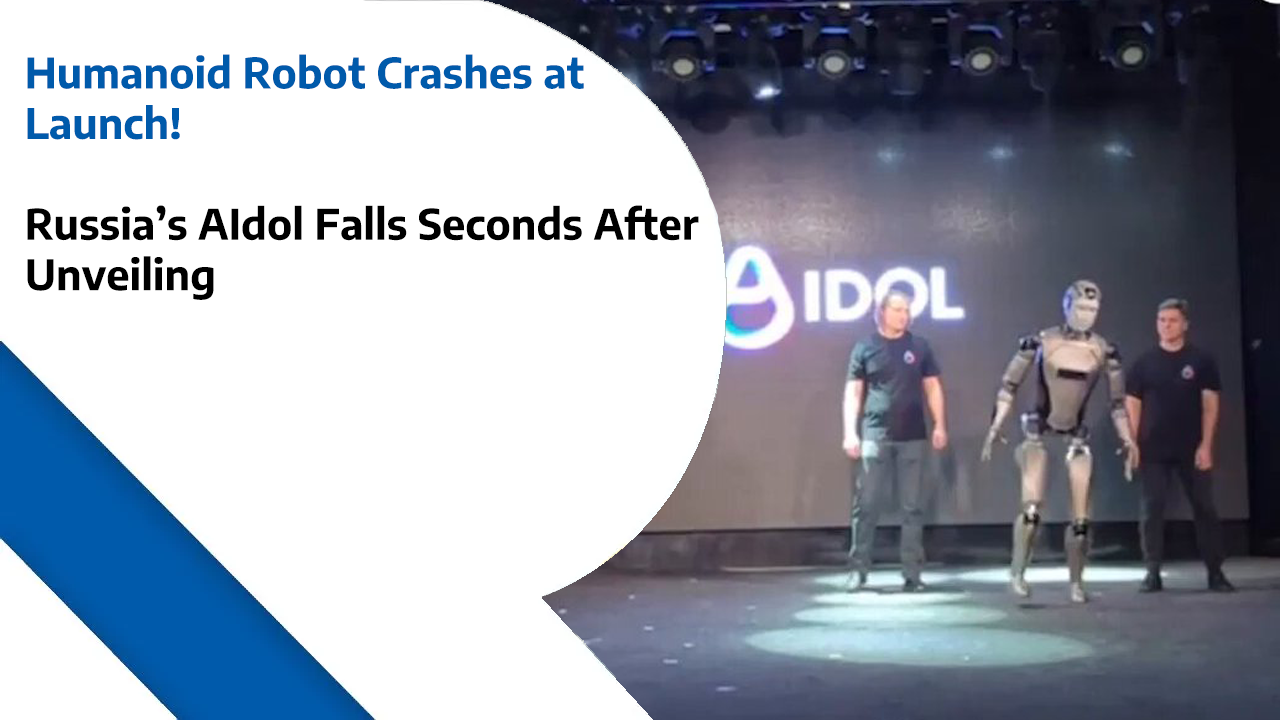
     

    https://www.youtube.com/watch?v=MHgug6Mt4s4


    https://www.youtube.com/shorts/cUG1nGcN3ME

  • Elon Musk Dances With Tesla Robot After $1 Trillion Pay Deal – The Future of Robots Begins!

    Elon Musk Dances With Tesla Robot After $1 Trillion Pay Deal – The Future of Robots Begins!

    Elon Musk Dances With Tesla Robot After $1 Trillion Pay Deal – The Future of Robots Begins!

    Welcome back! Today we’re talking about the moment Elon Musk danced with a robot — yes, really — right after Tesla approved his jaw-dropping $1 trillion pay package. But behind the headlines, there’s a lot more going on — and it could shape your future.

    At Tesla’s annual meeting in Austin, Musk walked on stage to cheers, joined by his humanoid robot, Optimus. The two shared a short dance, symbolising how deeply Tesla’s future is tied to robotics and AI. Musk declared this was the dawn of a new era — not just for cars, but for machines that can manufacture, deliver, and even assist us at home.

    Shareholders just approved his $878 billion stock-based pay plan, one of the biggest in history. To earn it, he must drive Tesla’s value from roughly $1.5 trillion today to a staggering $8.5 trillion — while selling 20 million vehicles, deploying a million robotaxis, and a million humanoid robots.

    So, why should you care? Because Tesla’s push into robotics isn’t just about cars — it’s about changing how we live and work. If Optimus really enters factories, homes, and offices, it could boost productivity, create new jobs in AI and automation, and open up massive business opportunities in service and support industries. Investors and entrepreneurs who understand this shift early could ride the next big wave of innovation.

    Elon Musk’s dance wasn’t just a meme — it was a message. The robot revolution is closer than you think, and Tesla wants to lead it. So if you want to stay ahead of the curve in robotics, AI, and future tech, make sure to like, subscribe, and keep watching — because the future’s already dancing.


    And that’s your robot news update for today!. If you’re curious about how robotics can transform your business, head over to Robot Philosophy website to join the waiting list, or to speak with the team about robotics.

    Don’t forget to subscribe so you stay in the loop with all the latest updates.

    I’m RoboPhil from Robot Philosophy — thanks for watching, and I’ll see you next time!

    Join the workshop waiting list or get in touch at: https://robophil.com/


    Sponsors:-


    Robot Center: – https://robotcenter.co.uk/ – Buy Robot, Robot Buy, Robot consultancy, Robotics Consultancy, Inspection Robots, Security Robots,


    Robots of London: – https://robotsoflondon.co.uk/ – Robot Hire, Robot Rental, Rent Robot, Hire Robot, Robot Events, Robotics Hire, Hire Robotics, Rent Robotics, Robotics Rent, for exhibitions, shows, Events, Robot hire in the UK, Robot hire in Europe


    Robot Philosophy: – https://robophil.com/ – Robot Consultancy, Robot Recruitment, Robot Advice, Robot Insights, Robot Ideas. RoboPhil, also known as Philip English, is a leading Robot YouTuber, Robot Influencer, Robot Trainer, Robot Consultant, and Robot Streamer, Robotics Streamer, Robotics YouTuber, Robotics Influencer, Robotics Consultant, Robotics Trainer