Tag: Robot Youtuber

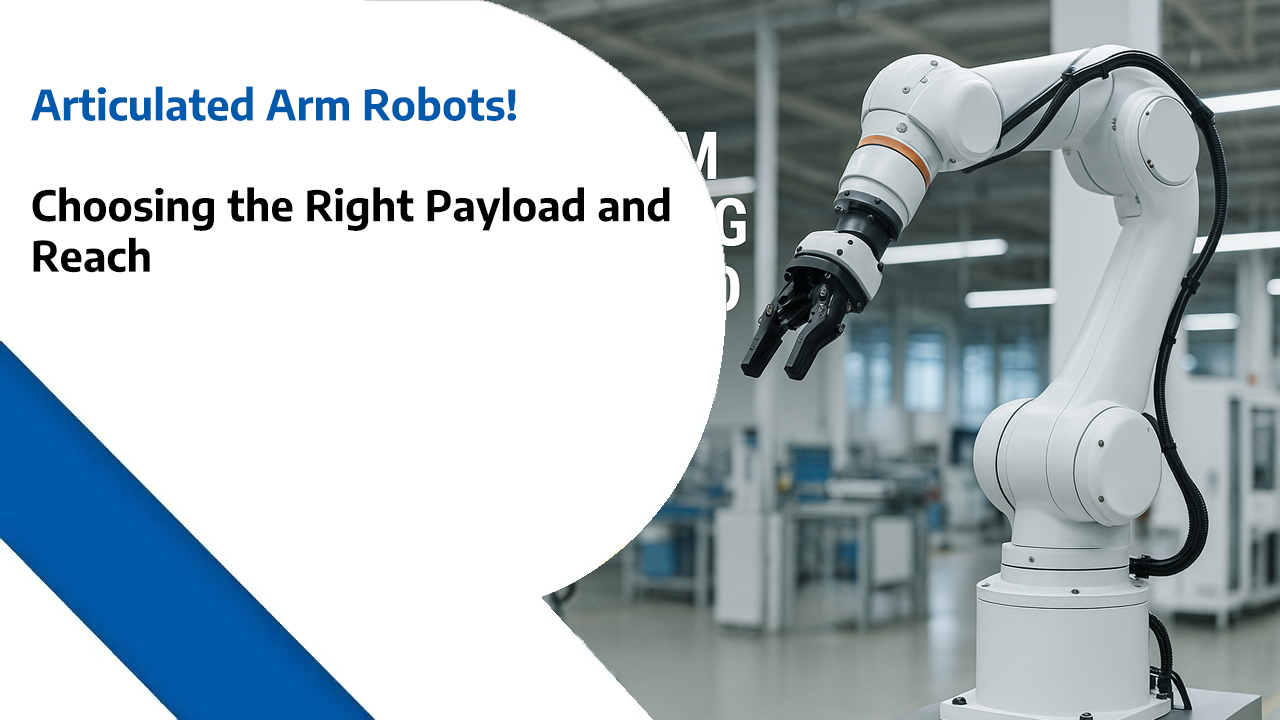
  • Articulated Arm Robots – Choosing the Right Payload and Reach

    Articulated Arm Robots – Choosing the Right Payload and Reach

    Articulated Arm Robots: Choosing the Right Payload and Reach

    Sponsored by Robot Center, Robots of London, and Robot Philosophy

    In the rapidly evolving landscape of industrial automation, articulated arm robots have emerged as the backbone of modern manufacturing, assembly, and precision handling operations. These versatile mechanical marvels, with their human-like joint configurations, offer unparalleled flexibility and precision across a vast array of applications. However, selecting the right articulated arm robot for your specific needs requires careful consideration of two critical specifications: payload capacity and reach. Making the wrong choice can result in operational inefficiencies, increased costs, and missed opportunities for optimization.

    Understanding Articulated Arm Robot Fundamentals

    Articulated arm robots, also known as six-axis robots or anthropomorphic robots, feature multiple rotational joints that mimic the movement of a human arm. This design philosophy provides exceptional dexterity and positioning accuracy, making them ideal for complex manipulation tasks that require precise control in three-dimensional space. The robot’s configuration typically includes a base, shoulder, elbow, and wrist joints, each contributing to the overall workspace envelope and operational capabilities.

    The sophistication of modern articulated arm robots lies in their ability to reach virtually any point within their operational sphere while maintaining optimal orientation and approach angles. This capability is particularly valuable in applications such as welding, painting, assembly, material handling, and quality inspection, where both position and orientation are critical to success.

    The Critical Importance of Payload Selection

    Payload capacity represents the maximum weight an articulated arm robot can safely manipulate while maintaining specified accuracy and repeatability standards. This specification directly impacts not only what objects the robot can handle but also influences its speed, precision, and overall operational envelope. Understanding payload requirements involves analyzing both the weight of the workpiece and any end-effectors, tooling, or fixtures that will be attached to the robot’s wrist.

    Calculating Total Payload Requirements

    When determining payload needs, engineers must consider the cumulative weight of all components that will be carried by the robot. This includes the primary workpiece, gripping devices, sensors, pneumatic cylinders, electrical connections, and any additional tooling required for the specific application. A common oversight in robot selection is underestimating these auxiliary weights, which can significantly impact performance and longevity.

    For example, a seemingly lightweight electronic component weighing 2 kilograms might require a specialized gripper weighing 3 kilograms, plus sensors and cabling adding another kilogram. The actual payload requirement becomes 6 kilograms, not the initially perceived 2 kilograms. This miscalculation can lead to selecting an underpowered robot that struggles with the actual operational demands.

    Safety Margins and Performance Considerations

    Industry best practices recommend incorporating a safety margin of 20-30% above the calculated maximum payload to ensure optimal performance and longevity. Operating a robot at its maximum payload capacity continuously can lead to increased wear, reduced accuracy, and potential premature failure of critical components. Additionally, payload capacity directly affects the robot’s maximum operational speed, with heavier payloads requiring slower movements to maintain precision and safety standards.

    The relationship between payload and performance is particularly evident in applications requiring rapid acceleration and deceleration. High-speed pick-and-place operations, for instance, may require robots with payload capacities significantly exceeding the actual workpiece weight to accommodate the dynamic forces generated during rapid movements.

    Mastering Reach and Workspace Optimization

    Reach specification defines the maximum distance from the robot’s base to the furthest point it can access with its end-effector. However, reach involves more than simple linear distance; it encompasses the entire three-dimensional workspace envelope that the robot can access while maintaining proper orientation and approach angles.

    Workspace Envelope Analysis

    The workspace envelope of an articulated arm robot is typically spherical or partially spherical, depending on the specific joint configurations and mechanical constraints. Within this envelope, certain areas may be more easily accessible than others, with some positions requiring the robot to operate near its mechanical limits, potentially reducing precision and speed.

    Understanding workspace geometry is crucial for optimal robot placement and cell layout design. The robot’s base position should be strategically located to ensure that all required work points fall within the optimal operating zone, where the robot can maintain high accuracy and speed while avoiding mechanical limitations and potential collision hazards.

    Reach vs. Payload Trade-offs

    An important consideration in robot selection is the inverse relationship between reach and payload capacity. Robots with extended reach capabilities often sacrifice payload capacity due to the increased mechanical stresses imposed by longer arm segments and the leverage effects of operating at maximum extension. Conversely, robots designed for high payload applications typically feature more robust construction but may have limited reach capabilities.

    This trade-off requires careful analysis of application requirements to determine the optimal balance between reach and payload for specific operational needs. Applications requiring both extended reach and high payload capacity may necessitate multiple smaller robots or specialized robot designs optimized for these dual requirements.

    Application-Specific Selection Criteria

    Different industrial applications place varying demands on payload and reach specifications, requiring tailored selection approaches to ensure optimal performance and return on investment.

    Manufacturing and Assembly Operations

    In manufacturing environments, articulated arm robots often handle components ranging from delicate electronic assemblies to heavy automotive parts. Assembly operations typically require moderate payload capacities but demand exceptional precision and repeatability. The reach requirements vary significantly based on the size of the assembly area and the need to access multiple stations or fixtures within a single cell.

    For automotive assembly applications, robots may need to handle body panels weighing 30-50 kilograms while reaching across large assembly fixtures. These applications demand robust payload capacity combined with extended reach, often requiring larger robot models or specialized automotive-specific designs.

    Material Handling and Palletizing

    Material handling applications present unique challenges in payload and reach optimization. Palletizing robots must handle varying product weights and sizes while accessing multiple levels of pallets or storage systems. The reach requirement is often driven by the need to access the full height and depth of palletizing areas, while payload capacity must accommodate the heaviest products plus any specialized gripping systems.

    High-speed material handling operations may require robots with payload capacities significantly exceeding the actual product weights to accommodate the dynamic forces generated during rapid movements and maintain cycle time objectives.

    Precision Operations and Quality Control

    Quality control and precision assembly applications typically involve lighter payloads but demand exceptional accuracy and repeatability. These applications may require specialized end-effectors, measurement devices, or vision systems that add complexity to payload calculations. The reach requirements are often determined by the need to access multiple measurement points or assembly locations within tight tolerances.

    Advanced Considerations for Robot Selection

    Beyond basic payload and reach specifications, several advanced factors significantly impact robot selection and performance optimization.

    Dynamic Performance Characteristics

    Modern articulated arm robots feature sophisticated control systems that optimize performance based on payload characteristics and operational requirements. Advanced robots can automatically adjust acceleration profiles, path planning, and servo gains based on real-time payload sensing, ensuring optimal performance across varying load conditions.

    Understanding these dynamic characteristics is crucial for applications involving variable payload conditions or rapid cycle time requirements. Robots with adaptive payload sensing can maintain consistent cycle times and accuracy even when handling products of varying weights within the same application.

    Environmental and Safety Considerations

    Operating environment significantly impacts robot selection criteria, particularly in harsh industrial conditions or cleanroom applications. Robots designed for food processing, pharmaceutical, or cleanroom environments may have payload and reach limitations imposed by specialized sealing requirements or material restrictions.

    Safety regulations and risk assessments also influence robot selection, with certain applications requiring additional safety systems that may impact payload calculations or workspace accessibility. Collaborative robots designed for human-robot interaction often have inherent speed and force limitations that affect their effective payload and reach capabilities.

    Future Scalability and Flexibility

    Successful robot implementation requires consideration of future operational requirements and potential application expansion. Selecting robots with moderate over-capacity in both payload and reach provides flexibility for future process changes, additional tooling requirements, or expanded operational scope without requiring complete system replacement.

    This forward-thinking approach to robot selection ensures long-term value and adaptability in rapidly changing manufacturing environments.

    Expert Consultation and Professional Services

    Navigating the complexities of articulated arm robot selection requires extensive expertise in robotics engineering, application analysis, and system integration. The interplay between payload capacity, reach requirements, environmental factors, and operational objectives demands careful analysis by experienced professionals who understand both the technical specifications and practical implications of robot selection decisions.

    Professional robotics consultancy services provide invaluable expertise in analyzing specific application requirements, conducting detailed feasibility studies, and recommending optimal robot configurations for unique operational needs. These services extend beyond initial robot selection to encompass complete system design, integration planning, safety analysis, and ongoing optimization support.

    The complexity of modern robotics applications often requires specialized knowledge in multiple disciplines, including mechanical engineering, control systems, safety regulations, and industry-specific requirements. Professional consultants bring this multidisciplinary expertise to ensure successful robot implementation and long-term operational success.

    For organizations seeking to implement articulated arm robots or optimize existing robotic systems, professional consultation provides access to cutting-edge knowledge, proven methodologies, and extensive experience across diverse applications and industries. This expertise is particularly valuable in complex applications where standard selection criteria may not adequately address unique operational requirements or constraints.

    Additionally, specialized recruitment services can help organizations build internal robotics expertise by identifying and placing qualified robotics engineers, technicians, and specialists who understand the nuances of articulated arm robot applications and optimization.

    Conclusion and Next Steps

    Selecting the appropriate articulated arm robot requires comprehensive analysis of payload and reach requirements within the context of specific application needs, operational constraints, and future scalability requirements. The decision-making process involves balancing multiple competing factors while ensuring optimal performance, safety, and return on investment.

    Success in robot selection and implementation often depends on leveraging professional expertise and proven methodologies developed through extensive experience across diverse applications and industries. Whether you’re implementing your first robotic system or optimizing an existing installation, professional guidance ensures optimal outcomes and long-term success.

    For expert consultation on articulated arm robot selection, system optimization, or robotics talent acquisition, contact our specialized team at info@robophil.com or call 0845 528 0404 to schedule a comprehensive consultation and discover how professional robotics expertise can transform your operational capabilities.


    Article Sponsors

    Robot Center – Your premier destination for robot purchasing, robotics consultancy, and comprehensive automation solutions. Specializing in robot buy services and expert robotics consultancy.

    Robots of London – Leading provider of robot hire, robot rental, and specialized robot event services. Rent robots for temporary projects or hire robots for demonstrations and events.

    Robot Philosophy – Expert robot consultancy and robot recruitment services. RoboPhil, led by Philip English, offers robot advice, insights, and ideas through comprehensive robotics training, consulting, and content creation as a leading robotics YouTuber, influencer, and consultant.


    https://www.youtube.com/watch?v=cdKDPded8j0
     

    https://www.youtube.com/shorts/j9LWGCOnOR8

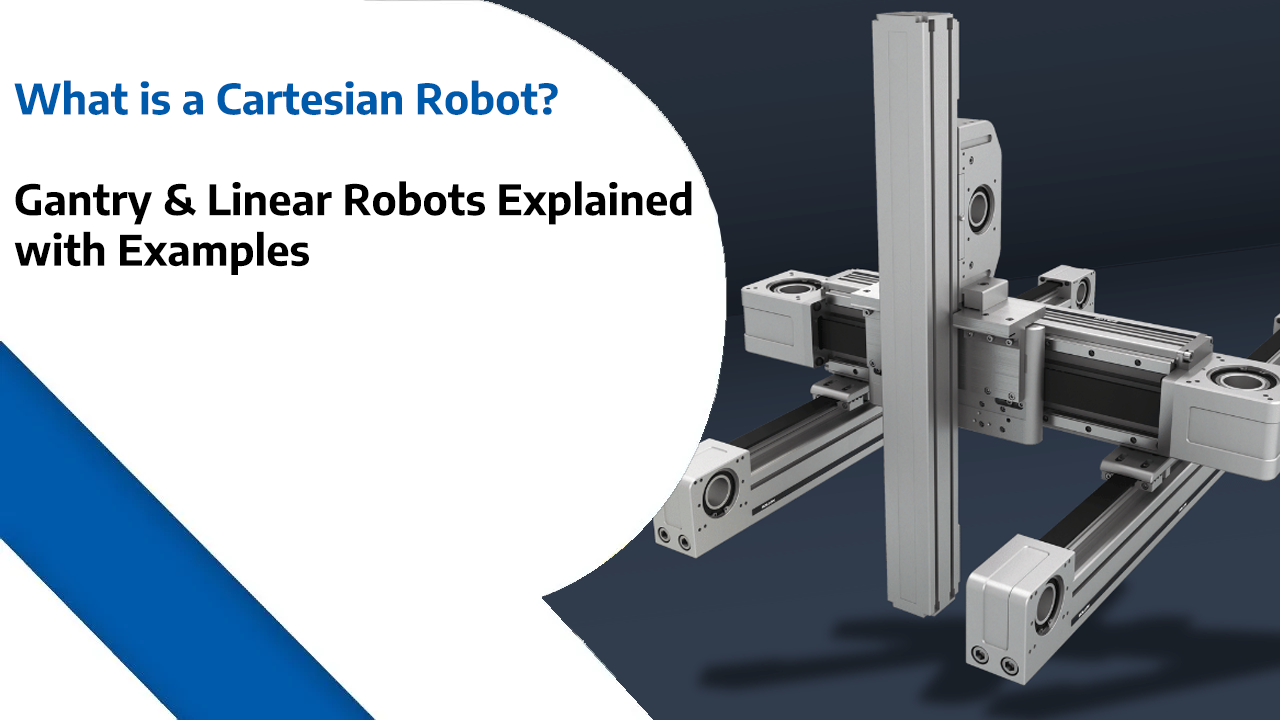
  • What is a Cartesian Robot? – Gantry & Linear Robots Explained with Examples

    What is a Cartesian Robot? – Gantry & Linear Robots Explained with Examples

    What is a Cartesian Robot? – Gantry & Linear Robots Explained with Examples


    What exactly is a Cartesian robot? The clue is in the name. These robots move in straight lines along the X, Y, and Z axes—just like the graph paper you used in school. No fancy rotations, no dramatic arm waving, just precise, rigid, straight-line motion.

    Because of this design, Cartesian robots are known for their accuracy and strength. They’re built to be rigid, repeatable, and easy to program, which is why you’ll find them in all kinds of industries.

    In CNC machines, they cut and shape materials with millimetre-perfect precision. In 3D printers, they build layer upon layer with accuracy you can rely on. And in pick-and-place systems, they move products quickly and efficiently from one spot to another.

    Companies like Güdel and Yamaha produce leading Cartesian robots. Güdel’s gantry systems handle heavy loads and large parts with speed and reliability, while Yamaha’s Cartesian robots are designed for compact, high-performance applications.

    The key advantages? Precision. Rigidity. And flexibility in design—you can build them as large or as compact as you need. They’re straightforward, dependable, and often the first choice when you need accuracy in three straight directions.

    So, in short, a Cartesian robot is the workhorse of the automation world. Simple in concept, powerful in practice, and quietly powering the technology all around us.


    And that’s your robot news update for today!
    If you’re curious about how robotics can transform your business, join me for the weekly Live Robot Optimise Workshop — it’s packed with insights, trends, and practical tips. Don’t forget to subscribe so you stay in the loop with all the latest updates.

    I’m RoboPhil from Robot Philosophy — thanks for watching, and I’ll see you next time!


    Join our Robot Optimise Industry (ROI) Workshop: https://robophil.com/


    Sponsors:-


    Robot Center: – https://robotcenter.co.uk/ – Buy Robot, Robot Buy, Robot consultancy, Robotics Consultancy, Inspection Robots, Security Robots, 


    Robots of London: – https://robotsoflondon.co.uk/ – Robot Hire, Robot Rental, Rent Robot, Hire Robot, Robot Events, Robotics Hire, Hire Robotics, Rent Robotics, Robotics Rent, for exhibitions, shows, Events, Robot hire in the UK, Robot hire in Europe


    Robot Philosophy: – https://robophil.com/ – Robot Consultancy, Robot Recruitment, Robot Advice, Robot Insights, Robot Ideas. RoboPhil, also known as Philip English, is a leading Robot YouTuber, Robot Influencer, Robot Trainer, Robot Consultant, and Robot Streamer, Robotics Streamer, Robotics YouTuber, Robotics Influencer, Robotics Consultant, Robotics Trainer  

  • Inside RealMan’s New Beijing Robotics Training Center – 108 Robots, AI Data & Real-World Testing

    Inside RealMan’s New Beijing Robotics Training Center – 108 Robots, AI Data & Real-World Testing

    Inside RealMan’s New Beijing Robotics Training Center – 108 Robots, AI Data & Real-World Testing


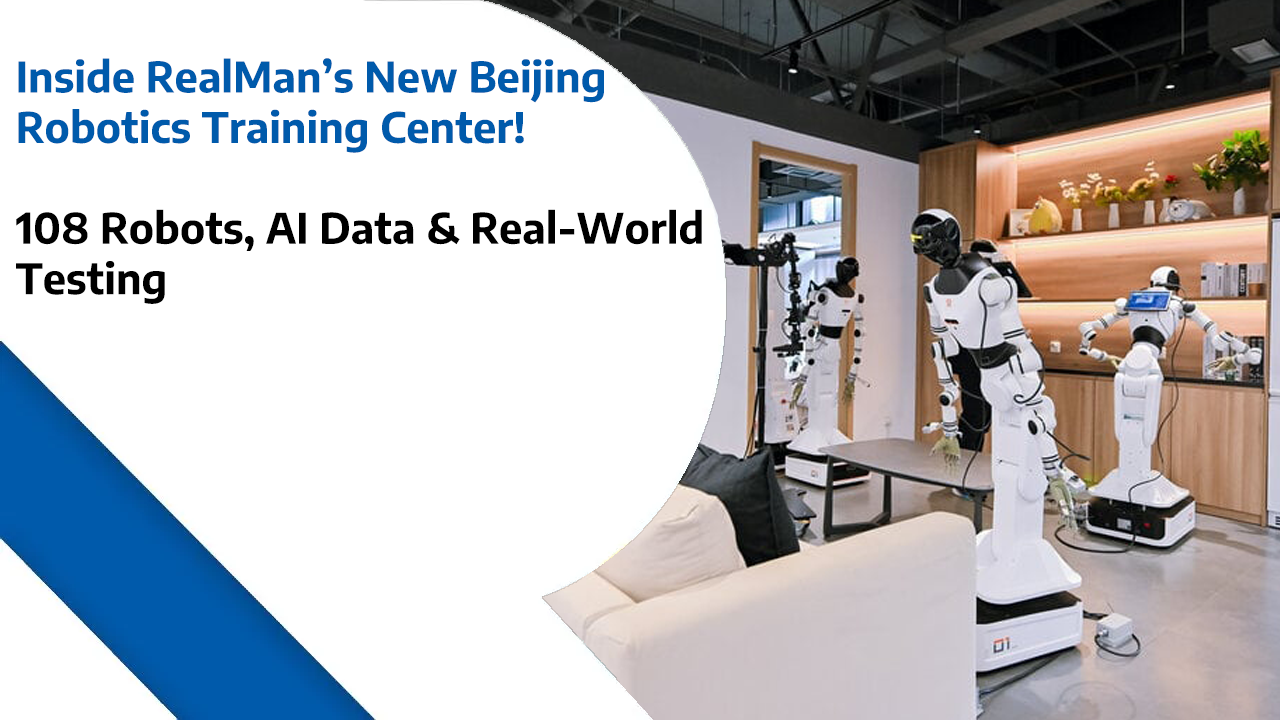
    RealMan Robotics has just opened a brand-new Humanoid Robotics Data Training Center in Beijing—and it’s no small step. At 3,000 square meters, the hub brings together research and development, scenario testing, operator training, and collaboration all under one roof.

    On opening day, RealMan introduced the RealBOT Embodied Intelligence Open Platform, built for large-scale data acquisition. The center is split into a training zone and an application zone, and already home to 108 robots of all shapes and sizes—dual-arm manipulators, wheeled semi-humanoids, drone-arms, and even four-legged robots. Quite the roll call.

    To make training realistic, the team has constructed ten real-world environments—eldercare facilities, rehabilitation wards, auto assembly lines, smart catering spaces, and more. These generate over one million high-quality data points each year, the fuel for building more capable AI models.

    Eric Zheng, who heads the center, explained that robotics still faces three big roadblocks: adapting across different scenarios, bridging the gap between simulation and reality, and standardizing data for faster iteration. The new hub tackles these with a full pipeline—from collecting data, to training, to deploying robots in the field.

    Founded in 2018, RealMan has already built robots for retail, food service, healthcare, aerospace, education, and industrial use. With this center, the company is pushing to close the gap between today’s robots—often too costly, slow to deploy, or limited in ability—and the versatile helpers we imagine for everyday life.


    And that’s your robot news update for today!
    If you’re curious about how robotics can transform your business, join me for the weekly Live Robot Optimise Workshop — it’s packed with insights, trends, and practical tips. Don’t forget to subscribe so you stay in the loop with all the latest updates.

    I’m RoboPhil from Robot Philosophy — thanks for watching, and I’ll see you next time!


    Join our Robot Optimise Industry (ROI) Workshop: https://robophil.com/


    Sponsors:-


    Robot Center: – https://robotcenter.co.uk/ – Buy Robot, Robot Buy, Robot consultancy, Robotics Consultancy, Inspection Robots, Security Robots, 


    Robots of London: – https://robotsoflondon.co.uk/ – Robot Hire, Robot Rental, Rent Robot, Hire Robot, Robot Events, Robotics Hire, Hire Robotics, Rent Robotics, Robotics Rent, for exhibitions, shows, Events, Robot hire in the UK, Robot hire in Europe


    Robot Philosophy: – https://robophil.com/ – Robot Consultancy, Robot Recruitment, Robot Advice, Robot Insights, Robot Ideas. RoboPhil, also known as Philip English, is a leading Robot YouTuber, Robot Influencer, Robot Trainer, Robot Consultant, and Robot Streamer, Robotics Streamer, Robotics YouTuber, Robotics Influencer, Robotics Consultant, Robotics Trainer  

  • SCARA Robots – Best Use Cases In Manufacturing

    SCARA Robots – Best Use Cases In Manufacturing

    SCARA Robots – Best Use Cases In Manufacturing

    Introduction

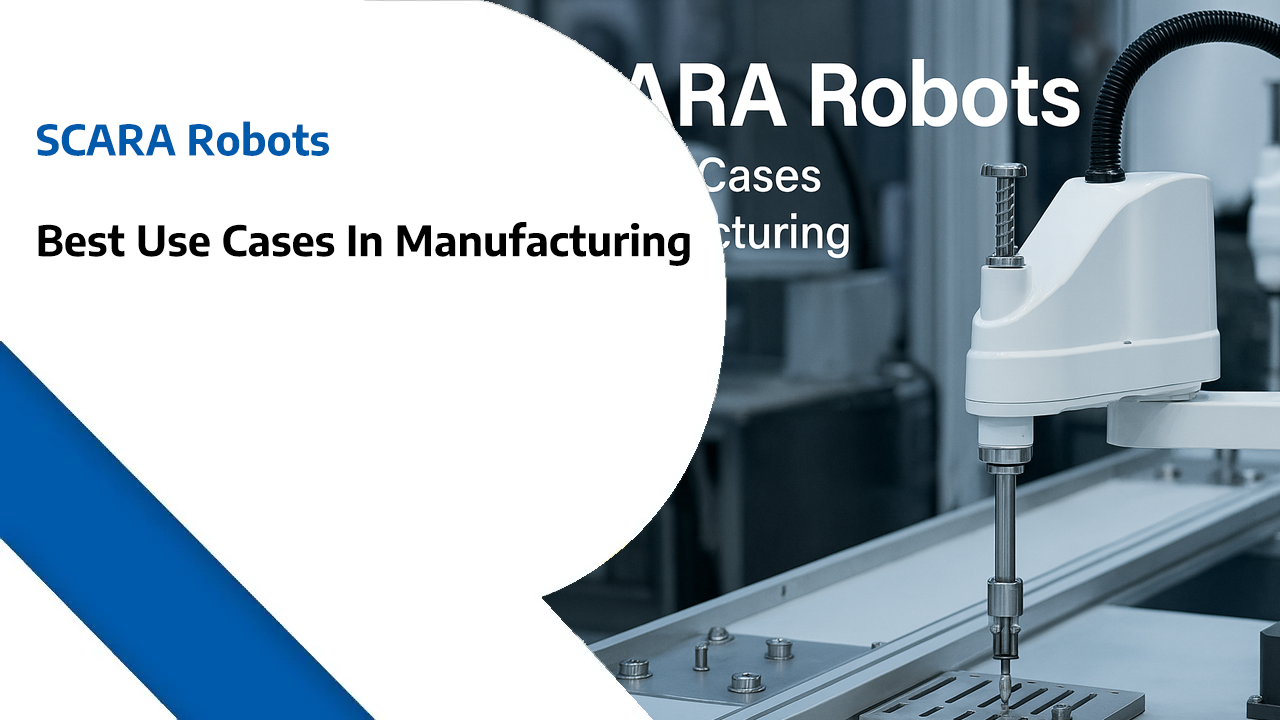
    In the rapidly evolving landscape of modern manufacturing, automation has become the cornerstone of efficiency, precision, and competitive advantage. Among the various robotic solutions available, SCARA (Selective Compliance Assembly Robot Arm) robots have emerged as one of the most versatile and cost-effective options for manufacturers seeking to enhance their production capabilities. These sophisticated machines combine speed, accuracy, and reliability to deliver exceptional performance across a wide range of industrial applications.

    SCARA robots represent a unique class of industrial automation equipment that has revolutionized manufacturing processes worldwide. Their distinctive design philosophy centers around providing compliance in the horizontal plane while maintaining rigidity in the vertical direction, making them ideally suited for assembly, pick-and-place, and material handling operations. This selective compliance capability allows SCARA robots to perform delicate operations with remarkable precision while maintaining the structural integrity necessary for demanding industrial environments.

    Understanding SCARA Robot Architecture

    The fundamental design of SCARA robots sets them apart from other robotic configurations. Unlike traditional six-axis articulated robots or Cartesian coordinate systems, SCARA robots feature a unique four-axis configuration that provides optimal performance for specific manufacturing tasks. The robot’s arm consists of two parallel rotary joints that provide compliance in the horizontal plane, combined with a linear joint for vertical movement and a rotary joint for tool orientation.

    This architectural approach delivers several key advantages. The parallel joint configuration eliminates the need for complex counterbalancing mechanisms, resulting in faster acceleration and deceleration cycles. The inherent stiffness in the vertical direction ensures consistent positioning accuracy, while the compliance in the horizontal plane allows for safe interaction with workpieces and tooling. This combination makes SCARA robots particularly well-suited for applications requiring high-speed, repetitive motions with precise positioning requirements.

    The workspace envelope of SCARA robots typically resembles a hollow cylinder, with the robot capable of reaching any point within this three-dimensional space. This workspace configuration is ideal for many manufacturing applications where parts need to be manipulated within a defined area, such as assembly stations, packaging lines, and material handling systems. The reach and payload capabilities of modern SCARA robots have expanded significantly, with some models offering reaches exceeding 1,500mm and payloads up to 50kg or more.

    Primary Use Cases in Manufacturing

    Electronics and Semiconductor Assembly

    The electronics manufacturing industry has been one of the earliest and most enthusiastic adopters of SCARA robot technology. The precision requirements for electronic component placement, combined with the need for high-speed operation, make SCARA robots the ideal choice for these applications. In printed circuit board (PCB) assembly, SCARA robots excel at placing surface-mount components with positioning accuracies measured in micrometers.

    Modern electronics manufacturing demands ever-increasing levels of miniaturization, with components becoming smaller and placement tolerances tighter with each generation of products. SCARA robots meet these challenges through advanced vision systems, force feedback sensors, and sophisticated control algorithms that ensure precise component placement even in challenging conditions. The speed advantages of SCARA robots become particularly apparent in high-volume electronics production, where cycle times measured in fractions of seconds can significantly impact overall equipment effectiveness.

    Beyond component placement, SCARA robots perform various other functions in electronics manufacturing, including dispensing adhesives and sealants, inserting connectors and cables, testing and inspection operations, and packaging finished products. The versatility of SCARA robots allows manufacturers to deploy them across multiple stages of the production process, maximizing return on investment while maintaining consistent quality standards.

    Automotive Component Manufacturing

    The automotive industry’s stringent quality requirements and high-volume production demands make it another natural fit for SCARA robot applications. These robots excel in numerous automotive manufacturing processes, from small component assembly to final vehicle preparation. In engine manufacturing, SCARA robots handle tasks such as valve installation, sensor mounting, and gasket placement with the precision and repeatability required for modern automotive standards.

    Transmission assembly represents another area where SCARA robots demonstrate their value. The complex geometries and tight tolerances required in transmission manufacturing benefit from the selective compliance characteristics of SCARA robots, which can accommodate slight variations in part positioning while maintaining overall assembly accuracy. This capability is particularly valuable when dealing with cast components that may have minor dimensional variations within acceptable tolerance ranges.

    Interior component assembly has also benefited significantly from SCARA robot implementation. From instrument cluster assembly to door panel installation, these robots provide the speed and precision necessary to meet automotive production line requirements. The ability to integrate vision systems and force sensors allows SCARA robots to adapt to variations in part presentation and ensure proper component alignment during assembly operations.

    Pharmaceutical and Medical Device Production

    The pharmaceutical and medical device industries present unique challenges that SCARA robots are well-equipped to address. The stringent regulatory requirements, need for contamination control, and demand for traceability make these sectors ideal candidates for robotic automation. SCARA robots operating in cleanroom environments can maintain the sterile conditions required for pharmaceutical production while delivering the precision necessary for accurate dosing and packaging operations.

    In medical device manufacturing, SCARA robots perform critical assembly operations for products ranging from diagnostic equipment to implantable devices. The precision and repeatability of these robots ensure that medical devices meet the exacting standards required for patient safety and regulatory compliance. Advanced SCARA systems can incorporate real-time monitoring and data logging capabilities, providing the documentation and traceability required by regulatory agencies.

    The packaging and labeling of pharmaceutical products represent another significant application area for SCARA robots. These systems can handle delicate containers, apply labels with precise positioning, and perform quality inspection operations at speeds that would be impossible to achieve with manual labor. The integration of vision systems allows SCARA robots to verify label placement, check for defects, and ensure that packaging meets regulatory requirements before products proceed to distribution.

    Food and Beverage Processing

    Food and beverage manufacturing presents unique challenges related to hygiene, product variability, and regulatory compliance. SCARA robots designed for food industry applications feature specialized coatings, sealed enclosures, and washdown capabilities that allow them to operate in harsh processing environments while maintaining food safety standards. These robots excel in applications such as product sorting, packaging, palletizing, and quality inspection.

    The speed and precision of SCARA robots make them particularly valuable in high-volume food packaging operations. These systems can handle products with varying sizes, shapes, and weights while maintaining consistent packaging quality and minimizing product damage. Advanced gripper technologies allow SCARA robots to handle delicate food items without compromising product integrity, while vision systems enable quality inspection and sorting based on visual characteristics.

    In beverage production, SCARA robots perform functions such as bottle handling, cap placement, labeling, and case packing. The ability to operate at high speeds while maintaining gentle handling characteristics makes these robots ideal for managing fragile containers and ensuring consistent product presentation. Integration with production line control systems allows SCARA robots to adapt to different product types and packaging configurations without requiring extensive reprogramming or setup changes.

    Packaging and Material Handling

    General packaging operations across various industries have benefited enormously from SCARA robot implementation. These robots excel in applications requiring high-speed pick-and-place operations, such as transferring products from production lines to packaging equipment or arranging items in shipping containers. The speed advantages of SCARA robots become particularly apparent in packaging applications where cycle times directly impact overall production throughput.

    Material handling applications represent another significant use case for SCARA robots. These systems can manage a wide variety of materials, from small electronic components to larger mechanical parts, with consistent accuracy and reliability. The workspace characteristics of SCARA robots make them ideal for applications where materials need to be moved between multiple stations or arranged in specific patterns for downstream processing.

    The integration of advanced gripper technologies has expanded the range of materials that SCARA robots can handle effectively. Vacuum grippers, mechanical grippers, magnetic grippers, and specialized end-effectors allow these robots to adapt to virtually any material handling requirement. Vision systems and force sensors provide feedback that enables robots to adapt to variations in part presentation and ensure secure handling throughout the operation.

    Advanced Features and Capabilities

    Vision Integration and Quality Control

    Modern SCARA robots increasingly incorporate advanced vision systems that enable them to perform complex inspection and quality control operations. These systems combine high-resolution cameras, sophisticated image processing algorithms, and machine learning capabilities to identify defects, verify assembly quality, and ensure product compliance with specifications. Vision-guided SCARA robots can adapt to variations in part presentation, locate components with sub-pixel accuracy, and make real-time decisions based on visual feedback.

    The integration of vision systems with SCARA robots has opened new possibilities for flexible manufacturing operations. These systems can handle parts presented in random orientations, adapt to variations in component appearance, and perform complex inspection tasks that would be difficult or impossible to accomplish with traditional fixed automation. Advanced vision algorithms can detect subtle defects, measure dimensional characteristics, and verify proper assembly completion with accuracy levels that exceed human capabilities.

    Quality control applications represent a particularly valuable use of vision-integrated SCARA robots. These systems can perform 100% inspection of manufactured products, identifying defects and sorting products based on quality criteria. The speed and accuracy of robotic inspection systems enable manufacturers to implement comprehensive quality control programs without impacting production throughput, ultimately improving customer satisfaction and reducing warranty costs.

    Force and Compliance Control

    Advanced SCARA robots incorporate sophisticated force and compliance control systems that enable them to perform delicate assembly operations and adapt to variations in part fit and finish. These systems use force sensors, torque monitoring, and advanced control algorithms to provide real-time feedback about interaction forces between the robot and workpiece. This capability is particularly valuable for applications requiring precise force control, such as press-fitting operations, threaded fastener installation, and delicate component placement.

    Force control systems allow SCARA robots to adapt to manufacturing variations while maintaining consistent assembly quality. For example, when installing components that require specific insertion forces, the robot can monitor and adjust its operation to ensure proper installation without damaging parts or compromising assembly integrity. This adaptive capability reduces the need for tight manufacturing tolerances while maintaining high-quality assembly results.

    Compliance control extends beyond simple force measurement to include sophisticated algorithms that enable robots to respond appropriately to unexpected conditions. These systems can detect binding or interference during assembly operations, automatically adjust robot motion to accommodate part variations, and provide feedback to operators or control systems when manual intervention may be required. The result is more robust and reliable automated assembly processes that can handle real-world manufacturing conditions.

    Collaborative Safety Features

    The evolution toward collaborative robotics has influenced SCARA robot design, with many modern systems incorporating safety features that enable human-robot collaboration in manufacturing environments. These safety systems include advanced sensors, safety-rated control systems, and protective features that allow humans to work safely in close proximity to operating robots. Collaborative SCARA robots can automatically reduce speed or stop operation when humans enter the workspace, enabling flexible manufacturing arrangements that combine the efficiency of automation with the adaptability of human operators.

    Safety features in modern SCARA robots extend beyond basic collision detection to include predictive safety systems that can anticipate potential hazards and take preventive action. These systems monitor robot trajectory, workspace conditions, and human presence to ensure safe operation in dynamic manufacturing environments. Advanced safety systems can distinguish between different types of contact, responding appropriately to intentional interaction while maintaining protective functions against unintended contact.

    The implementation of collaborative safety features has enabled new applications for SCARA robots in environments where traditional industrial robots would not be suitable. These applications include assembly operations requiring human judgment and dexterity combined with robotic precision and repeatability, quality control processes that benefit from both automated inspection and human oversight, and flexible manufacturing systems that need to accommodate varying production requirements and workforce availability.

    Implementation Considerations and Best Practices

    System Integration and Programming

    Successful implementation of SCARA robots requires careful consideration of system integration requirements and programming approaches. Modern SCARA robots typically feature sophisticated control systems that can integrate with existing manufacturing equipment, quality control systems, and production management software. This integration capability enables robots to operate as part of comprehensive manufacturing systems rather than standalone automation islands.

    Programming approaches for SCARA robots have evolved significantly, with modern systems offering both traditional teach-pendant programming and advanced offline programming capabilities. Offline programming systems enable engineers to develop and optimize robot programs using simulation software, reducing setup time and enabling more sophisticated motion planning. These systems can model complex manufacturing environments, simulate robot operation, and identify potential issues before implementation.

    The integration of SCARA robots with other manufacturing systems requires careful attention to communication protocols, safety systems, and operational coordination. Modern robots typically support multiple communication standards, including Ethernet/IP, DeviceNet, Profibus, and other industrial networking protocols. This flexibility enables seamless integration with existing manufacturing control systems and facilitates coordination between multiple automated systems.

    Maintenance and Reliability

    SCARA robots are generally recognized for their reliability and relatively low maintenance requirements compared to other robotic configurations. The simplified mechanical design, with fewer moving parts and reduced complexity, contributes to longer operational life and reduced maintenance costs. However, proper maintenance procedures and predictive maintenance strategies are essential for maximizing robot availability and performance.

    Regular maintenance activities for SCARA robots typically include lubrication of mechanical components, inspection of electrical connections, calibration verification, and replacement of wear items such as belts and bearings. Advanced SCARA systems often incorporate condition monitoring capabilities that track robot performance and predict maintenance requirements before failures occur. These systems can monitor factors such as motor current, positioning accuracy, and cycle times to identify trends that indicate developing issues.

    The design of SCARA robots facilitates maintenance activities, with many components accessible without extensive disassembly. This accessibility reduces maintenance time and costs while enabling predictive maintenance strategies that maximize robot availability. Manufacturers often provide comprehensive maintenance training and support services to ensure that maintenance staff can effectively maintain robot systems throughout their operational life.

    Cost-Benefit Analysis and ROI

    The economic justification for SCARA robot implementation typically includes multiple factors beyond simple labor cost reduction. While direct labor savings often provide the most obvious return on investment, additional benefits such as improved quality, increased throughput, enhanced flexibility, and reduced material waste contribute significantly to overall economic value. A comprehensive cost-benefit analysis should consider both quantifiable benefits and strategic advantages that may be more difficult to measure directly.

    Quality improvements resulting from SCARA robot implementation can provide substantial economic benefits through reduced rework, lower warranty costs, and improved customer satisfaction. The consistent accuracy and repeatability of robotic operations often result in significant reductions in quality-related costs, which can justify automation investment even in applications where direct labor savings are modest.

    Throughput improvements represent another significant source of economic benefit from SCARA robot implementation. The high-speed operation of these robots, combined with their ability to operate continuously without breaks, can substantially increase production capacity without proportional increases in facility size or infrastructure requirements. This increased capacity can enable manufacturers to meet growing demand, reduce delivery times, and improve customer service levels.

    Industry Trends and Future Developments

    Artificial Intelligence and Machine Learning Integration

    The integration of artificial intelligence and machine learning technologies with SCARA robots represents one of the most significant trends shaping the future of manufacturing automation. These technologies enable robots to adapt to changing conditions, learn from experience, and optimize their operation over time. Machine learning algorithms can analyze robot performance data to identify optimization opportunities, predict maintenance requirements, and improve overall system efficiency.

    AI-enhanced SCARA robots can adapt to variations in part presentation, material properties, and environmental conditions without extensive reprogramming. These systems can learn to recognize quality issues, adjust their operation to accommodate manufacturing variations, and provide valuable feedback to manufacturing engineers about process optimization opportunities. The result is more flexible and intelligent automation systems that can handle the variability inherent in real-world manufacturing environments.

    Predictive analytics capabilities enabled by AI and machine learning technologies provide manufacturers with valuable insights into robot performance and manufacturing processes. These systems can identify patterns in robot operation that indicate developing issues, optimize robot motion for improved efficiency, and provide recommendations for process improvements. The integration of these capabilities with existing manufacturing systems creates comprehensive smart manufacturing environments that continuously improve their performance.

    Advanced Sensor Technologies

    The development of advanced sensor technologies continues to expand the capabilities of SCARA robots and enable new applications. High-resolution force sensors, tactile feedback systems, and multi-modal sensing capabilities provide robots with increasingly sophisticated information about their interaction with the manufacturing environment. These sensors enable robots to perform more complex operations and adapt to challenging conditions that would have required human intervention in the past.

    Vision sensor technology continues to advance rapidly, with improvements in resolution, processing speed, and analytical capabilities. Modern vision systems can perform complex inspection tasks, guide robots with sub-millimeter accuracy, and adapt to varying lighting conditions and part presentations. The integration of multiple vision sensors with SCARA robots enables comprehensive monitoring of manufacturing processes and sophisticated quality control operations.

    Environmental sensors and condition monitoring systems provide SCARA robots with awareness of their operating environment and enable adaptive responses to changing conditions. These sensors can monitor factors such as temperature, humidity, vibration, and electromagnetic interference, allowing robots to adjust their operation to maintain optimal performance. This environmental awareness contributes to improved reliability and consistent performance across varying operating conditions.

    Modular and Flexible System Design

    The trend toward modular and flexible system design is influencing SCARA robot development, with manufacturers focusing on creating systems that can be easily reconfigured for different applications and scaled to meet changing production requirements. Modular robot designs enable manufacturers to optimize robot specifications for specific applications while maintaining flexibility for future changes.

    Flexible mounting systems and workspace configurations allow SCARA robots to be deployed in various orientations and locations within manufacturing facilities. These systems can be easily relocated or reconfigured to accommodate changing production requirements, new product introductions, or facility layout modifications. The ability to adapt robot installations to changing requirements provides manufacturers with valuable flexibility in an increasingly dynamic business environment.

    Standardized interfaces and communication protocols facilitate integration of SCARA robots with other manufacturing equipment and enable more flexible system architectures. These standards reduce integration complexity, improve interoperability between different equipment suppliers, and facilitate future system upgrades or modifications. The adoption of industry-standard protocols also reduces training requirements and simplifies maintenance and support activities.

    Expert Consultation and Implementation Support

    Professional Robot Consulting Services

    The successful implementation of SCARA robots in manufacturing environments requires expertise in robotics, manufacturing processes, and system integration. Professional robot consulting services can provide valuable guidance throughout the entire implementation process, from initial feasibility assessment through system commissioning and optimization. Experienced consultants can help manufacturers identify the most suitable applications for SCARA robots, select appropriate equipment specifications, and develop implementation strategies that maximize return on investment.

    Robot consultants bring valuable experience from multiple industries and applications, enabling them to identify opportunities and potential challenges that may not be apparent to manufacturers implementing their first robotic systems. This experience can help avoid common pitfalls, reduce implementation time, and ensure that robotic systems meet performance expectations. Consultants can also provide ongoing support for system optimization, troubleshooting, and expansion planning.

    The complexity of modern manufacturing environments and the sophistication of SCARA robot systems make professional consulting services increasingly valuable. Consultants can help manufacturers navigate the various technology options, develop comprehensive implementation plans, and ensure that robotic systems integrate effectively with existing manufacturing processes and quality control systems.

    Specialized Robot Recruitment Services

    The successful operation and maintenance of SCARA robot systems requires skilled personnel with specialized knowledge of robotics, automation, and manufacturing processes. Finding qualified candidates with the appropriate combination of technical skills and manufacturing experience can be challenging, particularly in today’s competitive job market. Specialized robot recruitment services can help manufacturers identify and attract the talent necessary to support their automation initiatives.

    Robot recruitment specialists understand the unique skill requirements for different types of robotic applications and can identify candidates with the appropriate background and experience. These services can help manufacturers build effective automation teams that include robot programmers, maintenance technicians, system integrators, and automation engineers. The ability to recruit skilled personnel is often a critical factor in the success of automation projects.

    The growing demand for robotics professionals has created a competitive job market where specialized recruitment services can provide significant advantages in attracting top talent. These services maintain networks of qualified candidates and understand the career motivations and compensation expectations of robotics professionals. This expertise can help manufacturers build strong automation teams that support long-term success.

    Training and Skill Development

    The implementation of SCARA robots requires appropriate training programs to ensure that manufacturing personnel can effectively operate, program, and maintain these systems. Comprehensive training programs should address both technical skills and safety procedures, providing personnel with the knowledge necessary to work safely and effectively with robotic systems. Training requirements vary depending on job responsibilities, ranging from basic operator training to advanced programming and maintenance instruction.

    Robot training programs should include both theoretical knowledge and hands-on experience with actual robot systems. Theoretical components should cover robot operation principles, safety procedures, programming concepts, and troubleshooting techniques. Hands-on training should provide experience with robot programming, system operation, and maintenance procedures using the specific equipment that will be deployed in the manufacturing environment.

    Ongoing training and skill development are essential for maintaining effective robot operations as technology evolves and applications expand. Regular training updates ensure that personnel remain current with new features, capabilities, and best practices. Advanced training programs can help personnel develop specialized skills for complex applications and prepare them for leadership roles in automation initiatives.

    Conclusion

    SCARA robots represent a proven and versatile solution for a wide range of manufacturing applications. Their unique combination of speed, accuracy, and reliability makes them ideal for electronics assembly, automotive component manufacturing, pharmaceutical production, food processing, and packaging operations. The selective compliance characteristics of SCARA robots enable them to perform delicate assembly operations while maintaining the precision necessary for modern manufacturing requirements.

    The continued evolution of SCARA robot technology, including advanced vision systems, force control capabilities, and artificial intelligence integration, promises to expand their capabilities and open new application opportunities. These technological advances, combined with improvements in programming tools and system integration capabilities, make SCARA robots increasingly accessible to manufacturers of all sizes.

    The successful implementation of SCARA robots requires careful planning, appropriate expertise, and comprehensive support services. Professional consulting services can provide valuable guidance throughout the implementation process, while specialized recruitment services can help manufacturers build the skilled teams necessary to support their automation initiatives. Comprehensive training programs ensure that personnel have the knowledge and skills necessary to operate and maintain robotic systems effectively.

    As manufacturing continues to evolve toward increased automation, flexibility, and intelligence, SCARA robots will continue to play a vital role in helping manufacturers meet their production goals while maintaining the quality and efficiency necessary to compete in global markets. The investment in SCARA robot technology represents not just an automation decision, but a strategic commitment to manufacturing excellence and long-term competitiveness.


    About the Author

    RoboPhil (Philip English) is a renowned Robot YouTuber, Robotics YouTuber, Robot Trainer, Robotics Trainer, Robot Consultant, Robotics Consultant, Robot Influencer, and Robotics Influencer. With extensive experience in industrial automation and robotics implementation, Philip provides expert insights and practical guidance for manufacturers seeking to leverage robotic technologies for competitive advantage.


    Professional Services

    For expert guidance on SCARA robot implementation and robotics consulting services, contact our team:

    📧 Email: info@robophil.com
    📞 Phone: 0845 528 0404

    Our experienced consultants can help you evaluate SCARA robot applications, develop implementation strategies, and build the skilled teams necessary for successful automation projects.


    Article Sponsors

    This comprehensive guide to SCARA robots in manufacturing is proudly sponsored by leading robotics service providers:

    Robot Center

    Website: robotcenter.co.uk
    Services: Buy Robot, Robot Buy, Robot Consultancy, Robotics Consultancy
    Your trusted partner for robot acquisition and expert consultation services

    Robots of London

    Website: robotsoflondon.co.uk
    Services: Robot Hire, Robot Rental, Rent Robot, Hire Robot, Robot Events
    Flexible robot rental solutions for events, demonstrations, and temporary applications

    Robot Philosophy

    Website: robophil.com
    Services: Robot Consultancy, Robot Recruitment, Robot Advice, Robot Insights, Robot Ideas
    Comprehensive robotics expertise combining strategic consulting with specialized talent acquisition

    For more information about SCARA robot implementation or to schedule a consultation, please contact us using the details provided above.


    https://www.youtube.com/watch?v=zbAKYmcaicM


    https://www.youtube.com/shorts/RNcBHaIuwDw

  • John Deere Acquires GUSS Automation – The Future of Autonomous Farming

    John Deere Acquires GUSS Automation – The Future of Autonomous Farming

    John Deere Acquires GUSS Automation – The Future of Autonomous Farming


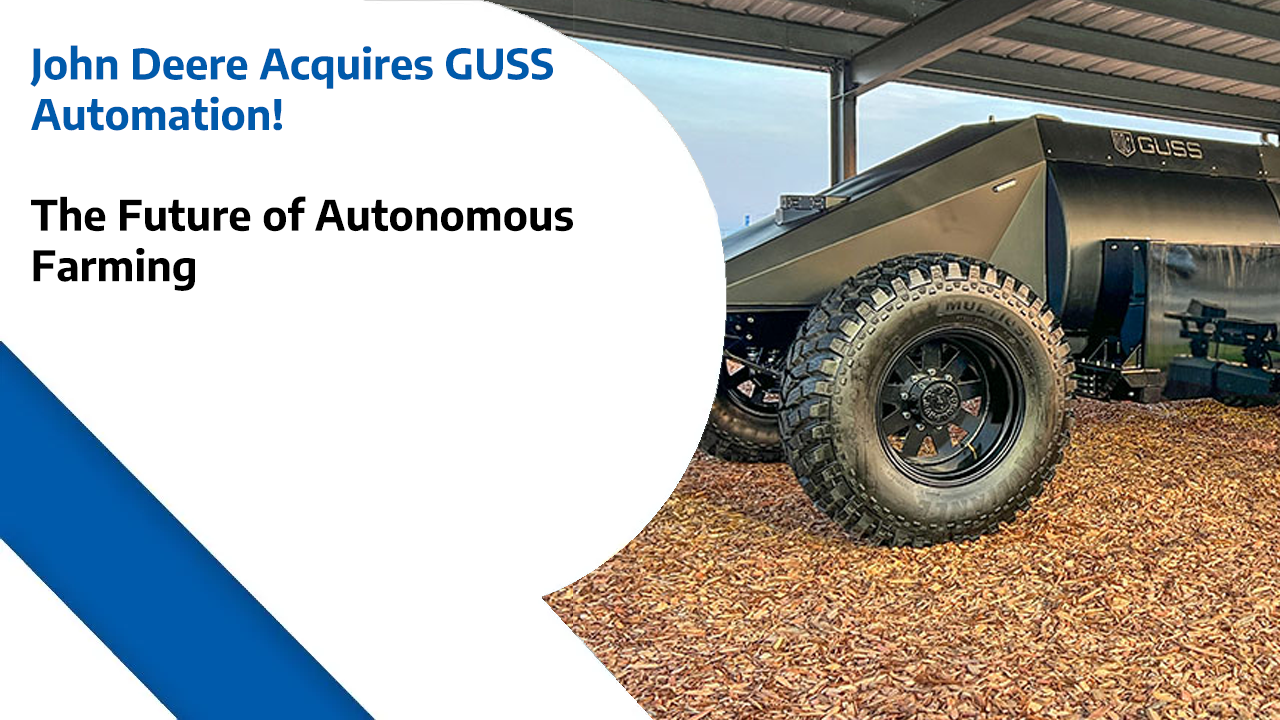
    John Deere, the iconic name in agriculture, has just strengthened its robotics portfolio by acquiring GUSS Automation, a California-based developer of autonomous crop spraying machines. The two companies first formed a joint venture in 2022, but this acquisition takes that partnership to the next level.

    GUSS will continue to operate under its own name, brand, and with its team and facility in Kingsburg, California. This location is right in the heart of the U.S. high-value crop market, where orchards and vineyards generate far more per acre than traditional grains.

    So why is GUSS such a big deal? Its autonomous sprayers allow one operator to manage up to eight machines at once. Using GPS, lidar, and proprietary software, these sprayers navigate orchards and vineyards with precision, reducing labour needs, minimising errors, and cutting down on waste. It is like farming with a fleet of self-driving assistants—only these ones never complain about overtime.

    To date, GUSS machines have already sprayed over 2.6 million acres across the globe, racking up more than half a million autonomous hours. That experience, combined with John Deere’s reach and technology, sets the stage for even faster innovation and expansion.

    John Deere will continue to be the exclusive provider of GUSS sprayers and will integrate them with its wider precision agriculture tools, such as Smart Apply. They will also continue using John Deere engines, which were first built into GUSS sprayers in 2024.

    This move builds on Deere’s history of autonomy investments, including acquisitions of Blue River Technology, Bear Flag Robotics, and SparkAI. From fully autonomous tractors to next-generation sprayers, John Deere is steadily rolling out robotics across its product line.


    And that’s your robot news update for today!
    If you’re curious about how robotics can transform your business, join me for the weekly Live Robot Optimise Workshop — it’s packed with insights, trends, and practical tips. Don’t forget to subscribe so you stay in the loop with all the latest updates.

    I’m RoboPhil from Robot Philosophy — thanks for watching, and I’ll see you next time!

    Join our Robot Optimise Industry (ROI) Workshop: https://robophil.com/


    Sponsors:-


    Robot Center: – https://robotcenter.co.uk/ – Buy Robot, Robot Buy, Robot consultancy, Robotics Consultancy


    Robots of London: – https://robotsoflondon.co.uk/ – Robot Hire, Robot Rental, Rent Robot, Hire Robot, Robot Events


    Robot Philosophy: – https://robophil.com/ – Robot Consultancy AND Robot Recruitment, Robot Advice, Robot Insights, Robot Ideas


  • Meet Robomart RM5 – The Giant Grocery Delivery Robot That Could Replace Couriers

    Meet Robomart RM5 – The Giant Grocery Delivery Robot That Could Replace Couriers

    Meet Robomart RM5 – The Giant Grocery Delivery Robot That Could Replace Couriers


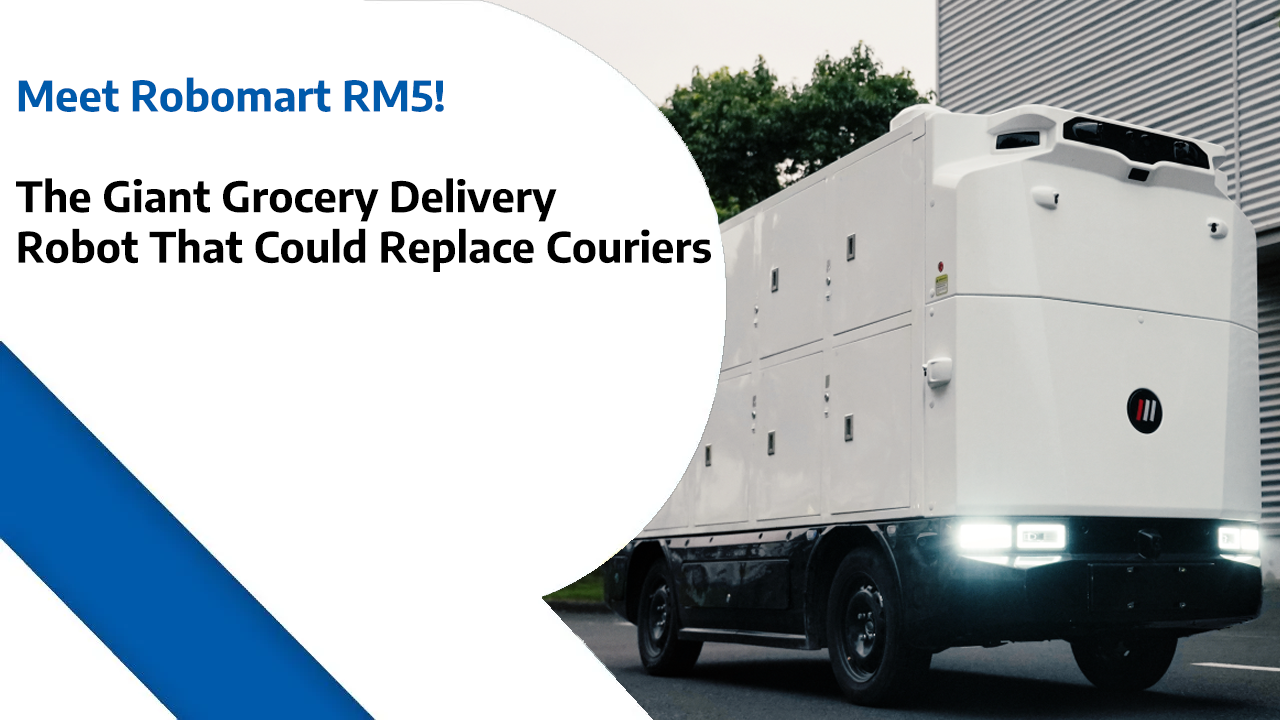
    Robomart has unveiled the RM5, a shuttle-bus-sized autonomous delivery vehicle designed to make on-demand delivery finally work at scale.

    The fully electric RM5 can carry up to 500 pounds of goods in ten climate-controlled lockers, each holding around 50 pounds. Travelling at a safe top speed of 25 miles per hour, it has a range of 112 miles—making it more like a rolling mini-supermarket than a sidewalk robot.

    Here’s how it works: customers will use the Robomart app to place an order from retailers and grocery stores. The RM5 then collects items from multiple shops, creates a dynamic multi-stop route, and brings the deliveries directly to customers. On arrival, the app unlocks the customer’s assigned locker, and the order is collected—quick, simple, and contact-free.

    Unlike traditional couriers, Robomart says this model cuts fulfillment costs by up to 70 percent, since each vehicle can handle many orders at once. The company also promises a flat $3 delivery fee, with no markups, no service charges, and no tipping.

    Founded in 2018, Robomart has already trialed the concept with modified vans and partnered with brands such as Unilever and Mars. With less than $5 million raised to date, the company is now preparing for launch in Austin, Texas later this year.

    In short, the RM5 is a bold step beyond sidewalk bots, offering scale, efficiency, and affordability—with the promise of making autonomous delivery finally practical.


    And that’s your robot news update for today!
    If you’re curious about how robotics can transform your business, join me for the weekly Live Robot Optimise Workshop — it’s packed with insights, trends, and practical tips. Don’t forget to subscribe so you stay in the loop with all the latest updates.

    I’m RoboPhil from Robot Philosophy — thanks for watching, and I’ll see you next time!


    Join our Robot Optimise Industry (ROI) Workshop: https://robophil.com/


    Sponsors:-


    Robot Center: – https://robotcenter.co.uk/ – Buy Robot, Robot Buy, Robot consultancy, Robotics Consultancy


    Robots of London: – https://robotsoflondon.co.uk/ – Robot Hire, Robot Rental, Rent Robot, Hire Robot, Robot Events


    Robot Philosophy: – https://robophil.com/ – Robot Consultancy AND Robot Recruitment, Robot Advice, Robot Insights, Robot Ideas

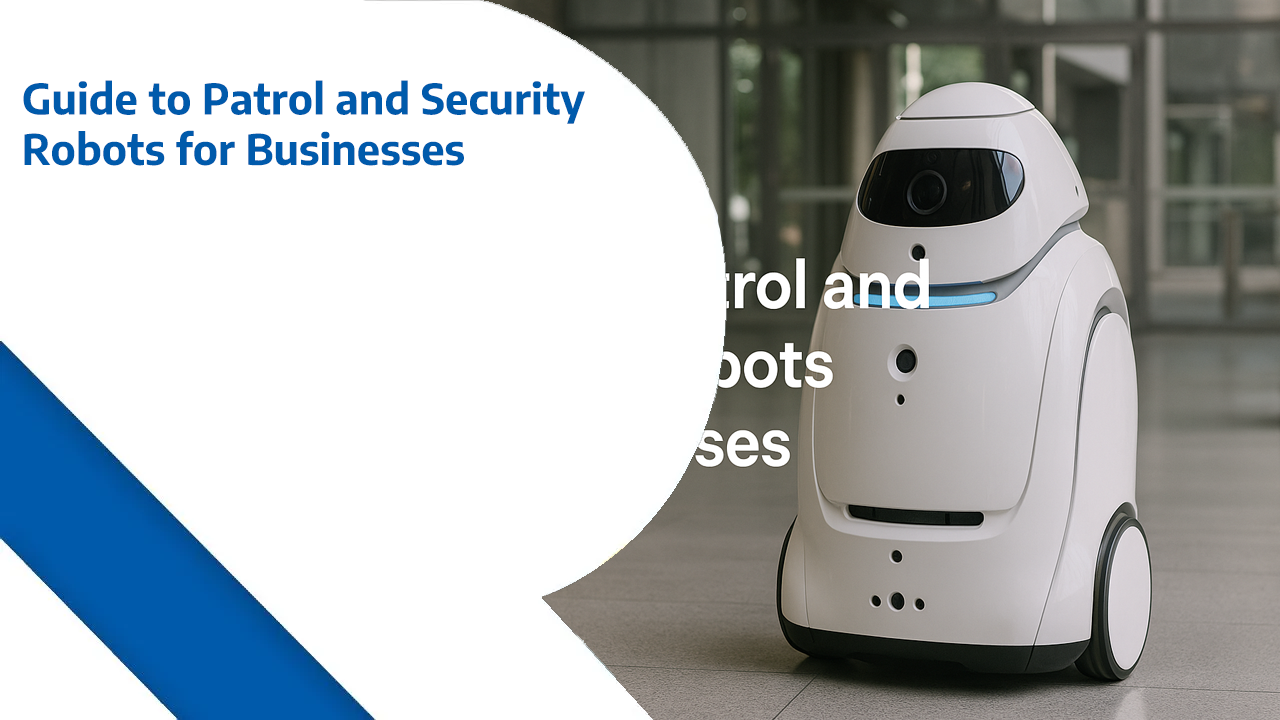
  • Guide to Patrol and Security Robots for Businesses

    Guide to Patrol and Security Robots for Businesses

    The Complete Guide to Patrol and Security Robots for Businesses

    Transforming Business Security Through Intelligent Automation

    Introduction

    In an era where security threats are becoming increasingly sophisticated, businesses are turning to cutting-edge technology to protect their assets, employees, and customers. Patrol and security robots represent a revolutionary leap forward in commercial security solutions, offering 24/7 surveillance capabilities, advanced threat detection, and cost-effective protection that traditional security methods simply cannot match.

    This comprehensive guide explores how patrol and security robots are reshaping the business security landscape, providing organisations with intelligent, autonomous solutions that enhance safety while reducing operational costs. Whether you’re managing a warehouse, corporate campus, retail facility, or industrial site, understanding the potential of robotic security systems is crucial for staying ahead in today’s competitive business environment.

    The Evolution of Business Security: From Guards to Robots

    The security industry has undergone a dramatic transformation over the past decade. Traditional security methods, while still valuable, face significant limitations including human fatigue, limited coverage areas, high labour costs, and vulnerability to human error. Security robots address these challenges by providing consistent, reliable, and technologically advanced protection.

    Modern patrol and security robots combine artificial intelligence, advanced sensors, computer vision, and autonomous navigation to create comprehensive security solutions. These systems can operate continuously without breaks, patrol large areas efficiently, and respond to threats with precision and speed that surpasses human capabilities in many scenarios.

    The integration of robotics into business security represents more than just technological advancement – it represents a fundamental shift towards proactive, intelligent security management that can adapt to evolving threats and provide unprecedented levels of protection.

    Types of Patrol and Security Robots

    Indoor Patrol Robots

    Indoor security robots are specifically designed for enclosed environments such as offices, warehouses, retail stores, and manufacturing facilities. These robots typically feature compact designs that allow them to navigate through doorways, around furniture, and up ramps or elevators.

    Key characteristics of indoor patrol robots include advanced mapping capabilities for complex floor plans, quiet operation to avoid disrupting business activities, and sophisticated sensor arrays including thermal cameras, motion detectors, and air quality monitors. Many indoor robots also feature two-way communication systems, allowing security personnel to interact directly with visitors or potential intruders through the robot.

    These systems excel at detecting unauthorised access, monitoring for safety hazards such as water leaks or gas emissions, and providing real-time video surveillance of critical areas. Their ability to follow predetermined patrol routes while adapting to obstacles makes them ideal for businesses requiring consistent internal security monitoring.

    Outdoor Security Robots

    Outdoor patrol robots are engineered to withstand harsh environmental conditions while providing comprehensive perimeter security. These robust systems feature weatherproof construction, extended battery life, and enhanced mobility capabilities to handle various terrain types.

    Outdoor security robots typically incorporate long-range cameras with zoom capabilities, thermal imaging for night vision, and powerful lighting systems for deterrence and illumination. Many models also include loudspeakers for audio warnings and two-way communication, GPS tracking for precise location monitoring, and integration with existing fence line sensors or alarm systems.

    These robots are particularly effective for large facilities such as industrial complexes, logistics centres, airports, and construction sites where traditional security patrols would be time-consuming and expensive. Their ability to operate in all weather conditions ensures consistent security coverage regardless of environmental challenges.

    Specialised Security Robots

    Beyond standard indoor and outdoor models, specialised security robots are designed for specific industry applications. These include explosive detection robots for high-security facilities, hazardous material monitoring robots for chemical plants, and crowd monitoring robots for large venues and events.

    Specialised robots often incorporate industry-specific sensors and compliance features, ensuring they meet regulatory requirements while providing enhanced security capabilities. These systems can be customised with specific software packages, sensor configurations, and communication protocols to integrate seamlessly with existing security infrastructure.

    Key Features and Capabilities

    Autonomous Navigation and Mapping

    Modern security robots utilise sophisticated simultaneous localisation and mapping (SLAM) technology to navigate complex environments autonomously. This capability allows robots to create detailed maps of their patrol areas, identify optimal routes, and adapt to changes in their environment without human intervention.

    Advanced navigation systems incorporate multiple sensor types including LiDAR, cameras, ultrasonic sensors, and inertial measurement units to provide comprehensive environmental awareness. This multi-sensor approach ensures reliable operation even in challenging conditions such as low light, dust, or electromagnetic interference.

    The mapping capabilities of security robots enable them to learn and remember their patrol areas, identifying normal patterns and detecting anomalies that may indicate security threats. This intelligent approach to navigation ensures efficient coverage while minimising false alarms and unnecessary interventions.

    Advanced Sensor Technology

    Security robots are equipped with an array of sophisticated sensors that provide comprehensive monitoring capabilities far exceeding human limitations. High-definition cameras with pan-tilt-zoom functionality offer detailed visual surveillance, while thermal imaging cameras detect heat signatures and enable effective night-time operation.

    Motion sensors, sound detection systems, and vibration monitors work together to identify potential security threats from multiple angles. Environmental sensors can detect smoke, gas leaks, temperature anomalies, and other safety hazards, making security robots valuable for both security and safety applications.

    The integration of these sensor systems with artificial intelligence enables robots to analyse multiple data streams simultaneously, correlating information to make intelligent decisions about threat assessment and response prioritisation.

    Real-Time Communication and Alerts

    Effective security robots feature robust communication systems that enable real-time data transmission to security control centres and mobile devices. High-bandwidth wireless connectivity ensures that video feeds, sensor data, and alert notifications are delivered instantly to security personnel.

    Many systems incorporate redundant communication pathways, utilising cellular, Wi-Fi, and satellite connections to ensure continuous operation even if primary communication links fail. This reliability is crucial for maintaining security coverage in mission-critical applications.

    Two-way communication capabilities allow security personnel to interact with the robot remotely, enabling them to investigate incidents, communicate with individuals on-site, and coordinate response activities without being physically present.

    Artificial Intelligence and Machine Learning

    The integration of artificial intelligence transforms security robots from simple patrol devices into intelligent security partners. Machine learning algorithms enable robots to recognise normal patterns of activity, identify potential threats, and reduce false alarms through sophisticated data analysis.

    Facial recognition technology allows robots to identify known individuals, track unauthorised personnel, and maintain visitor logs automatically. Object recognition capabilities enable detection of suspicious items, weapons, or other security concerns with high accuracy.

    Predictive analytics help security robots anticipate potential security issues based on historical data and environmental factors, enabling proactive security measures rather than purely reactive responses.

    Benefits for Different Business Sectors

    Corporate Offices and Campuses

    Corporate environments benefit significantly from security robot deployment, particularly for after-hours monitoring and access control. Robots can patrol office buildings, monitor entry points, and ensure compliance with security protocols without requiring 24/7 human staffing.

    For large corporate campuses, security robots provide cost-effective perimeter monitoring and can respond rapidly to security alerts across extensive grounds. The professional appearance of modern security robots also reinforces corporate security policies while maintaining a welcoming environment for employees and visitors.

    Integration with existing access control systems allows robots to verify credentials, monitor badge usage, and detect tailgating or other access violations automatically.

    Retail and Shopping Centres

    Retail environments face unique security challenges including shoplifting, after-hours break-ins, and crowd management during peak periods. Security robots address these challenges through continuous monitoring, theft detection, and customer service capabilities.

    Modern retail security robots can identify suspicious behaviour patterns, monitor high-value merchandise areas, and provide customer assistance through interactive displays and communication systems. Their presence serves as both a deterrent to criminal activity and an enhancement to customer service.

    During closing hours, robots can perform comprehensive facility checks, ensuring all areas are secure and identifying any maintenance issues or safety hazards that require attention.

    Manufacturing and Industrial Facilities

    Industrial environments require robust security solutions that can operate in challenging conditions while monitoring for both security threats and safety hazards. Security robots designed for industrial applications feature ruggedised construction and specialised sensors for detecting gas leaks, fire hazards, and equipment malfunctions.

    These robots can patrol large industrial facilities efficiently, monitoring perimeter fences, checking critical equipment areas, and ensuring compliance with safety protocols. Their ability to operate in hazardous environments reduces risk to human security personnel while maintaining comprehensive monitoring coverage.

    Integration with industrial control systems enables security robots to monitor production areas, detect unauthorised access to sensitive equipment, and coordinate with automated safety systems during emergency situations.

    Warehouses and Logistics Centres

    Warehouse and logistics facilities benefit tremendously from robotic security solutions due to the large areas requiring monitoring and the high value of stored inventory. Security robots can patrol warehouse aisles, monitor loading docks, and track inventory movement patterns to detect theft or unauthorised access.

    The integration of security robots with warehouse management systems enables comprehensive tracking of personnel movement, vehicle access, and inventory handling. This integration provides valuable data for both security and operational efficiency improvements.

    During peak operational periods, security robots can monitor crowd safety and ensure compliance with safety protocols, while providing continuous security coverage during off-hours when facilities are most vulnerable to break-ins.

    Healthcare Facilities

    Healthcare environments require specialised security solutions that balance security needs with patient care requirements. Security robots in healthcare settings can monitor restricted areas, track medical equipment, and ensure compliance with privacy regulations while maintaining a non-intrusive presence.

    These robots can patrol hospital corridors during night shifts, monitor parking areas for staff and visitor safety, and provide emergency communication capabilities in remote areas of large medical complexes. Their quiet operation and professional appearance make them suitable for sensitive healthcare environments.

    Integration with hospital information systems enables security robots to assist with visitor management, track medical equipment locations, and monitor compliance with infection control protocols.

    Implementation Considerations

    Assessing Your Security Needs

    Successful implementation of security robot systems begins with a comprehensive assessment of your organisation’s specific security requirements. This evaluation should consider current security vulnerabilities, existing security infrastructure, operational patterns, and budget constraints.

    Factors to evaluate include the size and complexity of areas requiring monitoring, environmental conditions, integration requirements with existing systems, and specific threats or risks unique to your business sector. Understanding these requirements ensures selection of appropriate robot systems and optimal deployment strategies.

    Professional security consultations can provide valuable insights into how robotic systems can complement existing security measures and identify opportunities for enhanced protection through intelligent automation.

    Integration with Existing Security Systems

    Effective security robot deployment requires seamless integration with existing security infrastructure including cameras, access control systems, alarm networks, and monitoring centres. This integration ensures that robotic systems enhance rather than complicate current security operations.

    Modern security robots support industry-standard communication protocols and can interface with most commercial security management systems. However, integration planning should address data flow, alert management, and operational procedures to maximise system effectiveness.

    Consideration should be given to network capacity, cybersecurity protocols, and staff training requirements to ensure smooth integration and optimal system performance.

    Staff Training and Change Management

    Introducing security robots requires comprehensive staff training and change management to ensure successful adoption. Security personnel need training on robot operation, monitoring procedures, and incident response protocols involving robotic systems.

    Employees throughout the organisation should be educated about robot capabilities, operational procedures, and interaction protocols to ensure comfortable coexistence and optimal security effectiveness. Clear communication about robot deployment helps address concerns and builds support for the new technology.

    Ongoing training programmes ensure that staff remain current with system updates and new capabilities as robot technology continues to evolve.

    Regulatory and Compliance Considerations

    Security robot deployment must comply with relevant regulations including privacy laws, workplace safety requirements, and industry-specific security standards. Understanding these requirements early in the planning process ensures compliant implementation and avoids costly modifications later.

    Data protection regulations particularly relevant to security robot deployment include requirements for video surveillance, data storage, and privacy protection. Robots equipped with facial recognition or other biometric capabilities may be subject to additional regulatory requirements.

    Professional consultation can help navigate complex regulatory landscapes and ensure that robot deployments meet all applicable legal and compliance requirements.

    Cost-Benefit Analysis

    Initial Investment Considerations

    The initial investment in security robot systems includes robot purchase or lease costs, installation expenses, integration fees, and staff training costs. While this initial investment may be significant, it should be evaluated against long-term operational savings and enhanced security capabilities.

    Factors affecting initial costs include robot specifications, quantity required, integration complexity, and customisation requirements. Financing options including leasing and rental programmes can help organisations manage initial investment costs while realising immediate security benefits.

    Professional consultation services can help organisations develop accurate cost projections and identify the most cost-effective deployment strategies for their specific requirements.

    Operational Savings and ROI

    Security robots typically provide substantial operational savings through reduced labour costs, improved efficiency, and enhanced security effectiveness. The ability to operate continuously without breaks, overtime, or benefits significantly reduces the total cost of security operations.

    Additional savings result from reduced insurance premiums, decreased theft losses, improved incident response times, and enhanced safety compliance. Many organisations achieve positive return on investment within 12-24 months of robot deployment.

    The scalability of robotic systems also provides long-term cost advantages, as additional coverage can often be achieved through software updates and configuration changes rather than proportional increases in staffing costs.

    Long-Term Value Proposition

    The long-term value of security robot systems extends beyond immediate cost savings to include enhanced security capabilities, improved data collection and analysis, and adaptability to evolving security threats. These systems provide consistent, reliable protection that improves over time through software updates and machine learning capabilities.

    The professional appearance and technological sophistication of security robots also enhance corporate image and demonstrate commitment to advanced security practices. This positioning can provide competitive advantages and support business development efforts.

    As security robot technology continues to evolve, early adopters benefit from established expertise, optimised deployment strategies, and proven track records that support expansion and enhancement of robotic security systems.

    Future Trends and Technologies

    Emerging Capabilities

    The future of security robotics includes exciting developments in artificial intelligence, sensor technology, and autonomous capabilities. Advanced AI systems will enable more sophisticated threat detection, predictive security analytics, and intelligent response coordination.

    Emerging sensor technologies including advanced thermal imaging, chemical detection, and biometric recognition will expand robot capabilities for specialised security applications. Integration with Internet of Things (IoT) devices will create comprehensive security ecosystems with unprecedented monitoring and response capabilities.

    Developments in battery technology and wireless power systems will extend operational capabilities, while advances in materials science will produce more durable and weather-resistant robot platforms.

    Integration with Smart Building Systems

    Future security robots will integrate seamlessly with smart building systems, creating comprehensive facility management platforms that combine security, safety, and operational efficiency. These systems will coordinate lighting, climate control, access management, and emergency response through intelligent automation.

    Integration with building information modelling (BIM) systems will enable robots to understand complex facility layouts and adapt their operations to building modifications or renovations automatically. This capability will ensure continuous optimal performance as facilities evolve.

    The convergence of security robotics with smart building technology represents a significant opportunity for organisations to create intelligent, efficient, and highly secure operational environments.

    AI and Machine Learning Advancements

    Continued advances in artificial intelligence and machine learning will transform security robots into increasingly intelligent and autonomous systems. These developments will enable robots to learn from experience, adapt to new threats, and coordinate with other security systems more effectively.

    Natural language processing capabilities will improve human-robot interaction, enabling more sophisticated communication and response coordination. Computer vision advances will enhance object recognition, behaviour analysis, and threat assessment capabilities.

    The integration of edge computing will enable more sophisticated AI processing directly on robot platforms, reducing dependence on network connectivity and improving response times for critical security decisions.

    Making the Right Choice: Expert Consultation Services

    Selecting and implementing the right security robot system for your business requires expert guidance to navigate the complex landscape of available technologies, integration requirements, and operational considerations. Professional consultation ensures that your investment delivers maximum value and security enhancement.

    Our comprehensive robot consulting services provide expert analysis of your security requirements, evaluation of available technologies, and development of optimal deployment strategies. We work with businesses across all sectors to identify security challenges and design robotic solutions that address specific needs while providing long-term value and scalability.

    Our experienced team understands the complexities of security robot implementation, from initial assessment through installation, training, and ongoing support. We provide vendor-neutral advice, ensuring that recommended solutions are based on your specific requirements rather than particular product preferences.

    Contact our robot consulting experts today:

    Schedule a consultation call to discover how security robots can transform your business protection while reducing operational costs and enhancing security effectiveness.

    Robot Recruitment: Finding the Right Expertise

    Implementing and managing security robot systems requires specialised expertise that may not exist within your current organisation. Our robot recruitment services help businesses find qualified professionals who can lead successful robot deployments and ongoing operations.

    We understand the unique skill sets required for security robot management, including technical expertise, security knowledge, and operational experience. Our recruitment network includes professionals with experience across all aspects of robotic security systems, from technical specialists to security managers with robotics experience.

    Whether you need permanent staff additions, contract expertise for implementation projects, or temporary support during system transitions, our recruitment services provide access to qualified professionals who can ensure successful security robot deployments.

    Contact our recruitment specialists:

    Let us help you build the team expertise necessary for successful security robot implementation and operation.

    About RoboPhil

    This comprehensive guide is brought to you by Philip English (RoboPhil), a leading robot consultant, robotics trainer, and robot influencer with extensive experience in commercial robotics applications. As a prominent robotics YouTuber and trainer, Philip brings practical expertise and industry insights to help businesses navigate the complex world of security robotics.

    Philip English’s expertise spans robot consultancy, robotics training, and strategic implementation of robotic solutions across various business sectors. His experience as a robotics consultant and robot influencer provides unique perspectives on the practical applications and business benefits of security robot systems.

    Through comprehensive training programmes and strategic consultation, Philip English helps organisations understand, implement, and optimise robotic security solutions for maximum effectiveness and return on investment.


    Article Sponsors

    This article is proudly sponsored by leading robotics companies committed to advancing business automation and security solutions:

    Robot Center

    Website: https://robotcenter.co.uk/

    Robot Center is your premier destination for robot purchasing, consultancy services, and robotics expertise. Specialising in robot buy solutions and comprehensive robotics consultancy, Robot Center provides businesses with access to the latest robotic technologies and expert guidance for successful implementation.

    Robots of London

    Website: https://robotsoflondon.co.uk/

    Robots of London offers comprehensive robot hire and rental services, providing businesses with flexible access to cutting-edge robotic solutions. Whether you need robots for events, temporary deployments, or trial implementations, Robots of London delivers professional robot rental services with expert support.

    Robot Philosophy

    Website: https://robophil.com/

    Robot Philosophy combines expert robot consultancy with specialised robot recruitment services, providing businesses with comprehensive support for robotic implementations. From strategic advice and insights to finding qualified robotics professionals, Robot Philosophy delivers complete solutions for successful robot deployments.


    Conclusion

    The integration of patrol and security robots into business security strategies represents a transformative opportunity to enhance protection while reducing operational costs. These intelligent systems provide capabilities that exceed traditional security methods, offering continuous monitoring, advanced threat detection, and intelligent response coordination.

    Success in security robot implementation requires careful planning, expert guidance, and ongoing support to maximise system effectiveness and return on investment. Professional consultation and recruitment services ensure that businesses can navigate the complexities of robot deployment while building the internal expertise necessary for long-term success.

    As security threats continue to evolve and businesses seek more efficient operational models, security robots will play an increasingly important role in comprehensive protection strategies. Early adoption of these technologies provides competitive advantages and establishes foundations for future security enhancements.

    Contact our expert team today to begin your journey toward enhanced security through intelligent robotics automation. Our comprehensive consultation and recruitment services ensure that your security robot implementation delivers maximum value and long-term success.

    Get started with your security robot consultation:

    Transform your business security with intelligent automation – contact us today.


    https://www.youtube.com/watch?v=RTSKFqlldDs


    https://www.youtube.com/shorts/eK_JHdLwM9g

  • Space Robots Discover Alien Caves on Mars & Moon – Future Human Homes Revealed

    Space Robots Discover Alien Caves on Mars & Moon – Future Human Homes Revealed

    Space Robots Discover Alien Caves on Mars & Moon – Future Human Homes Revealed


    SPACE bots are preparing to become the first cosmic property scouts — exploring caves on the Moon and Mars that could one day be home to humans.

    A team of European scientists, including the German Research Centre for Artificial Intelligence, tested the idea on Lanzarote, chosen because its volcanic terrain looks a lot like Mars.

    Three different robots worked together to map lava fields, hunt for cave entrances, and explore a skylight — a hole leading down to an underground cave.

    They carried out a four-step mission: first mapping the surface, then dropping a sensor into the cave, lowering in a rover, and finally letting it explore on its own to create a full 3D map.

    The mission proved a success, showing that teams of autonomous robots can work together to explore areas far too dangerous for humans. Lava caves are especially promising, offering natural shelter from radiation and meteorite impacts — basically nature’s own bunkers.

    Of course, if we do end up living on Mars, our bodies might need some upgrades. Lower gravity could stretch our spines, weaken our bones, and even change how we look. A little unsettling, but at least the robots will have the hard part figured out.

    So here’s to our robotic pioneers — mapping out tomorrow’s neighbourhoods in the dark, rocky depths of alien worlds.


    And that’s your robot news update for today!
    If you’re curious about how robotics can transform your business, join me for the weekly Live Robot Optimise Workshop — it’s packed with insights, trends, and practical tips. Don’t forget to subscribe so you stay in the loop with all the latest updates.

    I’m RoboPhil from Robot Philosophy — thanks for watching, and I’ll see you next time!


    Join our Robot Optimise Industry (ROI) Workshop: https://robophil.com/


    Sponsors:-


    Robot Center: – https://robotcenter.co.uk/ – Buy Robot, Robot Buy, Robot consultancy, Robotics Consultancy


    Robots of London: – https://robotsoflondon.co.uk/ – Robot Hire, Robot Rental, Rent Robot, Hire Robot, Robot Events


    Robot Philosophy: – https://robophil.com/ – Robot Consultancy AND Robot Recruitment, Robot Advice, Robot Insights, Robot Ideas

  • Cleaning Robots for Commercial Buildings – What to look for

    Cleaning Robots for Commercial Buildings – What to look for

    leaning Robots for Commercial Buildings: What to Look For

    Sponsored by Robot Center, Robots of London, and Robot Philosophy

    The commercial cleaning industry is experiencing a revolutionary transformation as autonomous cleaning robots become increasingly sophisticated and cost-effective. For facility managers, building owners, and cleaning service providers, understanding what to look for in cleaning robots for commercial buildings has become essential for maintaining competitive advantages while ensuring superior cleaning standards.

    The Rise of Commercial Cleaning Robotics

    Commercial buildings present unique challenges that traditional cleaning methods struggle to address efficiently. Large floor spaces, consistent cleaning schedules, and the need for reliable, repeatable results make commercial environments ideal candidates for robotic automation. Unlike residential spaces, commercial buildings benefit from the predictable patterns and scalable operations that cleaning robots excel at delivering.

    Modern cleaning robots have evolved far beyond simple vacuum cleaners. Today’s commercial cleaning solutions incorporate advanced sensors, artificial intelligence, and sophisticated navigation systems that enable them to operate autonomously in complex environments while delivering professional-grade cleaning results.

    Key Features to Evaluate in Commercial Cleaning Robots

    Navigation and Mapping Technology

    The foundation of any effective commercial cleaning robot lies in its navigation capabilities. Look for robots equipped with LiDAR (Light Detection and Ranging) technology, which creates detailed 3D maps of your facility. This technology ensures comprehensive coverage while avoiding obstacles and adapting to changing environments.

    Advanced mapping systems should offer zone-based cleaning, allowing you to designate specific areas for different cleaning protocols. High-traffic zones may require more frequent attention, while sensitive areas might need gentler cleaning approaches. The best systems learn and adapt to your building’s unique layout over time.

    Battery Life and Charging Infrastructure

    Commercial buildings demand extended operational periods, making battery performance crucial. Evaluate robots with batteries capable of covering large areas on a single charge. More importantly, consider systems with automatic return-to-charge functionality and the ability to resume cleaning where they left off.

    Some advanced systems feature swappable battery packs or rapid charging capabilities, minimizing downtime and maximizing productivity. For 24/7 facilities, look for robots that can operate continuously with minimal interruption.

    Cleaning Performance and Versatility

    Different areas of your commercial building require different cleaning approaches. The ideal cleaning robot should handle multiple surface types, from hard floors to carpets, with adjustable suction power and brush systems. Consider robots that can perform multiple functions, such as vacuuming, mopping, and even UV sanitization.

    Pay attention to the robot’s ability to handle debris of various sizes and its filtration system’s effectiveness, particularly important in environments with specific air quality requirements.

    Connectivity and Fleet Management

    Commercial operations benefit significantly from centralized control systems. Look for robots that offer cloud-based fleet management platforms, allowing you to monitor multiple units across different locations from a single interface. These systems should provide real-time status updates, cleaning reports, and maintenance alerts.

    Integration capabilities with existing building management systems can streamline operations and provide valuable data for facility optimization.

    Size and Scale Considerations

    Building Square Footage

    The size of your facility directly impacts the type and number of robots you’ll need. Small to medium commercial spaces (up to 10,000 square feet) can typically be serviced by compact, agile robots that maneuver easily around furniture and obstacles.

    Larger facilities (10,000+ square feet) benefit from industrial-grade robots with extended battery life and larger debris capacity. Some operations may require multiple robots working in coordination to ensure comprehensive coverage within acceptable timeframes.

    Obstacle Navigation

    Commercial buildings present complex navigation challenges including furniture, equipment, cables, and varying floor surfaces. Advanced robots utilize multiple sensor types including cameras, ultrasonic sensors, and bump sensors to create comprehensive environmental awareness.

    Look for robots capable of detecting and avoiding both static and dynamic obstacles while maintaining efficient cleaning patterns. The ability to navigate around temporary obstacles and return later is particularly valuable in active commercial environments.

    Maintenance and Reliability Factors

    Serviceability and Parts Availability

    Commercial cleaning robots are significant investments that require ongoing maintenance to deliver consistent performance. Evaluate the availability of replacement parts, local service centers, and the manufacturer’s track record for customer support.

    Consider the ease of routine maintenance tasks such as emptying debris containers, cleaning filters, and replacing brushes. Robots designed with tool-free maintenance reduce downtime and operational complexity.

    Durability and Build Quality

    Commercial environments demand robust construction capable of withstanding daily operation in challenging conditions. Look for robots with reinforced chassis, high-quality components, and proven reliability records in similar applications.

    Industrial-grade robots should offer protection against dust, moisture, and impact damage while maintaining precise cleaning performance over extended operational periods.

    Integration with Existing Operations

    Staff Training Requirements

    The introduction of cleaning robots should complement rather than complicate existing operations. Evaluate systems with intuitive interfaces and comprehensive training programs. The best robotic solutions require minimal staff training while providing clear operational guidelines.

    Consider robots that can be easily programmed by facility staff without requiring specialized technical expertise. User-friendly mobile applications and straightforward scheduling systems enhance adoption and operational efficiency.

    Workflow Integration

    Successful robotic implementation requires seamless integration with existing cleaning protocols. Look for flexible scheduling systems that accommodate your facility’s operational patterns, including off-hours cleaning and special event preparations.

    The ability to coordinate robotic cleaning with human staff activities ensures comprehensive coverage while minimizing disruption to building occupants.

    Cost-Benefit Analysis Considerations

    Initial Investment vs. Operational Savings

    While commercial cleaning robots represent significant upfront investments, they typically deliver substantial long-term savings through reduced labor costs, improved consistency, and enhanced efficiency. Calculate the total cost of ownership including purchase price, maintenance costs, and operational expenses over the expected lifespan.

    Consider potential savings from reduced cleaning supply usage, as robots often optimize cleaning solution application and reduce waste compared to manual cleaning methods.

    Return on Investment Metrics

    Effective ROI analysis should consider both quantitative and qualitative benefits. Quantitative metrics include labor cost reduction, increased cleaning frequency capability, and reduced supply costs. Qualitative benefits encompass improved cleaning consistency, enhanced building image, and reduced management oversight requirements.

    Most commercial cleaning robots achieve positive ROI within 12-24 months in appropriate applications, with ongoing benefits extending throughout their operational lifetime.

    Security and Data Privacy

    Network Security Considerations

    Modern cleaning robots collect and transmit operational data, making cybersecurity a critical consideration. Ensure robots meet your organization’s security standards and offer encrypted data transmission and secure cloud storage options.

    Evaluate the manufacturer’s security update policies and their track record for addressing potential vulnerabilities promptly.

    Data Collection and Usage

    Understand what data your cleaning robots collect and how it’s used. While operational data provides valuable insights for optimization, ensure compliance with privacy regulations and your organization’s data governance policies.

    Look for systems that provide transparent data handling practices and offer control over data sharing and storage preferences.

    Professional Consultation and Implementation

    Selecting the right cleaning robot for your commercial building requires careful analysis of your specific requirements, operational constraints, and performance expectations. Professional consultation can help identify the optimal solution while avoiding costly mistakes.

    RoboPhil, led by Philip English – a renowned robot YouTuber, trainer, consultant, and robot influencer – specializes in helping organizations navigate the complex world of commercial robotics. With extensive experience in robot implementation and optimization, RoboPhil provides expert guidance tailored to your unique requirements.

    Whether you need assistance with robot selection, implementation planning, or staff training, professional consultation ensures you maximize the value of your robotics investment. RoboPhil’s comprehensive approach addresses technical requirements, operational integration, and long-term maintenance considerations.

    Getting Started with Commercial Cleaning Robots

    The journey to implementing cleaning robots in your commercial building begins with thorough assessment and planning. Professional consultation can help you evaluate your specific needs, compare available options, and develop an implementation strategy that delivers optimal results.

    For expert guidance on selecting and implementing cleaning robots for your commercial building, contact our robot consulting and recruitment services at info@robophil.com or call 0845 528 0404 to book a consultation call.

    Conclusion

    Commercial cleaning robots offer transformative potential for facility management, delivering consistent results while reducing operational costs. Success depends on careful evaluation of navigation technology, performance capabilities, integration requirements, and long-term support considerations.

    The right cleaning robot, properly selected and implemented, becomes a valuable asset that enhances your facility’s cleanliness standards while optimizing operational efficiency. Professional consultation ensures you make informed decisions that deliver lasting value for your commercial building operations.


    Article Sponsors

    Robot Centerhttps://robotcenter.co.uk/
    Your premier destination for robot purchasing, robotics consultancy, and expert guidance. Whether you’re looking to buy robots or need specialized robotics consultancy services, Robot Center provides comprehensive solutions for all your automation needs.

    Robots of Londonhttps://robotsoflondon.co.uk/
    Specializing in robot hire and rental services for events and temporary applications. From robot rentals to specialized robot events, Robots of London provides flexible robotics solutions when you need them most.

    Robot Philosophyhttps://robophil.com/
    Leading provider of robot consultancy and recruitment services, offering expert robot advice, insights, and innovative ideas. Robot Philosophy connects organizations with the right robotics solutions and talent for successful automation implementation.

    For professional robot consulting and recruitment services, contact info@robophil.com or call 0845 528 0404 to schedule your consultation.


  • Evri Unleashes Robot Dog Deliveries – UK’s First Autonomous Parcel Pups Explained

    Evri Unleashes Robot Dog Deliveries – UK’s First Autonomous Parcel Pups Explained

    Evri Unleashes Robot Dog Deliveries UK’s First Autonomous Parcel Pups Explained


    Imagine opening your door this summer to find… not just a courier, but a robot dog delivering your parcel.

    That’s exactly what Evri, the UK’s largest dedicated parcel delivery company, is preparing to trial in a UK first. And no, it’s not an April Fool’s joke.

    Working in partnership with Swiss physical-AI specialists RIVR, the four-legged robot will support couriers by hopping in and out of vans and handling some of the legwork—literally—when parcels need to reach your door.

    The trial begins in Barnsley in summer 2025, where residents can sign up to take part. Alongside the robot dogs, smaller electric delivery bots from Delivers AI will also be put to the test, running day and night, offering more flexibility for consumers, including scheduled delivery slots and even late-night drop-offs.

    Evri’s Chief Technology Officer, Marcus Hunter, is clear: couriers remain at the heart of the business. The robots are designed to assist, not replace, making deliveries faster, easier, and more convenient.

    So while these robot dogs won’t wag their tails or fetch your slippers, they might just change the way your next parcel arrives at the door


    And that’s your robot news update for today!
    If you’re curious about how robotics can transform your business, join me for the weekly Live Robot Optimise Workshop — it’s packed with insights, trends, and practical tips. Don’t forget to subscribe so you stay in the loop with all the latest updates.

    I’m RoboPhil from Robot Philosophy — thanks for watching, and I’ll see you next time!


    Join our Robot Optimise Industry (ROI) Workshop: https://robophil.com/workshop


    Sponsors:-


    Robot Center: – https://robotcenter.co.uk/ – Buy Robot, Robot Buy, Robot consultancy, Robotics Consultancy


    Robots of London: – https://robotsoflondon.co.uk/ – Robot Hire, Robot Rental, Rent Robot, Hire Robot, Robot Events


    Robot Philosophy: – https://robophil.com/ – Robot Consultancy AND Robot Recruitment, Robot Advice, Robot Insights, Robot Ideas