Tag: Robot Trainer

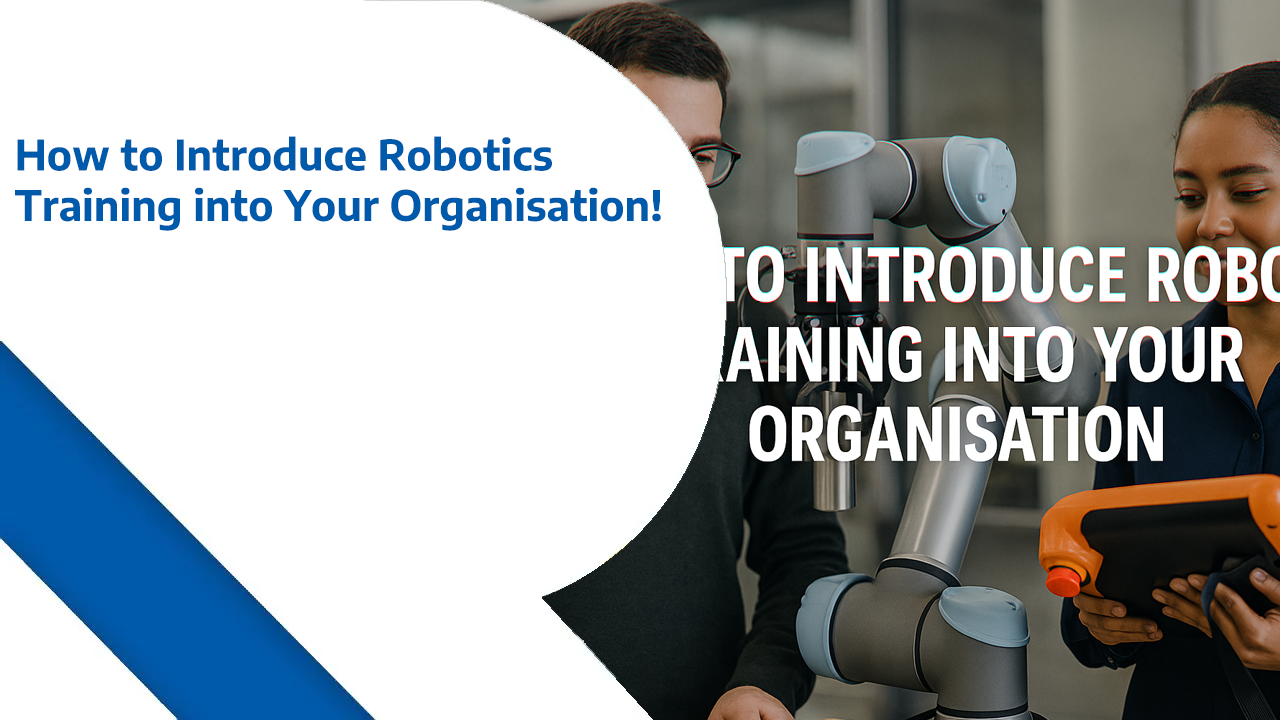
  • How to Introduce Robotics Training into Your Organisation

    How to Introduce Robotics Training into Your Organisation


    How to Introduce Robotics Training into Your Organisation

    The robotics revolution is no longer a distant vision of the future—it’s happening now. From manufacturing floors to warehouses, healthcare facilities to hospitality venues, robots are transforming how organisations operate. However, the success of any robotics implementation hinges on one critical factor: proper training.

    Introducing robotics training into your organisation doesn’t have to be overwhelming. With the right approach, you can build a workforce that’s confident, competent, and ready to maximise your robotics investment. Here’s your complete guide to making it happen.

    Why Robotics Training Matters

    Before diving into the “how,” let’s address the “why.” Many organisations rush to purchase cutting-edge robotics technology, only to see it underutilised or mishandled due to inadequate training. The consequences can be costly:

    • Reduced ROI: Expensive equipment sitting idle because staff don’t know how to operate it effectively
    • Safety risks: Improperly trained personnel creating hazardous situations
    • Low adoption rates: Employees resisting technology they don’t understand
    • Maintenance issues: Preventable breakdowns due to incorrect operation
    • Lost productivity: Extended downtime while staff struggle with basic functions

    Proper robotics training transforms these potential pitfalls into competitive advantages, creating a workforce that embraces automation rather than fears it.

    Step 1: Assess Your Organisation’s Needs

    Every organisation has unique requirements when it comes to robotics training. Start by conducting a thorough assessment:

    Identify Your Robotics Applications What types of robots will you be deploying? Collaborative robots (cobots), autonomous mobile robots (AMRs), robotic process automation (RPA), or specialised industrial robots? Each requires different training approaches.

    Evaluate Current Skill Levels Understand where your team stands today. Do they have any prior experience with automation? What’s their technical literacy? This baseline helps you design appropriate training programmes.

    Define Success Metrics What does successful training look like for your organisation? Reduced error rates? Faster implementation times? Improved safety records? Clear metrics guide your training strategy.

    Consider Departmental Needs Different teams require different levels of training. Operators need hands-on skills, maintenance staff need troubleshooting capabilities, and managers need strategic understanding of robotics ROI.

    Step 2: Build Your Training Framework

    A successful robotics training programme requires structure. Here’s how to build a comprehensive framework:

    Create Tiered Training Levels

    • Foundation Level: Basic robotics awareness for all staff, covering safety, benefits, and general operation principles
    • Operator Level: Hands-on training for daily users, including startup, operation, basic troubleshooting, and shutdown procedures
    • Advanced Level: In-depth technical training for maintenance teams and supervisors, covering programming, diagnostics, and optimisation
    • Strategic Level: Executive briefings on robotics strategy, ROI analysis, and future planning

    Develop a Training Timeline Phased implementation works best. Start with pilot groups, gather feedback, refine your approach, and then scale across the organisation. This iterative process ensures you’re not overwhelming your workforce while maintaining momentum.

    Choose Training Delivery Methods Modern robotics training should blend multiple approaches:

    • Hands-on practical sessions: Essential for building confidence and competence
    • Online learning modules: Convenient for theoretical knowledge and pre-training
    • Simulation software: Safe environment for practising complex procedures
    • On-the-job mentoring: Pairing experienced users with newcomers
    • Regular refresher courses: Keeping skills sharp and introducing new features

    Step 3: Partner with Robotics Experts

    Unless you have extensive in-house robotics expertise, partnering with specialists accelerates your training programme and ensures quality. Professional robotics consultants bring:

    • Industry best practices from working across multiple sectors
    • Vendor-agnostic advice to help you choose the right solutions
    • Customised training programmes tailored to your specific robots and applications
    • Ongoing support as your robotics capabilities evolve
    • Recruitment expertise to help you find the right talent when needed

    This is where expert guidance makes all the difference. Whether you’re just beginning your robotics journey or expanding existing capabilities, having experienced consultants on your side ensures you avoid common pitfalls and accelerate time-to-value.

    Step 4: Create a Culture of Continuous Learning

    Robotics technology evolves rapidly. Your training programme must evolve with it. Foster a culture where continuous learning is valued:

    Encourage Experimentation Create safe spaces for staff to explore robot capabilities without fear of making mistakes. Innovation often comes from curious employees who discover new applications.

    Establish Knowledge Sharing Set up internal communities of practice where robot operators share tips, troubleshoot together, and celebrate successes. This peer-to-peer learning reinforces formal training.

    Stay Current with Technology Schedule regular training updates when new robot features are released or when you add new robotics capabilities. Stale training leads to underutilised technology.

    Celebrate Training Milestones Recognise and reward employees who complete training, achieve certification, or develop innovative robot applications. This reinforces the value of continuous learning.

    Step 5: Measure and Optimise

    Like any business initiative, robotics training requires measurement and optimisation:

    Track Key Performance Indicators

    • Training completion rates
    • Time to competency for new operators
    • Incident and error rates before and after training
    • Robot utilisation rates
    • Employee satisfaction and confidence scores
    • Return on training investment

    Gather Regular Feedback Survey trainees immediately after courses and several months later to understand what’s working and what needs improvement. Direct feedback from the floor is invaluable.

    Iterate Your Programme Use data and feedback to continuously refine your training approach. What worked for your first robot deployment might need adjustment for your fifth.

    Common Challenges and Solutions

    Challenge: Resistance to Change Solution: Involve employees early in the robotics selection process, clearly communicate the benefits (including how it makes their jobs easier), and share success stories from early adopters.

    Challenge: Time Constraints Solution: Offer flexible training options including microlearning modules, after-hours sessions, and on-demand resources. Make training accessible, not burdensome.

    Challenge: Diverse Learning Styles Solution: Provide multiple training formats—visual, auditory, kinesthetic—so every learning style is accommodated. Not everyone learns best from manuals or lectures.

    Challenge: Budget Limitations Solution: Start with a focused pilot programme, demonstrate ROI, then secure additional funding for broader rollout. Partner with consultants who can maximise your training budget efficiency.

    The ROI of Quality Robotics Training

    Investing in comprehensive robotics training delivers measurable returns:

    • Faster implementation: Well-trained teams get robots operational quickly
    • Higher utilisation: Confident operators use robots to their full potential
    • Reduced downtime: Proper training prevents operator errors and enables faster troubleshooting
    • Improved safety: Trained personnel follow protocols that prevent accidents
    • Better retention: Employees who gain valuable skills are more engaged and loyal
    • Competitive advantage: Organisations with strong robotics capabilities outperform competitors

    Getting Started Today

    Introducing robotics training into your organisation is a journey, not a destination. Start with these immediate action steps:

    1. Conduct your initial assessment to understand current capabilities and future needs
    2. Research robotics solutions that align with your operational goals
    3. Connect with robotics experts who can guide your strategy
    4. Develop a pilot programme to test your training approach with a small group
    5. Build internal champions who will advocate for robotics adoption
    6. Plan for scalability so your programme can grow with your robotics ambitions

    The organisations that thrive in our automated future will be those that invest not just in robotics technology, but in the people who operate it. Quality training is the bridge between robotics potential and robotics performance.

    Your Next Steps

    Ready to transform your organisation with robotics training? Expert guidance makes all the difference. Whether you’re exploring robotics options, planning your implementation, or looking to optimise existing robot operations, professional consultancy and recruitment services can accelerate your success.

    Get Expert Support:

    Book a consultation call to discuss your specific robotics training needs and discover how tailored programmes can maximise your automation investment.


    Article Sponsors

    This article is proudly sponsored by leading robotics organisations committed to advancing automation excellence:

    Robot Center Your destination for robot purchasing, buying guidance, and expert robotics consultancy. Robot Center provides comprehensive support for organisations seeking the right robotics solutions.

    Robots of London Specialists in robot hire and rental services, perfect for events, trials, and short-term projects. Experience robotics capabilities firsthand before making long-term commitments.

    Robot Philosophy (RoboPhil) Led by Philip English, a leading Robot YouTuber, Influencer, Trainer, and Consultant, Robot Philosophy delivers expert robotics consultancy and recruitment services. Access cutting-edge robot advice, insights, and ideas to guide your automation journey.


    The future of work is collaborative—humans and robots working together. With the right training, your organisation can lead that future.


    https://www.youtube.com/watch?v=1cL9stlhu-0


    https://www.youtube.com/shorts/Rx-P5gfayaI

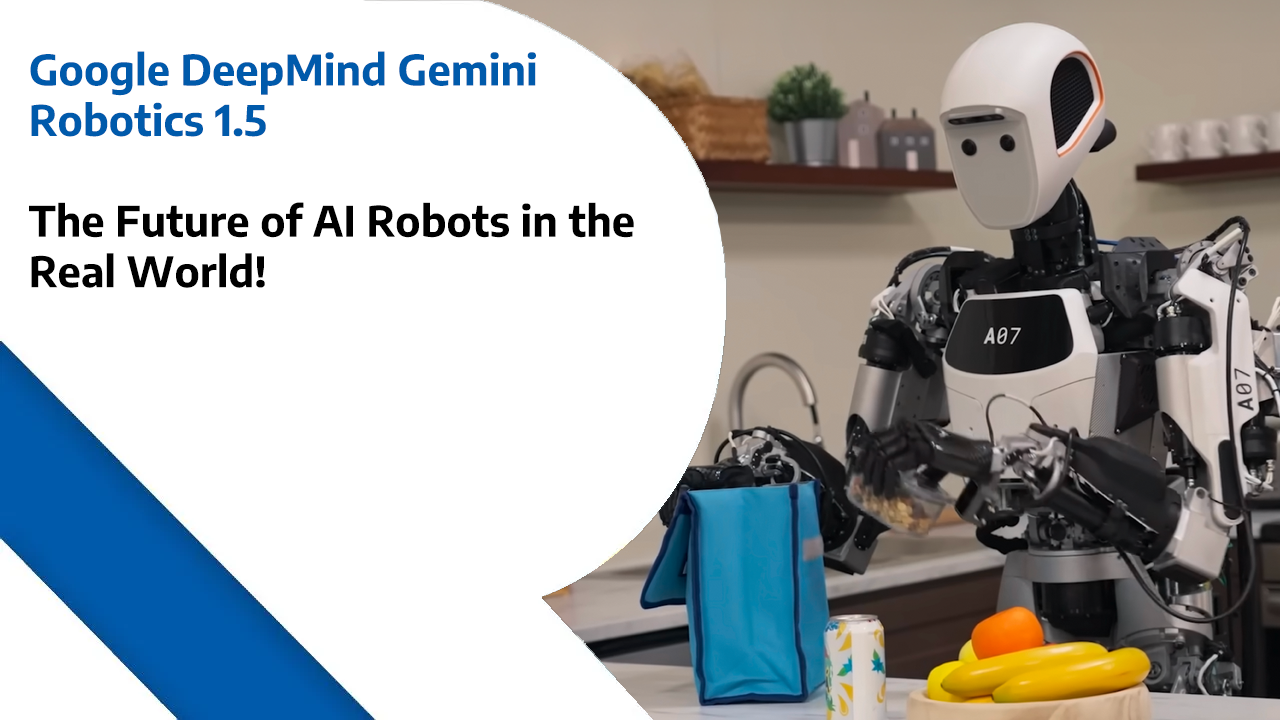
  • Google DeepMind Gemini Robotics 1.5 – The Future of AI Robots in the Real World

    Google DeepMind Gemini Robotics 1.5 – The Future of AI Robots in the Real World

    Google DeepMind Gemini Robotics 1.5 – The Future of AI Robots in the Real World


    Gemini Robotics 1.5 is Google DeepMind’s new step in bringing AI out of screens and into the physical world.
    Instead of just answering questions online, it can plan, reason, and act with real robots.

    There are two models working together.
    Gemini Robotics-ER 1.5 is the high-level brain that makes multi-step plans, uses tools, and even checks Google Search if needed.
    Gemini Robotics 1.5 is the doer — it sees, interprets, and manipulates objects while explaining what it is doing.
    For example, if you say “Sort my recycling,” the ER model figures out the rules, and Gemini 1.5 moves each item into the right bin.


    The system can share skills across different types of robots, so what one learns can transfer to another.
    It generates reasoning in plain English before taking difficult actions, essentially thinking out loud.
    DeepMind has also focused on safety, with collision avoidance, semantic checks for appropriate behaviour, and a new benchmark called ASIMOV to test for edge cases.


    This is an important step toward artificial general intelligence in the real world.
    Robots powered by Gemini could support homes, logistics, factories, and even space exploration.
    For now, it’s not science fiction — it’s the start of practical AI agents that move with reason.


    And that’s your robot news update for today!
    If you’re curious about how robotics can transform your business, join me for the weekly Live Robot Optimise Workshop — it’s packed with insights, trends, and practical tips. Don’t forget to subscribe so you stay in the loop with all the latest updates.

    I’m RoboPhil from Robot Philosophy — thanks for watching, and I’ll see you next time!

    Join our Robot Optimise Industry (ROI) Workshop: https://robophil.com/


    Sponsors:-


    Robot Center: – https://robotcenter.co.uk/ – Buy Robot, Robot Buy, Robot consultancy, Robotics Consultancy, Inspection Robots, Security Robots,


    Robots of London: – https://robotsoflondon.co.uk/ – Robot Hire, Robot Rental, Rent Robot, Hire Robot, Robot Events, Robotics Hire, Hire Robotics, Rent Robotics, Robotics Rent, for exhibitions, shows, Events, Robot hire in the UK, Robot hire in Europe


    Robot Philosophy: – https://robophil.com/ – Robot Consultancy, Robot Recruitment, Robot Advice, Robot Insights, Robot Ideas. RoboPhil, also known as Philip English, is a leading Robot YouTuber, Robot Influencer, Robot Trainer, Robot Consultant, and Robot Streamer, Robotics Streamer, Robotics YouTuber, Robotics Influencer, Robotics Consultant, Robotics Trainer 


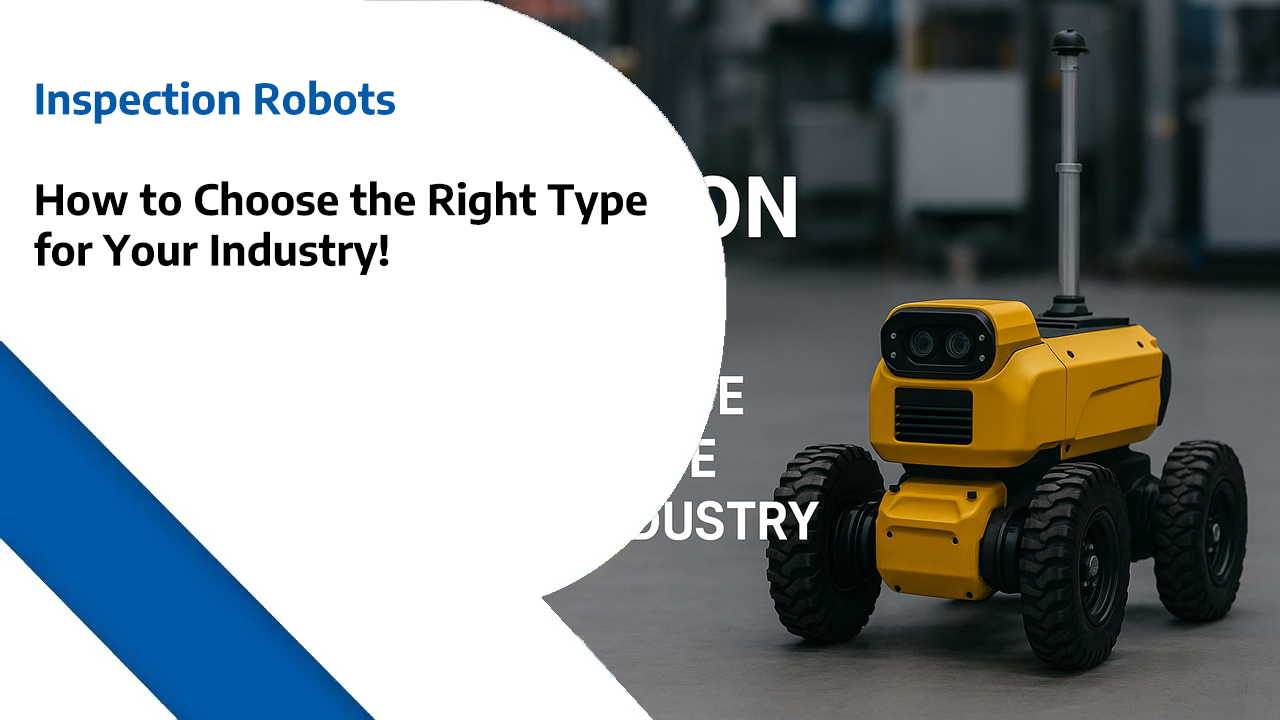
  • Inspection Robots – How to Choose the Right Type for Your Industry

    Inspection Robots – How to Choose the Right Type for Your Industry

    Inspection Robots – How to Choose the Right Type for Your Industry

    Sponsored by Robot Center, Robots of London, and Robot Philosophy

    The industrial landscape is rapidly evolving, and at the forefront of this transformation are inspection robots. These sophisticated machines are revolutionizing how businesses monitor infrastructure, ensure safety compliance, and maintain operational efficiency across countless industries. From oil and gas pipelines to nuclear facilities, from manufacturing plants to renewable energy installations, inspection robots are becoming indispensable tools for modern enterprises.

    But with the growing variety of inspection robot technologies available, choosing the right solution for your specific industry needs can be overwhelming. This comprehensive guide will help you navigate the complex world of inspection robotics, understand the key technologies, and make informed decisions that will drive your business forward.

    Understanding Inspection Robot Technologies

    Aerial Inspection Robots (Drones)

    Aerial inspection robots, commonly known as drones or UAVs (Unmanned Aerial Vehicles), have transformed how we approach large-scale infrastructure inspection. These versatile platforms excel in scenarios where traditional inspection methods would be dangerous, time-consuming, or cost-prohibitive.

    Key Capabilities:

    • High-resolution visual and thermal imaging
    • LiDAR scanning for precise 3D mapping
    • Multi-spectral analysis for vegetation and corrosion detection
    • GPS-guided autonomous flight patterns
    • Real-time data transmission and analysis

    Ideal Applications:

    • Power line and transmission tower inspection
    • Wind turbine blade analysis
    • Building and bridge structural assessment
    • Solar panel efficiency monitoring
    • Pipeline route surveys
    • Emergency response and disaster assessment

    The versatility of aerial inspection robots makes them particularly valuable for utilities, construction companies, and infrastructure management organizations. Their ability to cover vast areas quickly while capturing detailed imagery and data has made them essential tools for predictive maintenance programs.

    Ground-Based Mobile Inspection Robots

    Ground-based inspection robots are designed to navigate terrestrial environments, from industrial facilities to urban infrastructure. These robots combine mobility with sophisticated sensor packages to perform detailed inspections in environments that may be hazardous or difficult for human inspectors to access.

    Key Features:

    • Tracked or wheeled mobility systems for various terrains
    • Environmental sealing for harsh conditions
    • Advanced sensor integration including cameras, thermal imaging, and gas detection
    • Autonomous navigation and obstacle avoidance
    • Remote operation capabilities with real-time feedback

    Primary Use Cases:

    • Manufacturing facility safety inspections
    • Hazardous material storage area monitoring
    • Construction site progress tracking
    • Security perimeter assessments
    • Environmental monitoring in industrial zones
    • Post-disaster damage evaluation

    These robots are particularly valuable in industries where human safety is paramount, such as chemical processing, nuclear facilities, and heavy manufacturing operations.

    Underwater Inspection Robots (ROVs and AUVs)

    Marine and underwater inspection presents unique challenges that traditional methods struggle to address effectively. Remotely Operated Vehicles (ROVs) and Autonomous Underwater Vehicles (AUVs) have become critical tools for subsea infrastructure inspection and maintenance.

    Technical Specifications:

    • Depth ratings from shallow water to deep ocean capabilities
    • High-definition underwater cameras with powerful lighting systems
    • Sonar and acoustic positioning systems
    • Manipulator arms for sample collection and minor repairs
    • Robust communication tethers or autonomous operation modes

    Industry Applications:

    • Offshore oil and gas platform inspection
    • Ship hull and propeller examination
    • Underwater pipeline integrity assessment
    • Port and harbor infrastructure monitoring
    • Marine renewable energy system maintenance
    • Aquaculture facility inspection

    The offshore energy sector, shipping industry, and marine construction companies rely heavily on underwater inspection robots to maintain operational safety and regulatory compliance while minimizing downtime and operational risks.

    Confined Space Inspection Robots

    Many industrial applications require inspection of confined or restricted spaces where human access is limited, dangerous, or impossible. Specialized confined space robots are engineered to navigate these challenging environments while delivering high-quality inspection data.

    Design Features:

    • Compact, modular designs for tight spaces
    • Flexible or articulated bodies for navigation through complex geometries
    • Powerful LED lighting systems for dark environments
    • High-resolution cameras with pan, tilt, and zoom capabilities
    • Chemical and gas detection sensors for safety monitoring

    Specialized Applications:

    • Tank and vessel internal inspection
    • Pipe and ductwork assessment
    • Sewer and drainage system evaluation
    • Storage silo condition monitoring
    • Boiler and heat exchanger examination
    • Underground utility tunnel inspection

    Industries such as petrochemicals, food processing, water treatment, and HVAC services find these robots invaluable for maintaining system integrity while protecting worker safety.

    Industry-Specific Applications and Considerations

    Oil and Gas Sector

    The oil and gas industry faces unique inspection challenges due to the hazardous nature of operations, remote locations, and critical safety requirements. Inspection robots in this sector must meet stringent explosion-proof standards and operate reliably in extreme conditions.

    Critical Applications:

    • Pipeline integrity monitoring using magnetic flux leakage and ultrasonic testing
    • Offshore platform structural assessments
    • Refinery equipment inspection including distillation columns and heat exchangers
    • Flare stack and elevated equipment examination
    • Environmental monitoring for leak detection and compliance

    The industry’s adoption of inspection robots has significantly reduced operational risks, improved maintenance scheduling, and enhanced regulatory compliance while reducing inspection costs by up to 40% in many applications.

    Power Generation and Utilities

    Power generation facilities, whether traditional fossil fuel plants or renewable energy installations, require continuous monitoring to ensure safe and efficient operation. Inspection robots provide comprehensive coverage while minimizing operational disruptions.

    Key Inspection Areas:

    • Boiler and turbine internal examinations
    • Cooling tower structural and mechanical assessments
    • Electrical substation equipment monitoring
    • Solar panel cleaning verification and defect detection
    • Wind turbine blade crack and erosion analysis
    • Hydroelectric dam structural integrity evaluation

    Utility companies report significant improvements in planned maintenance effectiveness and reductions in unscheduled outages when implementing comprehensive robotic inspection programs.

    Manufacturing and Process Industries

    Modern manufacturing facilities require continuous monitoring to maintain quality standards, ensure worker safety, and optimize production efficiency. Inspection robots provide consistent, objective assessments that human inspectors cannot match in terms of frequency and precision.

    Manufacturing Applications:

    • Quality control inspections on production lines
    • Environmental monitoring for air quality and contamination
    • Equipment condition monitoring for predictive maintenance
    • Safety system verification and testing
    • Inventory management and facility security
    • Clean room contamination assessment

    The integration of inspection robots with Industry 4.0 systems enables real-time decision-making and automated responses to inspection findings, creating more responsive and efficient manufacturing environments.

    Infrastructure and Construction

    Large-scale infrastructure projects and ongoing facility maintenance present logistical challenges that inspection robots are uniquely positioned to address. These applications often require robots capable of operating in dynamic environments with changing conditions.

    Infrastructure Inspection Scope:

    • Bridge deck and structural component assessment
    • Building facade and roof condition evaluation
    • Road and pavement quality monitoring
    • Tunnel and underground facility inspection
    • Airport runway and taxiway examination
    • Rail system track and signal equipment monitoring

    Construction companies and infrastructure management organizations use inspection robots to accelerate project timelines, improve safety records, and provide comprehensive documentation for stakeholders and regulatory bodies.

    Key Selection Criteria for Inspection Robots

    Technical Specifications and Performance Requirements

    Selecting the right inspection robot begins with a thorough understanding of your specific technical requirements. The robot’s capabilities must align with your inspection objectives, environmental conditions, and data quality needs.

    Critical Performance Factors:

    • Sensor resolution and accuracy specifications
    • Operating range and endurance capabilities
    • Environmental tolerance (temperature, humidity, chemical exposure)
    • Payload capacity for additional sensors or tools
    • Data storage and transmission capabilities
    • Maintenance requirements and operational complexity

    Consider not only current needs but also future expansion possibilities. A robot platform that can accommodate additional sensors or upgraded components may provide better long-term value than a more limited system with lower initial costs.

    Environmental and Operational Constraints

    Your operating environment significantly influences robot selection. Factors such as space constraints, environmental hazards, regulatory requirements, and operational schedules must all be considered in the selection process.

    Environmental Considerations:

    • Space limitations and access restrictions
    • Hazardous atmosphere classifications (ATEX, NEC)
    • Temperature extremes and weather exposure
    • Chemical resistance requirements
    • Electromagnetic interference and communication challenges
    • Lighting conditions and visibility requirements

    Understanding these constraints early in the selection process will help narrow your options and ensure the chosen solution can operate effectively in your specific environment.

    Budget and Return on Investment Analysis

    While inspection robots represent significant investments, they typically provide substantial returns through improved safety, reduced operational costs, and enhanced inspection quality. A comprehensive financial analysis should consider both direct and indirect benefits.

    Cost Considerations:

    • Initial robot acquisition and setup costs
    • Training requirements for operators and maintenance staff
    • Ongoing operational expenses including maintenance, calibration, and upgrades
    • Insurance and regulatory compliance costs
    • Potential cost savings from reduced human inspector requirements
    • Improved inspection frequency and quality leading to better maintenance decisions

    Many organizations find that inspection robots pay for themselves within 12-24 months through improved operational efficiency and reduced inspection-related expenses.

    Integration and Compatibility Requirements

    Modern inspection robots must integrate seamlessly with existing systems and workflows to maximize their value. Consider how the robot will fit into your current operational procedures and information systems.

    Integration Factors:

    • Compatibility with existing data management systems
    • Communication protocols and network requirements
    • Workflow integration and operator interface design
    • Reporting and documentation capabilities
    • Maintenance and support infrastructure requirements
    • Scalability for future expansion or additional robot deployment

    Successful integration often requires collaboration between robot suppliers, system integrators, and internal IT and operations teams to ensure smooth implementation and ongoing operation.

    Implementation Strategy and Best Practices

    Planning and Preparation Phase

    Successful inspection robot implementation begins with thorough planning and preparation. This phase sets the foundation for effective deployment and long-term success.

    Key Planning Elements:

    • Comprehensive site assessment and requirements analysis
    • Stakeholder engagement and change management planning
    • Regulatory compliance and safety protocol development
    • Training program design and implementation scheduling
    • Pilot program structure and success metrics definition
    • Risk assessment and mitigation strategy development

    Investing adequate time in planning reduces implementation risks and accelerates the path to operational benefits. Many successful deployments include pilot programs that allow organizations to refine procedures and train personnel before full-scale implementation.

    Training and Skill Development

    The effectiveness of inspection robots depends heavily on the skills and knowledge of the operators and support personnel. Comprehensive training programs ensure safe operation and maximum return on investment.

    Training Components:

    • Robot operation and safety procedures
    • Data collection and analysis techniques
    • Routine maintenance and troubleshooting
    • Emergency procedures and risk management
    • Software operation and data management
    • Regulatory compliance and reporting requirements

    Organizations should consider both initial training for deployment and ongoing education to maintain skills and incorporate new capabilities as they become available.

    Performance Monitoring and Optimization

    Continuous monitoring and optimization ensure that inspection robots deliver maximum value throughout their operational life. Regular assessment of performance metrics and operational procedures identifies opportunities for improvement.

    Monitoring Metrics:

    • Inspection coverage and frequency achievements
    • Data quality and accuracy measurements
    • Operational efficiency and cost performance
    • Safety incident rates and compliance metrics
    • Equipment reliability and maintenance requirements
    • User satisfaction and training effectiveness

    Establishing baseline measurements and tracking improvements over time demonstrates the value of the investment and guides future optimization efforts.

    Future Trends and Emerging Technologies

    Artificial Intelligence and Machine Learning Integration

    The integration of AI and machine learning technologies is transforming inspection robots from data collection tools into intelligent analysis platforms. These capabilities enable automated defect detection, predictive analytics, and real-time decision support.

    AI-Enhanced Capabilities:

    • Automated defect recognition and classification
    • Predictive maintenance recommendations
    • Anomaly detection and trend analysis
    • Natural language reporting and insights
    • Adaptive inspection routing and optimization
    • Real-time safety monitoring and alerting

    As these technologies mature, inspection robots will become increasingly autonomous and capable of making complex decisions based on inspection findings.

    Enhanced Sensor Technologies

    Sensor technology continues to advance rapidly, providing inspection robots with increasingly sophisticated detection and measurement capabilities. New sensor types and improved performance enable more comprehensive and accurate inspections.

    Emerging Sensor Technologies:

    • Advanced thermal imaging with higher resolution and sensitivity
    • Multi-spectral and hyperspectral imaging systems
    • Enhanced acoustic and ultrasonic detection methods
    • Improved chemical and gas detection sensors
    • Advanced radar and LiDAR systems
    • Miniaturized laboratory-quality analytical instruments

    These sensor advances expand the range of defects and conditions that inspection robots can detect and quantify, improving maintenance decision-making and asset management.

    Collaborative Robot Systems

    The future of inspection robotics includes greater collaboration between multiple robot platforms and human operators. Swarm robotics and coordinated multi-robot systems can provide comprehensive coverage of large or complex facilities.

    Collaborative Capabilities:

    • Multi-robot coordination for large-area inspections
    • Human-robot collaboration for complex tasks
    • Shared intelligence and distributed processing
    • Coordinated data collection and analysis
    • Adaptive task allocation and resource optimization
    • Enhanced safety through redundancy and monitoring

    These collaborative approaches promise to further improve inspection efficiency while maintaining the highest safety standards.

    Making the Right Choice: Expert Consultation and Support

    Selecting and implementing inspection robots represents a significant investment in your organization’s future capabilities. The complexity of available technologies, varying application requirements, and rapidly evolving marketplace make expert guidance invaluable for making optimal decisions.

    Professional Robot Consulting Services

    Working with experienced robot consultants provides access to specialized knowledge and objective analysis that internal teams may lack. Professional consultants bring extensive experience across multiple industries and robot platforms, enabling them to provide comprehensive guidance throughout the selection and implementation process.

    Consulting Service Benefits:

    • Objective technology assessment and recommendation
    • Industry-specific expertise and best practices
    • Vendor evaluation and negotiation support
    • Implementation planning and project management
    • Risk assessment and mitigation strategies
    • Long-term strategic planning and optimization

    Professional consulting services help organizations avoid costly mistakes and ensure that their inspection robot investments deliver maximum value from day one.

    Robot Recruitment and Specialized Personnel

    Successful inspection robot programs require skilled personnel who understand both the technology and its application in your specific industry. Specialized recruitment services help organizations find qualified operators, technicians, and program managers.

    Recruitment Specializations:

    • Robot operators with industry-specific experience
    • Maintenance technicians with robotic systems expertise
    • Data analysts specializing in inspection data interpretation
    • Project managers with robotics implementation experience
    • Safety professionals familiar with robotic inspection protocols
    • Training specialists for ongoing education programs

    Access to qualified personnel ensures that organizations can realize the full potential of their inspection robot investments while maintaining the highest safety and operational standards.

    Conclusion: Partnering for Success

    The inspection robot market offers tremendous opportunities for organizations seeking to improve safety, reduce costs, and enhance operational efficiency. However, the complexity of available technologies and the critical importance of making the right choice make professional guidance essential for success.

    Whether you’re exploring your first inspection robot deployment or expanding existing capabilities, the key to success lies in thorough planning, expert guidance, and ongoing support. The investment in professional consultation and specialized personnel will pay dividends throughout the life of your inspection robot program.

    Ready to Transform Your Inspection Operations?

    Take the next step toward implementing inspection robots in your organization. Our team of robot consultancy experts and specialized recruitment professionals are ready to help you navigate the complex world of inspection robotics and find the perfect solution for your specific needs.

    Contact us today to schedule your consultation:

    Don’t let the complexity of robot selection slow down your progress. With expert guidance and comprehensive support, you can implement inspection robot solutions that will transform your operations and deliver lasting value.


    Article Sponsors

    This comprehensive guide is proudly sponsored by leading robotics organizations committed to advancing inspection robot technology and supporting successful implementations:

    Robot Center – Your complete destination for robot acquisition, consulting, and robotics consultancy services. Whether you’re looking to buy robots or need expert robotics consultancy, Robot Center provides comprehensive support for all your automation needs.

    Robots of London – The premier source for robot hire, robot rental, and robot events. When you need to rent robots or hire robot solutions for temporary projects, events, or trial periods, Robots of London delivers professional service and cutting-edge technology.

    Robot Philosophy – Leading provider of robot consultancy and robot recruitment services, offering expert robot advice, insights, and innovative ideas. RoboPhil, also known as Philip English, is a recognized Robot YouTuber, Robot Influencer, Robot Trainer, Robot Consultant, and Robot Streamer, bringing extensive expertise in Robotics Consulting and Training to organizations worldwide.

    These industry leaders share our commitment to helping organizations successfully implement inspection robot technology and realize the full potential of robotic automation in their operations.


    https://www.youtube.com/watch?v=mkKpPAlZ2iQ

    https://www.youtube.com/shorts/DjL0oRuMGNg

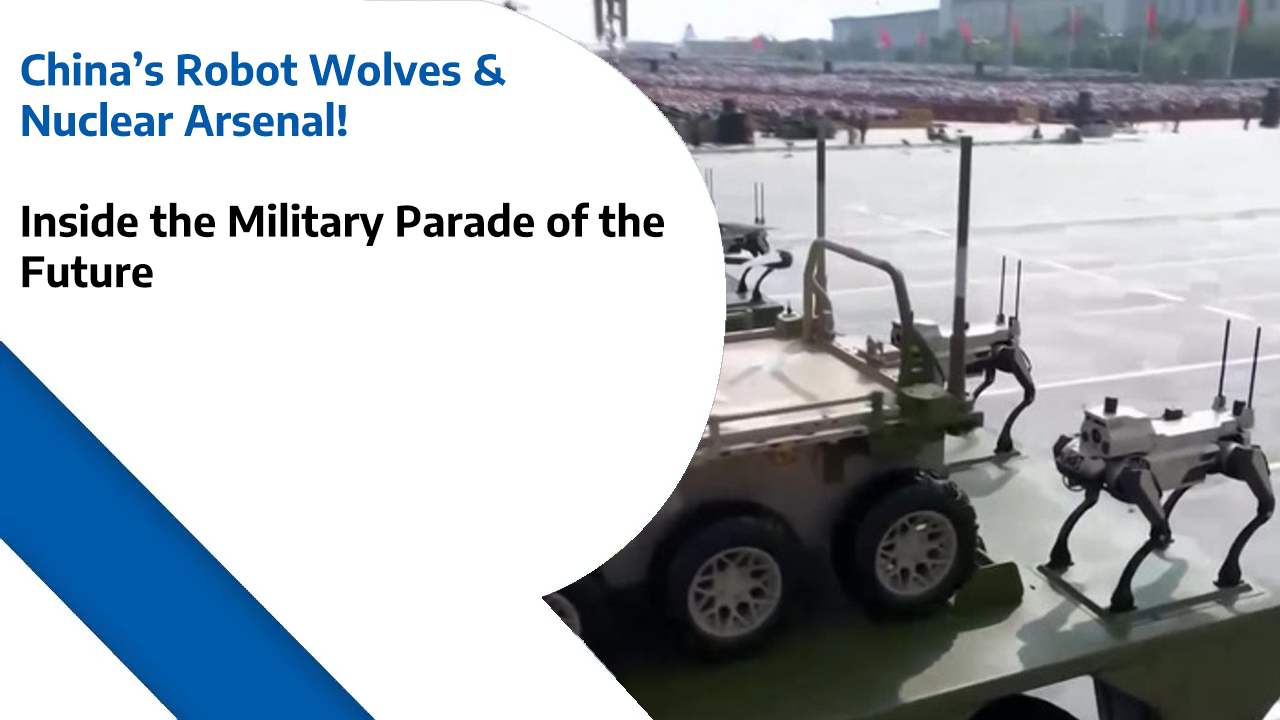
  • China’s Robot Wolves & Nuclear Arsenal – Inside the Military Parade of the Future

    China’s Robot Wolves & Nuclear Arsenal – Inside the Military Parade of the Future

    China’s Robot Wolves & Nuclear Arsenal – Inside the Military Parade of the Future


    At China’s huge military parade, missiles rolled, jets roared… and yes, robot wolves took a stroll through Tiananmen Square. Because nothing says ‘future warfare’ like a robotic pack animal with a rifle on its back. 

    These robot wolves are upgraded robo-dogs—quadruped machines that can march with troops, carry weapons, and climb rough terrain. Think man’s best friend—only with more horsepower and less shedding. 

    They’ve been tested in reconnaissance, precision strikes, and even mine-sweeping, and in CCTV footage they looked almost too well behaved… imagine walking six of those through your local park. 

    The message is clear: China wants to look old-school strong and new-tech sharp at the same time. Robot wolves reduce risk to soldiers, adapt to harsh landscapes, and scare the life out of enemies who suddenly see a mechanical pack running at them. Cute? Not really. Effective? Possibly. 

    Battlefield ready? Still up for debate. Of course, the wolves were just one act. Beijing also rolled out its full nuclear triad—land, sea, and air-based missiles—plus hypersonic weapons, cyber troops, underwater drones, and even a laser cannon. Basically, old tanks met Star Wars tech. So while most armies rely on boots on the ground, China’s bringing paws of steel.


    And that’s your robot news update for today!
    If you’re curious about how robotics can transform your business, join me for the weekly Live Robot Optimise Workshop — it’s packed with insights, trends, and practical tips. Don’t forget to subscribe so you stay in the loop with all the latest updates.

    I’m RoboPhil from Robot Philosophy — thanks for watching, and I’ll see you next time!


    Join our Robot Optimise Industry (ROI) Workshop: https://robophil.com/


    Sponsors:-


    Robot Center: – https://robotcenter.co.uk/ – Buy Robot, Robot Buy, Robot consultancy, Robotics Consultancy, Inspection Robots, Security Robots, 


    Robots of London: – https://robotsoflondon.co.uk/ – Robot Hire, Robot Rental, Rent Robot, Hire Robot, Robot Events, Robotics Hire, Hire Robotics, Rent Robotics, Robotics Rent, for exhibitions, shows, Events, Robot hire in the UK, Robot hire in Europe


    Robot Philosophy: – https://robophil.com/ – Robot Consultancy, Robot Recruitment, Robot Advice, Robot Insights, Robot Ideas. RoboPhil, also known as Philip English, is a leading Robot YouTuber, Robot Influencer, Robot Trainer, Robot Consultant, and Robot Streamer, Robotics Streamer, Robotics YouTuber, Robotics Influencer, Robotics Consultant, Robotics Trainer  


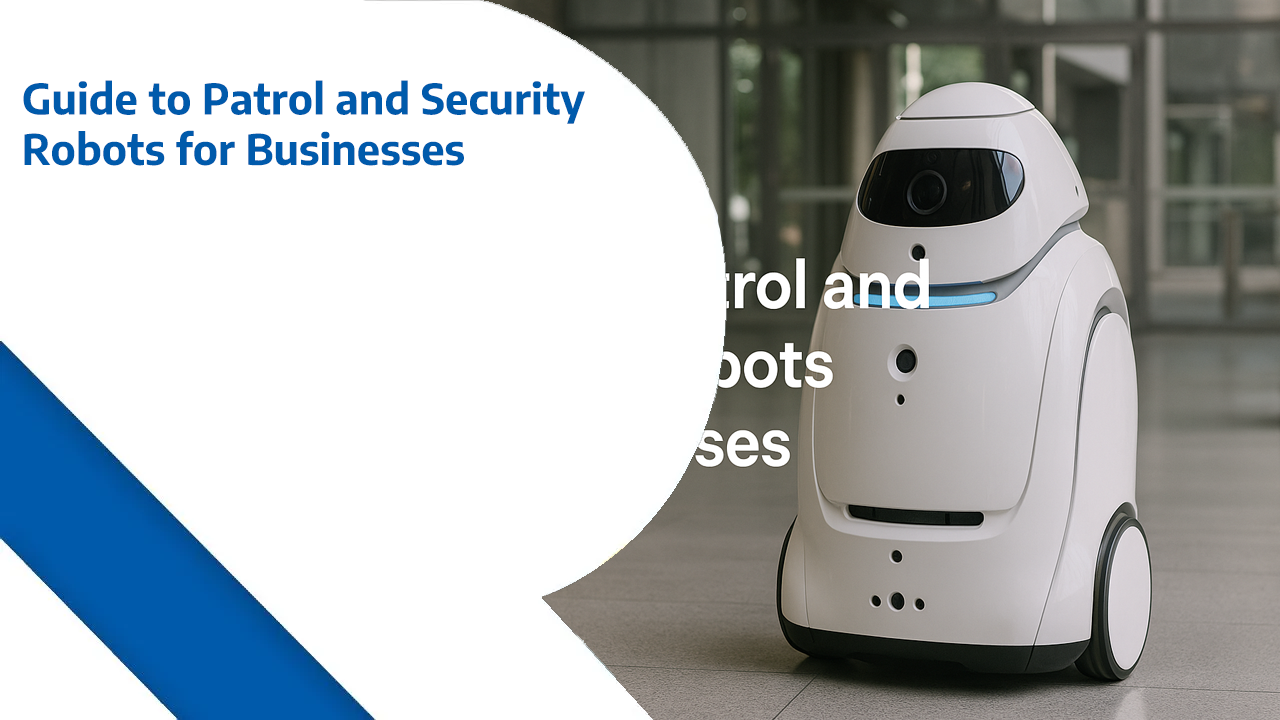
  • Guide to Patrol and Security Robots for Businesses

    Guide to Patrol and Security Robots for Businesses

    The Complete Guide to Patrol and Security Robots for Businesses

    Transforming Business Security Through Intelligent Automation

    Introduction

    In an era where security threats are becoming increasingly sophisticated, businesses are turning to cutting-edge technology to protect their assets, employees, and customers. Patrol and security robots represent a revolutionary leap forward in commercial security solutions, offering 24/7 surveillance capabilities, advanced threat detection, and cost-effective protection that traditional security methods simply cannot match.

    This comprehensive guide explores how patrol and security robots are reshaping the business security landscape, providing organisations with intelligent, autonomous solutions that enhance safety while reducing operational costs. Whether you’re managing a warehouse, corporate campus, retail facility, or industrial site, understanding the potential of robotic security systems is crucial for staying ahead in today’s competitive business environment.

    The Evolution of Business Security: From Guards to Robots

    The security industry has undergone a dramatic transformation over the past decade. Traditional security methods, while still valuable, face significant limitations including human fatigue, limited coverage areas, high labour costs, and vulnerability to human error. Security robots address these challenges by providing consistent, reliable, and technologically advanced protection.

    Modern patrol and security robots combine artificial intelligence, advanced sensors, computer vision, and autonomous navigation to create comprehensive security solutions. These systems can operate continuously without breaks, patrol large areas efficiently, and respond to threats with precision and speed that surpasses human capabilities in many scenarios.

    The integration of robotics into business security represents more than just technological advancement – it represents a fundamental shift towards proactive, intelligent security management that can adapt to evolving threats and provide unprecedented levels of protection.

    Types of Patrol and Security Robots

    Indoor Patrol Robots

    Indoor security robots are specifically designed for enclosed environments such as offices, warehouses, retail stores, and manufacturing facilities. These robots typically feature compact designs that allow them to navigate through doorways, around furniture, and up ramps or elevators.

    Key characteristics of indoor patrol robots include advanced mapping capabilities for complex floor plans, quiet operation to avoid disrupting business activities, and sophisticated sensor arrays including thermal cameras, motion detectors, and air quality monitors. Many indoor robots also feature two-way communication systems, allowing security personnel to interact directly with visitors or potential intruders through the robot.

    These systems excel at detecting unauthorised access, monitoring for safety hazards such as water leaks or gas emissions, and providing real-time video surveillance of critical areas. Their ability to follow predetermined patrol routes while adapting to obstacles makes them ideal for businesses requiring consistent internal security monitoring.

    Outdoor Security Robots

    Outdoor patrol robots are engineered to withstand harsh environmental conditions while providing comprehensive perimeter security. These robust systems feature weatherproof construction, extended battery life, and enhanced mobility capabilities to handle various terrain types.

    Outdoor security robots typically incorporate long-range cameras with zoom capabilities, thermal imaging for night vision, and powerful lighting systems for deterrence and illumination. Many models also include loudspeakers for audio warnings and two-way communication, GPS tracking for precise location monitoring, and integration with existing fence line sensors or alarm systems.

    These robots are particularly effective for large facilities such as industrial complexes, logistics centres, airports, and construction sites where traditional security patrols would be time-consuming and expensive. Their ability to operate in all weather conditions ensures consistent security coverage regardless of environmental challenges.

    Specialised Security Robots

    Beyond standard indoor and outdoor models, specialised security robots are designed for specific industry applications. These include explosive detection robots for high-security facilities, hazardous material monitoring robots for chemical plants, and crowd monitoring robots for large venues and events.

    Specialised robots often incorporate industry-specific sensors and compliance features, ensuring they meet regulatory requirements while providing enhanced security capabilities. These systems can be customised with specific software packages, sensor configurations, and communication protocols to integrate seamlessly with existing security infrastructure.

    Key Features and Capabilities

    Autonomous Navigation and Mapping

    Modern security robots utilise sophisticated simultaneous localisation and mapping (SLAM) technology to navigate complex environments autonomously. This capability allows robots to create detailed maps of their patrol areas, identify optimal routes, and adapt to changes in their environment without human intervention.

    Advanced navigation systems incorporate multiple sensor types including LiDAR, cameras, ultrasonic sensors, and inertial measurement units to provide comprehensive environmental awareness. This multi-sensor approach ensures reliable operation even in challenging conditions such as low light, dust, or electromagnetic interference.

    The mapping capabilities of security robots enable them to learn and remember their patrol areas, identifying normal patterns and detecting anomalies that may indicate security threats. This intelligent approach to navigation ensures efficient coverage while minimising false alarms and unnecessary interventions.

    Advanced Sensor Technology

    Security robots are equipped with an array of sophisticated sensors that provide comprehensive monitoring capabilities far exceeding human limitations. High-definition cameras with pan-tilt-zoom functionality offer detailed visual surveillance, while thermal imaging cameras detect heat signatures and enable effective night-time operation.

    Motion sensors, sound detection systems, and vibration monitors work together to identify potential security threats from multiple angles. Environmental sensors can detect smoke, gas leaks, temperature anomalies, and other safety hazards, making security robots valuable for both security and safety applications.

    The integration of these sensor systems with artificial intelligence enables robots to analyse multiple data streams simultaneously, correlating information to make intelligent decisions about threat assessment and response prioritisation.

    Real-Time Communication and Alerts

    Effective security robots feature robust communication systems that enable real-time data transmission to security control centres and mobile devices. High-bandwidth wireless connectivity ensures that video feeds, sensor data, and alert notifications are delivered instantly to security personnel.

    Many systems incorporate redundant communication pathways, utilising cellular, Wi-Fi, and satellite connections to ensure continuous operation even if primary communication links fail. This reliability is crucial for maintaining security coverage in mission-critical applications.

    Two-way communication capabilities allow security personnel to interact with the robot remotely, enabling them to investigate incidents, communicate with individuals on-site, and coordinate response activities without being physically present.

    Artificial Intelligence and Machine Learning

    The integration of artificial intelligence transforms security robots from simple patrol devices into intelligent security partners. Machine learning algorithms enable robots to recognise normal patterns of activity, identify potential threats, and reduce false alarms through sophisticated data analysis.

    Facial recognition technology allows robots to identify known individuals, track unauthorised personnel, and maintain visitor logs automatically. Object recognition capabilities enable detection of suspicious items, weapons, or other security concerns with high accuracy.

    Predictive analytics help security robots anticipate potential security issues based on historical data and environmental factors, enabling proactive security measures rather than purely reactive responses.

    Benefits for Different Business Sectors

    Corporate Offices and Campuses

    Corporate environments benefit significantly from security robot deployment, particularly for after-hours monitoring and access control. Robots can patrol office buildings, monitor entry points, and ensure compliance with security protocols without requiring 24/7 human staffing.

    For large corporate campuses, security robots provide cost-effective perimeter monitoring and can respond rapidly to security alerts across extensive grounds. The professional appearance of modern security robots also reinforces corporate security policies while maintaining a welcoming environment for employees and visitors.

    Integration with existing access control systems allows robots to verify credentials, monitor badge usage, and detect tailgating or other access violations automatically.

    Retail and Shopping Centres

    Retail environments face unique security challenges including shoplifting, after-hours break-ins, and crowd management during peak periods. Security robots address these challenges through continuous monitoring, theft detection, and customer service capabilities.

    Modern retail security robots can identify suspicious behaviour patterns, monitor high-value merchandise areas, and provide customer assistance through interactive displays and communication systems. Their presence serves as both a deterrent to criminal activity and an enhancement to customer service.

    During closing hours, robots can perform comprehensive facility checks, ensuring all areas are secure and identifying any maintenance issues or safety hazards that require attention.

    Manufacturing and Industrial Facilities

    Industrial environments require robust security solutions that can operate in challenging conditions while monitoring for both security threats and safety hazards. Security robots designed for industrial applications feature ruggedised construction and specialised sensors for detecting gas leaks, fire hazards, and equipment malfunctions.

    These robots can patrol large industrial facilities efficiently, monitoring perimeter fences, checking critical equipment areas, and ensuring compliance with safety protocols. Their ability to operate in hazardous environments reduces risk to human security personnel while maintaining comprehensive monitoring coverage.

    Integration with industrial control systems enables security robots to monitor production areas, detect unauthorised access to sensitive equipment, and coordinate with automated safety systems during emergency situations.

    Warehouses and Logistics Centres

    Warehouse and logistics facilities benefit tremendously from robotic security solutions due to the large areas requiring monitoring and the high value of stored inventory. Security robots can patrol warehouse aisles, monitor loading docks, and track inventory movement patterns to detect theft or unauthorised access.

    The integration of security robots with warehouse management systems enables comprehensive tracking of personnel movement, vehicle access, and inventory handling. This integration provides valuable data for both security and operational efficiency improvements.

    During peak operational periods, security robots can monitor crowd safety and ensure compliance with safety protocols, while providing continuous security coverage during off-hours when facilities are most vulnerable to break-ins.

    Healthcare Facilities

    Healthcare environments require specialised security solutions that balance security needs with patient care requirements. Security robots in healthcare settings can monitor restricted areas, track medical equipment, and ensure compliance with privacy regulations while maintaining a non-intrusive presence.

    These robots can patrol hospital corridors during night shifts, monitor parking areas for staff and visitor safety, and provide emergency communication capabilities in remote areas of large medical complexes. Their quiet operation and professional appearance make them suitable for sensitive healthcare environments.

    Integration with hospital information systems enables security robots to assist with visitor management, track medical equipment locations, and monitor compliance with infection control protocols.

    Implementation Considerations

    Assessing Your Security Needs

    Successful implementation of security robot systems begins with a comprehensive assessment of your organisation’s specific security requirements. This evaluation should consider current security vulnerabilities, existing security infrastructure, operational patterns, and budget constraints.

    Factors to evaluate include the size and complexity of areas requiring monitoring, environmental conditions, integration requirements with existing systems, and specific threats or risks unique to your business sector. Understanding these requirements ensures selection of appropriate robot systems and optimal deployment strategies.

    Professional security consultations can provide valuable insights into how robotic systems can complement existing security measures and identify opportunities for enhanced protection through intelligent automation.

    Integration with Existing Security Systems

    Effective security robot deployment requires seamless integration with existing security infrastructure including cameras, access control systems, alarm networks, and monitoring centres. This integration ensures that robotic systems enhance rather than complicate current security operations.

    Modern security robots support industry-standard communication protocols and can interface with most commercial security management systems. However, integration planning should address data flow, alert management, and operational procedures to maximise system effectiveness.

    Consideration should be given to network capacity, cybersecurity protocols, and staff training requirements to ensure smooth integration and optimal system performance.

    Staff Training and Change Management

    Introducing security robots requires comprehensive staff training and change management to ensure successful adoption. Security personnel need training on robot operation, monitoring procedures, and incident response protocols involving robotic systems.

    Employees throughout the organisation should be educated about robot capabilities, operational procedures, and interaction protocols to ensure comfortable coexistence and optimal security effectiveness. Clear communication about robot deployment helps address concerns and builds support for the new technology.

    Ongoing training programmes ensure that staff remain current with system updates and new capabilities as robot technology continues to evolve.

    Regulatory and Compliance Considerations

    Security robot deployment must comply with relevant regulations including privacy laws, workplace safety requirements, and industry-specific security standards. Understanding these requirements early in the planning process ensures compliant implementation and avoids costly modifications later.

    Data protection regulations particularly relevant to security robot deployment include requirements for video surveillance, data storage, and privacy protection. Robots equipped with facial recognition or other biometric capabilities may be subject to additional regulatory requirements.

    Professional consultation can help navigate complex regulatory landscapes and ensure that robot deployments meet all applicable legal and compliance requirements.

    Cost-Benefit Analysis

    Initial Investment Considerations

    The initial investment in security robot systems includes robot purchase or lease costs, installation expenses, integration fees, and staff training costs. While this initial investment may be significant, it should be evaluated against long-term operational savings and enhanced security capabilities.

    Factors affecting initial costs include robot specifications, quantity required, integration complexity, and customisation requirements. Financing options including leasing and rental programmes can help organisations manage initial investment costs while realising immediate security benefits.

    Professional consultation services can help organisations develop accurate cost projections and identify the most cost-effective deployment strategies for their specific requirements.

    Operational Savings and ROI

    Security robots typically provide substantial operational savings through reduced labour costs, improved efficiency, and enhanced security effectiveness. The ability to operate continuously without breaks, overtime, or benefits significantly reduces the total cost of security operations.

    Additional savings result from reduced insurance premiums, decreased theft losses, improved incident response times, and enhanced safety compliance. Many organisations achieve positive return on investment within 12-24 months of robot deployment.

    The scalability of robotic systems also provides long-term cost advantages, as additional coverage can often be achieved through software updates and configuration changes rather than proportional increases in staffing costs.

    Long-Term Value Proposition

    The long-term value of security robot systems extends beyond immediate cost savings to include enhanced security capabilities, improved data collection and analysis, and adaptability to evolving security threats. These systems provide consistent, reliable protection that improves over time through software updates and machine learning capabilities.

    The professional appearance and technological sophistication of security robots also enhance corporate image and demonstrate commitment to advanced security practices. This positioning can provide competitive advantages and support business development efforts.

    As security robot technology continues to evolve, early adopters benefit from established expertise, optimised deployment strategies, and proven track records that support expansion and enhancement of robotic security systems.

    Future Trends and Technologies

    Emerging Capabilities

    The future of security robotics includes exciting developments in artificial intelligence, sensor technology, and autonomous capabilities. Advanced AI systems will enable more sophisticated threat detection, predictive security analytics, and intelligent response coordination.

    Emerging sensor technologies including advanced thermal imaging, chemical detection, and biometric recognition will expand robot capabilities for specialised security applications. Integration with Internet of Things (IoT) devices will create comprehensive security ecosystems with unprecedented monitoring and response capabilities.

    Developments in battery technology and wireless power systems will extend operational capabilities, while advances in materials science will produce more durable and weather-resistant robot platforms.

    Integration with Smart Building Systems

    Future security robots will integrate seamlessly with smart building systems, creating comprehensive facility management platforms that combine security, safety, and operational efficiency. These systems will coordinate lighting, climate control, access management, and emergency response through intelligent automation.

    Integration with building information modelling (BIM) systems will enable robots to understand complex facility layouts and adapt their operations to building modifications or renovations automatically. This capability will ensure continuous optimal performance as facilities evolve.

    The convergence of security robotics with smart building technology represents a significant opportunity for organisations to create intelligent, efficient, and highly secure operational environments.

    AI and Machine Learning Advancements

    Continued advances in artificial intelligence and machine learning will transform security robots into increasingly intelligent and autonomous systems. These developments will enable robots to learn from experience, adapt to new threats, and coordinate with other security systems more effectively.

    Natural language processing capabilities will improve human-robot interaction, enabling more sophisticated communication and response coordination. Computer vision advances will enhance object recognition, behaviour analysis, and threat assessment capabilities.

    The integration of edge computing will enable more sophisticated AI processing directly on robot platforms, reducing dependence on network connectivity and improving response times for critical security decisions.

    Making the Right Choice: Expert Consultation Services

    Selecting and implementing the right security robot system for your business requires expert guidance to navigate the complex landscape of available technologies, integration requirements, and operational considerations. Professional consultation ensures that your investment delivers maximum value and security enhancement.

    Our comprehensive robot consulting services provide expert analysis of your security requirements, evaluation of available technologies, and development of optimal deployment strategies. We work with businesses across all sectors to identify security challenges and design robotic solutions that address specific needs while providing long-term value and scalability.

    Our experienced team understands the complexities of security robot implementation, from initial assessment through installation, training, and ongoing support. We provide vendor-neutral advice, ensuring that recommended solutions are based on your specific requirements rather than particular product preferences.

    Contact our robot consulting experts today:

    Schedule a consultation call to discover how security robots can transform your business protection while reducing operational costs and enhancing security effectiveness.

    Robot Recruitment: Finding the Right Expertise

    Implementing and managing security robot systems requires specialised expertise that may not exist within your current organisation. Our robot recruitment services help businesses find qualified professionals who can lead successful robot deployments and ongoing operations.

    We understand the unique skill sets required for security robot management, including technical expertise, security knowledge, and operational experience. Our recruitment network includes professionals with experience across all aspects of robotic security systems, from technical specialists to security managers with robotics experience.

    Whether you need permanent staff additions, contract expertise for implementation projects, or temporary support during system transitions, our recruitment services provide access to qualified professionals who can ensure successful security robot deployments.

    Contact our recruitment specialists:

    Let us help you build the team expertise necessary for successful security robot implementation and operation.

    About RoboPhil

    This comprehensive guide is brought to you by Philip English (RoboPhil), a leading robot consultant, robotics trainer, and robot influencer with extensive experience in commercial robotics applications. As a prominent robotics YouTuber and trainer, Philip brings practical expertise and industry insights to help businesses navigate the complex world of security robotics.

    Philip English’s expertise spans robot consultancy, robotics training, and strategic implementation of robotic solutions across various business sectors. His experience as a robotics consultant and robot influencer provides unique perspectives on the practical applications and business benefits of security robot systems.

    Through comprehensive training programmes and strategic consultation, Philip English helps organisations understand, implement, and optimise robotic security solutions for maximum effectiveness and return on investment.


    Article Sponsors

    This article is proudly sponsored by leading robotics companies committed to advancing business automation and security solutions:

    Robot Center

    Website: https://robotcenter.co.uk/

    Robot Center is your premier destination for robot purchasing, consultancy services, and robotics expertise. Specialising in robot buy solutions and comprehensive robotics consultancy, Robot Center provides businesses with access to the latest robotic technologies and expert guidance for successful implementation.

    Robots of London

    Website: https://robotsoflondon.co.uk/

    Robots of London offers comprehensive robot hire and rental services, providing businesses with flexible access to cutting-edge robotic solutions. Whether you need robots for events, temporary deployments, or trial implementations, Robots of London delivers professional robot rental services with expert support.

    Robot Philosophy

    Website: https://robophil.com/

    Robot Philosophy combines expert robot consultancy with specialised robot recruitment services, providing businesses with comprehensive support for robotic implementations. From strategic advice and insights to finding qualified robotics professionals, Robot Philosophy delivers complete solutions for successful robot deployments.


    Conclusion

    The integration of patrol and security robots into business security strategies represents a transformative opportunity to enhance protection while reducing operational costs. These intelligent systems provide capabilities that exceed traditional security methods, offering continuous monitoring, advanced threat detection, and intelligent response coordination.

    Success in security robot implementation requires careful planning, expert guidance, and ongoing support to maximise system effectiveness and return on investment. Professional consultation and recruitment services ensure that businesses can navigate the complexities of robot deployment while building the internal expertise necessary for long-term success.

    As security threats continue to evolve and businesses seek more efficient operational models, security robots will play an increasingly important role in comprehensive protection strategies. Early adoption of these technologies provides competitive advantages and establishes foundations for future security enhancements.

    Contact our expert team today to begin your journey toward enhanced security through intelligent robotics automation. Our comprehensive consultation and recruitment services ensure that your security robot implementation delivers maximum value and long-term success.

    Get started with your security robot consultation:

    Transform your business security with intelligent automation – contact us today.



    https://www.youtube.com/watch?v=RTSKFqlldDs


    https://www.youtube.com/shorts/eK_JHdLwM9g

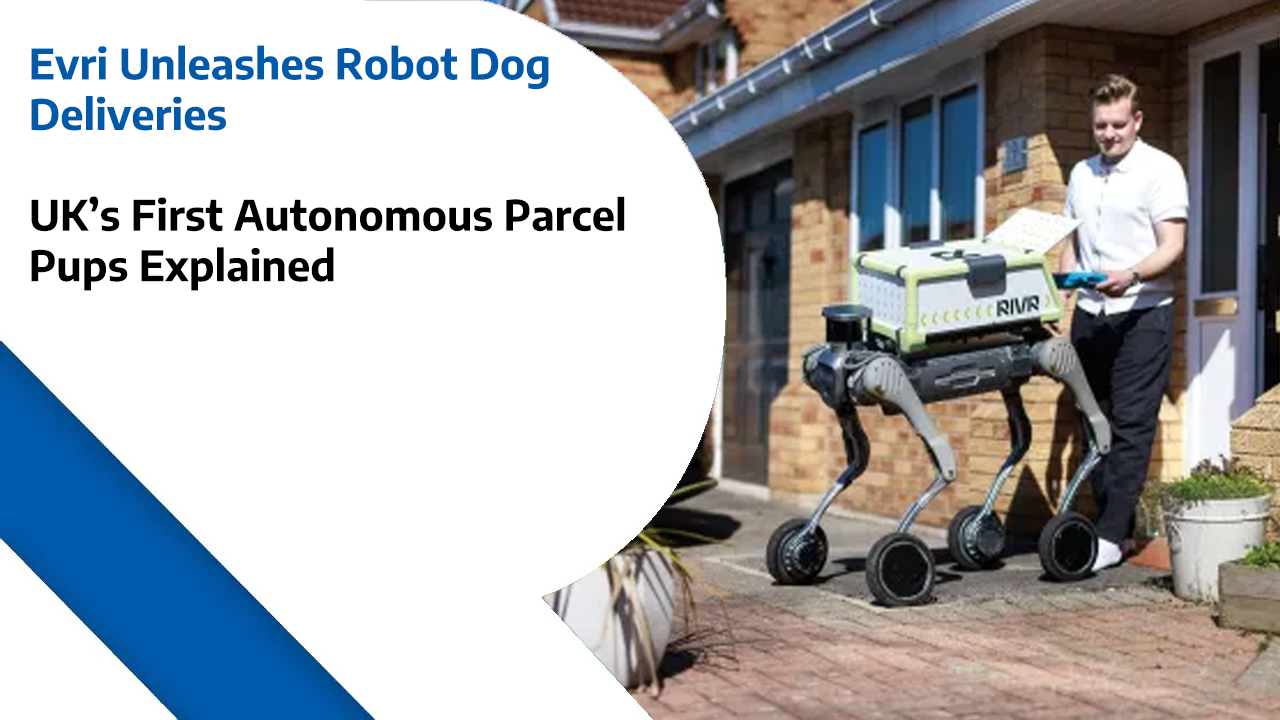
  • Evri Unleashes Robot Dog Deliveries – UK’s First Autonomous Parcel Pups Explained

    Evri Unleashes Robot Dog Deliveries – UK’s First Autonomous Parcel Pups Explained

    Evri Unleashes Robot Dog Deliveries UK’s First Autonomous Parcel Pups Explained


    Imagine opening your door this summer to find… not just a courier, but a robot dog delivering your parcel.

    That’s exactly what Evri, the UK’s largest dedicated parcel delivery company, is preparing to trial in a UK first. And no, it’s not an April Fool’s joke.

    Working in partnership with Swiss physical-AI specialists RIVR, the four-legged robot will support couriers by hopping in and out of vans and handling some of the legwork—literally—when parcels need to reach your door.

    The trial begins in Barnsley in summer 2025, where residents can sign up to take part. Alongside the robot dogs, smaller electric delivery bots from Delivers AI will also be put to the test, running day and night, offering more flexibility for consumers, including scheduled delivery slots and even late-night drop-offs.

    Evri’s Chief Technology Officer, Marcus Hunter, is clear: couriers remain at the heart of the business. The robots are designed to assist, not replace, making deliveries faster, easier, and more convenient.

    So while these robot dogs won’t wag their tails or fetch your slippers, they might just change the way your next parcel arrives at the door


    And that’s your robot news update for today!
    If you’re curious about how robotics can transform your business, join me for the weekly Live Robot Optimise Workshop — it’s packed with insights, trends, and practical tips. Don’t forget to subscribe so you stay in the loop with all the latest updates.

    I’m RoboPhil from Robot Philosophy — thanks for watching, and I’ll see you next time!


    Join our Robot Optimise Industry (ROI) Workshop: https://robophil.com/workshop


    Sponsors:-


    Robot Center: – https://robotcenter.co.uk/ – Buy Robot, Robot Buy, Robot consultancy, Robotics Consultancy


    Robots of London: – https://robotsoflondon.co.uk/ – Robot Hire, Robot Rental, Rent Robot, Hire Robot, Robot Events


    Robot Philosophy: – https://robophil.com/ – Robot Consultancy AND Robot Recruitment, Robot Advice, Robot Insights, Robot Ideas

  • Top Signs Your Business Should Consider a Robot Consultant

    Top Signs Your Business Should Consider a Robot Consultant

    Top Signs Your Business Should Consider a Robot Consultant

    Sponsored by:

    Robot Centerhttps://robotcenter.co.uk – Buy Robot, Robot Buy, Robot Consultancy, Robotics Consultancy
    Robots of Londonhttps://robotsoflondon.co.uk – Robot Hire, Robot Rental, Rent Robot, Hire Robot, Robot Events
    Robot Philosophyhttps://robophil.com – Robot Consultancy AND Robot Recruitment, Robot Advice, Robot Insights, Robot Ideas


    In today’s rapidly evolving technological landscape, it’s easy to get left behind. Robotics, once confined to factories and science fiction, are now actively transforming industries — from healthcare and hospitality to logistics and leisure. But with thousands of new robot products, platforms, and use cases flooding the market every year, how do you know what’s right for your business?

    This is where a robot consultant becomes not just helpful — but essential.

    Whether you’re a growing startup, a national chain, or a legacy brand looking to innovate, this article will help you recognise the top signs that it’s time to bring in expert help. If any of these resonate, it may be time to book a call with a specialist.


    1. You’re Hearing About Robots in Your Industry… But Don’t Know Where to Start

    If you’re seeing your competitors deploy robots at trade shows, use them in warehouses, or even greet customers with a smile — and you’re unsure whether it’s just a gimmick or a real ROI-driver — that’s a sign.

    Robot consultants can help you separate hype from high-value, steering you toward realistic applications that align with your goals. They’ve already done the research, seen what works (and what doesn’t), and can cut years off your learning curve.

    ✔ Real-world Example:

    A luxury hotel in London wasn’t sure if a service robot was worth the investment. Our consultants created a custom pilot using hire options from Robots of London, and within 30 days, guest satisfaction scores rose 18%.


    2. You’re Struggling with Staffing or Retention

    It’s no secret that staffing has become one of the biggest challenges post-pandemic. If your business faces:

    • High turnover

    • Rising wage costs

    • Difficulty filling manual or repetitive roles

    … then it’s time to consider automation. But not just any automation — targeted, human-augmenting robotics.

    A robot consultant won’t just sell you a robot. They’ll analyse your workforce, identify pressure points, and show how robot-worker collaboration can increase morale, reduce burnout, and plug labour gaps without dehumanising your workplace.

    Need to hire the right staff to run or manage these new systems? Our robot recruitment service will find you candidates with the exact skills you need.


    3. Your Operations Are Repetitive, Manual or Prone to Error

    One of the clearest signs you need a robot consultant is when your daily operations involve:

    • Repetitive tasks

    • High error rates

    • Time-consuming manual work

    These are prime candidates for robotic process optimisation. Consultants will identify where physical automation can be deployed safely and efficiently — from cobots (collaborative robots) on your factory floor, to autonomous delivery robots in retail.

    Don’t make the mistake of throwing technology at the problem. A robot consultant applies ROI-based thinking to make sure the solution pays for itself.


    4. You Want to Innovate — But Don’t Know What’s Possible

    Business leaders are often full of ideas but lack a trusted advisor to explore, validate and implement them.

    With access to over 200 global robotics platforms, we offer insights into what’s emerging, what’s viable, and what’s scalable — tailored to your sector and goals.

    Our clients range from creative agencies to national warehouse chains, each discovering opportunities they never thought possible.


    5. You’ve Had a Failed Robot Pilot or Investment

    If you’ve tried to launch a robotics initiative that:

    • Didn’t deliver ROI

    • Was rejected by staff

    • Broke down or stalled mid-rollout

    … you’re not alone. Most failed robot deployments stem from poor scoping, bad product fit, or lack of integration planning.

    An expert consultant will help you:

    • Review what went wrong

    • Re-align your expectations

    • Fix or repurpose existing investments

    • Identify better-suited technology

    Don’t give up on robots — get better advice.


    6. You’re Attending Events or Exhibiting — and Want a Wow Factor

    First impressions matter. Whether it’s a B2B conference or a public event, robots grab attention — but only when used properly.

    Through our event arm Robots of London, we offer both consulting and hire services, including:

    • AI greeter robots

    • Humanoid robots with interactive screens

    • Coffee-serving robot arms

    • Autonomous mobile robots for floor presence

    A robot consultant ensures these technologies are on-brand, on-message, and operationally seamless. We turn robots from gimmicks into lead generators.


    7. You Need to Build a Business Case for Automation

    Convincing your stakeholders or board to fund a robot deployment can be tough without the right metrics. A consultant:

    • Builds a detailed ROI forecast

    • Benchmarks savings vs. competitors

    • Prepares presentations for your leadership

    • Helps with funding or grant applications

    From proof-of-concept to boardroom buy-in, you’ll get expert materials tailored to your internal decision-making process.


    8. You Want to Install Robots Off-Plan (Before a Site is Built)

    Planning a new warehouse, hotel, or factory build? This is the perfect time to engage a robot consultant.

    Robots perform best when infrastructure is designed around them — power points, paths, network connectivity, safe zones. Retrofitting costs 2–3x more.

    We work with architects, developers, and planners to make your site robot-ready from day one.


    9. You Want to Stand Out in a Competitive Market

    If you’re in a crowded market — like retail, real estate, events, or leisure — robots provide a distinct competitive edge.

    • Surprise and delight customers

    • Offer new digital experiences

    • Gather customer insights with AI

    • Increase footfall and engagement

    With the help of a robot consultant, these aren’t just novelties — they become strategic brand assets.


    10. You Need Skilled People to Implement and Manage Robotics

    Robots are only as good as the people who manage them. That’s why robot recruitment is the next frontier.

    Through Robot Philosophy’s recruitment services, we can source:

    • Robot Operators

    • Robotics Engineers

    • Automation Project Managers

    • Event Staff for Robot Deployments

    • Robotics Sales or Product Specialists

    You don’t just get a robot; you get the talent to make it work long-term.


    Why Choose Us?

    Robot Philosophy brings together the UK’s top specialists across consulting, recruitment, and technology integration.

    We work with major brands, startups, and government agencies, providing:

    • Robot consulting that saves time and money

    • Robot recruitment that scales your automation team

    • Access to rental and trial robots through our Robots of London partnership

    • Integration and buying support through Robot Center

    We don’t just sell you a robot. We make sure it works in the real world — technically, operationally, and financially.


    Ready to Talk?

    Whether you’re early in your journey or already trialling automation, book a no-obligation call with our expert robot consultants.

    📧 Email: info@robophil.com
    📞 Call: 0845 528 0404
    🌐 Visit: https://robophil.com

    Let’s help you:

    ✅ Explore automation opportunities
    ✅ Avoid costly mistakes
    ✅ Stand out from competitors
    ✅ Build a smart, scalable robot strategy


    Article Sponsors:

    Robot Centerhttps://robotcenter.co.uk
    Buy Robot, Robot Buy, Robot Consultancy, Robotics Consultancy

    Robots of Londonhttps://robotsoflondon.co.uk
    Robot Hire, Robot Rental, Rent Robot, Hire Robot, Robot Events

    Robot Philosophyhttps://robophil.com
    Robot Consultancy AND Robot Recruitment, Robot Advice, Robot Insights, Robot Ideas


    https://www.youtube.com/watch?v=NSjltJdKCHU


    https://www.youtube.com/shorts/XndXIN62Wxc

  • Doosan Robotics Buys ONExia for $25.9M – Game-Changing Move Toward AI-Powered Automation

    Doosan Robotics Buys ONExia for $25.9M – Game-Changing Move Toward AI-Powered Automation

    Doosan Robotics Buys ONExia for $25.9M – Game-Changing Move Toward AI-Powered Automation


    Doosan Robotics has just acquired an 89.59% stake in U.S.-based automation firm ONExia for $25.9 million. That’s a strategic move—and a serious investment—to expand Doosan’s global footprint.

    ONExia, founded back in 1984 and based in Pennsylvania, specialises in end-to-end automation. They’ve made a name for themselves in manufacturing, logistics, and packaging—especially for end-of-line tasks like palletizing and box assembly. Not the flashiest jobs, but crucial ones where automation shines.

    With an average of 30% annual sales growth and 25 years of automation data under its belt, ONExia brings valuable experience to the table. Doosan plans to use that data to boost its AI capabilities and shift from being just a hardware provider to offering smarter, more integrated robotic solutions.

    Doosan’s CEO, Kevin Kim, says this marks a key milestone in their global strategy. And alongside the acquisition, the company is ramping up R&D, hiring AI and software specialists, and preparing to launch a new Innovation Center.

    In short: Doosan isn’t just building robots—it’s building the future of intelligent automation.


    And that’s your robot news update for today!
    If you’re curious about how robotics can transform your business, join me for the weekly Live Robot Optimise Workshop — it’s packed with insights, trends, and practical tips. Don’t forget to subscribe so you stay in the loop with all the latest updates.

    I’m RoboPhil from Robot Philosophy — thanks for watching, and I’ll see you next time!


    Join our Robot Optimise Industry (ROI) Workshop: https://robophil.com/workshop


    Sponsors:-


    Robot Center: – https://robotcenter.co.uk/ – Buy Robot, Robot Buy, Robot consultancy, Robotics Consultancy


    Robots of London: – https://robotsoflondon.co.uk/ – Robot Hire, Robot Rental, Rent Robot, Hire Robot, Robot Events


    Robot Philosophy: – https://robophil.com/ – Robot Consultancy AND Robot Recruitment, Robot Advice, Robot Insights, Robot Ideas

  • Is Your Business Ready for Robots? Take the Audit Checklist

    Is Your Business Ready for Robots? Take the Audit Checklist

    Is Your Business Ready for Robots? Take the Audit Checklist

    The robotic revolution isn’t coming—it’s here. From manufacturing floors to retail environments, restaurants to healthcare facilities, robots are transforming how businesses operate, compete, and thrive. But here’s the critical question every business leader must ask: Is your organization truly ready to embrace this technological transformation?

    The answer isn’t as straightforward as you might think. While the benefits of robotic integration are undeniable—increased efficiency, reduced operational costs, enhanced precision, and improved workplace safety—the path to successful implementation requires careful planning, strategic thinking, and honest assessment of your current capabilities.

    This comprehensive audit checklist will help you determine exactly where your business stands on the robotics readiness spectrum and provide actionable insights to guide your automation journey.

    Understanding the Robotics Landscape

    The modern robotics ecosystem has evolved far beyond the traditional industrial arms of manufacturing plants. Today’s robots come in various forms: collaborative robots (cobots) that work alongside humans, autonomous mobile robots (AMRs) for logistics and delivery, service robots for customer interaction, and specialized robots for cleaning, security, and maintenance tasks.

    The global robotics market continues its explosive growth trajectory, with businesses across industries recognizing that automation isn’t just about replacing human labor—it’s about augmenting human capabilities, improving quality, and creating new opportunities for innovation and growth.

    However, successful robotic integration requires more than simply purchasing the latest technology. It demands a holistic approach that considers your organizational culture, existing infrastructure, workforce capabilities, and long-term strategic objectives.

    The Complete Robotics Readiness Audit Checklist

    Strategic Foundation Assessment

    Leadership Commitment and Vision

    • Has senior leadership clearly articulated the strategic vision for robotics integration?
    • Is there dedicated budget allocated for robotic initiatives over the next 3-5 years?
    • Have you identified specific business problems that robotics could solve?
    • Is there a designated robotics champion or project leader within your organization?
    • Have you established clear success metrics and ROI expectations?

    Market and Competitive Analysis

    • Have you researched how competitors are using robotics in your industry?
    • Do you understand the regulatory requirements affecting robotic implementation in your sector?
    • Have you identified potential customer benefits from robotic integration?
    • Is your business model adaptable to incorporate robotic capabilities?
    • Have you assessed the long-term market trends affecting your industry?

    Operational Readiness Evaluation

    Process Analysis and Documentation

    • Are your current business processes clearly documented and standardized?
    • Have you identified repetitive, dangerous, or precision-critical tasks suitable for automation?
    • Do you have accurate data on task completion times, error rates, and quality metrics?
    • Have you mapped workflow dependencies and interaction points?
    • Are there seasonal or cyclical variations in your operational demands?

    Infrastructure Assessment

    • Is your physical workspace suitable for robotic equipment (floor load capacity, ceiling height, accessibility)?
    • Do you have adequate power supply and electrical infrastructure?
    • Is your network infrastructure capable of supporting connected robotic systems?
    • Are safety systems and protocols in place for human-robot collaboration?
    • Do you have appropriate storage and maintenance facilities for robotic equipment?

    Data and Systems Integration

    • Are your existing software systems compatible with robotic control platforms?
    • Do you have reliable data collection and management systems?
    • Can your ERP or MRP systems integrate with robotic workflows?
    • Is your cybersecurity framework robust enough for connected robotics?
    • Do you have backup systems and disaster recovery procedures?

    Human Resources and Cultural Readiness

    Workforce Capability Assessment

    • Do you have employees with technical aptitude for robotic system operation?
    • Is your workforce open to learning new technologies and adapting to change?
    • Have you identified training needs and development programs?
    • Do you have partnerships with educational institutions or training providers?
    • Are there succession planning considerations for roles that may be automated?

    Change Management Preparedness

    • Have you developed a communication strategy for robotics initiatives?
    • Is there a plan for addressing employee concerns about job displacement?
    • Do you have change management expertise within your organization?
    • Are there opportunities to redeploy affected employees to higher-value roles?
    • Have you considered the timeline and phasing for robotic implementation?

    Financial and Risk Assessment

    Investment Analysis

    • Have you calculated the total cost of ownership for robotic systems?
    • Do you understand ongoing maintenance, support, and upgrade costs?
    • Have you developed realistic ROI projections with sensitivity analysis?
    • Is financing available for the initial investment and implementation?
    • Have you considered leasing or rental options for testing robotics solutions?

    Risk Management

    • Have you identified potential risks associated with robotic implementation?
    • Do you have contingency plans for system failures or malfunctions?
    • Are appropriate insurance policies in place or planned?
    • Have you assessed the impact of technology obsolescence?
    • Is there a plan for managing vendor relationships and dependencies?

    Interpreting Your Audit Results

    Score Calculation

    Count your “yes” responses and calculate your readiness percentage:

    • 80-100%: Your organization demonstrates strong robotics readiness
    • 60-79%: You have good foundations but need targeted improvements
    • 40-59%: Significant preparation work is required before implementation
    • Below 40%: Consider postponing robotics initiatives until fundamental gaps are addressed

    Readiness Categories Explained

    Highly Ready Organizations (80-100%) These businesses have strong strategic alignment, robust infrastructure, prepared workforces, and clear implementation pathways. They’re positioned to move quickly on robotics initiatives and likely to achieve successful outcomes with proper execution.

    Moderately Ready Organizations (60-79%) These companies have solid foundations but specific areas requiring attention. Common gaps include workforce training needs, infrastructure upgrades, or process standardization requirements. With targeted improvements, they can achieve readiness within 6-12 months.

    Developing Readiness Organizations (40-59%) These businesses recognize the importance of robotics but need substantial preparation work. Success requires systematic addressing of multiple readiness factors, typically requiring 12-24 months of preparation before major implementations.

    Early-Stage Organizations (Below 40%) These companies should focus on building fundamental capabilities before pursuing robotics initiatives. This often involves process improvement, infrastructure development, and cultural change management over 2-3 years.

    Common Robotics Implementation Challenges

    Understanding potential obstacles helps you prepare more effectively. The most frequent challenges include:

    Technical Integration Complexities Many organizations underestimate the complexity of integrating robotic systems with existing workflows, software platforms, and quality control processes. Success requires thorough planning and often custom integration work.

    Workforce Resistance and Skills Gaps Employee concerns about job security can create resistance, while skills gaps may limit your ability to operate and maintain robotic systems effectively. Proactive communication and comprehensive training programs are essential.

    Unrealistic Expectations and Timeline Pressures Robotics projects often take longer and cost more than initial estimates. Setting realistic expectations and allowing adequate time for testing, training, and optimization is crucial for success.

    Vendor Selection and Management The robotics market includes numerous vendors with varying capabilities, support levels, and long-term viability. Thorough vendor evaluation and strong relationship management are critical success factors.

    Next Steps: From Assessment to Implementation

    Based on your audit results, consider these strategic next steps:

    For Highly Ready Organizations:

    • Develop detailed implementation timelines and project plans
    • Begin vendor evaluation and solution selection processes
    • Create pilot program proposals for testing and validation
    • Establish governance structures and success metrics

    For Moderately Ready Organizations:

    • Address identified gaps through targeted improvement initiatives
    • Invest in workforce training and development programs
    • Upgrade infrastructure and systems as needed
    • Develop partnerships with robotics experts and consultants

    For Developing and Early-Stage Organizations:

    • Focus on foundational improvements in processes and systems
    • Build organizational capabilities and expertise
    • Consider starting with simpler automation solutions
    • Develop long-term robotics strategies and roadmaps

    The Strategic Advantage of Professional Guidance

    Navigating the robotics landscape successfully requires expertise that extends beyond technology selection. The most successful implementations combine strategic thinking, technical knowledge, operational understanding, and change management expertise.

    Professional robotics consultants bring valuable perspectives including industry benchmarking, vendor-neutral advice, implementation best practices, and risk mitigation strategies. They can help you avoid common pitfalls, accelerate your timeline, and maximize your return on investment.

    Similarly, finding the right talent for robotics initiatives often requires specialized recruitment expertise. The robotics field demands unique combinations of technical skills, operational experience, and adaptability that can be challenging to identify and evaluate through traditional hiring processes.

    Industry-Specific Considerations

    Different industries face unique robotics opportunities and challenges:

    Manufacturing: Focus on production efficiency, quality improvement, and workplace safety Logistics and Warehousing: Emphasis on inventory management, order fulfillment, and material handling Healthcare: Priority on patient care enhancement, medication management, and facility sanitation Retail: Attention to customer service, inventory management, and operational efficiency Food Service: Concentration on food preparation, service delivery, and hygiene standards

    Understanding your industry’s specific robotics landscape helps you make more informed decisions about timing, technology selection, and implementation strategies.

    Building Long-Term Robotics Capabilities

    Successful robotics integration isn’t a one-time project—it’s an ongoing capability development process. Organizations that thrive in the robotic age continuously evaluate new technologies, optimize existing systems, expand applications, and develop internal expertise.

    Consider establishing a robotics center of excellence within your organization, creating ongoing relationships with technology partners, and developing systematic approaches to innovation and continuous improvement.

    Conclusion: Your Robotics Journey Starts Now

    The question isn’t whether robotics will impact your industry—it’s whether you’ll be a leader or follower in the transformation. This audit checklist provides the framework for honest assessment and strategic planning, but success ultimately depends on taking action.

    Whether you scored high on readiness or identified significant gaps, the key is starting your journey with clear vision, realistic expectations, and expert guidance. The businesses that begin preparing today will be best positioned to capitalize on the enormous opportunities that robotics technology offers.

    Remember, robotics isn’t about replacing humans—it’s about creating more efficient, safer, and more innovative ways of working that benefit businesses, employees, and customers alike. Your robotics readiness assessment is the first step toward that future.

    Ready to Take the Next Step?

    If this audit has revealed opportunities for robotics integration in your business, or if you’ve identified areas where expert guidance could accelerate your progress, we’re here to help.

    Professional Robotics Consulting Services Our experienced team provides comprehensive robotics consulting services including strategic planning, vendor selection, implementation support, and change management guidance. We work with businesses across industries to develop customized robotics solutions that deliver measurable results.

    Specialized Robotics Recruitment Finding the right talent for robotics initiatives requires specialized expertise. Our robotics recruitment services help you identify, evaluate, and hire the technical and operational professionals who can drive your automation success.

    Contact Information:

    Book a consultation call today to discuss how robotics can transform your business operations and competitive position.


    This article is sponsored by:

    Robot Centerhttps://robotcenter.co.uk/
    Your comprehensive destination for robot purchasing, robotics consultancy, and expert guidance on automation solutions. From initial consultation to implementation support, Robot Center provides the expertise and technology you need to succeed.

    Robots of Londonhttps://robotsoflondon.co.uk/
    Premier robot hire and rental services for businesses exploring automation opportunities. Whether you need short-term robot rental for events, proof-of-concept testing, or flexible deployment options, Robots of London offers comprehensive solutions.

    Robot Philosophyhttps://robophil.com/
    Leading provider of robotics consultancy and recruitment services, delivering strategic insights, implementation guidance, and specialized talent acquisition for businesses embracing automation technology.