Tag: Robot Consultant

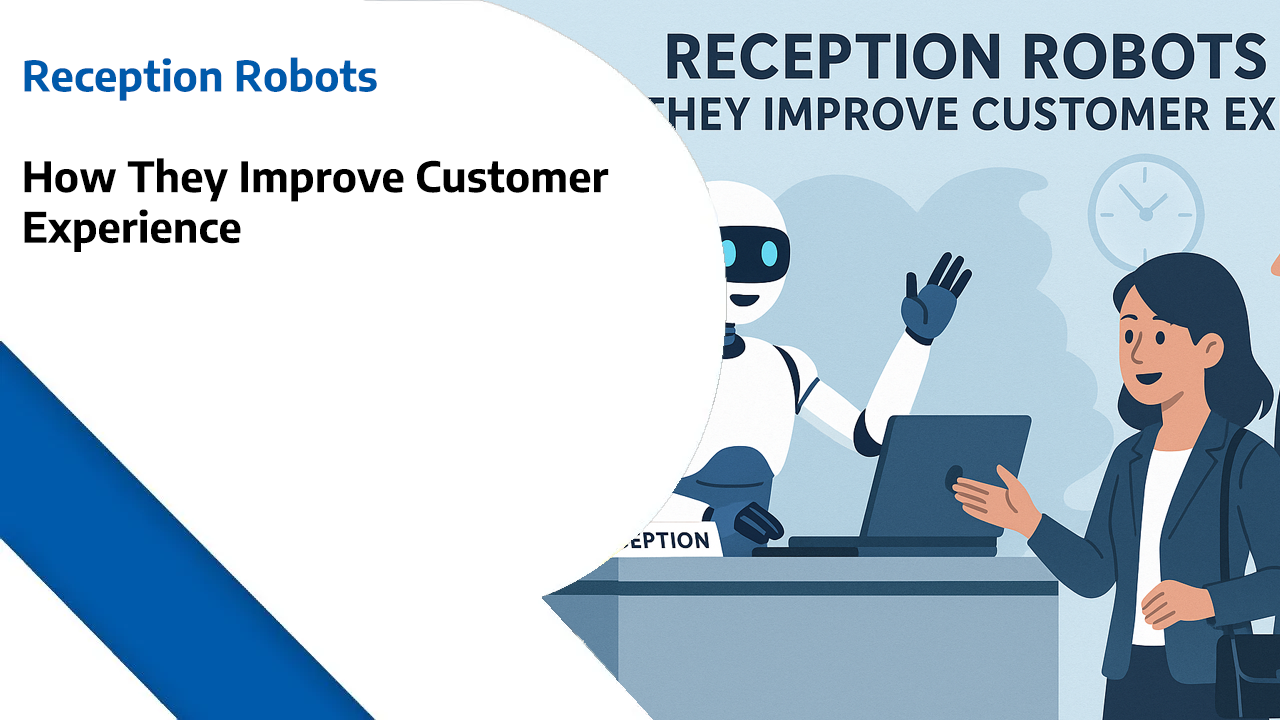
  • Reception Robots – How They Improve Customer Experience

    Reception Robots – How They Improve Customer Experience

    Reception Robots – How They Improve Customer Experience

    In today’s fast-moving world, customer experience is everything. Whether it’s a hotel lobby, a corporate office, a hospital reception, or a retail store, the way customers are greeted and supported at the front desk sets the tone for their entire journey. First impressions matter, and businesses that fail to deliver on this are already on the back foot.

    Enter reception robots – an exciting evolution in hospitality and customer service. These intelligent, interactive machines are transforming how organisations welcome guests, streamline processes, and enhance customer satisfaction. But they’re not just futuristic gadgets – they’re a strategic investment with measurable returns.

    In this article, we’ll explore how reception robots improve customer experience, share real-world examples, and explain why robot consultancy and robot recruitment services (available via info@robophil.com or call 0845 528 0404) are the missing link for businesses that want to do this the right way.

    Sponsored by:

    • Robot Center – Buy Robot, Robot Buy, Robot Consultancy, Robotics Consultancy.

    • Robots of London – Robot Hire, Robot Rental, Rent Robot, Hire Robot, Robot Events.

    • Robot Philosophy – Robot Consultancy AND Robot Recruitment, Robot Advice, Robot Insights, Robot Ideas.


    1. The Evolution of Reception Robots

    Reception robots didn’t just appear overnight. They are the product of decades of advancements in artificial intelligence, natural language processing, and robotics engineering. What once seemed like science fiction is now a practical business solution.

    Originally, reception robots started as interactive kiosks, offering directions and check-in options. Today, they have evolved into humanoid-style robots with facial recognition, voice interaction, and multilingual communication skills. Robots like Temi, Pepper, and LuckiBot can provide personalised greetings, answer questions, and even escort visitors to their destinations.

    This transformation shows how far robotics has come – and how businesses can leverage this technology to stand out.


    2. Why First Impressions Matter

    The reception area is often a customer’s first point of contact. A warm, efficient, and memorable welcome can make all the difference in shaping trust and loyalty. Studies have shown that:

    • 55% of first impressions are determined by what we see.

    • 70% of customers base purchasing decisions on how they feel treated.

    • Businesses that excel in customer experience outperform competitors by up to 80% in revenue growth.

    Reception robots bring consistency, reliability, and innovation to this critical moment – ensuring that every customer, every time, has a positive experience.


    3. The Benefits of Reception Robots for Customer Experience

    3.1 Personalised Greetings

    Reception robots can use facial recognition or guest lists to provide personalised welcomes. Instead of a generic “Hello,” they can say:
    “Welcome back, Mr. Smith. Your meeting with Sarah is in Conference Room 3. Shall I guide you there?”

    This creates an instant impression of professionalism and care.

    3.2 Multilingual Support

    In global cities like London, multilingual guests are common. Reception robots can switch seamlessly between languages – English, Mandarin, Spanish, Arabic – making international visitors feel immediately understood.

    3.3 24/7 Availability

    Unlike humans, robots don’t get tired. They provide consistent service around the clock – perfect for hotels, hospitals, and corporate HQs that operate outside 9-to-5 hours.

    3.4 Queue Management

    Robots can help manage check-ins, registrations, and waiting times by digitising processes. Guests can self-check-in or be directed to the correct desk, cutting down bottlenecks.

    3.5 Contactless Interaction

    Especially post-pandemic, customers value hygiene and safety. Reception robots enable touch-free interactions through voice recognition and QR code scanning – reassuring visitors while still delivering excellent service.

    3.6 Entertainment and Engagement

    Some reception robots go beyond utility and add charm. They can tell jokes, dance, or share news updates – lightening the mood and creating a unique, shareable moment.


    4. Real-World Use Cases

    4.1 Hotels

    Hotels are among the biggest adopters. Reception robots streamline check-in, provide concierge-style services, and even guide guests to their rooms. Imagine arriving late at night – instead of waiting for staff, a robot greets you, checks you in, and points you toward the lift.

    4.2 Corporate Offices

    Businesses use reception robots to register visitors, issue passes, and notify employees of their guest’s arrival. This boosts efficiency and frees human receptionists to handle complex tasks.

    4.3 Hospitals

    Hospitals benefit from robots that provide directions, assist with patient check-in, and reduce waiting room stress. Patients often feel reassured when guided clearly to their destination.

    4.4 Events & Exhibitions

    Reception robots are perfect for event check-ins, guest information, and sponsor promotions. They make events more engaging while handling large crowds with ease.


    5. Customer Experience Beyond the Reception

    Reception robots aren’t limited to welcoming visitors. They’re part of a wider trend where service robots are being deployed across industries. Restaurants, retail stores, airports, and care homes are already seeing value in robotic assistants.

    The lesson? Businesses that embrace robotics early position themselves as leaders in customer innovation.


    6. The Human + Robot Partnership

    Some worry that robots will replace human receptionists. But the reality is different: robots augment, not replace.

    • Robots handle repetitive tasks: greetings, check-ins, FAQs.

    • Humans handle complex needs: emotional support, problem-solving, building deeper relationships.

    Together, they create a hybrid reception model that is more efficient, scalable, and customer-friendly.


    7. The ROI of Reception Robots

    A key question for businesses: Are reception robots worth the investment?

    The answer is yes – when deployed strategically. Benefits include:

    • Reduced staffing costs.

    • Increased efficiency.

    • Enhanced brand image.

    • Higher customer satisfaction and retention.

    • Better data collection on visitor flows.

    With proper consultancy and integration, robots quickly pay for themselves.


    8. Why You Need Robot Consultancy & Recruitment

    Here’s the truth: many businesses get excited about robotics but fail to implement them effectively. Robots end up underused, misconfigured, or poorly integrated with workflows. That’s why robot consultancy and robot recruitment services are essential.

    At Robot Philosophy, we specialise in guiding businesses through:

    • Robot Consultancy – Identifying the right robot, customising solutions, and optimising deployments.

    • Robot Recruitment – Helping businesses hire robotics talent, from technicians to strategists, who can manage and scale robotic systems.

    👉 To book a call and start your robotics journey today, email info@robophil.com or call 0845 528 0404.


    9. RoboPhil – Your Robotics Guide

    This article is brought to you with insights from RoboPhil (Philip English) – a leading robot YouTuber, robotics trainer, consultant, and influencer.

    RoboPhil has spent years showcasing the latest in robotics through his YouTube channel, helping businesses and individuals understand how to adopt robots strategically. He bridges the gap between futuristic technology and real-world business benefits.

    Whether you’re looking for:

    • Robot training for your staff,

    • Robot consultancy for your business, or

    • Robot recruitment to bring in the right talent,

    RoboPhil provides the expertise to make it happen.


    10. Getting Started – Your Next Steps

    If you’re serious about improving customer experience with reception robots, here’s what to do next:

    1. Evaluate Your Needs – What role do you want robots to play in your reception area?

    2. Book a Consultancy Call – Contact info@robophil.com or call 0845 528 0404.

    3. Deploy the Right Robot – Work with our consultancy partners to select and integrate the best robot for your business.

    4. Train Your Team – Combine robots with skilled humans for a hybrid approach.

    5. Scale Strategically – Once successful in reception, expand into other customer-facing areas.


    Conclusion

    Reception robots are no longer a novelty – they are a strategic advantage for businesses focused on delivering world-class customer experience. From personalised greetings to multilingual support and 24/7 availability, they transform first impressions into lasting loyalty.

    But success requires more than just buying a robot. It requires the right consultancy, strategy, and people to make it work. That’s where Robot Philosophy, Robot Center, and Robots of London come in.

    So, if you want to take your customer experience to the next level:
    👉 Email info@robophil.com
    👉 Call 0845 528 0404

    Your future customers are waiting – and a reception robot is ready to welcome them.


    Sponsors of this Article

    • Robot Center – Buy Robot, Robot Buy, Robot Consultancy, Robotics Consultancy.

    • Robots of London – Robot Hire, Robot Rental, Rent Robot, Hire Robot, Robot Events.

    • Robot Philosophy – Robot Consultancy AND Robot Recruitment, Robot Advice, Robot Insights, Robot Ideas.


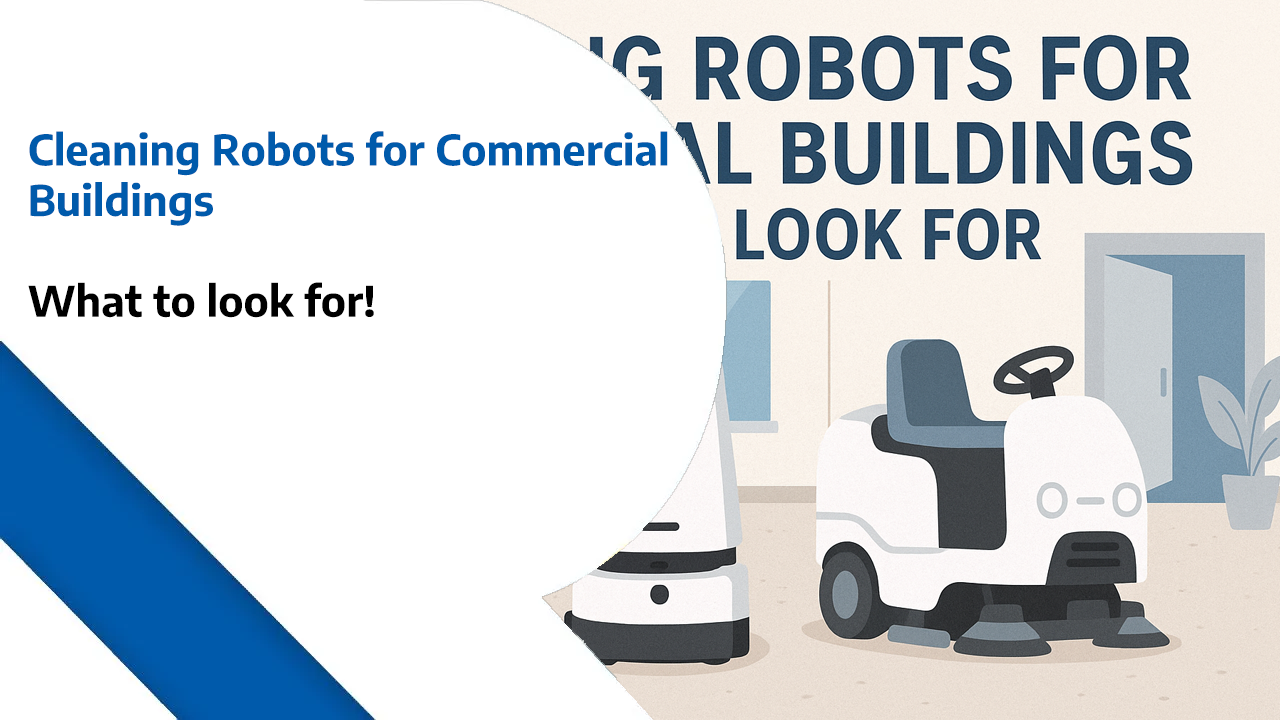
  • Cleaning Robots for Commercial Buildings – What to look for

    Cleaning Robots for Commercial Buildings – What to look for

    leaning Robots for Commercial Buildings: What to Look For

    Sponsored by Robot Center, Robots of London, and Robot Philosophy

    The commercial cleaning industry is experiencing a revolutionary transformation as autonomous cleaning robots become increasingly sophisticated and cost-effective. For facility managers, building owners, and cleaning service providers, understanding what to look for in cleaning robots for commercial buildings has become essential for maintaining competitive advantages while ensuring superior cleaning standards.

    The Rise of Commercial Cleaning Robotics

    Commercial buildings present unique challenges that traditional cleaning methods struggle to address efficiently. Large floor spaces, consistent cleaning schedules, and the need for reliable, repeatable results make commercial environments ideal candidates for robotic automation. Unlike residential spaces, commercial buildings benefit from the predictable patterns and scalable operations that cleaning robots excel at delivering.

    Modern cleaning robots have evolved far beyond simple vacuum cleaners. Today’s commercial cleaning solutions incorporate advanced sensors, artificial intelligence, and sophisticated navigation systems that enable them to operate autonomously in complex environments while delivering professional-grade cleaning results.

    Key Features to Evaluate in Commercial Cleaning Robots

    Navigation and Mapping Technology

    The foundation of any effective commercial cleaning robot lies in its navigation capabilities. Look for robots equipped with LiDAR (Light Detection and Ranging) technology, which creates detailed 3D maps of your facility. This technology ensures comprehensive coverage while avoiding obstacles and adapting to changing environments.

    Advanced mapping systems should offer zone-based cleaning, allowing you to designate specific areas for different cleaning protocols. High-traffic zones may require more frequent attention, while sensitive areas might need gentler cleaning approaches. The best systems learn and adapt to your building’s unique layout over time.

    Battery Life and Charging Infrastructure

    Commercial buildings demand extended operational periods, making battery performance crucial. Evaluate robots with batteries capable of covering large areas on a single charge. More importantly, consider systems with automatic return-to-charge functionality and the ability to resume cleaning where they left off.

    Some advanced systems feature swappable battery packs or rapid charging capabilities, minimizing downtime and maximizing productivity. For 24/7 facilities, look for robots that can operate continuously with minimal interruption.

    Cleaning Performance and Versatility

    Different areas of your commercial building require different cleaning approaches. The ideal cleaning robot should handle multiple surface types, from hard floors to carpets, with adjustable suction power and brush systems. Consider robots that can perform multiple functions, such as vacuuming, mopping, and even UV sanitization.

    Pay attention to the robot’s ability to handle debris of various sizes and its filtration system’s effectiveness, particularly important in environments with specific air quality requirements.

    Connectivity and Fleet Management

    Commercial operations benefit significantly from centralized control systems. Look for robots that offer cloud-based fleet management platforms, allowing you to monitor multiple units across different locations from a single interface. These systems should provide real-time status updates, cleaning reports, and maintenance alerts.

    Integration capabilities with existing building management systems can streamline operations and provide valuable data for facility optimization.

    Size and Scale Considerations

    Building Square Footage

    The size of your facility directly impacts the type and number of robots you’ll need. Small to medium commercial spaces (up to 10,000 square feet) can typically be serviced by compact, agile robots that maneuver easily around furniture and obstacles.

    Larger facilities (10,000+ square feet) benefit from industrial-grade robots with extended battery life and larger debris capacity. Some operations may require multiple robots working in coordination to ensure comprehensive coverage within acceptable timeframes.

    Obstacle Navigation

    Commercial buildings present complex navigation challenges including furniture, equipment, cables, and varying floor surfaces. Advanced robots utilize multiple sensor types including cameras, ultrasonic sensors, and bump sensors to create comprehensive environmental awareness.

    Look for robots capable of detecting and avoiding both static and dynamic obstacles while maintaining efficient cleaning patterns. The ability to navigate around temporary obstacles and return later is particularly valuable in active commercial environments.

    Maintenance and Reliability Factors

    Serviceability and Parts Availability

    Commercial cleaning robots are significant investments that require ongoing maintenance to deliver consistent performance. Evaluate the availability of replacement parts, local service centers, and the manufacturer’s track record for customer support.

    Consider the ease of routine maintenance tasks such as emptying debris containers, cleaning filters, and replacing brushes. Robots designed with tool-free maintenance reduce downtime and operational complexity.

    Durability and Build Quality

    Commercial environments demand robust construction capable of withstanding daily operation in challenging conditions. Look for robots with reinforced chassis, high-quality components, and proven reliability records in similar applications.

    Industrial-grade robots should offer protection against dust, moisture, and impact damage while maintaining precise cleaning performance over extended operational periods.

    Integration with Existing Operations

    Staff Training Requirements

    The introduction of cleaning robots should complement rather than complicate existing operations. Evaluate systems with intuitive interfaces and comprehensive training programs. The best robotic solutions require minimal staff training while providing clear operational guidelines.

    Consider robots that can be easily programmed by facility staff without requiring specialized technical expertise. User-friendly mobile applications and straightforward scheduling systems enhance adoption and operational efficiency.

    Workflow Integration

    Successful robotic implementation requires seamless integration with existing cleaning protocols. Look for flexible scheduling systems that accommodate your facility’s operational patterns, including off-hours cleaning and special event preparations.

    The ability to coordinate robotic cleaning with human staff activities ensures comprehensive coverage while minimizing disruption to building occupants.

    Cost-Benefit Analysis Considerations

    Initial Investment vs. Operational Savings

    While commercial cleaning robots represent significant upfront investments, they typically deliver substantial long-term savings through reduced labor costs, improved consistency, and enhanced efficiency. Calculate the total cost of ownership including purchase price, maintenance costs, and operational expenses over the expected lifespan.

    Consider potential savings from reduced cleaning supply usage, as robots often optimize cleaning solution application and reduce waste compared to manual cleaning methods.

    Return on Investment Metrics

    Effective ROI analysis should consider both quantitative and qualitative benefits. Quantitative metrics include labor cost reduction, increased cleaning frequency capability, and reduced supply costs. Qualitative benefits encompass improved cleaning consistency, enhanced building image, and reduced management oversight requirements.

    Most commercial cleaning robots achieve positive ROI within 12-24 months in appropriate applications, with ongoing benefits extending throughout their operational lifetime.

    Security and Data Privacy

    Network Security Considerations

    Modern cleaning robots collect and transmit operational data, making cybersecurity a critical consideration. Ensure robots meet your organization’s security standards and offer encrypted data transmission and secure cloud storage options.

    Evaluate the manufacturer’s security update policies and their track record for addressing potential vulnerabilities promptly.

    Data Collection and Usage

    Understand what data your cleaning robots collect and how it’s used. While operational data provides valuable insights for optimization, ensure compliance with privacy regulations and your organization’s data governance policies.

    Look for systems that provide transparent data handling practices and offer control over data sharing and storage preferences.

    Professional Consultation and Implementation

    Selecting the right cleaning robot for your commercial building requires careful analysis of your specific requirements, operational constraints, and performance expectations. Professional consultation can help identify the optimal solution while avoiding costly mistakes.

    RoboPhil, led by Philip English – a renowned robot YouTuber, trainer, consultant, and robot influencer – specializes in helping organizations navigate the complex world of commercial robotics. With extensive experience in robot implementation and optimization, RoboPhil provides expert guidance tailored to your unique requirements.

    Whether you need assistance with robot selection, implementation planning, or staff training, professional consultation ensures you maximize the value of your robotics investment. RoboPhil’s comprehensive approach addresses technical requirements, operational integration, and long-term maintenance considerations.

    Getting Started with Commercial Cleaning Robots

    The journey to implementing cleaning robots in your commercial building begins with thorough assessment and planning. Professional consultation can help you evaluate your specific needs, compare available options, and develop an implementation strategy that delivers optimal results.

    For expert guidance on selecting and implementing cleaning robots for your commercial building, contact our robot consulting and recruitment services at info@robophil.com or call 0845 528 0404 to book a consultation call.

    Conclusion

    Commercial cleaning robots offer transformative potential for facility management, delivering consistent results while reducing operational costs. Success depends on careful evaluation of navigation technology, performance capabilities, integration requirements, and long-term support considerations.

    The right cleaning robot, properly selected and implemented, becomes a valuable asset that enhances your facility’s cleanliness standards while optimizing operational efficiency. Professional consultation ensures you make informed decisions that deliver lasting value for your commercial building operations.


    Article Sponsors

    Robot Centerhttps://robotcenter.co.uk/
    Your premier destination for robot purchasing, robotics consultancy, and expert guidance. Whether you’re looking to buy robots or need specialized robotics consultancy services, Robot Center provides comprehensive solutions for all your automation needs.

    Robots of Londonhttps://robotsoflondon.co.uk/
    Specializing in robot hire and rental services for events and temporary applications. From robot rentals to specialized robot events, Robots of London provides flexible robotics solutions when you need them most.

    Robot Philosophyhttps://robophil.com/
    Leading provider of robot consultancy and recruitment services, offering expert robot advice, insights, and innovative ideas. Robot Philosophy connects organizations with the right robotics solutions and talent for successful automation implementation.

    For professional robot consulting and recruitment services, contact info@robophil.com or call 0845 528 0404 to schedule your consultation.


  • Evri Unleashes Robot Dog Deliveries – UK’s First Autonomous Parcel Pups Explained

    Evri Unleashes Robot Dog Deliveries – UK’s First Autonomous Parcel Pups Explained

    Evri Unleashes Robot Dog Deliveries UK’s First Autonomous Parcel Pups Explained


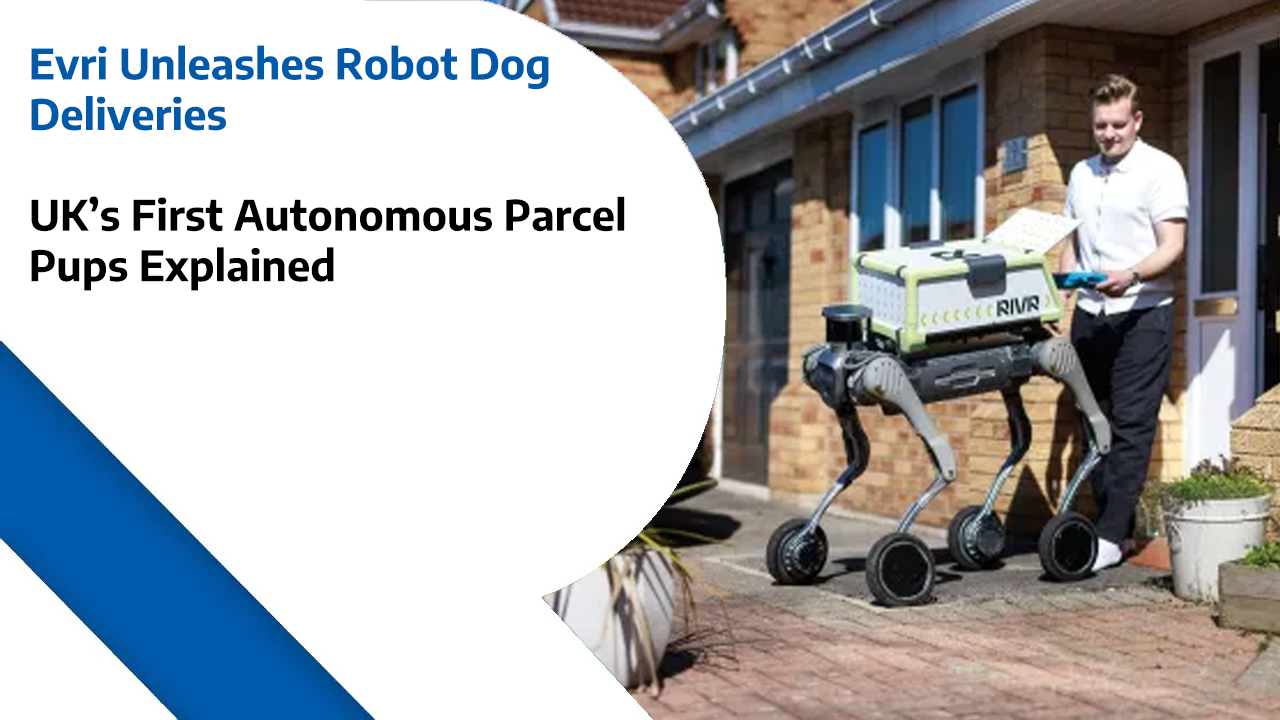
    Imagine opening your door this summer to find… not just a courier, but a robot dog delivering your parcel.

    That’s exactly what Evri, the UK’s largest dedicated parcel delivery company, is preparing to trial in a UK first. And no, it’s not an April Fool’s joke.

    Working in partnership with Swiss physical-AI specialists RIVR, the four-legged robot will support couriers by hopping in and out of vans and handling some of the legwork—literally—when parcels need to reach your door.

    The trial begins in Barnsley in summer 2025, where residents can sign up to take part. Alongside the robot dogs, smaller electric delivery bots from Delivers AI will also be put to the test, running day and night, offering more flexibility for consumers, including scheduled delivery slots and even late-night drop-offs.

    Evri’s Chief Technology Officer, Marcus Hunter, is clear: couriers remain at the heart of the business. The robots are designed to assist, not replace, making deliveries faster, easier, and more convenient.

    So while these robot dogs won’t wag their tails or fetch your slippers, they might just change the way your next parcel arrives at the door


    And that’s your robot news update for today!
    If you’re curious about how robotics can transform your business, join me for the weekly Live Robot Optimise Workshop — it’s packed with insights, trends, and practical tips. Don’t forget to subscribe so you stay in the loop with all the latest updates.

    I’m RoboPhil from Robot Philosophy — thanks for watching, and I’ll see you next time!


    Join our Robot Optimise Industry (ROI) Workshop: https://robophil.com/workshop


    Sponsors:-


    Robot Center: – https://robotcenter.co.uk/ – Buy Robot, Robot Buy, Robot consultancy, Robotics Consultancy


    Robots of London: – https://robotsoflondon.co.uk/ – Robot Hire, Robot Rental, Rent Robot, Hire Robot, Robot Events


    Robot Philosophy: – https://robophil.com/ – Robot Consultancy AND Robot Recruitment, Robot Advice, Robot Insights, Robot Ideas

  • Serve Robotics Acquires Vayu Robotics – Smarter AI Delivery Robots Take Over the Sidewalk

    Serve Robotics Acquires Vayu Robotics – Smarter AI Delivery Robots Take Over the Sidewalk

    Serve Robotics Acquires Vayu Robotics – Smarter AI Delivery Robots Take Over the Sidewalk


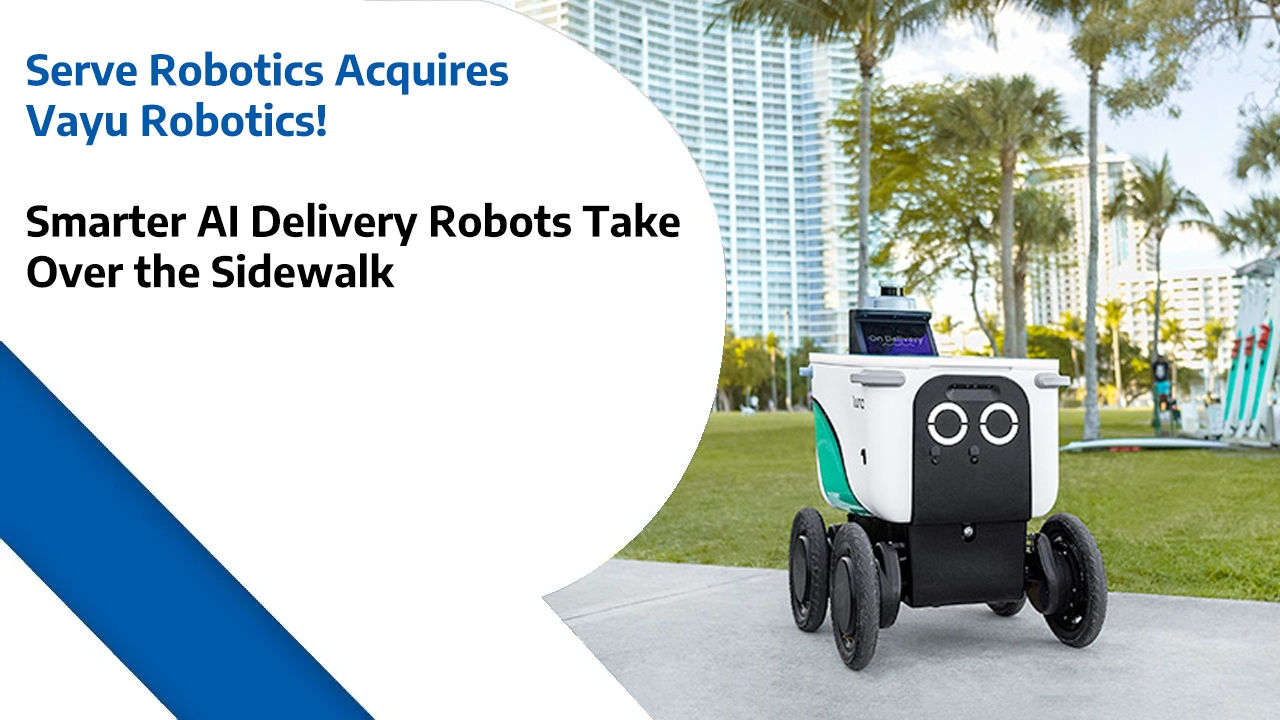
    Serve Robotics, the company behind those little sidewalk delivery robots, has just acquired Vayu Robotics, a specialist in large-scale AI models and simulation. In simple terms: Serve brought in some serious brainpower for its bots.

    The two companies will combine Serve’s autonomy stack and massive real-world sidewalk dataset with Vayu’s AI foundation models and simulation engine. The goal? Smarter, safer robots that can navigate more smoothly, handle new situations, and expand into more cities.

    CEO Ali Kashani called it a ‘significant milestone’ toward Serve’s mission of scaling robot deliveries nationwide. The company is aiming to bring delivery costs down to just one dollar per trip—cheaper than most tip jars.

    Serve already has multi-year contracts in place, including plans to deploy up to 2,000 robots on Uber Eats. With Vayu’s tech on board, those deliveries could be quicker, more reliable, and ready for bigger markets.

    The deal also comes with heavyweight backing: Vinod Khosla, a well-known Silicon Valley investor, is joining Serve’s Advisory Board to help steer the mission of bringing robots to sidewalks everywhere.

    So in short—robots are getting smarter, deliveries are getting cheaper, and the future of your late-night snacks might just roll up to your door on six wheels.


    And that’s your robot news update for today!
    If you’re curious about how robotics can transform your business, join me for the weekly Live Robot Optimise Workshop — it’s packed with insights, trends, and practical tips. Don’t forget to subscribe so you stay in the loop with all the latest updates.

    I’m RoboPhil from Robot Philosophy — thanks for watching, and I’ll see you next time!


    Join our Robot Optimise Industry (ROI) Workshop: https://robophil.com/workshop


    Sponsors:-


    Robot Center: – https://robotcenter.co.uk/ – Buy Robot, Robot Buy, Robot consultancy, Robotics Consultancy


    Robots of London: – https://robotsoflondon.co.uk/ – Robot Hire, Robot Rental, Rent Robot, Hire Robot, Robot Events


    Robot Philosophy: – https://robophil.com/ – Robot Consultancy AND Robot Recruitment, Robot Advice, Robot Insights, Robot Ideas

  • Temi Robot – How to integrate it into Your Business

    Temi Robot – How to integrate it into Your Business

    Temi Robot – How to Integrate it into Your Business: A Comprehensive Guide to Revolutionary Customer Experience

    Article sponsored by:

    • Robot Center (robotcenter.co.uk) – Your premier destination for robot purchases, consultancy, and robotics solutions
    • Robots of London (robotsoflondon.co.uk) – Leading robot hire and rental services for events and business applications
    • Robot Philosophy (robophil.com) – Expert robot consultancy, recruitment, advice, and innovative robotics insights

    Introduction: The Future of Business is Here

    In an era where digital transformation defines competitive advantage, businesses across industries are discovering that the integration of robotic technology isn’t just a futuristic concept—it’s a present-day necessity. The Temi Robot, a sophisticated personal robot designed for commercial applications, represents a paradigm shift in how businesses can enhance customer experience, streamline operations, and create memorable brand interactions.

    As we navigate through 2025, the question isn’t whether your business should consider robotics integration, but rather how quickly you can implement these game-changing technologies to stay ahead of the competition. The Temi Robot offers an accessible entry point into the world of commercial robotics, providing businesses with a versatile, intelligent, and engaging solution that can transform multiple aspects of their operations.

    What is the Temi Robot?

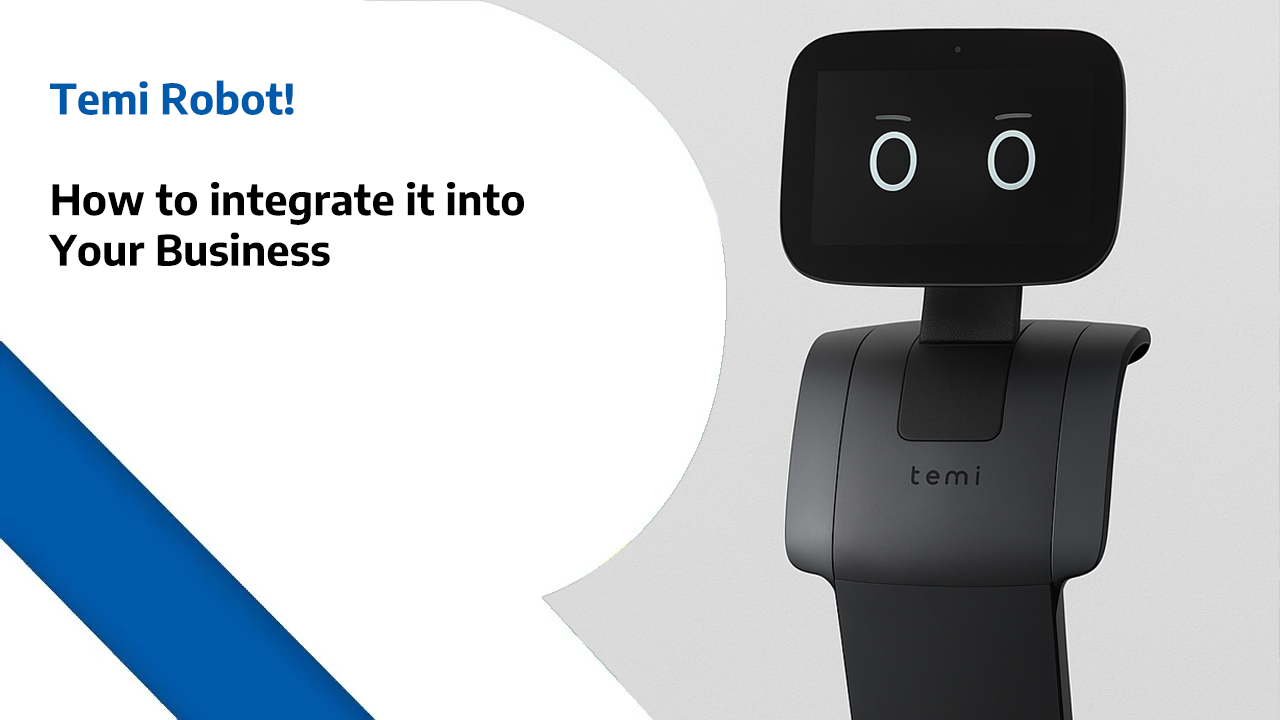
    The Temi Robot is an autonomous personal robot that combines artificial intelligence, advanced navigation technology, and interactive capabilities to serve as a mobile assistant, greeter, and information hub. Standing at an optimal height for human interaction, Temi features a high-definition touchscreen display, advanced voice recognition, autonomous navigation capabilities, and seamless connectivity that makes it an ideal solution for businesses looking to enhance their customer service capabilities.

    Unlike traditional static kiosks or simple chatbots, Temi brings mobility, personality, and sophisticated interaction capabilities to your business environment. Its sleek design and approachable appearance make it an attractive addition to any commercial space, while its robust feature set ensures it can handle complex business requirements with ease.

    Key Technical Specifications

    The Temi Robot boasts impressive technical capabilities that make it suitable for demanding business environments:

    • Advanced Navigation System: LiDAR-based mapping and obstacle avoidance technology ensures safe, efficient movement throughout your facility
    • High-Definition Display: 10.1-inch touchscreen with full HD resolution for crisp, engaging visual interactions
    • Powerful Audio System: Multi-directional speakers and advanced microphone array for clear communication in noisy environments
    • Extended Battery Life: All-day operation with intelligent charging management
    • Robust Connectivity: Wi-Fi, Bluetooth, and optional cellular connectivity for seamless integration with existing systems
    • AI-Powered Intelligence: Natural language processing and machine learning capabilities that improve over time
    • Customizable Software Platform: Open development environment for creating bespoke business applications

    Industries Transformed by Temi Integration

    Healthcare Sector Revolution

    Healthcare facilities worldwide are discovering that Temi Robot integration addresses multiple operational challenges simultaneously. In hospitals, Temi serves as a wayfinding assistant, helping patients and visitors navigate complex layouts while reducing strain on reception staff. The robot’s ability to provide multi-language support ensures that diverse patient populations receive consistent, accurate information.

    During the recent global health challenges, healthcare providers found that Temi could conduct preliminary patient screenings, deliver medications to patient rooms, and provide telehealth capabilities that reduced direct contact while maintaining quality care. Mental health facilities have particularly benefited from Temi’s consistent, non-judgmental interaction style, which can be especially valuable for patients with anxiety or social challenges.

    The robot’s integration with electronic health records systems allows it to provide appointment reminders, medication schedules, and educational content tailored to individual patient needs. This level of personalization, combined with the robot’s approachable design, has shown measurable improvements in patient satisfaction scores and operational efficiency metrics.

    Retail and Shopping Centers

    The retail sector has embraced Temi as a revolutionary tool for enhancing customer experience while gathering valuable business intelligence. Major shopping centers deploy Temi robots as interactive directories that not only provide directions but also offer personalized shopping recommendations based on customer preferences and current promotions.

    Luxury retail brands have found that Temi’s sophisticated appearance and capabilities align perfectly with their premium brand image. The robot can provide detailed product information, schedule appointments with personal shoppers, and even facilitate virtual consultations with experts who aren’t physically present in the store.

    Department stores use Temi for inventory management support, with the robot capable of conducting autonomous stock checks during off-hours and reporting discrepancies to management systems. This dual-purpose functionality maximizes return on investment while providing continuous operational value.

    Corporate Offices and Business Centers

    Modern corporate environments leverage Temi to create impressive first impressions while streamlining visitor management processes. The robot can autonomously greet visitors, verify appointments, issue temporary access credentials, and escort guests to appropriate locations within the facility.

    For businesses with multiple locations, Temi enables virtual presence capabilities that allow executives to “attend” meetings remotely while maintaining the engagement level of physical presence. This telepresence functionality has proven particularly valuable for international organizations managing distributed teams.

    Corporate training programs have integrated Temi as an interactive learning platform, delivering consistent training content while adapting to individual learning styles and paces. The robot’s ability to track engagement and comprehension provides valuable insights for improving training effectiveness.

    Hospitality and Tourism

    Hotels and resorts have discovered that Temi robots can serve as 24/7 concierges, providing guests with instant access to information about amenities, local attractions, dining options, and service requests. The robot’s multilingual capabilities ensure that international guests receive the same high-quality service regardless of language barriers.

    Convention centers and event venues use Temi for attendee registration, schedule management, and wayfinding assistance. The robot’s ability to integrate with event management systems provides real-time updates on schedule changes, room assignments, and special announcements.

    Tourism boards have deployed Temi robots in airports, train stations, and visitor centers to provide interactive city guides, transportation information, and cultural insights that enhance the visitor experience from the moment of arrival.

    Strategic Implementation Framework

    Phase 1: Assessment and Planning

    Successful Temi integration begins with a comprehensive assessment of your business needs, customer journey mapping, and operational requirements. This phase involves analyzing current pain points, identifying opportunities for automation, and establishing clear success metrics for the robot implementation.

    A thorough site survey ensures optimal placement for maximum impact while considering factors such as foot traffic patterns, lighting conditions, charging station locations, and integration points with existing systems. Understanding your customer demographics and interaction preferences helps configure Temi’s personality and communication style to align with your brand voice.

    The planning phase also includes staff training program development, ensuring your team understands how to work alongside Temi and leverage its capabilities to enhance rather than replace human interactions. Change management considerations are crucial for smooth adoption and long-term success.

    Phase 2: Customization and Integration

    Temi’s open platform architecture allows for extensive customization to match your specific business requirements. Custom applications can be developed to integrate with existing CRM systems, inventory management platforms, appointment scheduling systems, and other business-critical applications.

    Brand integration involves customizing Temi’s visual appearance, voice characteristics, and interaction protocols to reflect your corporate identity. This includes custom welcome messages, branded content displays, and behavior patterns that align with your company culture and values.

    Technical integration with existing network infrastructure, security systems, and operational procedures ensures seamless operation within your current technology ecosystem. This phase often reveals opportunities for additional automation and efficiency improvements beyond the initial implementation scope.

    Phase 3: Deployment and Optimization

    The deployment phase involves careful rollout planning to minimize disruption while maximizing initial impact. Soft launch periods allow for fine-tuning based on real-world usage patterns and feedback from both customers and staff members.

    Continuous monitoring during the initial deployment period provides valuable data on interaction patterns, technical performance, and user satisfaction levels. This information guides optimization efforts to improve effectiveness and identify additional use cases for expansion.

    Regular performance reviews and updates ensure that Temi continues to meet evolving business needs while taking advantage of new capabilities and features as they become available through software updates.

    Measuring Return on Investment

    Quantitative Benefits

    Businesses implementing Temi robots typically observe measurable improvements across multiple operational metrics. Customer service efficiency increases as Temi handles routine inquiries, allowing human staff to focus on complex, high-value interactions that require emotional intelligence and creative problem-solving.

    Cost savings emerge through reduced need for additional reception staff during peak hours, decreased training costs for basic information provision, and improved resource allocation across departments. Many businesses report significant reductions in operational costs within the first year of implementation.

    Customer engagement metrics show consistent improvements, with increased dwell times, higher satisfaction scores, and improved brand recall among visitors who interact with Temi. These improvements often translate directly into increased sales and customer loyalty.

    Qualitative Improvements

    Beyond measurable metrics, Temi integration creates qualitative benefits that contribute to overall business success. Enhanced brand perception positions your organization as innovative and forward-thinking, attracting customers who value technological advancement and modern service approaches.

    Staff satisfaction improvements occur as employees are relieved of repetitive tasks and empowered to focus on meaningful customer interactions. This shift often leads to improved job satisfaction and reduced turnover rates.

    The “wow factor” created by Temi’s presence generates positive word-of-mouth marketing and social media engagement that extends your brand reach beyond immediate customers. This organic marketing value can be substantial, particularly for businesses in competitive markets.

    Overcoming Implementation Challenges

    Technical Considerations

    While Temi is designed for ease of use, successful implementation requires attention to technical details that can impact performance and user experience. Network infrastructure must provide reliable, high-speed connectivity throughout the robot’s operational area to ensure smooth performance and real-time responsiveness.

    Security considerations include both physical security of the robot and cybersecurity measures to protect customer data and business information. Implementing appropriate access controls, data encryption, and monitoring systems ensures compliance with privacy regulations and maintains customer trust.

    Environmental factors such as lighting conditions, floor surfaces, and acoustic properties can affect Temi’s performance. Proper site preparation and ongoing maintenance ensure optimal operation in your specific environment.

    Organizational Change Management

    Introducing robotics into existing workflows requires careful change management to ensure successful adoption by both staff and customers. Clear communication about Temi’s role and capabilities helps set appropriate expectations and reduces resistance to change.

    Training programs for staff members should emphasize how Temi enhances rather than replaces human capabilities, highlighting opportunities for employees to focus on higher-value activities while the robot handles routine tasks.

    Customer education through signage, demonstrations, and gentle guidance helps visitors understand how to interact with Temi effectively, maximizing the benefits for all parties involved.

    Advanced Integration Strategies

    Multi-Robot Coordination

    As businesses scale their robotic implementations, coordination between multiple Temi robots becomes important for maintaining consistent service quality and avoiding conflicts. Advanced fleet management systems enable centralized control and monitoring of multiple units across different locations or departments.

    Load balancing capabilities ensure that customer service demands are distributed efficiently among available robots, while synchronized data sharing enables seamless handoffs between units when necessary.

    AI and Machine Learning Integration

    Temi’s platform supports integration with advanced AI and machine learning systems that can provide increasingly sophisticated capabilities over time. Natural language processing improvements enable more nuanced conversations, while predictive analytics can anticipate customer needs and proactively provide relevant information.

    Integration with business intelligence systems allows Temi to access real-time data about inventory levels, appointment availability, promotional offers, and other dynamic information that enhances customer service quality.

    Internet of Things (IoT) Integration

    Modern business environments increasingly rely on IoT devices for operational efficiency. Temi can serve as a mobile interface for these systems, providing staff and customers with convenient access to lighting controls, temperature adjustments, security systems, and other connected devices.

    This integration creates opportunities for Temi to serve as a central hub for facility management, environmental monitoring, and automated responses to changing conditions throughout your business space.

    Industry-Specific Applications

    Education Sector

    Educational institutions have found innovative ways to leverage Temi’s capabilities for both administrative and pedagogical purposes. Universities use Temi for campus tours, providing prospective students with engaging, informative experiences that highlight campus facilities and academic programs.

    In classroom settings, Temi serves as a teaching assistant, providing access to reference materials, facilitating group discussions, and enabling remote participation for students who cannot physically attend classes.

    Administrative applications include student check-in for examinations, distribution of important announcements, and assistance with course registration processes during busy enrollment periods.

    Manufacturing and Industrial Applications

    While manufacturing environments present unique challenges, Temi has found applications in office areas of industrial facilities, visitor centers, and training facilities. The robot serves as a safety briefing assistant for visitors, ensuring consistent delivery of critical safety information before facility tours.

    In manufacturing training centers, Temi provides interactive access to safety protocols, equipment manuals, and certification tracking systems that support ongoing employee development programs.

    Quality assurance departments use Temi for document management, enabling mobile access to inspection checklists, reporting systems, and communication with remote quality control experts.

    Financial Services

    Banks and financial institutions leverage Temi to enhance customer service while maintaining the security and professionalism required in financial environments. The robot provides account information, appointment scheduling, and educational content about financial products and services.

    Investment firms use Temi for client education, providing interactive access to market information, portfolio performance data, and educational content about investment strategies and market trends.

    Insurance offices deploy Temi to assist with claims processing, policy information requests, and appointment scheduling, streamlining operations while maintaining high service quality.

    Future-Proofing Your Investment

    Technology Evolution Considerations

    The robotics industry continues to evolve rapidly, with new capabilities and features regularly becoming available through software updates and hardware enhancements. Choosing a platform like Temi that supports ongoing development ensures that your investment remains current and valuable over time.

    Integration with emerging technologies such as augmented reality, advanced AI systems, and improved sensor technologies provides opportunities for expanding Temi’s capabilities without requiring complete system replacement.

    Understanding the roadmap for Temi’s development helps businesses plan for future enhancements and ensure that their implementation strategy aligns with long-term technology trends.

    Scalability and Expansion

    Successful Temi implementations often lead to expansion opportunities as businesses discover additional use cases and applications. Planning for scalability from the initial implementation ensures that expansion can occur smoothly without requiring significant system modifications.

    Multi-location businesses benefit from standardized implementations that can be replicated across different sites while allowing for local customization based on specific needs and requirements.

    Partnership opportunities with other businesses can extend the value of Temi implementations through shared applications, cross-promotional activities, and collaborative service offerings.

    Expert Consultation and Professional Implementation

    The Value of Professional Guidance

    While Temi is designed for ease of use, maximizing the return on your robotics investment requires expertise in implementation planning, customization, and optimization. Professional consultation ensures that your implementation avoids common pitfalls and leverages best practices developed through experience across multiple industries and applications.

    Robot Philosophy specializes in comprehensive robotics consulting that encompasses strategic planning, technical implementation, staff training, and ongoing optimization. Our team’s deep understanding of both robotics technology and business operations ensures that your Temi implementation delivers maximum value from day one.

    Our consulting approach begins with thorough assessment of your business needs, customer journey mapping, and operational requirements analysis. This foundation ensures that your Temi implementation addresses real business challenges while creating opportunities for competitive advantage.

    Customization and Integration Services

    Every business has unique requirements that require customized approaches to robotics implementation. Our development team creates bespoke applications and integrations that maximize Temi’s value within your specific operational context.

    From custom user interfaces that reflect your brand identity to complex integrations with existing business systems, our technical expertise ensures that Temi becomes a seamless part of your operational infrastructure rather than an isolated addition.

    Our integration services include comprehensive testing, staff training, and ongoing support to ensure smooth operation and continuous improvement of your robotics implementation.

    Ongoing Support and Optimization

    Robotics implementations require ongoing attention to maintain peak performance and adapt to changing business needs. Our support services include regular performance monitoring, software updates, hardware maintenance, and strategic optimization recommendations.

    As your business evolves, we provide guidance on expanding Temi’s capabilities, integrating new technologies, and scaling your robotics implementation to support growth and changing requirements.

    Our proactive approach to support ensures that potential issues are identified and addressed before they impact operations, maintaining the high service quality that your customers expect.

    Recruitment and Talent Acquisition for Robotics Integration

    Building Your Robotics Team

    Successful robotics implementation often requires specialized talent to manage, maintain, and optimize robotic systems. The growing demand for robotics expertise has created new career opportunities while presenting challenges for businesses seeking qualified professionals.

    Robot Philosophy’s recruitment services specialize in identifying and placing talented professionals with the specific skills required for successful robotics implementation and management. Our network includes software developers, robotics engineers, systems integrators, and project managers with proven experience in commercial robotics applications.

    We understand that robotics roles often require unique combinations of technical expertise, customer service understanding, and business acumen. Our recruitment process is designed to identify candidates who possess not only the necessary technical skills but also the interpersonal abilities required to work effectively in customer-facing robotic applications.

    Specialized Skill Requirements

    The integration of Temi robots creates demand for professionals with expertise in areas such as robotics software development, system integration, user experience design, and robotics maintenance. These specialized skills are essential for maximizing the value of your robotics investment.

    Our recruitment services help businesses identify the specific skill sets required for their robotics implementation while developing realistic timelines and budgets for talent acquisition. We also provide guidance on training existing staff members to work effectively with robotic systems.

    Understanding the career development opportunities in robotics helps businesses attract and retain top talent while building internal expertise that supports long-term success with robotic technologies.

    Training and Development Programs

    Robotics implementation success depends heavily on having staff members who understand how to work effectively with robotic systems. Our training programs are designed to help existing employees develop the skills necessary to support and optimize robotics operations.

    From basic operation and troubleshooting to advanced customization and system integration, our training curriculum covers all aspects of working with Temi robots in business environments. These programs can be customized to match your specific implementation requirements and staff skill levels.

    Ongoing professional development ensures that your team stays current with evolving robotics capabilities and best practices, maintaining your competitive advantage as the technology continues to advance.

    Implementation Timeline and Project Management

    Typical Project Phases

    Most Temi implementations follow a structured timeline that begins with initial consultation and extends through full deployment and optimization. Understanding this timeline helps businesses plan effectively and set realistic expectations for when benefits will begin to materialize.

    The initial consultation phase typically requires 2-4 weeks and includes needs assessment, site survey, technical requirements analysis, and development of a comprehensive implementation plan. This phase is crucial for ensuring that all stakeholders understand the scope, requirements, and expected outcomes of the project.

    Development and customization activities usually require 4-8 weeks, depending on the complexity of required integrations and custom applications. This phase includes software development, system configuration, testing, and preparation for deployment.

    Deployment and training typically require 2-3 weeks and include installation, staff training, customer education, and initial optimization based on real-world usage patterns. This phase focuses on ensuring smooth operation and user acceptance.

    Project Management Best Practices

    Successful robotics implementation requires careful project management to coordinate technical development, staff training, system integration, and change management activities. Our project management approach ensures that all aspects of implementation are properly planned, executed, and monitored.

    Regular progress reviews and stakeholder communication maintain alignment between technical development and business requirements, ensuring that the final implementation meets all expectations and requirements.

    Risk management strategies identify potential challenges early and develop mitigation plans that minimize impact on project timeline and budget. This proactive approach helps ensure successful outcomes even when unexpected issues arise.

    Cost-Benefit Analysis and Financial Considerations

    Investment Structure

    Temi robot implementation involves several cost components that should be considered when evaluating the total investment required. Initial hardware costs represent the most obvious expense, but businesses should also consider customization, integration, training, and ongoing support costs when developing project budgets.

    Our consulting services include comprehensive cost-benefit analysis that helps businesses understand the full financial implications of robotics implementation while identifying opportunities for cost optimization and value maximization.

    Financing options and leasing programs may be available to help businesses manage the initial investment while beginning to realize operational benefits immediately. We can provide guidance on various financing approaches and help identify the option that best matches your business’s financial situation.

    Return on Investment Calculations

    Calculating ROI for robotics implementation requires consideration of both direct cost savings and indirect benefits such as improved customer satisfaction, enhanced brand perception, and increased employee satisfaction. Our analysis methodology captures all relevant factors to provide accurate ROI projections.

    Many businesses find that robotics implementation pays for itself within 12-18 months through a combination of operational cost savings, increased efficiency, and improved customer experience metrics. Long-term benefits often continue to grow as businesses discover additional applications and optimization opportunities.

    Regular ROI monitoring and analysis help businesses understand the ongoing value of their robotics investment while identifying opportunities for expansion and enhancement that can further improve financial returns.

    Getting Started: Your Path to Robotics Success

    Initial Consultation Process

    Beginning your journey toward successful Temi robot integration starts with a comprehensive consultation that explores your business needs, challenges, and opportunities. Our team brings extensive experience across multiple industries and applications to help you understand how robotics can benefit your specific situation.

    During the initial consultation, we conduct a thorough assessment of your current operations, customer service processes, and technology infrastructure. This analysis provides the foundation for developing a customized implementation plan that addresses your unique requirements and objectives.

    We also discuss your timeline, budget constraints, and success criteria to ensure that our recommendations align with your business planning and resource allocation requirements. This collaborative approach ensures that your robotics implementation delivers maximum value while fitting within your operational constraints.

    Customized Implementation Planning

    Every business is unique, requiring customized approaches to robotics implementation that reflect specific industry requirements, operational constraints, and customer expectations. Our planning process develops detailed roadmaps that address all aspects of your robotics integration project.

    Technical planning includes system architecture design, integration specifications, customization requirements, and testing protocols that ensure smooth deployment and reliable operation. We also address security, compliance, and maintenance requirements during this phase.

    Operational planning covers staff training programs, change management strategies, customer education approaches, and performance monitoring systems that support successful adoption and ongoing optimization.

    Contact Information and Next Steps

    Ready to transform your business with Temi robot integration? Our expert team is standing by to help you navigate the exciting world of commercial robotics and develop an implementation strategy that delivers measurable results for your organization.

    For Professional Consultation and Implementation Services:

    Schedule your initial consultation today to begin exploring how Temi robot integration can enhance your customer experience, streamline operations, and position your business as an innovative leader in your industry.

    Our consultation process includes:

    • Comprehensive needs assessment
    • Site survey and technical evaluation
    • Customized implementation planning
    • ROI analysis and budget planning
    • Timeline development and project planning

    Don’t wait to begin your robotics journey. The competitive advantages of early adoption are significant, and our team is ready to help you realize the full potential of Temi robot integration in your business environment.

    Conclusion: Embracing the Robotics Revolution

    The integration of Temi robots into business operations represents more than just technological advancement—it’s a strategic decision that positions your organization for success in an increasingly competitive and technology-driven marketplace. As we’ve explored throughout this comprehensive guide, the applications and benefits of robotics integration extend far beyond simple automation, creating opportunities for enhanced customer experiences, operational efficiency, and competitive differentiation.

    The businesses that thrive in the coming years will be those that embrace innovative technologies while maintaining focus on human-centered service and value creation. Temi robots provide the perfect balance between technological sophistication and approachable, user-friendly operation that makes advanced robotics accessible to businesses of all sizes and industries.

    Your robotics journey begins with a single step: reaching out to experienced professionals who can guide you through the implementation process and help you realize the full potential of this transformative technology. Contact us today to begin exploring how Temi robot integration can revolutionize your business operations and create lasting competitive advantages.


    This article is brought to you by our technology partners:

    Robot Centerrobotcenter.co.uk Your comprehensive source for robot purchases, expert consultancy, and complete robotics solutions

    Robots of Londonrobotsoflondon.co.uk Premier robot hire and rental services for events, demonstrations, and temporary business applications

    Robot Philosophyrobophil.com Expert robot consultancy, specialized recruitment services, and innovative robotics insights for forward-thinking businesses


  • Talk to a Robot Consultant – What to Expect in Your First Call

    Talk to a Robot Consultant – What to Expect in Your First Call

    Talk to a Robot Consultant – What to Expect in Your First Call

    The world of robotics is evolving at breakneck speed, transforming industries from manufacturing and healthcare to hospitality and retail. As businesses increasingly recognize the potential of robotic solutions to enhance efficiency, reduce costs, and drive innovation, the demand for expert guidance has never been higher. This is where robot consultants come in—specialized professionals who bridge the gap between cutting-edge robotic technology and practical business applications.

    If you’re considering taking the leap into robotics for your business but feel overwhelmed by the technical complexities and endless options available, scheduling a consultation with a robot expert could be the game-changing decision you’ve been looking for. But what exactly happens during that first call? What should you prepare, and what outcomes can you realistically expect?

    This comprehensive guide will walk you through everything you need to know about your first robot consultation call, helping you maximize this valuable opportunity to explore how robotics can revolutionize your business operations.

    Understanding the Role of a Robot Consultant

    Before diving into what to expect during your consultation, it’s important to understand what a robot consultant brings to the table. These specialized professionals combine deep technical knowledge of robotic systems with extensive business acumen, enabling them to translate complex technological capabilities into practical solutions that align with your specific business objectives.

    Robot consultants typically offer a range of services including feasibility assessments, technology selection guidance, implementation planning, integration support, and ongoing optimization strategies. They stay current with the latest developments in artificial intelligence, machine learning, sensor technology, and automation hardware, ensuring they can recommend the most appropriate and cost-effective solutions for your unique needs.

    The value proposition extends beyond mere technical expertise. A skilled robot consultant understands industry-specific challenges, regulatory requirements, workforce implications, and the critical success factors that determine whether a robotic implementation will deliver the expected return on investment. They serve as your trusted advisor throughout the entire journey, from initial concept exploration through successful deployment and beyond.

    Preparing for Your First Consultation Call

    Preparation is key to maximizing the value of your robot consultation. Before your scheduled call, take time to clearly articulate your business challenges, objectives, and constraints. Consider the specific pain points you’re hoping to address through robotics—whether that’s labor shortages, quality consistency issues, safety concerns, or the need to increase production capacity.

    Gather relevant information about your current operations, including workflow diagrams, production volumes, quality metrics, and any existing automation systems. If you have budget parameters or timeline constraints, having these details readily available will help your consultant provide more targeted recommendations.

    It’s also beneficial to involve key stakeholders in the preparation process. Consider who from your team should participate in the consultation—this might include operations managers, technical staff, financial decision-makers, and anyone else who would be directly impacted by a robotic implementation. Having the right people involved from the beginning ensures all perspectives are considered and helps build organizational buy-in for potential initiatives.

    Think about your long-term vision as well. While you might be focused on solving immediate challenges, robot consultants can help you develop a strategic roadmap that positions your business for future growth and technological advancement. Understanding your broader business goals will enable more comprehensive and forward-thinking recommendations.

    The Initial Discovery Phase

    Your first consultation call will typically begin with an extensive discovery phase, where your consultant works to understand your business, industry, and specific needs. Expect detailed questions about your current operations, including production processes, quality control measures, workforce dynamics, and existing technology infrastructure.

    The consultant will likely inquire about your company’s size, structure, and culture, as these factors significantly influence which robotic solutions will be most successful. They’ll want to understand your customer base, market position, and competitive pressures, as these elements help shape the strategic context for any robotic initiatives.

    During this phase, be prepared to discuss both your successes and your challenges openly. The most effective robot consultants need a complete picture of your situation to provide valuable guidance. Don’t hesitate to share concerns about implementation complexity, workforce impact, or budget limitations—addressing these issues upfront ensures more realistic and actionable recommendations.

    Your consultant may also explore your organization’s previous experience with automation or technology implementations. Understanding what has worked well in the past, as well as any challenges you’ve encountered, helps inform their approach and recommendations for robotic solutions.

    Technical Assessment and Feasibility Analysis

    Following the initial discovery, your consultant will conduct a technical assessment of your specific use case. This involves analyzing the technical requirements for potential robotic solutions, including the physical environment, task complexity, precision requirements, and integration needs with existing systems.

    Expect detailed discussions about the specific tasks you’re hoping to automate. The consultant will evaluate factors such as the repeatability of processes, the degree of variability in your products or materials, and the level of decision-making required. These elements are crucial in determining whether robotic automation is feasible and which types of robotic systems would be most appropriate.

    The consultant will also assess your current infrastructure, including power requirements, network capabilities, safety systems, and physical space constraints. This technical evaluation helps identify any modifications or upgrades that might be necessary to support robotic implementation.

    During this phase, your consultant may present various technological options, explaining the capabilities, limitations, and costs associated with different robotic platforms. They’ll help you understand the trade-offs between different approaches, ensuring you have the information needed to make informed decisions about your robotic strategy.

    ROI Analysis and Business Case Development

    One of the most critical aspects of your consultation will be the development of a comprehensive return on investment analysis. Your robot consultant will work with you to quantify the potential benefits of robotic implementation, including cost savings, productivity improvements, quality enhancements, and risk reduction.

    This analysis typically includes both direct financial benefits, such as reduced labor costs or increased throughput, as well as indirect benefits like improved workplace safety, enhanced consistency, and greater operational flexibility. The consultant will help you understand both the short-term and long-term financial implications of robotic investment.

    Expect discussions about implementation costs, including not just the robotic hardware but also integration services, training requirements, ongoing maintenance, and any necessary facility modifications. A thorough cost-benefit analysis provides the foundation for making informed investment decisions and securing organizational support for robotic initiatives.

    Your consultant may also help you explore financing options, leasing arrangements, or phased implementation approaches that can make robotic solutions more accessible and manageable from a cash flow perspective. Understanding all available options ensures you can structure an investment that aligns with your financial capabilities and business objectives.

    Implementation Planning and Timeline Development

    If the feasibility analysis indicates that robotic solutions are viable for your application, your consultant will begin developing a preliminary implementation plan. This roadmap outlines the key phases of deployment, from initial system design and procurement through installation, testing, and full production rollout.

    Expect detailed discussions about timeline expectations, recognizing that robotic implementations typically require several months from decision to full operation. Your consultant will help you understand the various factors that influence implementation schedules, including equipment lead times, integration complexity, and training requirements.

    The planning process will also address change management considerations, including workforce communication, training programs, and organizational adjustments needed to successfully integrate robotic systems into your operations. Effective implementation planning considers not just the technical aspects but also the human and organizational elements that are crucial for success.

    Your consultant may recommend a phased approach, starting with pilot installations or lower-risk applications before expanding to more complex implementations. This strategy allows you to build internal capabilities, demonstrate value, and refine processes before making larger investments.

    Risk Assessment and Mitigation Strategies

    Professional robot consultants understand that every implementation carries inherent risks, and they’ll work with you to identify and address potential challenges proactively. Common risk areas include technical integration issues, workforce acceptance challenges, supplier reliability concerns, and regulatory compliance requirements.

    During your consultation, expect frank discussions about potential pitfalls and their likelihood of occurrence. More importantly, your consultant will propose specific mitigation strategies for each identified risk, helping you develop contingency plans and preventive measures.

    This might include recommendations for supplier evaluation criteria, suggestions for pilot testing approaches, strategies for workforce engagement, or proposals for staged implementation that limits exposure to any single point of failure. Understanding and preparing for potential challenges significantly improves the likelihood of successful implementation.

    Your consultant may also address cybersecurity considerations, as modern robotic systems often include network connectivity and data collection capabilities. Ensuring appropriate security measures are in place protects both your operational systems and sensitive business information.

    Next Steps and Ongoing Support

    As your initial consultation draws to a close, your robot consultant will outline potential next steps based on the discussions and analysis conducted during the call. This might include more detailed feasibility studies, site visits for hands-on assessment, development of detailed implementation proposals, or connections with specific technology suppliers.

    Many robot consultants offer ongoing support services that extend well beyond the initial implementation. These might include system optimization services, expansion planning, troubleshooting support, or assistance with scaling robotic solutions to additional applications within your organization.

    Your consultant may also discuss training and knowledge transfer opportunities that can help build internal capabilities within your team. Developing in-house expertise ensures you can maximize the value of your robotic investments and maintain optimal system performance over time.

    What Makes a Great Robot Consultation Experience

    The best robot consultation experiences are characterized by several key elements. First and foremost, your consultant should demonstrate genuine expertise across multiple robotic technologies and applications, enabling them to recommend solutions based on technical merit rather than vendor relationships or limited experience.

    Effective consultants are also excellent listeners who take time to truly understand your business before proposing solutions. They should ask probing questions, challenge assumptions when appropriate, and demonstrate a clear understanding of your industry’s unique requirements and constraints.

    Transparency is another hallmark of quality robot consultation. Your consultant should be upfront about costs, timelines, risks, and limitations. They should present balanced analyses that include both benefits and challenges, helping you make informed decisions rather than simply promoting robotic solutions regardless of fit.

    Look for consultants who demonstrate strong communication skills, translating technical concepts into business language and ensuring all stakeholders can understand and engage with the recommendations. The ability to bridge technical and business perspectives is crucial for successful robotic implementations.

    Industry-Specific Considerations

    Different industries present unique challenges and opportunities for robotic implementation, and experienced robot consultants understand these nuances. In manufacturing environments, consultants focus on production efficiency, quality consistency, and integration with existing automation systems. Healthcare applications require deep understanding of regulatory requirements, patient safety considerations, and infection control protocols.

    Retail and hospitality robotics demand expertise in customer interaction, brand alignment, and service quality maintenance. Logistics and warehousing applications emphasize throughput optimization, accuracy requirements, and integration with inventory management systems.

    During your consultation, expect your robot consultant to demonstrate familiarity with your specific industry’s requirements, challenges, and best practices. This industry expertise ensures recommendations are practical and aligned with sector-specific success factors.

    Building Long-Term Robotic Strategy

    While your first consultation call focuses on immediate needs and opportunities, the best robot consultants also help you develop a long-term strategic vision for robotics within your organization. This might include identifying additional applications for automation, planning for technology evolution, and building organizational capabilities that support ongoing innovation.

    Your consultant may discuss emerging trends in robotics that could impact your business in the coming years, helping you position for future opportunities and challenges. This forward-thinking approach ensures your initial robotic investments are part of a coherent strategy rather than isolated tactical decisions.

    Consider how your robotic initiatives align with broader digital transformation efforts within your organization. The most successful companies integrate robotics with other advanced technologies like IoT, artificial intelligence, and data analytics to create comprehensive operational improvements.

    Maximizing Consultation Value

    To get the most value from your robot consultation, come prepared with specific questions and scenarios you’d like to explore. Be open about your concerns and constraints, as addressing these issues upfront leads to more realistic and actionable recommendations.

    Take detailed notes during your consultation and don’t hesitate to ask for clarification on technical concepts or implementation details. Most robot consultants are happy to provide follow-up information or additional resources that help you better understand the recommendations.

    Consider involving multiple stakeholders in the consultation process, as different perspectives often reveal important considerations that might otherwise be overlooked. Having diverse viewpoints represented ensures more comprehensive evaluation of potential solutions.

    Conclusion: Your Gateway to Robotic Innovation

    Your first robot consultation call represents the beginning of what could be a transformative journey for your business. By understanding what to expect and how to prepare, you position yourself to maximize this valuable opportunity and make informed decisions about robotic investments.

    Remember that the best robot consultants are not just technology experts—they’re strategic partners who understand your business and are committed to your success. They bring not only technical knowledge but also practical experience, industry insights, and the ability to translate complex capabilities into real-world business value.

    The robotics landscape continues to evolve rapidly, with new technologies, applications, and opportunities emerging regularly. Partnering with experienced robot consultants ensures you stay current with these developments and can capitalize on innovations that drive competitive advantage.

    Whether you’re exploring robotics for the first time or looking to expand existing automation initiatives, a professional consultation provides the foundation for successful implementation. Take advantage of this opportunity to explore how robotics can transform your operations, enhance your capabilities, and position your business for future growth.


    Ready to Transform Your Business with Robotics?

    Don’t let the complexity of robotic technology hold you back from exploring its transformative potential. Our expert robot consultants are ready to help you navigate the opportunities and challenges of implementing robotic solutions in your business.

    Contact us today to schedule your comprehensive robot consultation:

    📧 Email: info@robophil.com
    📞 Phone: 0845 528 0404

    Our team of experienced professionals will work with you to understand your unique needs, assess the feasibility of robotic solutions, and develop a strategic roadmap for implementation. From initial consultation through successful deployment and ongoing optimization, we’re your trusted partners in robotic innovation.

    Additional Services:

    • Robot Consulting: Strategic guidance and technical expertise for robotic implementations
    • Robot Recruitment: Specialized talent acquisition for robotics professionals and technical teams

    Sponsored by Leading Robotics Partners

    This article is proudly sponsored by three industry-leading organizations committed to advancing robotic technology adoption:

    Robot Center
    Your comprehensive destination for robot purchasing, procurement, and consultancy services. Whether you’re looking to buy robots, need expert robotics consultancy, or require guidance on technology selection, Robot Center provides the expertise and resources to support your robotic initiatives.

    Robots of London
    Premier provider of robot hire and rental services for events, demonstrations, and short-term projects. From robot events and experiential marketing to temporary automation solutions, Robots of London offers flexible access to cutting-edge robotic technology without the commitment of permanent purchase.

    Robot Philosophy
    Specialized consultancy and recruitment services focused on robotics strategy, implementation, and talent acquisition. Robot Philosophy combines deep technical expertise with strategic business insight to deliver actionable advice, innovative ideas, and specialized recruitment services for organizations embracing robotic technology.

    These partnerships ensure access to comprehensive robotics expertise, from strategic planning and technology selection through implementation support and ongoing optimization. Together, we’re committed to making robotic technology accessible, practical, and transformative for businesses across all industries.


  • 5 Signs You’re Ready for a Robot Consultant (And On You’re Not)

    5 Signs You’re Ready for a Robot Consultant (And On You’re Not)

    Lorem ipsum dolor sit amet, consectetur adipiscing elit. Ut elit tellus, luctus nec ullamcorper mattis, pulvinar dapibus leo.

    5 Signs You’re Ready for a Robot Consultant

    The robotics revolution isn’t coming—it’s already here. From manufacturing floors to hospital corridors, from warehouses to retail spaces, robots are transforming how businesses operate, compete, and grow. Yet despite the clear benefits of automation, many organizations remain hesitant to take the plunge into robotics integration.

    The question isn’t whether robotics will impact your industry, but when and how you’ll adapt to stay competitive. If you’re wondering whether it’s time to bring in expert guidance, here are five clear signs that your organization is ready for a robot consultant.

    1. Your Labor Costs Are Spiraling Out of Control

    One of the most obvious indicators that you need robotic solutions is when labor costs begin consuming an unsustainable portion of your operational budget. If you’re finding it increasingly difficult to maintain profit margins due to rising wages, benefits, and training costs, it’s time to consider automation.

    Modern robotics technology has reached a tipping point where the return on investment often justifies the initial expenditure within 12-24 months. A robot consultant can perform detailed cost-benefit analyses specific to your operations, identifying which processes would benefit most from automation and calculating precise ROI timelines.

    Consider the manufacturing sector, where labor shortages have pushed wages up by 15-20% in many regions over the past three years. Companies that invested in collaborative robots (cobots) during this period have not only maintained their competitive pricing but have often improved their market position by offering more consistent quality and faster delivery times.

    The key is understanding that robotics isn’t about replacing human workers entirely—it’s about augmenting human capabilities while handling repetitive, dangerous, or precision-critical tasks more efficiently. A skilled robot consultant can help you identify these opportunities and develop implementation strategies that optimize both human and robotic resources.

    2. Quality Control Issues Are Affecting Your Reputation

    When human error begins impacting product quality or service delivery consistently, it’s a clear signal that automated solutions could provide the precision and consistency your business needs. Robots excel at repetitive tasks that require exact specifications, and they don’t suffer from fatigue, distraction, or inconsistency.

    Quality control problems often manifest in several ways: increased customer complaints, higher return rates, warranty claims, or failing inspection standards. Each of these issues carries both direct costs (replacements, refunds, repairs) and indirect costs (reputation damage, customer acquisition costs, regulatory compliance issues).

    A robot consultant can evaluate your quality control challenges and recommend specific robotic solutions. For instance, machine vision systems can detect defects that human inspectors might miss, while precision robotic arms can perform assembly tasks with tolerances measured in fractions of millimeters.

    The pharmaceutical industry provides an excellent example of how robotics transforms quality control. Automated dispensing systems have reduced medication errors by up to 85% in many hospitals, while robotic packaging systems ensure consistent dosage accuracy and contamination prevention that would be impossible to achieve consistently with manual processes.

    Beyond the immediate quality improvements, robotic systems generate detailed data logs of every operation, creating audit trails and quality documentation that satisfy regulatory requirements while providing insights for continuous improvement.

    3. You’re Struggling to Fill Critical Positions

    The global labor shortage has hit many industries particularly hard, making it increasingly difficult to find qualified workers for essential roles. If you’re experiencing extended vacancy periods, high turnover rates, or difficulty attracting skilled workers, robotics might be the solution to maintain operational continuity.

    This challenge is particularly acute in industries involving physically demanding, repetitive, or hazardous work. Younger workers increasingly seek roles that offer creativity, problem-solving, and career development opportunities rather than routine manual tasks. Robotics allows you to automate these less desirable positions while creating new, higher-skilled roles in robot programming, maintenance, and supervision.

    A robot consultant can help you redesign workflows to leverage both human creativity and robotic precision effectively. This might involve implementing cobots that work alongside human operators, freeing staff to focus on complex decision-making, customer interaction, or creative problem-solving tasks.

    The logistics industry exemplifies this trend perfectly. Amazon’s fulfillment centers use thousands of robots to handle inventory movement, allowing human workers to focus on exception handling, quality assurance, and complex picking tasks. This approach has enabled the company to maintain growth despite labor shortages while creating more engaging roles for their human workforce.

    When evaluating robotics solutions for staffing challenges, consider the broader implications for your human resources strategy. Automation can make your remaining positions more attractive by eliminating mundane tasks and providing opportunities for skill development in emerging technologies.

    4. Safety Incidents Are Becoming More Frequent or Costly

    Workplace safety should never be compromised, and if you’re seeing an uptick in accidents, near-misses, or safety-related costs, robotics consultation becomes not just advisable but essential. Robots can handle dangerous tasks, work in hazardous environments, and eliminate human exposure to risks that could result in serious injuries or fatalities.

    Safety incidents carry enormous costs beyond the immediate medical expenses. Workers’ compensation claims, regulatory fines, legal fees, productivity losses, and reputation damage can quickly escalate into seven-figure expenses. Moreover, high accident rates make it difficult to attract and retain quality employees, creating a vicious cycle of staffing challenges.

    Industrial robots excel at tasks involving heavy lifting, exposure to chemicals, extreme temperatures, or repetitive motions that cause strain injuries. They can work in confined spaces, handle radioactive materials, or operate in environments with poor air quality without risk to human health.

    A robot consultant can conduct comprehensive safety assessments of your operations, identifying specific hazards that robotic solutions could eliminate or mitigate. They can also help design safety protocols for human-robot collaboration, ensuring that automation enhances rather than compromises your safety culture.

    The construction industry has seen remarkable safety improvements through robotics adoption. Robotic systems now handle tasks like demolition in unstable structures, painting in confined spaces, and material handling in dangerous environments, reducing construction worker fatalities by significant margins in companies that have embraced these technologies.

    5. Your Competitors Are Gaining Market Advantages

    Perhaps the most urgent sign that you need robot consultation is when competitors begin demonstrating clear advantages in pricing, delivery times, quality, or customer service through automation. In today’s competitive landscape, the question isn’t whether to adopt robotics, but how quickly you can implement effective solutions.

    Market dynamics change rapidly when automation enters an industry. Companies with robotic systems can often offer lower prices due to reduced labor costs, faster delivery due to 24/7 operations, and higher quality due to precision and consistency. Once these advantages become established, they create significant barriers for non-automated competitors.

    A robot consultant can help you understand your competitive landscape and develop strategies to not just match competitor advantages but potentially exceed them. This might involve identifying automation opportunities that your competitors have overlooked or implementing more advanced technologies that create new competitive moats.

    The key is moving beyond reactive responses to competitor automation. The most successful companies use robotic consultation to identify opportunities that create sustainable competitive advantages, whether through superior customer experience, innovative product capabilities, or operational efficiencies that enable new business models.

    Consider how Tesla revolutionized automotive manufacturing through advanced automation. Their highly automated production lines don’t just reduce costs—they enable rapid iteration, customization capabilities, and quality levels that traditional manufacturers struggle to match using conventional methods.

    Making the Investment: What to Expect from Robot Consultation

    Once you’ve identified that your organization exhibits these readiness signs, the next step is engaging with qualified robot consultants who can guide your automation journey. Professional robot consultation involves several critical phases that ensure successful implementation and maximum return on investment.

    The initial assessment phase involves comprehensive evaluation of your current operations, identifying specific processes suitable for automation, and calculating potential returns on investment. This isn’t a generic analysis—it’s customized to your industry, workflow, and business objectives. Consultants will examine everything from facility layouts to employee workflows, identifying opportunities that might not be obvious to internal teams.

    Technology selection represents another crucial phase where consultants match your specific needs with appropriate robotic solutions. The robotics landscape includes everything from simple pick-and-place systems to sophisticated AI-powered autonomous mobile robots. Professional consultants maintain current knowledge of available technologies and can recommend solutions that fit your budget, timeline, and technical requirements.

    Implementation planning ensures that robotic integration proceeds smoothly without disrupting critical operations. This includes project timeline development, employee training programs, safety protocol establishment, and change management strategies. The best consultants work closely with your team to ensure that automation enhances rather than disrupts your organizational culture.

    Post-implementation support often proves as valuable as the initial consultation. Robotic systems require ongoing optimization, maintenance, and updates to maintain peak performance. Established consulting relationships provide access to technical support, system upgrades, and additional automation opportunities as your business evolves.

    The Strategic Advantage of Professional Guidance

    While some organizations attempt to navigate robotics implementation independently, the complexity and rapid evolution of the field make professional consultation increasingly valuable. Robot consultants bring several advantages that internal teams often cannot match.

    Industry expertise represents perhaps the most significant advantage. Professional consultants work across multiple organizations and industries, providing insights into best practices, common pitfalls, and emerging trends that single companies rarely encounter. This breadth of experience translates into more effective implementations and better long-term outcomes.

    Vendor neutrality ensures that technology recommendations align with your needs rather than sales quotas. Independent consultants can evaluate solutions from multiple manufacturers, recommending optimal combinations of technologies rather than single-vendor approaches that might compromise performance or inflate costs.

    Technical expertise in robotics requires specialized knowledge that most organizations don’t maintain internally. From programming and integration to maintenance and troubleshooting, robotic systems demand skills that are expensive to develop and maintain in-house. Consulting relationships provide access to these capabilities without the overhead of permanent staff.

    Risk mitigation becomes crucial when implementing expensive, complex technologies. Experienced consultants help avoid costly mistakes, ensure regulatory compliance, and design systems with appropriate safety margins and backup procedures. Their experience with previous implementations helps identify and address potential issues before they become expensive problems.

    Beyond Implementation: Building Robotic Capabilities

    Successful robotics adoption extends beyond individual system implementations to building organizational capabilities that support continuous automation improvement. Professional consultants help develop these capabilities through structured approaches to technology adoption, employee development, and strategic planning.

    Employee training and development programs ensure that your team can effectively operate, maintain, and optimize robotic systems. This isn’t just technical training—it includes change management, safety protocols, and skills development that help employees adapt to human-robot collaborative environments.

    Strategic roadmap development helps organizations plan multi-phase automation implementations that build capabilities progressively rather than attempting complex transformations all at once. This approach reduces risk while allowing organizations to learn and adapt their strategies based on early successes.

    Performance measurement and optimization systems ensure that robotic investments continue delivering value over time. Professional consultants help establish key performance indicators, monitoring systems, and improvement processes that maximize long-term returns on automation investments.

    The Time for Action

    The signs are clear: labor costs rising, quality challenges mounting, staffing difficulties increasing, safety concerns growing, and competitive pressures intensifying. Organizations that recognize these indicators and act decisively position themselves for sustainable success in an increasingly automated world.

    Robotics consultation isn’t an expense—it’s an investment in your organization’s future competitiveness, operational efficiency, and growth potential. The companies that thrive in the coming decade will be those that embrace automation strategically, implement it effectively, and continuously optimize their human-robot collaborative capabilities.

    Don’t wait for competitive disadvantages to become insurmountable. If you recognize these signs in your organization, the time for professional robot consultation is now. The question isn’t whether automation will transform your industry, but whether you’ll lead or follow that transformation.


    Ready to Transform Your Operations?

    If you’ve recognized your organization in these signs, it’s time to take action. Professional robot consultation can help you navigate the complex world of automation and develop solutions tailored to your specific needs and objectives.

    Contact our expert team today:

    Our experienced consultants are ready to help you assess your automation opportunities, develop implementation strategies, and guide you through every step of your robotics journey. Don’t let another day pass watching competitors gain advantages through automation—book your consultation call today and discover how robotics can transform your operations.


    This article is proudly sponsored by:

    Robot Centerrobotcenter.co.uk
    Your complete destination for robot purchasing, buying solutions, and expert robotics consultancy services

    Robots of Londonrobotsoflondon.co.uk
    Premier robot hire and rental services for events, demonstrations, and temporary implementations

    Robot Philosophyrobophil.com
    Leading robot consultancy and recruitment specialists providing expert advice, insights, and innovative solutions


  • Top FAQs About Hiring a Robot Consultant – Answered

    Top FAQs About Hiring a Robot Consultant – Answered

    Top FAQs About Hiring a Robot Consultant – Answered

    Sponsored by Robot Center, Robots of London, and Robot Philosophy

    The robotics industry is experiencing unprecedented growth, with global robotics market size projected to reach $165 billion by 2030. As businesses across sectors recognize the transformative potential of robotic automation, the demand for expert guidance has skyrocketed. Enter the robot consultant – a specialized professional who bridges the gap between cutting-edge robotics technology and practical business implementation.

    Whether you’re a manufacturing company looking to automate your production line, a healthcare facility considering robotic assistance, or a logistics provider exploring warehouse automation, hiring a robot consultant can be the difference between a successful transformation and a costly misstep. This comprehensive guide addresses the most frequently asked questions about hiring robot consultants, helping you make informed decisions for your robotics journey.

    What Exactly Does a Robot Consultant Do?

    A robot consultant is a specialized expert who provides strategic guidance on robotics integration, implementation, and optimization. These professionals possess deep technical knowledge of various robotic systems, combined with business acumen to align robotic solutions with organizational goals.

    Robot consultants typically offer services including feasibility studies, technology selection, implementation planning, project management, staff training, and ongoing optimization. They analyze your current processes, identify automation opportunities, recommend suitable robotic solutions, and guide you through the entire implementation process.

    The value of a robot consultant extends beyond technical expertise. They serve as translators between complex robotics technology and business requirements, ensuring that robotic investments deliver measurable returns. Their experience across multiple projects and industries provides invaluable insights that can save time, money, and prevent common pitfalls.

    When Should I Consider Hiring a Robot Consultant?

    Several scenarios indicate it’s time to engage a robot consultant. If you’re experiencing labor shortages, rising operational costs, quality control issues, or safety concerns in repetitive tasks, robotics solutions might be beneficial. Similarly, if you’re planning facility expansion, facing competitive pressure, or seeking to improve efficiency and productivity, a consultant can help evaluate robotic opportunities.

    The ideal time to engage a consultant is during the early planning stages, before making any technology commitments. Early involvement allows consultants to conduct thorough assessments, explore multiple solutions, and design optimal implementation strategies. However, consultants can also provide value during ongoing projects to troubleshoot issues or optimize performance.

    Consider hiring a consultant if you lack internal robotics expertise, need objective third-party perspectives, or want to accelerate your automation timeline. Their experience can significantly reduce learning curves and implementation risks.

    How Do I Choose the Right Robot Consultant?

    Selecting the right robot consultant requires careful evaluation of several factors. Start by assessing their technical expertise in robotics technologies relevant to your industry. Look for consultants with experience in your specific sector, as industry knowledge is crucial for understanding unique challenges and requirements.

    Evaluate their track record through case studies, client testimonials, and references. Successful consultants should demonstrate measurable results from previous projects, including ROI improvements, efficiency gains, and successful implementations. Consider their project management capabilities, communication skills, and ability to work collaboratively with your team.

    Professional certifications, educational background, and ongoing training in emerging technologies are important indicators of expertise. Additionally, assess their network of technology partners and suppliers, as strong industry relationships can benefit your project through better pricing, support, and technology access.

    What’s the Typical Cost of Hiring a Robot Consultant?

    Robot consulting costs vary significantly based on project scope, complexity, duration, and consultant expertise. Typical fee structures include hourly rates ranging from £150 to £500 per hour, daily rates from £1,200 to £3,000, or fixed project fees for defined scopes.

    For comprehensive feasibility studies, expect costs between £5,000 and £25,000. Full implementation consulting for major automation projects can range from £25,000 to £150,000 or more, depending on project scale and complexity. Some consultants offer retainer arrangements for ongoing advisory services.

    While consulting fees represent an upfront investment, experienced consultants often save costs through optimized technology selection, efficient implementation planning, and risk mitigation. The key is viewing consulting costs as an investment in project success rather than an expense.

    How Long Does a Typical Robot Consulting Project Take?

    Project timelines vary considerably based on scope and complexity. Initial feasibility studies typically require 2-6 weeks, involving site assessments, process analysis, and recommendation development. Technology selection and vendor evaluation phases usually take 4-8 weeks.

    Implementation planning and design phases can span 6-16 weeks, depending on system complexity and integration requirements. Full project management through implementation may take 6-24 months for major automation initiatives.

    Factors affecting timeline include project complexity, organizational decision-making processes, technology availability, facility modifications required, and staff training needs. Experienced consultants provide realistic timeline estimates during initial project scoping.

    What Should I Expect During the Initial Consultation?

    The initial consultation serves as a discovery session where consultants understand your business, challenges, and objectives. Expect discussions about current processes, pain points, automation goals, budget parameters, and timeline expectations. Consultants typically conduct facility tours to observe operations firsthand.

    During this phase, consultants assess automation feasibility, identify potential robotic applications, and outline preliminary approaches. They may discuss relevant case studies, technology options, and implementation considerations. The consultation should result in clear understanding of project scope, potential solutions, and next steps.

    Professional consultants provide written summaries of initial consultations, including key findings, preliminary recommendations, and proposed engagement structures. This documentation serves as the foundation for detailed project planning.

    How Do Robot Consultants Stay Updated with Rapidly Evolving Technology?

    The robotics field evolves rapidly, making continuous learning essential for consultants. Leading consultants maintain relationships with technology manufacturers, attend industry conferences, participate in professional associations, and pursue ongoing education through certification programs.

    Many consultants collaborate with research institutions, beta-test emerging technologies, and maintain active involvement in robotics communities. They subscribe to industry publications, participate in webinars, and engage with peer networks to share knowledge and insights.

    The best consultants demonstrate curiosity about emerging technologies while maintaining practical focus on proven solutions that deliver business value. They balance innovation exploration with pragmatic implementation approaches.

    Can Robot Consultants Help with Both Hardware and Software Selection?

    Yes, comprehensive robot consultants provide guidance on both hardware and software components. They evaluate robotic platforms, end-effectors, sensors, safety systems, and integration components based on your specific requirements. Software expertise includes programming platforms, simulation tools, fleet management systems, and integration middleware.

    Consultants consider the entire technology stack, ensuring compatibility between hardware and software components. They evaluate vendor ecosystems, support quality, upgrade paths, and long-term viability. This holistic approach prevents integration issues and ensures optimal system performance.

    Many consultants maintain vendor-agnostic positions, recommending solutions based on merit rather than partnerships. This objectivity ensures recommendations align with your best interests rather than vendor preferences.

    What Industries Do Robot Consultants Typically Work With?

    Robot consultants work across diverse industries, each presenting unique automation opportunities and challenges. Manufacturing remains the largest sector, encompassing automotive, electronics, aerospace, food processing, and general manufacturing applications.

    Healthcare robotics consulting covers surgical robots, pharmacy automation, laboratory systems, and patient care applications. Logistics and warehouse automation represent rapidly growing sectors, including e-commerce fulfillment, distribution centers, and supply chain optimization.

    Other significant sectors include agriculture (precision farming, harvesting), construction (automated building, 3D printing), hospitality (service robots, cleaning), retail (inventory management, customer service), and defense (unmanned systems, logistics support).

    How Do I Measure the Success of a Robot Consulting Engagement?

    Success metrics should align with project objectives established during initial planning. Common quantitative measures include productivity improvements, cost reductions, quality enhancements, safety improvements, and return on investment calculations. Specific metrics might include cycle time reductions, defect rate improvements, labor cost savings, or accident prevention.

    Qualitative measures include stakeholder satisfaction, knowledge transfer effectiveness, implementation timeline adherence, and system reliability. The consultant should establish baseline measurements before implementation and track progress throughout the project.

    Regular progress reviews with defined milestones help ensure projects stay on track. Post-implementation evaluations assess actual performance against projected benefits, identifying lessons learned and optimization opportunities.

    What Ongoing Support Do Robot Consultants Provide?

    Many consultants offer ongoing support through maintenance optimization, performance monitoring, system upgrades, and troubleshooting assistance. Support structures range from on-call availability to regular maintenance reviews and strategic advisory services.

    Training support helps organizations develop internal expertise, reducing dependence on external consultants over time. Some consultants provide mentoring programs for internal staff, knowledge transfer documentation, and skills development planning.

    Long-term partnerships often evolve into strategic advisory relationships, where consultants provide guidance on technology roadmaps, expansion planning, and emerging opportunity evaluation.

    How Can Robot Consultants Help with Staff Training and Change Management?

    Successful robotics implementation requires effective change management and staff training. Experienced consultants understand that technology success depends on human acceptance and competence. They develop training programs tailored to different skill levels and roles within your organization.

    Training typically covers robot operation, basic maintenance, safety procedures, and integration with existing workflows. Consultants often provide train-the-trainer programs, enabling internal staff to conduct ongoing education. They also help address employee concerns about job displacement through retraining and role evolution strategies.

    Change management support includes stakeholder communication, expectation setting, and cultural transformation guidance. Consultants help organizations navigate the human aspects of automation, ensuring smooth transitions and sustained success.

    What Red Flags Should I Watch for When Hiring a Robot Consultant?

    Several warning signs indicate potential consultant quality issues. Be cautious of consultants who promise unrealistic results, provide vague project descriptions, lack relevant industry experience, or cannot provide credible references. Avoid consultants who push specific technology brands without proper evaluation or seem more interested in selling than understanding your needs.

    Red flags include inadequate discovery processes, unrealistic timelines, significantly below-market pricing, poor communication skills, or unwillingness to provide detailed project documentation. Consultants who cannot explain complex concepts clearly or seem unfamiliar with current industry trends should be avoided.

    Professional consultants provide transparent proposals, realistic expectations, detailed methodologies, and clear communication throughout engagements. They focus on your success rather than quick sales.

    Transform Your Business with Expert Robot Consulting

    The robotics revolution is reshaping industries worldwide, creating unprecedented opportunities for businesses ready to embrace automation. However, navigating this complex landscape requires expertise that most organizations lack internally. Professional robot consultants provide the knowledge, experience, and guidance necessary to achieve successful robotics implementations.

    From initial feasibility assessment through full implementation and ongoing optimization, robot consultants serve as invaluable partners in your automation journey. They help you avoid costly mistakes, optimize technology selection, accelerate implementation timelines, and maximize return on investment.

    The questions addressed in this guide represent just the beginning of your robotics exploration. Each organization faces unique challenges and opportunities that require personalized consultation and strategic planning. The key is finding the right consultant partner who understands your industry, shares your vision, and possesses the expertise to make that vision reality.

    Ready to Explore Robotics for Your Business?

    Don’t let the complexity of robotics implementation hold you back from transforming your operations. Our team of expert robot consultants is ready to help you navigate every aspect of your automation journey, from initial assessment through successful implementation and beyond.

    Contact us today to discuss your robotics needs:

    Email: info@robophil.com
    Phone: 0845 528 0404

    Book a consultation call to discover how robotics can revolutionize your business operations, improve efficiency, reduce costs, and create competitive advantages in your market.


    About Our Sponsors:

    Robot Center – Your premier destination for robot purchasing, robotics consultancy, and comprehensive automation solutions. Whether you’re looking to buy robots or need expert robotics consultancy services, Robot Center provides the expertise and technology you need.

    Robots of London – Leading provider of robot hire and rental services for events, demonstrations, and short-term projects. From robot events to temporary automation solutions, Robots of London offers flexible rental options to meet your specific needs.

    Robot Philosophy – Specialists in robot consultancy and recruitment services, providing strategic advice, insights, and innovative ideas for robotics implementation. Our comprehensive approach combines technical expertise with business strategy to deliver optimal automation solutions.

    Transform your business with the power of robotics. Contact us today to begin your automation journey.


  • Robot Laws, Ethics & Safety: A Robotics Consultant’s Perspective

    Robot Laws, Ethics & Safety: A Robotics Consultant’s Perspective

    Robot Laws, Ethics & Safety: A Robotics Consultant’s Perspective

    Published in partnership with Robot Center, Robots of London, and Robot Philosophy


    As we stand at the precipice of a robotic revolution, the intersection of technology, law, and human society has never been more critical. The integration of robots into our daily lives—from manufacturing floors to healthcare facilities, from our homes to our streets—demands a comprehensive understanding of the legal, ethical, and safety frameworks that will govern this new era. As a robotics consultant with years of experience navigating this complex landscape, I’ve witnessed firsthand the challenges and opportunities that lie ahead.

    The Current Legal Landscape: Navigating Uncharted Territory

    The legal framework surrounding robotics remains fragmented and evolving. Unlike traditional machinery, robots possess varying degrees of autonomy, decision-making capabilities, and learning algorithms that challenge our existing legal paradigms. Current legislation struggles to keep pace with technological advancement, creating gaps that businesses and individuals must carefully navigate.

    In the European Union, the proposed AI Act represents a significant step toward comprehensive regulation, establishing risk-based categories for AI systems and robotics applications. The legislation addresses high-risk applications in critical infrastructure, healthcare, and public safety, while providing clearer guidelines for developers and deployers of robotic systems.

    The United Kingdom, post-Brexit, has taken a more flexible approach through its “innovation-friendly” regulatory framework. The Centre for Data Ethics and Innovation has published guidance on algorithmic accountability, while sector-specific regulators are developing targeted approaches for robotics in their domains. This creates both opportunities and challenges for businesses operating in the UK market.

    In the United States, regulatory approaches vary significantly by state and application. The Federal Aviation Administration governs drone operations, while the Department of Transportation oversees autonomous vehicles. Healthcare robotics falls under FDA jurisdiction, creating a complex web of regulatory requirements that vary by application and geographic location.

    Liability and Responsibility: Who’s Accountable When Robots Act?

    One of the most pressing legal questions in robotics concerns liability when autonomous systems cause harm or damage. Traditional product liability law assumes human operators or clear manufacturing defects, but autonomous robots operating with machine learning algorithms present unique challenges.

    The concept of “algorithmic accountability” has emerged as a critical framework for addressing these challenges. This approach considers the entire ecosystem of responsibility, including manufacturers, programmers, operators, and even the data used to train these systems. Courts are beginning to establish precedents, but the landscape remains uncertain.

    For businesses deploying robotic systems, this uncertainty necessitates comprehensive risk assessment and insurance strategies. Successful implementation requires careful documentation of decision-making processes, regular system auditing, and clear operational protocols that can demonstrate due diligence in the event of incidents.

    Ethical Frameworks: Beyond Asimov’s Laws

    Isaac Asimov’s Three Laws of Robotics, while influential in science fiction, prove inadequate for real-world robotics ethics. Modern ethical frameworks must address complex scenarios involving competing interests, cultural differences, and nuanced human values.

    The principle of “meaningful human control” has gained traction as a foundational ethical requirement. This concept ensures that humans remain in the decision-making loop for critical functions, particularly in applications affecting human safety or fundamental rights. However, defining “meaningful” control remains a subject of ongoing debate among ethicists, technologists, and policymakers.

    Transparency and explainability represent another crucial ethical dimension. As robots make increasingly complex decisions, stakeholders require understanding of how these decisions are reached. This is particularly critical in healthcare, criminal justice, and financial services, where algorithmic decisions directly impact human lives and opportunities.

    The concept of “value alignment” addresses how robotic systems should navigate competing moral principles. Different cultures and individuals may prioritize privacy versus safety, efficiency versus fairness, or individual rights versus collective good differently. Successful robotic systems must be designed with cultural sensitivity and flexibility to operate across diverse environments.

    Safety Considerations: Engineering for Human-Robot Coexistence

    Safety in robotics extends far beyond traditional industrial safety protocols. As robots become more autonomous and operate in less controlled environments, safety considerations must evolve to address new risks and scenarios.

    Physical safety remains paramount, particularly as robots increasingly work alongside humans in collaborative environments. Advanced sensor systems, fail-safe mechanisms, and predictive safety algorithms are becoming standard requirements. However, these technical solutions must be complemented by comprehensive training programs and clear operational protocols.

    Cybersecurity represents an often-overlooked safety dimension. Connected robots create new attack vectors for malicious actors, potentially compromising not only the robots themselves but entire networks and facilities. Security-by-design principles must be embedded throughout the development lifecycle, with regular updates and monitoring systems in place.

    Psychological safety is emerging as an important consideration as robots become more humanlike in appearance and behavior. The uncanny valley effect and anthropomorphization of robotic systems can create unexpected emotional responses and dependencies, particularly among vulnerable populations such as children and elderly individuals.

    Data Protection and Privacy: The Hidden Challenge

    Modern robots are sophisticated data collection platforms, continuously gathering information about their environment, users, and operational contexts. This data collection capability raises significant privacy concerns that must be addressed through both technical and legal measures.

    The General Data Protection Regulation (GDPR) in Europe and similar privacy laws worldwide apply to robotic systems, requiring clear consent mechanisms, data minimization principles, and individual rights protection. However, applying these principles to autonomous systems that learn and adapt based on collected data presents unique challenges.

    Biometric data collection through cameras, microphones, and sensors requires particular attention. Facial recognition capabilities, voice pattern analysis, and behavioral monitoring must be implemented with careful consideration of privacy rights and legal requirements. Clear policies regarding data retention, sharing, and deletion are essential.

    Industry-Specific Considerations

    Different industries face unique challenges in implementing robotic systems while maintaining compliance with legal and ethical standards.

    In healthcare, robotic systems must comply with medical device regulations while addressing patient privacy and safety concerns. Surgical robots, rehabilitation devices, and care robots all operate under different regulatory frameworks while sharing common ethical obligations regarding patient welfare and informed consent.

    Manufacturing robotics has evolved from simple automation to collaborative systems working alongside human operators. Safety standards have adapted to address new risks, while labor law considerations around job displacement and worker retraining have become increasingly important.

    Service robotics in retail, hospitality, and public spaces must navigate consumer protection laws, accessibility requirements, and public safety regulations. These applications often involve direct interaction with vulnerable populations, requiring additional safeguards and considerations.

    The Role of Professional Consultation

    Given the complexity of the legal, ethical, and safety landscape surrounding robotics, professional consultation has become essential for successful implementation. Organizations considering robotic solutions benefit significantly from early engagement with experienced consultants who understand both the technical possibilities and regulatory requirements.

    Effective robotics consultation addresses multiple dimensions simultaneously: technical feasibility, regulatory compliance, ethical implications, and business objectives. This holistic approach helps organizations avoid costly mistakes while maximizing the benefits of robotic implementation.

    Risk assessment and mitigation strategies form a crucial component of professional consultation. Experienced consultants can identify potential legal and ethical pitfalls before they become problems, helping organizations develop robust policies and procedures that protect both the organization and its stakeholders.

    Building the Right Team: Robotics Recruitment Challenges

    The interdisciplinary nature of modern robotics creates unique recruitment challenges. Organizations need professionals who understand not only the technical aspects of robotics but also the legal, ethical, and safety implications of their work.

    Traditional engineering recruitment often focuses primarily on technical skills, but robotics roles increasingly require professionals who can navigate complex regulatory environments and ethical considerations. This shift has created demand for new types of hybrid roles that combine technical expertise with legal and ethical knowledge.

    Cultural fit becomes particularly important in robotics teams, as these professionals must work closely with diverse stakeholders including legal teams, ethicists, user groups, and regulatory bodies. Communication skills and collaborative abilities are often as important as technical competencies.

    Future Trends and Emerging Challenges

    The robotics landscape continues to evolve rapidly, with new challenges and opportunities emerging regularly. Artificial intelligence advancement is accelerating robotic capabilities while simultaneously complicating legal and ethical considerations.

    International harmonization of robotics regulations is becoming increasingly important as organizations operate across multiple jurisdictions. Standards organizations and international bodies are working toward common frameworks, but progress remains slow given the complexity of balancing innovation with protection.

    The emergence of “robot rights” as a philosophical and potentially legal concept represents a fascinating frontier. While still largely theoretical, some jurisdictions are beginning to consider the legal status of advanced AI systems and robots, potentially fundamentally altering our understanding of legal personhood and responsibility.

    Practical Recommendations for Organizations

    Organizations considering robotic implementation should begin with comprehensive needs assessment that includes legal and ethical considerations alongside technical requirements. Early engagement with experienced consultants can help identify potential challenges and opportunities before significant investments are made.

    Developing internal expertise through training and recruitment is essential for long-term success. Organizations should invest in building teams that understand the interdisciplinary nature of modern robotics, combining technical skills with legal and ethical awareness.

    Regular policy review and update processes should be established to keep pace with evolving regulations and best practices. The robotics landscape changes rapidly, and organizations must remain agile in their approach to compliance and risk management.

    Stakeholder engagement, including customers, employees, and community members, should be integrated into robotics implementation planning. Understanding and addressing concerns early in the process helps ensure successful adoption and reduces the risk of unexpected opposition or regulatory challenges.

    Conclusion: Navigating the Path Forward

    The future of robotics depends on our ability to develop and implement these technologies responsibly, with careful attention to legal, ethical, and safety considerations. Success requires collaboration between technologists, legal experts, ethicists, and business leaders to create frameworks that protect human interests while enabling innovation.

    Professional guidance becomes increasingly valuable as the complexity of these challenges grows. Organizations that invest in proper consultation and expertise are better positioned to capitalize on robotic opportunities while avoiding pitfalls that can derail implementation efforts.

    The robotics revolution is not just about technology—it’s about reimagining how we interact with intelligent systems while preserving the values and protections that define human society. By approaching these challenges thoughtfully and comprehensively, we can build a future where robots enhance human capabilities while respecting our fundamental rights and values.


    About Our Sponsors

    This article is brought to you in partnership with leading organizations in the UK robotics ecosystem:

    Robot Center – Your comprehensive destination for robot acquisition and consultancy services. Whether you’re looking to buy robots, need expert robotics consultancy, or require specialized guidance for your automation projects, Robot Center provides end-to-end solutions for businesses across all sectors.

    Robots of London – London’s premier robot hire and rental service. From corporate events to trade shows, product launches to educational demonstrations, Robots of London offers flexible robot rental solutions that bring cutting-edge technology to your events and temporary projects.

    Robot Philosophy – Combining deep robotics consultancy with specialized recruitment services, Robot Philosophy bridges the gap between technological possibility and practical implementation. Our unique approach integrates technical expertise with strategic thinking to deliver comprehensive robot advice, insights, and innovative ideas for forward-thinking organizations.


    Ready to Navigate Your Robotics Journey?

    The complexity of modern robotics implementation requires expert guidance to ensure success while maintaining compliance with evolving legal and ethical standards. Our comprehensive robotics consulting and recruitment services are designed to help organizations successfully navigate this challenging landscape.

    Get Expert Guidance Today:

    Whether you need strategic consultation for robotics implementation, assistance with regulatory compliance, or help building the right team for your robotics initiatives, our experienced consultants are ready to support your journey into the future of automation.

    Contact us today to schedule your consultation and discover how professional guidance can accelerate your robotics success while minimizing risks and ensuring ethical implementation.

     
  • Before You Buy a Robot: Why a Robot Consultant Should Guide You First

    Before You Buy a Robot: Why a Robot Consultant Should Guide You First

    Before You Buy a Robot: Why a Robot Consultant Should Guide You First

    Introduction: Robots Are Not One-Size-Fits-All

    The robotics industry has exploded in recent years. From sleek humanoid greeters to rugged warehouse assistants and surgical precision bots, there’s a robot for almost every need. Businesses across sectors—from hospitality and healthcare to retail and manufacturing—are investing in robots to cut costs, boost efficiency, and futureproof operations.

    But here’s the hard truth: buying a robot without expert guidance is like buying a race car without a driver’s license.

    Without a tailored strategy and technical understanding, a robot can quickly turn from an asset into an expensive liability. That’s where a robot consultant comes in—and why our consulting and recruitment services at Robot Philosophy should be your first stop on the path to automation.


    The Real Cost of Buying the Wrong Robot

    Too many businesses leap into robotics based on hype, vendor sales talk, or misguided assumptions. The result?

    • A robot that doesn’t fit your workflow.

    • Poor return on investment (ROI).

    • Staff resistance or underuse.

    • Complex integration challenges.

    • Costly maintenance, downtime, or full replacement.

    One UK retailer spent over £60,000 on a fleet of shelf-scanning robots. Within 18 months, they were scrapped—unused, misunderstood, and unmaintained.

    Don’t let that be you.


    What a Robot Consultant Really Does

    A professional robot consultant doesn’t just sell you a machine—they solve a business problem. At Robot Philosophy, we specialise in matching your needs with the right robotic solution using our proven ROI Method:

    R = Resources

    We begin by auditing your current workflow, environment, staff, and goals. Where are your pain points? Where could robots make a measurable difference?

    O = Optimise

    We then recommend and design robotic solutions that fit. This includes pre-installation planning, process adaptation, and technical support strategies to ensure smooth deployment.

    I = Intellectify

    Finally, we help your team get the most from your robots—through interfaces, training, and intelligent data analysis that turns automation into strategic insight.

    Whether you’re a hotel looking to impress guests with a robotic concierge, or a factory aiming to automate repetitive tasks, we tailor everything—from the robot to the rollout—to your business.


    When Should You Call a Robot Consultant?

    You should bring in a robot consultant before you even shortlist products. Here’s why:

    1. Define Your Real Objectives

    Is your goal to reduce labour costs? Increase throughput? Enhance guest experience? Most businesses can’t answer this clearly until we help them analyse it.

    2. Avoid the Shiny Object Trap

    Not every cool robot demo you see online will suit your environment. A consultant ensures you don’t get dazzled by features you’ll never use.

    3. Save Time and Money

    We prevent you from going down costly rabbit holes with incompatible tech, misaligned vendors, or unrealistic expectations.

    4. Futureproof Your Automation Strategy

    The right consultant will ensure the robots you install today can grow with you tomorrow—by advising on modularity, software updates, and integration with AI, IoT, and other systems.


    Robots Aren’t Just Tools—They’re Teammates

    One of the most overlooked aspects of automation is the human element. When you bring robots into a business, you’re not just installing tech—you’re changing team dynamics, processes, and even company culture.

    A good robot consultant does more than technical matching. We ensure your team is ready for the change:

    • Training plans

    • Process handovers

    • Role redefinitions

    • Human-robot collaboration strategies

    We’ve helped businesses move from fear of robots to full adoption—by making robots part of the team, not just tools in the corner.


    What Kind of Robots Do We Cover?

    At Robot Philosophy, our consultancy is manufacturer-agnostic. That means we don’t push a specific brand—we find the right fit for you. Our experience includes:

    • Service Robots – Humanoids, receptionists, food and drink servers, delivery bots.

    • Industrial Robots – Robotic arms, pick-and-place systems, collaborative bots (cobots).

    • Inspection and Security Robots – Outdoor patrol robots, facility monitoring bots.

    • Digital Signage Robots – For retail, events, exhibitions, and promotions.

    • Hospitality Robots – For hotels, airports, and events.

    Thanks to our partnerships with top suppliers and robot manufacturers across the UK, Europe, and Asia, we have access to the widest robot network in the industry.


    Why Robot Recruitment Is Just as Important

    Buying the robot is only half the story. You also need people who know how to work with them.

    That’s why we also offer robot recruitment services. Whether you need a robotics engineer, automation technician, robot handler, or sales consultant for your new product line—we’ll find you the right talent.

    We specialise in:

    • Robotics Engineers (Design, Build, Maintenance)

    • Automation Integrators

    • Robot Event Handlers

    • Robot Trainers

    • Technical Sales for Robotics Solutions

    Unlike general recruiters, we understand the robotics space from the inside out—because we’ve lived it. Our network is deep, and our screening process ensures you get someone who delivers.


    Our Three Sponsors Leading the UK Robotics Ecosystem

    This article is proudly sponsored by three industry leaders dedicated to bringing smart, ethical robotics into mainstream UK business:

    🤖 Robot Center

    Specialists in buying robots and professional robotics consultancy. Whether you’re scaling a warehouse or digitising your supply chain, Robot Center provides tailored solutions and ongoing support.

    Keywords: Buy Robot, Robot Buy, Robot Consultancy, Robotics Consultancy


    🤖 Robots of London

    The UK’s leading robot hire company. Whether it’s for marketing activations, live events, conferences, or exhibitions, Robots of London lets you test robots in the real world through short-term rentals.

    Keywords: Robot Hire, Robot Rental, Rent Robot, Hire Robot, Robot Events


    🤖 Robot Philosophy

    Our own home base—your trusted source for robot consultancy and robot recruitment. Built by roboticist and speaker Philip English (aka RoboPhil), the brand offers a wealth of robot insights, industry forecasts, and strategic advice for businesses ready to automate.

    Keywords: Robot Consultancy, Robot Recruitment, Robot Advice, Robot Insights, Robot Ideas


    Why You Should Book a Call Today

    We’re at the start of a new industrial revolution—and the early movers will have the advantage. But automation without alignment can destroy value instead of creating it.

    So, before you buy a robot—talk to us.

    Whether you’re considering your first robot or scaling an existing fleet, we’ll help you:

    ✅ Audit your needs
    ✅ Select the right technology
    ✅ Train your staff
    ✅ Integrate and optimise
    ✅ Recruit the right people to run it

    Book your FREE initial consultation today. Let us take the guesswork out of your robotics strategy and put you on the fast track to success.


    📞 Contact Details

    Email: info@robophil.com
    Phone: 0845 528 0404
    Website: https://robophil.com


    Final Thoughts: Robots Are the Future—Get Expert Help to Use Them Right

    The rise of robotics doesn’t mean the fall of people—it means the elevation of smart businesses. By working with an experienced robot consultant, you can avoid pitfalls, accelerate deployment, and maximise ROI.

    Don’t let your robot strategy be an afterthought. Make it your competitive edge.

    Get in touch today—and let’s build the future of your business, one robot at a time.


    This article was brought to you by:


    https://www.youtube.com/watch?v=Jj_-6sNXFQk


    https://www.youtube.com/shorts/i6JqStavJb0