Tag: Robot Consultancy

  • Hospitality Robots – How Hotels Are Using Automation

    Hospitality Robots – How Hotels Are Using Automation

    Hospitality Robots: How Hotels Are Using Automation to Transform Guest Experiences

    The hospitality industry is undergoing a remarkable transformation. As hotels worldwide grapple with labour shortages, rising operational costs, and evolving guest expectations, robotics and automation have emerged as game-changing solutions. From check-in kiosks to room service delivery robots, the integration of robotic technology is reshaping how hotels operate and how guests experience their stays.

    The Rise of Robotics in Hospitality

    The adoption of robots in hotels isn’t just a futuristic novelty—it’s a practical response to real-world challenges. The COVID-19 pandemic accelerated this trend dramatically, as properties sought contactless solutions to maintain service standards while ensuring guest and staff safety. However, the benefits extend far beyond pandemic protocols.

    Today’s hospitality robots serve multiple functions: they enhance operational efficiency, reduce labour costs, provide consistent service quality, and often delight guests with their novelty. More importantly, they free up human staff to focus on high-value interactions that require empathy, problem-solving, and personalised attention—areas where humans still excel.

    Types of Robots Revolutionising Hotels

    Delivery and Service Robots

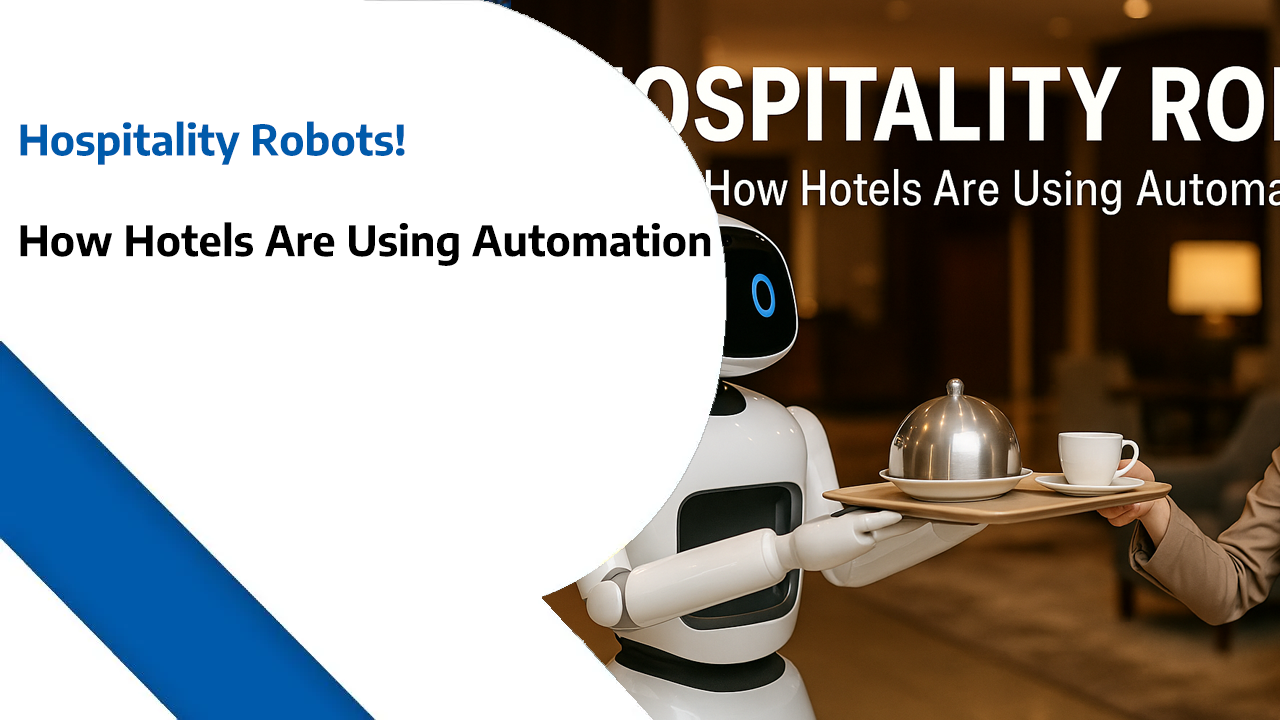
    Perhaps the most visible robots in modern hotels are autonomous delivery units that navigate corridors to bring amenities, meals, and supplies directly to guest rooms. These robots use sophisticated navigation systems including LIDAR, cameras, and sensors to map hotel layouts, avoid obstacles, and even summon lifts.

    Leading examples include robots like Relay by Savioke, which has completed millions of deliveries across hundreds of hotels globally. These machines can carry up to 30 pounds of cargo, navigate autonomously to guest rooms, and politely announce their arrival. They’re particularly valuable for delivering late-night amenities, extra towels, or room service items without requiring staff to make individual trips.

    The efficiency gains are substantial. A single robot can make dozens of deliveries per day, operating 24/7 without breaks. This allows hotel staff to remain at their primary stations—concierge desks, front offices, or housekeeping hubs—while the robot handles time-consuming delivery tasks.

    Reception and Check-In Robots

    Front desk operations have also been transformed by robotic assistants. Humanoid and semi-humanoid robots now greet guests, process check-ins, provide information about hotel amenities, and answer frequently asked questions in multiple languages.

    The Henn-na Hotel in Japan made headlines as one of the first hotels staffed almost entirely by robots, including dinosaur-shaped reception robots and a robotic arm that manages the luggage storage. While this property eventually scaled back some robotic applications, it demonstrated the possibilities and limitations of automation in guest-facing roles.

    More commonly, hotels deploy robots as supplements to human staff rather than replacements. These robots handle routine check-ins and information queries, allowing human staff to devote more time to complex requests, guest relations, and situations requiring emotional intelligence.

    Cleaning and Disinfection Robots

    Hygiene has always been paramount in hospitality, but heightened awareness around cleanliness has made cleaning robots particularly valuable. Autonomous vacuum robots maintain carpets in public areas, while UV-C disinfection robots sanitise rooms and high-touch surfaces using ultraviolet light to eliminate pathogens.

    These robots ensure consistent, thorough cleaning beyond what human staff might achieve manually, particularly in hard-to-reach areas. They operate during off-peak hours, minimising disruption to guests while maintaining immaculate standards throughout the property.

    Concierge and Information Robots

    Interactive robots stationed in hotel lobbies serve as multilingual concierges, providing recommendations for local attractions, booking restaurant reservations, and offering entertainment suggestions. Equipped with artificial intelligence and natural language processing, these robots can engage in relatively sophisticated conversations with guests.

    Some models feature touchscreen displays that show maps, images of nearby attractions, and promotional content. They collect data on guest preferences and common queries, helping hotel management better understand their clientele and refine their services.

    Kitchen and Food Preparation Robots

    Behind the scenes, some hotels employ robots in their kitchens. These range from automated coffee makers and cocktail-mixing robots to sophisticated cooking robots that can prepare multiple dishes with precise consistency.

    Robotic kitchen assistants ensure consistent quality, reduce food waste through precise portioning, and can operate during peak periods to support human chefs. While they won’t replace the creativity and skill of experienced culinary professionals, they excel at repetitive tasks and can maintain production during staff shortages.

    Real-World Implementations: Success Stories

    The Yotel Chain

    Yotel hotels have embraced automation extensively, featuring a robotic luggage storage system called Yobot. This robotic arm retrieves and stores guest luggage in a secure storage matrix, providing both functionality and theatrical flair. The system has become a signature feature that enhances the brand’s tech-forward identity.

    M Social Singapore

    This property deploys multiple Relay robots named “Aura” that deliver items to guest rooms around the clock. The robots have become so popular with guests that they’ve essentially become brand ambassadors, with visitors specifically requesting robot deliveries even when human service would be faster.

    Aloft Hotels

    The Aloft Cupertino was one of the first mainstream hotels to trial the Relay robot system. Following successful pilot programmes, the parent company Marriott has expanded robotic deployments across multiple properties, particularly for delivering amenities and supporting room service operations.

    The Business Case for Hotel Robotics

    Labour Cost Reduction

    With hospitality wages rising and labour shortages persisting in many markets, robots offer compelling economics. While initial investment costs can be substantial—ranging from £15,000 to £100,000 or more depending on the robot type—the long-term savings often justify the expenditure.

    A delivery robot, for instance, might replace the equivalent of one or two full-time staff positions, paying for itself within two to three years while operating for many more years thereafter.

    Operational Efficiency

    Robots don’t call in sick, take holidays, or require training on standard tasks. They maintain consistent performance regardless of time of day or workload volume. This reliability enables hotels to maintain service standards even during peak periods or when experiencing staff shortages.

    Moreover, robots generate valuable operational data. Hotels can track delivery times, peak demand periods, and service bottlenecks, using these insights to optimise staffing schedules and operational workflows.

    Enhanced Guest Experience

    Contrary to concerns that robots might depersonalise hospitality, many guests find robotic services novel and entertaining. Particularly among younger demographics, interacting with robots enhances the overall stay experience rather than detracting from it.

    Robots also provide consistent, immediate service for routine requests, reducing wait times and ensuring guests receive standard amenities quickly. This reliability allows human staff to excel in areas where personal touch matters most—handling complaints, providing local expertise, or creating memorable moments through genuine human connection.

    Competitive Differentiation

    In a crowded hospitality market, robotic innovations provide distinctive talking points that generate publicity and social media engagement. Hotels with robots often enjoy enhanced media coverage, positive reviews mentioning the technology, and increased bookings from tech-curious guests.

    Implementation Challenges and Considerations

    Technical Infrastructure

    Successful robot deployment requires adequate technical infrastructure. Hotels must ensure strong Wi-Fi coverage throughout the property, install necessary sensors or beacon systems, and potentially modify lift systems to allow robot access. Older properties with narrow corridors, uneven floors, or complex layouts may face integration challenges.

    Staff Training and Change Management

    Introducing robots affects hotel staff significantly. Comprehensive training helps staff understand how to work alongside robots, troubleshoot common issues, and maintain appropriate human oversight. Addressing concerns about job security through transparent communication and repositioning robot deployment as a tool to enhance rather than replace human roles is crucial for successful adoption.

    Guest Reception Variability

    While many guests embrace robotic services, others prefer traditional human interaction. Hotels must balance automation with human touchpoints, ensuring guests can easily opt for human service when desired. Cultural differences also affect reception—guests from some regions may find robots more acceptable than others.

    Maintenance and Support

    Robots require ongoing maintenance, software updates, and technical support. Hotels should establish clear service agreements with suppliers, maintain spare parts inventory where appropriate, and ensure staff members are trained to handle basic troubleshooting. Downtime can be costly, both financially and in terms of guest satisfaction.

    Return on Investment Timeline

    While robots offer long-term savings, the initial investment can be substantial. Hotels should carefully model ROI timelines, considering factors including purchase or lease costs, maintenance expenses, integration costs, and expected lifespan. In some cases, leasing or rental arrangements may provide better financial flexibility than outright purchase.

    The Future of Hospitality Robotics

    The trajectory for hotel robotics points toward increased sophistication, broader adoption, and tighter integration with other hotel systems. Several trends are emerging:

    Advanced AI and Personalisation

    Future hospitality robots will leverage more advanced artificial intelligence to recognise returning guests, remember preferences, and provide increasingly personalised recommendations. Integration with hotel CRM systems will enable robots to greet guests by name and proactively offer services based on past behaviour.

    Multi-Functional Robots

    Rather than single-purpose machines, next-generation robots will likely perform multiple functions. A robot might handle deliveries, provide information, and assist with cleaning tasks, improving ROI and reducing the number of different systems hotels must manage.

    Emotional Intelligence

    Developers are working on robots with better emotional intelligence—the ability to recognise guest moods, adjust communication styles accordingly, and escalate to human staff when situations require empathy or complex problem-solving.

    Sustainability Integration

    As hotels increasingly prioritise sustainability, robots will play roles in monitoring energy usage, optimising resource allocation, and reducing waste. Cleaning robots might use environmentally friendly cleaning solutions more efficiently, while delivery robots reduce the carbon footprint of multiple staff trips throughout large properties.

    Collaboration with Human Staff

    The future of hospitality isn’t robots replacing humans but rather sophisticated human-robot collaboration. Technology will handle routine, repetitive tasks while human staff focus on relationship building, creative problem-solving, and creating memorable guest experiences that drive loyalty and premium pricing.

    Selecting the Right Robotics Strategy for Your Property

    Not every hotel needs the same robotic solution, and successful implementation requires careful planning tailored to your specific property, guest demographics, and operational needs.

    Assessment Phase

    Begin by conducting a thorough assessment of your operational pain points. Which tasks consume disproportionate staff time? Where are service bottlenecks? Which repetitive tasks could be automated without diminishing service quality? Engage staff at all levels in this assessment—frontline employees often have the clearest insight into operational inefficiencies.

    Guest Profile Analysis

    Consider your typical guest demographics. Business hotels serving tech-savvy executives might find greater acceptance for robotic services than heritage properties catering to guests seeking traditional hospitality. Conduct surveys or focus groups to gauge guest receptiveness before major investments.

    Phased Implementation

    Rather than comprehensive robot deployment, consider phased approaches. Pilot programmes with a single robot type allow you to assess performance, guest reaction, and ROI before scaling up. This approach also gives staff time to adapt and provides valuable learnings that inform subsequent deployments.

    Integration Planning

    Ensure any robotic system integrates seamlessly with your existing property management system, point-of-sale systems, and communication platforms. Siloed systems create inefficiencies and limit the value robots can provide.

    Getting Expert Guidance: Why Robot Consultancy Matters

    Navigating the complex landscape of hospitality robotics requires specialised expertise. The wrong choice can result in wasted investment, operational disruption, and guest dissatisfaction. This is where professional robot consultancy services become invaluable.

    Expert consultants bring deep knowledge of available technologies, implementation best practices, and industry-specific applications. They can assess your property’s unique requirements, recommend appropriate solutions, manage vendor relationships, and oversee implementation to ensure smooth deployment.

    Moreover, the robotics landscape evolves rapidly. Consultants maintain current knowledge of emerging technologies, pricing trends, and performance data across multiple implementations—insights that would be difficult for individual hotels to develop independently.

    Robot Recruitment: Finding the Right Technical Talent

    Beyond selecting and implementing robotic systems, hotels need staff capable of managing, maintaining, and optimising these technologies. Robot recruitment services specialise in identifying candidates with the technical skills, hospitality understanding, and problem-solving abilities needed to support robotic operations.

    These specialised recruitment services understand the unique intersection of hospitality and robotics, sourcing candidates who can bridge technical expertise with customer service excellence. Whether you need robotics technicians, AI specialists, or operational managers with automation experience, expert recruitment services streamline the hiring process and improve candidate quality.

    Taking the Next Step: Expert Support for Your Robotics Journey

    If you’re considering robotics for your hospitality property, professional guidance can dramatically improve outcomes and ROI. Whether you’re exploring initial possibilities, ready to implement specific solutions, or seeking to optimise existing robotic systems, expert consultancy and recruitment services provide the support you need.

    For comprehensive robot consultancy services and specialist robot recruitment, contact our team today:

    Email: info@robophil.com
    Phone: 0845 528 0404

    Book a consultation call to discuss your specific requirements, explore suitable robotic solutions, and develop a strategic implementation roadmap tailored to your property’s unique needs. Our experts will help you navigate technology selection, implementation planning, staff training, and ongoing optimisation to ensure your robotics investment delivers maximum value.


    Article Sponsors

    This article is proudly sponsored by three leaders in the robotics industry:

    Robot Center

    Website: https://robotcenter.co.uk/

    Your comprehensive destination for robot purchasing and expert robotics consultancy. Robot Center provides end-to-end support for businesses exploring robotic solutions, from initial consultation through to purchase and implementation. Whether you’re buying your first robot or expanding an existing automation programme, their team delivers the expertise and product range to match your requirements.

    Robots of London

    Website: https://robotsoflondon.co.uk/

    The premier provider of robot hire and rental services in the UK. Robots of London offers flexible rental solutions for events, temporary deployments, and pilot programmes. Whether you need robots for a corporate event, trade show, or want to trial robotic services before committing to purchase, their extensive inventory and professional support ensure successful deployments.

    Robot Philosophy (RoboPhil)

    Website: https://robophil.com/

    Led by Philip English, a renowned Robot YouTuber, Influencer, Trainer, and Consultant, Robot Philosophy delivers cutting-edge robot consultancy and specialist robot recruitment services. RoboPhil provides strategic advice, practical insights, and innovative ideas that help businesses successfully integrate robotics into their operations. As a leading voice in the robotics community through YouTube content, live streaming, and professional training, RoboPhil bridges the gap between robotic possibilities and practical business implementation.


    Conclusion: Embracing the Robotic Revolution in Hospitality

    The integration of robotics in hospitality represents not a replacement of human service but an evolution of it. By automating routine tasks, hotels free their most valuable asset—their people—to focus on what they do best: creating memorable experiences, solving complex problems, and building genuine connections with guests.

    The hotels that will thrive in the coming years are those that thoughtfully integrate robotic technologies while maintaining the human touch that defines exceptional hospitality. The technology exists today to transform operations, enhance efficiency, and delight guests. The question is no longer whether to adopt robotics, but how to do so strategically and effectively.

    With proper planning, expert guidance, and the right technology partners, your property can join the hospitality revolution—delivering exceptional service more efficiently while positioning your hotel at the forefront of industry innovation.

    Ready to explore how robotics can transform your hotel operations?

    Contact our expert team today to book your consultation:

    Email: info@robophil.com
    Phone: 0845 528 0404

    Let’s discuss how automation can elevate your guest experience and operational efficiency.


    https://www.youtube.com/watch?v=2Vn4fvNsEck
     

    https://www.youtube.com/shorts/TRMX38SZudk

  • Education Robots – Teaching the Teachers First

    Education Robots – Teaching the Teachers First

    Education Robots – Teaching the Teachers First

    Sponsored by

    Robot Centerhttps://robotcenter.co.uk/Buy Robot, Robot Buy, Robot Consultancy, Robotics Consultancy
    Robots of Londonhttps://robotsoflondon.co.uk/Robot Hire, Robot Rental, Rent Robot, Hire Robot, Robot Events
    Robot Philosophyhttps://robophil.com/Robot Consultancy, Robot Recruitment, Robot Advice, Robot Insights, Robot Ideas


    Introduction: The Classroom of the Future Begins with the Teachers

    When people picture robots in education, they often imagine humanoid assistants guiding students through lessons, or autonomous tablets rolling between desks to answer questions. The vision is futuristic — but the reality begins somewhere else entirely: with the teachers.

    The truth is, the success of educational robots doesn’t depend on how advanced the technology is, but how effectively it’s used. And that means teaching the teachers first.

    Across the UK and beyond, education is standing at a crossroads. Schools, colleges, and universities are under pressure to prepare students for an increasingly automated world — one filled with artificial intelligence, data, and robotics. Yet most educators have had little exposure to these technologies themselves.

    That’s where robot consultancy and robot training come in — bridging the gap between technology and teaching, so educators can confidently lead the next generation into the robotic age.


    Why Robots Are Entering the Classroom

    The role of robots in education is expanding rapidly. From early learning environments to university labs, robots are being used to:

    • Teach coding and computational thinking through tangible, interactive experiences.

    • Support students with special needs by providing predictable, patient, and personalised assistance.

    • Encourage STEM engagement through curiosity-driven learning.

    • Act as digital teaching assistants, automating repetitive tasks like attendance and quiz administration.

    • Enhance remote or hybrid learning by offering mobility and social presence.

    But these innovations only reach their full potential when teachers know how to use them strategically — not just as a novelty, but as an integrated part of pedagogy.

    That’s the challenge: technology is advancing faster than most institutions can train their staff.


    The Gap Between Technology and Training

    Robots are entering classrooms faster than teachers can adapt. Many educators find themselves standing in front of a new robot, still sealed in its box, unsure of what it can do or how to fit it into their curriculum.

    This is not the teacher’s fault. Most teacher training programs were designed before robotics was mainstream. Even today, many PGCEs and educational degrees barely touch on automation or AI.

    Without training and ongoing support, teachers risk feeling overwhelmed, undervalued, or worse — replaced by technology they don’t fully understand.

    The goal should never be to replace teachers. The goal should be to empower them.

    That’s why the first step in any educational robotics rollout should be teaching the teachers — equipping them with the confidence, understanding, and creativity to make robots work for them, not instead of them.


    Teaching the Teachers: Building Confidence, Creativity, and Connection

    Before a robot ever meets a student, it should meet a teacher who knows what it’s capable of.
    This is the philosophy behind Robot Philosophyhttps://robophil.com/ – where RoboPhil (Philip English), a leading UK Robot Consultant, YouTuber, and Trainer, focuses on helping educators understand, implement, and adapt to robotics.

    Through interactive workshops and consultancy sessions, we guide educators through three key stages:

    1. Awareness – Understanding what types of robots are available and how they can be applied in different educational settings.

    2. Application – Learning how to use specific robots in practical teaching scenarios, from coding lessons to classroom management.

    3. Amplification – Integrating robotics data and feedback to enhance student outcomes and engagement over time.

    This approach ensures that teachers feel inspired rather than intimidated — and that the school gets a long-term return on its robotics investment.


    From Toys to Tools: How Robots Reinvent Learning

    Educational robots come in all shapes and sizes. Some are designed for play-based learning, while others serve as professional teaching aids. The distinction between “toy” and “tool” depends entirely on how they’re used.

    For example:

    • A small coding robot like Sphero or Ozobot becomes a tool for teaching logic, teamwork, and problem-solving.

    • A humanoid robot like Pepper or Temi becomes a tool for language learning, communication, and social-emotional development.

    • A digital signage robot from Robots of London becomes a mobile information assistant, guiding students around campus or displaying event content.

    The technology is only half the equation. The other half is strategy — how it’s deployed, measured, and improved over time.

    That’s why robot consultancy matters. It turns random innovation into structured transformation.


    The Role of Robot Consultancy in Education

    At Robot Philosophy and Robot Center, our consultancy model helps schools, colleges, and universities take a structured, results-driven approach to robotics.

    We start with a Robot Audit, identifying areas where automation and robotics could enhance teaching, engagement, or efficiency. Then we move through a series of stages to build capability:

    1. Assess – We evaluate your environment, existing resources, and goals.

    2. Select – We recommend the most suitable robots and technologies.

    3. Train – We teach your staff how to use and adapt the robots effectively.

    4. Support – We offer ongoing maintenance, updates, and professional development.

    This process ensures institutions don’t waste money on technology that gathers dust. Instead, they invest in systems that enhance both teaching and learning.

    If you’re an educational leader, start by booking a Robot Consultancy Call with us at
    📧 info@robophil.com | ☎️ 0845 528 0404


    Case Study: Robots of London – Robots in Action

    At Robots of Londonhttps://robotsoflondon.co.uk/ – we’ve deployed robots across the UK for both education and events. From Pepper robots greeting visitors to Temi robots leading campus tours, we’ve seen first-hand how powerful human-robot interaction can be when educators are properly trained.

    Schools that rent or trial robots for events often come back to us for longer-term consultancy. Why? Because once teachers see the engagement robots generate, they want to know how to make it permanent.

    Hiring a robot is a great first step. But turning it into an ongoing teaching asset requires training and strategy — that’s where Robot Philosophy steps in.


    Robot Recruitment: The Next Step for Educational Innovation

    As robotics becomes a permanent part of education, institutions need people with the right mix of technical and teaching skills. That’s creating a new category of jobs — robot educators, robotics coordinators, and AI teaching assistants.

    Finding the right talent can be difficult. Many educators know pedagogy but not programming. Many technicians know robotics but not teaching.

    That’s why Robot Philosophy now offers a Robot Recruitment Service — connecting schools and universities with professionals who understand both sides.

    Whether you need a robotics program manager, technical trainer, or STEM education specialist, we can help you find the perfect fit.

    If you’re an educator looking to transition into robotics — or a school ready to hire someone who can bridge that gap — email us at info@robophil.com or call 0845 528 0404 to discuss how we can help.


    Why Teachers Need to Lead the Way

    If robots are the future of learning, then teachers are the architects of that future.

    Automation should never replace the teacher’s emotional intelligence, intuition, and human touch. Instead, it should enhance their ability to inspire, personalise, and connect.

    By understanding robotics, teachers gain:

    • Confidence in using technology effectively.

    • Creativity to design new forms of learning.

    • Control over how technology shapes their classrooms.

    The alternative is letting the technology lead — and that’s where problems arise.

    By teaching teachers first, we build a foundation of understanding that trickles down to students, parents, and the wider education system.


    Overcoming Common Challenges in Education Robotics

    Even the most enthusiastic schools face challenges when adopting robots. The most common include:

    1. Budget Concerns – Many assume robotics is too expensive, but with rental and pilot programs through Robots of London, schools can test before they invest.

    2. Technical Barriers – Teachers often fear they lack the skills to manage robots. That’s why training is central to our consultancy model.

    3. Curriculum Integration – It’s not about adding new subjects, but enriching existing ones with robotics-driven experiences.

    4. Maintenance and Updates – Robots are evolving quickly, so it’s crucial to have a long-term partner for upgrades and servicing, like Robot Center.

    5. Cultural Resistance – Some educators worry robots will replace human jobs. The truth is, they create new opportunities — for both teachers and students.

    These challenges are manageable — but only with a structured approach and ongoing support.


    How We Help Educational Institutions Succeed

    At Robot Philosophy, we don’t just sell technology — we deliver transformation.
    Our services include:

    • Robot Consultancy for Education – Strategic planning, audits, and implementation support.

    • Robot Training for Teachers – Hands-on learning that builds confidence and creativity.

    • Robot Recruitment Services – Matching schools with robotics professionals.

    • Robot Demonstrations & Events – Through Robots of London, we provide interactive experiences that inspire both students and staff.

    • Sales and Maintenance Support – Via Robot Center, we ensure you get the best hardware, software, and aftercare in the UK.

    Each branch of our ecosystem works together — consultancy, training, recruitment, and events — to make educational robotics not just accessible, but sustainable.


    Building a Robotic Literacy Culture

    In the same way digital literacy became a core skill in the 2000s, robotic literacy will define the next generation of learners.
    That means understanding how robots work, how they think, and how they can assist humans.

    But this literacy can’t begin with students alone. It must start with teachers, administrators, and decision-makers.

    When teachers are confident, students thrive. When institutions plan strategically, technology amplifies learning rather than distracting from it.

    Our goal at Robot Philosophy is to build that culture — one classroom, one teacher, one robot at a time.


    The Human Side of the Machine

    There’s a poetic irony in teaching robots to teach.
    It forces us to ask: what makes a great teacher? Empathy. Patience. Adaptability. Curiosity.

    Those are human traits — and they’re exactly what we must teach our robots to support.

    Robotics isn’t about removing the human element from education. It’s about scaling the human element — giving teachers more time for meaningful interaction, while automation handles the repetitive and administrative tasks.

    By teaching the teachers first, we ensure that the human always stays at the heart of learning.


    Conclusion: The Future of Education Is Human + Machine

    The classroom of tomorrow won’t be defined by how many robots it has, but by how well those robots are used.
    And that begins with empowered educators — teachers who see robots not as replacements, but as collaborators.

    Teaching the teachers first is the smartest investment any school can make. It ensures the technology serves a purpose, the lessons have impact, and the next generation grows up ready for an automated world.

    If you’re ready to explore robotics in your school, college, or university — whether through consultancy, training, or recruitment — reach out today.

    📧 info@robophil.com
    ☎️ 0845 528 0404

    Let’s build the classrooms of the future — by teaching the teachers first.


    Article Sponsors

    Robot Centerhttps://robotcenter.co.uk/
    Buy Robot | Robot Buy | Robot Consultancy | Robotics Consultancy

    Robots of Londonhttps://robotsoflondon.co.uk/
    Robot Hire | Robot Rental | Rent Robot | Hire Robot | Robot Events

    Robot Philosophyhttps://robophil.com/
    Robot Consultancy | Robot Recruitment | Robot Advice | Robot Insights | Robot Ideas


    https://www.youtube.com/watch?v=_hjXf0ZSRL0


    https://www.youtube.com/shorts/Hf7smm_Z8eg

  • China’s Agibot G2 – The Humanoid Robot That Can Hold a Raw Egg — and Work 24/7

    China’s Agibot G2 – The Humanoid Robot That Can Hold a Raw Egg — and Work 24/7

    China’s Agibot G2 – The Humanoid Robot That Can Hold a Raw Egg — and Work 24/7

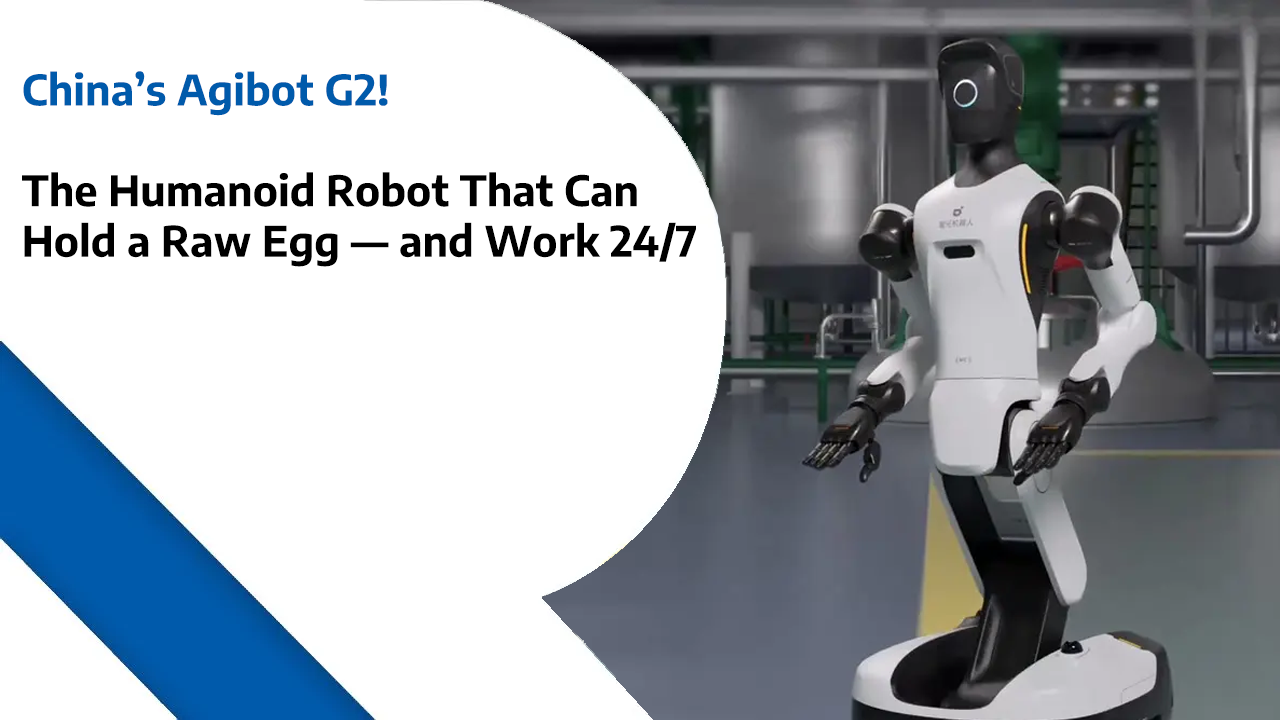
    Today, we’re talking about a robot so advanced, it can handle a raw egg without breaking it — which, frankly, is more than I can do before coffee. Meet the Agibot G2, China’s new humanoid robot designed for real industrial work, not just YouTube views.

    The G2 is packed with high-performance actuators, sensors for full 360-degree obstacle avoidance, and a flexible three-degree-of-freedom waist. Translation: it moves a lot like us — bending, twisting, and side-swaying with precision.

    But the real star is its cross-shaped wrist arm, a world-first design that uses precision torque sensors to detect touch and adjust instantly. That’s why it can hold a raw egg — or a delicate electronic component — without crushing it.

    Now, why should you care? Well, if you’re in manufacturing, logistics, or tech, this could be a game-changer. The G2 runs 24/7, thanks to hot-swappable dual batteries and autonomous charging. It’s like hiring someone who never takes a lunch break — and never calls in sick.

    Its onboard AI is also next-level. Using Agibot’s large models GO-1 and GE-1, the G2 understands commands, plans tasks, and even “rehearses” actions virtually before executing them in the real world. Backed by the NVIDIA Jetson Thor T5000 platform, it processes data in under 10 milliseconds — lightning-fast decision-making on the factory floor.

    So for business owners, this means higher efficiency and lower risk. For robotics fans, it’s a glimpse into the future of embodied AI — robots that don’t just move, but understand.

    In short, Agibot’s G2 isn’t just a new humanoid — it’s the next evolution in smart automation.


    And that’s your robot news update for today!. If you’re curious about how robotics can transform your business, head over to Robot Philosophy website to join the waiting list, or to speak with the team about robotics.

    Don’t forget to subscribe so you stay in the loop with all the latest updates.

    I’m RoboPhil from Robot Philosophy — thanks for watching, and I’ll see you next time!

    Join the workshop waiting list or get in touch at: https://robophil.com/


    Sponsors:-


    Robot Center: – https://robotcenter.co.uk/ – Buy Robot, Robot Buy, Robot consultancy, Robotics Consultancy, Inspection Robots, Security Robots,


    Robots of London: – https://robotsoflondon.co.uk/ – Robot Hire, Robot Rental, Rent Robot, Hire Robot, Robot Events, Robotics Hire, Hire Robotics, Rent Robotics, Robotics Rent, for exhibitions, shows, Events, Robot hire in the UK, Robot hire in Europe


    Robot Philosophy: – https://robophil.com/ – Robot Consultancy, Robot Recruitment, Robot Advice, Robot Insights, Robot Ideas. RoboPhil, also known as Philip English, is a leading Robot YouTuber, Robot Influencer, Robot Trainer, Robot Consultant, and Robot Streamer, Robotics Streamer, Robotics YouTuber, Robotics Influencer, Robotics Consultant, Robotics Trainer 


    https://www.youtube.com/watch?v=lU2IqwTrJP4https://www.youtube.com/shorts/Aj78JdzAbBo

  • World’s First All-Weather Humanoid Robot – Deep Robotics DR02 Can Work in the Rain!

    World’s First All-Weather Humanoid Robot – Deep Robotics DR02 Can Work in the Rain!

    World’s First All-Weather Humanoid Robot – Deep Robotics DR02 Can Work in the Rain!

    Imagine a humanoid robot that doesn’t shut down the moment it rains. Meet the Deep Robotics DR02 — the world’s first all-weather humanoid robot with an IP66 rating.

    That means it’s completely sealed against dust and can handle powerful water jets — yes, it can literally work through a downpour. Deep Robotics, based in Hangzhou, China, has built this thing to thrive where most robots would short-circuit.

    The DR02 is 5 foot 9 (175 cm), the size of an average adult, with a 10 kg arm payload — strong enough to handle tools, parts, and small equipment. Its operating range? From -4°F to 131°F. That’s everything from a freezing warehouse to a scorching workshop.

    It walks at a natural 1.5 m/s, can sprint up to 4 m/s, climb stairs, and manage slopes — perfect for factories, patrol routes, and outdoor work.

    Under the hood, it’s powered by a 275 TOPS computing unit and loaded with LiDAR, depth cameras, and wide-angle vision, giving it real-time awareness of its surroundings. And thanks to its modular design, you can swap an arm or leg in hours, not days — minimizing downtime and maintenance costs.

    So why should you care? Because this marks the next big leap in industrial robotics. Whether you work in security, manufacturing, or logistics, robots like the DR02 mean operations can continue safely and efficiently in conditions that would challenge humans.

    And if you’re just a tech fan, it’s proof that humanoid robots aren’t just lab experiments anymore — they’re stepping out into the real world.

    The Deep Robotics DR02 isn’t just a milestone — it’s a preview of what’s next for industry automation.

    And that’s your robot news update for today!. If you’re curious about how robotics can transform your business, head over to Robot Philosophy website to join the waiting list, or to speak with the team directly about robotics.

    Don’t forget to subscribe so you stay in the loop with all the latest updates.

    I’m RoboPhil from Robot Philosophy — thanks for watching, and I’ll see you next time!


    Join the workshop waiting list or get in touch at: https://robophil.com/


    Sponsors:-


    Robot Center: – https://robotcenter.co.uk/ – Buy Robot, Robot Buy, Robot consultancy, Robotics Consultancy, Inspection Robots, Security Robots,


    Robots of London: – https://robotsoflondon.co.uk/ – Robot Hire, Robot Rental, Rent Robot, Hire Robot, Robot Events, Robotics Hire, Hire Robotics, Rent Robotics, Robotics Rent, for exhibitions, shows, Events, Robot hire in the UK, Robot hire in Europe


    Robot Philosophy: – https://robophil.com/ – Robot Consultancy, Robot Recruitment, Robot Advice, Robot Insights, Robot Ideas. RoboPhil, also known as Philip English, is a leading Robot YouTuber, Robot Influencer, Robot Trainer, Robot Consultant, and Robot Streamer, Robotics Streamer, Robotics YouTuber, Robotics Influencer, Robotics Consultant, Robotics Trainer 

    https://www.youtube.com/watch?v=y2Uz_D1Qs-Ehttps://www.youtube.com/shorts/LuL8TWCnynM

  • Unitree G1 Kungfu Kid V6.0 Review – Real-Time Martial Arts Robot 2025

    Unitree G1 Kungfu Kid V6.0 Review – Real-Time Martial Arts Robot 2025

    Unitree G1 Kungfu Kid V6.0 Review – Real-Time Martial Arts Robot 2025

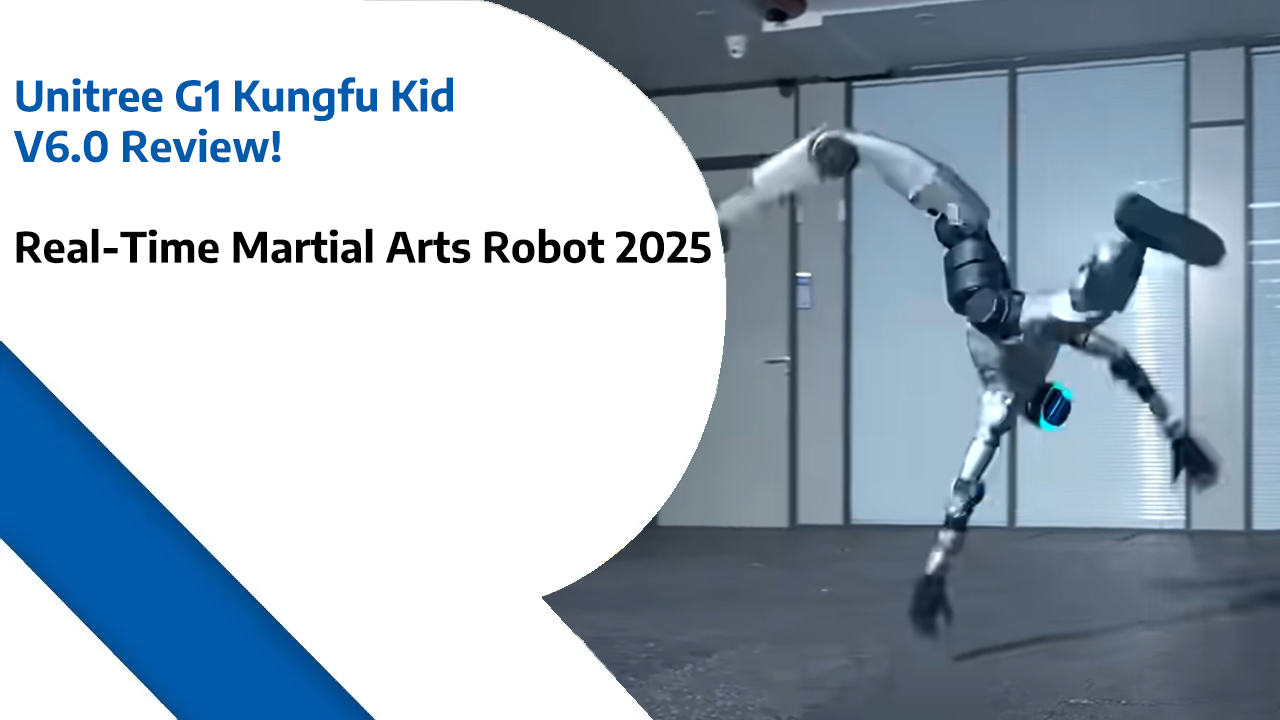
    Meet the Unitree G1 — also known as the Kungfu Kid V6.0 — a humanoid robot that’s just shown off some seriously impressive martial arts skills. It may not be a household robot yet, but it definitely knows its kung fu.

    This is more than a flashy demo — it’s a glimpse into how far humanoid robots have come in balance, precision, and control. And that progress will shape future robots for education, research, and industry.”

    The G1 stands about 5 feet 5 inches tall and features 31 degrees of freedom, excluding the hands. It uses a full-body sensor system to stay balanced and high-performance actuators that let it move with remarkable fluidity — and yes, all of this footage is recorded in real time, no visual effects.

    Compared to earlier versions from early 2025, this new iteration shows much more confident and natural movement. The G1 now performs complex routines, fast somersaults, and far sharper spin kicks. Back in April, it even appeared in a boxing match, and since then, its motion precision has clearly taken a leap forward.

    Here’s the surprising part — this humanoid robot isn’t just for elite labs. The base Unitree G1 is priced around $16,000 USD, making it accessible to universities, research groups, and robotics enthusiasts. That’s a serious step toward making humanoid robotics hands-on and affordable.

    For anyone in robotics, AI, or engineering, the G1 offers an incredible testing ground for motion control and machine learning. Advances like these could lead to safer industrial robots, more agile assistive machines, and yes — maybe even a few that can tidy up after a workout.

    The Unitree G1 might not be cleaning your house just yet, but it’s certainly mastered the art of movement.

    And that’s your robot news update for today!. If you’re curious about how robotics can transform your business, head over to Robot Philosophy website to join the waiting list, or to speak with the team directly about robotics.

    Don’t forget to subscribe so you stay in the loop with all the latest updates.

    I’m RoboPhil from Robot Philosophy — thanks for watching, and I’ll see you next time!

    Robot Center: – https://robotcenter.co.uk/ – Buy Robot, Robot Buy, Robot consultancy, Robotics Consultancy, Inspection Robots, Security Robots,


    Robots of London: – https://robotsoflondon.co.uk/ – Robot Hire, Robot Rental, Rent Robot, Hire Robot, Robot Events, Robotics Hire, Hire Robotics, Rent Robotics, Robotics Rent, for exhibitions, shows, Events, Robot hire in the UK, Robot hire in Europe


    Robot Philosophy: – https://robophil.com/ – Robot Consultancy, Robot Recruitment, Robot Advice, Robot Insights, Robot Ideas. RoboPhil, also known as Philip English, is a leading Robot YouTuber, Robot Influencer, Robot Trainer, Robot Consultant, and Robot Streamer, Robotics Streamer, Robotics YouTuber, Robotics Influencer, Robotics Consultant, Robotics Trainer 


    https://www.youtube.com/watch?v=B7ddu0Ow3UAhttps://www.youtube.com/shorts/X0WrsPatb0M

  • Drones for Industrial Inspection – Safety and Legal Considerations

    Drones for Industrial Inspection – Safety and Legal Considerations

    Drones for Industrial Inspection: Safety and Legal Considerations

    A comprehensive guide to deploying drones safely and legally in industrial environments


    Introduction

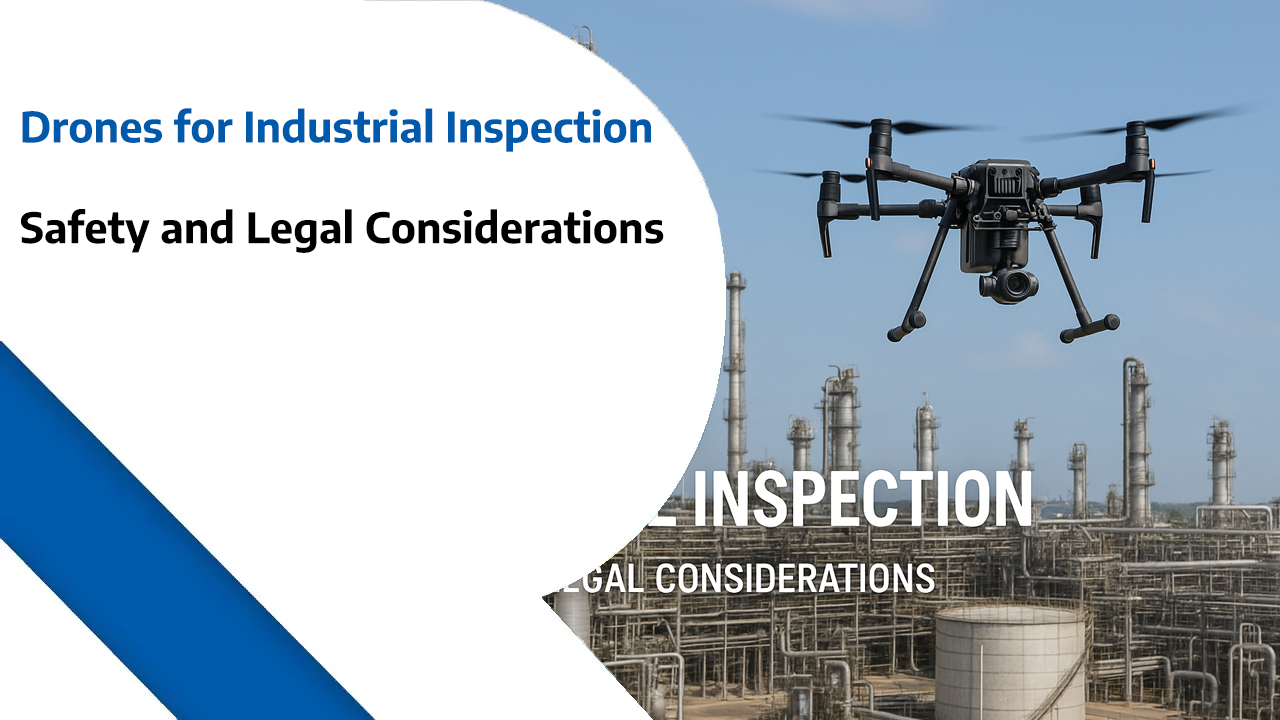
    The industrial landscape is experiencing a transformative shift as unmanned aerial vehicles (UAVs), commonly known as drones, revolutionize how companies approach inspection, maintenance, and monitoring tasks. From towering wind turbines to sprawling oil refineries, from railway infrastructure to telecommunications masts, drones are enabling safer, faster, and more cost-effective inspections across virtually every industrial sector.

    However, with great technological capability comes significant responsibility. The deployment of drones in industrial settings raises critical questions about safety protocols, regulatory compliance, insurance requirements, and operational best practices. Organizations that fail to address these considerations not only risk regulatory penalties but also jeopardize worker safety and operational integrity.

    This comprehensive article explores the safety and legal landscape surrounding drone-based industrial inspections, providing decision-makers with the knowledge needed to implement successful and compliant UAV programs. Whether you’re considering your first drone deployment or seeking to optimize existing operations, understanding these fundamental considerations is essential.

    The Rise of Industrial Drone Inspections

    Why Industries Are Embracing Drone Technology

    Traditional industrial inspections often require workers to access hazardous environments—climbing towers, navigating confined spaces, or working at dangerous heights. These activities not only expose personnel to significant risks but also require extensive safety equipment, scaffolding, or crane rentals, driving up costs and extending project timelines.

    Drones fundamentally change this equation. Equipped with high-resolution cameras, thermal imaging sensors, LiDAR systems, and specialized payloads, modern industrial drones can capture detailed visual and analytical data from virtually any angle without putting human inspectors in harm’s way. A task that might take days using traditional methods can often be completed in hours with drone technology.

    Key Industrial Applications

    Energy Sector: Power generation facilities use drones to inspect wind turbine blades, solar panel arrays, cooling towers, and transmission lines. These inspections can identify micro-cracks, corrosion, contamination, and structural defects that might compromise efficiency or safety.

    Oil and Gas: Refineries, pipelines, offshore platforms, and storage tanks present particularly challenging inspection environments. Drones equipped with thermal cameras can detect gas leaks, identify insulation failures, and spot corrosion without requiring shutdown or scaffolding.

    Infrastructure: Bridges, dams, buildings, and transportation networks require regular structural assessments. Drones provide detailed imagery of hard-to-reach areas, enabling engineers to identify deterioration, cracking, or other structural concerns.

    Telecommunications: Cell towers and communication infrastructure inspections traditionally required technicians to climb dangerous heights. Drones eliminate this risk while providing superior image quality for antenna alignment verification and structural assessment.

    Manufacturing: Large manufacturing facilities use drones for warehouse inventory management, roof inspections, and monitoring production areas where human access may be limited or dangerous.

    Safety Considerations in Industrial Drone Operations

    Pre-Flight Risk Assessment

    Every industrial drone operation must begin with a comprehensive risk assessment that evaluates potential hazards specific to the operating environment. This assessment should identify:

    • Obstacles and obstructions: Overhead power lines, guy wires, cranes, or other aerial hazards
    • Environmental factors: Weather conditions, electromagnetic interference, GPS signal reliability
    • Ground hazards: Personnel movement areas, vehicle traffic, sensitive equipment
    • Emergency scenarios: Loss of control, battery failure, communication loss
    • Restricted airspace: Proximity to airports, helipads, or other controlled airspace

    Industrial sites present unique challenges compared to open-air operations. Confined spaces, metallic structures, and electromagnetic fields from high-voltage equipment can interfere with drone GPS signals and communications. Operators must have contingency plans for these scenarios.

    Operational Safety Protocols

    Visual Line of Sight (VLOS): In most jurisdictions, drone operations require the pilot to maintain visual line of sight with the aircraft. Industrial environments with large structures may necessitate multiple observers or special operational permissions for beyond visual line of sight (BVLOS) operations.

    Geofencing: Modern drone systems can be programmed with virtual boundaries that prevent the aircraft from entering restricted zones. This technology is particularly valuable in complex industrial sites where certain areas house hazardous materials or critical operations.

    Personnel Exclusion Zones: During drone operations, ground personnel should be kept at safe distances from the flight area. Establishing clearly marked exclusion zones prevents injuries should an emergency landing or equipment failure occur.

    Equipment Maintenance: Regular inspection and maintenance of drone systems, batteries, sensors, and communication equipment is non-negotiable. Pre-flight checklists should verify that all systems are functioning properly before each mission.

    Pilot Competency: Drone pilots conducting industrial inspections require specialized training beyond basic recreational flying skills. They must understand industrial environments, recognize potential hazards, and execute emergency procedures confidently.

    Weather and Environmental Limitations

    Industrial drone operations must account for weather conditions that can compromise safety:

    • Wind: High winds near tall structures create turbulent conditions that challenge drone stability
    • Rain and moisture: Most industrial drones are not waterproof; moisture can damage electronics
    • Temperature extremes: Battery performance degrades in very cold or hot conditions
    • Visibility: Fog, dust, or steam emissions can obscure the pilot’s view and compromise sensor effectiveness
    • Electromagnetic interference: High-voltage equipment may interfere with drone communications and navigation

    Establishing clear weather minimums and environmental limits ensures operations are conducted only when conditions permit safe flight.

    Legal and Regulatory Framework

    Aviation Authority Requirements

    Drone operations in most countries fall under civil aviation authority jurisdiction. Understanding and complying with these regulations is not optional—it’s a legal requirement.

    United Kingdom: The Civil Aviation Authority (CAA) regulates drone operations in the UK. Commercial drone operations for industrial inspection require:

    • Operator Registration: Organizations conducting commercial drone operations must register as a drone operator
    • Flyer ID: Individual pilots must obtain a flyer ID by passing an online theory test
    • Operational Authorization: Specific permissions may be required for operations near congested areas, within controlled airspace, or beyond visual line of sight
    • Insurance: Adequate liability insurance coverage is legally mandated

    The UK operates under the EU drone regulation framework (retained after Brexit), which categorizes operations into Open, Specific, and Certified categories based on risk level. Most industrial inspections fall into the Specific category, requiring operational authorization from the CAA.

    European Union: The European Union Aviation Safety Agency (EASA) establishes drone regulations across member states. The framework emphasizes risk-based categorization and includes requirements for:

    • Remote pilot competency certification
    • Drone registration and marking
    • Operational limitations based on drone weight and capability
    • Specific scenarios requiring authorization

    United States: The Federal Aviation Administration (FAA) requires commercial drone operators to obtain a Remote Pilot Certificate under Part 107 regulations. Key requirements include:

    • Passing the aeronautical knowledge test
    • Operations limited to daylight hours (waivers available)
    • Maximum altitude of 400 feet above ground level
    • Prohibited operations over people (with specific exceptions)
    • Airspace authorization required for controlled airspace

    Other Jurisdictions: Countries worldwide have established drone regulations with varying requirements. Organizations operating internationally must ensure compliance with local regulations in each operating region.

    Site-Specific Permissions

    Beyond aviation regulations, industrial drone operations often require additional permissions:

    Facility Authorization: The site owner or operator must approve drone operations. This typically involves demonstrating safety protocols, insurance coverage, and operational plans.

    Security Clearances: Sensitive facilities such as power plants, refineries, or defense installations may require background checks or security clearances for drone operators.

    Environmental Permits: Some industrial sites operate under environmental permits that may restrict activities, including drone operations, during sensitive periods.

    Neighboring Property Rights: Drone operations must respect adjacent property rights and privacy considerations, particularly when operating near residential areas or other businesses.

    Data Protection and Privacy

    Industrial drone inspections capture extensive visual data, raising important privacy and data protection considerations:

    GDPR Compliance: In the UK and EU, organizations must ensure drone operations comply with General Data Protection Regulation requirements. This includes:

    • Justifying data collection on legitimate grounds
    • Minimizing data capture to what is necessary
    • Protecting captured data against unauthorized access
    • Respecting individual privacy rights

    Intellectual Property: Visual data captured during industrial inspections may reveal proprietary information, trade secrets, or confidential processes. Contracts should clearly define data ownership, usage rights, and confidentiality obligations.

    Data Retention: Organizations should establish clear policies for how long inspection data is retained and when it should be securely deleted.

    Insurance and Liability

    Comprehensive insurance coverage is essential for industrial drone operations:

    Public Liability Insurance: Covers third-party injury or property damage resulting from drone operations. UK law requires minimum coverage of £1 million, though industrial operations typically warrant significantly higher limits.

    Equipment Insurance: Protects against loss or damage to expensive drone equipment, sensors, and payloads.

    Professional Indemnity: Covers claims arising from errors, omissions, or negligent advice in delivering inspection services.

    Cyber Insurance: Protects against data breaches or cyber incidents affecting captured inspection data.

    Insurance providers may require evidence of pilot qualifications, operational procedures, and safety management systems before providing coverage for industrial drone operations.

    Best Practices for Compliant Operations

    Developing Standard Operating Procedures

    Organizations serious about industrial drone inspections should develop comprehensive Standard Operating Procedures (SOPs) that document:

    • Pre-flight planning and risk assessment processes
    • Equipment inspection and maintenance schedules
    • Flight crew roles and responsibilities
    • Emergency procedures and incident reporting
    • Data management and security protocols
    • Training and competency requirements

    SOPs provide consistency across operations, facilitate training, and demonstrate to regulators and clients that operations are conducted professionally and safely.

    Safety Management Systems

    Larger organizations conducting regular drone operations should implement formal Safety Management Systems (SMS) that include:

    • Risk Management Framework: Systematic identification, assessment, and mitigation of operational risks
    • Safety Policy: Clear organizational commitment to safe operations
    • Safety Assurance: Monitoring and measurement of safety performance
    • Safety Promotion: Training, communication, and continuous improvement culture

    An effective SMS demonstrates organizational maturity and commitment to safety—factors that regulators, insurance providers, and clients value highly.

    Record Keeping and Documentation

    Maintaining detailed records is essential for regulatory compliance and operational improvement:

    • Flight logs documenting date, time, location, pilot, purpose, and conditions
    • Equipment maintenance records and inspection schedules
    • Pilot training and qualification records
    • Risk assessments and operational authorizations
    • Incident reports and corrective actions
    • Insurance certificates and policy documentation

    These records demonstrate due diligence and provide valuable evidence should incidents occur or regulatory questions arise.

    Continuous Training and Development

    The drone industry evolves rapidly, with new technologies, regulations, and best practices emerging regularly. Organizations should invest in:

    • Recurring pilot proficiency training
    • Technology updates and familiarization
    • Regulatory updates and compliance training
    • Emergency procedure exercises
    • Industry conference participation and professional networking

    The Future of Industrial Drone Inspection

    Emerging Technologies

    The industrial drone inspection sector continues to evolve with exciting technological advances:

    Artificial Intelligence: AI-powered image analysis can automatically detect defects, anomalies, and maintenance issues, dramatically reducing analysis time and improving detection accuracy.

    Autonomous Operations: Advanced autonomy enables drones to conduct inspections with minimal pilot intervention, flying pre-programmed routes and automatically adjusting to environmental conditions.

    Improved Sensors: New sensor technologies provide unprecedented detail, including high-resolution thermal imaging, gas detection, ultrasonic testing, and LiDAR scanning capabilities.

    5G Connectivity: High-bandwidth, low-latency 5G networks enable real-time data streaming and remote operation over greater distances.

    Digital Twins: Integration with digital twin platforms allows drone inspection data to be incorporated into virtual facility models, enabling predictive maintenance and long-term trend analysis.

    Regulatory Evolution

    Aviation authorities worldwide recognize the growing importance of commercial drone operations and are developing regulatory frameworks to enable more complex operations while maintaining safety:

    • Approval pathways for BVLOS operations
    • Standards for automated and autonomous operations
    • Integration with manned aviation traffic management
    • Remote identification requirements for accountability
    • Type certification for complex drone systems

    Organizations that stay current with regulatory developments will be positioned to leverage these expanded capabilities as they become available.

    Implementing a Successful Industrial Drone Program

    Internal vs. External Resources

    Organizations considering industrial drone inspections face a fundamental decision: develop internal capabilities or engage external service providers?

    Internal Program Advantages:

    • Direct control over scheduling and priorities
    • Institutional knowledge of facilities and processes
    • Potential long-term cost savings
    • Immediate availability for routine inspections

    Internal Program Challenges:

    • Significant upfront investment in equipment and training
    • Ongoing costs for maintenance, insurance, and recurrent training
    • Regulatory compliance responsibilities
    • Staff utilization during periods of low demand

    External Service Provider Advantages:

    • No capital investment required
    • Access to specialized expertise and advanced equipment
    • Regulatory compliance handled by the provider
    • Scalability to match demand
    • Risk transfer through professional service contracts

    Many organizations find that engaging experienced external providers offers the optimal balance of capability, flexibility, and risk management, particularly during the initial phases of drone program development.

    How Robot Consultancy and Recruitment Services Can Help

    Implementing industrial drone inspection programs requires navigating complex technical, regulatory, and operational challenges. Organizations need access to expert guidance, qualified personnel, and proven implementation strategies.

    Expert Robotics Consultancy

    Whether you’re exploring drone inspection feasibility, developing operational procedures, or optimizing existing programs, expert consultancy services provide invaluable support. Consultants with deep industrial robotics and automation experience can:

    • Conduct feasibility studies for drone applications in your specific environment
    • Develop compliant operational frameworks aligned with regulatory requirements
    • Design safety management systems tailored to your operational risks
    • Recommend appropriate technology solutions for your inspection needs
    • Provide training and change management support during implementation
    • Conduct independent audits of existing drone programs

    The right consultancy partner brings cross-industry experience, regulatory knowledge, and technical expertise that accelerates program development while avoiding costly mistakes.

    Specialized Robotics Recruitment

    Finding qualified drone pilots and robotics specialists with industrial inspection experience presents a significant challenge. The best candidates combine:

    • Relevant aviation qualifications and flight experience
    • Understanding of industrial environments and safety culture
    • Technical knowledge of sensors, data analysis, and reporting
    • Strong communication skills for stakeholder engagement
    • Commitment to regulatory compliance and continuous improvement

    Specialized robotics recruitment services understand these unique requirements and maintain networks of qualified professionals. Whether you need permanent staff to build internal capability or contractors for specific projects, recruitment specialists can identify candidates who fit your organizational needs and technical requirements.

    Integrated Support Approach

    The most successful industrial drone programs benefit from integrated support that combines strategic consultancy with access to qualified personnel. This approach ensures that operational frameworks are designed appropriately and that the right people are in place to execute them effectively.

    Take the Next Step

    Industrial drone inspection offers tremendous potential for enhanced safety, improved efficiency, and reduced costs. However, realizing these benefits requires careful attention to safety protocols, regulatory compliance, and operational excellence.

    If you’re considering implementing or optimizing industrial drone inspection capabilities, expert guidance can make the difference between success and costly setbacks.

    Contact our robotics consultancy and recruitment specialists today:

    📧 Emailinfo@robophil.com
    📞 Phone: 0845 528 0404

    Our team brings extensive experience in industrial robotics implementation, drone operations, and regulatory compliance. We’ll work with you to develop solutions tailored to your specific operational needs and organizational goals.

    Book a consultation call to discuss how drone technology can enhance your industrial inspection programs while ensuring safety, compliance, and operational excellence.


    Article Sponsors

    This article is proudly sponsored by leading robotics organizations:

    Robot Center

    Websitehttps://robotcenter.co.uk/

    Your destination for robot acquisition and expert robotics consultancy. Whether you’re looking to buy robots, seeking robotics consultancy, or need strategic guidance on automation implementation, Robot Center provides comprehensive support for organizations embracing robotic technologies.

    Robots of London

    Websitehttps://robotsoflondon.co.uk/

    Premier robot hire and rental services for events, demonstrations, and temporary deployments. Robots of London offers flexible robot rental solutions, enabling organizations to experience robotic capabilities without long-term commitments. Perfect for events, proof-of-concept projects, and temporary automation needs.

    Robot Philosophy (RoboPhil)

    Websitehttps://robophil.com/

    Leading provider of robot consultancy and robot recruitment services, offering expert robot advice, insights, and innovative ideas. Founded by Philip English (RoboPhil), a renowned Robot YouTuber, Robot Influencer, Robot Trainer, Robot Consultant, Robotics Streamer, Robotics YouTuber, Robotics Influencer, Robotics Consultant, and Robotics Trainer. Robot Philosophy delivers cutting-edge expertise in robotics implementation, strategy, and talent acquisition.


    Conclusion

    Industrial drone inspection represents a significant advancement in how organizations approach facility maintenance, safety management, and operational efficiency. The technology delivers clear benefits, but success requires thoughtful attention to safety protocols, regulatory compliance, insurance requirements, and operational best practices.

    Organizations that invest in proper planning, training, and expert guidance position themselves to realize the full potential of drone technology while minimizing risks and ensuring regulatory compliance. Whether developing internal capabilities or engaging external service providers, the foundation of success lies in understanding and addressing the safety and legal considerations outlined in this article.

    The future of industrial inspection is aerial, autonomous, and data-driven. Organizations that embrace this transformation while maintaining unwavering commitment to safety and compliance will gain competitive advantages through reduced costs, enhanced safety, and improved operational insights.

    Ready to explore how industrial drone inspection can benefit your organization?

    Reach out today to discuss your specific needs and discover how expert consultancy and specialized recruitment services can accelerate your success.

    📧 info@robophil.com | 📞 0845 528 0404


    This article provides general guidance on drone industrial inspection safety and legal considerations. Organizations should consult with qualified legal, regulatory, and technical advisors for guidance specific to their circumstances and jurisdictions.


    https://www.youtube.com/watch?v=20qHoF62W1I


    https://www.youtube.com/shorts/38Kb8NLVx7E

  • Honor’s Robot Phone – The World’s First AI Phone with a Robotic Camera Arm (Wall-E in Your Pocket?)

    Honor’s Robot Phone – The World’s First AI Phone with a Robotic Camera Arm (Wall-E in Your Pocket?)


    Honor’s Robot Phone – The World’s First AI Phone with a Robotic Camera Arm (Wall-E in Your Pocket?)

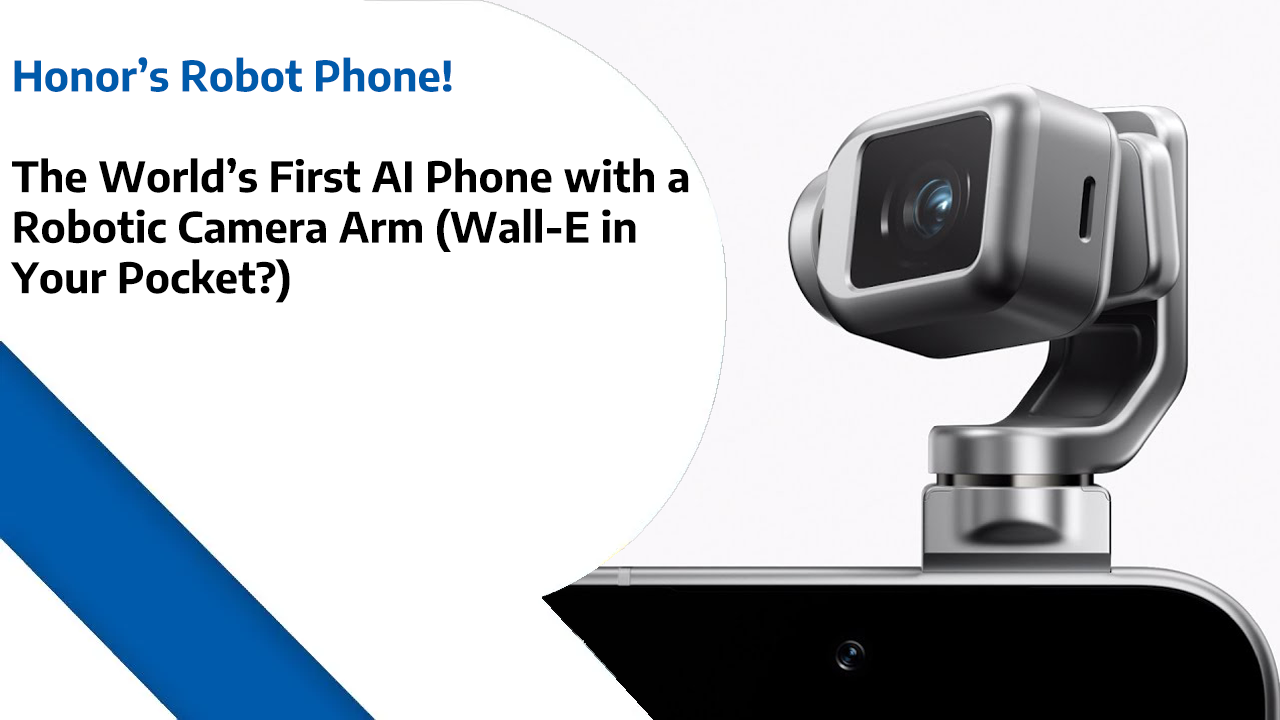
    Hey everyone, let’s talk about one of the most interesting teases in tech right now — the Honor Robot Phone. Yep, Honor is developing a smartphone with a robotic camera arm that literally pops out and moves like a tiny AI companion.

    During the launch of their Magic 8 series in China, Honor revealed a concept device that’s part phone, part robot. The camera sits on a small mechanical arm that can extend, tilt, and track objects automatically. It’s like having a built-in cameraman that never gets tired.

    It can follow scenes on its own, capture your environment, or even respond to commands — a step beyond what smart glasses like the Meta Ray-Bans can do.

    In the teaser video, we see it helping pick outfits, film a sky dive, soothe a crying baby with peek-a-boo, and even track stars at night. Basically, it’s a smartphone that wants to interact with you, not just sit in your pocket.

    It looks a bit like something straight out of a movie — think Wall-E or Johnny 5 from Short Circuit. Honor says it’s part of their vision for a new era of human-machine coexistence. They want future phones to “sense, adapt, and evolve autonomously.”

    That might sound a bit like The Matrix, but the idea is to create a device that feels more like a helpful companion than a slab of glass and metal.

    We’ll get the full reveal at Mobile World Congress 2026 in Barcelona. Until then, the Robot Phone remains one of the most intriguing signs of where AI and robotics are heading in consumer tech.

    If you want more updates on futuristic devices like this, hit Like, Subscribe, and stay tuned for more tech explained simply.


    And that’s your robot news update for today!. If you’re curious about how robotics can transform your business, head over to Robot Philosophy website to join the waiting list, or to speak with the team directly about robotics.

    Don’t forget to subscribe so you stay in the loop with all the latest updates.

    I’m RoboPhil from Robot Philosophy — thanks for watching, and I’ll see you next time!

    Join the workshop waiting list or get in touch at: https://robophil.com/


    Sponsors:-


    Robot Center: – https://robotcenter.co.uk/ – Buy Robot, Robot Buy, Robot consultancy, Robotics Consultancy, Inspection Robots, Security Robots,


    Robots of London: – https://robotsoflondon.co.uk/ – Robot Hire, Robot Rental, Rent Robot, Hire Robot, Robot Events, Robotics Hire, Hire Robotics, Rent Robotics, Robotics Rent, for exhibitions, shows, Events, Robot hire in the UK, Robot hire in Europe


    Robot Philosophy: – https://robophil.com/ – Robot Consultancy, Robot Recruitment, Robot Advice, Robot Insights, Robot Ideas. RoboPhil, also known as Philip English, is a leading Robot YouTuber, Robot Influencer, Robot Trainer, Robot Consultant, and Robot Streamer, Robotics Streamer, Robotics YouTuber, Robotics Influencer, Robotics Consultant, Robotics Trainer 


    https://www.youtube.com/watch?v=20qHoF62W1Ihttps://www.youtube.com/shorts/38Kb8NLVx7E

  • Ati Motors’ Sherpa Mecha – The Dual-Armed Robot Revolutionizing American Manufacturing

    Ati Motors’ Sherpa Mecha – The Dual-Armed Robot Revolutionizing American Manufacturing

    Ati Motors’ Sherpa Mecha – The Dual-Armed Robot Revolutionizing American Manufacturing

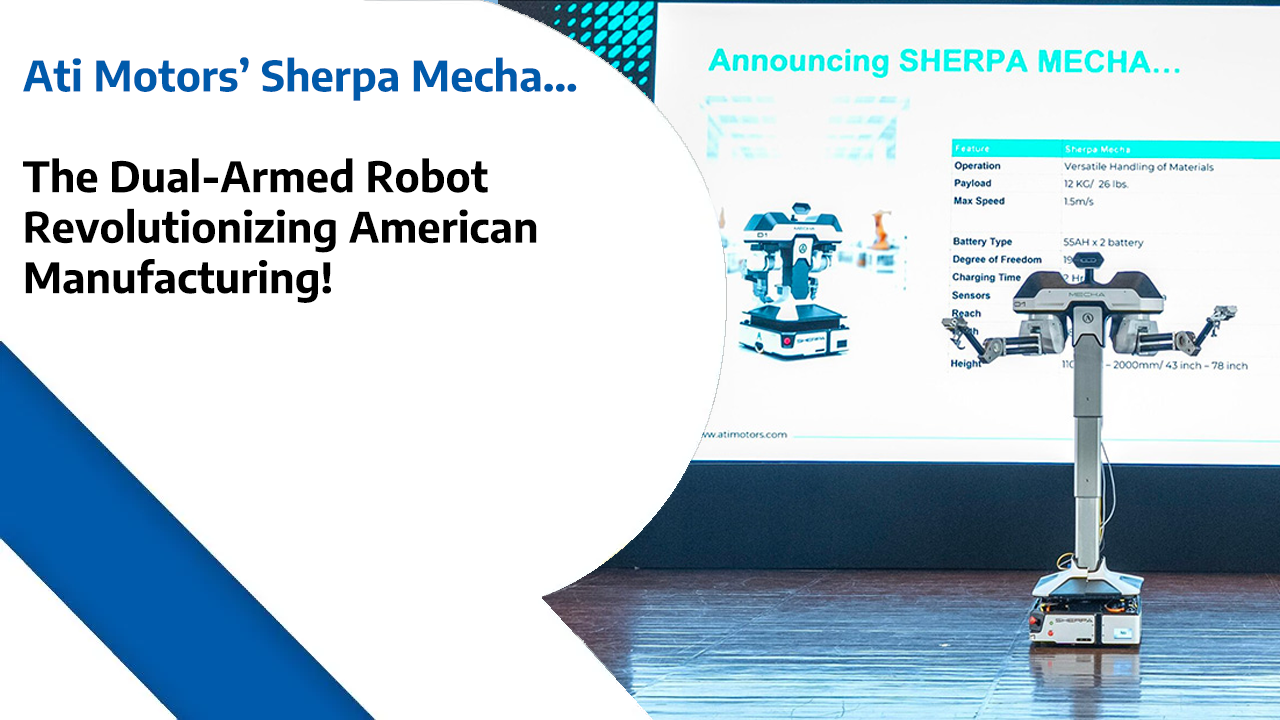
    Today, we’re talking about a new kind of factory worker that never gets tired, never calls in sick, and doesn’t complain about the coffee. Meet the Sherpa Mecha — the latest dual-armed mobile manipulator from Ati Motors.

    This isn’t your typical humanoid robot trying to walk like a person and fall over like one too. The Sherpa Mecha is built for real industrial work — two powerful arms on a stable wheeled base that can move, lift, and manipulate tools across a manufacturing floor.

    Ati Motors, based in Rochester Hills, Minnesota, says Mecha can tend machines, move heavy bins, and even assist with inspections. Think of it as a tireless factory teammate designed to handle the repetitive, muscle-draining stuff — so your human team can focus on higher-value tasks.

    And because this robot plugs straight into existing automation lines, you don’t have to tear up your entire production setup. It’s compatible, scalable, and designed for easy integration — whether you’re in automotive, aerospace, or electronics.

    Now, how does this actually help you?
    Here’s the breakdown:

    • Increased productivity – it keeps going 24/7 without fatigue.
    • Precision performance – consistent quality for repetitive processes.
    • Faster ROI – lower labor costs and fewer production bottlenecks.
    • Future-ready design – add tools, change workflows, and evolve with your business.

    Ati Motors has built this on years of experience in autonomous mobile robots (AMRs) — their lineup already includes tuggers, pallet movers, and lifters that handle loads from 175 lb to 10,000 lb. The Sherpa Mecha simply adds arms and intelligence to that proven mobility.

    And that’s your robot news update for today!. If you’re curious about how robotics can transform your business, head over to Robot Philosophy website to join the waiting list, or to speak with the team directly about robotics.

    Don’t forget to subscribe so you stay in the loop with all the latest updates.

    I’m RoboPhil from Robot Philosophy — thanks for watching, and I’ll see you next time!

    Join the workshop waiting list or get in touch at: https://robophil.com/


    Sponsors:-


    Robot Center: – https://robotcenter.co.uk/ – Buy Robot, Robot Buy, Robot consultancy, Robotics Consultancy, Inspection Robots, Security Robots,


    Robots of London: – https://robotsoflondon.co.uk/ – Robot Hire, Robot Rental, Rent Robot, Hire Robot, Robot Events, Robotics Hire, Hire Robotics, Rent Robotics, Robotics Rent, for exhibitions, shows, Events, Robot hire in the UK, Robot hire in Europe


    Robot Philosophy: – https://robophil.com/ – Robot Consultancy, Robot Recruitment, Robot Advice, Robot Insights, Robot Ideas. RoboPhil, also known as Philip English, is a leading Robot YouTuber, Robot Influencer, Robot Trainer, Robot Consultant, and Robot Streamer, Robotics Streamer, Robotics YouTuber, Robotics Influencer, Robotics Consultant, Robotics Trainer 


    https://www.youtube.com/watch?v=n51V33PgWoQhttps://www.youtube.com/shorts/KwuAvbHbFP8

  • America’s New Microwave Robot Can Fry Drone Swarms in Seconds – Meet Leonidas AR!

    America’s New Microwave Robot Can Fry Drone Swarms in Seconds – Meet Leonidas AR!

    America’s New Microwave Robot Can Fry Drone Swarms in Seconds – Meet Leonidas AR!

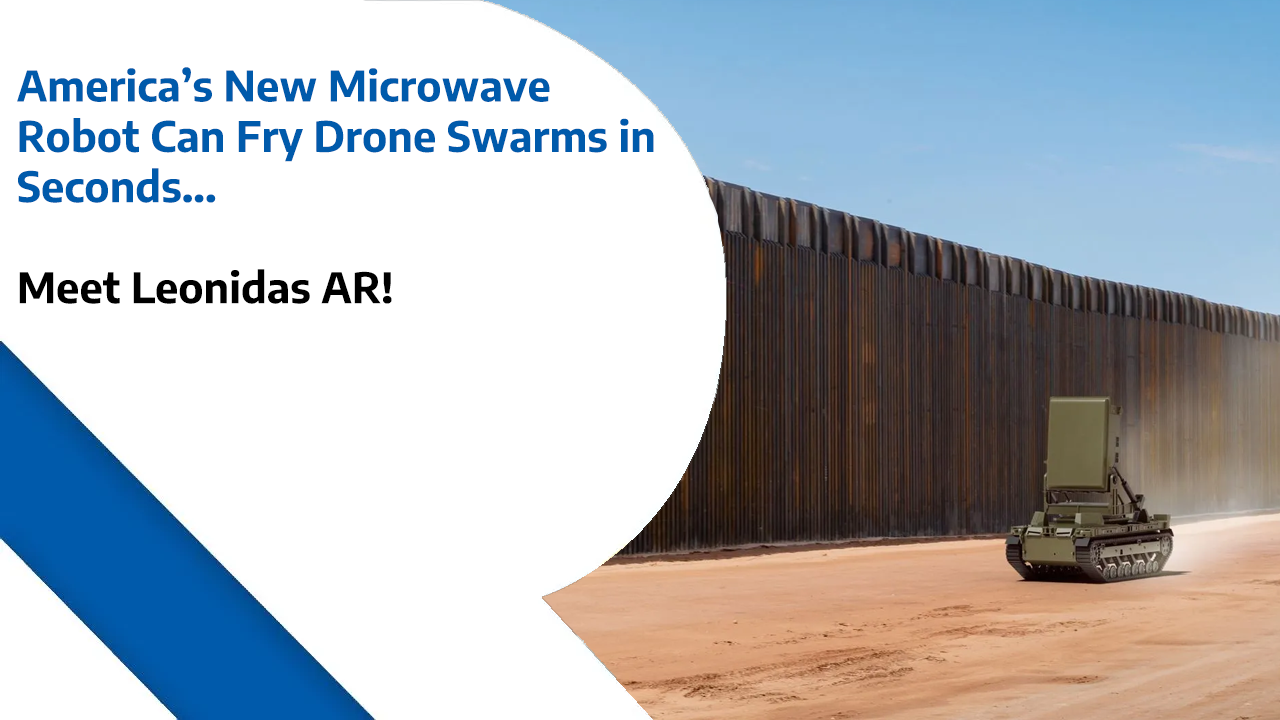
    Right then — picture this: a 10-ton robot rolling across the battlefield, and instead of shooting missiles… it fries drones with microwaves. Not your kitchen kind, mind you — this is the Leonidas AR, the world’s first high-pulse microwave robot from Epirus and General Dynamics Land Systems.

    Leonidas AR combines Epirus’ Leonidas high-power microwave weapon with GDLS’s TRX unmanned ground vehicle. The TRX is hybrid-electric, AI-enhanced, and can travel over 300 miles on one charge, with a top speed of around 45 mph. Think of it as a self-driving tank that hates drones.

    Now, the Leonidas part fires bursts of high-power microwaves that disable the electronics of enemy drones — literally knocking them out of the sky in seconds.

    Unlike missiles or guns, this system doesn’t shoot anything physical. It uses invisible electromagnetic pulses — kind of like an electronic thunderclap — that overload drone circuits.

    Even better, it’s software-defined, so operators can fine-tune frequencies, create safe zones to protect friendly tech, and even update the system remotely. It’s precise, fast, and surprisingly eco-friendly compared to old-school hardware.

    Here’s where it gets interesting for Americans: this isn’t just a military gadget — it’s a glimpse of the future.

    • Lower cost defense – each “shot” is basically electricity, not a $100,000 missile.
    • Protects infrastructure – airports, stadiums, and borders could all use this tech against rogue drones.
    • Software upgradable – it adapts as threats evolve.
    • Safe and non-explosive – it disables, not destroys.

    And that’s your robot news update for today!. If you’re curious about how robotics can transform your business, head over to Robot Philosophy website to join the waiting list, or to speak with the team directly about robotics.

    Don’t forget to subscribe so you stay in the loop with all the latest updates.

    I’m RoboPhil from Robot Philosophy — thanks for watching, and I’ll see you next time!


    Join the workshop waiting list or get in touch at: https://robophil.com/


    Sponsors:-


    Robot Center: – https://robotcenter.co.uk/ – Buy Robot, Robot Buy, Robot consultancy, Robotics Consultancy, Inspection Robots, Security Robots,


    Robots of London: – https://robotsoflondon.co.uk/ – Robot Hire, Robot Rental, Rent Robot, Hire Robot, Robot Events, Robotics Hire, Hire Robotics, Rent Robotics, Robotics Rent, for exhibitions, shows, Events, Robot hire in the UK, Robot hire in Europe


    Robot Philosophy: – https://robophil.com/ – Robot Consultancy, Robot Recruitment, Robot Advice, Robot Insights, Robot Ideas. RoboPhil, also known as Philip English, is a leading Robot YouTuber, Robot Influencer, Robot Trainer, Robot Consultant, and Robot Streamer, Robotics Streamer, Robotics YouTuber, Robotics Influencer, Robotics Consultant, Robotics Trainer 


    https://www.youtube.com/watch?v=5d-NmYh6zTIhttps://www.youtube.com/shorts/qDGaha8s5TM

  • Figure 03 – The $39 Billion Humanoid Robot Built to Work in Your Home!

    Figure 03 – The $39 Billion Humanoid Robot Built to Work in Your Home!

    Figure 03 – The $39 Billion Humanoid Robot Built to Work in Your Home!

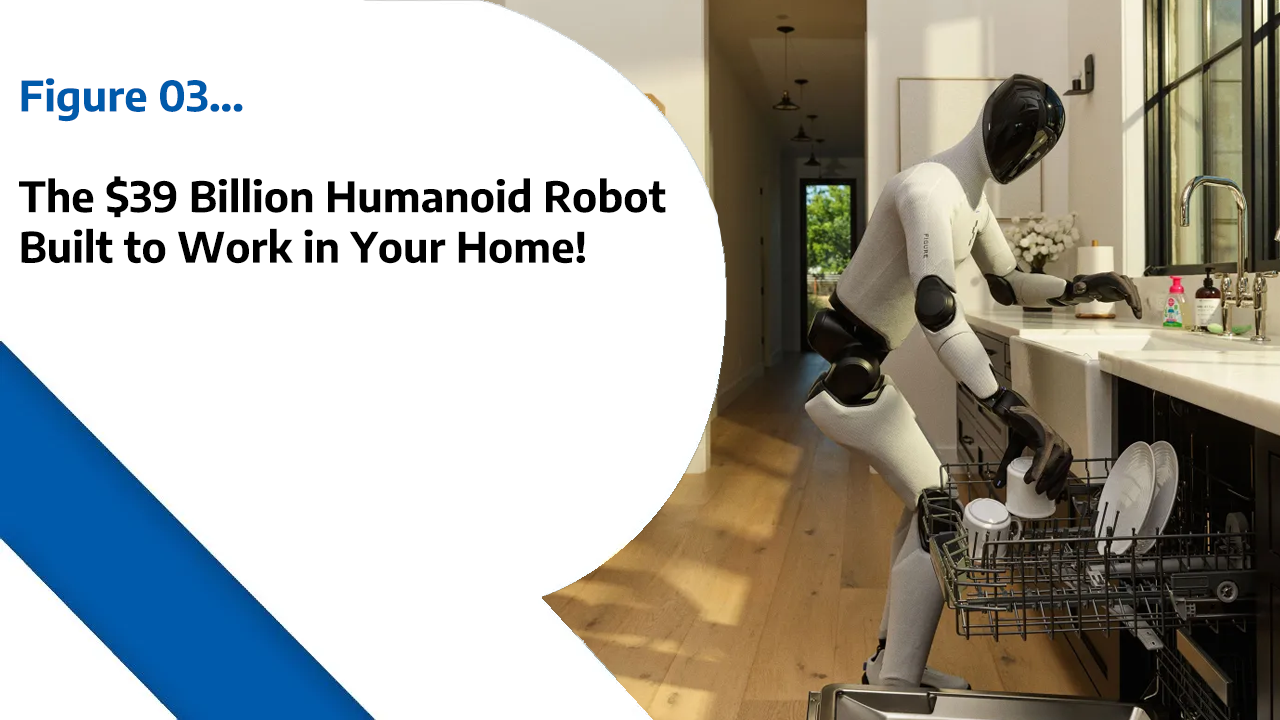
    Right — let’s talk robots. Figure AI, the San Jose startup making waves in humanoid design, just unveiled their latest creation — Figure 03. It’s smarter, lighter, and built not just for factories, but for your home. Yep, we’re officially one step closer to a real-life helper that can tidy up after you — or at least try.

    Figure AI’s been on a sprint. Their first bot, Figure 01, walked in 2023. Figure 02 shipped to paying customers in 2024. Now, Figure 03 marks a complete overhaul in both hardware and software — all with one goal: make humanoids practical and affordable at scale.

    The company just raised over $1 billion in Series C funding, valuing them at $39 billion — and they plan to ship 100,000 units over the next four years. Not bad for a company barely out of its prototype phase.

    So what makes Figure 03 special? For starters, it’s built for AI reasoning using the company’s Helix model. The robot’s vision system now has double the frame rate, 60 percent wider field of view, and quarter-second latency — meaning it sees and reacts much faster than before.

    Each hand has a built-in palm camera, giving the robot ‘eyes’ even when reaching into a cupboard or working in tight spots. Its fingertips are softer, more adaptive, and sensitive enough to detect just three grams of pressure — that’s basically the weight of a paperclip.

    It’s also 9 percent lighter and more compact than its predecessor, wrapped in soft textiles for safety, and can wirelessly charge simply by stepping on a 2 kW charging mat.

    And that’s your robot news update for today!. If you’re curious about how robotics can transform your business, head over to Robot Philosophy website to join the waiting list, or to speak with the team directly about robotics.

    Don’t forget to subscribe so you stay in the loop with all the latest updates.

    I’m RoboPhil from Robot Philosophy — thanks for watching, and I’ll see you next time!

    Join the workshop waiting list or get in touch at: https://robophil.com/


    Sponsors:-

    Robot Center: – https://robotcenter.co.uk/ – Buy Robot, Robot Buy, Robot consultancy, Robotics Consultancy, Inspection Robots, Security Robots,

    Robots of London: – https://robotsoflondon.co.uk/ – Robot Hire, Robot Rental, Rent Robot, Hire Robot, Robot Events, Robotics Hire, Hire Robotics, Rent Robotics, Robotics Rent, for exhibitions, shows, Events, Robot hire in the UK, Robot hire in Europe

    Robot Philosophy: – https://robophil.com/ – Robot Consultancy, Robot Recruitment, Robot Advice, Robot Insights, Robot Ideas. RoboPhil, also known as Philip English, is a leading Robot YouTuber, Robot Influencer, Robot Trainer, Robot Consultant, and Robot Streamer, Robotics Streamer, Robotics YouTuber, Robotics Influencer, Robotics Consultant, Robotics Trainer 

    https://www.youtube.com/watch?v=OQ5YjChSv-shttps://www.youtube.com/shorts/w3L7FXy4YsU