
What Does a Robotics Consultant Actually Do?
Article Sponsored By:
- Robot Center – Buy Robot, Robot Consultancy, Robotics Consultancy
- Robots of London – Robot Hire, Robot Rental, Robot Events
- Robot Philosophy – Robot Consultancy & Robot Recruitment
In an era where automation is transforming industries at breakneck speed, businesses face a critical question: how do we integrate robotics into our operations effectively? This is where robotics consultants step in—experts who bridge the gap between cutting-edge technology and practical business applications. But what exactly does a robotics consultant do, and how can they help your organization thrive in the age of automation?
The Multifaceted Role of a Robotics Consultant
A robotics consultant is far more than just a technical advisor. They are strategic partners who help businesses navigate the complex landscape of robotic automation, from initial feasibility assessments to full-scale implementation and beyond. Their role encompasses technical expertise, business acumen, and strategic vision—all focused on helping organizations harness the power of robotics to achieve their goals.
Strategic Assessment and Planning
The journey with a robotics consultant typically begins with a comprehensive assessment of your business needs. This isn’t about pushing the latest robotic technology onto your operations; it’s about understanding your unique challenges, workflows, and objectives.
A skilled consultant will spend time on your factory floor, in your warehouse, or observing your service operations. They’ll analyze your current processes, identify bottlenecks, and pinpoint opportunities where robotics can deliver genuine value. This might involve improving productivity, enhancing quality control, addressing labor shortages, or reducing operational costs.
During this phase, consultants develop detailed feasibility studies that outline potential robotic solutions, projected return on investment (ROI), implementation timelines, and potential challenges. This strategic planning ensures that any robotics investment aligns with your broader business objectives rather than being technology for technology’s sake.
Technology Selection and System Design
Once the strategy is clear, robotics consultants guide you through the often-overwhelming process of selecting the right technology. With countless robotic platforms, end-effectors, vision systems, and software solutions available, making the optimal choice requires deep industry knowledge and technical expertise.
Consultants evaluate factors such as:
- Payload requirements – What weight must the robot handle?
- Reach and workspace – Does the robot need to operate in confined spaces or across large areas?
- Speed and precision – What level of accuracy does your application demand?
- Environmental conditions – Will the robot operate in clean rooms, harsh industrial environments, or public spaces?
- Integration requirements – How will the robotic system connect with your existing equipment and software?
- Scalability – Can the solution grow with your business?
Beyond hardware selection, consultants design the complete robotic system, including safety features, control systems, and human-robot interaction protocols. They create detailed technical specifications and system architecture documents that serve as blueprints for implementation.
Vendor Management and Procurement
Navigating the robotics vendor landscape can be challenging. Robotics consultants leverage their industry relationships and expertise to help you identify reputable suppliers, negotiate favorable terms, and ensure you’re getting quality equipment at competitive prices.
They manage the procurement process, coordinate between multiple vendors if your solution requires components from different suppliers, and ensure all equipment meets the specifications outlined in the design phase. This vendor management extends beyond the initial purchase to include warranty negotiations, service agreements, and spare parts planning.
Implementation and Integration
The implementation phase is where strategic planning meets practical reality. Robotics consultants oversee the entire deployment process, ensuring that robotic systems are installed correctly, integrated seamlessly with existing operations, and commissioned to meet performance standards.
This involves:
- Project management – Coordinating timelines, resources, and stakeholders
- Safety compliance – Ensuring all installations meet regulatory requirements and industry standards
- System integration – Connecting robotic systems with manufacturing execution systems (MES), enterprise resource planning (ERP) software, and other business systems
- Testing and validation – Rigorous testing to verify that systems perform as designed
- Documentation – Creating comprehensive operating procedures, maintenance schedules, and troubleshooting guides
Consultants act as the liaison between your team and technical suppliers, translating technical jargon into business language and ensuring everyone remains aligned throughout the implementation process.
Training and Change Management
Technology is only as effective as the people who use it. A critical but often overlooked aspect of robotics consulting is training and change management. Consultants develop and deliver training programs tailored to different user groups—from operators who interact with robots daily to maintenance technicians who keep systems running smoothly.
Beyond technical training, consultants help organizations navigate the cultural shifts that accompany automation. This includes addressing workforce concerns about job displacement, redefining roles to focus on higher-value activities, and fostering a culture that embraces technological innovation.
Effective change management ensures that your robotic investment delivers sustainable results rather than encountering resistance that undermines adoption.
Optimization and Continuous Improvement
The relationship with a robotics consultant doesn’t end when systems go live. In fact, some of the most valuable work happens during the optimization phase. Consultants monitor system performance, analyze operational data, and identify opportunities for improvement.
This might involve:
- Performance tuning – Adjusting parameters to maximize throughput or quality
- Process refinement – Modifying workflows based on real-world operational insights
- Predictive maintenance – Implementing monitoring systems that prevent breakdowns before they occur
- Capacity expansion – Scaling successful implementations to other areas of your operation
- Technology updates – Keeping systems current with software updates and hardware upgrades
This continuous improvement approach ensures that your robotic systems evolve alongside your business, delivering increasing value over time.
Industry-Specific Applications
Robotics consultants bring specialized knowledge of how automation applies to different industries. Let’s explore how their expertise translates across various sectors:
Manufacturing and Production
In manufacturing, consultants help implement robotic solutions for welding, assembly, material handling, machine tending, painting, and quality inspection. They understand production flow optimization, cycle time reduction, and how to balance automation with flexibility to accommodate product variations.
A manufacturing-focused consultant might help an automotive supplier transition from manual welding to robotic welding cells, delivering improvements in weld quality, production speed, and worker safety while managing the complex integration with existing production lines.
Logistics and Warehousing
The logistics sector has seen explosive growth in robotic automation, from autonomous mobile robots (AMRs) to sophisticated picking and sorting systems. Consultants in this space understand warehouse management systems, inventory optimization, and the unique challenges of e-commerce fulfillment.
They might design automated storage and retrieval systems (AS/RS) that triple storage density while halving retrieval times, or implement collaborative robots that work alongside human pickers during peak seasons.
Healthcare and Laboratory Automation
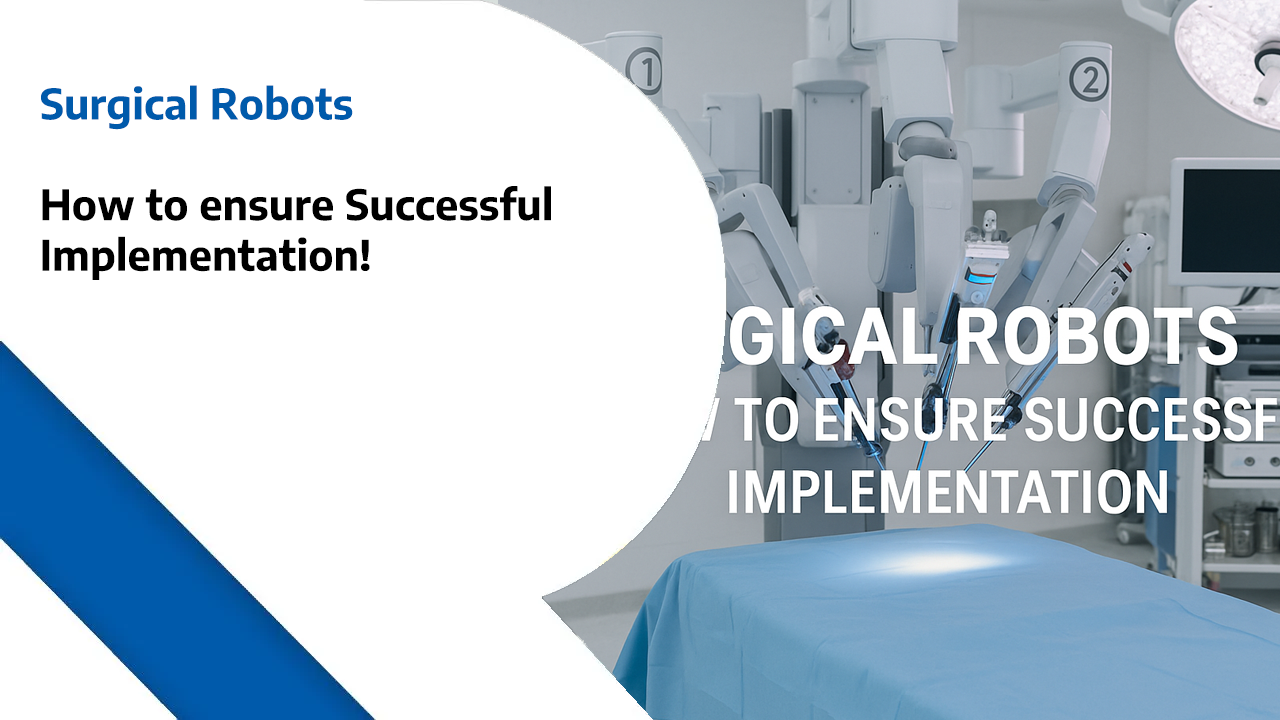
Healthcare robotics requires specialized knowledge of regulatory compliance, sterility requirements, and patient safety. Consultants help hospitals implement surgical robots, pharmacy automation systems, laboratory automation, and telepresence robots for remote consultations.
In laboratory settings, they might automate repetitive sample processing tasks, improving throughput while reducing human error and freeing scientists to focus on analysis and interpretation.
Food and Beverage
The food industry presents unique challenges including stringent hygiene requirements, temperature extremes, and the need to handle delicate products. Robotics consultants with food industry expertise help implement solutions for packaging, palletizing, sorting, and processing while ensuring compliance with food safety regulations.
Agriculture
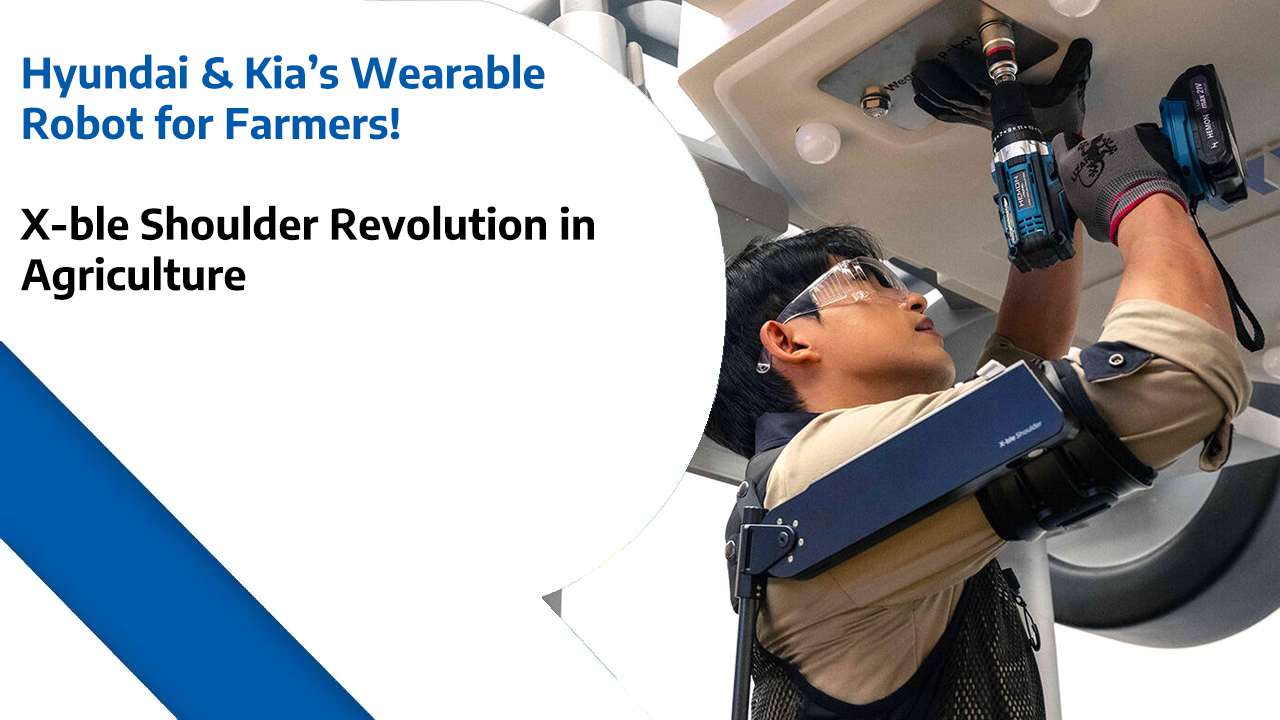
Agricultural robotics is an emerging field where consultants help farms implement precision agriculture technologies, autonomous harvesting systems, and robotic solutions for planting, weeding, and crop monitoring. This requires understanding both robotics and agricultural practices.
The Business Case: Why Hire a Robotics Consultant?
You might wonder whether hiring a robotics consultant is worth the investment. After all, couldn’t your engineering team figure out robotics implementation on their own? While internal teams certainly have value, robotics consultants offer distinct advantages:
Avoid Costly Mistakes
Robotics projects involve significant capital investment. A consultant’s experience helps you avoid common pitfalls that could derail projects or result in systems that don’t deliver expected results. They’ve seen what works and what doesn’t across multiple implementations, allowing you to benefit from accumulated wisdom rather than learning expensive lessons firsthand.
Accelerate Time to Value
Consultants bring proven methodologies that accelerate implementation. Rather than your team spending months researching options and developing expertise from scratch, consultants apply established frameworks that compress timelines and get systems operational faster.
Access Specialized Expertise
Robotics is a rapidly evolving field spanning mechanical engineering, software development, artificial intelligence, machine vision, safety engineering, and more. Consultants maintain current knowledge across these domains and bring specialized expertise that would be impractical for most organizations to develop and maintain internally.
Objective Perspective
External consultants provide unbiased recommendations focused solely on your best interests. They’re not tied to specific vendors or technologies and can objectively evaluate options based on your unique requirements rather than preconceived preferences.
Risk Mitigation
Consultants help identify and mitigate technical, operational, and financial risks before they become problems. Their experience allows them to anticipate challenges and develop contingency plans, reducing the likelihood of project failures.
Knowledge Transfer
While consultants bring external expertise, good consultants focus on knowledge transfer, building internal capability within your organization. The goal is to develop your team’s competence so you become increasingly self-sufficient over time.
Emerging Trends in Robotics Consulting
The robotics consulting field is evolving alongside technological advances. Forward-thinking consultants are helping organizations prepare for:
Artificial Intelligence and Machine Learning
AI-powered robots that learn from experience and adapt to changing conditions are becoming increasingly practical. Consultants help organizations understand where AI adds genuine value versus where traditional programming suffices.
Collaborative Robots (Cobots)
Cobots designed to work safely alongside humans are opening new application possibilities. Consultants help businesses identify opportunities for human-robot collaboration and design workflows that leverage the strengths of both.
Cloud Robotics and Fleet Management
As robotic fleets grow, cloud-based management platforms enable centralized monitoring, coordinated task allocation, and data analytics across multiple robots. Consultants help implement these systems and extract actionable insights from operational data.
Digital Twins and Simulation
Before investing in physical systems, organizations can now test robotic solutions in detailed virtual environments. Consultants use simulation tools to validate designs, optimize layouts, and train operators in risk-free virtual settings.
Sustainability and Circular Economy
Robotics plays an increasingly important role in sustainability initiatives, from precision agriculture that reduces resource consumption to automated recycling systems. Consultants help organizations align robotic implementations with environmental goals.
What to Look for in a Robotics Consultant
Not all robotics consultants are created equal. When selecting a consultant or consulting firm, consider:
Relevant Experience
Look for consultants with proven experience in your industry and with applications similar to your needs. Ask for case studies, references, and examples of previous projects.
Technical Depth
Ensure consultants have genuine technical expertise, not just business or sales backgrounds. They should understand the engineering fundamentals and be able to engage in detailed technical discussions.
Vendor Independence
The best consultants maintain objectivity by not being tied to specific equipment manufacturers. They should recommend solutions based on your needs, not vendor relationships or commission arrangements.
Holistic Approach
Effective consultants look beyond technology to consider organizational, operational, and cultural factors. They should address change management, training, and continuous improvement, not just technical implementation.
Communication Skills
Technical expertise means little if consultants can’t communicate effectively with diverse stakeholders. Look for consultants who can explain complex concepts clearly and facilitate productive discussions between technical and business teams.
Long-Term Partnership Orientation
The best consulting relationships extend beyond initial implementation to become ongoing partnerships focused on continuous improvement and evolving your automation strategy as your business grows.
Making the Decision: When to Engage a Robotics Consultant
Several scenarios strongly indicate it’s time to bring in a robotics consultant:
- You’re considering robotics but don’t know where to start – Consultants provide the roadmap from initial exploration to successful implementation
- Previous automation projects have underdelivered – Consultants can diagnose what went wrong and get projects back on track
- You need to scale existing robotic systems – Consultants help expand successful pilots across broader operations
- Your industry is facing disruption – Consultants help you stay competitive as automation transforms your sector
- Labor challenges are impacting operations – Whether facing shortages, high turnover, or safety concerns, consultants identify automation solutions
- You need to improve quality or consistency – Robotic solutions often excel at delivering repeatable results, and consultants design systems that enhance quality
- Capital allocation decisions are pending – Before committing significant resources, consultants provide the analysis needed for informed decision-making
Beyond Implementation: Ongoing Robotics Support
Many organizations find value in maintaining ongoing relationships with robotics consultants even after successful implementation. Ongoing consulting services might include:
- Performance monitoring and optimization
- Technology roadmap development
- Vendor relationship management
- Troubleshooting and problem-solving
- Training for new team members
- Expansion planning
- Staying current with emerging technologies
This ongoing partnership approach ensures your robotic systems continue delivering value and evolving alongside your business needs.
Ready to Transform Your Operations with Robotics?
Whether you’re taking your first steps into automation or looking to optimize existing robotic systems, expert guidance makes all the difference between success and expensive false starts.
Expert Robotics Consulting & Recruitment Services
At Robot Philosophy, we combine deep technical expertise with practical business insight to help organizations successfully implement and optimize robotic automation. Led by RoboPhil (Philip English), a recognized Robot YouTuber, Robot Influencer, Robot Trainer, and Robotics Consultant, we bring real-world experience across multiple industries and applications.
Our services include:
Robot Consultancy:
- Strategic automation assessment and planning
- Technology selection and system design
- Implementation oversight and project management
- Training and change management
- Optimization and continuous improvement
- Industry-specific robotics expertise
Robot Recruitment:
- Finding specialized robotics talent for your team
- Connecting you with experienced robotics engineers, programmers, and technicians
- Building internal robotics capabilities within your organization
Take the Next Step
Don’t navigate the complex world of robotics alone. Let’s discuss how robotic automation can transform your operations and give you a competitive advantage.
Contact us today:
- 📧 Email: info@robophil.com
- 📞 Phone: 0845 528 0404
Book a consultation call to discuss your specific needs and discover how robotics can deliver measurable results for your business.
Our Sponsor Partners
Looking for comprehensive robotics solutions? Our sponsor partners offer complementary services:
Robot Center Your destination for robot purchasing and consultancy services. Whether you’re looking to buy robots or need expert consultancy on robotics integration, Robot Center provides end-to-end solutions.
Robots of London Need robots for events or short-term projects? Robots of London specializes in robot hire and rental services, perfect for exhibitions, product launches, events, and pilot projects before making permanent investments.
Robot Philosophy Expert robot consultancy and recruitment services. We provide strategic advice, practical insights, and innovative ideas to help you succeed with robotics. Led by Philip English (RoboPhil), a leading figure in robotics education and consulting, serving as a Robot YouTuber, Robotics Influencer, Robotics Streamer, and Robotics Trainer.
Conclusion
Robotics consultants serve as invaluable guides through the increasingly complex landscape of automation technology. They bring technical expertise, strategic vision, industry knowledge, and practical implementation experience that accelerates success while minimizing risks.
As robotics continues transforming industries across the economy, the role of consultants becomes ever more critical. They help organizations not just adopt technology, but do so strategically—in ways that deliver measurable business value, enhance competitiveness, and position companies for long-term success in an increasingly automated future.
Whether you’re a manufacturing operation looking to improve productivity, a logistics company facing capacity constraints, a healthcare facility seeking to enhance patient care, or any organization considering robotics, engaging the right consultant can be the difference between transformative success and costly disappointment.
The future of your industry likely involves robotics. The question isn’t whether to embrace automation, but how to do so effectively. A skilled robotics consultant ensures you get that “how” right—the first time.
Ready to start your robotics journey? Contact Robot Philosophy today.
📧 info@robophil.com | 📞 0845 528 0404
Transform your operations. Gain competitive advantage. Build the future with robotics.
https://www.youtube.com/watch?v=ujOAPhQPcHY