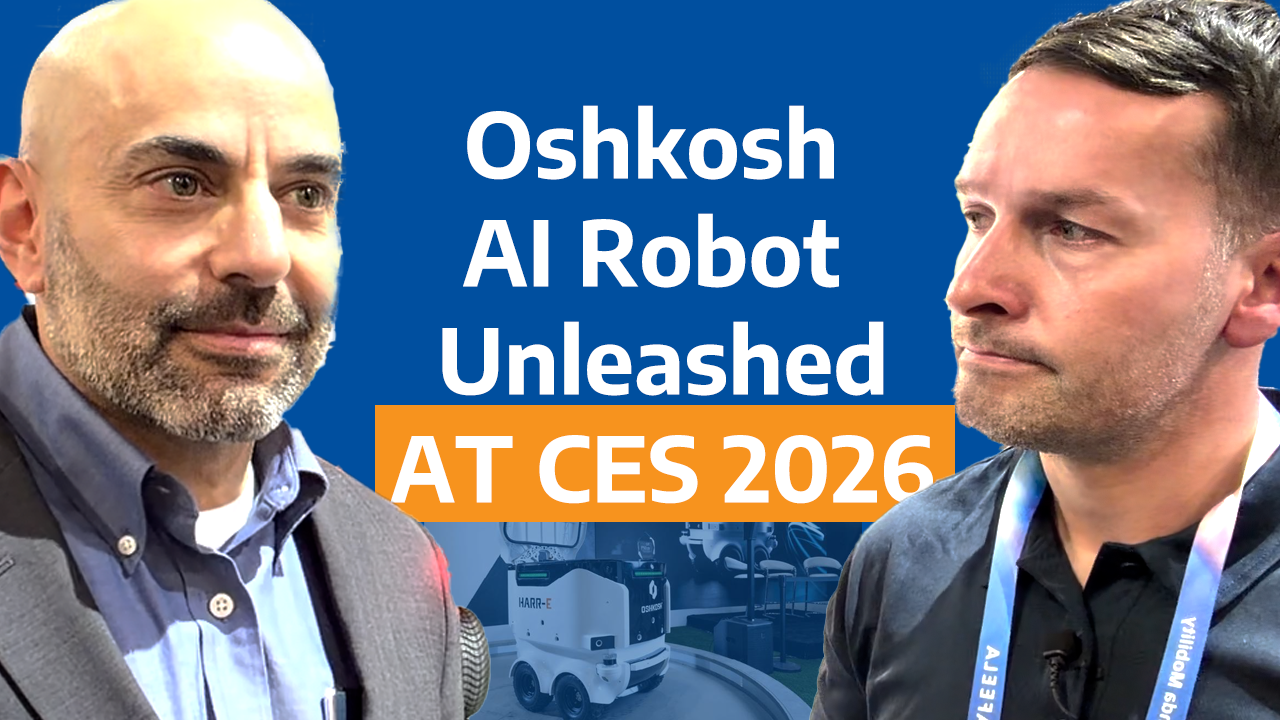
Autonomous Robot Vehicles: How AI Robots Are Transforming the Future of Transport and Industry
Introduction
The robotics industry is entering a new phase.
For years, robots have been confined to controlled environments like factories and warehouses. But that is changing fast. Autonomous robot vehicles—powered by AI, advanced sensors, and real-time decision-making—are now moving into the real world.
From military logistics to industrial transport, AI robots are beginning to operate in environments that were once considered too complex or unpredictable.
This shift matters.
Because when robots leave structured environments and enter dynamic, real-world conditions, the impact of automation increases dramatically. Entire industries—from logistics and construction to defence and infrastructure—are now facing a future where machines can operate independently.
The question is no longer whether this will happen.
It’s how fast.
The Current State of Robotics in Transport
Robotics technology has evolved significantly over the past decade.
Autonomous vehicles have long been a focus within the broader robotics industry, particularly in passenger transport. However, the real breakthrough is now happening in industrial and commercial vehicles.
AI robots are being developed to handle:
- Heavy-duty logistics
- Military transport
- Construction site operations
- Warehouse movement
- Last-mile delivery
Unlike consumer vehicles, these machines are designed for high-risk, high-value environments where efficiency and safety are critical.
Companies like Oshkosh Corporation and Pratt Miller are demonstrating that robotics is no longer theoretical. Their autonomous robot vehicles showcased at global events like CES 2026 highlight how robotics technology is becoming practical, deployable, and scalable.
This is robotics stepping into the real world.
Why Businesses Are Investing in Autonomous Robots
There is a clear reason why businesses are accelerating investment in AI robots.
It comes down to three factors: efficiency, safety, and capability.
Efficiency
Automation reduces reliance on human labour for repetitive or time-intensive tasks. Autonomous robot vehicles can operate continuously, without fatigue, downtime, or variability in performance.
This is particularly valuable in logistics, where time and consistency directly impact profitability.
Safety
Many industries involve dangerous environments—construction sites, military zones, hazardous material handling.
Robots can operate in these conditions without risking human lives.
This is one of the strongest drivers behind the adoption of robotics in sectors like defence and infrastructure.
Capability
Perhaps the most overlooked advantage is capability.
AI robots can process data, analyse environments, and make decisions in real time. This allows them to perform tasks that are difficult or impossible for humans, particularly in complex or data-rich environments.
This is where the future of robotics becomes truly transformative.
Key Technologies Driving Autonomous Robotics
The rise of autonomous robot vehicles is being powered by several key advancements in robotics technology.
Artificial Intelligence and Machine Learning
AI is at the core of modern robotics.
It enables robots to:
- Interpret sensor data
- Recognise patterns
- Make decisions
- Adapt to changing environments
Machine learning allows these systems to improve over time, making them more efficient and reliable.
Sensor Fusion
Autonomous robots rely on multiple sensors, including:
- LiDAR
- Cameras
- Radar
- GPS
Sensor fusion combines data from these sources to create a comprehensive understanding of the environment.
This is essential for navigation, obstacle avoidance, and real-time decision-making.
Edge Computing
Processing data locally—on the robot itself—is critical.
Edge computing allows AI robots to make instant decisions without relying on cloud connectivity. This is particularly important in remote or high-risk environments.
Advanced Robotics Engineering
Mechanical design, durability, and adaptability are also key.
Autonomous robot vehicles must operate in challenging conditions, from rough terrain to extreme weather.
This requires robust engineering combined with intelligent software systems.
Real-World Applications of Autonomous Robot Vehicles
The applications for autonomous robotics are expanding rapidly.
Military and Defence
Autonomous vehicles are being developed for:
- Supply transport
- Reconnaissance
- Tactical support
These robots reduce risk to personnel while increasing operational efficiency.
Logistics and Supply Chain
In logistics, autonomous robots are already transforming operations.
From warehouse robots to autonomous delivery vehicles, the goal is clear: faster, more efficient movement of goods.
Autonomous trucks and industrial vehicles are the next step.
Construction and Infrastructure
Construction sites are complex, dynamic environments.
AI robots can assist with:
- Material transport
- Site monitoring
- Hazard detection
This improves both safety and productivity.
Industrial Operations
Factories are evolving beyond static automation.
Mobile robots and autonomous vehicles are enabling more flexible, responsive manufacturing environments.
Challenges Slowing Adoption
Despite rapid progress, there are still challenges to overcome.
Regulation and Compliance
Autonomous systems must meet strict regulatory standards.
This can slow deployment, particularly in public or urban environments.
Trust and Perception
Businesses and individuals must trust robots to operate safely.
This requires proven reliability and clear demonstration of value.
Integration with Existing Systems
Many organisations are not yet structured to integrate robotics effectively.
This creates a gap between technological capability and real-world adoption.
Cost and ROI
While costs are decreasing, robotics still requires upfront investment.
Businesses need clear ROI to justify adoption.
The Robotics Industry Shift
What we are seeing is not just technological advancement—it’s an industry shift.
Robotics is moving from:
- Controlled environments → Dynamic environments
- Assisted automation → Full autonomy
- Human-operated systems → AI-driven decision-making
This shift is creating new opportunities across the robotics industry.
Startups are emerging with specialised solutions.
Investors are increasing funding in AI robotics.
Established companies are integrating robotics into their core strategies.
The future of robotics is no longer niche.
It is becoming foundational.
Business Perspective: The Opportunity for Companies
For businesses, this presents both a challenge and an opportunity.
Early Adoption Advantage
Companies that adopt robotics early can:
- Increase efficiency
- Reduce costs
- Gain competitive advantage
New Business Models
Robotics enables entirely new ways of operating.
From autonomous logistics networks to robot-as-a-service (RaaS), the possibilities are expanding.
Strategic Integration
The key is not just adopting robots, but integrating them effectively.
This requires:
- Understanding use cases
- Selecting the right technology
- Implementing and optimising systems
This is where robotics consulting becomes critical.
The Role of Robotics Consulting
As robotics technology advances, the complexity of adoption increases.
Businesses need guidance to:
- Identify opportunities for automation
- Select the right AI robots
- Implement systems effectively
- Maximise return on investment
Robotics consulting bridges the gap between technology and application.
It ensures that companies do not just adopt robots—but use them strategically.
The RoboPhil Perspective
Philip English, known as RoboPhil, operates at the intersection of robotics technology and real-world business application.
Through:
- Robot Center
- Robots of London
- Robot Philosophy
He works with companies exploring robotics adoption, sourcing the right robots, and deploying them effectively.
From live events showcasing robots to consulting with businesses on automation strategy, RoboPhil provides practical insight into how robotics can deliver real value.
This hands-on experience highlights a key truth:
Robotics is not just about technology.
It’s about implementation.
And the companies that understand this will lead the next phase of automation.
What the Future of Robotics Looks Like
The trajectory is clear.
Autonomous robots will become increasingly common across industries.
We will see:
- AI robots operating in real-world environments
- Autonomous vehicles integrated into logistics networks
- Humanoid robots entering service roles
- Increased collaboration between humans and machines
The pace of change will accelerate.
What feels advanced today will become standard within the next decade.
And as robotics technology continues to evolve, the line between human capability and machine capability will continue to blur.
Conclusion
Autonomous robot vehicles represent a major step forward in the evolution of robotics.
They are not just improving efficiency—they are redefining what is possible.
As AI robots move into real-world environments, the impact of automation will expand across industries.
Businesses that recognise this shift early will be best positioned to benefit.
The future of robotics is not coming.
It is already here.
Work With RoboPhil
If you are exploring robotics, automation, or AI robots for your business, now is the time to act.
Whether you are looking for:
- Robotics consulting
- Robot sourcing
- Automation strategy
- Industry insights
RoboPhil works with companies to turn robotics into real-world results.
Robot Center
https://robotcenter.co.uk/
Robots of London
https://robotsoflondon.co.uk/
Robot Philosophy
https://robophil.com/
Business enquiries
sales@robotcenter.co.uk