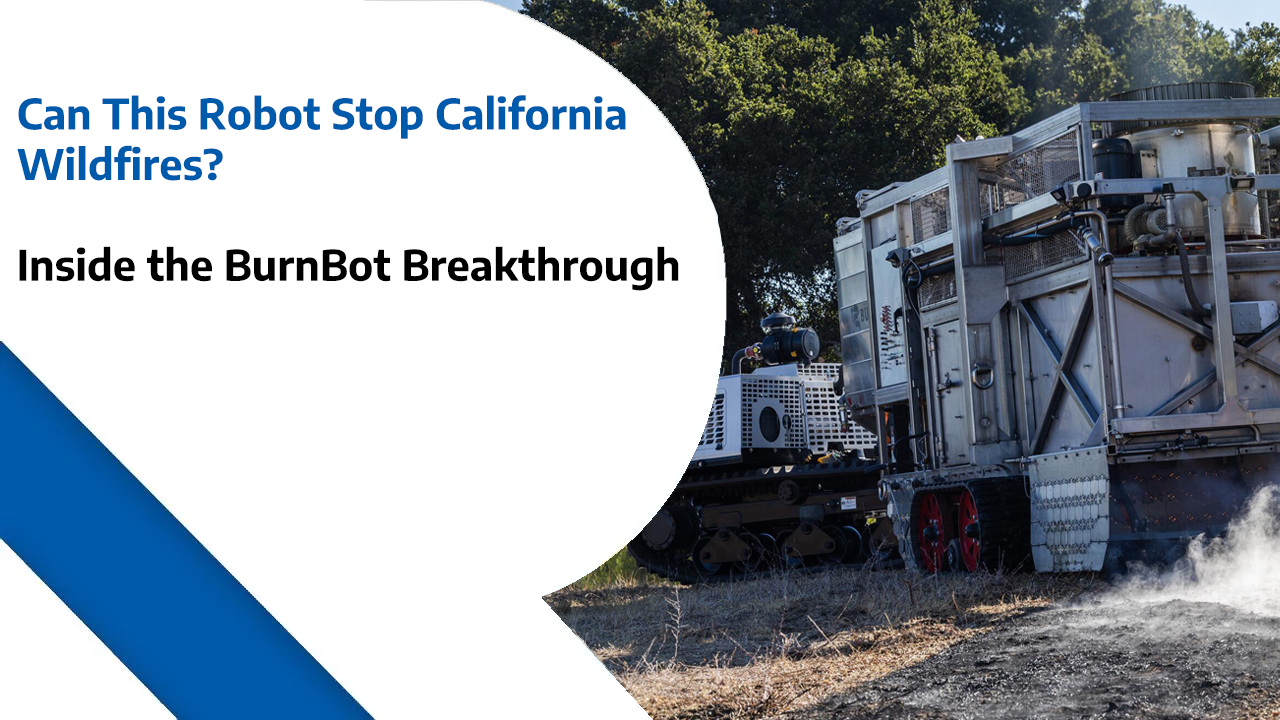
How to Build a Business Case for Robotics Investment
In today’s competitive landscape, robotics is no longer just a futuristic concept—it’s a practical solution that’s transforming businesses across industries. However, securing budget approval for robotics investment requires more than enthusiasm. You need a compelling business case that speaks the language of ROI, risk mitigation, and strategic advantage.
Whether you’re considering automation for manufacturing, logistics, hospitality, or customer service, this guide will walk you through building a robust business case that wins stakeholder buy-in.
Understanding the Strategic Value of Robotics
Before diving into spreadsheets and projections, it’s crucial to understand why robotics matters strategically. Modern robots offer:
- Labor efficiency gains in repetitive, physically demanding, or precision-critical tasks
- Consistency and quality improvements that reduce defects and rework
- Safety enhancements by removing humans from hazardous environments
- Scalability that allows operations to flex up or down based on demand
- Data insights through sensors and analytics that optimize processes continuously
The key is identifying which of these benefits aligns most closely with your organization’s pain points and strategic objectives.
Step 1: Define Your Business Problem
Every strong business case starts with a clearly articulated problem. Avoid generic statements like “we need to be more efficient.” Instead, quantify the issue:
- “Our picking accuracy rate is 94%, resulting in £200,000 annual costs in returns and customer complaints”
- “Worker turnover in our packaging department is 45% annually, costing £150,000 in recruitment and training”
- “Production line changeover takes 4 hours, reducing our daily output capacity by 16%”
Be specific about the operational, financial, or competitive challenge you’re addressing. This creates a baseline against which to measure improvement.
Step 2: Research Robotics Solutions
Not all robots are created equal, and choosing the wrong solution can derail your entire initiative. Consider:
Robot Types:
- Collaborative robots (cobots) for human-robot collaboration
- Autonomous mobile robots (AMRs) for logistics and transport
- Industrial robot arms for manufacturing and assembly
- Service robots for hospitality, cleaning, or customer interaction
Deployment Models:
- Purchase and own
- Robot-as-a-Service (RaaS) subscription models
- Hybrid lease arrangements
Research vendors, attend demonstrations, and most importantly, consult with robotics experts who can provide unbiased guidance on what fits your specific needs.
Step 3: Calculate Total Cost of Ownership (TCO)
A comprehensive TCO analysis goes beyond the robot’s purchase price. Include:
Initial Costs:
- Robot hardware and software
- Installation and integration
- Facility modifications (safety barriers, power, network infrastructure)
- Training programs for operators and maintenance staff
- Project management and consulting fees
Ongoing Costs:
- Maintenance contracts and spare parts
- Software licenses and updates
- Energy consumption
- Insurance
- Periodic upgrades or refurbishment
Hidden Costs:
- Downtime during implementation
- Productivity dip during learning curve
- Potential process redesign
A realistic five-year TCO projection provides the foundation for ROI calculations.
Step 4: Quantify the Benefits
Now for the exciting part—demonstrating what robotics will deliver. Focus on measurable, verifiable benefits:
Hard Benefits (Direct Financial Impact):
- Labor cost reduction or redeployment
- Increased throughput and production capacity
- Reduced material waste and defects
- Lower workplace injury costs and insurance premiums
- Decreased overtime and agency worker expenses
Soft Benefits (Indirect Value):
- Improved employee satisfaction and retention
- Enhanced brand reputation for innovation
- Better customer satisfaction through consistency
- Competitive differentiation
- Environmental sustainability improvements
Be conservative in your estimates. It’s better to under-promise and over-deliver than to create unrealistic expectations.
Step 5: Perform ROI and Payback Analysis
With costs and benefits quantified, calculate your key financial metrics:
Return on Investment (ROI):
ROI = (Total Benefits - Total Costs) / Total Costs × 100Payback Period:
Payback Period = Initial Investment / Annual Net BenefitsNet Present Value (NPV): Account for the time value of money using your organization’s discount rate.
Most successful robotics projects achieve payback within 2-3 years, with ROI ranging from 20-40% depending on the application.
Step 6: Address Risks and Mitigation Strategies
No investment is risk-free. Acknowledging risks upfront and presenting mitigation strategies demonstrates thorough planning:
Common Risks:
- Technology doesn’t perform as expected
- Integration challenges with existing systems
- Staff resistance to change
- Vendor goes out of business or discontinues support
- Regulatory or safety compliance issues
Mitigation Approaches:
- Pilot projects or phased rollouts
- Comprehensive vendor due diligence
- Change management and communication plans
- Service level agreements with penalty clauses
- Contingency budgets (typically 10-15% of project cost)
Step 7: Create Implementation Roadmap
Stakeholders want to see a realistic path from approval to operation. Your roadmap should include:
- Phase 1: Requirements gathering and vendor selection (Months 1-2)
- Phase 2: Proof of concept or pilot deployment (Months 3-4)
- Phase 3: Full-scale implementation (Months 5-7)
- Phase 4: Optimization and scaling (Months 8-12)
Include key milestones, decision gates, and success criteria for each phase.
Step 8: Align with Strategic Objectives
Connect your robotics initiative to broader organizational goals:
- If innovation is a priority, position robotics as competitive differentiation
- If sustainability matters, highlight energy efficiency and waste reduction
- If growth is the focus, emphasize scalability and capacity gains
This elevates your proposal from a tactical project to a strategic enabler.
Step 9: Build Stakeholder Coalition
Business cases rarely succeed on financial merit alone. You need champions across the organization:
- Operations: Excited about solving daily challenges
- Finance: Confident in the ROI projections
- HR: Supportive of workforce transition planning
- IT: Aligned on integration requirements
- Safety: Assured of risk mitigation
Engage these stakeholders early, incorporate their feedback, and secure their public endorsement.
Step 10: Present with Confidence
When you present your business case:
- Start with the problem, not the solution
- Use visuals—charts, photos of similar installations, process flow diagrams
- Tell a story that connects emotionally while backing it up with data
- Anticipate objections and have responses ready
- Provide options (e.g., different robot models or phasing approaches) to give stakeholders some control
- End with a clear ask and next steps
Common Pitfalls to Avoid
Even well-researched business cases can fail. Watch out for:
- Underestimating implementation complexity: Integration with legacy systems is often harder than expected
- Overestimating immediate productivity gains: Learning curves are real
- Ignoring change management: Technology succeeds or fails based on human adoption
- Choosing based solely on price: The cheapest robot may cost more in the long run
- Going it alone: Robotics expertise matters—leverage consultants who’ve done this before
Getting Expert Support for Your Robotics Journey
Building a business case is just the beginning. Successful robotics implementation requires deep expertise in technology selection, integration, and workforce transition. That’s where specialist support becomes invaluable.
Need Guidance? We’re Here to Help
Whether you’re at the start of your robotics journey or ready to scale, expert consultation can save time, money, and mitigate risks. Our robotics consulting services help organizations:
- Identify the right robotics solutions for specific applications
- Develop comprehensive business cases and ROI models
- Navigate vendor selection and procurement
- Plan and execute seamless implementations
- Train teams and optimize ongoing operations
We also offer specialized robot recruitment services to help you find the skilled talent needed to operate, maintain, and optimize your robotic systems—a critical factor often overlooked in implementation planning.
Ready to explore how robotics can transform your business?
📧 Email: info@robophil.com
📞 Call: 0845 528 0404
Book a consultation to discuss your specific needs and receive tailored guidance on building your robotics business case.
Article Sponsors
This article is proudly sponsored by leading robotics solution providers:
Robot Center
Your destination for purchasing robots and accessing comprehensive robotics consultancy services. Whether you’re buying your first robot or scaling an existing fleet, Robot Center provides expert guidance and quality solutions.
Robots of London
Specializing in robot hire and rental services for events, short-term projects, and trials. Perfect for organizations wanting to test robotics solutions before committing to purchase, or for event planners seeking innovative attractions.
Robot Philosophy
Led by RoboPhil (Philip English), a renowned Robot YouTuber, Influencer, Trainer, and Consultant. Robot Philosophy offers cutting-edge robot consultancy and recruitment services, along with insights, advice, and innovative ideas in robotics. Follow RoboPhil for the latest in robotics trends, training content, and live streaming from the world of robotics.
Conclusion
Building a business case for robotics investment is both an art and a science. It requires rigorous financial analysis, strategic thinking, and compelling communication. But when done right, it opens the door to transformative technology that can reshape your operations, improve competitiveness, and create new opportunities for growth.
The key is starting with a clear understanding of your business problem, thoroughly researching solutions, honestly assessing costs and benefits, and engaging stakeholders throughout the process. And remember, you don’t have to navigate this journey alone—expert guidance can make the difference between a project that struggles and one that exceeds expectations.
The future of work is here, and robotics is at its heart. The question isn’t whether to invest, but how to do it strategically and successfully.
What’s your next step toward robotics transformation?
https://www.youtube.com/watch?v=KsB09C9TWYI