Retail & Public-Facing Robots: A Strategic Imperative for Modern Business
In today’s fast-moving marketplace, the consumer experience is elevated more than ever before. The rise of digital commerce has conditioned shoppers to expect speed, convenience, and novelty—and this extends into the physical world of stores, venues, and public spaces. One of the most transformative technologies helping businesses meet these expectations is the deployment of retail and public-facing robots.
In this article we’ll explore:
What retail & public-facing robots are, and how they’re being used.
The business case for investing in them—what’s in it for you.
The key categories (what robots do in public/retail).
Practical considerations, challenges and readiness criteria.
Why consultancy and recruitment support are vital if you’re serious about adoption.
A call to action to partner with us for your robot strategy.
1. What Are Retail & Public-Facing Robots?
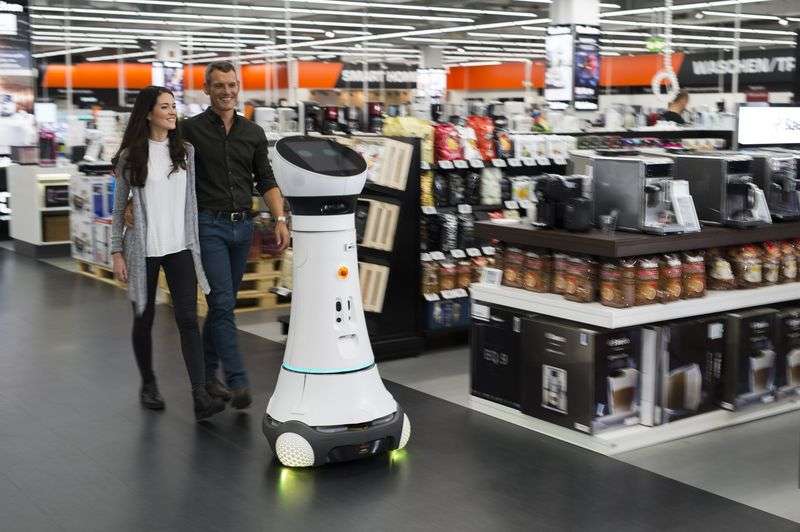
“Retail & public-facing robots” refers to robotic systems deployed in spaces where they interact, assist, guide or entertain members of the public or customers, not just in back‐office or manufacturing settings. These robots sit on the showroom floor, greet customers, offer assistance, manage inventory, patrol public areas, clean floors, or promote brands.
Recent industry commentary confirms this shift. For instance, an article titled “Robots in Retail” explains how humanoid and service robots are transitioning from back‐of‐house automation into actual customer-facing roles (in stores, hospitality, financial services) and will increasingly be visible in retail environments. The Robin Report+2Automate+2
Another review notes that while classic robotics were focused on factories, the “service robot” segment in the retail domain emphasises tasks that support human-centred environments, including cleaning, delivery, guidance and customer interaction. MarketsandMarkets+2PMC+2
In short: this is not just about machines stacking shelves—it’s about machines stepping into the store, into the customer journey, into the public space.
2. The Business Case: Why Your SME Can’t Afford to Ignore This
Here’s the core business argument:
Differentiation & brand experience: In an age when e-commerce offers convenience, your physical space must offer an experience. Robots in a store create a “wow” moment, an innovation anchor that can boost foot-traffic, dwell time and brand perception. One article noted that many retailers see “this train is not stopping any time soon” when it comes to customer-facing robots. The Robin Report+1
Operational efficiency: Robots aren’t just about front-of-house dazzle. They can take over repetitive, low-value tasks (shelf scanning, cleaning, guidance, simple repeat tasks), freeing your human staff to focus on high-value service and engagement. For example, one review cited robots doing inventory scanning, restocking, basket collection in retail stores. TechInformed+1
Data & insight: Customer-facing robots, especially when integrated with sensors and AI, can gather data about shopper behaviour, movement flows, inventory gaps, and engagement patterns. That insight can feed back into merchandising, layout and staffing decisions. Indeed, research on service robots in retail indicates that the back-end of deployment includes sensing, vision, mapping and analytics. arXiv+1
ROI potential: The cost of robots is coming down, and the model of Robotics-as-a-Service (RaaS) is making deployment more flexible. The article from A3 states that instead of capital heavy investment, the RaaS model allows businesses to pay for outcomes (e.g. guest reception, in-store assistance) rather than hardware ownership. Automate
From an SME standpoint, that means you don’t have to wait for the enterprise budget cycle— you can pilot, test, scale. But you do have to act, or risk being left behind while more agile competitors claim the innovation badge.
3. Key Categories: What These Robots Actually Do
Here are some of the primary roles that retail & public-facing robots are serving today:
a) Customer engagement & wayfinding
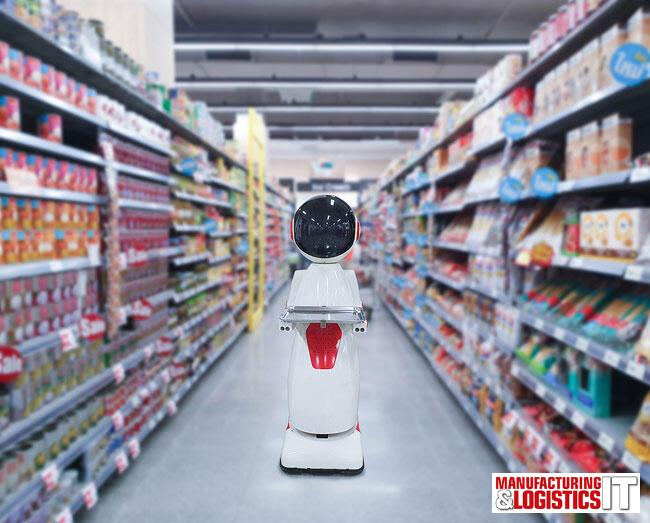
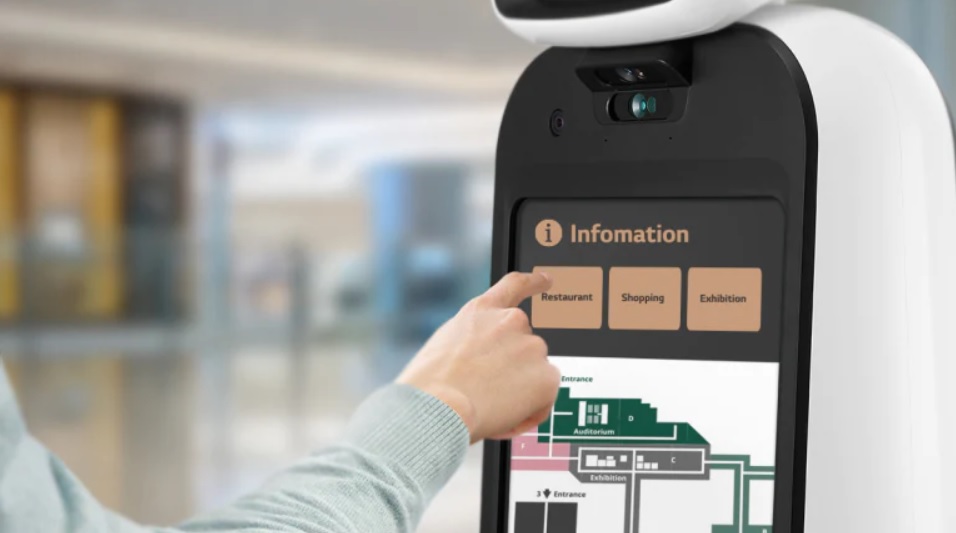
Robots that greet visitors, guide them to departments/products, provide FAQs, answer simple queries. As one integration company puts it: “Wayfinding robots help shoppers with directions and FAQs.” robotlab.com
b) Inventory, restocking, shelf – “behind-front-of-house” but visible
Robots that roam the store checking for out-of-stock items, price mismatches, shelf compliance. One article: “inventory bots … confirm pricing and identify out-of-stock goods.” knightoptical.com+1
c) Cleaning, delivery, transport within store or venue
Robots that autonomously clean floors, deliver items from back stock to front, transport baskets/trolleys, or deliver customer orders in large venues. For example: “Cleaning robots play a crucial role in maintaining a pristine environment…” robotlab.com
d) Security, monitoring & surveillance in public spaces
Though overlapping with “public-facing,” some deployments involve robots patrolling malls, public venues, airports, deterring theft, or mapping footfall. For example, the company Knightscope, Inc. builds robots for monitoring in malls and parking lots. Wikipedia
e) Brand activation, novelty & marketing
Robots used as interactive brand ambassadors, in store openings, events, or experiential settings. For example, studies show that a robot serving in a bakery as a product recommender increased sales. arXiv
f) Hybrid roles in venue or public-facing settings
More advanced robots that combine greeting, wayfinding, cleaning, or inventory assistance in one unit. As noted: robots that “interpret customer emotions … provide tailored shopping advice.” The Robin Report
4. Practical Considerations, Challenges & Readiness Criteria
Deploying public-facing robots is exciting—but not without its pitfalls. Here’s what to watch and plan for.
Readiness Checklist
Business case clarity: What exactly will the robot(s) do? Is it engagement, guidance, inventory, cleaning? Have you measured current cost, time or customer pain?
Environment fit: Retail or public spaces vary hugely in layout, lighting, foot-traffic, human-robot interaction potential. Are your store layouts conducive to robot mobility, visibility, charging?
Integration & data: A robot is not a standalone gimmick—it needs to integrate with your back-end (inventory systems, analytics, staff workflow). arXiv
Customer experience & social acceptance: Robots in front of customers must behave in ways that are intuitive, friendly and non-intrusive. Missteps impact brand perception.
Cost vs ROI timeline: Up-front cost (or RaaS contract), maintenance, support, software updates—must be compared against savings, lift in sales, customer metrics. The Robin Report+1
Staffing & workflow implications: Robots will shift tasks between machines and people—not replace them entirely in many cases. You’ll need to redesign roles, train staff, re-map processes.
Safety, reliability & privacy: Public spaces bring risk: collisions, malfunction, data capture issues, customer push-back. Social robotics research underlines the need for robust human-robot interaction design. arXiv
Common Challenges
Scaling beyond pilot: Many deployments remain pilot projects because scaling across multiple stores, chains or venues brings complexity. For example: “the journey towards widespread adoption … will remain challenging.” The Robin Report
Demonstrating tangible ROI: One pain-point cited: While technology is ready, the economics (and proof) lag—retailers are waiting for tangible benefit. The Robin Report
Human-robot interaction fatigue: Novelty may drive early engagement, but sustained benefit needs meaningful robotic behaviour, not just a gimmick. Research in a bakery setting found that the robot inside store recommending products increased sales, whereas the one just at entrance did not. arXiv
Maintenance, support and lifecycle costs: Much like IT, robotics deployments require upkeep, software updates, downtime management—often underestimated.
Customer perception and brand fit: Does “robot in my store” enhance or distract? Does it align with brand values?
Data and ethics: Robots with sensors gathering video/audio/data may raise privacy concerns.
5. Why Your Business Should Use Specialist Consultancy & Recruitment Support
If you’re reading this and thinking, “Yes, I should consider deploying robots in my store or venue,” then two things become critical: strategy and talent.
Why Consultancy Matters
Tailored strategy: A ‘generic’ robot won’t magically work. You need a roadmap: what task, what ROI, what full-stack integration. Our consultancy (via Robot Philosophy) helps you answer these questions and build your roadmap.
Vendor selection & system design: The robot market is fragmenting. Which robot is right for your customer journey? What sensor suite, what connectivity, what data integration? We help you wade through that.
Change management: Deployment isn’t plug-and-play. You need to adjust staff roles, workflows, customer messaging, signage and more. We support you in the organisational change.
Proof-of-concept design and measurement: We assist in designing pilots, defining KPIs (sales uplift, customer dwell time, staff redeployment), and tracking results.
Scaling plan: After pilot success, how do you scale across multiple sites? We help build the playbook for rollout.
Why Recruitment Matters
New skill-sets: Operating, maintaining and working alongside robots means you’ll need talent with robotics knowledge, data/analytics capability, integration experience and customer service mindset.
Hybrid roles: Staff who understand both customer experience and robot-augmented service will be the difference. We can help you recruit for these hybrid roles.
Future-proofing: As robots across the store become more widespread, your talent base must be prepared to manage fleet operations, service contracts, uptime, analytics and continuous improvement. We support you in building this talent pipeline.
In short: deploying public-facing robots is not just a technology rollout—it’s a business transformation. That’s why you need both the right strategy and the right team.
6. Call to Action: Let’s Talk
If your business is ready to explore how retail & public-facing robots can elevate your customer experience, drive operational efficiency, and future-proof your offering, we invite you to reach out.
• Email: info@robophil.com
• Phone: 0845 528 0404
We will work with you to:
Assess your current state and readiness for robotics.
Define the business case, tasks and customer journey where robots bring value.
Provide consultancy to select the right robot(s), integration path and rollout plan.
Recruit the talent you need to succeed.
Support you through pilot to scale.
Sponsored by:
Robot Center (https://robotcenter.co.uk/) – Your hub for buying robots, robotics consultancy, and expert support in robotics deployment.
Robots of London (https://robotsoflondon.co.uk/) – Specialists in robot hire, robot rental, event robots and lead generation for robotics businesses.
Robot Philosophy (https://robophil.com/) – Offering robot consultancy and robot recruitment; led by Philip English (aka RoboPhil) – your go-to robot influencer, trainer, consultant and strategist.
Final Thoughts
Retail & public-facing robots represent a powerful opportunity for any forward-looking business. They bridge innovation, efficiency, customer experience and brand differentiation. But the reward goes to the businesses that treat robot deployment not as a gadget, but as a strategic transformation—integrated, measured, staffed and scaled.
If that describes you, then let’s work together. Reach out, schedule your call, and make sure you’re not playing catch-up while others claim the robot edge in retail and public experience.
https://www.youtube.com/watch?v=I14kFkJIEKc