Day: 11 August 2025

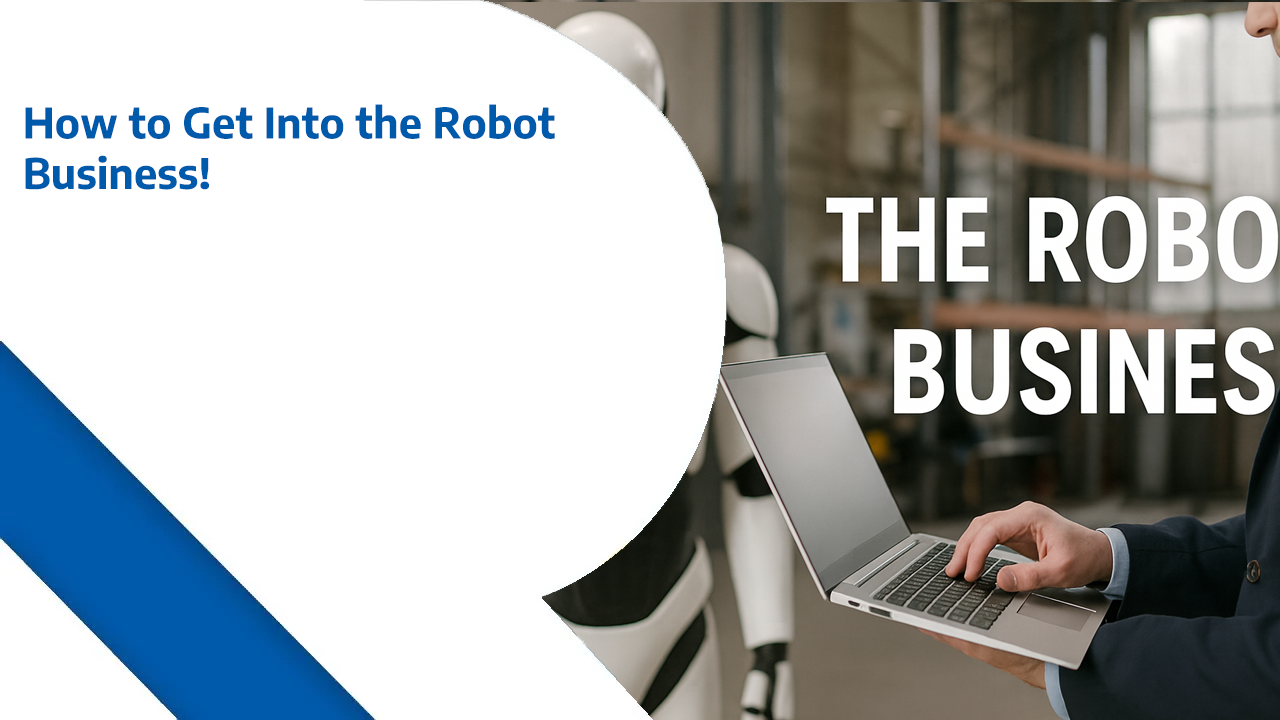
  • How to Get Into the Robot Business

    How to Get Into the Robot Business

    How to Get Into the Robot Business (Without Building Robots)

    “The robot industry is exploding. But the truth is, you don’t need to be an engineer or build a robot from scratch to start a robot business. I’m Phil – aka RoboPhil – and I’ve spent the last decade in this space. In this video, I’ll break down four proven ways to start your own robot business – even if you have zero technical background.”

    Key hook:

    • “Robots are projected to become a $300 billion industry by 2030 – and most of that growth isn’t from inventing robots, but bringing them into the real world.”

    SECTION 1: Become a Robot Reseller / Distributor

    What it is:

    You partner with a robot manufacturer and sell their robots to customers in your region or industry niche.

    Talking points:

    • Every robot company needs salespeople, distributors, and on-the-ground partners to reach new markets.
    • You don’t invent the robot—you learn the product and sell it, like Temi, OrionStar, Pudu, or Keenon.
    • You can start with one robot and a demo case and visit restaurants, warehouses, care homes, or offices.

    Real example:

    “That’s exactly how I started. I took a robot on the road and demoed it, just like the Hoover salesmen in the old days. And it worked.”

    Numbers:

    • Most service robots range from £5,000 to £20,000 per unit – even a 10–15% commission per sale is decent income.
    • Some companies offer exclusive regional distribution rights – if you’re first, you could lock in your area.

    Tips:

    • Go niche: sell only to healthcare, or only restaurants, or only logistics.
    • Follow up with service and training upsells.

    SECTION 2: Robot Consultant / Automation Advisor (6:00–11:00)

    What it is:

    You help companies figure out which robot they should use, where it fits into their workflow, and how to integrate it with minimal disruption.

    Talking points:

    • Most business owners are curious about robots, but don’t know where to start.
    • You can be the person who answers:
      “Which robot should we use?”
      “What problem can a robot solve here?”
      “How will it work with our current staff and setup?”

    Who this suits:

    • If you have experience in a specific industry – logistics, food production, hospitality – you already understand the problems robots can solve.

    Real example:

    “I’ve consulted for warehouse businesses that were bleeding money on manual pick-and-pack operations. A simple AMR robot cut their staffing costs and errors significantly.”

    Numbers:

    • Consulting day rates in robotics typically range from £300 to £1,000/day, depending on your niche and value.
    • Global warehouse automation market alone is projected to hit $64 billion by 2030 (Precedence Research, 2024).

    Tips:

    • Position yourself as a “robot translator” – someone who bridges the tech and the business.
    • Build a playbook: e.g., “Top 5 robots for care homes” or “Automation audit checklist for restaurants.”

    SECTION 3: Robot Trainer / Implementation Specialist

    What it is:

    You train staff on how to use a robot, and offer onboarding, setup, and basic support once it’s deployed.

    Talking points:

    • This is one of the most overlooked needs in the robot industry.
    • Most robots arrive with a manual or app – but staff still panic or underuse them.
    • If you can guide them step-by-step, you become essential.

    Services you can offer:

    • On-site or remote training sessions
    • “Train the trainer” programs
    • Quick-start guides, walkthrough videos
    • Annual support packages

    Real example:

    “I’ve had hotels and shopping centres bring me in just to train their staff how to use a delivery robot. Without that, the robots end up collecting dust.”

    Numbers:

    • You can charge £500–£2,000 per training package depending on robot complexity and client size.
    • Global demand for “robotics field support” roles is up 120% YoY (LinkedIn Jobs, 2024).

    Tips:

    • Record your training once – use it across multiple clients.
    • Pair this with consulting or reseller work for recurring revenue.

    SECTION 4 (New): Start a Robot Integration or Installation Service

    What it is:

    You set up robots on behalf of manufacturers or end users – configuring the hardware, connecting it to the customer’s systems (like Wi-Fi, tablets, or cloud software), and making sure it works in their environment.

    Talking Points:

    • Many robots today are plug-and-play-ish… but not quite.
    • Businesses don’t want to deal with the technical stuff – and robot companies often don’t have local field teams.
    • You become the local expert who gets robots up and running faster and smoother than DIY installs.

    Real-World Example:

    “With some of the robot brands I’ve worked with, the biggest challenge isn’t selling the robot—it’s making sure it’s working properly in the client’s space. That’s where integration comes in.”

    Services You Can Offer:

    • Site surveys: Assess Wi-Fi strength, floor plan, obstacles
    • Robot setup: Positioning, network setup, linking to POS/CRM
    • Custom configuration: Language, voice assistant, branding
    • Testing + training: Make sure staff understand how it works
    • Ongoing support packages: Recurring revenue

    Numbers:

    • Integration fees typically range from £500 to £5,000 per project, depending on complexity.
    • You could integrate 5 robots a month and generate £10K+ in service fees.
    • Demand for robotics integrators is rising – especially in sectors like healthcare, warehousing, and hospitality.

    📈 According to ABI Research, over 6 million robots will be installed annually by 2026, with most requiring some form of integration.

    Tips:

    • Partner with robot brands that don’t have UK integration teams – you can be their field rep.
    • Build a checklist or workflow for repeatable installs.
    • Upsell service and support contracts after the initial setup.

    Updated Closing CTA:

    “If you’re hands-on and tech-comfortable, robot integration can be a fast-track into the robot industry – without building your own robot or needing inventory. Start local, solve real problems, and scale up from there.”

    Let me know if you’d like the full outline updated with this new Section 4 swapped in, or if you’d like a matching YouTube title + description + tags for SEO.


    SECTION 5: Become a Robot Intrapreneur – Innovate From Inside Your Company (18:00–20:00)

    What it is:

    You’re already working inside a company or industry, and you notice where robots could make a big impact. Instead of starting a business right away, you lead a robot project from the inside—proposing, testing, and deploying automation within your current job.

    Talking Points:

    • You already know the business from the inside: the bottlenecks, the frustrations, the inefficiencies.
    • Your employer likely wants innovation but doesn’t know where to start.
    • You can lead the change, without needing funding or taking big risks.
    • You become known internally as “the automation guy/girl” – and that opens doors.

    Real Example:

    “I’ve seen people in retail, logistics, and hospitality pitch delivery robots, cleaning robots, or stock-checking robots to their bosses—and within six months, they were running the rollout across multiple sites. Some of them ended up launching their own automation businesses from that starting point.”

    Benefits:

    • You learn how robot deployments really work – without personal financial risk
    • You can build a case study, proving ROI and usability
    • You’re using company resources (budget, staff, time) to get real robotics experience
    • You position yourself for internal promotion or external credibility

    Stats & Relevance:

    • According to PwC, 61% of UK companies say they want to automate tasks, but lack the internal capability or confidence to start.
    • Many robot companies say they prefer working with internal champions—someone who can own the project from the inside.

    Bonus: Use It as a Springboard

    Once you’ve successfully deployed a robot inside one business, you now have:

    • A working model
    • Real performance data
    • Internal feedback
    • A confident story to pitch to others

    And that’s your foundation to go solo.

    You can:

    • Offer the same solution to other companies in the same sector
    • Become a freelance robot consultant or integrator
    • Partner directly with robot manufacturers
    • Launch your own automation startup

    Final Thought:

    “The intrapreneur path is perfect if you’re not ready to leave your job—but want to get into robotics. And once you’ve proven it works, you can take that experience and build your own business. That’s exactly how a lot of the best robotics founders got their start.”

    Would you like the full video script with all 5 updated sections in one place, or shall I now build your YouTube-ready title, description, tags, and thumbnail headline?

    Just say the word!

    You said:

    give me an end scrpit

    ChatGPT said:

    Of course! Here’s a polished end script for your video that wraps up all 5 paths, includes a recap, and ends with a strong call to action to drive engagement and subscribers:

    🎬 End Script

    “So let’s quickly recap the five real-world ways you can get into the robot business—without building a robot, writing code, or starting with a huge budget.”

    1. Become a robot reseller – Partner with a manufacturer, sell robots, earn commission.
    2. Become a robot consultant – Help businesses choose and integrate the right robots.
    3. Offer training and support – Teach teams how to use and maintain their robots.
    4. Do robot integration and setup – Become the local expert that makes the robots work.
    5. Be a robot intrapreneur – Lead a robot project inside your current job, then branch out on your own.

    “The opportunity is massive. Robots are going mainstream, and the industry needs more people like you—people who can translate the tech, solve real problems, and help businesses move forward.”

    “If one of these five paths stood out to you, drop it in the comments—let’s start a conversation. And if you’ve already started your journey in the robot space, I’d love to hear about it.”

    “Subscribe if you want more straight-talking insights on robots, automation, and how to actually build a future-proof career in this industry. And if you’re serious about getting started, check out the next video where I go deeper

    “Thanks for watching – I’m Phil, aka RoboPhil – and I’ll see you in the next one.”

    Join our Robot Optimise Industry (ROI) Workshop: https://robophil.com/workshop


    Sponsors:-


    Robot Center: – https://robotcenter.co.uk/ – Buy Robot, Robot Buy, Robot consultancy, Robotics Consultancy


    Robots of London: – https://robotsoflondon.co.uk/ – Robot Hire, Robot Rental, Rent Robot, Hire Robot, Robot Events


    Robot Philosophy: – https://robophil.com/ – Robot Consultancy AND Robot Recruitment, Robot Advice, Robot Insights, Robot Ideas
     

  • Talk to a Robot Consultant – What to Expect in Your First Call

    Talk to a Robot Consultant – What to Expect in Your First Call

    Talk to a Robot Consultant – What to Expect in Your First Call

    The world of robotics is evolving at breakneck speed, transforming industries from manufacturing and healthcare to hospitality and retail. As businesses increasingly recognize the potential of robotic solutions to enhance efficiency, reduce costs, and drive innovation, the demand for expert guidance has never been higher. This is where robot consultants come in—specialized professionals who bridge the gap between cutting-edge robotic technology and practical business applications.

    If you’re considering taking the leap into robotics for your business but feel overwhelmed by the technical complexities and endless options available, scheduling a consultation with a robot expert could be the game-changing decision you’ve been looking for. But what exactly happens during that first call? What should you prepare, and what outcomes can you realistically expect?

    This comprehensive guide will walk you through everything you need to know about your first robot consultation call, helping you maximize this valuable opportunity to explore how robotics can revolutionize your business operations.

    Understanding the Role of a Robot Consultant

    Before diving into what to expect during your consultation, it’s important to understand what a robot consultant brings to the table. These specialized professionals combine deep technical knowledge of robotic systems with extensive business acumen, enabling them to translate complex technological capabilities into practical solutions that align with your specific business objectives.

    Robot consultants typically offer a range of services including feasibility assessments, technology selection guidance, implementation planning, integration support, and ongoing optimization strategies. They stay current with the latest developments in artificial intelligence, machine learning, sensor technology, and automation hardware, ensuring they can recommend the most appropriate and cost-effective solutions for your unique needs.

    The value proposition extends beyond mere technical expertise. A skilled robot consultant understands industry-specific challenges, regulatory requirements, workforce implications, and the critical success factors that determine whether a robotic implementation will deliver the expected return on investment. They serve as your trusted advisor throughout the entire journey, from initial concept exploration through successful deployment and beyond.

    Preparing for Your First Consultation Call

    Preparation is key to maximizing the value of your robot consultation. Before your scheduled call, take time to clearly articulate your business challenges, objectives, and constraints. Consider the specific pain points you’re hoping to address through robotics—whether that’s labor shortages, quality consistency issues, safety concerns, or the need to increase production capacity.

    Gather relevant information about your current operations, including workflow diagrams, production volumes, quality metrics, and any existing automation systems. If you have budget parameters or timeline constraints, having these details readily available will help your consultant provide more targeted recommendations.

    It’s also beneficial to involve key stakeholders in the preparation process. Consider who from your team should participate in the consultation—this might include operations managers, technical staff, financial decision-makers, and anyone else who would be directly impacted by a robotic implementation. Having the right people involved from the beginning ensures all perspectives are considered and helps build organizational buy-in for potential initiatives.

    Think about your long-term vision as well. While you might be focused on solving immediate challenges, robot consultants can help you develop a strategic roadmap that positions your business for future growth and technological advancement. Understanding your broader business goals will enable more comprehensive and forward-thinking recommendations.

    The Initial Discovery Phase

    Your first consultation call will typically begin with an extensive discovery phase, where your consultant works to understand your business, industry, and specific needs. Expect detailed questions about your current operations, including production processes, quality control measures, workforce dynamics, and existing technology infrastructure.

    The consultant will likely inquire about your company’s size, structure, and culture, as these factors significantly influence which robotic solutions will be most successful. They’ll want to understand your customer base, market position, and competitive pressures, as these elements help shape the strategic context for any robotic initiatives.

    During this phase, be prepared to discuss both your successes and your challenges openly. The most effective robot consultants need a complete picture of your situation to provide valuable guidance. Don’t hesitate to share concerns about implementation complexity, workforce impact, or budget limitations—addressing these issues upfront ensures more realistic and actionable recommendations.

    Your consultant may also explore your organization’s previous experience with automation or technology implementations. Understanding what has worked well in the past, as well as any challenges you’ve encountered, helps inform their approach and recommendations for robotic solutions.

    Technical Assessment and Feasibility Analysis

    Following the initial discovery, your consultant will conduct a technical assessment of your specific use case. This involves analyzing the technical requirements for potential robotic solutions, including the physical environment, task complexity, precision requirements, and integration needs with existing systems.

    Expect detailed discussions about the specific tasks you’re hoping to automate. The consultant will evaluate factors such as the repeatability of processes, the degree of variability in your products or materials, and the level of decision-making required. These elements are crucial in determining whether robotic automation is feasible and which types of robotic systems would be most appropriate.

    The consultant will also assess your current infrastructure, including power requirements, network capabilities, safety systems, and physical space constraints. This technical evaluation helps identify any modifications or upgrades that might be necessary to support robotic implementation.

    During this phase, your consultant may present various technological options, explaining the capabilities, limitations, and costs associated with different robotic platforms. They’ll help you understand the trade-offs between different approaches, ensuring you have the information needed to make informed decisions about your robotic strategy.

    ROI Analysis and Business Case Development

    One of the most critical aspects of your consultation will be the development of a comprehensive return on investment analysis. Your robot consultant will work with you to quantify the potential benefits of robotic implementation, including cost savings, productivity improvements, quality enhancements, and risk reduction.

    This analysis typically includes both direct financial benefits, such as reduced labor costs or increased throughput, as well as indirect benefits like improved workplace safety, enhanced consistency, and greater operational flexibility. The consultant will help you understand both the short-term and long-term financial implications of robotic investment.

    Expect discussions about implementation costs, including not just the robotic hardware but also integration services, training requirements, ongoing maintenance, and any necessary facility modifications. A thorough cost-benefit analysis provides the foundation for making informed investment decisions and securing organizational support for robotic initiatives.

    Your consultant may also help you explore financing options, leasing arrangements, or phased implementation approaches that can make robotic solutions more accessible and manageable from a cash flow perspective. Understanding all available options ensures you can structure an investment that aligns with your financial capabilities and business objectives.

    Implementation Planning and Timeline Development

    If the feasibility analysis indicates that robotic solutions are viable for your application, your consultant will begin developing a preliminary implementation plan. This roadmap outlines the key phases of deployment, from initial system design and procurement through installation, testing, and full production rollout.

    Expect detailed discussions about timeline expectations, recognizing that robotic implementations typically require several months from decision to full operation. Your consultant will help you understand the various factors that influence implementation schedules, including equipment lead times, integration complexity, and training requirements.

    The planning process will also address change management considerations, including workforce communication, training programs, and organizational adjustments needed to successfully integrate robotic systems into your operations. Effective implementation planning considers not just the technical aspects but also the human and organizational elements that are crucial for success.

    Your consultant may recommend a phased approach, starting with pilot installations or lower-risk applications before expanding to more complex implementations. This strategy allows you to build internal capabilities, demonstrate value, and refine processes before making larger investments.

    Risk Assessment and Mitigation Strategies

    Professional robot consultants understand that every implementation carries inherent risks, and they’ll work with you to identify and address potential challenges proactively. Common risk areas include technical integration issues, workforce acceptance challenges, supplier reliability concerns, and regulatory compliance requirements.

    During your consultation, expect frank discussions about potential pitfalls and their likelihood of occurrence. More importantly, your consultant will propose specific mitigation strategies for each identified risk, helping you develop contingency plans and preventive measures.

    This might include recommendations for supplier evaluation criteria, suggestions for pilot testing approaches, strategies for workforce engagement, or proposals for staged implementation that limits exposure to any single point of failure. Understanding and preparing for potential challenges significantly improves the likelihood of successful implementation.

    Your consultant may also address cybersecurity considerations, as modern robotic systems often include network connectivity and data collection capabilities. Ensuring appropriate security measures are in place protects both your operational systems and sensitive business information.

    Next Steps and Ongoing Support

    As your initial consultation draws to a close, your robot consultant will outline potential next steps based on the discussions and analysis conducted during the call. This might include more detailed feasibility studies, site visits for hands-on assessment, development of detailed implementation proposals, or connections with specific technology suppliers.

    Many robot consultants offer ongoing support services that extend well beyond the initial implementation. These might include system optimization services, expansion planning, troubleshooting support, or assistance with scaling robotic solutions to additional applications within your organization.

    Your consultant may also discuss training and knowledge transfer opportunities that can help build internal capabilities within your team. Developing in-house expertise ensures you can maximize the value of your robotic investments and maintain optimal system performance over time.

    What Makes a Great Robot Consultation Experience

    The best robot consultation experiences are characterized by several key elements. First and foremost, your consultant should demonstrate genuine expertise across multiple robotic technologies and applications, enabling them to recommend solutions based on technical merit rather than vendor relationships or limited experience.

    Effective consultants are also excellent listeners who take time to truly understand your business before proposing solutions. They should ask probing questions, challenge assumptions when appropriate, and demonstrate a clear understanding of your industry’s unique requirements and constraints.

    Transparency is another hallmark of quality robot consultation. Your consultant should be upfront about costs, timelines, risks, and limitations. They should present balanced analyses that include both benefits and challenges, helping you make informed decisions rather than simply promoting robotic solutions regardless of fit.

    Look for consultants who demonstrate strong communication skills, translating technical concepts into business language and ensuring all stakeholders can understand and engage with the recommendations. The ability to bridge technical and business perspectives is crucial for successful robotic implementations.

    Industry-Specific Considerations

    Different industries present unique challenges and opportunities for robotic implementation, and experienced robot consultants understand these nuances. In manufacturing environments, consultants focus on production efficiency, quality consistency, and integration with existing automation systems. Healthcare applications require deep understanding of regulatory requirements, patient safety considerations, and infection control protocols.

    Retail and hospitality robotics demand expertise in customer interaction, brand alignment, and service quality maintenance. Logistics and warehousing applications emphasize throughput optimization, accuracy requirements, and integration with inventory management systems.

    During your consultation, expect your robot consultant to demonstrate familiarity with your specific industry’s requirements, challenges, and best practices. This industry expertise ensures recommendations are practical and aligned with sector-specific success factors.

    Building Long-Term Robotic Strategy

    While your first consultation call focuses on immediate needs and opportunities, the best robot consultants also help you develop a long-term strategic vision for robotics within your organization. This might include identifying additional applications for automation, planning for technology evolution, and building organizational capabilities that support ongoing innovation.

    Your consultant may discuss emerging trends in robotics that could impact your business in the coming years, helping you position for future opportunities and challenges. This forward-thinking approach ensures your initial robotic investments are part of a coherent strategy rather than isolated tactical decisions.

    Consider how your robotic initiatives align with broader digital transformation efforts within your organization. The most successful companies integrate robotics with other advanced technologies like IoT, artificial intelligence, and data analytics to create comprehensive operational improvements.

    Maximizing Consultation Value

    To get the most value from your robot consultation, come prepared with specific questions and scenarios you’d like to explore. Be open about your concerns and constraints, as addressing these issues upfront leads to more realistic and actionable recommendations.

    Take detailed notes during your consultation and don’t hesitate to ask for clarification on technical concepts or implementation details. Most robot consultants are happy to provide follow-up information or additional resources that help you better understand the recommendations.

    Consider involving multiple stakeholders in the consultation process, as different perspectives often reveal important considerations that might otherwise be overlooked. Having diverse viewpoints represented ensures more comprehensive evaluation of potential solutions.

    Conclusion: Your Gateway to Robotic Innovation

    Your first robot consultation call represents the beginning of what could be a transformative journey for your business. By understanding what to expect and how to prepare, you position yourself to maximize this valuable opportunity and make informed decisions about robotic investments.

    Remember that the best robot consultants are not just technology experts—they’re strategic partners who understand your business and are committed to your success. They bring not only technical knowledge but also practical experience, industry insights, and the ability to translate complex capabilities into real-world business value.

    The robotics landscape continues to evolve rapidly, with new technologies, applications, and opportunities emerging regularly. Partnering with experienced robot consultants ensures you stay current with these developments and can capitalize on innovations that drive competitive advantage.

    Whether you’re exploring robotics for the first time or looking to expand existing automation initiatives, a professional consultation provides the foundation for successful implementation. Take advantage of this opportunity to explore how robotics can transform your operations, enhance your capabilities, and position your business for future growth.


    Ready to Transform Your Business with Robotics?

    Don’t let the complexity of robotic technology hold you back from exploring its transformative potential. Our expert robot consultants are ready to help you navigate the opportunities and challenges of implementing robotic solutions in your business.

    Contact us today to schedule your comprehensive robot consultation:

    📧 Email: info@robophil.com
    📞 Phone: 0845 528 0404

    Our team of experienced professionals will work with you to understand your unique needs, assess the feasibility of robotic solutions, and develop a strategic roadmap for implementation. From initial consultation through successful deployment and ongoing optimization, we’re your trusted partners in robotic innovation.

    Additional Services:

    • Robot Consulting: Strategic guidance and technical expertise for robotic implementations
    • Robot Recruitment: Specialized talent acquisition for robotics professionals and technical teams

    Sponsored by Leading Robotics Partners

    This article is proudly sponsored by three industry-leading organizations committed to advancing robotic technology adoption:

    Robot Center
    Your comprehensive destination for robot purchasing, procurement, and consultancy services. Whether you’re looking to buy robots, need expert robotics consultancy, or require guidance on technology selection, Robot Center provides the expertise and resources to support your robotic initiatives.

    Robots of London
    Premier provider of robot hire and rental services for events, demonstrations, and short-term projects. From robot events and experiential marketing to temporary automation solutions, Robots of London offers flexible access to cutting-edge robotic technology without the commitment of permanent purchase.

    Robot Philosophy
    Specialized consultancy and recruitment services focused on robotics strategy, implementation, and talent acquisition. Robot Philosophy combines deep technical expertise with strategic business insight to deliver actionable advice, innovative ideas, and specialized recruitment services for organizations embracing robotic technology.

    These partnerships ensure access to comprehensive robotics expertise, from strategic planning and technology selection through implementation support and ongoing optimization. Together, we’re committed to making robotic technology accessible, practical, and transformative for businesses across all industries.


  • Olympus – ESA’s Jumping Robot That Could Leap Into Mars’ Untouched Terrain

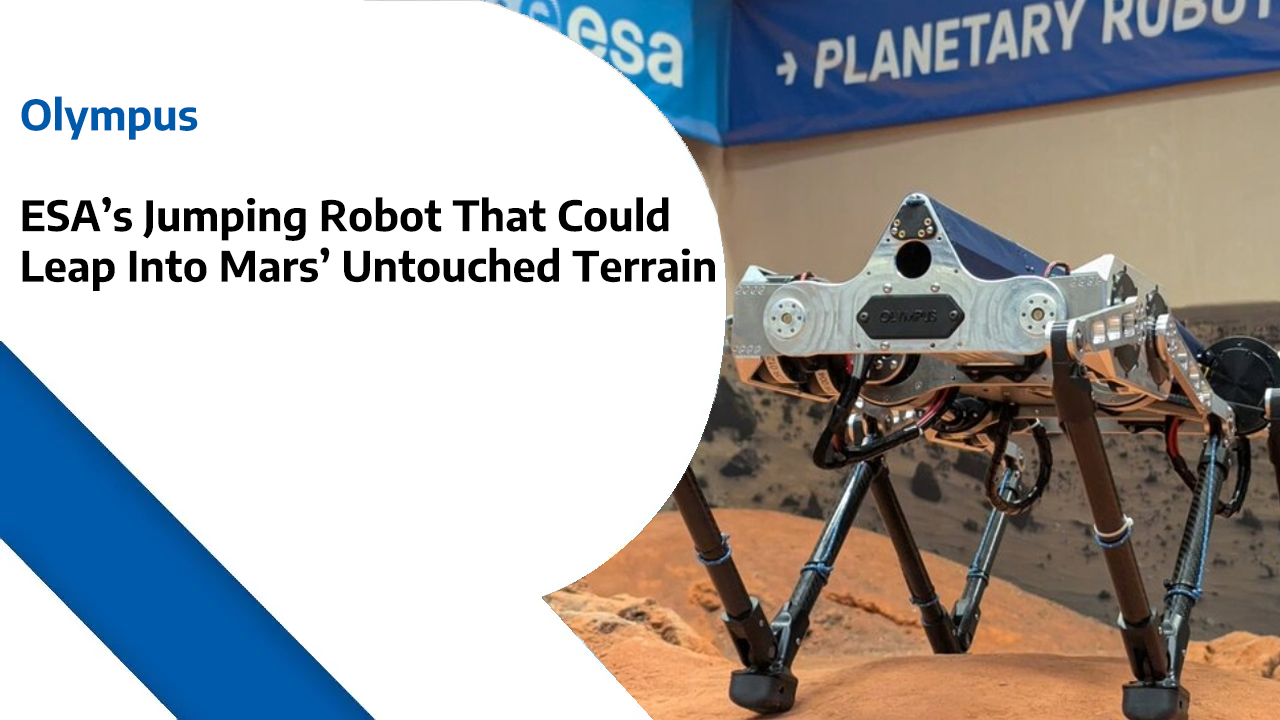
    Olympus – ESA’s Jumping Robot That Could Leap Into Mars’ Untouched Terrain

    Olympus – ESA’s Jumping Robot That Could Leap Into Mars’ Untouched Terrain


    “Meet Olympus — the European Space Agency’s four-legged robot designed to explore the Moon and Mars. In recent tests at ESA’s ORBIT facility in the Netherlands, it showed off its ability to jump and reorient itself under simulated Martian gravity — about 38% of Earth’s pull.”


    “Olympus was mounted upside-down on a friction-free, air-cushioned platform — imagine an air-hockey table for robots. This allowed engineers to test its agility in conditions similar to those on Mars, without the dust and danger.”


    “Using reinforcement learning, Olympus taught itself how to control its orientation and land on all four feet — even when the platform spun. It performed wall-to-wall jumps with remarkable stability.”


    “Unlike wheeled rovers, Olympus can leap over obstacles and even venture into lava tubes or caverns — terrain that’s off-limits to most current robotic explorers.”


    “With agility, intelligence, and a knack for keeping its balance, Olympus could one day help astronauts reach parts of Mars that have never been explored before — in just a few leaps.”


    And that’s your robot news update for today!
    If you’re curious about how robotics can transform your business, join me for the weekly Live Robot Optimise Workshop — it’s packed with insights, trends, and practical tips. Don’t forget to subscribe so you stay in the loop with all the latest updates.

    I’m RoboPhil from Robot Philosophy — thanks for watching, and I’ll see you next time!

    Join our Robot Optimise Industry (ROI) Workshop: https://robophil.com/workshop


    Sponsors:-


    Robot Center: – https://robotcenter.co.uk/ – Buy Robot, Robot Buy, Robot consultancy, Robotics Consultancy


    Robots of London: – https://robotsoflondon.co.uk/ – Robot Hire, Robot Rental, Rent Robot, Hire Robot, Robot Events


    Robot Philosophy: – https://robophil.com/ – Robot Consultancy AND Robot Recruitment, Robot Advice, Robot Insights, Robot Ideas